
مقارنة هندسية شاملة بين صمام البوابة وصمام الكرة
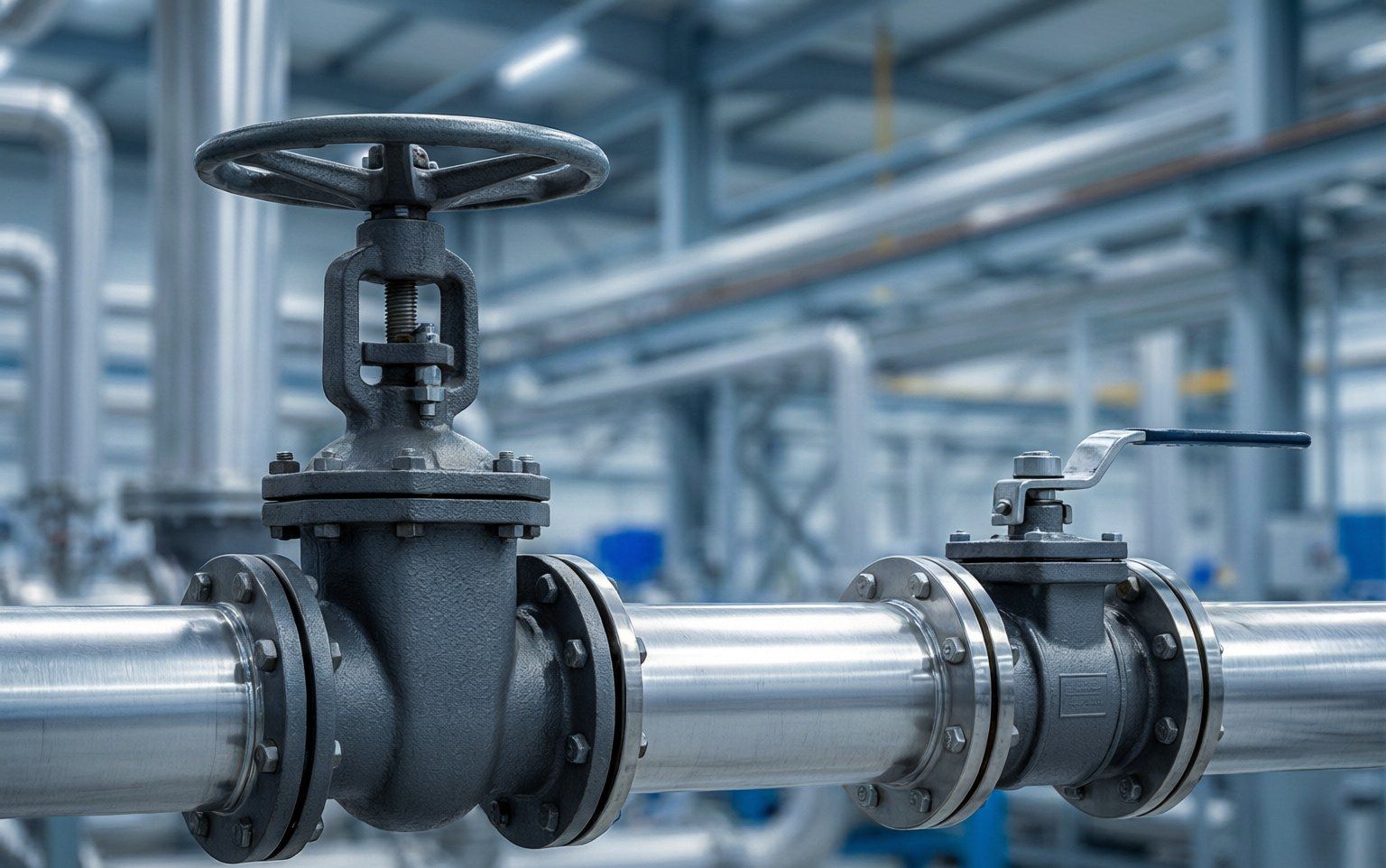
مقارنة هندسية بين صمام البوابة وصمام الكرة مع بيانات انخفاض الضغط، وتحليل عمر الدورة، وتوافق المواد، وإطار التكلفة الإجمالية للملكية لمصممي الأنظمة.
مقارنة هندسية شاملة: صمام البوابة مقابل الصمام الكروي
يعد الاختيار بين صمام البوابة والصمام الكروي من أكثر القرارات شيوعًا في تصميم أنظمة السوائل. يلعب كلا النوعين من الصمامات أدوارًا حاسمة في عزل التدفق، ومع ذلك تختلف مبادئ التشغيل وخصائص الأداء والاقتصاديات طويلة الأجل بطرق تؤثر بشكل كبير على موثوقية النظام. تقارن هذه المقارنة البيانات الهندسية لكل نوع من أنواع الصمامات حتى تتمكن من اتخاذ قرار مستنير بناءً على متطلبات التطبيق المحددة لديك بدلاً من التعميمات.
مبادئ العمل: صمام البوابة مقابل الصمام الكروي
لفهم سبب اختلاف أداء صمامات البوابة والصمامات الكروية، يجب أن نبدأ بآليات التشغيل الأساسية لكل منهما. يحول كل تصميم مدخلات المشغل إلى تحكم في التدفق عبر مسار ميكانيكي مميز، وهذه الاختلافات تقود تقريبًا كل خصائص الأداء التي تمت مناقشتها لاحقًا في هذه المقالة.
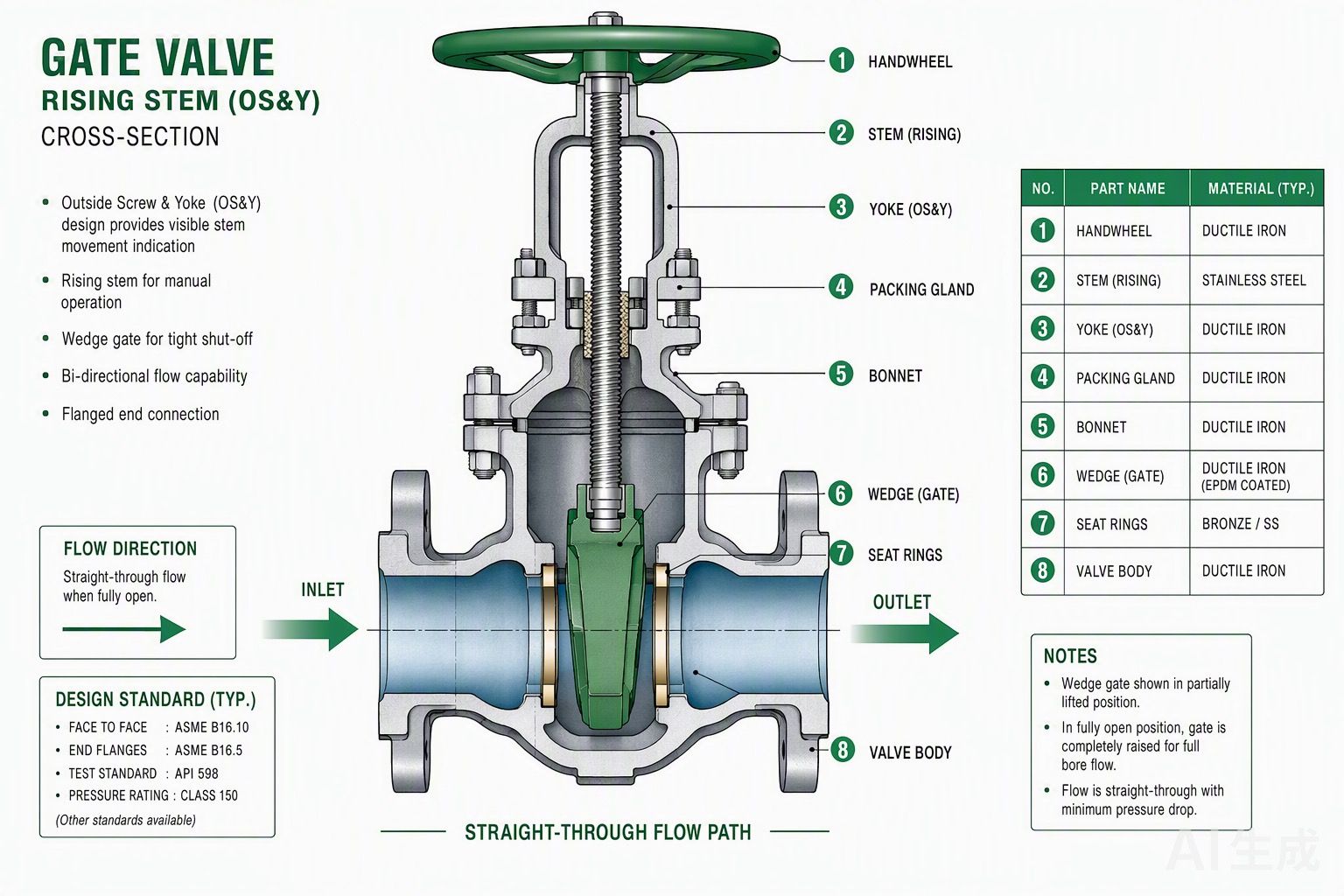
يتحكم صمام البوابة في التدفق عن طريق رفع أو خفض قرص على شكل إسفين ("البوابة") في مسار التدفق. يدير المشغل عجلة يدوية، والتي تقود ساقًا ملولبة ترفع البوابة تمامًا خارج مسار التدفق أو تخفضها لمنع التدفق تمامًا. تتحرك البوابة خطيًا، بشكل عمودي على اتجاه التدفق. عندما يكون مفتوحًا بالكامل، تقع البوابة فوق التجويف، ويتدفق السائل في خط مستقيم تقريبًا عبر جسم الصمام.

يستخدم الصمام الكروي آلية مختلفة جذريًا. توجد كرة كروية بثقب محفور في مركزها داخل جسم الصمام. يؤدي تدوير الكرة بزاوية 90 درجة (ربع دورة) إلى محاذاة الثقب مع مسار التدفق للفتح الكامل، أو بشكل عمودي عليه للإغلاق الكامل. يحرك المشغل رافعة أو مقبضًا عبر حركة قوسية بسيطة. لا يوجد انتقال خطي، ولا خيوط للساق، ولا بوابة ترتفع فوق الجسم.
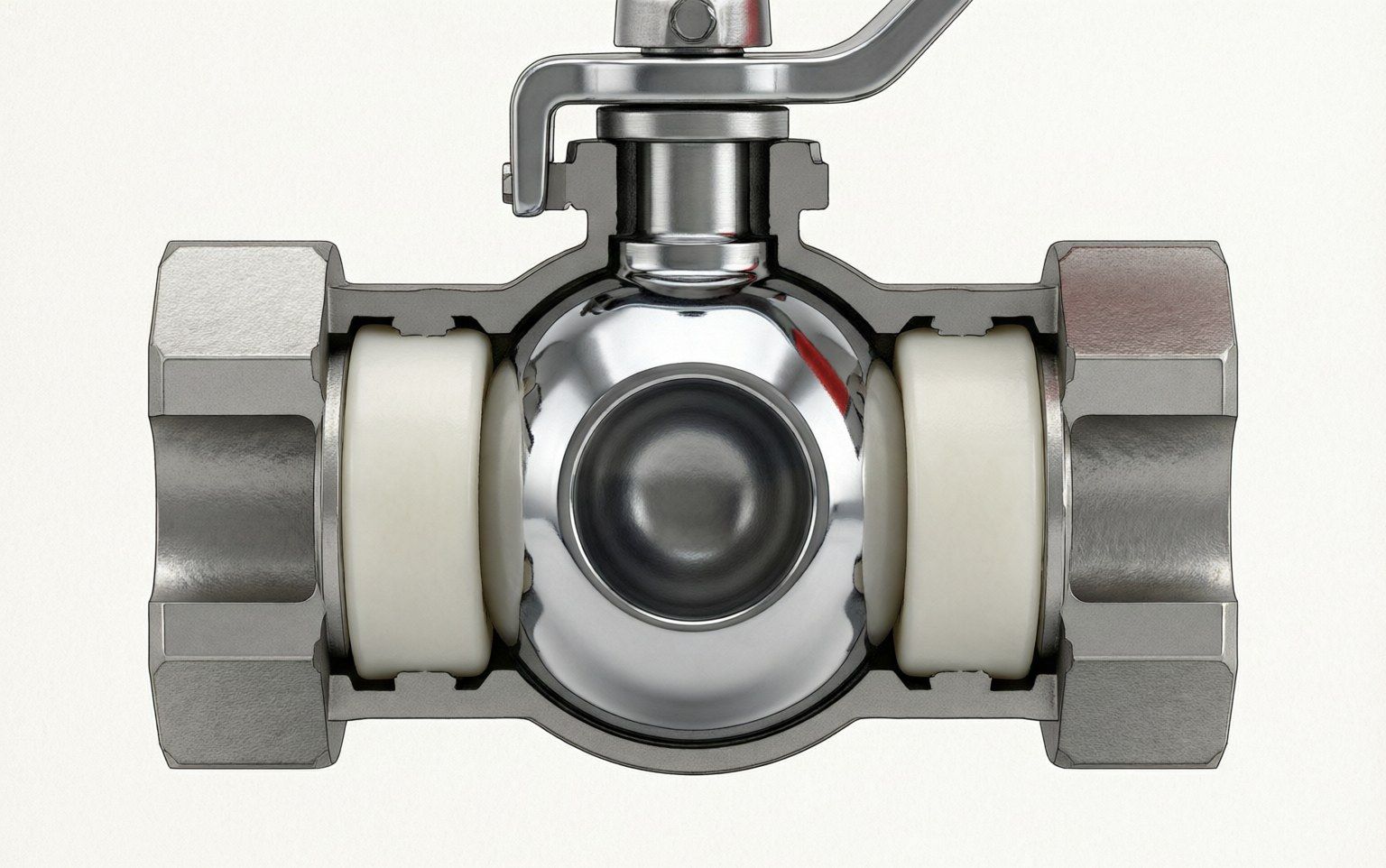
تخلق هذه الاختلافات الميكانيكية ملفات تشغيلية مميزة. صمامات البوابة مصممة بطبيعتها للتطبيقات التي يظل فيها الصمام في وضع واحد لفترات طويلة. سطح التلامس بين الإسفين والمقعد محسّن للإغلاق المحكم في الوضع المغلق بالكامل ولكنه يتعرض لتآكل كبير عندما يعمل الصمام بشكل متكرر أو عند فتحات جزئية. الصمامات الكروية، بتصميمها الدوار والمقاعد المرنة، تتحمل دورات تردد أعلى وتحافظ على سلامة الإغلاق على مدى دورات تشغيل أكثر.
يؤثر الاختيار بين هذه الآليات ليس فقط على التشغيل اليومي ولكن أيضًا على أنماط الصيانة طويلة الأجل، وفقدان الضغط في النظام، ونطاق الوسائط التي يمكن لكل صمام التعامل معها بشكل موثوق. تحدد الأقسام التالية هذه الاختلافات.
مقارنة أداء التدفق وانخفاض الضغط
أداء التدفق هو المكان الذي تترجم فيه الاختلافات الميكانيكية بين صمامات البوابة والكرة مباشرة إلى كفاءة نظام قابلة للقياس. يوفر معامل التدفق (Cv) طريقة موحدة لمقارنة مدى كفاءة كل نوع من الصمامات في تمرير السائل.
في الوضع المفتوح بالكامل، يوفر الصمام الكروي ذو المنفذ الكامل عادةً قيمة Cv أعلى من صمام البوابة ذي الحجم المكافئ. يخلق تصميم المنفذ الكامل للصمام الكروي قطر تجويف يساوي القطر الداخلي للأنبوب، مما ينتج مسار تدفق سلسًا وغير مقيد. صمام البوابة، حتى عندما يكون مفتوحًا بالكامل، يقدم اضطرابات في التدفق أثناء تنقل السائل حول تجويف الإسفين وهندسة المقعد داخل الجسم.
| نوع الصمام وحجمه | قيمة Cv النموذجية | انخفاض الضغط (PSI) عند 100 جالون في الدقيقة | خاصية التدفق |
|---|---|---|---|
| صمام كروي، منفذ كامل، 2" | ~280 | ~0.1 | فتح سريع |
| صمام بوابة، 2" | ~120 | ~0.7 | خطي (عزل؛ ليس للخنق) |
| صمام كروي، منفذ مخفض، 2" | ~180 | ~0.3 | فتح سريع |
| صمام بوابة، 4" | ~480 | ~0.04 | خطي (عزل؛ ليس للخنق) |
| صمام كروي، منفذ كامل، 4" | ~1,100 | ~0.01 | فتح سريع |
تُظهر البيانات أن صمامات الكرة ذات الممر الكامل توفر باستمرار معاملات تدفق أعلى من صمامات البوابة من نفس الحجم الاسمي. وتصبح هذه الميزة أكثر وضوحًا في الأقطار الأكبر. في الأنظمة التي يؤثر فيها انخفاض الضغط مباشرة على حجم المضخة واستهلاك الطاقة، يمكن أن يؤدي اختيار صمام كروي كامل الممر إلى تقليل تكاليف التشغيل على مدى عمر النظام.
تُستخدم صمامات البوابة أحيانًا في مهام تعديل التدفق لأن الجذع الصاعد يعطي موضع فتح مرئيًا، ولكن هذه ليست الخدمة المقصودة منها. خاصية تدفقها خطية تقريبًا في نطاق الفتح المتوسط، وليست بنسبة متساوية، كما أن الخنق المستمر يسرع من تآكل المقعد والإسفين، مما يضر بسلامة الإغلاق بمرور الوقت. ومع ذلك، فإن هذا يأتي بتكلفة: تشغيل صمام البوابة في خدمة الخنق يسرع من تآكل المقعد والإسفين، مما يضر بسلامة الإغلاق بمرور الوقت.
تضحي الصمامات الكروية ذات الممر المخفض ببعض سعة التدفق مقابل جسم أكثر إحكامًا وتكلفة أقل. تظل خيارًا عمليًا في الأنظمة التي تكون فيها الزيادة الطفيفة في انخفاض الضغط مقبولة وتفضل قيود المساحة أو الميزانية جسم صمام أصغر.
خيارات المواد والتوافق الكيميائي
تتوفر كل من صمامات البوابة والصمامات الكروية في مجموعة من مواد الجسم والقطع الداخلية. يؤثر اختيار المواد على التوافق الكيميائي، وتصنيف الضغط، وقدرة درجة الحرارة، والامتثال للمعايير الخاصة بالصناعة مثل لوائح مياه الشرب.
يظل النحاس الأصفر المادة الأكثر شيوعًا لكلا النوعين من الصمامات في السباكة التجارية والسكنية. توفر صمامات البوابة النحاسية والصمامات الكروية النحاسية مقاومة جيدة للتآكل في خدمة المياه، وقوة مقبولة لتصنيفات الضغط القياسية، وتصنيعًا فعالًا من حيث التكلفة. بالنسبة للتطبيقات الأكثر تطلبًا، يوفر البرونز (سبيكة نحاس-قصدير ذات قوة أعلى) متانة محسنة في خدمات المياه الصناعية والبخار.
تخدم متغيرات الفولاذ المقاوم للصدأ الوسائط المسببة للتآكل، والأنظمة عالية النقاء، وتطبيقات درجات الحرارة العالية. تظل صمامات البوابة من الحديد الزهر شائعة في أنظمة توزيع المياه ذات الأقطار الكبيرة وأنظمة الحماية من الحرائق حيث تفوق التكلفة والتوافر قيود الوزن والتآكل للحديد.
| المادة | الوسائط المتوافقة | نطاق درجة الحرارة | القيود الرئيسية |
|---|---|---|---|
| نحاس أصفر (DZR) | مياه الشرب، الهواء المضغوط، غاز الوقود | -20°F إلى 400°F | نزع الزنك في المياه العدوانية؛ غير مناسب للبخار فوق 250°F |
| برونز | مياه البحر، المياه الصناعية، بخار منخفض الضغط | -20°F إلى 450°F | تكلفة أعلى؛ توافر محدود في الأحجام الصغيرة للصمامات الكروية |
| فولاذ مقاوم للصدأ 316 | المعالجة الكيميائية، الأغذية والمشروبات، الأدوية | -40°F إلى 600°F | تكلفة ممتازة؛ خطر الالتصاق على الخيوط بدون مادة مانعة للالتصاق |
| حديد زهر | توزيع المياه، الحماية من الحرائق، التدفئة والتهوية وتكييف الهواء | -20°F إلى 450°F | هش؛ غير مناسب للوسائط المسببة للتآكل؛ وزن ثقيل |
بالنسبة لتطبيقات مياه الشرب، يجب أن يتوافق كلا النوعين من الصمامات مع متطلبات الخلو من الرصاص. في الولايات المتحدة، يحدد معيار NSF/ANSI 372 متوسط محتوى الرصاص المرجح للأسطح المبللة بنسبة 0.25 بالمائة. يستخدم المصنعون الذين ينتجون صمامات نحاسية لأنظمة مياه الشرب سبائك النحاس المقاومة لنزع الزنك (DZR) أو البرونز السيليكوني لتلبية هذه المعايير مع الحفاظ على مقاومة التآكل.
عند اختيار المواد، ضع في اعتبارك ليس فقط مادة الجسم ولكن أيضًا مواد المقعد والختم. توفر مقاعد PTFE في الصمامات الكروية توافقًا كيميائيًا واسعًا. تناسب أختام EPDM الماء الساخن والبخار. غالبًا ما تحدد مادة المقعد الحد الأقصى لدرجة الحرارة أكثر من مادة الجسم.
استكشف مجموعتنا الكاملة من منتجات الصمامات في النحاس الأصفر والبرونز والفولاذ المقاوم للصدأ لمقارنة خيارات المواد لتطبيقك المحدد.
تصنيفات الضغط وحدود درجة الحرارة
تحدد تصنيفات الضغط ودرجة الحرارة نطاق التشغيل الآمن لكل نوع من أنواع الصمامات. تعتمد هذه التصنيفات على مادة الجسم، ومادة المقعد، ومعيار التصميم. يساعد فهم كيفية مقارنة صمامات البوابة والكرة ضمن هذه المعايير في منع أخطاء الاختيار التي تؤدي إلى فشل مبكر.
عادةً ما تُصنف صمامات البوابة النحاسية لضغط تشغيل يبلغ 150 رطل/بوصة مربعة (WOG - الماء، الزيت، الغاز) في درجات الحرارة المحيطة. تحمل صمامات الكرة النحاسية ذات الجودة المماثلة تصنيفات مماثلة، على الرغم من أن التصميمات ذات الفتحة الكاملة قد تُصنف أقل قليلاً من الإصدارات ذات الفتحة المخفضة بسبب سمك الجدار الأرق حول التجويف الأكبر. يتبع كلا النوعين منحنيات تخفيض الضغط مع درجة الحرارة: مع زيادة درجة الحرارة، ينخفض أقصى ضغط تشغيل مسموح به.
عند درجة حرارة 150 درجة فهرنهايت، قد ينخفض ضغط التشغيل لصمام نحاسي قياسي إلى حوالي 125 رطل/بوصة مربعة. عند 400 درجة فهرنهايت، قد يُحدد نفس الصمام بـ 75 رطل/بوصة مربعة أو أقل. تُنشر قيم التخفيض هذه من قبل الشركات المصنعة وتتبع معايير مثل MSS SP-80 للصمامات النحاسية.
تلعب مادة المقعد دورًا حاسمًا في القدرة على تحمل درجات الحرارة. تحافظ مقاعد PTFE القياسية في الصمامات الكروية على خصائص الإغلاق حتى حوالي 400 درجة فهرنهايت. تعمل مقاعد PTFE المقواة أو PEEK على تمديد هذا النطاق إلى 500 درجة فهرنهايت أو أعلى. يمكن للصمامات البوابة ذات التلامس المعدني بين الإسفين والمقعد أن تتحمل درجات حرارة أعلى ولكنها تضحي بإغلاق محكم تمامًا في درجات الحرارة المرتفعة بسبب التمدد الحراري التفاضلي.
للتطبيقات عالية الضغط فوق 600 رطل/بوصة مربعة، تصبح صمامات البوابة من الفولاذ المطاوع (وفقًا لـ API 602) وصمامات الكرة من الفولاذ المطاوع (وفقًا لـ API 608) الخيارات القياسية. تستخدم هذه التصميمات أقسام جسم أثقل، وسيقان مقواة، وتكوينات مقعد آمنة ضد الحريق لا يمكن أن توفرها الصمامات النحاسية أو البرونزية.
اختيار التطبيق حسب الصناعة
تترجم المزايا النظرية لكل نوع من الصمامات بشكل مختلف عبر الصناعات والتطبيقات. تلخص المصفوفة التالية الأماكن التي يتم فيها تحديد صمامات البوابة والصمامات الكروية بشكل شائع، إلى جانب الأساس الهندسي وراء كل اختيار.
| التطبيق | نوع الصمام المفضل | الأساس الهندسي |
|---|---|---|
| إغلاق المياه السكني | صمام كروي | تشغيل بربع دورة، إغلاق موثوق، حجم مضغوط للمساحات الضيقة |
| توزيع المياه البلدية (قطر كبير) | صمام بوابة | انخفاض ضغط ضئيل في الأحجام الكبيرة، أداء طويل الأمد مثبت في الخدمة المدفونة |
| أنظمة التدفئة والتهوية وتكييف الهواء (المياه المبردة/الساخنة) | صمام كروي | تحمل التشغيل المتكرر، إغلاق محكم تمامًا لعزل المناطق، جاهز للمشغلات |
| أنظمة الحماية من الحرائق | صمام بوابة (OS&Y) | مؤشر موضع مرئي، الامتثال للكود (NFPA)، موثوقية منخفضة الدورات |
| خطوط العمليات الكيميائية | صمام كروي | مقاومة كيميائية فائقة مع مقاعد PTFE، سهولة التشغيل، إغلاق محكم بدون تقطير |
| خطوط البخار الصناعية | صمام بوابة | المقعد المعدني يتحمل درجات الحرارة العالية، تآكل خنق ضئيل في خدمة التشغيل/الإيقاف |
| مياه الري والزراعة | صمام كروي | تكلفة منخفضة، تشغيل يدوي سهل، تحمل جيد للحطام مع مقاعد مرنة |
النمط واضح: تهيمن الصمامات الكروية في التطبيقات ذات ترددات الدورات المعتدلة، ومتطلبات المساحة المدمجة، والحاجة إلى إغلاق موثوق. تحافظ صمامات البوابة على موقعها في البنية التحتية ذات القطر الكبير، ونقاط العزل منخفضة الدورات، والخدمات ذات درجات الحرارة العالية حيث يكون المقعد المعدني ضروريًا.
تستفيد بعض التطبيقات من استخدام كلا النوعين معًا. قد تستخدم غرفة ميكانيكية نموذجية للمبنى صمامات بوابة على خطوط الإمداد والعودة الرئيسية (حيث تظل في وضع واحد لأشهر) وصمامات كروية على الدوائر الفرعية ووصلات المعدات (حيث يحتاج المشغلون إلى إغلاق سريع وموثوق للصيانة).
للمشاريع التي تتطلب تكوينات صمامات مخصصة أو توريد OEM، فإن فهم أنماط التطبيق هذه يساعد فرق الهندسة على تحديد نوع الصمام المناسب لكل نقطة اتصال.
متطلبات التركيب والصيانة
غالبًا ما تحظى اعتبارات التركيب والصيانة باهتمام أقل أثناء اختيار الصمام، ومع ذلك فهي تؤثر بشكل كبير على تكاليف النظام وموثوقيته على المدى الطويل. يلخص الجدول أدناه كيفية اختلاف التصميمين عبر المساحة والصيانة والإصلاح والأتمتة.
| الاعتبار | صمام البوابة | صمام الكرة |
|---|---|---|
| مساحة التركيب | يتطلب الساق الصاعد خلوصًا رأسيًا إضافيًا عندما يكون الصمام مفتوحًا؛ تقلل المتغيرات ذات الساق غير الصاعدة (NRS) من ذلك ولكنها تضيف تعقيدًا وتكلفة. | غلاف مضغوط: يدور الذراع داخل البصمة ويظل ارتفاع الجسم ثابتًا، مما يجعله الخيار العملي في المساحات الضيقة ولوحات الأدوات ومنصات المعدات. |
| صيانة الحشو | يلزم الضبط الدوري لصندوق الحشو لمنع تسرب الجذع — حيث يرتخي الضغط بمرور الوقت بسبب الدورات الحرارية، لذلك يقوم الفنيون عادة بفحصه سنويًا في الخدمة النشطة. | تصميمات الجذع المقاوم للانفجار لا تتطلب عادة أي صيانة للحشو. |
| إصلاح المقعد | غالبًا ما يتطلب تآكل المقعد إزالة الصمام من الخط وتشغيل أسطح المقعد. | يمكن عادة استبدال حلقات المقعد المرنة في الخط في التصميمات الأكبر عن طريق تفكيك مسامير الجسم. |
| الأتمتة | المحركات متعددة الدورات (كهربائية أو هوائية) تطابق متطلبات الدوران للجذع. | المحركات ربع الدورة أبسط وأسرع وأقل تكلفة بشكل عام. |
تحليل التكلفة الإجمالية للملكية
سعر الشراء وحده يعطي صورة غير مكتملة لاقتصاديات الصمام. تأخذ التكلفة الإجمالية للملكية (TCO) في الاعتبار تكاليف الاقتناء والتركيب والصيانة والتوقف والاستبدال على مدى عمر الصمام التشغيلي. يكشف هذا الإطار عن المواقف التي يصبح فيها الخيار الأرخص في البداية أكثر تكلفة بمرور الوقت.
| مكون التكلفة | صمام البوابة (2" نحاس) | صمام الكرة (2" نحاس، ممر كامل) |
|---|---|---|
| سعر الشراء | $ | $$ |
| عمالة التركيب | $$ (مساحة أكبر، أثقل) | $ (مضغوط، أخف) |
| الصيانة السنوية | $$ (ضبط الحشو) | $ (ضئيلة) |
| العمر التشغيلي المتوقع (دورة عالية) | 3,000–5,000 دورة | 10,000+ دورة |
| تكرار الاستبدال (10 سنوات، دورة يومية) | 2–3 استبدالات | 0–1 استبدال |
| تقدير التكلفة الإجمالية للملكية على 10 سنوات | أعلى في التطبيقات عالية الدورة | أقل في التطبيقات عالية الدورة |
في التطبيقات منخفضة الدورة — صمامات العزل التي تعمل أقل من 10 مرات في السنة — يكون الفرق في التكلفة الإجمالية للملكية بين صمام البوابة وصمام الكرة ضئيلًا. من المرجح أن يتجاوز كلا النوعين عمر نظام الأنابيب الذي يخدمانه. في هذه التطبيقات، يوفر سعر الشراء المنخفض لصمامات البوابة ميزة اقتصادية حقيقية.
في التطبيقات عالية الدورة — صمامات الفروع، أو عزل المعدات، أو خطوط العمليات التي تعمل يوميًا — يتغير حساب التكلفة الإجمالية للملكية. قد يحتاج صمام البوابة الذي يعمل يوميًا إلى الاستبدال خلال 8 إلى 14 عامًا، بينما يمكن أن يستمر صمام الكرة في نفس الخدمة 20 عامًا أو أكثر. عندما يتطلب الاستبدال إيقاف تشغيل النظام، غالبًا ما تتجاوز تكلفة التوقف تكلفة الصمام بعامل 5 إلى 10.
كيفية اختيار الصمام المناسب لنظامك
يصبح اختيار الصمام مباشرًا عندما تتبع عملية قرار منظمة. بدلاً من الاعتماد على نوع واحد، قم بتقييم متطلباتك المحددة مقابل الخصائص التي يقدمها كل صمام.
ابدأ بملف التشغيل. كم مرة سيعمل الصمام؟ إذا بقي الصمام في وضع واحد لأشهر في كل مرة (العزل الرئيسي، الإغلاق الطارئ)، فإن صمام البوابة هو خيار سليم واقتصادي. إذا كان الصمام يعمل بشكل متكرر (يوميًا أو أسبوعيًا)، فإن عمر الدورة الأطول لصمام الكرة ومتطلبات الصيانة الأقل توفر مزايا قابلة للقياس.
بعد ذلك، ضع في اعتبارك قيود المساحة والاتجاه. تحتاج صمامات البوابة ذات الجذع الصاعد إلى خلوص رأسي يساوي شوط الجذع. إذا كانت مساحة التركيب محدودة — غرف الماكينات، رفوف المعدات، الأقبية تحت الأرض — توفر صمامات الكرة حلاً أكثر إحكامًا. للخدمة المدفونة أو التركيبات فوق الأرض ذات الخلوص الواسع، يعمل كلا النوعين.
قم بتقييم متطلبات الإغلاق. إذا كان تطبيقك يتطلب إغلاقًا محكمًا تمامًا (بدون تسرب مرئي في الوضع المغلق)، فإن صمامات الكرة تلبي هذا المعيار كتصميم أساسي. توفر صمامات البوابة إغلاقًا محكمًا عندما تكون جديدة ولكنها قد تطور تسربًا طفيفًا بمرور الوقت، خاصة في التطبيقات التي تحتوي على وسائط محملة بالجسيمات التي تؤدي إلى تآكل سطح التلامس بين الإسفين والمقعد.
ضع في اعتبارك احتياجات التشغيل. إذا كان الصمام سيتم تشغيله آليًا، فإن صمامات الكرة ربع الدورة تقترن بمحركات بسيطة وفعالة من حيث التكلفة. محركات صمام البوابة متعددة الدورات أكثر تعقيدًا وتكلفة. للتشغيل اليدوي، ضع في اعتبارك ما إذا كان المشغلون بحاجة إلى سرعة الإغلاق ربع الدورة أو يمكنهم تحمل تشغيل صمام البوابة الأبطأ.
أخيرًا، ضع في اعتبارك تحليل التكلفة الإجمالية للملكية. بالنسبة للمشاريع ذات الميزانية المحدودة ومتطلبات التشغيل المنخفضة، توفر صمامات البوابة أداءً مثبتًا بتكلفة أولية أقل. أما بالنسبة للأنظمة التي تكون فيها الموثوقية وتكلفة الصيانة وتجنب التوقف هي العوامل الحاسمة، فإن الصمامات الكروية عادةً ما توفر اقتصاديات أفضل على مدى العمر الافتراضي.
عندما يتضمن تطبيقك ظروفًا غير قياسية — مثل وسائط غير عادية، أو درجات حرارة قصوى، أو أحجام مخصصة — فإن استشارة فريق الهندسة لدى الشركة المصنعة للصمامات مباشرةً يساعد في تجنب أخطاء الاختيار المكلفة.تواصل مع فريق الهندسة في IFAN للحصول على إرشادات اختيار الصمامات الخاصة بتطبيقك.
الأسئلة الشائعة: صمام البوابة مقابل الصمام الكروي
هل يمكن استخدام صمام البوابة بدلاً من الصمام الكروي؟
تخدم صمامات البوابة والصمامات الكروية أغراضًا تشغيلية مختلفة. صمامات البوابة مصممة لتدفق خطي مع أقل قيود، وهي مناسبة تمامًا للوضع المفتوح بالكامل أو المغلق بالكامل. توفر الصمامات الكروية تشغيلًا بربع دورة مع إغلاق محكم وموثوق. بينما يمكن لكل منهما عزل التدفق، فإن استبدال أحدهما بالآخر قد يؤدي إلى أداء ضعيف، أو زيادة الصيانة، أو فشل مبكر اعتمادًا على متطلبات التطبيق.
أي صمام لديه انخفاض ضغط أقل، صمام البوابة أم الصمام الكروي؟
تنتج الصمامات الكروية عمومًا انخفاض ضغط أقل من صمامات البوابة عندما تكون مفتوحة بالكامل. الصمام الكروي ذو الممر الكامل له قطر تجويف يساوي القطر الداخلي للأنبوب، مما يخلق مسار تدفق مستقيم مع أقل اضطراب. حتى في الوضع المفتوح بالكامل، تقدم صمامات البوابة مقاومة تدفق أكبر بسبب هندسة الإسفين وترتيب المقعد. في التكوينات النموذجية، يمكن أن يكون معامل التدفق (Cv) للصمام الكروي أعلى بمقدار 2 إلى 3 مرات من صمام البوابة المكافئ في الحجم.
كم تدوم صمامات البوابة والصمامات الكروية عادةً؟
يعتمد عمر الخدمة على تكرار التشغيل ونوع الوسيط وظروف التشغيل. تتجاوز الصمامات الكروية عادةً 10,000 دورة فتح-إغلاق كاملة في خدمة المياه القياسية قبل أن يصبح تآكل المقعد مصدر قلق. تدوم صمامات البوابة عمومًا من 3,000 إلى 5,000 دورة في ظروف مماثلة لأن سحب الإسفين عبر المقعد يسبب تآكلًا ميكانيكيًا أكبر. في التطبيقات منخفضة التشغيل مثل صمامات العزل التي تبقى في وضع واحد لأشهر، يمكن لكلا النوعين العمل بشكل موثوق لأكثر من 20 عامًا.
هل الصمامات الكروية أفضل من صمامات البوابة للسباكة المنزلية؟
معظم تطبيقات السباكة السكنية، تعتبر الصمامات الكروية الخيار المفضل. فهي توفر تشغيلًا بربع دورة لإغلاق سريع، وإغلاقًا محكمًا وموثوقًا، وعمر خدمة أطول في بيئة التشغيل المعتدلة النموذجية للأنظمة المنزلية. تظل صمامات البوابة شائعة في التركيبات القديمة وفي تطبيقات الخطوط الرئيسية ذات القطر الأكبر حيث يكون مسار التدفق المستقيم مفيدًا. يعتمد الاختيار على حجم الأنبوب، وتكرار التشغيل، وما إذا كان التحكم في التدفق مطلوبًا.
ما هو العيب الرئيسي لصمام البوابة؟
العيب الأساسي لصمام البوابة هو قابليته للتآكل عند استخدامه في أوضاع مفتوحة جزئيًا. تتعرض أسطح الإسفين والمقعد للاهتزاز والتآكل عندما يمر التدفق عبر فتحة مقيدة جزئيًا، مما قد يؤدي إلى تلف المقعد وتسرب في النهاية. كما أن صمامات البوابة أبطأ في التشغيل بسبب عدد اللفات المطلوبة، وتشغل مساحة رأسية أكبر بسبب تصميم الجذع الصاعد. هذه العوامل تجعل صمامات البوابة أقل ملاءمة للتطبيقات التي تتطلب تشغيلًا متكررًا أو تحكمًا دقيقًا في التدفق.
أي صمام أكثر فعالية من حيث التكلفة على مدى عمره الافتراضي؟
تعتمد التكلفة الإجمالية للملكية على التطبيق. عادةً ما يكون سعر الشراء الأولي لصمامات البوابة أقل بنسبة 15 إلى 30 بالمائة في البناء النحاسي. ومع ذلك، في التطبيقات عالية التشغيل، غالبًا ما تثبت الصمامات الكروية فعاليتها من حيث التكلفة على مدى عمر النظام. يمكن أن يؤدي عمر التشغيل الأطول (غالبًا 2 إلى 3 مرات من صمامات البوابة)، وانخفاض متطلبات الصيانة، وانخفاض تكاليف التوقف إلى خفض التكلفة الإجمالية للملكية بنسبة 20 إلى 40 بالمائة في ظروف الخدمة الصعبة.