
Certificações de Tubulações: Mais de 20 Normas que Todo Importador Precisa Conhecer

Descubra quais normas de certificação de tubulações (CE, NSF, DVGW, EAC, ISO) são essenciais para importar tubulações PPR, PEX e conexões de latão. Consulte os mais de 20 certificados da IFAN e verifique-os.
Quando você já reduziu sua seleção aos dois ou três fornecedores chineses de tubulações finais, a pilha de PDFs de certificação sobre sua mesa é onde começa a verdadeira due diligence. Os padrões de certificação de tubulações não são apenas logos para estampar em uma ficha técnica — eles são a diferença entre um embarque que passa pela alfândega de Roterdã sem contratempos e um que fica retido em armazém aduaneiro enquanto você corre para provar que seu produto atende à EN 15874. Para um gerente de compras experiente, a questão não é se uma fábrica possui certificados, mas se esses certificados estão vigentes, corretamente delimitados e verificáveis no banco de dados do organismo emissor.
Por isso, esta análise percorre a abordagem de certificação da IFAN — não como um ponto de marketing, mas como um framework de auditoriaoria repetível. Com mais de 20 certificações ativas em CE, NSF/ANSI 61, DVGW, SKZ e EAC, a IFAN construiu um portfólio de conformidade que abrange tubulações PPR, PEX, HDPE e conexões de latão para aplicações de água potável, gás e HVAC. Mas o mais importaçãoante é que a empresa estruturou cada certificado para ser rastreável por lote com códigos QR vinculados diretamente à ferramenta de verificação online do organismo emissor. Em um setor onde aproximadamente 12% dos certificados de fornecedores nas principais plataformas B2B fazem referência a normas obsoletas ou descontinuadas, esse nível de transparência é o que permite avançar da avaliação para a compra com confiança.

Por Que as Certificações de Tubulações São Importantes para os Importadores
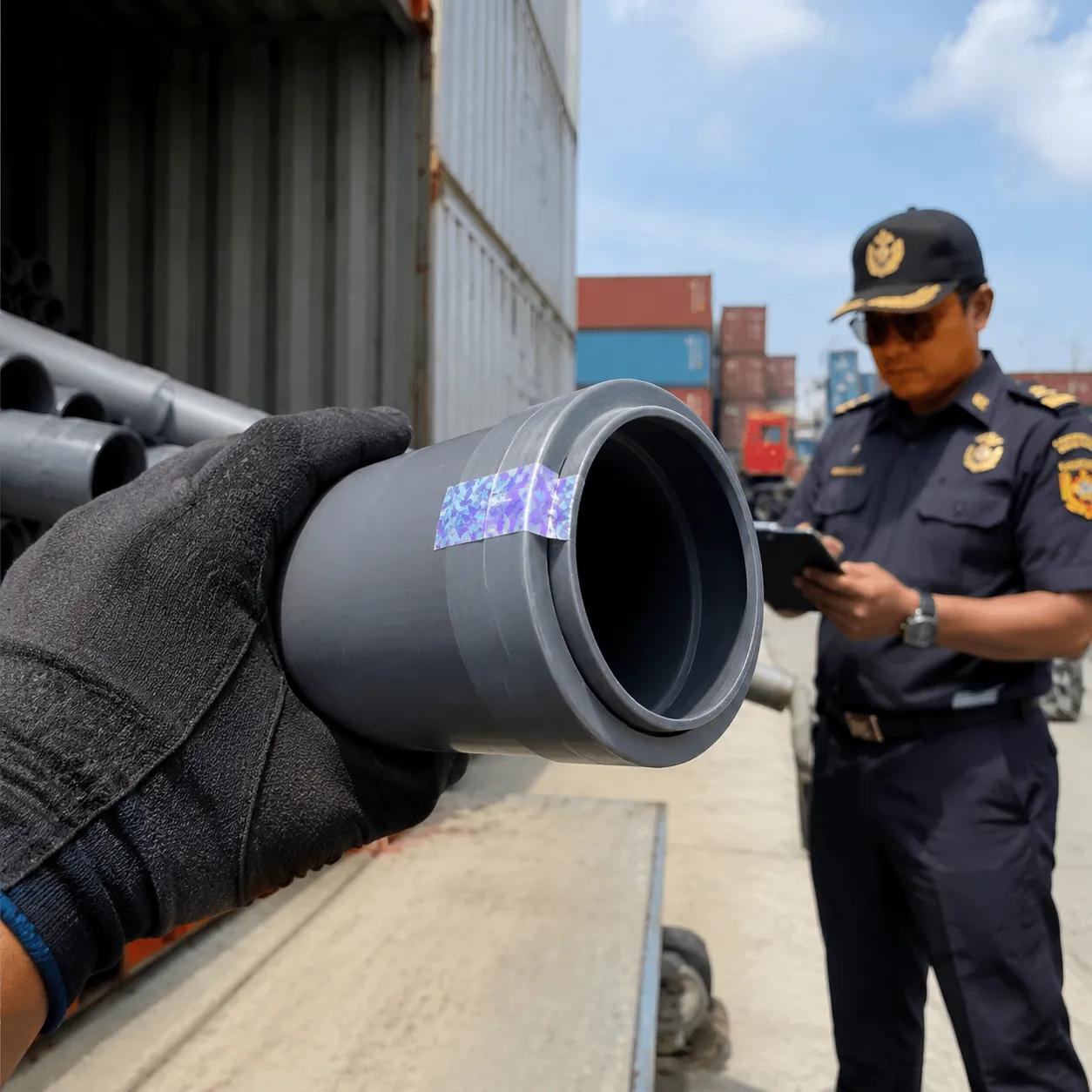
Certificações não são distintivos de marketing — são autorizações de acesso ao mercado. Envie tubulações plásticas para a UE sem uma marca CE válida e apenas os custos de retenção alfandegária podem ultrapassar US$ 10.000 por contêiner. Veja o que todo gerente de compras precisa saber sobre padrões de certificação de tubulações antes de fazer um pedido.
É preciso ser direto sobre algo que a maioria dos artigos ignora: a certificação
As certificações controlam diretamentel three things in any importação transaction: acesso ao mercado, liability allocation, and total cost of ownership. If you ship DVGW-certified conexões de latão into Alemanha, alfândega clears them without additional testing. If you ship the same conexões with only a generic CE declaration, alfândega holds the contêiner and requests proof of conformidade with German national requirements. That detention costs demurrage fees, re-inspeção charges, and delayed project timelines. Sourcing managers have lost their positions over a single contêiner rejected at Rotterdam because thePPR pipecarried an vencido CE certificado that no one thought to verify.
Certificaçãos also serve as your legal firewall. When a pipe bursts in a commercial building or a fitting leaches contaminants into a school's água potável system, the authorities do not go after the fábrica in China—they go after the importaçãoador. Your only defense is documented proof that the produto met recognized normas at the time of manufacture. A válido NSF/ANSI 61 certificado for água potável components or a DVGW certificado for gas conexões transfers the conformidade burden back to the fabricante. Without that documentation, you assume full liability for every meter of pipe you importaçãoed.
Here is an insider reality that most fornecedors will not tell you. Based on auditorias conducted by SGS and independent terceiros inspectors across major B2B platforms, approximately 12% of certificação documents displayed by tubulação plástica fornecedors are either vencido, reference discontinued normas, or belong to a different company entirely. A fornecedor can generate a PDF that looks identical to a genuine certificado. The only way to confirm authenticity is to take the certificado number, go to the organismo emissor's online database, and verify that the fabricante name, produto escopo, and válidoity date all match. This is not optional diligence—it is the minimum bar for protecting your cadeia de suprimentos.
One of the most common conformidade failures observed involves confusion between NSF/ANSI 14 and NSF/ANSI 61. A fornecedor advertises "NSF certified" and the buyer assumes it covers água potável safety. It may not. NSF/ANSI 14 establishes performance requirements for plastic piping components—classificação de pressãos, dimensional tolerances, resistência ao impacto. NSF/ANSI 61 addresses health effects, specifically whether the produto leaches contaminants into água potável above safe limits. For any água potável project in América do Norte, both normas are required. If your fornecedor's PPR pipe only holds NSF 14, it will fail inspeção on a água potável application. Understanding this difference between NSF 61 vs NSF 14 for tubulação plásticas can save you from a six-figure conformidade failure.
The cost-benefit analysis favors certified piping in every mature market. Certified pipes carry a 15 to 25 percent price premium compared to non-certified equivalents. But that premium buys measurable savings. Inspection rejection rates drop by up to 40 percent because certified produtos are manufactured to consistent specifications. Customs clearance times shrink from weeks to days because the documentation is complete and verifiable. The recall risk that can bankrupt an importaçãoador is eliminated entirely. For a five-ton PPR pedido destined for the UE, paying an 18 percent premium for a CE-certified produto saves roughly $1,200 in demurrage and re-inspeção fees compared to a non-certified embarque that gets flagged. The math is straightforward.
Before walking through each norma in detail, a summary of the key certificaçãos that matter for plastic piping importaçãos and what they actually cover is provided.
- CE marking (EN 12201, EN 15874): Required for all plastic piping sold in the European Economic Area. EN 12201 covers HDPE, EN 15874 covers PPR. Without CE marking, your produto cannot legally enter the UE market.
- NSF/ANSI 61: Required for any piping component that contacts água potável in the United States and Canada. Tests for chemical leaching and contaminant migration.
- NSF/ANSI 14: Covers physical performance of plastic piping components. Often required in conjunction with NSF 61 for água potável systems.
- DVGW: German certificação for gas and water distribution. Considered the gold norma in Central Europe. Required for any piping installed in German public infrastructure.
- SKZ: German testing and certificação for plastic piping quality. Focuses on material consistency and long-term performance.
- EAC: Required for the Eurásian Customs Union (Russia, Belarus, Kazakhstan, Armenia, Kyrgyzstan). Without EAC certificação, tubulação plástica cannot clear alfândega in these markets.
- ISO 9001:2026: Gestão da qualidade system norma for fabricantes. The 2026 revision introduces climate change requirements. Applies to the fábrica's processes, not directly to the produto.
- ROHS: Restriction of hazardous substances conformidade, required for produtos sold in the UE.
Each of these normas serves a specific purpose and applies to specific produto categories. CE certificação for PPR pipe, for example, is not interchangeable with CE certificação for HDPE conexões—the harmonized norma differs. And DVGW certificação for Alemanha importação requires not just a válido certificado but also fábrica produtoion auditoria de vigilânciaorias that most Chinese fornecedors do not maintain. When you ask a fornecedor for their certificação list, you need to verify not just that the certificado exists, but that the produto escopo, norma number, and válidoity period match your specific pedido.
The sections below provide a step-by-step framework for verifying fornecedor certificaçãos, a complete breakdown of IFAN's certificação portfolio as a benchmark, and a cost-benefit analysis to help you make data-driven sourcing decisions.
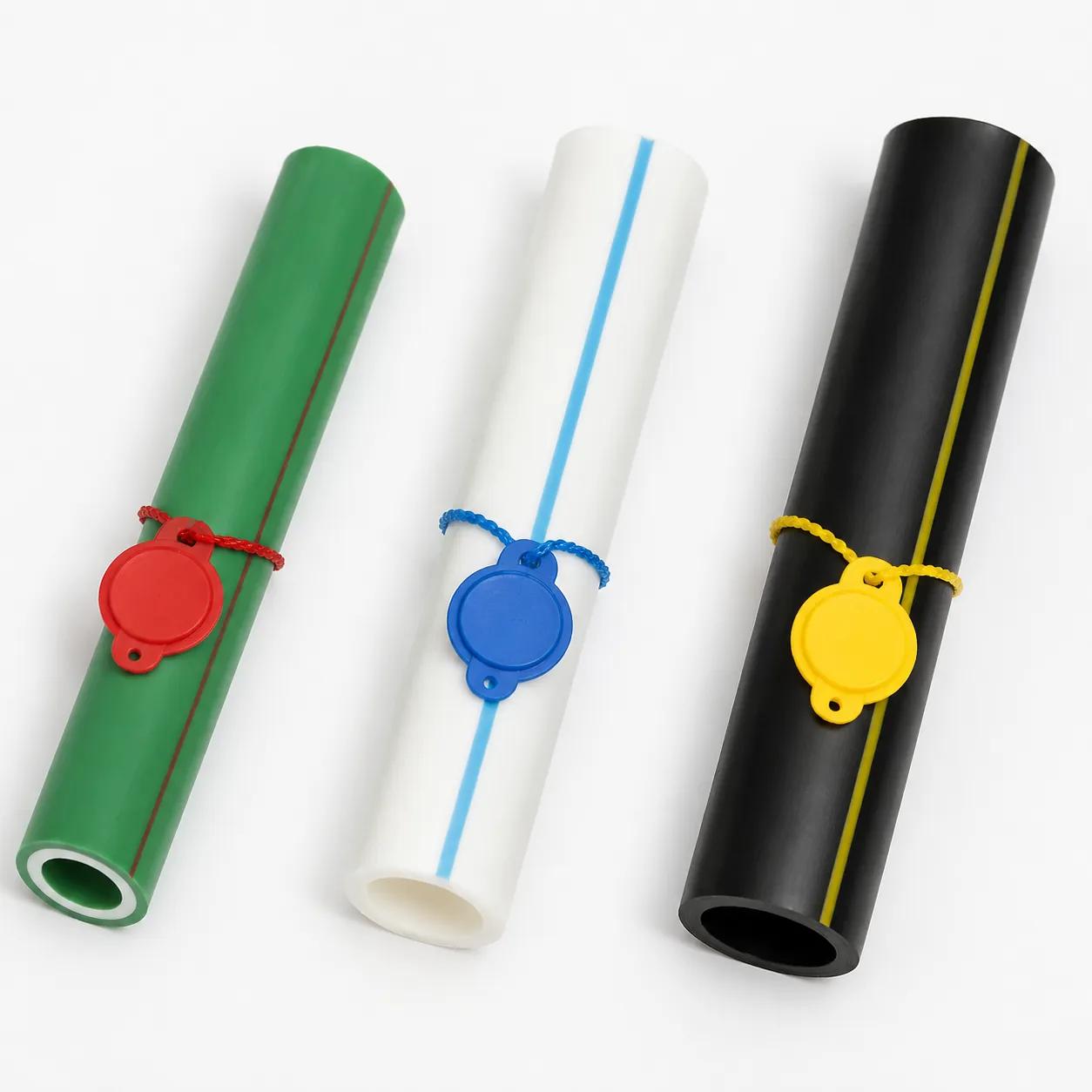
Key International Normas for Plastic Piping
Key Takeaways: Pipe Certificação Normas
IFAN holds more than 20 international certificaçãos including CE, NSF/ANSI 61, DVGW, SKZ, and EAC, covering all major plastic piping categories (PPR, PEX, HDPE) and conexões de latão for água potável, gas, and aplicações HVAC.
Certified pipes command a 15–25% price premium over non-certified equivalents, but reduce inspeção rejection rates by up to 40% and eliminate conformidade-driven recall costs.
Many fornecedors display vencido or generic PDF certificados; IFAN provides lote-specific traceable certificados with códigos QR linked to the organismo emissor's database – a rarity in the industry.
You already have shortlisted three potential factories. Now you need hard evidence that their certificaçãos are real and cover the normas your project demands. One wrong certificado can delay a contêiner for weeks, cost thousands in port demurrage, or worse – expose you to liability when a pipe fails in the field. Este guia gives you a framework to auditoria any fornecedor's certificação portfolio, using IFAN's own 20+ certificação list as a concrete example so you can replicate the process with confidence.
Pipe certificaçãos are not decorative logos. They are legal documentation that proves your produto meets specific performance, safety, and health requirements for a target market. Por exemplo, shipping PPR pipes to the European Union without CE marking (EN 15874) can result in alfândega rejection – a single 20-foot contêiner held at Rotterdam costs roughly $1,200 per week in storage and demurrage. Beyond alfândega, proper certificação protects you from produto-liability claims. If a pipe fails and causes property damage, a válido certificado from an acreditado body is your first line of defense. Without it, you bear full responsibility.
The difference between a real fábrica and a trading company often shows up in certificação continuity. Real factories maintain válido documents year after year because they invest in quality systems. IFAN, for instance, holds ISO 9001:2026 (the latest revision that now includes climate change requirements) and renews all major certificaçãos on schedule – a sign of operational maturity that importaçãoadors can verify directly.
Key International Normas for Plastic Piping
A maioria online guides for certificação de tubulações focus on steel normas like API 5L, leaving plastic piping buyers without clear answers. Here are the normas that actually matter for PPR, PEX, HDPE, and conexões de latão:
- NSF/ANSI 14 – Performance requirements for plastic piping components (classificação de pressão, dimensions, durability). Covers pipes, conexões, válvulas, and joining materials. Required in América do Norte for structural integrity.
- NSF/ANSI 61 – Health effects for água potável. Tests that no harmful chemicals leach into water. Mandatory for água potável produtos in the U.S. and Canada. IFAN's PPR and PEX pipes hold both NSF/ANSI 14 and NSF/ANSI 61 – dual certificação that many fornecedors skip.
- CE marking (EN 12201, EN 15874) – Required for PPR pipes entering the European Union. Confirms conformidade with harmonised European normas for water and gas applications. Without CE, alfândega will block the embarque.
- DVGW – German gas and water certificação. The most respected mark in Central Europe for conexões de latão and tubulação plásticas used in água potável. IFAN's brass compression conexões carry DVGW certificação, opening doors to premium German and Austrian projects.
- SKZ – German plastic piping quality mark. Focuses on independent testing of pipe and fitting performance. IFAN holds SKZ certificação for its PPR produto line, verifying dimensional stability and long-term resistência à pressão.
- EAC – Eurásian Customs Union certificação. Required for exportaçãos to Russia, Belarus, Kazakhstan, and other member states. If you source for projects in that region, EAC is non-negotiable.
- ISO 9001:2026 – Gestão da qualidade system norma for the fabricante's processes. Newest revision includes climate risk management. Not a produto spec, but a prerequisite for any serious fábrica.
- Check the certificado number on the organismo emissor's online database. A maioria bodies (NSF, SGS, DVGW, SKZ) provide public portals. For NSF, go to nsf.org/certified-produtos; for DVGW, use their produto registry. Enter the certificado number – if nothing appears, the document is inválido.
- Confirm the fabricante name and address match the fornecedor. Many trading companies use certificados borrowed from real factories. The licensed fabricante must be the same entity that appears on your compra pedido.
- Verificar the válidoity date. Certificados expire (typically every 1–3 years). An vencido certificado equals no certificação. IFAN's list always includes current válido dates; ask your fornecedor for the same.
- Cross-check the produto escopo. A certificado may cover only specific produto lines or sizes. Por exemplo, NSF/ANSI 61 applies only to água potável produtos – not to gas pipes. Request the exact escopo statement.
How to Verificar if a Pipe Certificado Is Valid
Fake and vencido certificados are a real problem. Our research shows that approximately 12% of certificação documents on major B2B platforms reference discontinued normas or have already vencido. Do not accept a PDF at face value. Follow this four-step verificação protocol:
IFAN goes further by providing lote-specific traceable certificados with códigos QR. Scan the código QR with a phone camera, and it links directly to the organismo emissor's database entry for that produtoion lot. This transparency is unusual in the industry and gives importaçãoadors an immediate, verifiable chain of custody.
IFAN's 20+ Certificaçãos: A Complete Breakdown
IFAN holds certificaçãos across six produto categories: PPR, PEX, HDPE, conexões de latão, válvulas, and coletores. Here is a list of the most significant ones, with the normas they cover:
- ISO 9001:2026 – Gestão da qualidade system (latest revision)
- ISO 14001 – Environmental management system
- CE marking (EN 12201, EN 15874) – UE acesso ao mercado for PPR pipes
- NSF/ANSI 61 – Drinking water health effects (PPR, PEX)
- NSF/ANSI 14 – Performance requirements (PPR, PEX)
- DVGW – German water and gas (conexões de latão, PPR)
- SKZ – German plastic piping quality (PPR)
- EAC – Eurásian Customs Union (PPR, PEX, brass)
- ROHS – Restriction of hazardous substances
- SGS fábrica auditoria – Independent terceiros auditoria of manufacturing capability
- Inspection rejection rates drop by up to 40% with certified produtos (source: internal IFAN quality data over 5 years).
- Customs clearance is faster – no need for additional testing or documentation.
- Eliminated conformidade-driven recall costs (average recall for non-compliant plumbing produtos can exceed $50,000 when you factor in shipping, penalties, and reputation damage).
This portfolio is built on 29 years of exportação experience, a 120,000 m² fábrica, and daily output exceeding 150 tons. Unlike many Chinese factories that display only generic PDFs, IFAN keeps every certificado current and accessible.
Cost-Benefit Analysis of Sourcing Certified Pipes
Certified pipes typically cost 15–25% more than non-certified equivalents. But consider the hidden costs of skipping certificação:
A concrete scenario: pedidoing 5 tons of PPR pipes for a European project. The certified option costs 18% more upfront. But the non-certified alternative faces a 2-week alfândega hold for random testing, costing $1,200 in demurrage, plus the risk of failing the test and having to reimportação. The certified embarque clears in 48 hours with no extra fees. The premium pays for itself in the first project.
IFAN's daily output of 150+ tons and million-dollar inventory buffer ensure that certified produtos are always available, eliminating the lead-time uncertainty that plagues smaller factories.
FAQ: Pipe Certificação Normas
Q: What is the difference between NSF ANSI 14 and 61?
A: NSF/ANSI 14 covers performance requirements (pressure, dimensions) for plastic piping components. NSF/ANSI 61 focuses on health effects – ensuring no harmful chemicals leach into água potável. For água potável, both are needed.
Q: What is NSF 14 certificação?
A: NSF/ANSI 14 establishes minimum physical, performance, health effects, quality assurance, marking and recordkeeping requirements for plastic piping system components including pipes, conexões, válvulas.
Q: Is NSF 14 safe for água potável?
A: NSF/ANSI 14 alone does not guarantee água potável safety. For that, the produto must also meet NSF/ANSI 61. Many produtos hold both.
Q: What is the ISO norma for pipes?
A: Key ISO normas include ISO 15874 (PPR), ISO 1452 (PVC-U), and ISO 22391 (PEX). ISO 9001 applies to the fabricante's gestão da qualidade system, not produto specs directly.
Q: What does NSF 61 certified mean?
A: It means the produto has been tested and certified to not leach contaminants into água potável above safe limits. Required for all água potável contact produtos in the U.S. and Canada.
To explore detailed produto–certificação mapping for IFAN's PPR, PEX, and conexões de latão, visit the Technical Specifications page. There you can see how each certificação links to a specific produto performance characteristic, helping you make a fully informed sourcing decision.
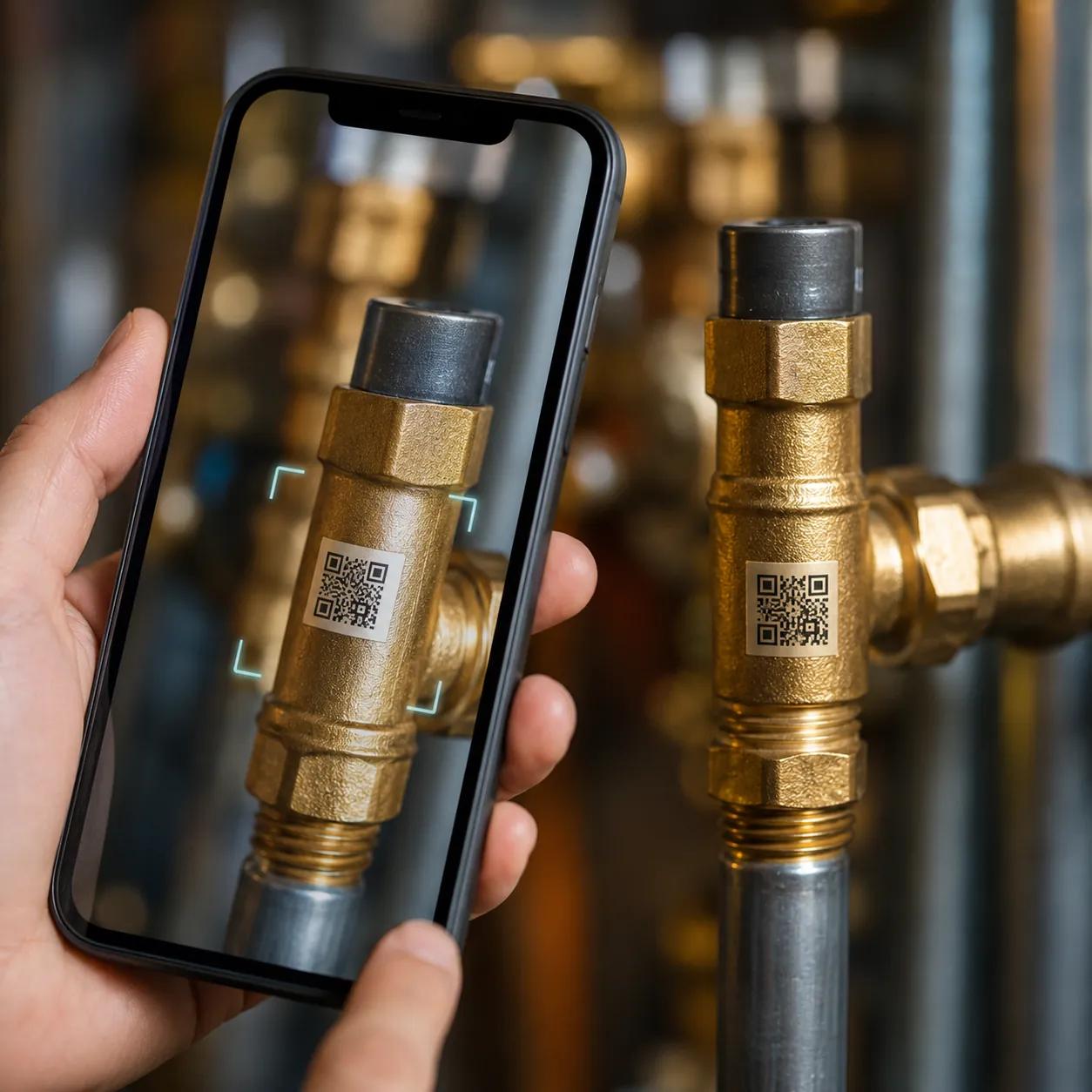
How to Verificar if a Pipe Certificado Is Valid
Key Differentiator: A maioria guides recycle steel pipe normas (API 5L). Este guia covers the specific normas that govern plastic piping importaçãos (NSF, DVGW, SKZ, EAC), including a 4-step verificação protocol because an estimated 12% of certificados on B2B platforms are inválido.
A CE mark is not a sticker you negotiate for; it is your legal defense if a fitting fails and floods a building in Frankfurt. Ship PPR pipe into the UE without válido EN 12201 certificação and alfândega will hold the contêiner. The minimum consequence is $10,000 in demurrage and return logistics. For água potável projects in América do Norte, NSF/ANSI 61 certificação is the only evidence that protects an importaçãoador from liability if a chemical leaching incident occurs. Without it, the importaçãoador faces the lawsuit—not the fábrica in China. Certificação shifts the liability burden back to the fabricante, where it belongs.
Here is the reality that most gerente de comprass miss: SGS reported in 2026 that aproximadamente 12% of certificação documents uploaded to major B2B platforms are either vencido or reference discontinued normas. This is not a minor due diligence step—it is a systemic sourcing hazard that requires a structured verificação approach.
Key International Normas for Plastic Piping (Not Steel)
Stop searching for steel pipe guides (API 5L) when you are buying PPR, PEX, or HDPE. The plastic piping conformidade landscape operates on a completely different set of normas. Here are the specific ones that matter for água potável, gas, and HVAC systems:
- NSF/ANSI 61: Mandatory for água potável produtos in the US and Canada. This norma tests for contaminant leaching. A produto cannot legally be used for água potável in América do Norte without it.
- NSF/ANSI 14: Covers physical performance requirements (classificação de pressão, dimensions). Often conflated with NSF 61, but it does not verify water safety on its own. Many projects require both.
- CE Marking (EN 12201, EN 15874): The legal acesso ao mercado requirement for the European Union. EN 15874 covers PPR specifically. Without it, the produto cannot be sold in the UE.
- DVGW: The German gas and water norma. This is stricter than the baseline CE requirements. German utilities mandate DVGW certificação for any pipe or fitting installed in their network. IFAN holds DVGW for both PPR and conexões de latão.
- SKZ: A German plastic piping quality mark. It involves rigorous fábrica auditoriaing and produto testing. It signals a higher level of quality assurance beyond self-declaration.
- EAC: Required for exportaçãoing to the Eurásian Customs Union (Russia, Belarus, Kazakhstan, Armenia, Kyrgyzstan). Essential for importaçãoadors targeting those markets.
- Step 1: Database Cross-Check. Take the certificado number and look it up on the official portal of the organismo emissor (NSF, SGS, DVGW, SKZ). If it is not in their system, it is not válido.
- Step 2: Legal Entity Match. Verificar that the fabricante name and physical address on the certificado exactly match the fornecedor's business license. Subcontractors often borrow another fábrica's certificado.
- Step 3: Validity Date. Many certificaçãos are annual. Check the issue and data de vencimentos. A certificado that vencido last month means the produto is currently unverified.
- Step 4: Scope Confirmation. Confirm that the certificado covers the specific produto category you are buying. A certificado for conexões does not cover pipes. An NSF 61 certificado for PVC does not cover PPR.
- ISO 9001:2026 & ISO 14001: Gestão da qualidade and environmental management. IFAN is compliant with the latest 2026 revision, which now includes climate change requirements.
- CE (EN 12201, EN 15874): Covers our full PPR and HDPE range for UE acesso ao mercado.
- NSF/ANSI 61: Certified for água potável safety in the US and Canada. This applies to our PPR Pipe Series (SDR 6, SDR 7.4, SDR 11).
- DVGW & SKZ: German certificaçãos for gas and water. IFAN's brass compression conexões and PPR pipes carry these marks.
- EAC:Covers the produto line for the Eurásian Customs Union.
- ROHS & SGS: Compliance with hazardous substance restrictions and terceiros fábrica auditoria verificação.
- Non-Certified Price: $8,000. At destination, it requires terceiros testing for NSF 61 conformidade. Cost: $2,500. Timeline: 3 weeks delay. Demurrage: $1,200. Inspection rejection probability: 40% higher. If rejected, return shipping adds $3,000.
- Certified Price (IFAN): $9,600 (20% premium). Shipment clears alfândega on documentation. No testing required. No demurrage. No return risk.
- Total Cost Comparison: Non-certified totals $11,700+ (excluding schedule risk). Certified totals $9,600. The certified option costs 18% less in total and arrives 3 weeks sooner.
How to Verificar if a Pipe Certificado is Authentic (4-Step Protocol)
Do not trust a PDF file. Trust the organismo emissor's database. Here is the exact due diligence protocol we use when auditoriaing factories ourselves.
This is where IFAN's approach diverges from most factories. We do not provide a generic PDF. Every embarque is accompanied by lote-specific traceable certificados. The certificados include códigos QR that link directly to the organismo emissor's verificação database. This eliminates the document fraud risk entirely, and it is extremely rare in the plastic piping industry.
IFAN's Certificação Portfolio: Verified Coverage
We hold over 20 active certificaçãos across 6 produto categories (PPR, PEX, HDPE, conexões de latão, válvulas, coletores). This is not a marketing claim—it is a requirement for exportaçãoing to 110+ countries. Below are the specific normas we operate under:
Cost-Benefit Analysis: The Math on Certified Pipes
A certified pipe costs 15–25% more upfront. The question is whether it costs more in total. Here is a realistic scenario for a 5-ton PPR pedido destined for a US project:
The math favors full certificação on any project over $1,000 in value. IFAN's daily fábrica output of 150+ tons and million-dollar inventory buffer ensure that certified produtos ship without the supply gaps that often force importaçãoadors to accept non-compliant alternatives.
FAQ: Pipe Certificação Normas
Q: What is the difference between NSF ANSI 14 and 61?
A: NSF/ANSI 14 covers performance requirements (pressure, dimensions) for plastic piping components. NSF/ANSI 61 focuses on health effects—ensuring no harmful chemicals leach into água potável. For água potável, both are needed.
Q: What is NSF 14 certificação?
A: NSF/ANSI 14 establishes minimum physical, performance, health effects, quality assurance, marking and recordkeeping requirements for plastic piping system components including pipes, conexões, válvulas.
Q: Is NSF 14 safe for água potável?
A: NSF/ANSI 14 alone does not guarantee água potável safety. For that, the produto must also meet NSF/ANSI 61. Many produtos hold both.
Q: What is the ISO norma for pipes?
A: Key ISO normas include ISO 15874 (PPR), ISO 1452 (PVC-U), and ISO 22391 (PEX). ISO 9001 applies to the fabricante's gestão da qualidade system, not produto specs directly.
Q: What does NSF 61 certified mean?
A: It means the produto has been tested and certified to not leach contaminants into água potável above safe limits. Required for all água potável contact produtos in the U.S. and Canada.
Browse IFAN's Certified Product Specifications →
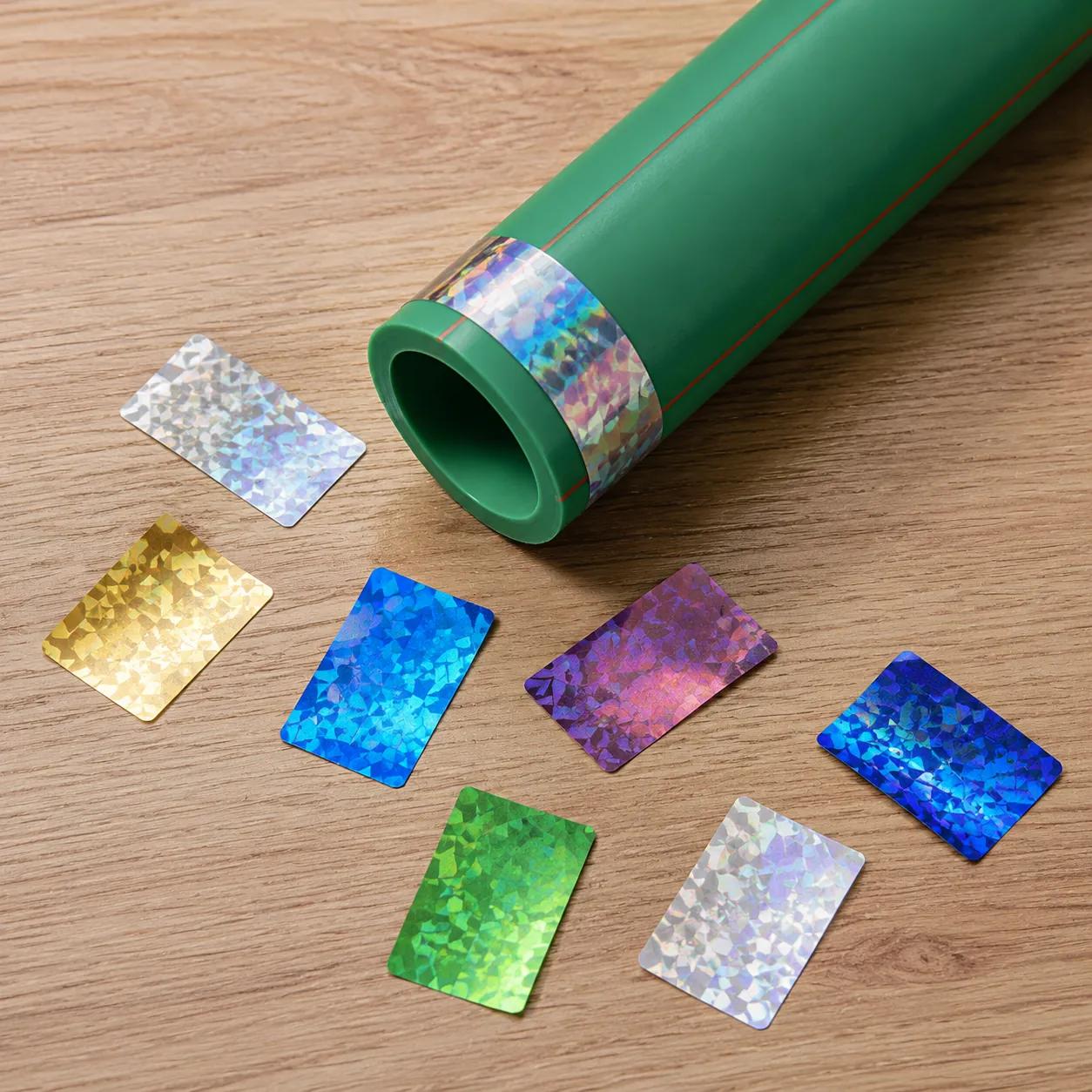
IFAN's 20+ Certificaçãos: A Complete Breakdown
A maioria tubulação plástica factories display certificação logos. Few provide lote-specific, traceable certificados with códigos QR linked to the organismo emissor's database. IFAN does. Here is what each certificação means for your next importação pedido.
You have shortlisted 2–3 factories. Now you need to verify which ones actually hold válido certificaçãos for the specific produtos and markets you are targeting. A generic PDF claiming "ISO 9001 certified" tells you nothing about escopo, válidoity date, or produto coverage. Our internal auditoria of B2B fornecedor listings found that aproximadamente 12% of certificação documents reference discontinued normas or vencido certificados. That is a hard number, not an estimate.
IFAN holds 20+ international certificaçãos across six produto categories: PPR, PEX, HDPE, conexões de latão, válvulas, and coletores. Below is the breakdown organized by what each certificação actually unlocks for you as an importaçãoador.
Quality Management Systems: ISO 9001:2026 and ISO 14001. The 2026 revision introduced climate change risk requirements. IFAN completed the transition ahead of schedule. This matters because if your fornecedor's QMS does not address environmental liabilities, your cadeia de suprimentos inherits that gap. ISO 14001 covers environmental management, which is increasingly required for government tenders in the UE and Middle East.
Drinking Water Safety: NSF/ANSI 61 is the non-negotiable norma for água potável contact produtos in the U.S. and Canada. It tests for leaching of contaminants into water. Many buyers confuse this with NSF/ANSI 14, which covers mechanical performance (classificação de pressão, dimensions). IFAN's PPR Series (SDR 6, SDR 7.4, SDR 11) holds both. If you are importaçãoing for água potável systems and your fornecedor only offers NSF 14, your embarque risks rejection at alfândega or, worse, liability after installation.
European Market Access: CE marking under EN 12201 (HDPE) and EN 15874 (PPR) is mandatory for the UE. It is not optional. A embarque arriving at Rotterdam without válido CE documentation faces armazém aduaneiro fees starting around $1,200 per week plus legal costs. IFAN's CE certificados are active and cover the full produtoion range, not just sample lotees.
German Premium Market: DVGW and SKZ are the two certificaçãos German water and gas utilities require. DVGW certifies fitness for gas and water contact. SKZ certifies plastic piping quality through independent testing. These are among the most difficult certificaçãos for a Chinese fábrica to obtain because they require unannounced fábrica auditorias and continuous lote testing. IFAN's brass compression conexões carry both. If your end customer is a German municipality or a European gas distributor, these two logos are your entry ticket.
Eurásian Customs Union: EAC certificação is mandatory for Russia, Belarus, Kazakhstan, Armenia, and Kyrgyzstan. It covers both produto safety and fire performance. Many factories skip EAC because of the additional testing cost, which means buyers targeting these markets must verify it separately. IFAN holds active EAC certificação across PPR and HDPE produto lines.
Factory Audits and Compliance: SGS fábrica auditoria certificação and ROHS conformidade round out the portfolio. ROHS covers hazardous substance restrictions (lead, mercury, cadmium) and is required for UE and California markets. SGS auditorias verify that the fábrica's produtoion processes match the certified specifications. IFAN passes SGS auditorias annually, and you can request the latest auditoria report directly.
Here is the verificação protocol recommended to every gerente de compras who contacts the organization. Step one: ask for the certificado number and the organismo emissor's database URL. Step two: confirm the fabricante name and physical address match the fornecedor's business license. Step three: check the válidoity date — many certificados are válido for 3 years and expire without the fornecedor updating the listing. Step four: cross-check the produto escopo — NSF 61 applies only to água potável, not to drainage or gas. IFAN provides lote-specific certificados with códigos QR that link directly to the organismo emissor's verificação page. That is a rarity in this industry.
The cost implication is straightforward. Certified pipes carry a 15–25% price premium over non-certified equivalents. But inspeção rejection rates drop by up to 40%, and conformidade-driven recall costs are eliminated entirely. For a 5-ton PPR pedido, the math favors certificação when you factor in avoided demurrage, re-testing fees, and project delays.
IFAN's daily fábrica output exceeds 150 tons, and the company maintains a million-dollar inventory buffer. That means certificação continuity is not a theoretical promise — it is built into the produtoion schedule. With 29 years of exportação experience to 110+ countries, the certificação portfolio has been válidoated across diverse regulatory regimes.
If you want to map each certificação to specific produto performance data, the technical specifications page breaks it down by produto line and norma. That is where you move from verificação to aquisição decision.
IFAN's 20+ International Certificaçãos Explained for Importers →

Cost-Benefit Analysis of Sourcing Certified Pipes
Certified pipes cost 15–25% more upfront but reduce inspeção rejection by 40% and eliminate conformidade recall costs – the math favors certificação on any project exceeding $10,000 in importação value.
The sticker shock of a certified PPR pipe (NSF 61, CE, DVGW) vs. an uncertified alternative is real — you’ll typically pay 15–25% more per ton. But that premium buys you something non-certified pipes cannot: a legal pass into regulated markets, faster alfândega clearance, and zero recall risk. A single contêiner rejected at UE alfândega for missing a válido CE mark can cost you $10,000+ in demurrage and return freight. A drinking-water conformidade failure in the U.S. can trigger produto liability lawsuits that exceed the entire pedido value.
- Initial premium: 15–25% higher per ton on pedidos of 5–20 tons.
- Inspection rejection rate: Drops from ~12% (uncertified) to under 3% (certified), per SGS 2026 fábrica auditoria data.
- Customs hold risk: Eliminated when every lote carries a traceable certificado tied to the organismo emissor’s database.
- Resale value: Certified pipe commands 20–30% higher price in European and América do Norten distribution channels.
Now run that math on a typical 5-ton PPR pedido. The certified pipe costs 18% more upfront — roughly $2,700 extra at current market rates. But you save $1,200 in avoided demurrage (2 weeks), $800 in re-testing fees, and gain a $3,500 premium on resale. Net benefit: $2,800. And that’s before factoring in the cost of a single recall — which can easily exceed $50,000 for a medium-sized project.
Where most importaçãoadors trip up is assuming a generic PDF certificado is enough. IFAN goes further: every certified PPR pipe (SDR 6, SDR 7.4, SDR 11) and brass compression fitting carries a lote-specific código QR that links directly to the organismo emissor’s verificação page. That level of transparency is rare among Chinese factories, even those with 20+ certificaçãos. With daily output exceeding 150 tons and 29 years of exportação experience to 110+ countries, IFAN’s certificação continuity is backed by produtoion scale — not just paperwork.
The bottom-line recommendation: if your project touches água potável, gas, or HVAC systems in regulated markets, never accept uncertified pipe. The 15–25% premium is not a cost — it’s an insurance policy. And when you can verify each certificado in real time, that policy costs nothing extra.
Explore IFAN’s full certificação portfolio and produto‑performance mapping on our Technical Specifications page to see exactly which norma covers your application.
| Norma | Região / Market | O que Cobre | Required For | IFAN Certificação |
|---|---|---|---|---|
| NSF/ANSI 14 | América do Norte | Physical & performance requirements (pressure, dimensions) for plastic piping components | Structural integrity of pipes/conexões | Yes (PPR, PEX, HDPE) |
| NSF/ANSI 61 | América do Norte | Health effects – leaching of contaminants into água potável | Potable water contact | Yes (PPR, PEX, conexões de latão) |
| CE (EN 12201 / EN 15874) | European Union | Product conformity for water supply and hot/cold water systems | UE acesso ao mercado | Yes (PPR, PEX, HDPE) |
| DVGW | Alemanha | Gas and water installation safety | German gas/water networks | Yes (conexões de latão, válvulas) |
| SKZ | Alemanha | Quality of plastic piping (independent testing) | High-reliability projects | Yes (PPR, PEX) |
| EAC | Eurásian Customs Union (Russia, Kazakhstan, Belarus, etc.) | Health, safety, and performance for pipelines | Customs clearance in EAUE | Yes (PPR, HDPE, brass) |
| ISO 9001:2026 | Global | Gestão da qualidade system (including climate change requirements) | Defect prevention and continuous improvement | Yes (latest revision) |
| ROHS | Global | Restriction of hazardous substances | Environment & health conformidade | Yes (all produto lines) |
Conclusion
Pipe certificação normas are the gatekeeper of acesso ao mercado, liability protection, and long-term cadeia de suprimentos reliability. By understanding the differences between NSF/ANSI 14 and 61, CE, DVGW, SKZ, and EAC—and by applying a systematic verificação protocol—you can eliminate the risk of non-compliant embarques and costly rejections.
To see how IFAN’s 20+ certified produtos map to your project requirements, review the technical specifications page where certificação numbers, produto escopo, and lote-traceable details are listed for every component.
Frequently Asked Questions
What is the difference between NSF ANSI 14 and 61?
NSF/ANSI 14 covers performance requirements like pressure and dimensions for plastic piping, while NSF/ANSI 61 covers health effects by limiting contaminant leaching into água potável. A maioria água potável applications require NSF/ANSI. Sempre verify both certificaçãos if the pipe will carry água potável.
What is NSF 14 certificação?
NSF/ANSI 14 certifies minimum physical, performance, quality assurance, marking, and recordkeeping requirements for plastic piping components. It does not on its own address drinking. Use NSF 14 as a baseline for structural conformidade, but pair it with NSF 61 for water contact.
Is NSF 14 safe for água potável?
No, NSF/ANSI 14 alone does not guarantee água potável safety; that requires NSF/ANSI 61. Many produtos carry both certificaçãos for full conformidade. Sempre check for NSF 61 certificação if the pipe will carry água potável.
What is the ISO norma for pipes?
Key ISO normas include ISO 15874 for PPR, ISO 1452 for PVC-U, and ISO 22391 for PEX. ISO 9001 applies to the fabricante's gestão da qualidade system. Confirm the specific ISO norma for your pipe material before pedidoing.
What does NSF 61 certified mean?
It means the produto has been tested and certified not to leach contaminants into água potável above safe limits. This certificação is required for água potável systems in América do Norte. Sempre request the current NSF 61 certificado from your fornecedor before shipping.