
صمامات البوابة من PVC: مقاومة المواد الكيميائية، حدود الضغط، ومتى يكون البلاستيك الخيار الصحيح
اختيار صمام البوابة من PVC: مصفوفة مقاومة المواد الكيميائية عند 23 درجة مئوية / 60 درجة مئوية، تخفيض المعامل إلى 0.58 عند 50 درجة مئوية، ووضعا الفشل اللذان يتلفان الصمامات البلاستيكية.
صمام البوابة المصنوع من PVC يستحق مكانه على الأنبوب لسبب واحد: المقاومة الكيميائية. الأجسام المعدنية تتآكل في الأحماض والمحاليل الملحية ومحاليل التبييض، بينما البلاستيك لا يتآكل. إذا كان السائل باردًا ومنخفض الضغط ومسببًا للتآكل، يفوز البلاستيك في الاختيار. إذا كان الخط يعمل ساخنًا أو يحمل ضغطًا حقيقيًا، فلا مكان للصمام بالقرب منه.
هذا الحد قابل للقياس، وهذه الصفحة تقيسه. تنخفض قدرة تحمل الضغط لـ PVC إلى 58% من تصنيفها عند 20 درجة مئوية عند درجة حرارة 50 درجة مئوية، وفقًا لعوامل التخفيض المستمدة من ISO 4422.2. الحد الأقصى الموصى به لدرجة الحرارة المستمرة لـ PVC-U هو 60 درجة مئوية. تقريبًا كل فشل ميداني لهذا المنتج يعود إلى أحد هذين الرقمين.

تبني IFAN خط صماماتها البلاستيكية لخدمة درجة الحرارة والضغط. منطق التخفيض في هذه المقالة هو ما يحدد مكان أي صمام بلاستيكي.
الخلاصات الرئيسية
- المقاومة الكيميائية هي ما يبرر اختيار البلاستيك على المعدن. حمض الكبريتيك حتى 80%، وحمض الهيدروكلوريك، والصودا الكاوية تحت 40%، والتبييض، والمحلول الملحي كلها مقاومة عند 23 درجة مئوية وعند 60 درجة مئوية.
- تنخفض قدرة تحمل الضغط مع الحرارة: عوامل 1.00 عند 20 درجة مئوية، و0.87 عند 30 درجة مئوية، و0.70 عند 40 درجة مئوية، و0.58 عند 50 درجة مئوية، مستمدة من ISO 4422.2.
- 60 درجة مئوية هي الحد الأقصى الموصى به لدرجة الحرارة التشغيلية المستمرة لـ PVC-U. فوق ذلك، الجواب هو CPVC أو PPR أو المعدن، وليس صمامًا بلاستيكيًا أكبر.
- وضعا فشل يقتلان معظم الصمامات البلاستيكية: هشاشة السطح بسبب الأشعة فوق البنفسجية والوصلات الملولبة المفرطة الشد. كلاهما يمكن منعه.
- PVC الملولب يأخذ شريط PTFE فقط، وربط يدوي بالإضافة إلى نصف دورة. PVC يحمل حوالي 12% من قوة الفولاذ قصيرة المدى، لذا عادات ربط المعدن تكسره.
- أبقِ الصمام بعيدًا عن الخطوط الساخنة والغاز المضغوط وخدمة الخنق والخطوط الرئيسية عالية الضغط. سلسلة IFAN UPVC الملولبة 8011 تغطي واجب الصرف الصحي والمجاري حيث ينتمي الصمام.
كيف يعمل صمام البوابة PVC فعليًا
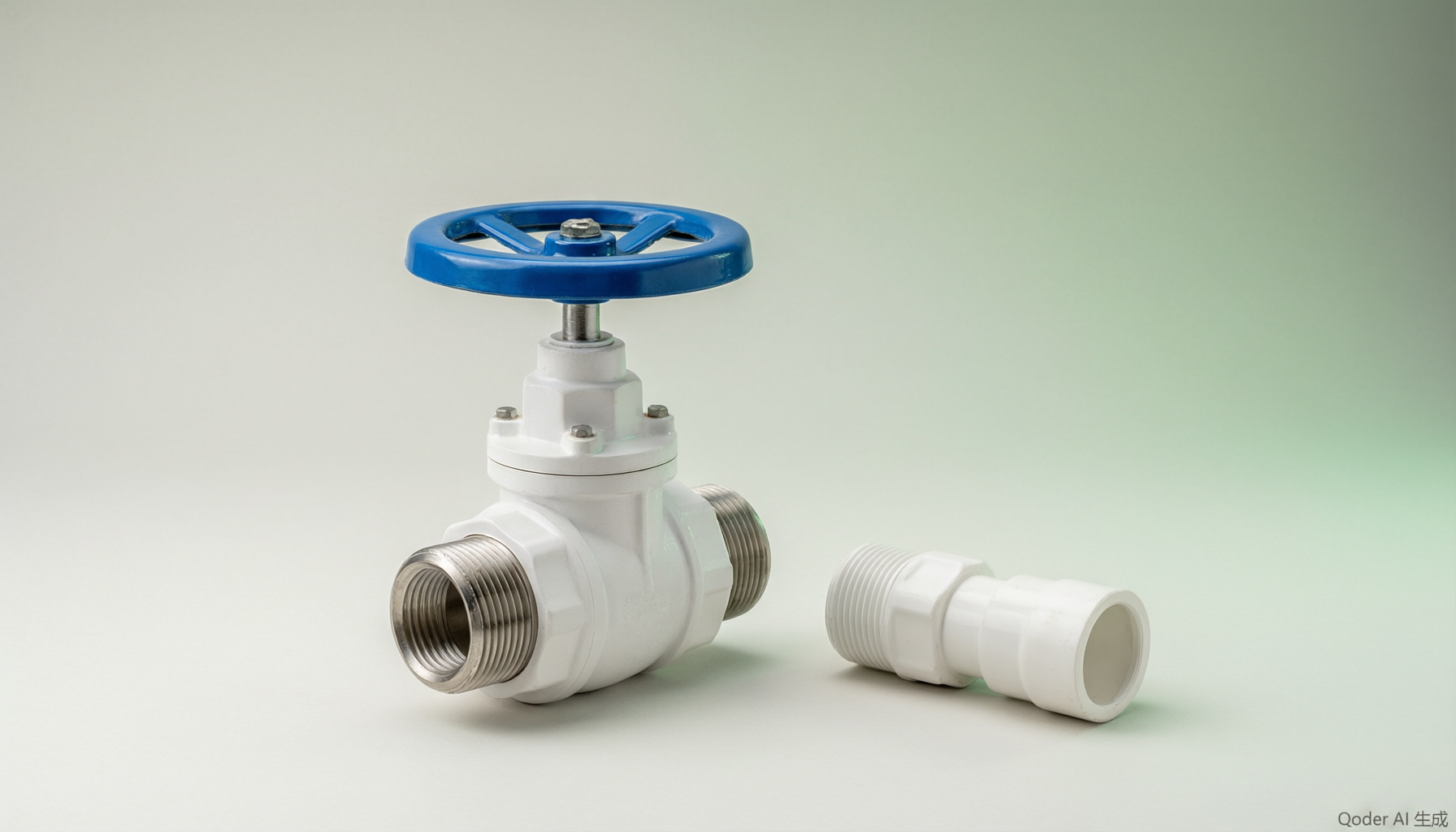
يغلق صمام البوابة عن طريق دفع قرص مسطح أو إسفيني عبر كامل تجويف الأنبوب. عدة لفات من العجلة اليدوية تخفض القرص حتى يستقر على كلا الوجهين. مفتوحًا بالكامل، يكون التجويف واضحًا، لذا يكون فقدان الضغط قريبًا من الصفر. هذا التجويف الواضح يمرر أيضًا المواد الصلبة العالقة، ولهذا يفضل عمال الصرف التصميم على الخطوط التي تحمل الحصى.
تأتي صمامات البوابة بتصميمي ساق: صاعد وغير صاعد. في الساق الصاعدة، يتحرك العمود لأعلى خارج الغطاء عند فتح الصمام، مما يعطي إشارة موضع مرئية من مسافة. في التصميم غير الصاعد، يدور الساق في مكانه بينما يتحرك البوابة داخل الجسم. الغرف المدفونة والحفر الضيقة تفضل النسخة المدمجة. الفرق في الساق مهم في الأحجام المعدنية، لكن نفس الهندسة تنطبق في البلاستيك.
تُشحن صمامات البوابة البلاستيكية بثلاثة خيارات نهاية. النمط الملولب UPVC، المستخدم في سلسلة IFAN 8011، يُثبت على محول ذكر. مآخذ اللحام بالمذيب تُلحم مباشرة على أنبوب PVC. النهايات ذات الحواف تُثبت بين الشفاه المتطابقة على الأقطار الأكبر، والمفاضلات بين هذين مغطاة في دليل المقارنة بين الشفة والملولب.
قاعدة واحدة تنطبق على كل وصلة بلاستيكية ملولبة. لا تقطع خيوطًا في أنبوب PVC في الميدان. فقط الخيوط المقولبة في المصنع. القطع الميداني للخيوط ليس ممارسة مقبولة، كما تنص مذكرة Vinidex الفنية حول الوصلات الملولبة، والخيط المقطوع يدويًا هو مكان يبدأ فيه الكراك. اشترِ الوصلة الملولبة؛ لا تصنع واحدة.
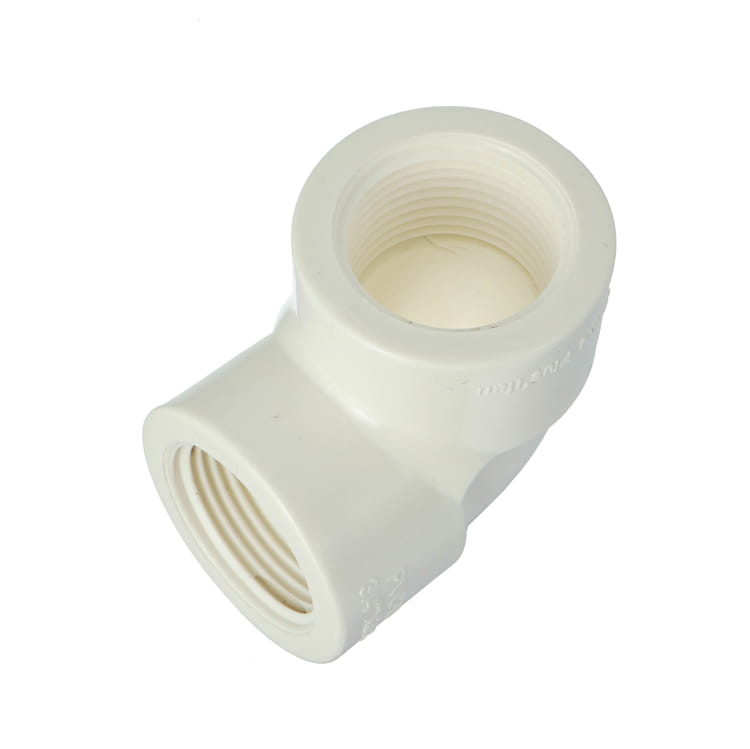
المقاومة الكيميائية هي السبب الحقيقي
يأتي تحذير واحد قبل أي جدول كيميائي. بيانات المقاومة تأتي من اختبارات الغمر على عينات غير مجهدة. دليل IPEX لمقاومة PVC الكيميائية يحذر من أن النتائج لا تنتقل دون قيد أو شرط إلى الأجزاء المضغوطة. جسم الصمام تحت الإجهاد يمكن أن يتشقق إجهادًا في سائل يترك عينة غير مجهدة دون مساس. اقرأ كل صف أدناه كسلوك مادي، وليس كضمان للمكون.
مع تحديد هذا الحد، تكون حالة المادة قوية. التآكل هو السبب في اختيار البلاستيك لجسم الصمام، وهو المبرر الذي لا يزال قائماً بمجرد دخول الحرارة في الصورة. السعر وحده ليس مبرراً كافياً، لأن الحرارة تقلل قدرة ضغط PVC بسرعة. حيث يهاجم السائل المعدن نفسه، يثبت PVC بينما يفقد الفولاذ والنحاس سماكته ويصاب بالتشقق والتسرب.
| السائل | عند 23 درجة مئوية | عند 60 درجة مئوية | تعليق |
|---|---|---|---|
| حمض الكبريتيك، حتى 80% | مقاوم | مقاوم | لا تفترض المقاومة فوق 80% |
| حمض الهيدروكلوريك | مقاوم | مقاوم | خدمة الجرعات الشائعة |
| الصودا الكاوية، أقل من 40% | مقاوم | مقاوم | هيدروكسيد الصوديوم |
| المبيض، 5-12% كلور نشط | مقاوم | مقاوم | هيبوكلوريت الصوديوم |
| هيبوكلوريت الكالسيوم، 30% | مقاوم | مقاوم | أساسي في معالجة المياه |
| المحلول الملحي | مقاوم | مقاوم | الاستزراع المائي والكلورة |
| وقود الديزل | مقاوم | مقاوم | النقل البارد فقط |
| الكيروسين | مقاوم | مقاوم | النقل البارد فقط |
| الزيت المعدني | مقاوم | مقاوم | النقل البارد فقط |
| الأسيتون | غير مقاوم | غير مقاوم | يدمر PVC |
| التولوين والبنزين | غير مقاوم | غير مقاوم | المركبات العطرية تدمر PVC |
| غاز الكلور الجاف | مقاومة محدودة | غير مقاوم | لا توجد خدمة دافئة |
R تعني مقاوم بشكل عام، C تعني أقل مقاومة ولكنها مناسبة لبعض الظروف، و N تعني غير مقاوم. التقييمات هي بيانات غمر عند درجتي الحرارة المذكورتين. فوق تركيز 80%، يتوقف حمض الكبريتيك عن كونه افتراضاً: حتى 80% يكون مقاوماً، وفوق ذلك، استشر المخطط الكامل قبل التحديد. الفجوة بين الحمض المخفف والمركز هي بالضبط حيث يكون التخمين الخاطئ مكلفاً.
الصفوف المدمرة تستحق اهتماماً متساوياً. الأسيتون والتولوين والبنزين تهاجم PVC بشكل مباشر، ويتحول غاز الكلور الجاف من مشروط في درجة حرارة الغرفة إلى غير مقاوم عند 60 درجة مئوية. خط تخزين المذيبات، أو خليط وقود يحتوي على مركبات عطرية، أو مشعب كلورة يعمل دافئاً، كلها أماكن يقول هذا الجدول توقف عندها. اختر عمود السائل أولاً، ثم كل شيء آخر.
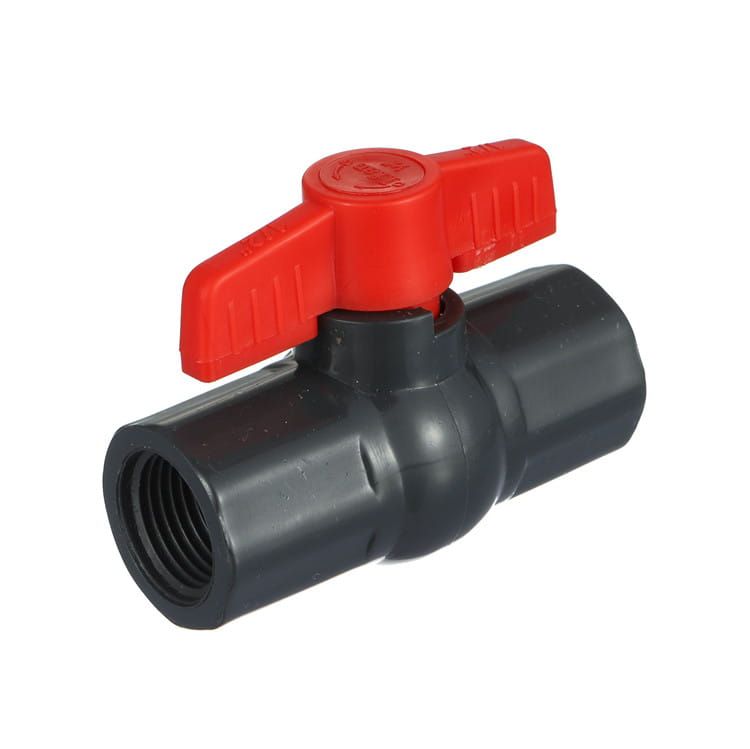
حدود الضغط ومنحنى التخفيض
كل رقم ضغط PVC ستراه يفترض الماء البارد. يتم اختبار التقييمات حول 20 إلى 23 درجة مئوية، وتفقد المادة السعة مع ارتفاع حرارة السائل. هذا الافتراض لا يظهر على جسم الصمام. إنه موجود في جداول التخفيض، والمقاولون الذين يتجاهلون هذه الجداول هم من يقدمون تقارير الفشل.
تنشر الجمعية الأسترالية لصناعة الأنابيب البلاستيكية العوامل في الملاحظة الفنية TN003، المختارة من ISO 4422.2، معيار أنابيب إمداد المياه. يُسمح بالاستيفاء بين درجات الحرارة المدرجة. تنطبق العوامل على PVC-U وPVC-M وPVC-O على حد سواء.
| درجة حرارة السائل | عامل التخفيض | تقييم 10 بار البارد يصبح |
|---|---|---|
| 20 درجة مئوية | 1.00 | 10 بار |
| 30 درجة مئوية | 0.87 | 8.7 بار |
| 40 درجة مئوية | 0.70 | 7 بار |
| 50 درجة مئوية | 0.58 | 5.8 بار |
ملاحظتان صادقتان تنتميان إلى هذا الجدول. أولاً، تصف هذه العوامل الأنبوب، وليس الصمام: فهي تأتي من معيار أنابيب الضغط، والجسم المقولب مع مانع تسرب الجذع ليس جداراً مقذوفاً عادياً. تعامل معها على أنها ما يفعله الحرارة بقدرة ضغط PVC كمادة. ثانياً، فئة الضغط الخاصة بالصمام هي رقم منفصل. اسأل مصنع الصمام عن بيانات الاختبار التي تقف خلفها قبل الموافقة على تركيب ساخن.
الحساب يستحق أن يُرى مرة واحدة. خط مصمم لـ 10 بار في الماء البارد يحمل 8.7 بار عند 30 درجة مئوية، و7 بار عند 40 درجة مئوية، و5.8 بار عند 50 درجة مئوية. نفس الأنبوب، نفس الصمام، نفس التركيب. درجة حرارة السائل وحدها أزالت 42% من السعة. تحديد الحجم من التقييم البارد أثناء تشغيل سائل دافئ ليس توفير هامش أمان؛ إنه إنفاقه مسبقاً.
فوق نطاق التخفيض يوجد السقف. تحدد Vinidex 60 درجة مئوية كأقصى درجة حرارة تشغيل مستمرة موصى بها لـ PVC-U في الملاحظة الفنية TN-8C، مقاسة كمتوسط كامل الجدار. يتم الحكم على التصريفات الساخنة المتقطعة مقابل متوسط 60 درجة مئوية، وليس إعفاءً منه. بعد السقف، الجواب هو مادة مختلفة. يتولى CPVC أو PPR أو المعدن المهمة، ومقارنة CPVC مقابل PVC للمياه الساخنة يوضح لماذا يكون التبديل أرخص من الفشل.
الواجب مهم بقدر درجة الحرارة. صمام البوابة هو جهاز عزل: مفتوح بالكامل أو مغلق بالكامل. تشغيله نصف مفتوح يرسل التدفق عبر حافة البوابة، مما يؤدي إلى تآكل المقعد واهتزاز القرص. على أي خط يحتاج إلى تحكم منتظم في التدفق، يكون الجهاز هو الأداة الخاطئة. لا يوجد جدول تخفيض يصلح ذلك.
وضعان للفشل يقتلان الصمامات البلاستيكية
وضعان للفشل مسؤولان عن معظم الصمامات البلاستيكية الميتة في الميدان. لا يعتبر أي منهما عيباً في المادة. كلاهما يحدث أثناء التخزين والتركيب، وكلاهما يمكن منعه بالانضباط العادي.
أولاً، التقصف بالأشعة فوق البنفسجية. ضوء الشمس يقلل من مقاومة الصدمات لمادة PVC، ولكن فقط في الميكرونات القليلة الأولى من السطح الخارجي، تاركًا المادة الأساسية تحته غير متأثرة، وفقًا لـ مذكرة Vinidex الفنية TN-6B. الخطر ميكانيكي. الجلد الهش يحول الصمام الذي تلقى ضربة إلى صمام متشقق، حيث ينتشر الشق من السطح إلى الداخل. التخزين في الهواء الطلق هو المكان الذي يحدث فيه معظم الضرر.
وسائل التخفيف رخيصة. قم بتغطية المخزون المخزن، وتجنب الأغطية البلاستيكية السوداء، التي تستبعدها نفس المذكرة. يمكن طلاء الخطوط المكشوفة المثبتة بطلاء PVA أبيض أو بألوان الباستيل. لا تحتاج الخطوط المدفونة إلى أي حماية على الإطلاق. الأشعة فوق البنفسجية مشكلة تخزين وتعرض، وليست حكمًا على عمر الخدمة.
ثانيًا، الإفراط في العزم على الوصلات الملولبة. هذا هو المكان الذي يكسر فيه القائمون بالتركيب المدربون على المعدن البلاستيك. يحمل PVC حوالي 12% من قوة الفولاذ قصيرة المدى، ويتمدد حوالي خمسة أضعاف مع الحرارة. الخيوط الملولبة بأسلوب المعدن تتشقق عند الكتف، أحيانًا فورًا، وأحيانًا في أول يوم حار. قواعد الختم تتبع هذين الرقمين.
استخدم شريط PTFE فقط على الخيط البلاستيكي: القنب، الشحم، وأسمنت المذيبات تبقى بعيدة عن الوصلة. قم بربط الوصلة يدويًا حتى نصف الالتحام، ثم اربط فقط بما يكفي للختم بالإضافة إلى نصف دورة. لا تجبر الطرف الأنثوي على التوقف. إذا استمر التسرب، فإن المزيد من العزم يجعله أسوأ؛ مشكلة الالتحام هي المشكلة، وليس الشد. الممارسة الكاملة مغطاة في دليل شريط ختم الخيوط.
علامات الميدان تخبرك بأي فشل تنظر إليه. الشقوق الشعرية عند أكتاف الوصلات الملولبة تشير إلى العزم. تسرب الخيوط بعد الأيام الحارة يشير إلى تمدد دورة في وصلة مشدودة أكثر من اللازم. السطح الطباشيري المتشقق على الخطوط الخارجية يشير إلى الأشعة فوق البنفسجية. افحص هذه الثلاثة قبل إلقاء اللوم على السائل.
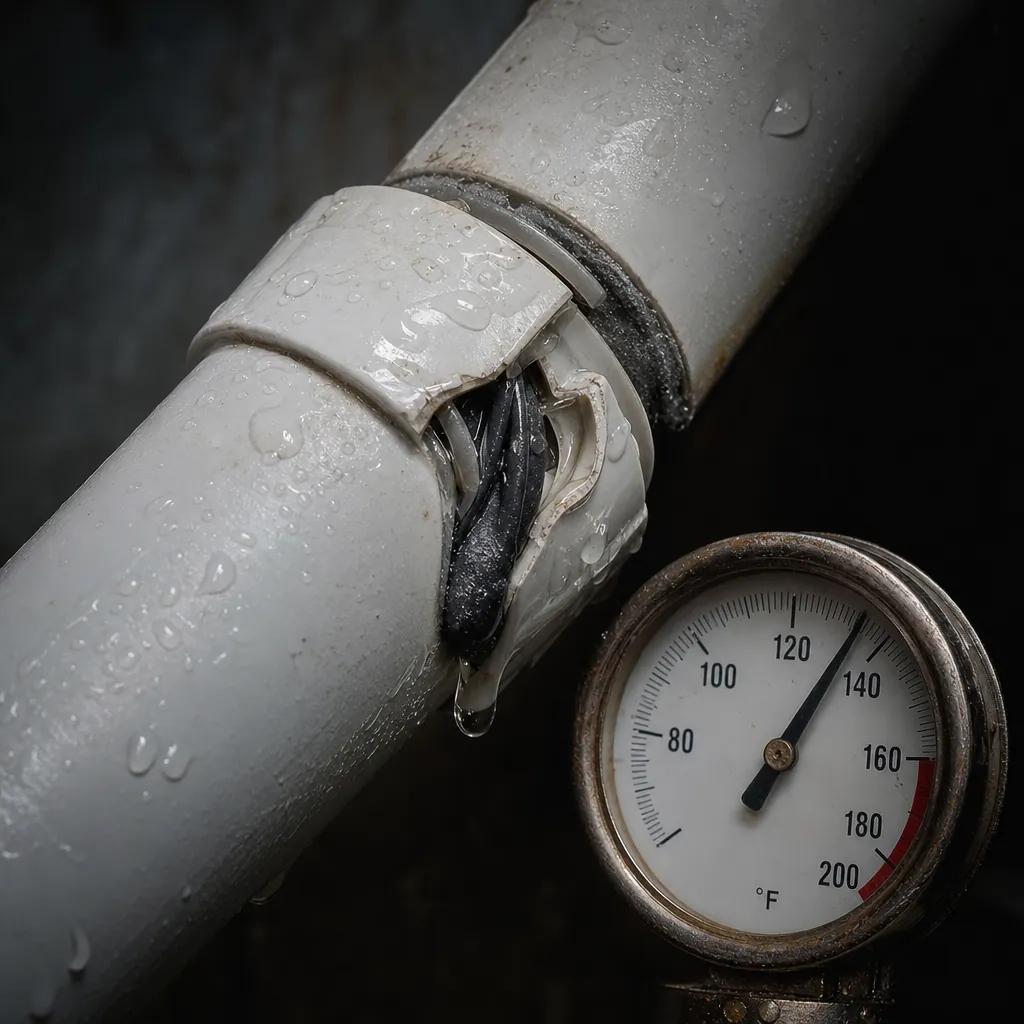
عندما يكون البلاستيك هو الخيار الصحيح
ضع الأدلة معًا وسيرسم نطاق الواجب نفسه. صمامات البوابة PVC تنتمي إلى خطوط باردة ومنخفضة الضغط ومسببة للتآكل حيث يكون العزل هو المهمة بأكملها. داخل هذا النطاق، يتفوق البلاستيك على المعدن في التكلفة ويطيل عمره في مقاومة التآكل. خارج النطاق، لا يوجد صمام بأي علامة تجارية ينجو.
| الواجب | القرار | لماذا |
|---|---|---|
| عزل الصرف الصحي والمجاري | القرار الصحيح | الممر الكامل يمرر المواد الصلبة؛ خدمة الجاذبية الباردة |
| الجرعات الكيميائية منخفضة الضغط | القرار الصحيح | مقاوم للأحماض والقلويات والمبيض |
| خطوط المحلول الملحي وتربية الأحياء المائية | القرار الصحيح | الماء المالح لا يؤثر على PVC |
| خطوط الري الجانبية | القرار الصحيح | بارد، ضغط منخفض، عزل موسمي |
| الماء الساخن أو البخار فوق 60 درجة مئوية | قرار خاطئ | استخدم CPVC أو PPR أو المعدن بدلاً من ذلك |
| الغاز المضغوط أو الهواء | قرار خاطئ | فشل تخفيف الضغط السريع متفجر؛ استخدم PE بدلاً من ذلك |
| الخنق أو التحكم في التدفق | قرار خاطئ | حافة البوابة تتآكل؛ استخدم كرة أو كروي |
| خطوط المياه الرئيسية عالية الضغط | قرار خاطئ | السعة تنخفض مع الحرارة؛ استخدم المعدن أو PE |
جانب القبول يغطي معظم أعمال المقاولين على هذا المنتج. رؤوس عزل الصرف، الجرعات منخفضة الضغط والنقل الكيميائي، واجب المحلول الملحي وتربية الأحياء المائية، خطوط الري الجانبية، والنفايات السائلة المسببة للتآكل كلها داخل النطاق. الكلمة المشتركة هي بارد. كل صف في قائمة القبول يعمل عند درجة حرارة سائل منخفضة.
قائمة الرفض تستحق نفس الاهتمام، لأن هناك يضيع المال. الخطوط الساخنة فوق 60 درجة مئوية تريد CPVC أو PPR أو المعدن. الغاز المضغوط هو لا صارم لأنظمة PVC: فشل تخفيف الضغط السريع متفجر بطبيعته، ومذكرة Vinidex TN-9A تسمي البولي إيثيلين كبديل مناسب. واجب الخنق يدمر المقعد، لذا ضع صمام كرة أو كروي هناك. خطوط الضغط العالي تريد المعدن أو PE.
مقارنة أخيرة تظهر في كل وظيفة صرف: بوابة أم كرة. صمام البوابة هو جهاز كامل الممر مصمم للتشغيل النادر. افتحه أو أغلقه، ثم اتركه. صمام الكرة يتعامل مع التشغيل المتكرر بربع دورة، بتكلفة في الممر الفعال.
القاعدة الأساسية تتبع. إذا تم لمس الصمام أسبوعيًا، اشترِ صمام الكرة. إذا تم لمسه مرتين في السنة، يفوز صمام البوابة. المفاضلة الكاملة موضحة في دليل مقارنة صمام البوابة مقابل صمام الكرة.
IFAN UPVC ملولب 8011 صمامات بوابة
IFANتقوم هذه السلسلة بتوفير هذا الدور من خلال سلسلة 8011 الملولبة من UPVC: الأكواع، والوصلات، والكبلات، وصمامات البوابة، بالإضافة إلى آلات اللولبة. تقع السلسلة في خط الصرف الصحي والمجاري، وليس في عائلة المياه المضغوطة. هذا التنسيب مقصود. يتم وضع PVC لمياه الصرف الصحي والمجاري البلدية والسكنية والصناعية، بينما تحمل PPR و HDPE مهام المياه المضغوطة.
تم وضع الخط وفقًا للمعايير التي تحكم الصرف في كل سوق وجهة.ISO 4435يغطي أنابيب ووصلات PVC غير الملدنة لمجاري الصرف الصحي. يغطي EN 1401 المجاري المدفونة، وASTM D2665يغطي أنظمة DWV، وASTM D3034يغطي أنابيب ووصلات الصرف الصحي. المعايير الإقليمية تكمل القائمة: GB/T 5836 في الصين، NOM-E-215 في المكسيك، و NBR 5688 في البرازيل. يجب أن يظهر المعيار المطابق في مستندات الشحن الخاصة بالوجهة.
الآن بوابة الصدق. لا تنشر IFAN تصنيف ضغط لكل SKU، أو جدول تخفيض درجة الحرارة، أو نطاق أحجام لصمام البوابة 8011، لذلك لا تخترع هذه الصفحة أيًا منها. الكثير من المتاجر تطبع أرقام ضغط لصمامات مثل هذا دون توثيقها. تأكيد المواصفات لواجب معين يتم من خلالكتالوج المنتجاتواستفسار مباشر، حيث يمكن إرفاق بيانات الاختبار الفعلية بالعرض.
الشروط التجارية هي التي يشتري على أساسها المقاولون والموزعون فعليًا. الحد الأدنى لكمية الطلب هو حاوية واحدة، يُسمح بأحجام مختلطة. العينات متاحة قبل تقديم الطلب. يتم الشحن FCL أو LCL مع وثائق التصدير الكاملة ودعم التخليص الجمركي. تدير IFAN مصنعها منذ عام 1993، وهو الآن مصنع ذكي بمساحة 120,000 متر مربع في تشجيانغ يصدر إلى أكثر من 120 دولة، بالجملة فقط دون أي متجر بيع بالتجزئة.
الفرق المادي بين UPVC و PVC القياسي، ذو الصلة بهذه السلسلة، مغطى فيشرح UPVC مقابل PVC. أنبوب الصرف المطابق، من 110 إلى 315 مم، ينتمي إلى نفس خط PVC. يتم تحميل الأنابيب والوصلات والصمامات في نفس الحاوية، وهذا هو كيفية عمل طلب الأحجام المختلطة عمليًا.
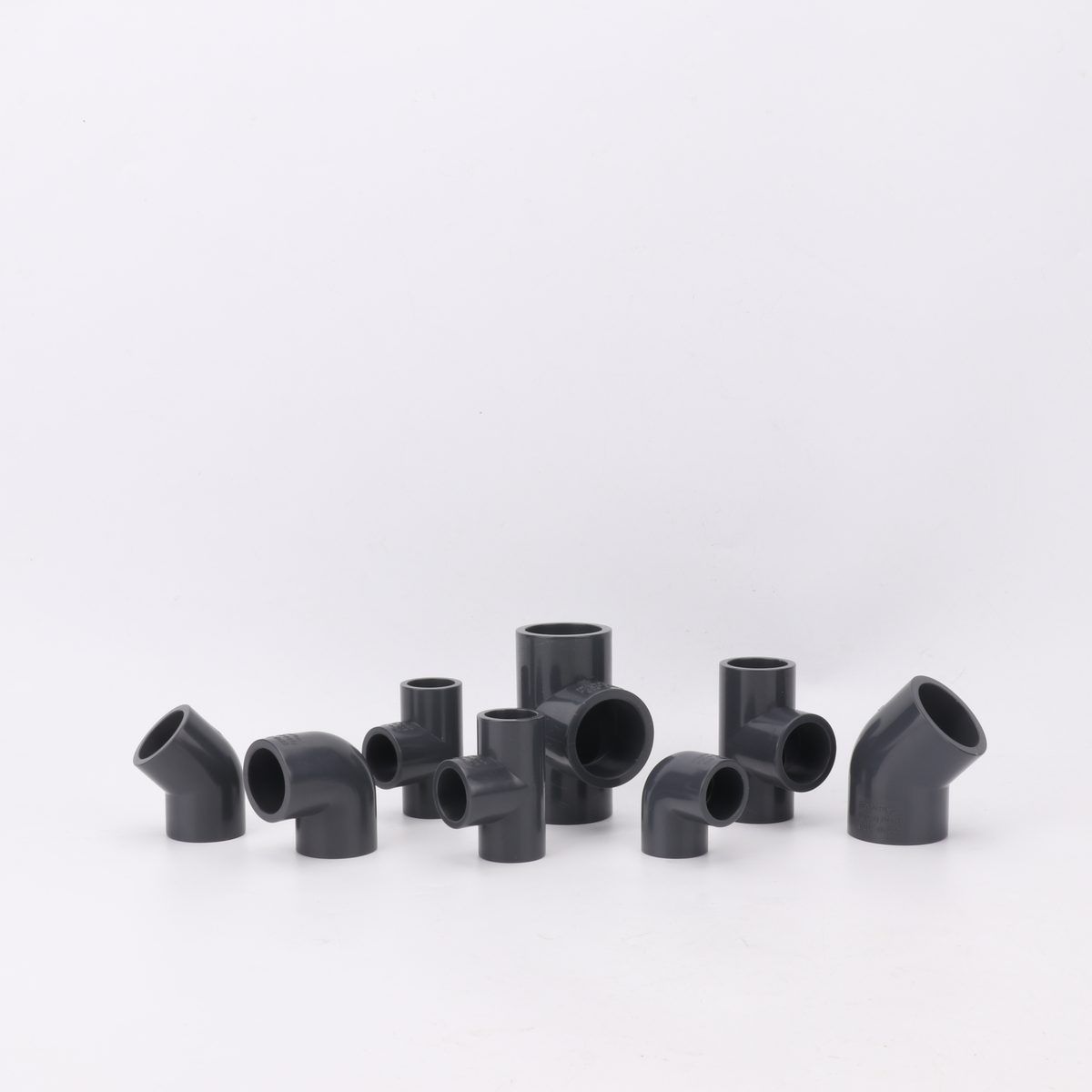
إذا كان واجبك يقع ضمن الإطار الموضح أعلاه، فإن سلسلة 8011 تستحق النظر. تحتويصفحة فئة PVCعلى الصمامات والوصلات وأنابيب الصرف معًا. أرسل السائل ودرجة الحرارة والضغط مع الاستفسار، وسيعود العرض مطابقًا للواجب الفعلي.
للمقاولين والموزعين ومشتري المشاريع الذين يشترون وصلات UPVC الملولبة وصمامات البوابة بالحاوية. تقوم IFAN بتسعير سلسلة 8011 وفقًا للسائل ودرجة الحرارة وضغط الخط، مع حد أدنى لحاوية واحدة وأحجام مختلطة مسموح بها. أرسل تفاصيل الواجب واحصل على تأكيد المواصفات كتابيًا.
الخلاصة
صمام بوابة PVC هو حل للتآكل بميزانية درجة حرارة صارمة. المقاومة الكيميائية هي التي تبرر البلاستيك على المعدن، ومنحنى تخفيض القدرة بالإضافة إلى سقف 60 درجة مئوية يحددان أين تنتهي هذه الميزانية. ابق ضمن هذه الخطوط وسيعزل الصمام دون صيانة تآكل لسنوات.
قبل تحديد واحد، تحقق من القائمة:
- السائل يقع في العمود المقاوم عند درجة حرارة التشغيل، وليس فقط عند 23 درجة مئوية.
- درجة حرارة السائل تبقى أقل من 60 درجة مئوية، مع هامش تحت منحنى تخفيض القدرة.
- الواجب هو العزل، وليس الخنق: يعمل الصمام مفتوحًا بالكامل أو مغلقًا بالكامل.
- التعرض معالج: تخزين مغطى أو طلاء PVA في الهواء الطلق، وانضباط عزم دوران شريط PTFE على الخيوط.
- يتم تأكيد فئة الضغط للطراز المحدد من الشركة المصنعة كتابيًا مع العرض.
يمكن للمقاولين والموزعين الذين يشترون لهذا الواجب مطابقة سلسلة 8011 مع كتالوج IFAN المباشر، حيث توجد صمامات PVC والوصلات وأنابيب الصرف معًا. أرسل السائل ودرجة الحرارة والضغط مع الاستفسار، وسيعود العرض بحجم الخدمة الفعلية.
الأسئلة الشائعة حول صمامات PVC
ما هي عيوب صمام بوابة PVC؟
تنخفض سعة الضغط مع الحرارة: يبقى 58% عند 50 درجة مئوية، و 60 درجة مئوية هو السقف المستمر. يعاني PVC أيضًا من تصلب السطح بسبب الأشعة فوق البنفسجية ويتشقق تحت الخيوط المفرطة العزم. لا يمكن للتصميم الخنق. خارج الواجب البارد المسبب للتآكل، يفوز المعدن أو CPVC.
هل يمكن لصمام بوابة PVC التعامل مع الماء الساخن؟
لا. درجة الحرارة القصوى الموصى بها للتشغيل المستمر لـ PVC-U هي 60 درجة مئوية، وقد انخفضت القدرة على تحمل الضغط بنسبة 30% بالفعل عند 40 درجة مئوية. تتطلب تطبيقات الماء الساخن والبخار استخدام CPVC أو PPR أو المعدن، وليس صمامًا بلاستيكيًا أكبر.
ما هما النوعان من صمامات البوابة؟
عمود صاعد وعمود غير صاعد. العمود الصاعد يتحرك لأعلى خارج الغطاء عند فتح الصمام، مما يظهر الموضع في لمحة. العمود غير الصاعد يدور في مكانه، وهو مناسب للغرف المدفونة والمساحات الضيقة.
كم تبلغ تكلفة صمام بوابة PVC بقطر 4 بوصات؟
لا توجد إجابة تجزئة صادقة بكميات حاويات B2B. يتغير السعر حسب نوع الوصلة الطرفية وكمية الطلب وكيفية خلط الحاوية عبر الأحجام. أرسل هذه التفاصيل الثلاثة مع الاستفسار وسيتبع الرقم.
صمام بوابة أم صمام كروي للتصريف؟
للعزل النادر على ممر كامل: صمام البوابة، مفتوح أو مغلق، مع فقدان ضغط شبه معدوم. للتشغيل المتكرر: ربع دورة الصمام الكروي. عادةً ما يتم عزل خطوط التصريف مرة أو مرتين في السنة، مما يفضل صمام البوابة.