
Thread Seal Tape: Where It Belongs, Where It's Useless & How to Wrap It
Thread seal tape — PTFE tape, "Teflon tape," plumber's tape — is the most used and most misused item in any tool bag. Wrapped on the right thread, it turns a spiral leak path into a dry joint for decades; wrapped on the wrong one, it does nothing except hide the real problem while the joint weeps behind it. The difference isn't technique trivia — it's understanding which threads seal on the thread and which don't. This guide covers exactly where tape belongs and where it's useless, how to wrap it correctly (direction, wraps, tension), tape grades and when paste beats tape, the plastic-thread rules that prevent cracked fittings, and the mistakes that cause most "I taped it and it still leaks" callbacks.
Key Takeaways
- Tape belongs on tapered threads only (NPT, BSPT) — they seal on the thread flanks, and tape fills the spiral gap.
- Parallel threads seal on a washer or O-ring — swivel nuts, unions, compression nuts. Tape there fixes nothing.
- Wrap clockwise (facing the thread end), 3–5 wraps, under tension, starting one thread back from the tip.
- Gas lines want yellow (thick) tape; standard white is for water; pink/heavy for larger water threads.
- On plastic threads: fewer wraps, hand-tight plus a little — over-taped plastic female fittings split.
- If a taped joint still leaks, the problem is the thread, the seat, or the fitting — more tape is not the fix.

What Thread Tape Actually Does
Thread seal tape is unsintered PTFE film — soft, stretchy, chemically inert, and slippery. On a tapered thread it does two jobs at once. First, it fills the spiral leak path: even perfectly cut tapered threads leave a tiny helical channel along the thread roots, and the tape's soft film packs that channel as the joint tightens. Second, it lubricates: PTFE's slipperiness lets the threads wedge deeper at the same torque, which is where a taper's real seal comes from — metal-to-metal (or plastic-to-plastic) flank contact. Notice what's missing from that description: tape is not glue, not a gasket, and not structural. It cannot bridge a cracked fitting, seal a cross-threaded joint, or substitute for the washer a parallel thread was designed around. Every correct use of tape flows from that one sentence — and so does every failure.
Where Tape Belongs — and the Joints It Ruins
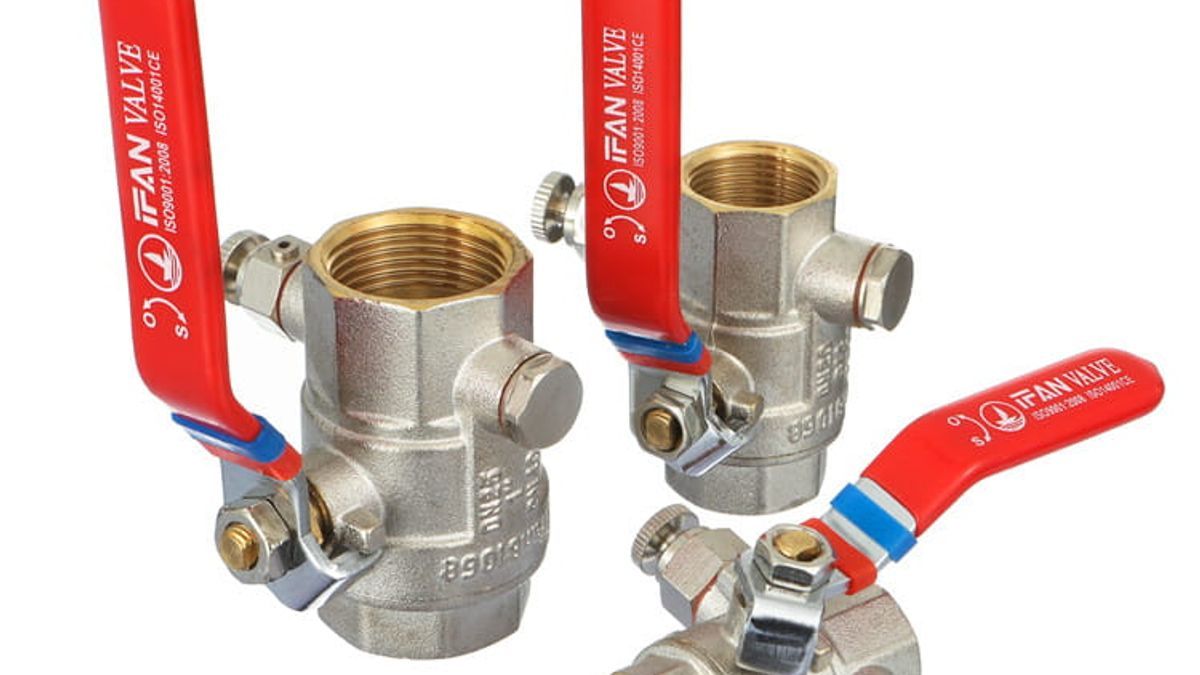
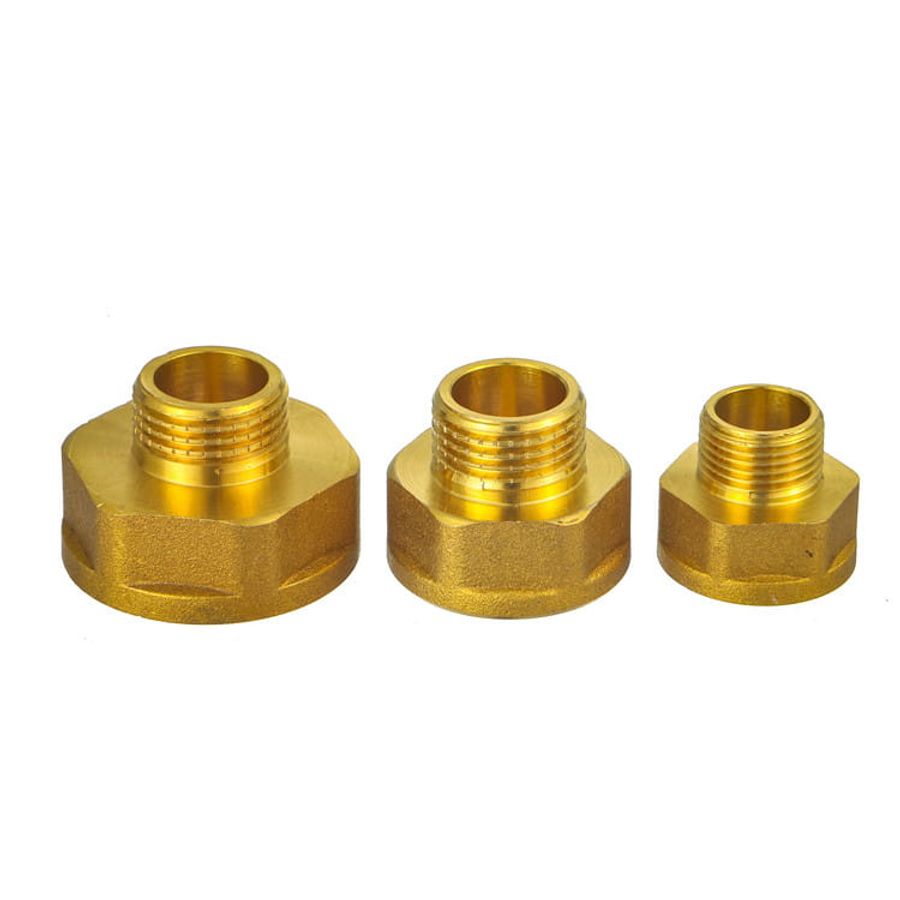
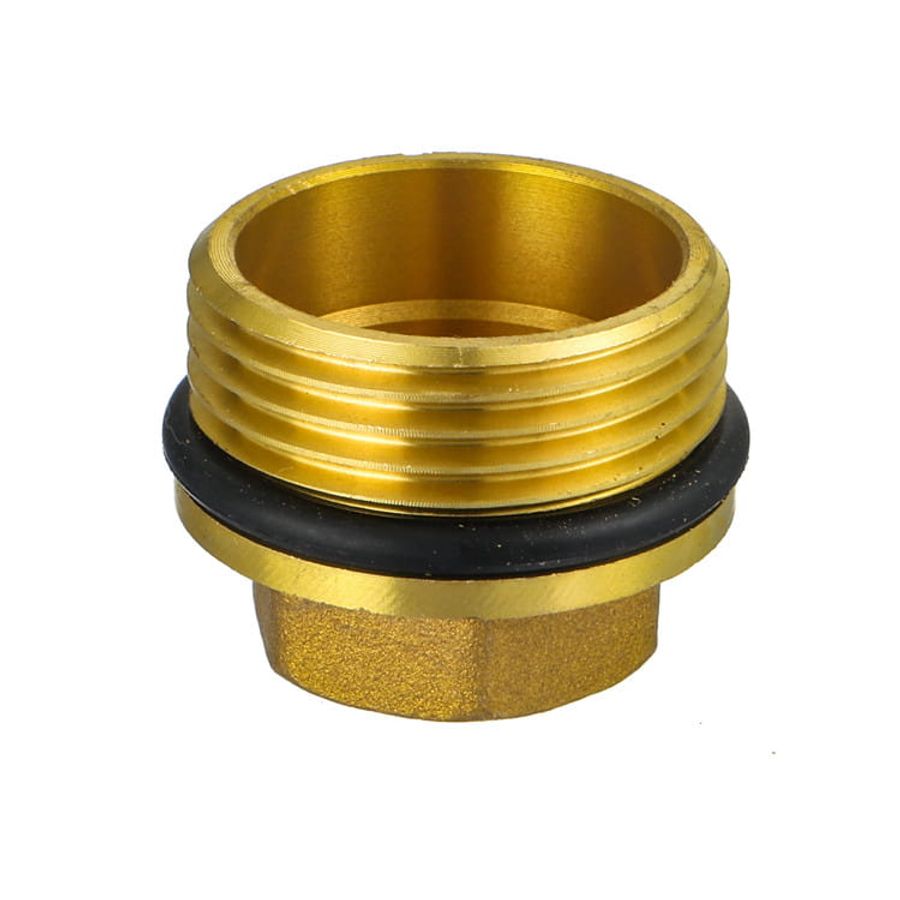
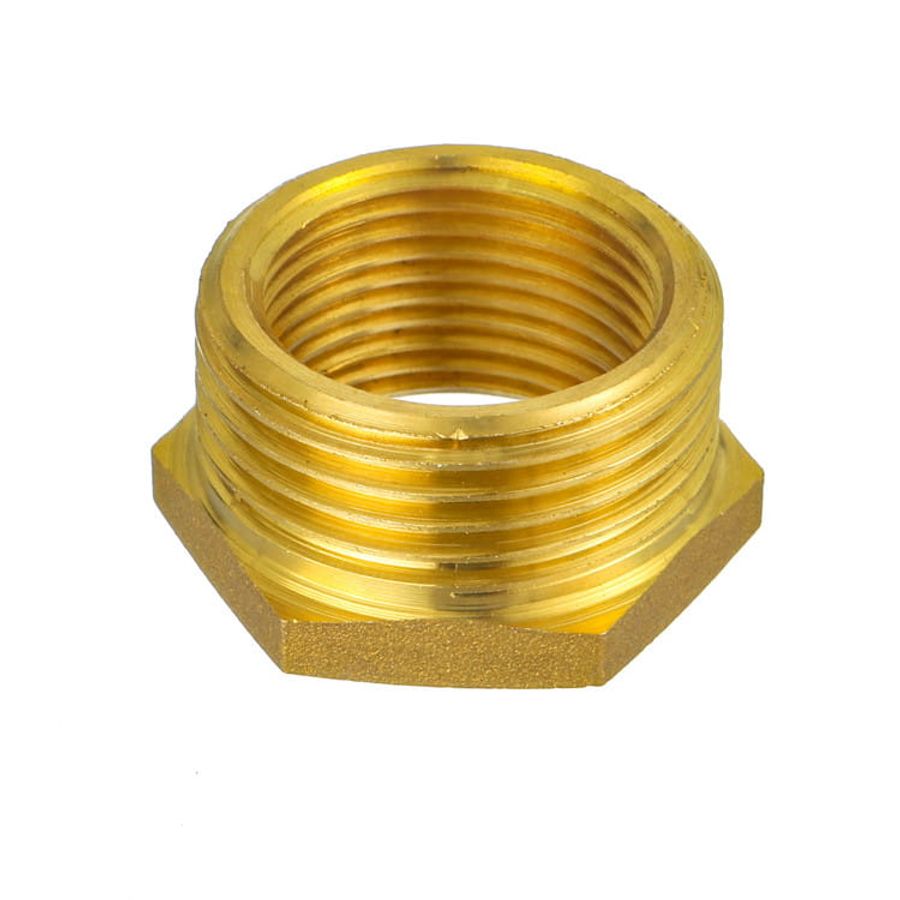
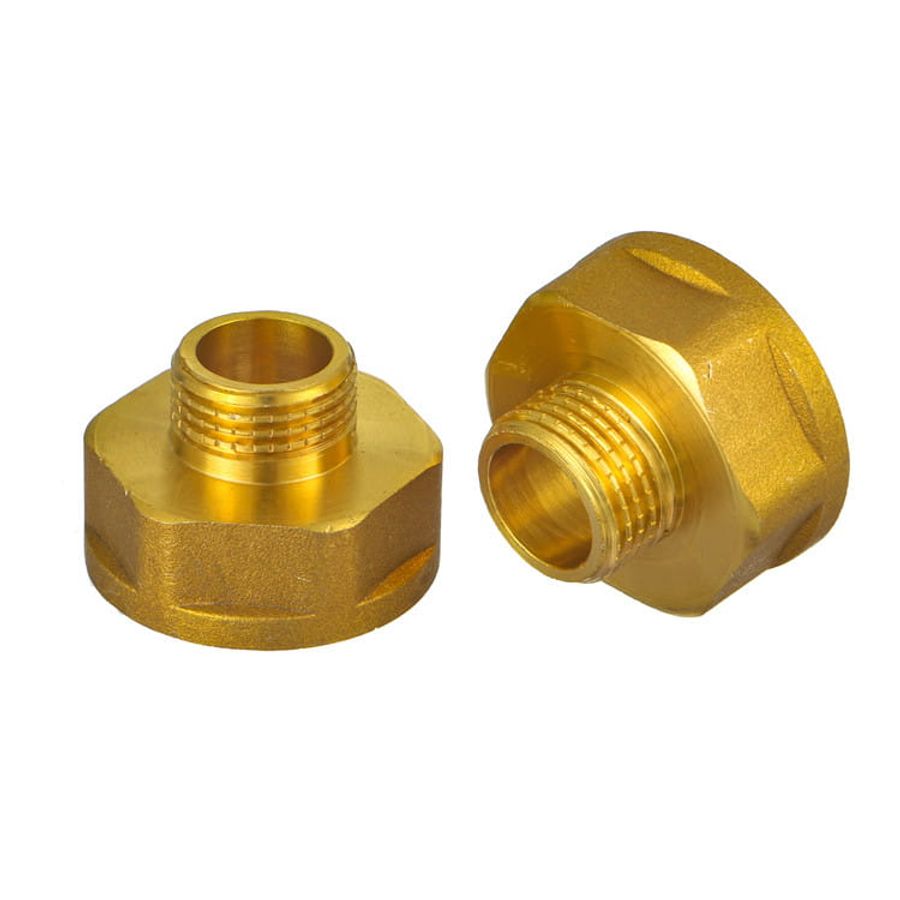
The decision is thread geometry, not habit. Use tape on tapered pipe threads: NPT (North America) and BSPT — the threads on valve bodies, metal nipples, male adapters, hose bibs, and heater elements that visibly narrow toward the tip. These seal on the thread and want tape (or paste). Never tape parallel-thread connections that seal on a face: the swivel nuts on braided supply hoses (the washer seals), union nuts (the mating faces seal), compression fitting nuts (the O-ring and grip ring seal), flare fittings (the cone seals), and garden-hose threads (washer again). On all of those, tape adds friction that falsifies torque feel — the joint feels tight while the washer is barely compressed — and shreds of tape migrate into the seal face. And the thread standards rule still applies underneath everything: tape will not make BSP seal into NPT; mixed standards bind or weep no matter the wrap, as covered in the brass fittings guide.
How to Wrap It Right
Five details separate a professional wrap from a leaky one. Direction: face the open end of the male thread and wrap clockwise — the same direction the fitting will screw in — so tightening pulls the tape tighter instead of peeling it back. Start position: begin one thread back from the tip; tape overhanging the end gets sheared off and carried into the system, where it clogs aerators, valve seats, and strainers. Count: 3–5 wraps for standard white tape on typical water threads; big or worn threads may take a couple more. Tension: stretch it enough that the thread profile shows through the film — loose, baggy tape bunches and channels. Overlap: each wrap overlaps the last by about half a width, working from the tip backward. Then assemble: thread by hand until snug, wrench one to two turns, and stop when aligned and firm. If you disassemble, strip the old tape completely and re-wrap fresh — layering new over old is how joints end up both over-stuffed and leaking.
Tape Grades: White, Yellow, Pink — and When Paste Wins
| Type | Duty | Note |
|---|---|---|
| White (standard) | Water lines, general plumbing | The everyday tape; 3–5 wraps |
| Pink / heavy-density | Larger water threads, pro duty | Thicker film, fewer wraps needed |
| Yellow (gas-rated) | Fuel gas lines | Denser film — codes expect it on gas |
| Grey / stainless | Stainless threads | Anti-galling filler for SS-on-SS |
| Paste (pipe dope) | Worn/large/irregular threads | Flows into imperfections; check plastic compatibility |
Tape vs paste isn't religion — it's fit. Tape is clean, controllable, and perfect for new, well-cut threads. Paste flows, so it copes better with worn, oversized, or slightly damaged threads, and many pros run "dope over tape" on large steel work. Two cautions on paste: some compounds attack plastics — on PVC/CPVC/PP threads use only paste rated plastic-safe — and unlike tape it stays wet, so overspill migrates. For gas work, use the gas-rated product and follow the local code, full stop.
Reading the Label: Density, Thickness, and Width
Two rolls that look identical can behave completely differently, and the label tells you why. Density (grams per cubic centimetre) is the honest quality number: low-density economy tape (~0.3–0.4 g/cm³) is airy film that necks down to nothing under a stretch, so installers compensate with extra wraps that bulk the joint unevenly; standard density (~0.5–0.8) is the everyday professional grade; high-density and gas-rated tapes (1.0+) pack more PTFE into every wrap, seal in fewer turns, and resist being extruded out of the thread under pressure. Thickness (commonly ~0.075–0.1 mm for standard, thicker for premium) works with density — a thick low-density tape is still weak film. Width should roughly match the thread: 12 mm (1/2") rolls suit small fittings up to ~25 mm; 19–25 mm rolls wrap large threads in sensible passes instead of a dozen narrow spirals. The practical buying rule: for anything that matters — pressure lines, gas, joints you don't want to revisit — pay the small premium for standard-or-better density from a named maker, and keep an economy roll only for temporary work. A joint's whole life rides on a few square centimetres of film; it's the wrong place to save.
Rework: Removing Old Tape and Re-Making a Joint
Every threaded joint eventually comes apart — for a valve swap, a re-route, a repair — and rework is where tape discipline pays or punishes. Strip completely: every trace of old tape comes off the male thread, including the compacted film buried in the thread roots; a brass or nylon brush (never a steel wire brush on brass or plastic — it scars the flanks) plus a pick for the roots does it in under a minute. Inspect before re-taping: old joints hide the damage that caused the original leak — flattened crests, a hairline crack in the female fitting, corrosion pitting; re-taping over damage restarts the countdown. Check the female side too: shreds of old tape sitting inside the fitting migrate downstream on first flow, and a female thread packed with debris gives a false-tight assembly. Then wrap fresh as if the joint were new — same direction, count, and tension. Two rework-specific cautions: never reuse a length of tape that peeled off (its structure is gone), and if a joint has been assembled and backed off even a quarter turn during alignment, strip and re-wrap rather than trusting broken packing. Rework done this way takes three extra minutes; done lazily, it books the next callback.
Plastic Threads: Special Rules
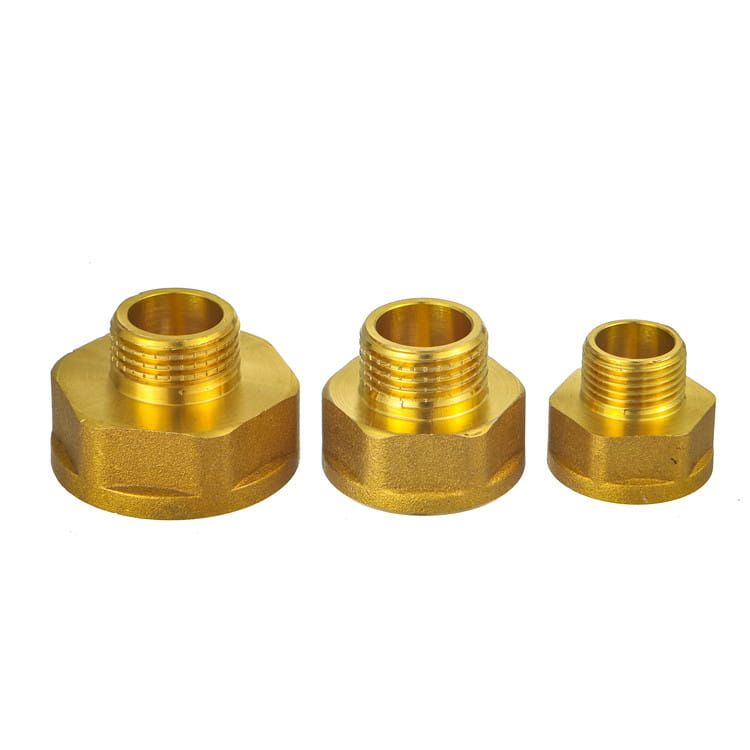
Plastic changes the physics. A tapered metal thread can wedge hard; a plastic female fitting is a hoop that over-wedging splits — and tape, by lubricating and bulking the thread, makes it easier to over-wedge without feeling it. So on PVC, CPVC, PPR, and PP threaded connections: 2–3 wraps maximum, hand-tight plus half a turn to one turn, never "one more heave." Prefer molded transition fittings (a brass insert molded into the plastic body) over cutting threads in plain plastic — that's how quality fitting systems handle metal-to-plastic junctions, and it's why IFAN's threaded PPR and PVC adapters carry brass thread cores from the same catalog as the pipe: the thread that takes the torque is metal, the plastic never fights the taper, and the tape does its one job in a joint designed for it. If a plastic thread weeps at sensible torque, stop — inspect for a hairline split (the usual truth) rather than adding wraps.
"I Taped It and It Still Leaks" — the Real Causes
When a properly taped tapered joint weeps, the tape is almost never the problem. Work the list: Cross-threading — the joint started crooked; no seal survives it; back out, inspect, recut or replace. Mixed standards — BSP into NPT "fits" and never seals. Cracked female fitting — especially plastic, especially after force; the weep tracks the split, not the spiral. Damaged or worn threads — switch to paste or replace the part. Wrong joint type — you taped a parallel thread whose washer or cone was missing or damaged; replace the washer, strip the tape. Backed-off assembly — the fitting was tightened, then unscrewed a fraction for alignment, breaking the tape's packing; on tapered joints, final position must arrive while tightening. The discipline mirrors every sealing system on this site, from solvent joints to seal rings: find the actual failure, because sealant layered over a defect is a countdown, not a repair.
Threads that seal start with fittings machined right
IFAN machines BSP and NPT threads to gauge on lead-free brass valves, fittings, and transition adapters — tell us your standard and sizes.
Request a Quote & SamplesCommon Tape Mistakes
Taping washer-sealed nuts. Supply-hose swivels, unions, compression nuts — the tape masks torque and litters the seal face. Strip it.
Wrapping counter-clockwise. The wrap peels open as you tighten. Face the thread end; wrap clockwise.
Overhanging the tip. Sheared tape ends up in aerators and valve seats downstream.
Ten wraps as insurance. Over-bulked threads stress female fittings — split plastic, cracked castings. 3–5 done well beats 10 done hopefully.
Re-tightening old tape. Once broken loose, the packing is gone. Strip and re-wrap fresh.
White tape on gas. Gas lines take the gas-rated product and the local code — not the water-line roll.
Frequently Asked Questions
Which way do you wrap thread seal tape?
Face the open end of the male thread and wrap clockwise — the same direction the fitting tightens — so assembly pulls the tape tighter instead of peeling it. Start one thread back from the tip, keep tension so the thread profile shows through, overlap each wrap by half a width, and use 3–5 wraps of standard white tape on typical water threads.
Where should you NOT use thread tape?
On any connection that seals on a face rather than the thread: braided-hose swivel nuts and toilet/faucet connectors (washer seals), union nuts (faces seal), compression fitting nuts (O-ring and grip ring seal), flare fittings (cone seals), and garden-hose threads (washer). Tape there falsifies torque feel and sheds fragments into the sealing face — it prevents nothing and often causes the leak.
Is tape or pipe dope (paste) better?
Fit, not faith: tape is clean and ideal on new, well-cut tapered threads; paste flows into worn, large, or slightly irregular threads and suits big steel work — many pros combine them. On plastic threads use only plastic-safe paste, and on gas lines use the gas-rated product your code expects. Neither fixes cross-threading, cracks, or mixed BSP/NPT standards.
How many wraps of PTFE tape on plastic threads?
Fewer than on metal: 2–3 wraps, then hand-tight plus roughly half a turn to one turn. Plastic female fittings split when over-wedged, and tape's lubrication makes it easy to over-tighten without feeling it. Better still, use molded transition fittings with brass thread cores so the plastic never fights the taper at all.