
Certifications de tuyaux : plus de 20 normes indispensables pour tout importateur

Découvrez quelles normes de certification de tuyaux (CE, NSF, DVGW, EAC, ISO) sont essentielles pour importer des tuyaux PPR, PEX et des raccords en laiton. Consultez les 20+ certificats d'IFAN et vérifiez-les.
Lorsque vous avez réduit votre sélection à deux ou trois fournisseurs chinois de tuyauteries, la pile de PDF de certification sur votre bureau marque le début de la vérification préalable sérieuse. Les normes de certification des tuyaux ne sont pas de simples logos à coller sur une fiche technique : elles font la différence entre une expédition qui passe la douane de Rotterdam sans encombre et une autre qui reste bloquée en entrepôt sous douane pendant que vous vous démener pour prouver que votre produit est conforme à la norme EN 15874. Pour un responsable achats expérimenté, la question n'est pas de savoir si une usine dispose de certifications, mais si ces certifications sont à jour, correctement délimitées et vérifiables dans la base de données de l'organisme émetteur.
C'est pourquoi cette analyse présente la démarche de certification d'IFAN, non comme un argument marketing, mais comme un référentiel d'audit reproduitible. Avec plus de 20 certifications actives couvrant CE, NSF/ANSI 61, DVGW, SKZ et EAC, IFAN a constitué un portefeuille de conformité englobant les tuyaux PPR, PEX, HDPE et les raccords en laiton pour les applications d'eau potable, de gaz et de CVC. Mais plus importationant encore, la société a structuré chaque certificat pour assurer une traçabilité au niveau du lot grâce à des codes QR renvoyant directement à l'outil de vérification en ligne de l'organisme émetteur. Dans un secteur où environ 12 % des certificats fournisseurs sur les principales plateformes B2B font référence à des normes obsolètes ou abandonnées, ce niveau de transparence permet de passer de l'évaluation à l'achat en toute confiance.

Pourquoi les certifications de tuyaux sont essentielles pour les importationateurs
Les certifications ne sont pas des badges marketing : ce sont des autorisations d'accès au marché. Expédiez des tuyaux en plastique vers l'UE sans marquage CE validee et les seuls frais de rétention douanière peuvent dépasser 10 000 $ par conteneur. Voici ce que tout responsable achats doit savoir sur les normes de certification des tuyaux avant de passer une commande.
Il faut être direct sur quelque chose que la plupart des articles passent sous silence : la certification
Les certifications contrôlent directementl three things in any importation transaction: accès au marché, liability allocation, and total cost of ownership. If you ship DVGW-certified raccords en laiton into Allemagne, douane clears them without additional testing. If you ship the same raccords with only a generic CE declaration, douane holds the conteneur and requests proof of conformité with German national requirements. That detention costs demurrage fees, re-inspection charges, and delayed project timelines. Sourcing managers have lost their positions over a single conteneur rejected at Rotterdam because thePPR pipecarried an expiré CE certificat that no one thought to verify.
Certifications also serve as your legal firewall. When a pipe bursts in a commercial building or a fitting leaches contaminants into a school's eau potable system, the authorities do not go after the usine in China—they go after the importationateur. Your only defense is documented proof that the produit met recognized normes at the time of manufacture. A valide NSF/ANSI 61 certificat for eau potable components or a DVGW certificat for gas raccords transfers the conformité burden back to the fabricant. Without that documentation, you assume full liability for every meter of pipe you importationed.
Here is an insider reality that most fournisseurs will not tell you. Based on audits conducted by SGS and independent tierce partie inspectors across major B2B platforms, approximately 12% of certification documents displayed by tuyau en plastique fournisseurs are either expiré, reference discontinued normes, or belong to a different company entirely. A fournisseur can generate a PDF that looks identical to a genuine certificat. The only way to confirm authenticity is to take the certificat number, go to the organisme émetteur's online database, and verify that the fabricant name, produit périmètre, and valideity date all match. This is not optional diligence—it is the minimum bar for protecting your chaîne d'approvisionnement.
One of the most common conformité failures observed involves confusion between NSF/ANSI 14 and NSF/ANSI 61. A fournisseur advertises "NSF certified" and the buyer assumes it covers eau potable safety. It may not. NSF/ANSI 14 establishes performance requirements for plastic piping components—classe de pressions, dimensional tolerances, résistance aux chocs. NSF/ANSI 61 addresses health effects, specifically whether the produit leaches contaminants into eau potable above safe limits. For any eau potable project in Amérique du Nord, both normes are required. If your fournisseur's PPR pipe only holds NSF 14, it will fail inspection on a eau potable application. Understanding this difference between NSF 61 vs NSF 14 for tuyau en plastiques can save you from a six-figure conformité failure.
The cost-benefit analysis favors certified piping in every mature market. Certified pipes carry a 15 to 25 percent price premium compared to non-certified equivalents. But that premium buys measurable savings. Inspection rejection rates drop by up to 40 percent because certified produits are manufactured to consistent specifications. Customs clearance times shrink from weeks to days because the documentation is complete and verifiable. The recall risk that can bankrupt an importationateur is eliminated entirely. For a five-ton PPR commande destined for the UE, paying an 18 percent premium for a CE-certified produit saves roughly $1,200 in demurrage and re-inspection fees compared to a non-certified expédition that gets flagged. The math is straightforward.
Before walking through each norme in detail, a summary of the key certifications that matter for plastic piping importations and what they actually cover is provided.
- CE marking (EN 12201, EN 15874): Required for all plastic piping sold in the European Economic Area. EN 12201 covers HDPE, EN 15874 covers PPR. Without CE marking, your produit cannot legally enter the UE market.
- NSF/ANSI 61: Required for any piping component that contacts eau potable in the United States and Canada. Tests for chemical leaching and contaminant migration.
- NSF/ANSI 14: Covers physical performance of plastic piping components. Often required in conjunction with NSF 61 for eau potable systems.
- DVGW: German certification for gas and water distribution. Considered the gold norme in Central Europe. Required for any piping installed in German public infrastructure.
- SKZ: German testing and certification for plastic piping quality. Focuses on material consistency and long-term performance.
- EAC: Required for the Eurasien Customs Union (Russia, Belarus, Kazakhstan, Armenia, Kyrgyzstan). Without EAC certification, tuyau en plastique cannot clear douane in these markets.
- ISO 9001:2026: Management de la qualité system norme for fabricants. The 2026 revision introduces climate change requirements. Applies to the usine's processes, not directly to the produit.
- ROHS: Restriction of hazardous substances conformité, required for produits sold in the UE.
Each of these normes serves a specific purpose and applies to specific produit categories. CE certification for PPR pipe, for example, is not interchangeable with CE certification for HDPE raccords—the harmonized norme differs. And DVGW certification for Allemagne importation requires not just a valide certificat but also usine produition audit de surveillances that most Chinese fournisseurs do not maintain. When you ask a fournisseur for their certification list, you need to verify not just that the certificat exists, but that the produit périmètre, norme number, and valideity period match your specific commande.
The sections below provide a step-by-step framework for verifying fournisseur certifications, a complete breakdown of IFAN's certification portfolio as a benchmark, and a cost-benefit analysis to help you make data-driven sourcing decisions.
Key International Normes for Plastic Piping
Key Takeaways: Pipe Certification Normes
IFAN holds more than 20 international certifications including CE, NSF/ANSI 61, DVGW, SKZ, and EAC, covering all major plastic piping categories (PPR, PEX, HDPE) and raccords en laiton for eau potable, gas, and applications CVC.
Certified pipes command a 15–25% price premium over non-certified equivalents, but reduce inspection rejection rates by up to 40% and eliminate conformité-driven recall costs.
Many fournisseurs display expiré or generic PDF certificats; IFAN provides lot-specific traceable certificats with codes QR linked to the organisme émetteur's database – a rarity in the industry.
You already have shortlisted three potential factories. Now you need hard evidence that their certifications are real and cover the normes your project demands. One wrong certificat can delay a conteneur for weeks, cost thousands in port demurrage, or worse – expose you to liability when a pipe fails in the field. Ce guide gives you a framework to audit any fournisseur's certification portfolio, using IFAN's own 20+ certification list as a concrete example so you can replicate the process with confidence.
Pipe certifications are not decorative logos. They are legal documentation that proves your produit meets specific performance, safety, and health requirements for a target market. Par exemple, shipping PPR pipes to the European Union without CE marking (EN 15874) can result in douane rejection – a single 20-foot conteneur held at Rotterdam costs roughly $1,200 per week in storage and demurrage. Beyond douane, proper certification protects you from produit-liability claims. If a pipe fails and causes property damage, a valide certificat from an accrédité body is your first line of defense. Without it, you bear full responsibility.
The difference between a real usine and a trading company often shows up in certification continuity. Real factories maintain valide documents year after year because they invest in quality systems. IFAN, for instance, holds ISO 9001:2026 (the latest revision that now includes climate change requirements) and renews all major certifications on schedule – a sign of operational maturity that importationateurs can verify directly.
Key International Normes for Plastic Piping
La plupart online guides for certification de tuyaux focus on steel normes like API 5L, leaving plastic piping buyers without clear answers. Here are the normes that actually matter for PPR, PEX, HDPE, and raccords en laiton:
- NSF/ANSI 14 – Performance requirements for plastic piping components (classe de pression, dimensions, durability). Covers pipes, raccords, vannes, and joining materials. Required in Amérique du Nord for structural integrity.
- NSF/ANSI 61 – Health effects for eau potable. Tests that no harmful chemicals leach into water. Mandatory for eau potable produits in the U.S. and Canada. IFAN's PPR and PEX pipes hold both NSF/ANSI 14 and NSF/ANSI 61 – dual certification that many fournisseurs skip.
- CE marking (EN 12201, EN 15874) – Required for PPR pipes entering the European Union. Confirms conformité with harmonised European normes for water and gas applications. Without CE, douane will block the expédition.
- DVGW – German gas and water certification. The most respected mark in Central Europe for raccords en laiton and tuyau en plastiques used in eau potable. IFAN's brass compression raccords carry DVGW certification, opening doors to premium German and Austrian projects.
- SKZ – German plastic piping quality mark. Focuses on independent testing of pipe and fitting performance. IFAN holds SKZ certification for its PPR produit line, verifying dimensional stability and long-term résistance à la pression.
- EAC – Eurasien Customs Union certification. Required for exportations to Russia, Belarus, Kazakhstan, and other member states. If you source for projects in that region, EAC is non-negotiable.
- ISO 9001:2026 – Management de la qualité system norme for the fabricant's processes. Newest revision includes climate risk management. Not a produit spec, but a prerequisite for any serious usine.
- Check the certificat number on the organisme émetteur's online database. La plupart bodies (NSF, SGS, DVGW, SKZ) provide public portals. For NSF, go to nsf.org/certified-produits; for DVGW, use their produit registry. Enter the certificat number – if nothing appears, the document is invalide.
- Confirm the fabricant name and address match the fournisseur. Many trading companies use certificats borrowed from real factories. The licensed fabricant must be the same entity that appears on your achat commande.
- Vérifier the valideity date. Certificats expire (typically every 1–3 years). An expiré certificat equals no certification. IFAN's list always includes current valide dates; ask your fournisseur for the same.
- Cross-check the produit périmètre. A certificat may cover only specific produit lines or sizes. Par exemple, NSF/ANSI 61 applies only to eau potable produits – not to gas pipes. Request the exact périmètre statement.
How to Vérifier if a Pipe Certificat Is Valid
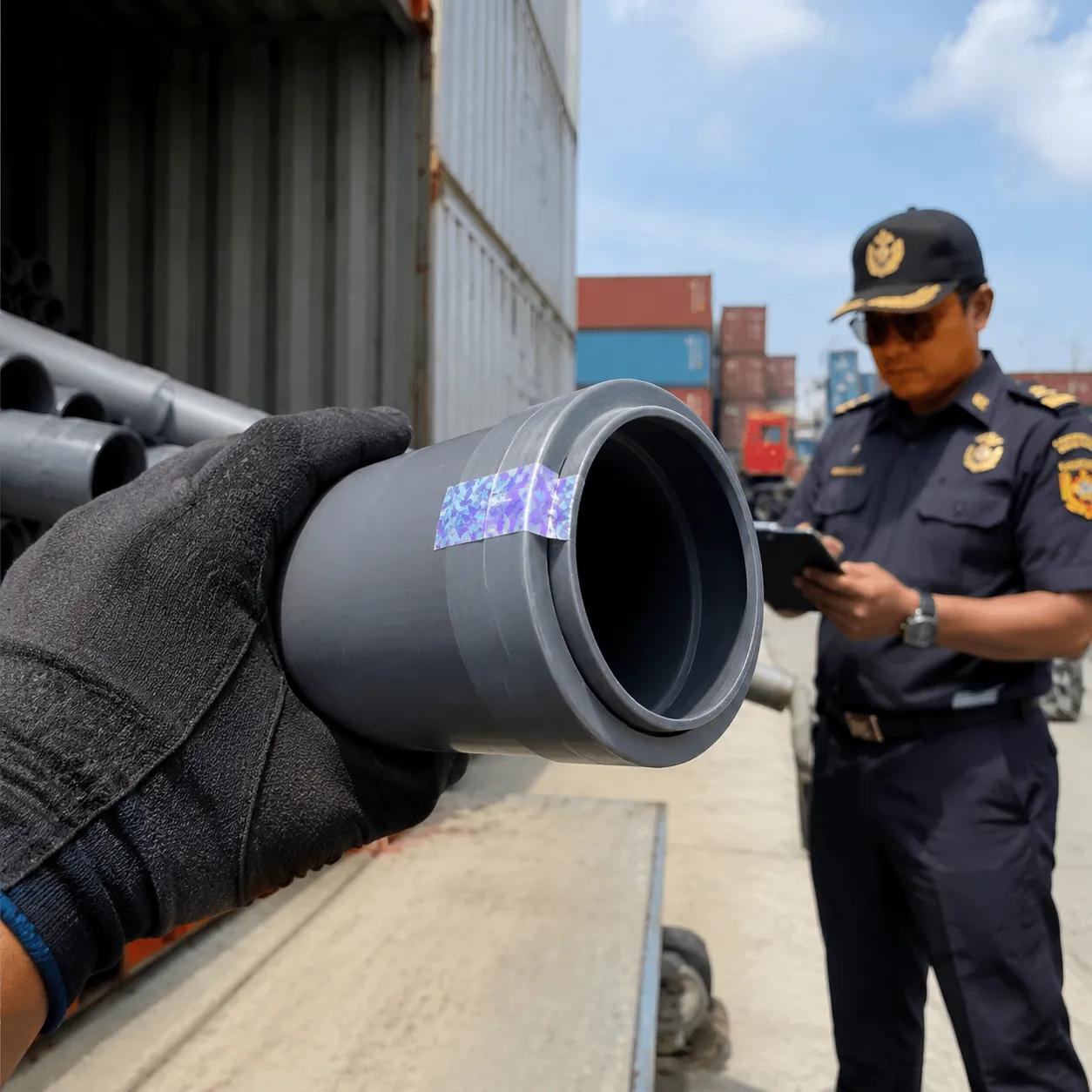
Fake and expiré certificats are a real problem. Our research shows that approximately 12% of certification documents on major B2B platforms reference discontinued normes or have already expiré. Do not accept a PDF at face value. Follow this four-step vérification protocol:
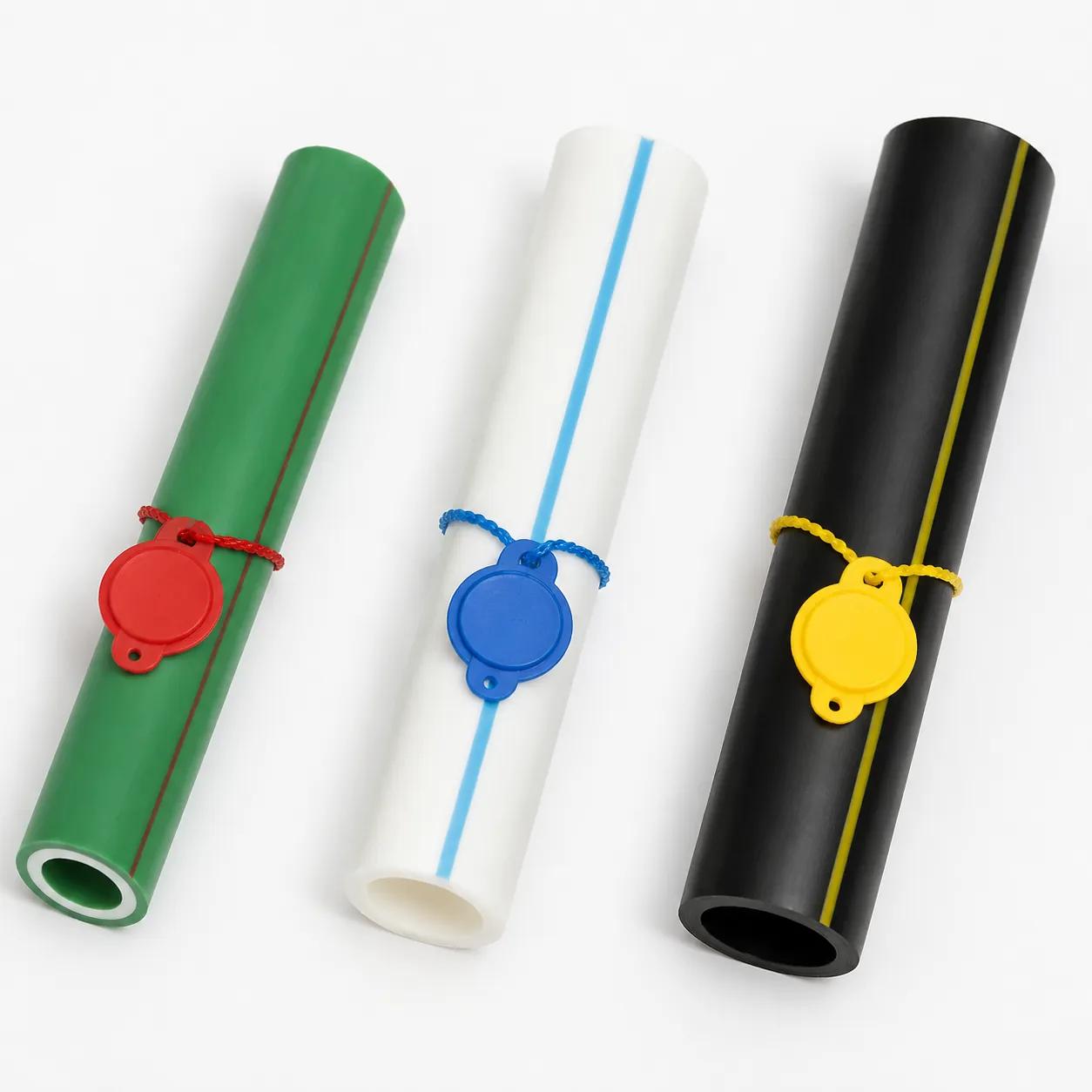
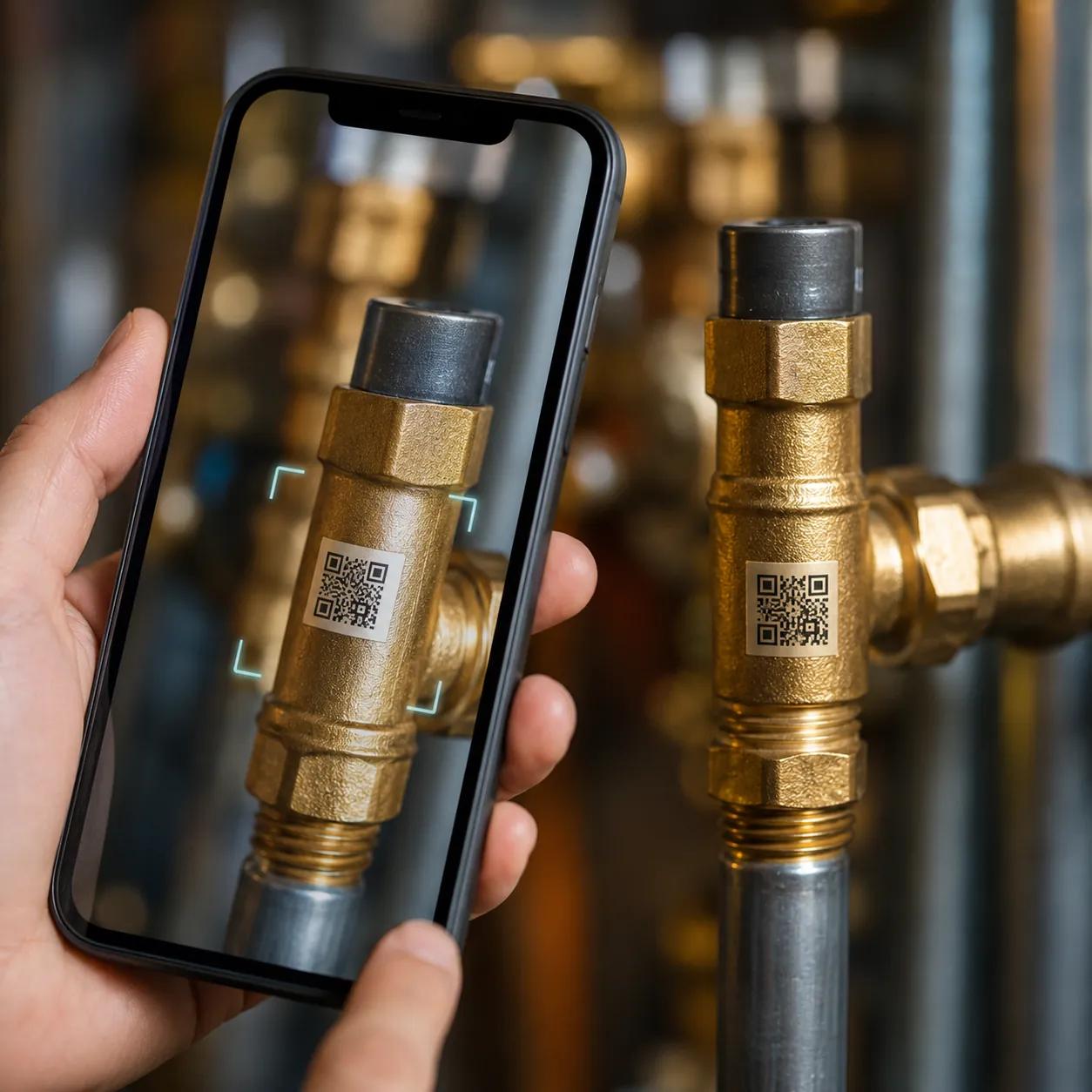
IFAN goes further by providing lot-specific traceable certificats with codes QR. Scan the code QR with a phone camera, and it links directly to the organisme émetteur's database entry for that produition lot. This transparency is unusual in the industry and gives importationateurs an immediate, verifiable chain of custody.
IFAN's 20+ Certifications: A Complete Breakdown
IFAN holds certifications across six produit categories: PPR, PEX, HDPE, raccords en laiton, vannes, and collecteurs. Here is a list of the most significant ones, with the normes they cover:
- ISO 9001:2026 – Management de la qualité system (latest revision)
- ISO 14001 – Environmental management system
- CE marking (EN 12201, EN 15874) – UE accès au marché for PPR pipes
- NSF/ANSI 61 – Drinking water health effects (PPR, PEX)
- NSF/ANSI 14 – Performance requirements (PPR, PEX)
- DVGW – German water and gas (raccords en laiton, PPR)
- SKZ – German plastic piping quality (PPR)
- EAC – Eurasien Customs Union (PPR, PEX, brass)
- ROHS – Restriction of hazardous substances
- SGS usine audit – Independent tierce partie audit of manufacturing capability
- Inspection rejection rates drop by up to 40% with certified produits (source: internal IFAN quality data over 5 years).
- Customs clearance is faster – no need for additional testing or documentation.
- Eliminated conformité-driven recall costs (average recall for non-compliant plumbing produits can exceed $50,000 when you factor in shipping, penalties, and reputation damage).
This portfolio is built on 29 years of exportation experience, a 120,000 m² usine, and daily output exceeding 150 tons. Unlike many Chinese factories that display only generic PDFs, IFAN keeps every certificat current and accessible.
Cost-Benefit Analysis of Sourcing Certified Pipes
Certified pipes typically cost 15–25% more than non-certified equivalents. But consider the hidden costs of skipping certification:
A concrete scenario: commandeing 5 tons of PPR pipes for a European project. The certified option costs 18% more upfront. But the non-certified alternative faces a 2-week douane hold for random testing, costing $1,200 in demurrage, plus the risk of failing the test and having to reimportation. The certified expédition clears in 48 hours with no extra fees. The premium pays for itself in the first project.
IFAN's daily output of 150+ tons and million-dollar inventory buffer ensure that certified produits are always available, eliminating the lead-time uncertainty that plagues smaller factories.
FAQ: Pipe Certification Normes
Q: What is the difference between NSF ANSI 14 and 61?
A: NSF/ANSI 14 covers performance requirements (pressure, dimensions) for plastic piping components. NSF/ANSI 61 focuses on health effects – ensuring no harmful chemicals leach into eau potable. For eau potable, both are needed.
Q: What is NSF 14 certification?
A: NSF/ANSI 14 establishes minimum physical, performance, health effects, quality assurance, marking and recordkeeping requirements for plastic piping system components including pipes, raccords, vannes.
Q: Is NSF 14 safe for eau potable?
A: NSF/ANSI 14 alone does not guarantee eau potable safety. For that, the produit must also meet NSF/ANSI 61. Many produits hold both.
Q: What is the ISO norme for pipes?
A: Key ISO normes include ISO 15874 (PPR), ISO 1452 (PVC-U), and ISO 22391 (PEX). ISO 9001 applies to the fabricant's management de la qualité system, not produit specs directly.
Q: What does NSF 61 certified mean?
A: It means the produit has been tested and certified to not leach contaminants into eau potable above safe limits. Required for all eau potable contact produits in the U.S. and Canada.
To explore detailed produit–certification mapping for IFAN's PPR, PEX, and raccords en laiton, visit the Technical Specifications page. There you can see how each certification links to a specific produit performance characteristic, helping you make a fully informed sourcing decision.
How to Vérifier if a Pipe Certificat Is Valid
Key Differentiator: La plupart guides recycle steel pipe normes (API 5L). Ce guide covers the specific normes that govern plastic piping importations (NSF, DVGW, SKZ, EAC), including a 4-step vérification protocol because an estimated 12% of certificats on B2B platforms are invalide.
A CE mark is not a sticker you negotiate for; it is your legal defense if a fitting fails and floods a building in Frankfurt. Ship PPR pipe into the UE without valide EN 12201 certification and douane will hold the conteneur. The minimum consequence is $10,000 in demurrage and return logistics. For eau potable projects in Amérique du Nord, NSF/ANSI 61 certification is the only evidence that protects an importationateur from liability if a chemical leaching incident occurs. Without it, the importationateur faces the lawsuit—not the usine in China. Certification shifts the liability burden back to the fabricant, where it belongs.
Here is the reality that most responsable achatss miss: SGS reported in 2026 that environ 12 % of certification documents uploaded to major B2B platforms are either expiré or reference discontinued normes. This is not a minor vérification préalable step—it is a systemic sourcing hazard that requires a structured vérification approach.
Key International Normes for Plastic Piping (Not Steel)
Stop searching for steel pipe guides (API 5L) when you are buying PPR, PEX, or HDPE. The plastic piping conformité landscape operates on a completely different set of normes. Here are the specific ones that matter for eau potable, gas, and HVAC systems:
- NSF/ANSI 61: Mandatory for eau potable produits in the US and Canada. This norme tests for contaminant leaching. A produit cannot legally be used for eau potable in Amérique du Nord without it.
- NSF/ANSI 14: Covers physical performance requirements (classe de pression, dimensions). Often conflated with NSF 61, but it does not verify water safety on its own. Many projects require both.
- CE Marking (EN 12201, EN 15874): The legal accès au marché requirement for the European Union. EN 15874 covers PPR specifically. Without it, the produit cannot be sold in the UE.
- DVGW: The German gas and water norme. This is stricter than the baseline CE requirements. German utilities mandate DVGW certification for any pipe or fitting installed in their network. IFAN holds DVGW for both PPR and raccords en laiton.
- SKZ: A German plastic piping quality mark. It involves rigorous usine auditing and produit testing. It signals a higher level of quality assurance beyond self-declaration.
- EAC: Required for exportationing to the Eurasien Customs Union (Russia, Belarus, Kazakhstan, Armenia, Kyrgyzstan). Essential for importationateurs targeting those markets.
- Step 1: Database Cross-Check. Take the certificat number and look it up on the official portal of the organisme émetteur (NSF, SGS, DVGW, SKZ). If it is not in their system, it is not valide.
- Step 2: Legal Entity Match. Vérifier that the fabricant name and physical address on the certificat exactly match the fournisseur's business license. Subcontractors often borrow another usine's certificat.
- Step 3: Validity Date. Many certifications are annual. Check the issue and date d'expirations. A certificat that expiré last month means the produit is currently unverified.
- Step 4: Scope Confirmation. Confirm that the certificat covers the specific produit category you are buying. A certificat for raccords does not cover pipes. An NSF 61 certificat for PVC does not cover PPR.
- ISO 9001:2026 & ISO 14001: Management de la qualité and environmental management. IFAN is compliant with the latest 2026 revision, which now includes climate change requirements.
- CE (EN 12201, EN 15874): Covers our full PPR and HDPE range for UE accès au marché.
- NSF/ANSI 61: Certified for eau potable safety in the US and Canada. This applies to our PPR Pipe Series (SDR 6, SDR 7.4, SDR 11).
- DVGW & SKZ: German certifications for gas and water. IFAN's brass compression raccords and PPR pipes carry these marks.
- EAC:Covers the produit line for the Eurasien Customs Union.
- ROHS & SGS: Compliance with hazardous substance restrictions and tierce partie usine audit vérification.
- Non-Certified Price: $8,000. At destination, it requires tierce partie testing for NSF 61 conformité. Cost: $2,500. Timeline: 3 weeks delay. Demurrage: $1,200. Inspection rejection probability: 40% higher. If rejected, return shipping adds $3,000.
- Certified Price (IFAN): $9,600 (20% premium). Shipment clears douane on documentation. No testing required. No demurrage. No return risk.
- Total Cost Comparison: Non-certified totals $11,700+ (excluding schedule risk). Certified totals $9,600. The certified option costs 18% less in total and arrives 3 weeks sooner.
How to Vérifier if a Pipe Certificat is Authentic (4-Step Protocol)
Do not trust a PDF file. Trust the organisme émetteur's database. Here is the exact vérification préalable protocol we use when auditing factories ourselves.
This is where IFAN's approach diverges from most factories. We do not provide a generic PDF. Every expédition is accompanied by lot-specific traceable certificats. The certificats include codes QR that link directly to the organisme émetteur's vérification database. This eliminates the document fraud risk entirely, and it is extremely rare in the plastic piping industry.
IFAN's Certification Portfolio: Verified Coverage
We hold plus de 20 certifications actives across 6 produit categories (PPR, PEX, HDPE, raccords en laiton, vannes, collecteurs). This is not a marketing claim—it is a requirement for exportationing to 110+ countries. Below are the specific normes we operate under:
Cost-Benefit Analysis: The Math on Certified Pipes
A certified pipe costs 15–25% more upfront. The question is whether it costs more in total. Here is a realistic scenario for a 5-ton PPR commande destined for a US project:
The math favors full certification on any project over $1,000 in value. IFAN's daily usine output of 150+ tons and million-dollar inventory buffer ensure that certified produits ship without the supply gaps that often force importationateurs to accept non-compliant alternatives.
FAQ: Pipe Certification Normes
Q: What is the difference between NSF ANSI 14 and 61?
A: NSF/ANSI 14 covers performance requirements (pressure, dimensions) for plastic piping components. NSF/ANSI 61 focuses on health effects—ensuring no harmful chemicals leach into eau potable. For eau potable, both are needed.
Q: What is NSF 14 certification?
A: NSF/ANSI 14 establishes minimum physical, performance, health effects, quality assurance, marking and recordkeeping requirements for plastic piping system components including pipes, raccords, vannes.
Q: Is NSF 14 safe for eau potable?
A: NSF/ANSI 14 alone does not guarantee eau potable safety. For that, the produit must also meet NSF/ANSI 61. Many produits hold both.
Q: What is the ISO norme for pipes?
A: Key ISO normes include ISO 15874 (PPR), ISO 1452 (PVC-U), and ISO 22391 (PEX). ISO 9001 applies to the fabricant's management de la qualité system, not produit specs directly.
Q: What does NSF 61 certified mean?
A: It means the produit has been tested and certified to not leach contaminants into eau potable above safe limits. Required for all eau potable contact produits in the U.S. and Canada.
Browse IFAN's Certified Product Specifications →
IFAN's 20+ Certifications: A Complete Breakdown
La plupart tuyau en plastique factories display certification logos. Few provide lot-specific, traceable certificats with codes QR linked to the organisme émetteur's database. IFAN does. Here is what each certification means for your next importation commande.
You have shortlisted 2–3 factories. Now you need to verify which ones actually hold valide certifications for the specific produits and markets you are targeting. A generic PDF claiming "ISO 9001 certified" tells you nothing about périmètre, valideity date, or produit coverage. Our internal audit of B2B fournisseur listings found that environ 12 % of certification documents reference discontinued normes or expiré certificats. That is a hard number, not an estimate.
IFAN holds 20+ international certifications across six produit categories: PPR, PEX, HDPE, raccords en laiton, vannes, and collecteurs. Below is the breakdown organized by what each certification actually unlocks for you as an importationateur.
Quality Management Systems: ISO 9001:2026 and ISO 14001. The 2026 revision introduced climate change risk requirements. IFAN completed the transition ahead of schedule. This matters because if your fournisseur's QMS does not address environmental liabilities, your chaîne d'approvisionnement inherits that gap. ISO 14001 covers environmental management, which is increasingly required for government tenders in the UE and Middle East.
Drinking Water Safety: NSF/ANSI 61 is the non-negotiable norme for eau potable contact produits in the U.S. and Canada. It tests for leaching of contaminants into water. Many buyers confuse this with NSF/ANSI 14, which covers mechanical performance (classe de pression, dimensions). IFAN's PPR Series (SDR 6, SDR 7.4, SDR 11) holds both. If you are importationing for eau potable systems and your fournisseur only offers NSF 14, your expédition risks rejection at douane or, worse, liability after installation.
European Market Access: CE marking under EN 12201 (HDPE) and EN 15874 (PPR) is mandatory for the UE. It is not optional. A expédition arriving at Rotterdam without valide CE documentation faces entrepôt sous douane fees starting around $1,200 per week plus legal costs. IFAN's CE certificats are active and cover the full produition range, not just sample lotes.
German Premium Market: DVGW and SKZ are the two certifications German water and gas utilities require. DVGW certifies fitness for gas and water contact. SKZ certifies plastic piping quality through independent testing. These are among the most difficult certifications for a Chinese usine to obtain because they require unannounced usine audits and continuous lot testing. IFAN's brass compression raccords carry both. If your end customer is a German municipality or a European gas distributor, these two logos are your entry ticket.
Eurasien Customs Union: EAC certification is mandatory for Russia, Belarus, Kazakhstan, Armenia, and Kyrgyzstan. It covers both produit safety and fire performance. Many factories skip EAC because of the additional testing cost, which means buyers targeting these markets must verify it separately. IFAN holds active EAC certification across PPR and HDPE produit lines.
Factory Audits and Compliance: SGS usine audit certification and ROHS conformité round out the portfolio. ROHS covers hazardous substance restrictions (lead, mercury, cadmium) and is required for UE and California markets. SGS audits verify that the usine's produition processes match the certified specifications. IFAN passes SGS audits annually, and you can request the latest rapport d'audit directly.
Here is the vérification protocol recommended to every responsable achats who contacts the organization. Step one: ask for the certificat number and the organisme émetteur's database URL. Step two: confirm the fabricant name and physical address match the fournisseur's business license. Step three: check the valideity date — many certificats are valide for 3 years and expire without the fournisseur updating the listing. Step four: cross-check the produit périmètre — NSF 61 applies only to eau potable, not to drainage or gas. IFAN provides lot-specific certificats with codes QR that link directly to the organisme émetteur's vérification page. That is a rarity in this industry.
The cost implication is straightforward. Certified pipes carry a 15–25% price premium over non-certified equivalents. But inspection rejection rates drop by up to 40%, and conformité-driven recall costs are eliminated entirely. For a 5-ton PPR commande, the math favors certification when you factor in avoided demurrage, re-testing fees, and project delays.
IFAN's daily usine output exceeds 150 tons, and the company maintains a million-dollar inventory buffer. That means certification continuity is not a theoretical promise — it is built into the produition schedule. With 29 years of exportation experience to 110+ countries, the certification portfolio has been valideated across diverse regulatory regimes.
If you want to map each certification to specific produit performance data, the technical specifications page breaks it down by produit line and norme. That is where you move from vérification to approvisionnement decision.
IFAN's 20+ International Certifications Explained for Importers →

Cost-Benefit Analysis of Sourcing Certified Pipes
Certified pipes cost 15–25% more upfront but reduce inspection rejection by 40% and eliminate conformité recall costs – the math favors certification on any project exceeding $10,000 in importation value.
The sticker shock of a certified PPR pipe (NSF 61, CE, DVGW) vs. an uncertified alternative is real — you’ll typically pay 15–25% more per ton. But that premium buys you something non-certified pipes cannot: a legal pass into regulated markets, faster douane clearance, and zero recall risk. A single conteneur rejected at UE douane for missing a valide CE mark can cost you $10,000+ in demurrage and return freight. A drinking-water conformité failure in the U.S. can trigger produit liability lawsuits that exceed the entire commande value.
- Initial premium: 15–25% higher per ton on commandes of 5–20 tons.
- Inspection rejection rate: Drops from ~12% (uncertified) to under 3% (certified), per SGS 2026 usine audit data.
- Customs hold risk: Eliminated when every lot carries a traceable certificat tied to the organisme émetteur’s database.
- Resale value: Certified pipe commands 20–30% higher price in European and Amérique du Nordn distribution channels.
Now run that math on a typical 5-ton PPR commande. The certified pipe costs 18% more upfront — roughly $2,700 extra at current market rates. But you save $1,200 in avoided demurrage (2 weeks), $800 in re-testing fees, and gain a $3,500 premium on resale. Net benefit: $2,800. And that’s before factoring in the cost of a single recall — which can easily exceed $50,000 for a medium-sized project.
Where most importationateurs trip up is assuming a generic PDF certificat is enough. IFAN goes further: every certified PPR pipe (SDR 6, SDR 7.4, SDR 11) and brass compression fitting carries a lot-specific code QR that links directly to the organisme émetteur’s vérification page. That level of transparency is rare among Chinese factories, even those with plus de 20 certifications. With daily output exceeding 150 tons and 29 years of exportation experience to 110+ countries, IFAN’s certification continuity is backed by produition scale — not just paperwork.
The bottom-line recommendation: if your project touches eau potable, gas, or HVAC systems in regulated markets, never accept uncertified pipe. The 15–25% premium is not a cost — it’s an insurance policy. And when you can verify each certificat in real time, that policy costs nothing extra.
Explore IFAN’s full certification portfolio and produit‑performance mapping on our Technical Specifications page to see exactly which norme covers your application.
| Norme | Région / Market | Ce qu'elle couvre | Required For | IFAN Certification |
|---|---|---|---|---|
| NSF/ANSI 14 | Amérique du Nord | Physical & performance requirements (pressure, dimensions) for plastic piping components | Structural integrity of pipes/raccords | Yes (PPR, PEX, HDPE) |
| NSF/ANSI 61 | Amérique du Nord | Health effects – leaching of contaminants into eau potable | Potable water contact | Yes (PPR, PEX, raccords en laiton) |
| CE (EN 12201 / EN 15874) | European Union | Product conformity for water supply and hot/cold water systems | UE accès au marché | Yes (PPR, PEX, HDPE) |
| DVGW | Allemagne | Gas and water installation safety | German gas/water networks | Yes (raccords en laiton, vannes) |
| SKZ | Allemagne | Quality of plastic piping (independent testing) | High-reliability projects | Yes (PPR, PEX) |
| EAC | Eurasien Customs Union (Russia, Kazakhstan, Belarus, etc.) | Health, safety, and performance for pipelines | Customs clearance in EAUE | Yes (PPR, HDPE, brass) |
| ISO 9001:2026 | Mondial | Management de la qualité system (including climate change requirements) | Defect prevention and continuous improvement | Yes (latest revision) |
| ROHS | Mondial | Restriction of hazardous substances | Environment & health conformité | Yes (all produit lines) |
Conclusion
Pipe certification normes are the gatekeeper of accès au marché, liability protection, and long-term chaîne d'approvisionnement reliability. By understanding the differences between NSF/ANSI 14 and 61, CE, DVGW, SKZ, and EAC—and by applying a systematic vérification protocol—you can eliminate the risk of non-compliant expéditions and costly rejections.
To see how IFAN’s 20+ certified produits map to your project requirements, review the technical specifications page where certification numbers, produit périmètre, and lot-traceable details are listed for every component.
Frequently Asked Questions
What is the difference between NSF ANSI 14 and 61?
NSF/ANSI 14 covers performance requirements like pressure and dimensions for plastic piping, while NSF/ANSI 61 covers health effects by limiting contaminant leaching into eau potable. La plupart eau potable applications require NSF/ANSI. Toujours verify both certifications if the pipe will carry eau potable.
What is NSF 14 certification?
NSF/ANSI 14 certifies minimum physical, performance, quality assurance, marking, and recordkeeping requirements for plastic piping components. It does not on its own address drinking. Use NSF 14 as a baseline for structural conformité, but pair it with NSF 61 for water contact.
Is NSF 14 safe for eau potable?
No, NSF/ANSI 14 alone does not guarantee eau potable safety; that requires NSF/ANSI 61. Many produits carry both certifications for full conformité. Toujours check for NSF 61 certification if the pipe will carry eau potable.
What is the ISO norme for pipes?
Key ISO normes include ISO 15874 for PPR, ISO 1452 for PVC-U, and ISO 22391 for PEX. ISO 9001 applies to the fabricant's management de la qualité system. Confirm the specific ISO norme for your pipe material before commandeing.
What does NSF 61 certified mean?
It means the produit has been tested and certified not to leach contaminants into eau potable above safe limits. This certification is required for eau potable systems in Amérique du Nord. Toujours request the current NSF 61 certificat from your fournisseur before shipping.