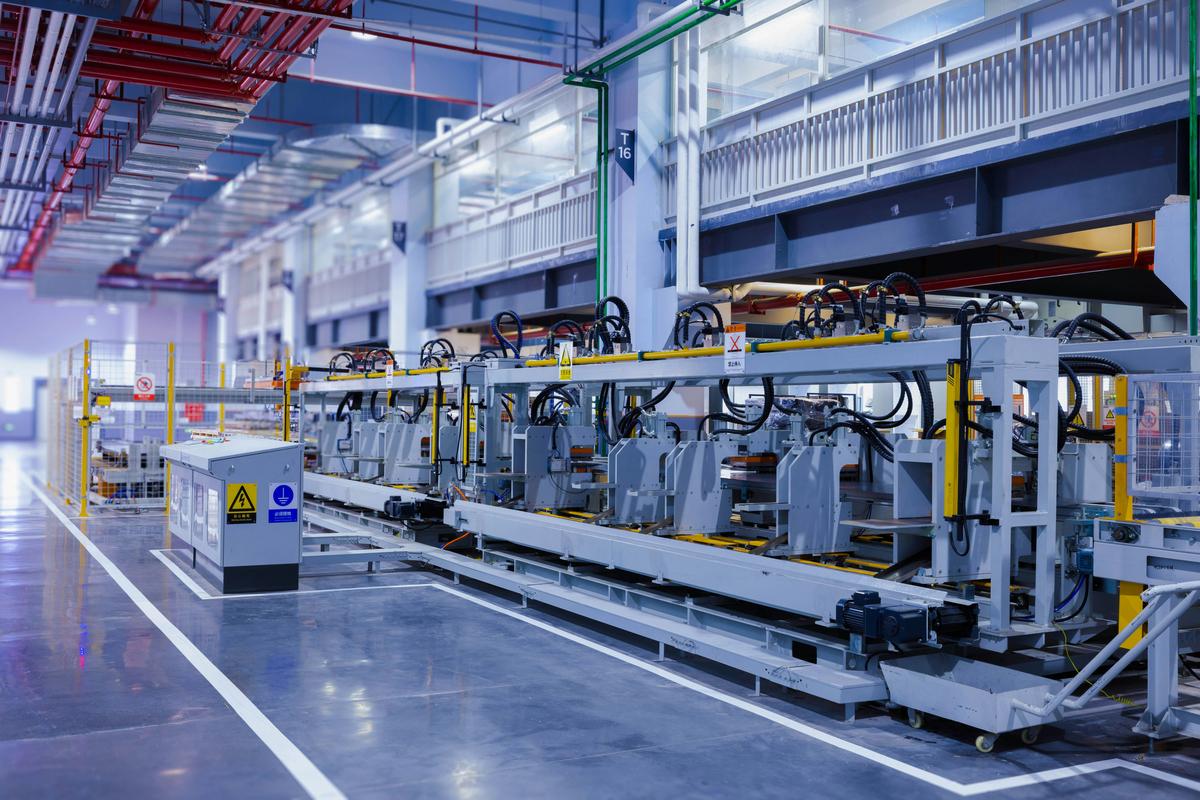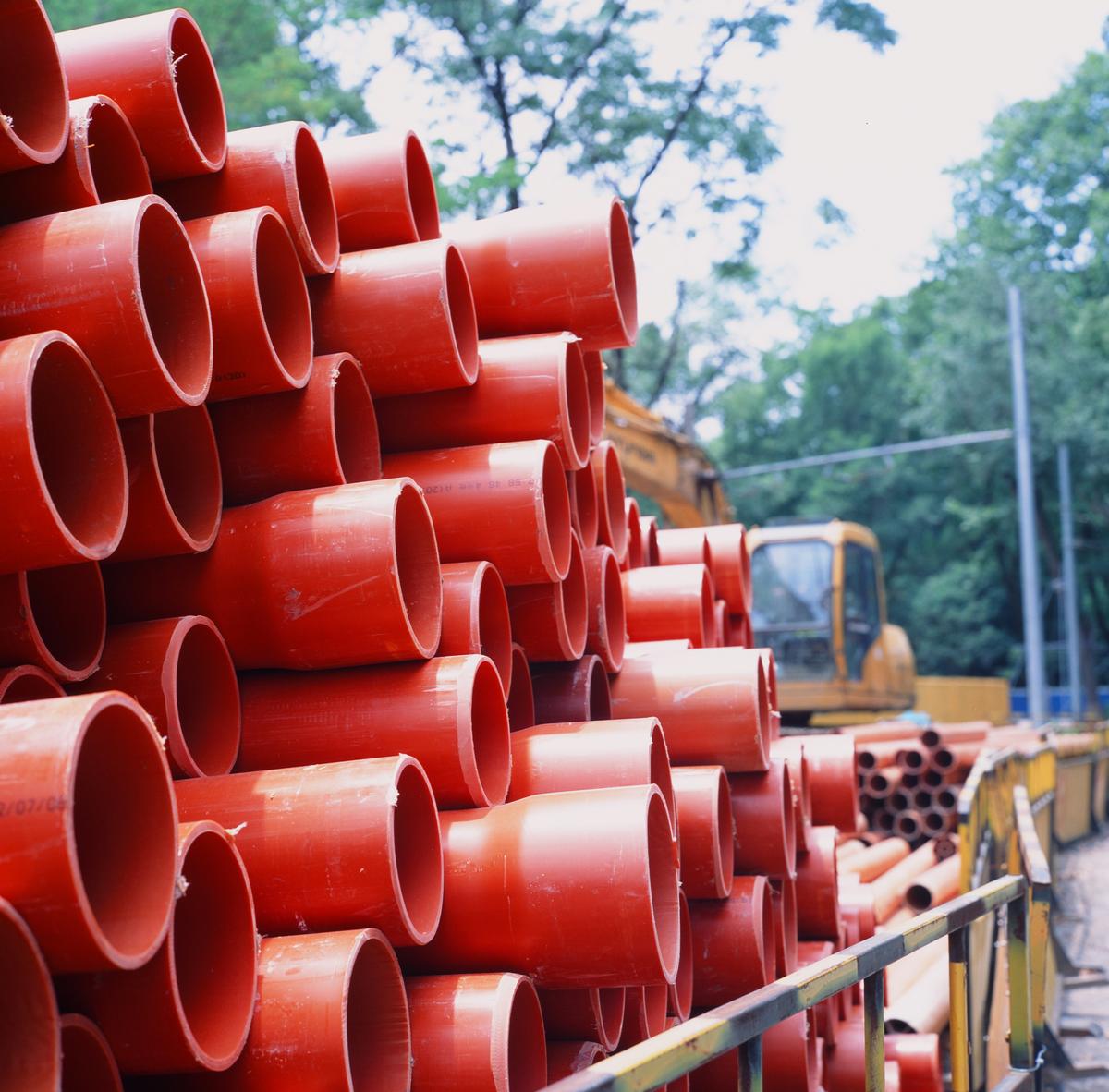

How to Find Reliable Pipe Manufacturers in China Beyond Alibaba
Every time you go online to find pipe manufacturers China, you are rolling the dice on a 20-foot container getting seized at your local port. Last month, a distributor I know in Cape Town lost $42,000 when customs rejected a batch of PPR pipes missing valid SANS compliance documentation. The supplier swapped out certified resin for cheap recycled pellets, causing the pipes to fail hydrostatic pressure testing at 95 degrees Celsius. Relying on a single sample is a guaranteed way to destroy your retailer relationships.
We pulled three years of internal batch test data and compared it against what typical suppliers actually ship on standard purchase orders. The dimensional variance is terrifying. Most suppliers let wall thickness drift past 0.5mm, which is the exact root cause of your on-site joint leaks. You need a strict verification protocol that forces the factory to prove their ISO 4427 compliance with batch-level lab reports before you wire a single dollar. I will show you exactly how to audit their production line and demand third-party inspection data so your defect rate stays under two percent.
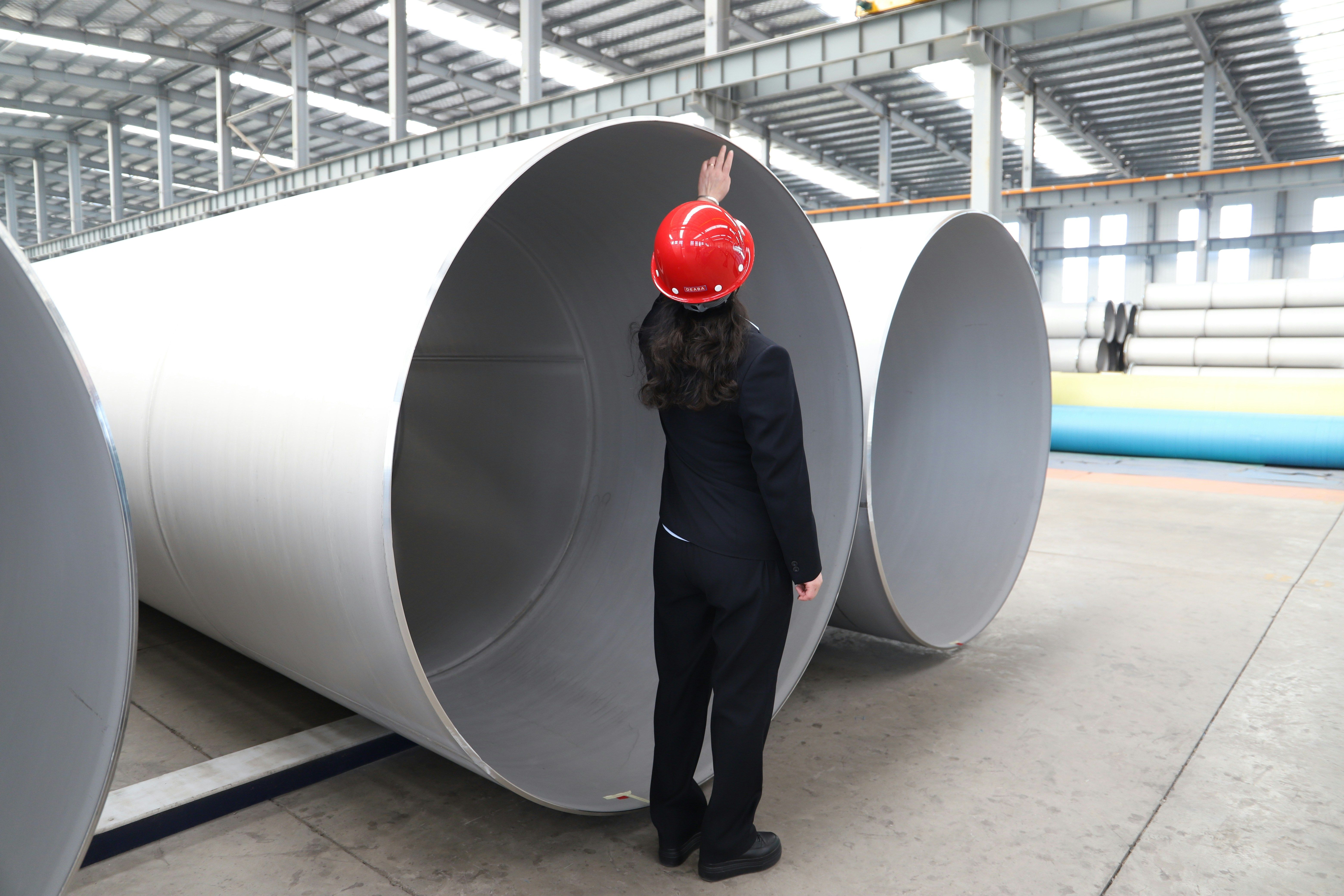
Why Alibaba Storefronts Hide Factory Reality
Platform "Verified" tags only prove a company paid a fee, not that they own extrusion lines. This platform bias masks a 20% early pipe failure rate.
Verified Supplier Tags Only Confirm Business License Existence
When you try to find pipe manufacturers China, the "Verified Supplier" badge creates a false sense of security. This tag strictly confirms that a platform auditor checked a legal business registration. It does not verify if the entity actually owns an extrusion line or injection molding machine. Alibaba storefronts deliberately hide the gap between a factory's registered capital and its actual production line ownership, making business license checks insufficient without video audits.
You are looking at a legal document, not a manufacturing capability audit. For an international plumbing distributor, assuming a business license equals manufacturing competence is a critical sourcing error. Without a live video audit of the actual facility, you have zero proof that the supplier can produce compliant PPR or PE pipes at scale.
Trading Companies Using Rented Showroom Photos
The distinction between a direct pipe factory vs Alibaba trading company is routinely obscured by deceptive imagery. Trading companies frequently rent showroom space in industrial parks to stage product displays. They take high-resolution photos of these rented setups and present them as their own factory floors. You might see racks of pipes and fittings perfectly arranged, but that is just a staging area, not an active production line.
Novice plumbing distributors suffer from platform bias, falsely equating these "factory direct" claims with actual manufacturing capacity. If you cannot see raw resin silos, extruders running in real-time, and workers operating injection molding machines in the background, you are likely negotiating with a middleman who will outsource your order to an unknown sub-factory.
20% Early Failure Rate in Substandard Material Batches
The ultimate cost of this hidden factory reality hits your supply chain through raw material substitution. Competitor industry data reveals a 20% early pipe failure rate rooted in poor material quality and substandard manufacturing processes. Trading companies supplying these substandard batches often pass off regrind or mixed-resin PPR as virgin material to hit your target MOQ price.
When you rely on a single golden sample without batch-level lab reports, you invite disaster. If 20% of those pipes fail hydrostatic pressure testing or show a Vicat softening point below 130°C at your destination port, your defect rate explodes far beyond your 2% threshold. Avoiding defective pipe batches from China requires demanding batch-traceable test certificates matching the exact production run of your container, not a generic lab report sent months earlier.
Direct Factory vs Trading Company Red Flags
Trading companies weaponize "factory direct" claims using holding group structures. Verifying actual production line ownership requires cross-referencing ISO certificates and demanding batch-level test data.
Demand the Actual Factory Name, Not the Holding Company
When you try to find pipe manufacturers China, the first red flag is a mismatch between the entity on the quotation and the actual factory. Alibaba storefronts deliberately obscure the gap between a holding company's registered capital and its actual production line ownership. A supplier quoting you under a holding group name does not mean that entity operates the extrusion machines. You must demand the exact registered name of the manufacturing subsidiary listed on the business license.
Cross-Reference ISO 9001 Against the Issuing Body
Once you have the actual factory name, do not accept a PDF certificate as proof of compliance. We see novice plumbing distributors suffer from platform bias, trusting digital UI over traceable engineering data. Take the ISO 9001 certificate number and cross-reference it directly against the issuing body's database. Verify that the certified address matches the exact manufacturing facility, not a sales office hundreds of kilometers away. This is the only way to ensure your PPR pipes meet ISO 15874 or SANS 15874 standards at the source.
Request Specific Photo Angles for Ownership Proof
Standard marketing photos of clean extrusion lines prove nothing. To verify a China plumbing pipe manufacturer ISO certification physically exists on the factory floor, request highly specific photo angles. Tell them to film the factory nameplate at the building entrance, the control panel serial numbers matching the equipment list, and the raw material batching area showing virgin PPR granule lot numbers. If they deflect or send stock footage, you are dealing with a trading company.
The Necessity of Batch-Level Consistency Data
The ultimate trap when avoiding defective pipe batches from China is relying on a single golden sample. Competitor industry data reveals a 20% early pipe failure rate rooted in raw material substitution. A sample passing hydrostatic pressure testing at 95°C means nothing if the bulk order uses recycled resin. You must demand batch-level consistency data, specifically lab reports showing wall thickness tolerances within 0.1mm to 0.5mm for every production run. Dimensional variance exceeding 0.5mm is the primary root cause of joint leaks on-site. Third-party pre-shipment inspections reduce batch defect claims by up to 90%, making them non-negotiable for maintaining your defect rate below 2%.
Pipe Quality Standards That Prevent Batch Failures
Dimensional variance exceeding 0.5mm drives on-site joint leaks. Only 5% of pipe manufacturers hold this tolerance across full production batches.
Dimensional Tolerances Directly Dictate Joint Leak Rates
When you source PPR pipes to DIN 8077/8078 or ISO 15874 standards, the spec sheet lists wall thickness tolerances between +/- 0.1mm and 0.5mm depending on pipe diameter. On paper, every factory claims compliance. On your job site, a variance exceeding 0.5mm between the pipe outer diameter and the fitting socket depth is the primary root cause of joint leaks. The pipe presses in unevenly, the weld ring cannot melt uniformly, and your customer calls you within six months reporting water damage.
We measure every batch against a 0.5mm maximum variance threshold. Industry competitor data reveals that 20% of pipes fail early because poor material quality and substandard extrusion processes create these microscopic dimensional gaps. Novice plumbing distributors routinely ignore this metric when comparing spec sheets side by side, focusing on price per meter instead of the tolerance band that actually prevents callbacks.
The 5% Reality: Why Most Factories Fail Tight Spec Compliance
Only 5% of pipe manufacturers consistently achieve tight dimensional tolerances within 0.5mm across an entire production run. The remaining 95% can produce a perfect sample. They cannot produce a perfect container. Extrusion die wear, fluctuating raw material viscosity, and inadequate cooling tank calibration all introduce drift. A factory runs 10,000 meters, and the first 500 look flawless. The last 2,000 meters drift 0.6mm out of spec. Those last meters end up in your 20-foot container, and you absorb the defect rate.
Your target is a defect rate below 2%. Sourcing from the 95% of manufacturers without batch-level dimensional control makes that KPI mathematically impossible. You need a factory that tests and records dimensions at the start, middle, and end of every extrusion run, not just the first coil off the line.
Manipulated Internal Lab Reports: The Hidden Liability
A factory sends you a PDF with a logo, a batch number, and a passing grade for ISO 15874 compliance. That document is worthless without verification. Alibaba storefronts deliberately hide the gap between a factory's registered capital and its actual production line ownership, making business license checks insufficient without video audits. The same opacity applies to lab reports. Internal quality departments face intense pressure to pass batches because failing a batch means scrapping material and losing margin. The incentive to manipulate data is structural.
We have seen competitor factories submit lab reports showing a Vicat softening point above 130°C for PPR, while the actual raw material blend contains enough recycled content to drop the real value closer to 125°C. Relying on single samples without batch-level lab reports is a critical sourcing error. You cannot audit raw material composition from a PDF. You need either your own representative pulling samples during production or a mandated third-party inspection protocol.
Third-Party Hydrostatic Pressure and Vicat Softening Point Tests
Two tests separate verified PPR pipe from potential container rejection: hydrostatic pressure testing and Vicat softening point analysis. Hydrostatic testing subjects the pipe to hoop stress at 95°C for PPR systems, simulating decades of thermal cycling in a compressed timeframe. If the pipe wall contains recycled polymer or inconsistent cross-linking, it bursts. The Vicat softening point test measures the temperature at which a flat-ended needle penetrates the material 1mm under a defined load. For PPR, this value must exceed 130°C. Anything lower indicates either wrong polymer grade or excessive regrind contamination.
Mandating SGS or equivalent pre-shipment inspections for these two tests reduces batch defect claims by up to 90%. The cost of a third-party inspection is a fraction of the cost of a single rejected container at your destination port. For distributors targeting SANS or DIN compliance markets, this is not optional. Your local port authority will seize non-compliant pipes immediately, halting your cash flow and destroying your retailer relationships. Build the inspection cost into your unit pricing and make it a non-negotiable line item on every purchase order.
Trade Shows vs B2B Platforms for Sourcing
Canton Fair booth costs and registered capital thresholds filter out an estimated 70% of unverified trading companies that dominate B2B platforms.
Canton Fair Capital Requirements as a Pre-Qualification Filter
When you attempt to find pipe manufacturers China through B2B platforms, you are wading into an unregulated marketplace. Alibaba storefronts deliberately hide the gap between a factory's registered capital and its actual production line ownership. A supplier listing a 5 million RMB registered capital might simply be a trading company renting warehouse space and outsourcing production. Checking a business license on a screen means nothing without a physical factory audit.
The Canton Fair forces a different dynamic. Securing a booth in the industrial pipes and fittings section requires verified manufacturing credentials and substantial capital investment. This financial barrier alone eliminates the bottom-tier trading operations that plague digital platforms. You are left with entities that have actual skin in the game—manufacturers capable of absorbing liability if a 20-foot container of PPR pipes fails SANS 15874 compliance at your destination port.
Walking the aisle lets you physically inspect extrusion line brands, check wall thickness consistency with digital calipers, and demand batch-level hydrostatic pressure test reports on the spot. You instantly separate a direct pipe factory vs Alibaba trading company by asking to see the raw material lot numbers matched against the finished pipe markings. Trading companies cannot produce this chain of custody.
Cost-Benefit Analysis: Trade Show Travel vs Third-Party Audits
Flying to Guangzhou for the Canton Fair costs money. Factoring in flights, hotels, and time away from operations, you are easily spending $3,000 to $5,000 per trip. For a plumbing distributor testing a new supplier for a single container, that upfront cost feels steep. The alternative is staying at your desk, ordering samples through a B2B portal, and hiring an SGS inspection for plastic pipe manufacturers before shipment. An SGS pre-shipment inspection runs roughly $300 to $500 per day.
The math shifts when you calculate the downside of a failed container. Twenty percent of pipes sourced through blind online ordering fail early due to poor material quality and substandard manufacturing processes. If a container of PPR pipes arrives with dimensional variance exceeding 0.5mm—the primary root cause of joint leaks on-site—your defect rate will skyrocket past your 2% KPI. Customer churn and return freight costs will erase any savings from skipping the trade show.
Third-party pre-shipment inspections reduce batch defect claims by up to 90%. They are a highly effective safety net. They do not replace the initial supplier qualification step. An inspector checks the batch you bought. They do not verify whether the factory owns the extrusion machines or illegally sub-contracted your order to a lower-tier workshop. A trade show visit establishes baseline manufacturing competence; a third-party audit ensures batch-level compliance. For high-volume plumbing distributors establishing a long-term supply chain, executing both steps is the only way to prevent the cash flow disaster of a seized container at your local port.
How to Verify China Supplier Legitimacy
A basic business license check is useless for verifying pipe manufacturers. You must demand process-control audits and force technical spec discussions to separate actual factories from trading companies.
Basic Factory Audits vs. Technical Process Audits
A basic factory audit confirms the building exists, the extruders are powered on, and the business license matches the registered address. Alibaba storefronts deliberately hide the gap between a factory's registered capital and its actual production line ownership, making business license checks insufficient without video audits. This level of verification tells you nothing about whether their PPR pipes will actually pass a hydrostatic pressure test at 95°C.
A technical process audit examines the manufacturing controls that determine batch consistency. You need to verify that the factory documents raw material lot tracking from resin receipt to final extrusion. Ask the auditor to check calibration logs on the extrusion dies and the wall thickness measurement protocols at the end of the production line. Only 5% of pipe manufacturers consistently achieve tight dimensional tolerances within 0.5mm, and a process audit is the only way to confirm whether your target supplier sits in that tier.
Evaluating Technical Spec Discussions
When you ask a supplier about PPR pipe quality, pay close attention to how they respond. A legitimate manufacturer will immediately steer the conversation toward measurable engineering parameters. They will discuss hoop stress performance under ISO 15874, Vicat softening point thresholds above 130°C, and wall thickness tolerances as defined in DIN 8077/8078.
A trading company or low-tier factory will deflect with vague claims about "high-quality raw materials" or "advanced German technology" without citing specific test data. They cannot explain why material density affects long-term creep resistance under constant pressure, nor can they provide batch-level lab reports. Competitor industry data reveals a 20% early pipe failure rate rooted directly in raw material substitution, proving that relying on a single polished sample without batch-level lab reports is a critical sourcing error. Dimensional variance exceeding 0.5mm in pipe fittings is the primary root cause of joint leaks on-site, yet this is a technical metric that novice buyers routinely ignore when comparing spec sheets.
Distinguishing Factories from Trading Companies by Communication Focus
The fastest way to identify a trading company masquerading as a factory is to analyze what they emphasize in early communications. Trading companies lead with MOQ flexibility, aggressive pricing discounts, and ready shipping logistics. They want to close the order fast before you ask any technical questions. Novice plumbing distributors suffer from "platform bias," trusting polished digital storefronts and low MOQs over traceable engineering data.
A real pipe manufacturer leads with process capability and compliance documentation. They will ask about your target market standards first, because they understand that a 20-foot container seized at a destination port over missing SANS or DIN compliance certificates immediately halts your cash flow and damages retailer relationships. They will proactively discuss SANS 15874 compliance requirements, provide batch-traceable test certificates for every production run, and push back if you request specifications that violate ISO 4427 wall thickness parameters.
Third-party pre-shipment inspections reduce batch defect claims by up to 90%, but only if you are dealing with a factory that has actual process controls to inspect in the first place. If a supplier resists an SGS inspection or claims it is unnecessary for a "simple plastic pipe," terminate the conversation immediately.
Conclusion
Skip the lowest quote entirely. A seized 20-foot container at your destination port halts your cash flow instantly. Because 20% of pipes fail early from cheap material swaps, you must enforce that 0.5mm tolerance rule on every fitting.
Demand batch-level hydrostatic test reports before you sign the purchase order. Get a 15-minute live video audit of their extrusion line. That call proves whether they actually own the machines or just broker orders.
Frequently Asked Questions
How to find a reputable manufacturer?
Start your search directly at the Canton Fair to effectively bypass unverified trading companies. You should prioritize suppliers who have proven export volumes and invest in physical exhibition booths, as this passes a critical baseline filter. By requiring this level of physical presence and verifiable track record, you can immediately eliminate approximately 70% of platform-only middlemen. This approach ensures you are engaging directly with factories capable of handling large-scale, reliable production.
How to find trustworthy companies?
Always cross-reference a factory's ISO 9001 certifications with independent third-party audit reports from recognized organizations like SGS or Intertek. It is essential to mandate a strict pre-shipment inspection that goes beyond basic visual checks. Specifically, require your inspector to measure dimensional tolerances and verify raw material composition against your initial specifications. This rigorous verification process guarantees that the supplier maintains consistent quality control standards throughout their entire production run.
How to buy directly from suppliers?
To guarantee you are buying directly from the source, always request the raw material test certificates rather than accepting only the finished product specifications. You must also independently verify the factory's official export customs registration code before issuing any payments. This critical step confirms you are transferring funds directly to the actual manufacturing facility. Taking these precautions protects your margins by entirely eliminating hidden trading company markups.
How to verify a supplier is legit?
You should validate the supplier's unified social credit code directly against China's National Enterprise Credit Information Public System. Following this database verification, insist on conducting a live video call specifically inside their extrusion workshop. This visual confirmation is crucial to prove they actually own and operate the production lines they claim to manufacture on. Combining government registry checks with live facility walkthroughs provides an unbeatable method for confirming legitimacy.
Who is the largest pipe company?
JM Eagle currently holds the title of the largest plastic pipe manufacturer on a global scale. However, for targeted B2B distribution strategies in emerging markets, massive conglomerates are not always the most advantageous partners. Specialized mid-size Chinese factories that maintain strict ISO certifications often present a superior business case. These smaller facilities typically offer significantly better minimum order quantity flexibility and yield much higher distribution margins for your specific market.