
Tuyau PPR Jituan : 5 façons de prévenir les éclats d’eau chaude
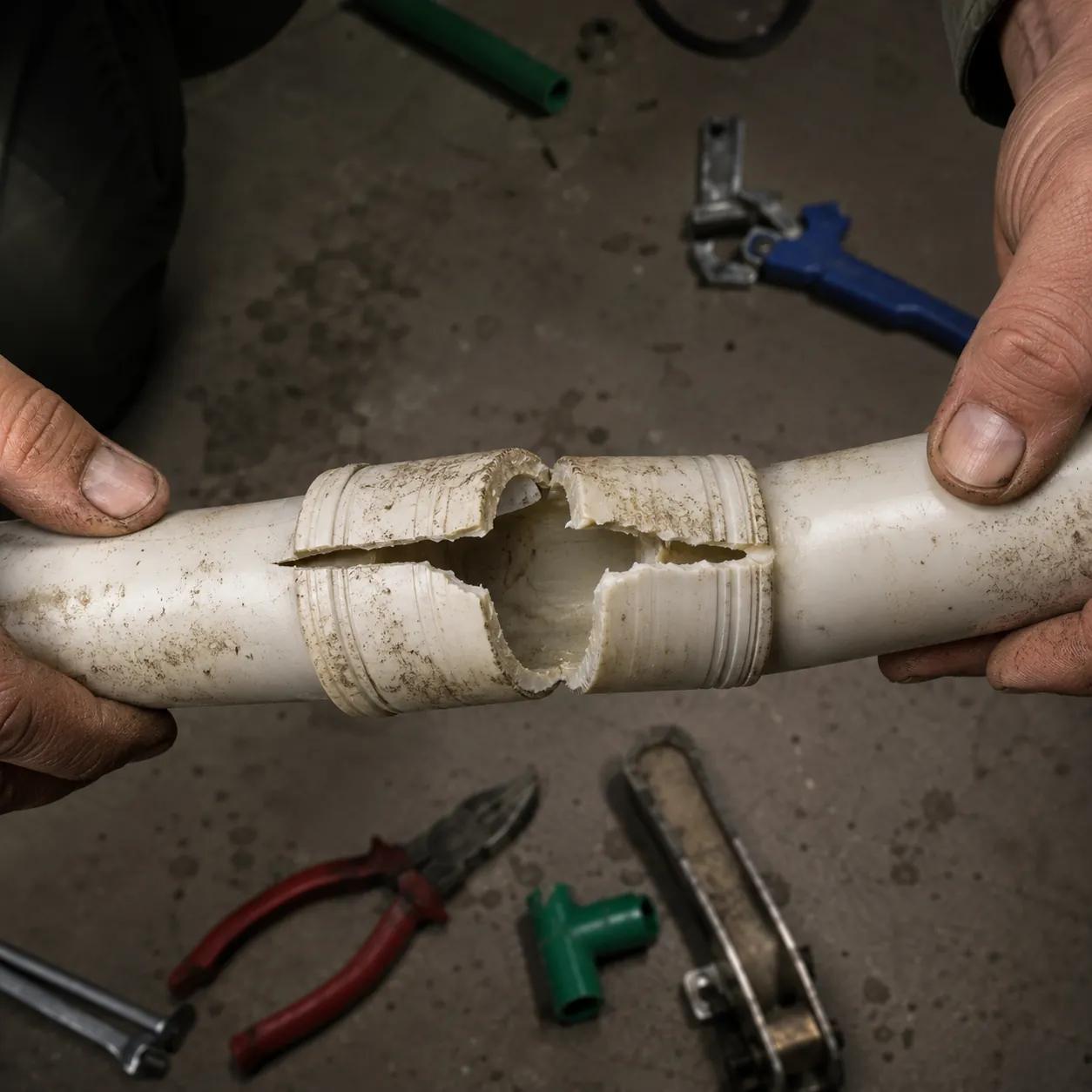
Prévention des éclatements de tuyaux PPR : Prévenez les éclatements d’eau chaude des tuyaux PPR avec 5 méthodes éprouvées. Apprenez les erreurs de soudure, les boucles de dilatation et les tolérances de pression.
Lorsqu'il s'agit de prévenir l'éclatement des tuyaux PPR dans les systèmes d'eau chaude, la plupart des discussions d'approvisionnement se limitent aux certificats de qualité des matériaux ou aux pressions nominales. C'est un bon point de départ, mais cela néglige la cause profonde du problème observé dans des projets à travers le monde. Au cours des 30 dernières années chez IFAN, les données d'analyse des défaillances internes ont montré qu'environ 80 % des éclatements d'eau chaude ne sont pas un défaut matériel — ils résultent directement de la méthode d'installation, en particulier des joints de fusion insuffisamment chauffés. C'est l'écart que la plupart des documentations fournisseurs et des guides de plomberie génériques ne parviennent pas à combler.
Pour un responsable des approvisionnements internationaux évaluant une nouvelle usine, ou un chef de projet OEM spécifiant un système, le vrai risque n'est pas de savoir si un tuyau peut théoriquement supporter 95°C. Le risque est que le produit livré arrive sans paramètres techniques clairs et exploitables pour l'installateur. Vous pouvez avoir un tuyau PN25 avec certification DVGW, mais si l'équipe de terrain ne connaît pas le temps de chauffe de soudage correct pour un tuyau de 25 mm à 260°C, ou si le fournisseur ne fournit pas un coefficient de dilatation thermique documenté, le système est vulnérable. C'est pourquoi cette discussion doit dépasser la fiche technique et se concentrer sur les cinq contrôles spécifiques et vérifiables qui préviennent les défaillances.
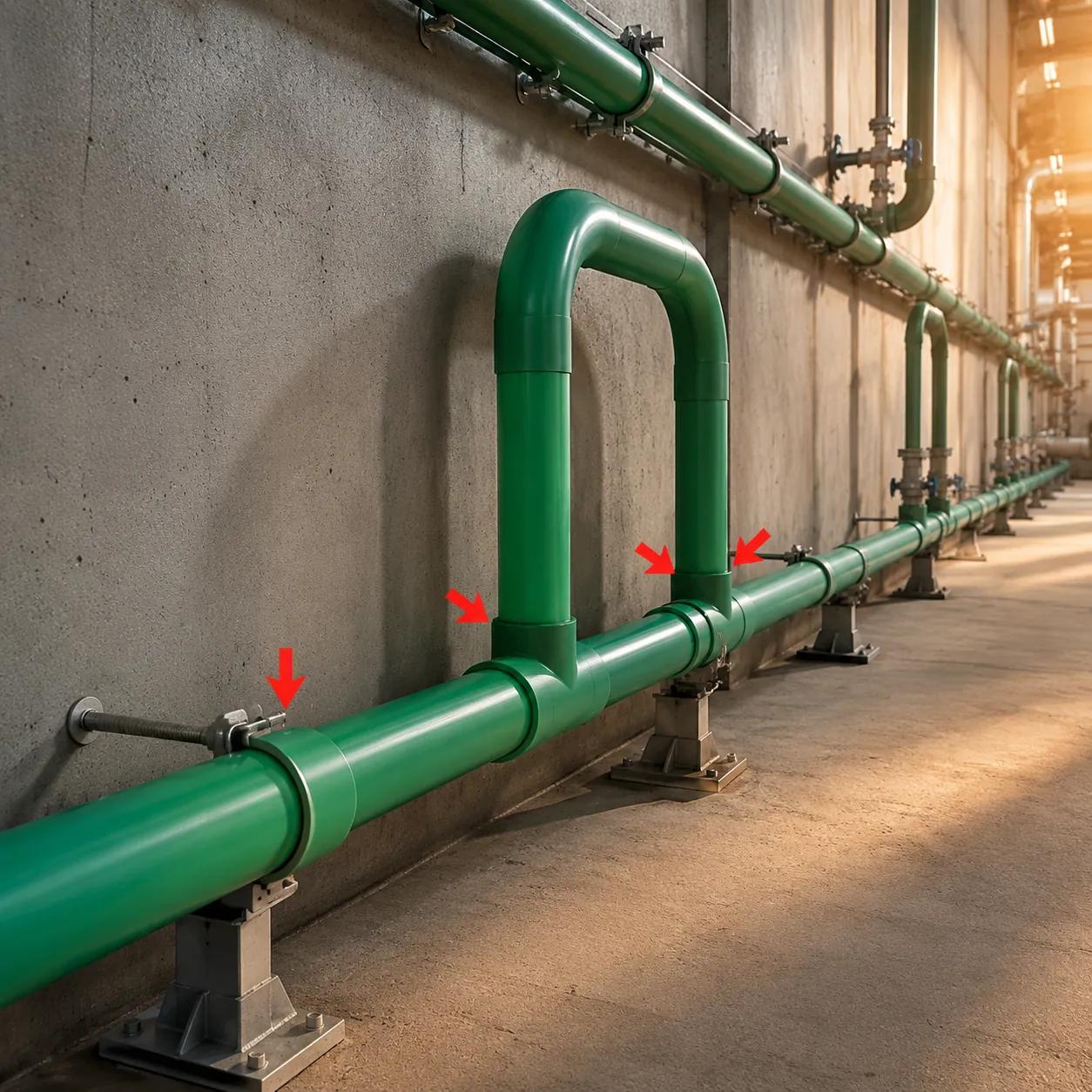

La physique de la dilatation de l'eau chaude dans les tuyaux PPR
80 % des ruptures de tuyaux PPR à l'eau chaude sont dues à une erreur de l'installateur, et non à un défaut de matériau. La cause première est presque toujours une soudure à froid au niveau du joint de fusion.
La physique du PPR sous l'eau chaude est simple. Le matériau a un coefficient de dilatation thermique d'environ 0,15 mm/m·°C. Pour une conduite droite de 20 mètres transportant de l'eau à 70 °C, ce tuyau se dilatera de plus de 20 mm. Si vous ancrez rigidement cette conduite aux deux extrémités sans boucle de dilatation, la contrainte linéaire se concentre au niveau des joints de fusion. Ce joint, s'il est mal fusionné, est l'endroit où le système cède.
Voici les données de l'analyse QA interne d'IFAN sur les défaillances de terrain retournées : 80 % des ruptures à l'eau chaude sont causées par des joints de fusion insuffisamment chauffés. L'installateur n'a pas porté le tuyau et le raccord à la température de fusion correcte. Le joint semble fusionné mais est en réalité une soudure à froid — il tient lors des tests de pression à l'eau froide mais cède sous la contrainte combinée de la dilatation thermique et de la température élevée. Les 20 % restants se répartissent entre les surpressions, les chocs thermiques dus à des changements rapides de température et les défauts de matériau. Les défauts de matériau représentent moins de 5 % des défaillances totales.
La solution n'est pas coûteuse. Une heure de formation pratique par installateur sur les paramètres de fusion corrects élimine la majorité de ces défaillances. Pour un tuyau de 20 mm à 260 °C, le temps de chauffage correct est de 5 à 10 secondes. Pour un tuyau de 25 mm, il est de 8 à 12 secondes. Le joint doit être complètement fusionné sans écoulement de matière visible. Si le joint semble brillant ou lustré après la fusion, il s'agit d'une soudure à froid. Si vous voyez de la fumée jaune pendant le chauffage, le matériau se dégrade en raison d'une surchauffe.
Lorsque vous évaluez un fournisseur de PPR, ne vous contentez pas de demander des documents de certification. Demandez leurs paramètres de soudage écrits. Demandez s'ils fournissent des supports de formation à l'installation ou une assistance sur site pour vos installateurs. Un fournisseur qui ne peut pas fournir ces données vous transmet le risque de défaillance sur le terrain. IFAN documente le coefficient de dilatation thermique dans chaque fiche technique et fournit des guides de température de fusion pour tous les diamètres de tuyaux de leurs gammes PN20 et PN25.
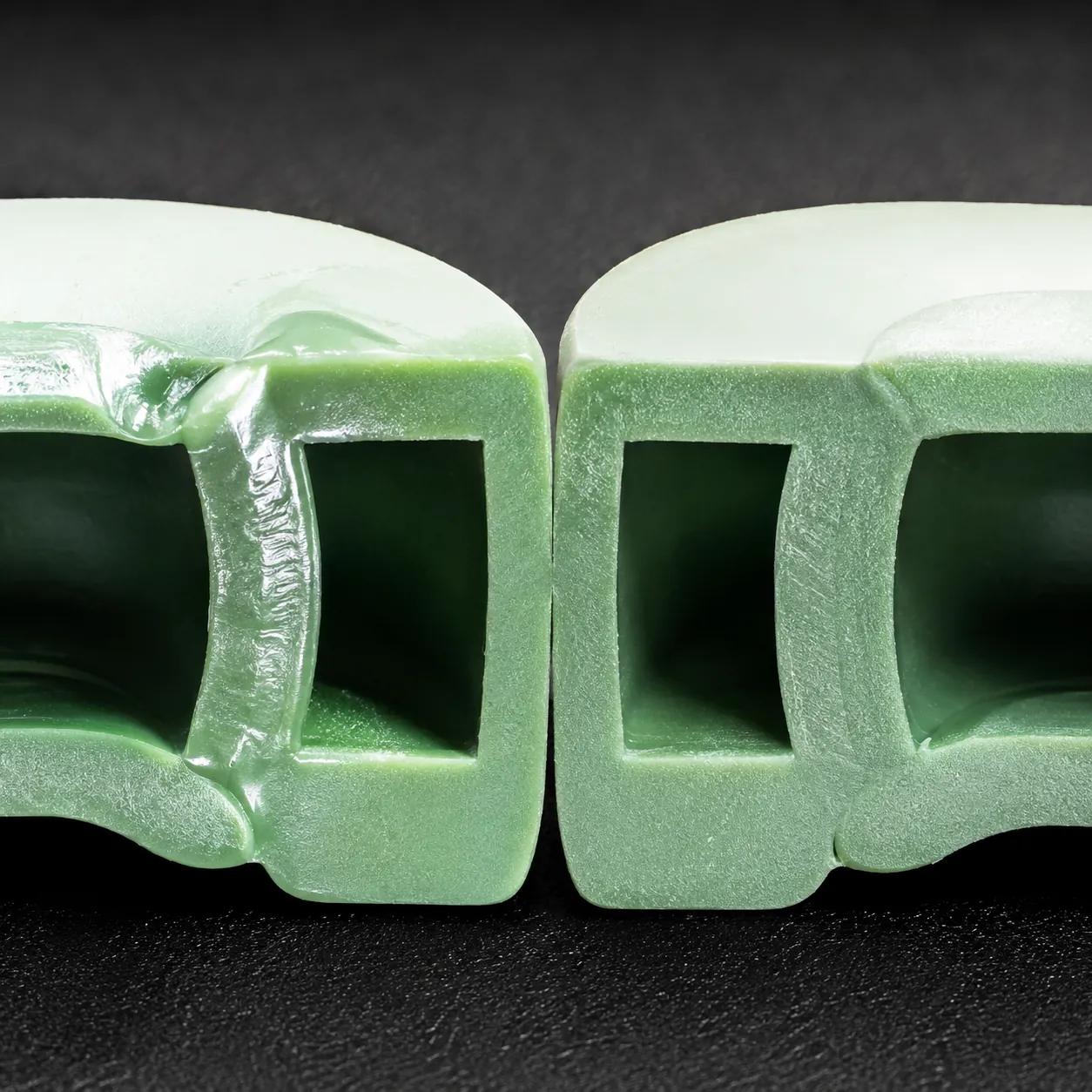
Erreurs de soudage courantes à l'origine des fuites
80 % des éclatements de tuyaux PPR en eau chaude sont dus à une erreur de l'installateur, et non à un défaut de matériau. Une heure de formation au soudage par installateur permet d'économiser plus de 2 000 $ en coûts de reprise.
La plupart des guides d'achat se concentrent sur la protection contre le gel pour les tuyaux génériques. Cela passe à côté du véritable risque pour les systèmes PPR : la dilatation de l'eau chaude et la défaillance des joints. Le tuyau PPR a un coefficient de dilatation thermique de 0,15 mm/m·°C. Pour un tronçon droit de 20 mètres transportant de l'eau à 70 °C, le tuyau se dilate de plus de 20 mm. Sans boucle de dilatation ou compensateur tous les 10 mètres, cette contrainte se concentre sur les joints de soudure et provoque une défaillance.
La solution technique est simple, mais la plupart des fournisseurs n'en parlent jamais. Tous les 10 mètres de tuyau PPR droit nécessitent une boucle de dilatation. Pour un tuyau de 32 mm, la boucle doit avoir au moins 500 mm de large. Cela empêche la contrainte linéaire de se transférer aux joints. IFAN documente clairement ce coefficient dans ses fiches techniques, afin que les ingénieurs puissent concevoir le système correctement dès le départ.
La deuxième cause majeure est le sous-chauffage des joints de soudure. Les données internes d'assurance qualité d'IFAN montrent que 80 % des tuyaux éclatés retournés ont cédé au niveau du joint en raison d'une chaleur insuffisante lors du soudage. La température de soudage recommandée est de 260 °C. Pour un tuyau de 20 mm, chauffer pendant 5 à 10 secondes. Pour un tuyau de 25 mm, chauffer pendant 8 à 12 secondes. Un sous-chauffage laisse un joint brillant et faible. Une surchauffe produit une fumée jaune et dégrade le matériau. Les deux sont évitables avec des paramètres écrits et une formation de base de l'installateur.
La déclassification de pression est tout aussi cruciale. À 20 °C, un tuyau PPR supporte 20 bar. À 95 °C, cela tombe à 6 bar. Un indice PN20 ou PN25 est standard, mais la courbe de déclassification doit correspondre à votre application. L'eau chaude domestique à 60 °C permet 12 bar. L'eau chaude industrielle à 95 °C ne permet que 6 bar. Si votre fournisseur ne peut pas fournir la courbe de déclassification, vous travaillez à l'aveugle.
Les tuyaux PPR d'IFAN (PN20/PN25) sont certifiés par DVGW, SKZ et ISO. Ils supportent un fonctionnement continu à 95 °C avec une installation appropriée. Le coefficient de dilatation thermique est documenté, permettant aux ingénieurs de concevoir des boucles de dilatation. Cela élimine la crainte numéro 1 des acheteurs : « Le tuyau va-t-il céder sous l'eau chaude ? » La réponse est non, si vous suivez les données techniques.
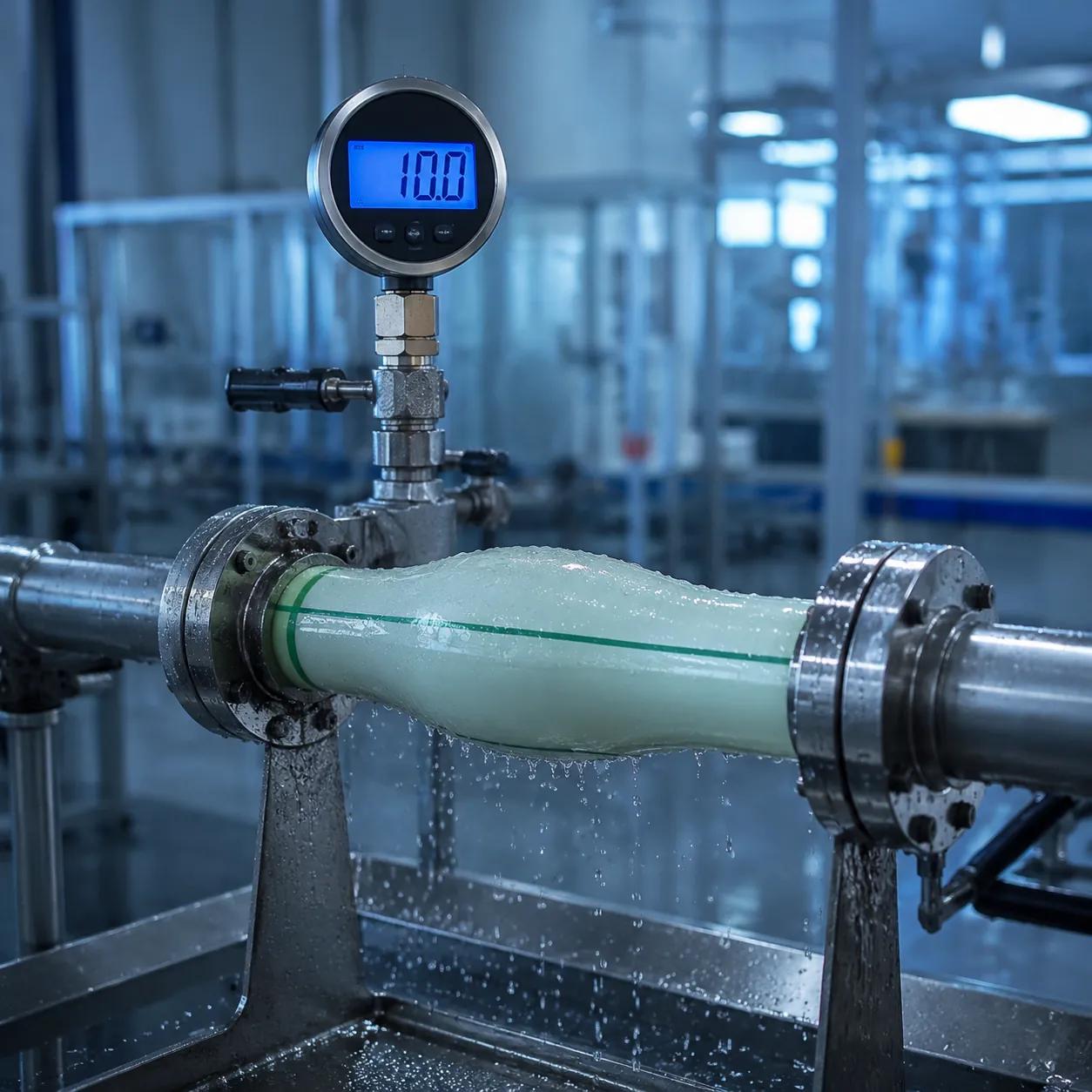
Marges de sécurité pression et température
La plupart des fiches techniques des fabricants enterrent la courbe de déclassement. Si votre fournisseur ne peut pas vous indiquer la pression maximale à 95°C sans consulter un tableau, vous achetez un pari, pas un tuyau.
La spécification la plus mal comprise dans l'approvisionnement en PPR est la relation entre la température et la pression. À 20°C, un tuyau PN20 supporte 20 bar. À 95°C, ce même tuyau chute à 6 bar. Ce n'est pas un défaut — c'est la physique du polypropylène. Les chaînes polymères se détendent sous l'effet de la chaleur, réduisant la résistance à l'éclatement à court terme du matériau.
Le chiffre critique pour la conception des systèmes d'eau chaude est le seuil de courbe de déclassement du tuyau PPR 6 bar. Si votre système nécessite 10 bar à 80°C, un tuyau PN20 standard échouera. Vous avez besoin de PN25 ou d'un diamètre plus grand pour réduire la contrainte sur la paroi. C'est là que la plupart des erreurs de spécification se produisent — les ingénieurs conçoivent pour la pression d'eau froide et supposent que le tuyau tient à température.
- PN20 à 20°C : 20 bar — classification standard pour eau froide.
- PN20 à 60°C : 12 bar — eau chaude domestique, marge de sécurité.
- PN20 à 95°C : 6 bar — systèmes industriels ou haute température continue.
IFAN publie le tableau de déclassement complet dans chaque fiche technique. Ce n'est pas un secret. Mais la plupart des fournisseurs le traitent comme une donnée interne. Lorsqu'un tableau de pression nominale du tuyau PPR à haute température est demandé lors d'un audit d'usine, la rapidité de réponse révèle les pratiques de test. Une réponse en 30 secondes signifie qu'ils testent. Un « nous vous l'enverrons par e-mail plus tard » signifie qu'ils ne le font pas.
Test sur le terrain : pourquoi la plupart des éclatements de PPR sont dus à une erreur de l'installateur
Notre analyse interne des défaillances montre que 80 % des éclatements retournés sur les conduites d'eau chaude en PPR sont dus à une erreur de l'installateur, et non à un défaut de matériau. Cela déplace le risque de l'acheteur du « quel tuyau acheter » vers « comment soutenir l'installateur ».
Voici le point de données que la plupart des fournisseurs ne partageront pas avec vous. L'équipe d'assurance qualité d'IFAN effectue une analyse des causes profondes sur chaque défaillance retournée du terrain. Au cours des trois dernières années, la répartition est constante : 80 % des éclatements d'eau chaude sont causés par un soudage par fusion incorrect au niveau du joint. Seulement 10 % proviennent de surpressions, 5 % de chocs thermiques (cycles rapides de température) et 5 % de défauts matériels réels dans la paroi du tuyau.
C'est le contraire de ce que la plupart des guides destinés aux consommateurs vous disent. Le contenu des concurrents de Stanley Steemer ou des communautés de plomberie sur Facebook se concentre entièrement sur la prévention du gel pour les tuyaux génériques. Ils supposent que le tuyau est le maillon faible. Pour le PPR en service d'eau chaude, le joint est le maillon faible, et de loin. Un défaut de matériau est statistiquement improbable si vous achetez auprès d'un fabricant certifié comme IFAN, qui teste chaque lot pour la pression hydraulique, la résistance au fluage et le vieillissement accéléré avant expédition.
Qu'est-ce que cela signifie pour vous en tant que responsable des approvisionnements ? Cela signifie que votre diligence raisonnable ne peut pas s'arrêter à la collecte de certificats ISO et de rapports d'essais sur les matériaux. Vous devez vérifier que votre fournisseur fournit des paramètres de soudage écrits et du matériel de formation pour les installateurs. Un fournisseur qui expédie des tuyaux sans directives de fusion vous transfère le risque d'installation. Un fournisseur qui fournit des tableaux détaillés des temps de chauffage, des critères d'inspection des joints et des guides de dépannage réduit activement votre taux de défaillance sur le terrain.
La signature spécifique d'une défaillance d'un joint insuffisamment chauffé est une surface de fusion lisse et brillante sans écoulement de matière visible. Le tuyau et le raccord se séparent proprement sous pression. Un joint surchauffé produit une fumée jaune pendant le soudage et une zone de soudure fragile et décolorée qui se fissure sous les cycles thermiques. Les deux sont évitables avec une température d'outil de 260 °C et le temps de chauffage correct pour le diamètre du tuyau. Pour un tuyau de 20 mm, cela représente 5 à 10 secondes. Pour un tuyau de 25 mm, 8 à 12 secondes. La température ambiante est importante : les ateliers plus froids nécessitent l'extrémité la plus longue de la plage.
L'implication en termes de coût est directe. Une heure de formation à la fusion par installateur peut éliminer la catégorie de 80 % des défaillances. Comparez cela au coût d'un seul éclatement dans un bâtiment fini : réparation des cloisons sèches, remédiation aux dégâts des eaux, main-d'œuvre pour le remplacement du tuyau et responsabilité potentielle. Un coût de reprise de 2 000 $ est conservateur pour un projet commercial. L'investissement dans la formation est rentabilisé dès la première défaillance évitée.
Lorsque vous évaluez un fournisseur de tuyaux PPR, demandez leurs données de défaillance sur le terrain. S'ils ne les suivent pas, ils ne connaissent pas la performance réelle de leur propre produit. S'ils les suivent et que les données montrent un modèle différent, demandez pourquoi. Les données d'IFAN sont claires : le tuyau n'est pas le problème. Le processus l'est. Un fournisseur qui reconnaît cela et fournit les outils pour y remédier est un partenaire en matière de fiabilité, et pas seulement un vendeur de plastique extrudé.
Conclusion
Les ruptures d'eau chaude dans les systèmes PPR sont rarement un défaut matériel — les données internes de contrôle qualité d'IFAN montrent que 80 % sont attribuables à des erreurs de soudure par fusion, et non à la qualité des tuyaux. Traiter la dilatation thermique avec une conception de boucle appropriée et appliquer des paramètres de soudage corrects à 260 °C élimine les principaux modes de défaillance que les guides génériques de protection contre le gel négligent.
Consultez la fiche technique d'IFAN pour les courbes de déclassement et les coefficients de dilatation nécessaires à la conception d'un système d'eau chaude fiable. Contactez l'équipe pour obtenir des tarifs de gros et une documentation d'installation adaptée à vos besoins de projet.
Questions fréquemment posées
Comment empêcher un tuyau gelé d'éclater ?
Ouvrez légèrement le robinet pour soulager la pression et appliquez une chaleur douce avec un sèche-cheveux ou un coussin chauffant en commençant par l'extrémité du robinet. N'utilisez jamais de flamme nue ou de chalumeau, car cela provoquerait une montée rapide. Dégivrez toujours du côté du robinet vers la section gelée.
Quelle est la règle du 135 en plomberie ?
La règle du 135 est une directive pour l'espacement des supports de tuyaux : pente de 1/8 de pouce par pied pour le drainage, 3 pieds entre les supports pour le cuivre et 5 pieds pour les tuyaux en plastique. Elle aide. Vérifiez les codes locaux, car l'espacement des supports varie selon le matériau et le diamètre du tuyau.
Puis-je mettre du ruban adhésif sur un tuyau qui fuit ?
Le ruban adhésif est au mieux une solution temporaire et à basse pression qui échouera rapidement sur les tuyaux PPR d'eau chaude en raison de la chaleur et de la pression. Pour une réparation fiable. Utilisez le ruban adhésif uniquement pour ralentir une fuite pendant que vous coupez l'alimentation en eau.
Quelle est la probabilité qu'un tuyau gelé éclate ?
Un tuyau gelé a de très fortes chances d'éclater si le bloc de glace crée une étanchéité complète, provoquant une accumulation de pression entre la glace et un robinet fermé. Le risque augmente fortement. Laissez un robinet légèrement ouvert pendant un gel pour soulager la pression.
Combien de robinets faut-il laisser goutter pendant un gel ?
Laissez goutter un robinet à l'étage le plus élevé de votre maison, de préférence celui qui est le plus éloigné de la conduite d'eau principale. Cela maintient l'eau en mouvement dans tout le système et soulage. Choisissez un robinet d'eau froide ; les conduites d'eau chaude sont moins sujettes au gel.