
Экспортная упаковка для труб: что указать до погрузки
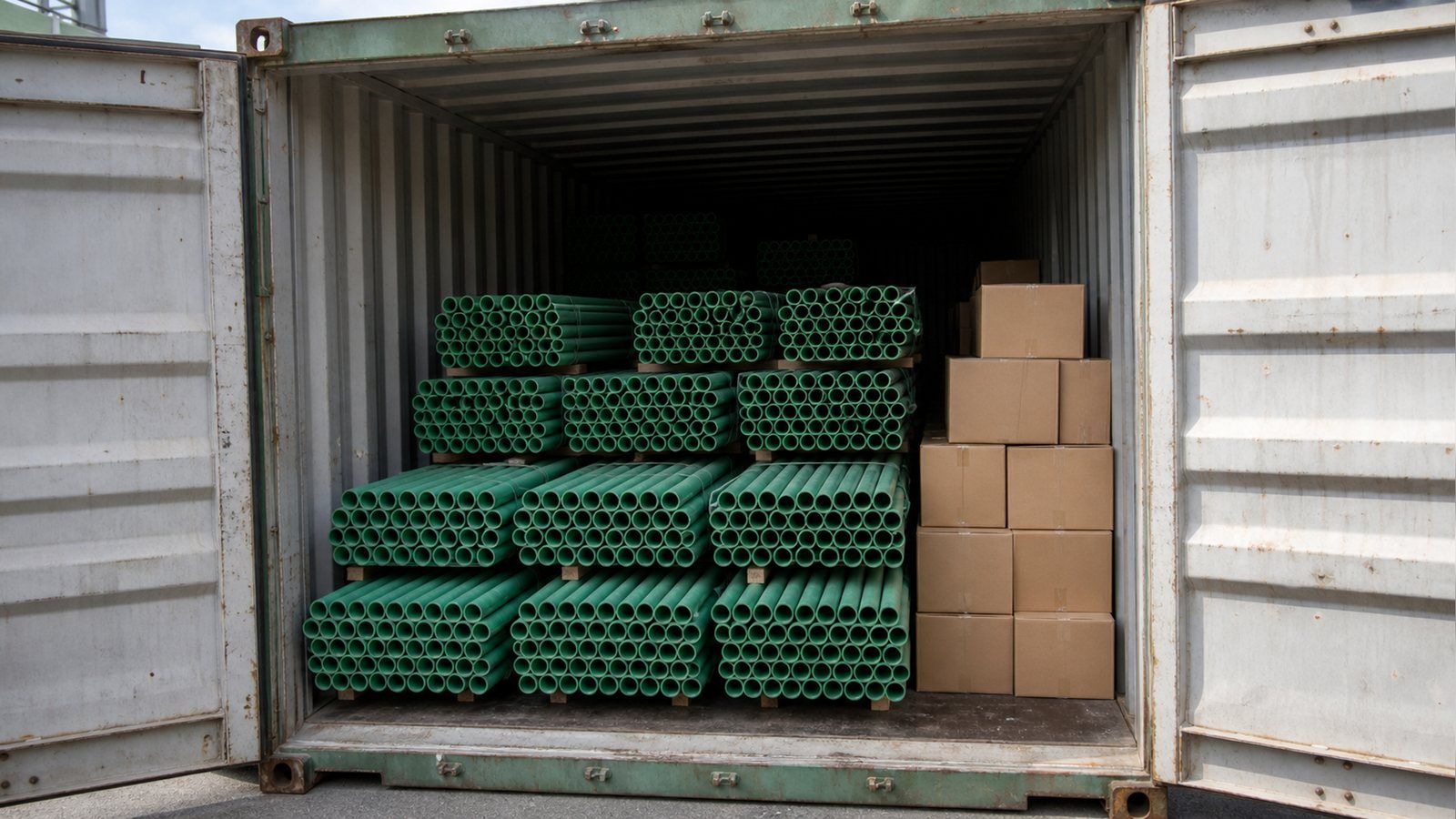
Экспортная упаковка труб решает, кто платит, когда контейнер приходит повреждённым. Девять пунктов, которые нужно включить в заказ на закупку PP-R, и что доказывает каждый из них.
Экспортная упаковка — единственная строка в заказе на трубы, которую большинство импортёров никогда не прописывают. Спецификация на трубу занимает полстраницы. Условия оплаты — абзац. На упаковку отводится одно слово, обычно «стандартная», и контейнер загружается так, как на этой неделе получилось у завода.
Это одно слово делает больше, чем думает покупатель. По Гаагско-Висбийским правилам недостаточность упаковки — одно из перечисленных оснований защиты перевозчика, а недостаточность или нечёткость маркировки — второе, стоящее прямо рядом. В полисе страхования груза та же логика: оговорка 4.3 Институтских оговорок о грузах (A) исключает ущерб, вызванный упаковкой, которая не выдержала обычных превратностей перевозки. То есть проблема не просто в том, что труба приходит раздавленной. Проблема в том, что раздавленная труба приходит, и никто не обязан за неё платить.
Ключевые выводы
- Плохая упаковка лишает сразу двух средств защиты. Статья IV правило 2(n) Гаагско-Висбийских правил даёт перевозчику основание защиты «недостаточность упаковки», а оговорка 4.3 Институтских оговорок о грузах (A) исключает тот же дефект из полиса страхования груза. В этих оговорках «упаковка» включает укладку в контейнер.
- Плохая маркировка — отдельное основание защиты. Правило 2(o) статьи IV выделяет «недостаточность или нечёткость маркировки» отдельной строкой. Маркировка — не украшение наружной обёртки.
- То, как коносамент описывает ваши связки, задаёт ваш потолок. Лимит — 666,67 SDR за место или 2 SDR за килограмм, в зависимости от того, что выше. Если ничего не перечислено, правило 5(c) превращает весь контейнер в одно место.
- Деревянный паллет может задержать контейнер. Термообработка по ISPM 15 означает 56 °C в течение 30 непрерывных минут по всему профилю древесины, а клеймо должно содержать четыре конкретных элемента и не может быть нанесено от руки.
- Ни один стандарт не задаёт шаг обвязки. Вместо этого прописывайте результат и доказательства, и запрашивайте у поставщика письменную спецификацию упаковки, а не исходите из того, что она существует.
- Кому подходит: импортёрам и дистрибьюторам, заказывающим полные контейнеры PP-R труб и фитингов. Не подходит монтажникам, работающим с материалом, уже доставленным на объект.
На этой странице
- Упаковка — инструмент ответственности, а не статья затрат
- То, что ваш коносамент называет местом, определяет, что вы сможете взыскать
- Два уровня маркировки, и перевозчик читает только один
- Обвязка, заглушки на торцах и контейнер со смешанными размерами
- Древесина в грузе — вопрос границы
- После открытия дверей: хранение на площадке в жарком порту
- Набор оговорок об упаковке: что вписать в заказ
- Первый час: три сценария и что каждый доказывает
- Заключение
- Часто задаваемые вопросы
Прежде чем перейти к оговоркам, посмотрим, чему на самом деле сопротивляется штабель труб. В клипе ниже — собственный тест IFAN на сопротивление вдавливанию для PP-R уголка, где пресс нагружает фитинг до деформации. Он идёт около минуты, и это тот же случай нагружения, что и связка в нижнем ярусе контейнера.

Тест IFAN PP-R уголка на сопротивление вдавливанию. Фитинг под прессом — это лабораторная версия нагрузки, которую коробка в нижнем ярусе несёт шесть недель в море.
Упаковка — это инструмент ответственности, а уже потом статья затрат
Начните с двух списков, которые в этой отрасли не читает никто. Гаагско-Висбийские правила перечисляют семнадцать обстоятельств, при которых перевозчик не несёт ответственности за утрату или повреждение груза. Два из них касаются вашей упаковки. Правило 2(n) статьи IV гласит полностью: «Недостаточность упаковки». Правило 2(o), следующая строка, гласит: «Недостаточность или неадекватность маркировки». Это отдельные основания для освобождения от ответственности, потому что отказывают они по-разному. И то и другое оспаривается в сжатые сроки: письменное уведомление о повреждении, которое не является очевидным, должно быть подано в течение 3 дней с момента доставки.
Страховая сторона повторяет ту же логику. Оговорки Института лондонских страховщиков по грузам (A) — редакция 2009 года, применяемая в большинстве полисов страхования грузов «от всех рисков», — исключает в пункте 4.3 любые «убытки, повреждения или расходы, вызванные недостаточностью или непригодностью упаковки или подготовки застрахованного предмета для выдерживания обычных рисков застрахованной перевозки, если такая упаковка или подготовка выполнена Страхователем или его работниками либо до момента вступления настоящего страхования в силу». Далее оговорка добавляет определение, которое важнее самого исключения: для целей этих оговорок «упаковка» считается включающей укладку в контейнер. То, как труба была уложена внутри контейнера, — это упаковка, а не перевозка.
Отсюда следуют два вывода, и оба коммерческие, а не юридические. Во-первых, импортёр, закупающий на условиях CIF, зачастую слабо застрахован ещё до того, как что-либо пойдёт не так: Международная торговая палата указывает, что при CIF оговорки Института лондонских страховщиков по грузам (C) остаются уровнем покрытия по умолчанию, тогда как CIP требует покрытия на уровне оговорок (A). Оговорки (C) — это набор поименованных рисков. Во-вторых, исключение срабатывает жёстче всего, когда упаковку выполнил продавец до вступления полиса в силу, — а это ровно та ситуация, что и при загрузке контейнера на заводе.
Всё вышесказанное не является юридической консультацией, и режим, применимый к конкретной перевозке, зависит от договора перевозки, условий коносамента и юрисдикции. Подтвердите свою позицию у брокера или морского юриста. Что не вызывает сомнений — так это направление движения: упаковка находится в цепочке причинно-следственных связей, и как перевозчик, и страховщик вправе на неё указать.
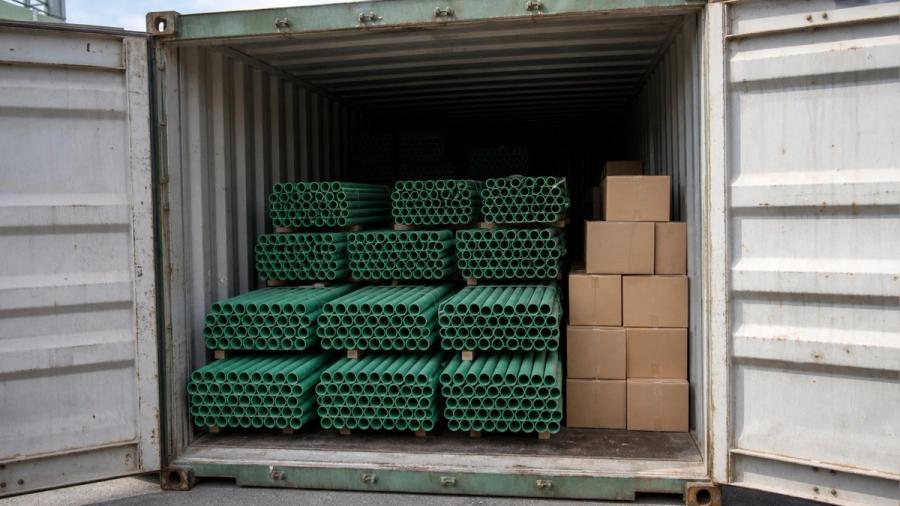
То, что в коносаменте названо грузовым местом, определяет размер возмещения
Предположим, упаковка выдержала, и повреждение всё равно произошло по вине перевозчика. Предел ответственности всё равно существует. Статья IV, правило 5(a) ограничивает ответственность суммой 666,67 расчётных единиц за место или единицу, либо 2 расчётные единицы за килограмм массы брутто утраченного или повреждённого груза — в зависимости от того, какая сумма выше. Расчётная единица — это специальное право заимствования МВФ, и МВФ публикует её стоимость ежедневно.
Правило 5(c) — это как раз то место, где упаковка превращается в деньги. «Если контейнер, поддон или аналогичное средство транспортировки используется для укрупнения груза, количество мест или единиц, указанных в коносаменте как упакованные в такое средство транспортировки, считается количеством мест или единиц». Затем идёт фраза, которая стоит импортёрам реальных денег: «За исключением вышеуказанного, такое средство транспортировки рассматривается как место или единица». В коносаменте, где указано 1 x 40' контейнер, по заявлению содержит трубы PP-R, описано одно место.
Посчитаем на примере убытка в 10 000 кг — это условный расчётный показатель, а не утверждение о какой-либо реальной перевозке. Весовая составляющая даёт фиксированные 20 000 SDR. Составляющая по местам даёт 667 SDR за одно поименованное место, 13 333 SDR за двадцать и 66 667 SDR за сто. Эти две составляющие пересекаются на тридцати. Ниже тридцати поименованных мест действует фиксированный весовой лимит, и описание ничего не меняет. Выше него каждое наименование грузового места или коробки, указанное в коносаменте, поднимает предел.
| Грузовых мест, указанных в коносаменте (шт.) | Лимит по местам (SDR) | Лимит по весу (SDR) |
|---|---|---|
| 1 | 667 | 20000 |
| 10 | 6667 | 20000 |
| 20 | 13333 | 20000 |
| 30 | 20000 | 20000 |
| 50 | 33333 | 20000 |
| 80 | 53333 | 20000 |
| 100 | 66667 | 20000 |
Источник: Гаагско-Висбийские правила, статья IV правило 5(a), в редакции Закона Великобритании о перевозке грузов морем 1971 г. Вес груза 10 000 кг — принятое для примера допущение. Дата обращения: 2 сентября 2026 г.
Перечисление грузовых мест — это вопрос упаковочного листа задолго до того, как он становится вопросом коносамента. Если в упаковочном листе указано «фитинги PP-R, в ассортименте», перевозчику нечего перечислять. Если указано «412 коробок, по 200 шт. в каждой» — есть что. Зафиксировать это нужно в момент согласования проформы-инвойса, а не тогда, когда приедет сюрвейер.

Два уровня маркировки — и перевозчик читает только один
На трубе нанесены два независимых набора обозначений, установленных разными стандартами для разных читателей, и закупщики, как правило, проверяют только первый.
Уровень первый: печатная строка на трубе
ISO 15874-2:2013 устанавливает минимально необходимую маркировку для трубы PP-R по восьми позициям. Пять из них идентифицируют изделие: номер стандарта, наименование или товарный знак изготовителя, номинальный наружный диаметр и толщину стенки, класс размеров трубы и материал. Ещё три его характеризуют: класс применения в сочетании с рабочим давлением, светонепроницаемость (если заявлена) и информация изготовителя с указанием периода и места производства. Способ нанесения тоже регламентирован. Маркировочные данные «должны быть напечатаны или нанесены непосредственно на трубу не реже одного раза на метр», то есть идентификация повторяется с интервалом не более 1 м. Цвет печати должен отличаться от собственного цвета трубы, а размер — читаться без увеличения.
Этот уровень идентифицирует товар. Он сохраняется при резке — именно для этого и служит печатная строка на трубе PP-R.
Уровень второй: манипуляционные знаки на внешней упаковке
ISO 780:2015, действующий в пятом издании и озаглавленный Packaging — Distribution packaging — Graphical symbols for handling and storage of packages, регулирует второй уровень. Его набор знаков насчитывает семнадцать обозначений, и четыре из них определяют, как обращаются с пакетом труб в жарком влажном порту: «Беречь от влаги», «Беречь от солнечных лучей», «Предел stacking по количеству» и «Не штабелировать». Размещение — часть требования. Знак «Хрупкое» должен располагаться у верхнего угла на всех четырёх вертикальных сторонах либо минимум на двух верхних углах; для знака «Верх» действует то же правило.
Стандарт прямо указывает, что символы следует применять только при необходимости, поэтому упаковка, заклеенная всеми возможными значками, не сообщает ничего. Выберите четыре подходящих и разместите их так, чтобы водитель погрузчика, глядя на одну грань, видел один знак. Это же и практическое прочтение правила 2(o) статьи IV: маркировка на грани, на которую никто не смотрит, считается недостаточной.
Формирование пакетов, торцевые заглушки и контейнер со смешанными типоразмерами
Скажем честно. Ни один международный стандарт не устанавливает шаг обвязочных лент для пластиковых труб, количество труб в пакете, толщину плёнки или тип заглушки. ИМО, МОТ и ЕЭК ООН опубликовали в 2014 году Свод практических правил по упаковке грузовых транспортных единиц — именно к нему обращается каждый сюрвейер, но это рекомендательный свод правил об упаковке и креплении грузов в целом. Он не скажет, сколько лент нужно на пакет DN110.
Поэтому не пытайтесь прописать метод — прописывайте результат и его подтверждение. Основную работу выполняют четыре требования:
- Пакет, выдерживающий подъём за один конец. Проверка в том, может ли пакет переместить техника в порту назначения, а не в том, аккуратно ли он выглядел у ворот завода.
- Закрытые торцы труб. В монтажном руководстве Aquatherm механическая причина указана прямо: не вставляйте острые предметы и предметы без мягких накладок в торцы труб — это оставляет задиры на внутренней поверхности и создаёт слабые места. Открытый торец в контейнере — это приглашение именно к этому, плюс пыль, вода и насекомые.
- Количество коробок или пакетов, совпадающее с упаковочным листом построчно. Здесь снова всплывает перечислимость, на этот раз в виде требования к упаковке.
- Фотографии загруженного контейнера до закрытия дверей — с датой и читаемыми в кадре маркировками пакетов.
Со смешанным контейнером всё усложняется, и это обычный случай, а не исключение. Заявленный минимум заказа у IFAN — один контейнер со смешанными типоразмерами, в диапазоне от DN20 до DN160, PN12.5–PN25 и более 3000 артикулов PP-R. В контейнере с четырнадцатью диаметрами и четырьмя классами давления получается четырнадцать типов пакетов, которые с трёх метров выглядят одинаково. На площадке типоразмеры разделяют те, кто разгружает, а разделённые однажды без маркировки — разделены навсегда.

Запросите у поставщика письменную спецификацию упаковки до первого заказа и сверьте её с четырьмя требованиями выше. Если письменной спецификации нет, сам этот ответ — информация о заводе, и его место в вашей системе оценки поставщиков, а не в письме с надеждой на лучшее.
Древесина в грузе — вопрос таможенной границы
Пластиковая труба не является фитосанитарным риском. Поддон под ней — является. ISPM 15 — стандарт IPPC по древесному упаковочному материалу в международной торговле — вот причина, по которой контейнер с PP-R может простаивать на границе, хотя внутри нет ничего несоответствующего.
Параметры обработки конкретны. Обычная термическая обработка, обозначаемая HT, означает 56 °C в течение 30 непрерывных минут по всему профилю древесины. Диэлектрическая обработка, обозначаемая DH, означает 60 °C в течение 60 секунд по всему профилю. Фумигация бромистым метилом имеет код MB. Само клеймо должно содержать четыре элемента: символ IPPC, двухбуквенный код страны по ISO, контрольный номер предприятия, уполномоченного национальной организацией по карантину растений, и сокращённое обозначение обработки. Оно должно быть несмываемым, читаться без вспомогательных средств, наноситься на видном месте и не может быть нанесено от руки.
Два исключения снимают много споров. Древесина тоньше 6 мм выведена из-под действия стандарта, а упаковка, полностью изготовленная из обработанных древесных материалов, таких как фанера, OSB, ДВП, прессованная плита и картон, не требует обработки и маркировки. Если в изделии обработанная массивная древесина сочетается с обработанным материалом, клеймо наносится на массивную древесную часть.
Практическая версия для заказа труб сводится к трём пунктам. Укажите материал поддонов и прокладочной древесины в закупочном заказе. Требуйте клеймо ISPM 15 на каждом изделии из массивной древесины, включая торцевые рамы и угловые планки, и запросите фотографию одного читаемого клейма до пломбирования контейнера. Требования страны назначения различаются и меняются, поэтому уточните текущее положение для вашего рынка у своего таможенного брокера. Для поставок в Западную Африку это идёт в дополнение к документации по соответствию, описанной в требованиях SONCAP и таможенной очистки для этого рынка.
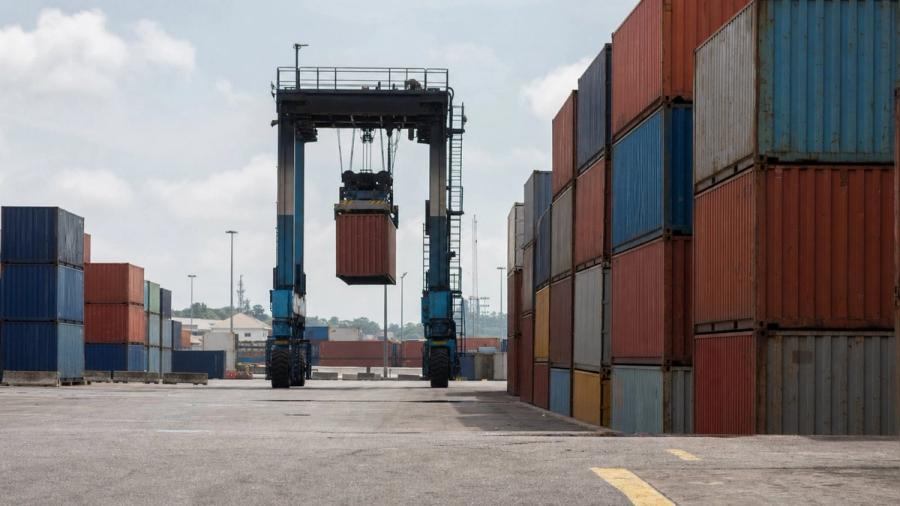
После вскрытия дверей: хранение на площадке в жарком порту
Выпуск груза — не конец транспортного риска. Это начало периода хранения, который контролирует покупатель и обычно проводит его неправильно, а у PP-R есть одна документированная уязвимость, которая здесь важна.
В техническом бюллетене Aquatherm по УФ-защите указано, что длительное воздействие УФ-излучения «приведёт к изменению цвета открытой трубы PP-R или RP (RCT) и со временем может ослабить полимер». Прочитайте следующую часть внимательно, потому что именно она отличает честную статью от уверенной: в бюллетене не указан максимально допустимый срок воздействия, и ни один производитель, с которым консультировались для этой статьи, его не публикует. Любой, кто говорит вам, что PP-R выдерживает шесть месяцев на открытом воздухе, эту цифру выдумал. Относитесь к воздействию как к тому, что нужно минимизировать, а не как к тому, что можно планировать.
В руководстве по монтажу того же производителя конкретно сказано, как это делать. Держите трубу в защитной упаковке, пока она не понадобится, поскольку упаковка защищает её от грязи и царапин. Трубу, хранящуюся на улице, накрывайте светлым тентом. Далее в инструкции назван режим отказа, которого никто не ожидает: тёмный тент аккумулирует тепло и может вызвать деформацию. Чёрная полиэтиленовая плёнка поверх штабеля зелёных труб на площадке в Лагосе или Момбасе хуже, чем отсутствие укрытия, и именно её на большинстве площадок берут в первую очередь.
Площадь поверхности определяет, насколько быстро это становится проблемой. Штабель трубы DN160 диаметром 160 мм открыт солнцу гораздо больше, чем паллета DN20. Два символа ISO 780 существуют именно для этого случая. «Беречь от солнечных лучей» и «Беречь от дождя» — это указания для площадки, а не для судна. Если внешняя упаковка пришла с ними, аргумент о хранении уже сформулирован за вас.
Комплект условий по упаковке: что включить в заказ на поставку
Это раздел, который можно скопировать в заказ. Девять условий, каждое привязано к норме, которую оно защищает, и к доказательству, подтверждающему его выполнение. Ни одно из них не требует от поставщика закупки нового оборудования, и каждое проверяемо до момента пломбирования контейнера.
| Условие для включения в заказ | Защищаемая норма | Критерий: подтверждающее доказательство |
|---|---|---|
| Пакеты стянуты лентами и обёрнуты так, чтобы выдержать подъём за один конец в порту назначения | Гаагско-Висбийские правила, ст. IV п. 2(n) | Фото поднимаемого пакета перед погрузкой |
| Все торцы труб закрыты; внутрь отверстия ничего жёсткого не вставлено | Загрязнение и повреждение внутренней поверхности | Крупный план закрытого торца пакета |
| Каждый пакет и каждая коробка маркированы с указанием артикула, типоразмера, класса давления и количества штук | Гаагско-Висбийские правила, ст. IV п. 2(o) | Фото одной маркировки по каждому типу артикула |
| Упаковочный лист перечисляет каждую коробку и каждый пакет; то же количество указано в коносаменте | Гаагско-Висбийские правила, ст. IV п. 5(c) | Проект коносамента, проверенный до выпуска |
| Нанесены знаки по ISO 780: беречь от дождя, беречь от солнечных лучей, ограничение по штабелированию | Правила размещения по ISO 780:2015 | Фото одной обёрнутой грани |
| Вся древесина твёрдых пород обработана и маркирована по ISPM 15, включая прокладки и торцевые рамы | ISPM 15 (IPPC) | Фото одного читаемого знака IPPC |
| Контейнер сфотографирован на трёх этапах: пустой, наполовину загруженный, перед закрытием дверей | Доказательство для любой последующей претензии | Набор датированных снимков с номером пломбы |
| Маркировка труб по ISO 15874-2 читаема на наружной трубе каждого пакета | ISO 15874-2:2013 п. 10.1 | Фото с видимой строкой маркировки |
| Письменная спецификация упаковки поставщика приложена к заказу в качестве приложения | Делает все условия выше проверяемыми | Сам документ |
Источник: составлено для этой статьи на основе Гаагско-Висбийских правил (Закон Великобритании о перевозке грузов морем 1971 г., приложение), ISO 780:2015, ISO 15874-2:2013 и ISPM 15, сентябрь 2026 г.
Где мы останавливаемся: чего эта методика не может сказать о заводе
Всё вышеизложенное основано на опубликованных нормах и опубликованных инструкциях одного названного производителя. Ничто из этого не описывает, как упаковывает продукцию какой-либо конкретный завод, поскольку такой документ не является публичным ни для одного поставщика в этой отрасли, включая IFAN. Комплект условий существует для того, чтобы заставить поставщика предоставить свой. Относитесь к письменной спецификации упаковки так же, как к сертификату на партию: это то, что вы запрашиваете и читаете, а не то, что вы предполагаете.
Отдельное замечание по последнему пункту. Поставщик без письменной спецификации упаковки — не обязательно плохой поставщик, но поставщик, который отказывается зафиксировать её в письменном виде после запроса, этим что-то вам сообщает. IFAN, например, публикует то, что он декларирует, на своей странице поставок PP-R: DIN 8077/8078 и ISO 15874, 100% первичный материал PP-R и сертификат партии с каждой отгрузкой. Именно такие документные привычки следует проверять на соответствие приложению об упаковке.
Для импортёров и дистрибьюторов, заказывающих PP-R контейнерами, со смешанными размерами в одном упаковочном листе. На странице поставок IFAN указан диапазон DN20–DN160, классы давления PN12.5–PN25, заявленные стандарты и минимальный заказ в один контейнер, под которые написаны приведённые выше пункты.
Первый час: три сценария и что каждый из них доказывает
Контейнер вскрыт, и что-то не так. То, что вы сфотографируете в течение следующего часа, определит, по какой из перечисленных выше статей это будет оплачено. Три ситуации охватывают большую часть того, что реально происходит с трубой.
Сценарий первый: раздавленные бухты у торца дверей
Смешанный по типоразмерам груз осел, и нижний ярус у дверей деформирован. Сфотографируйте штабель до того, как что-либо будет сдвинуто, при этом пломба должна попасть в один кадр в неповреждённом виде. Затем сфотографируйте обвязку: целые стяжки на разрушенной бухте указывают на укладку, а разорванные стяжки — на погрузочно-разгрузочные работы. Это различие и есть разница между исключением по упаковке согласно статье 4.3 и претензией по перевозке.
Сценарий второй: загрязнение внутри незаглушённой трубы
В открытые торцы попадают пыль, вода, а иногда и насекомые. Сфотографируйте внутреннюю полость нескольких труб из одной бухты и отметьте, являются ли повреждённые трубы наружными. Если торцы были заглушены и заглушки отсутствуют, это иной факт, чем торцы, которые вообще не заглушались, и фотографии упаковки, требуемые согласно второму пункту таблицы, позволяют установить это за секунды.
Сценарий третий: нечитаемая маркировка на части партии
Обёртка порвана, и группа бухт теперь не имеет артикула. Прежде чем разделять типоразмеры, сфотографируйте группу с рулеткой, приложенной поперёк торца трубы, и зафиксируйте печатную строку с наружной трубы каждой бухты. Эта печатная строка требуется как минимум раз на метр согласно ISO 15874-2, поэтому идентификация восстановима даже при утраченной наружной маркировке. Именно поэтому восьмой пункт таблицы требует, чтобы маркировка трубы была читаемой на наружной трубе.
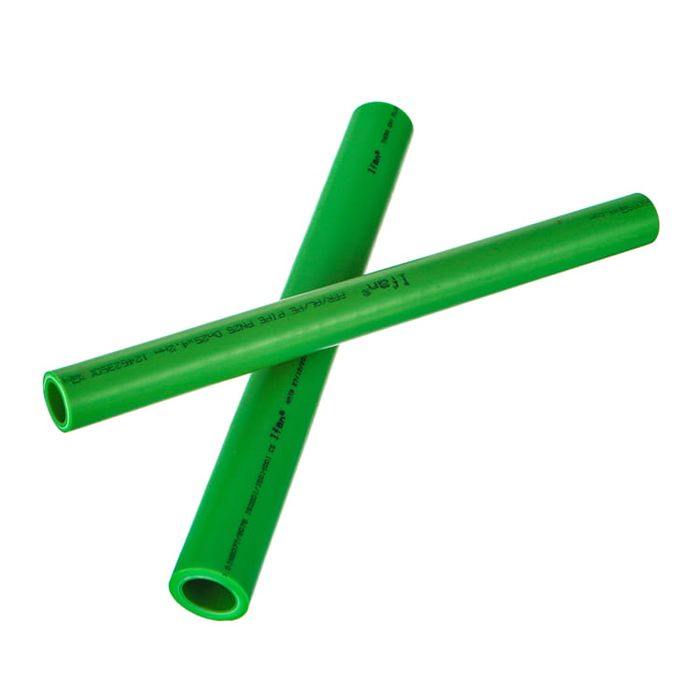
Все три сценария объединяет один срок. Письменное уведомление перевозчику должно быть направлено до или в момент вывоза груза, либо в течение 3 суток, если повреждение неочевидно, а иск — в течение 1 года с момента поставки. Эти сроки и необходимые для каждого из них документы изложены в руководстве по урегулированию претензии по бракованной партии труб. Приведённые выше фотографии — то, что делает этот процесс коротким.
Последнее замечание об объёме. Эффективность загрузки и качество упаковки противоречат друг другу, и этот компромисс стоит понять, прежде чем задавать требования к тому или другому; арифметика того, сколько трубы входит в 20-футовый или 40-футовый контейнер, — это то, где устанавливается данный баланс.
Заключение
Пропишите условия упаковки в заказе — и всё остальное решится само, потому что каждое условие из таблицы выше можно проверить до закрытия контейнера и бесполезно после. Проведите пять проверок в следующем заказе на поставку. Перечислены ли в упаковочном листе коробки и связки с указанием количества? Есть ли на каждой связке артикул и класс давления? Вся ли древесина твёрдых пород имеет маркировку ISPM 15 и читаема ли она? Нанесены ли символы ISO 780 на грань, которую увидит водитель погрузчика? И приложена ли упаковочная спецификация поставщика в качестве приложения? Ответ меняется, если вы покупаете на условиях ex-works и упаковываете контейнер сами, — в этом случае исключение по пункту 4.3 ложится на вас, а не на продавца.
Если вы готовите первый заказ с новым поставщиком, сверьте проект приложения по упаковке с их опубликованными спецификациями до подписания проформы. Это обходится дешевле, чем разговор, который начинается с фотографии развалившейся связки.
Часто задаваемые вопросы
Кто отвечает за упаковку контейнера с трубами — продавец или покупатель?
Тот, кто физически укладывает груз. Оговорка 4.3 Институтских условий страхования грузов (A) относит к «упаковке» и укладку в контейнер, исключая упаковку, выполненную Страхователем или до вступления полиса в силу. При заводской погрузке на условиях FOB или CIF это продавец.
Покрывает ли страхование груза повреждение труб из-за плохой упаковки?
Как правило, нет. Оговорка 4.3 Институтских условий страхования грузов (A) исключает убытки, вызванные упаковкой, не пригодной выдерживать обычные риски перевозки. На условиях CIF по умолчанию применяется более узкий набор условий (C), поэтому проверьте, какая редакция указана в вашем полисе.
Какую сумму я могу взыскать при повреждении контейнера с трубой PP-R?
Предел по Гаагско-Висбийским правилам — 666,67 SDR за место либо 2 SDR за килограмм повреждённого груза, в зависимости от того, что выше. Если в коносаменте места не перечислены, за одно место считается сам контейнер.
Нужна ли обработка поддонов под трубу PP-R по стандарту ISPM 15?
Для массива дерева — да. Термообработка означает прогрев до 56 °C в течение 30 непрерывных минут по всему сечению с маркировкой HT. Древесина толщиной менее 6 мм и упаковка, полностью изготовленная из фанеры, OSB, ДВП или картона, освобождены от требования.
Сколько может храниться труба PP-R на улице до повреждения?
Ни один производитель не публикует предельный срок. Aquatherm указывает лишь, что длительное воздействие УФ изменяет цвет открытой трубы PP-R и может ослабить полимер. Храните её в заводской упаковке и накрывайте светлым тентом, но не тёмным.
Что должно быть нанесено на экспортный пакет трубы PP-R?
Два уровня маркировки. На самой трубе не реже одного раза на метр контрастным цветом наносятся восемь параметров по ISO 15874-2; на наружной упаковке — манипуляционные знаки по ISO 780, а также артикул, типоразмер, класс давления и количество штук.