
Минимальный заказ PPR-труб: образцы и условия оплаты за контейнер
Почему поставщики PP-R указывают цену за контейнер, а не за штуку — расчет укладки для DN20–DN160, что дают образцы, и правила UCP 600 по оплате.
Вы запросили у завода PP-R минимальный объем заказа (MOQ) и получили ответ: «один контейнер, смешанные размеры». Это выглядит как уклонение. Вы хотели цифру по каждому размеру — 2000 метров DN20, 500 фитингов — а вместо этого получили единицу отгрузки, которая ничего не говорит о том, что включить в первый заказ.
Это не уклонение, и эта статья объясняет почему. Для напорных труб минимальный заказ — это не коммерческая политика, которую можно посмотреть у менеджера. Это проблема объема, заданная геометрией коробки, и честный ответ меняется с каждым предложенным вами сочетанием размеров. Никто не даст вам готовую цифру, но вы можете рассчитать ее примерно за десять минут — это предел, на который упирается ваша смесь. Как только вы его получите, вопросы о образцах и оплате становятся разрешимыми.
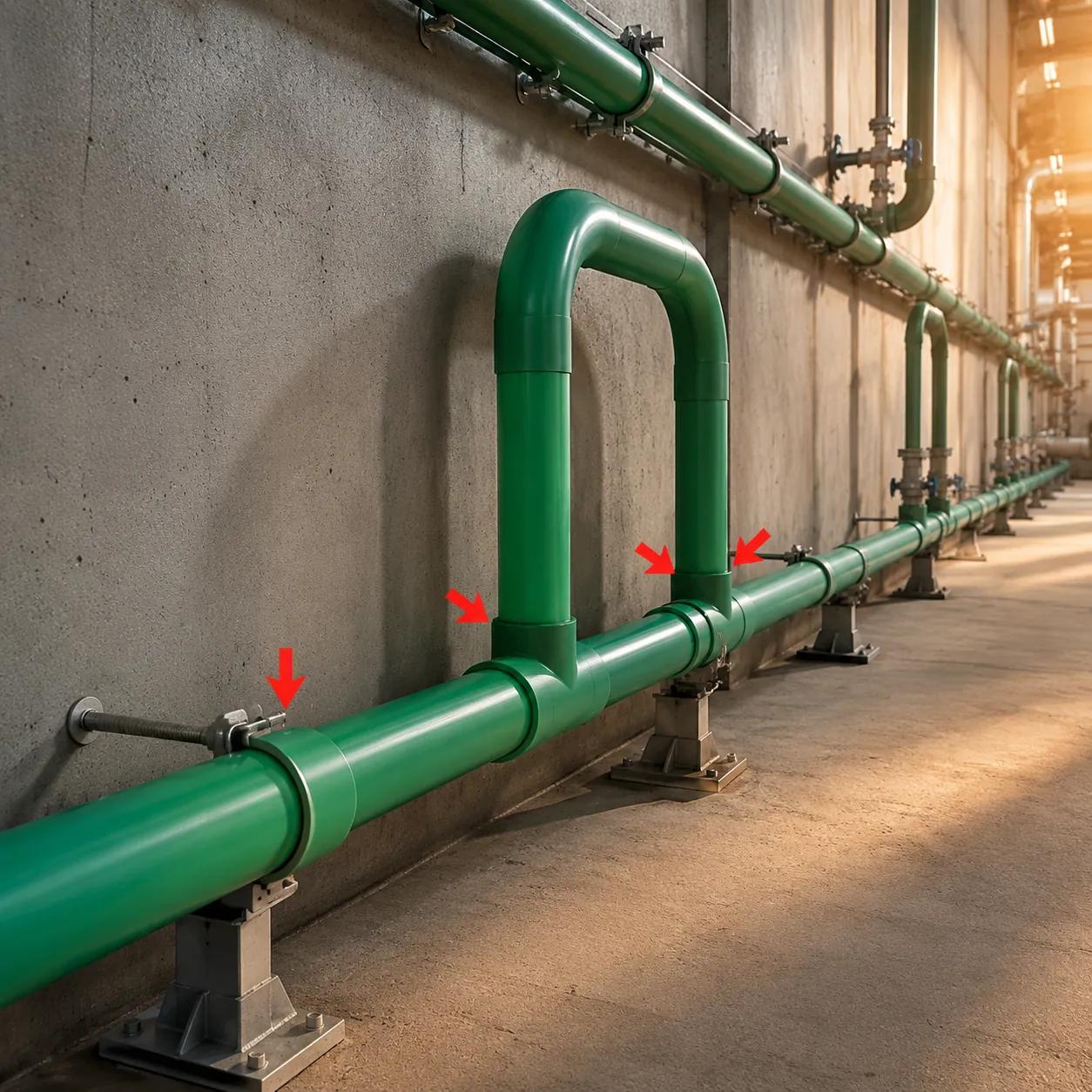
Основные выводы
- «Один контейнер» — это реальный ответ, а не уклонение.Опубликованный MOQ IFAN — один контейнер со смешанными размерами, и то же самое относится к OEM-заказам. Ни один поставщик не публикует минимальное количество по каждому SKU, потому что это число зависит от вашей смеси.
- Вы можете рассчитать свой собственный предел.20-футовый контейнер вмещает примерно 33 м³. При консервативной упаковке в квадрат это около 82 500 м DN20, 52 800 м DN25 или 13 200 м DN50 — до укладки внахлест. Таблица укладки ниже охватывает весь диапазон DN20–DN160, и из нее также видно, что 2000 м DN110 занимают три четверти вашего контейнера.
- Труба продается метрами, фитинги — штуками.Это несоответствие единиц ломает котировки, а при аккредитиве может стоить вам всей оплаты.
- Подстатья 30(b) UCP 600 дает вам допуск по количеству 5% — если только в вашем аккредитиве количество не указано в штуках.Смешанные загрузки труб и фитингов постоянно с этим сталкиваются.
- Образцы подтверждают конструкцию, а не партию.За контейнер говорит сертификат партии на каждую отгрузку и, если хотите, независимая инспекция.
- Три вещи, которые IFAN не публикует:минимальные количества по SKU, количество бесплатных образцов и кто оплачивает их доставку, а также условия оплаты. Эта страница говорит об этом прямо, а не выдумывает их, и объясняет, как зафиксировать каждое из них в проформе-инвойсе.
На этой странице
- Почему ни один завод PP-R не может ответить на вопрос «каков ваш MOQ?» одной цифрой
- Реальный минимум: что физически вмещает один 20-футовый контейнер
- Сборка смешанного контейнера: как составить смесь размеров, которую завод сможет оценить
- Что может решить этап образцов — и чего он не может
- Условия оплаты: правила UCP 600, которые определяют, получите ли вы оплату
- Что мы проверяем, что публикуем и где останавливаемся
Почему ни один завод PP-R не может ответить на вопрос «каков ваш MOQ?» одной цифрой
Поиск по термину выдаёт минимальный объём заказа как концепцию управления запасами: безубыточные партии, защита маржи, как договориться о его снижении. По данным на 11 августа 2026 года, в топ-20 по этому запросу почти полностью доминировал маркетинг программного обеспечения для управления запасами — один поставщик занимал девять из двадцати позиций — и ни одна страница на первом экране не касалась PP-R.
Эта литература не ошибочна, она отвечает на другой вопрос. Она рассматривает MOQ как политику: число, которое поставщик выбирает, защищает и иногда отменяет. Для литого изделия с одним SKU и фиксированным количеством в картоне эта модель работает.
Почему напорные трубы ломают модель политики
Поставщик PP-R продаёт вам не один SKU. IFAN предлагает более 3000 SKU PP-R в диапазоне DN20–DN160 с PN12.5–PN25, в зелёном, белом, сером или индивидуальном цвете, плюс фитинги: отводы, тройники, муфты, клапаны, композитные трубы и компоненты для тёплого пола. Первый контейнер дистрибьютора — это никогда не одна позиция. Это от тридцати до восьмидесяти позиций, и количества взаимосвязаны: каждый метр DN63, который вы добавляете, вытесняет несколько сотен метров DN20, которые вы могли бы взять.
Поэтому минимальный объём на SKU сам по себе был бы бессмысленным. «Минимум 1000 м на типоразмер» одновременно слишком высок для типоразмера, который вы хотите попробовать, и слишком низок, чтобы окупить отдельный запуск экструзии. Реальное ограничение, которое действует, — то, которое вам озвучил менеджер: контейнер должен быть заполнен, и его должно быть выгодно отгружать.
Что на самом деле означает «разные типоразмеры допустимы» для вас.Это одновременно уступка и обязательство. Поставщик перестаёт диктовать разбивку — но это означает, что вы теперь отвечаете за формирование микса, который заполнит коробку. Большинство импортёров-новичков недооценивают это и отправляют список, заполняющий 60% контейнера, а затем обнаруживают, что цена за метр, которую им назвали, предполагала полную загрузку.
Что это значит для вашего вопроса
Если вы пришли сюда за таблицей минимальных объёмов по SKU, вы её здесь не найдёте, и вам следует скептически относиться к любой странице, которая даёт такие цифры для фабрики, которой она не владеет. IFAN не публикует уровни MOQ по SKU, и их невозможно вывести из открытых источников, поэтому их указание означало бы их выдумывание. Вместо этого ниже приведена арифметика, которая позволяет рассчитать ваш собственный предел — это полезнее, поскольку она привязана к конкретному миксу, который вы рассматриваете.
Реальный минимум: что физически вмещает один 20-футовый контейнер
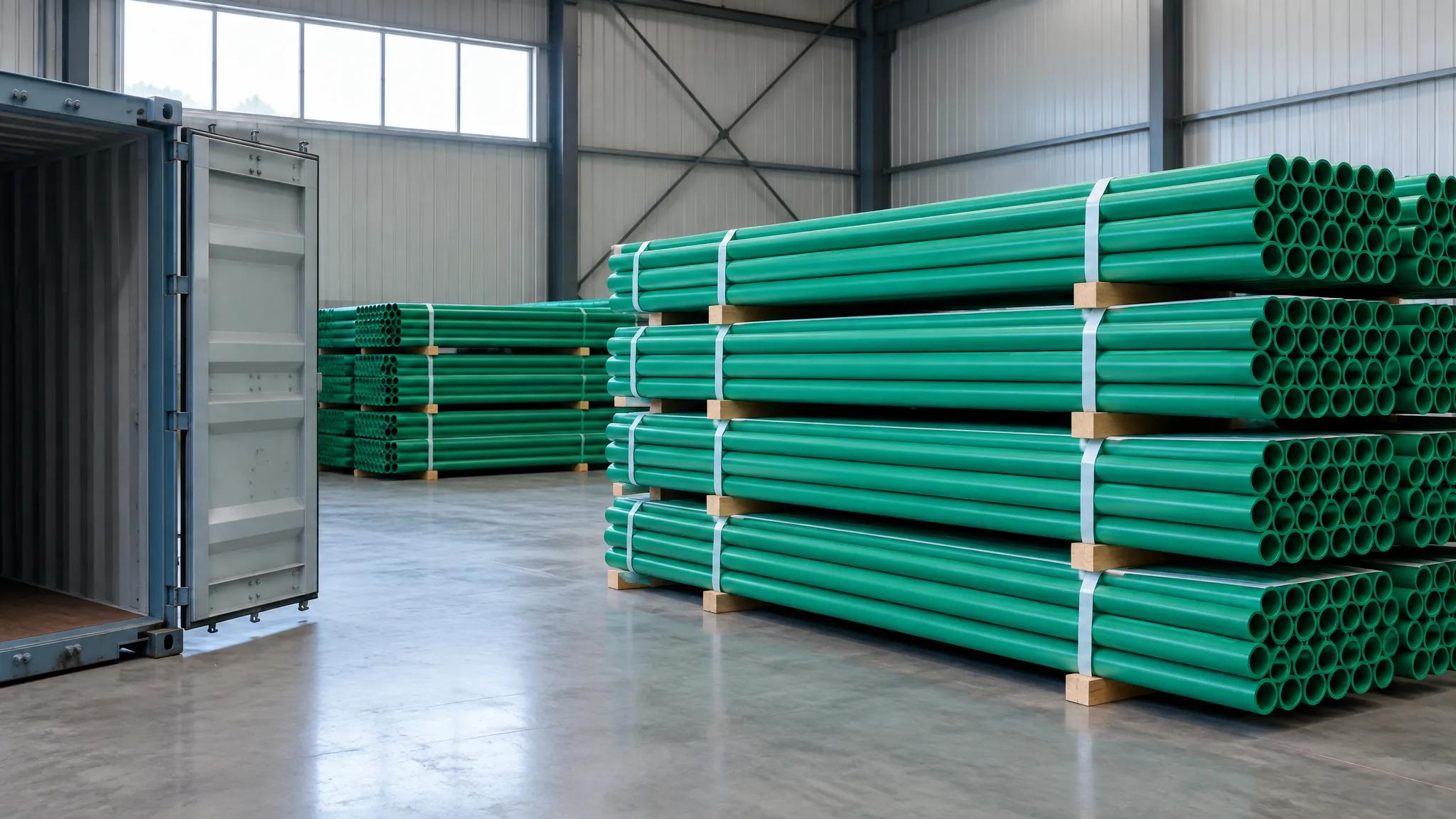
Начнём с коробки. ISO 668:2020 классифицирует 1CC — стандартный 20-футовый контейнер — с наружными размерами 6 058 мм в длину, 2 438 мм в ширину и 2 591 мм в высоту. Гофр, пол и дверная рама уменьшают это, и рабочий внутренний объём, обычно используемый в торговле, составляет приблизительно 33 м³. Используйте эти 33 как плановую цифру, а не как классификационное значение; цифра вашего экспедитора для конкретного контейнера может немного отличаться.
Единственный расчёт, который даёт вам число
Труба — это цилиндр, но связанные трубы не укладываются как цилиндр — они занимают прямоугольную площадь. Консервативный способ моделирования — квадратная упаковка: каждый метр трубы с наружным диаметром dn занимает площадь dn × dn. Для DN25 это 0,025 м × 0,025 м = 0,000625 м³ на метр, или 0,625 литра. Разделите 33 м³ на это и получите примерно 52 800 метров.
Проделайте это для всего диапазона — и у вас есть таблица предельных значений.
| Номинальный размер | Объём укладки на метр | Метров для заполнения ~33 м³ в одиночку | Доля контейнера на 1000 м |
|---|---|---|---|
| DN20 | 0,400 л | ~82 500 м | 1,2% |
| DN25 | 0,625 л | ~52 800 м | 1,9% |
| DN32 | 1,024 л | ~32 227 м | 3,1% |
| DN40 | 1,600 л | ~20 625 м | 4,8% |
| DN50 | 2,500 л | ~13 200 м | 7,6% |
| DN63 | 3,969 л | ~8 314 м | 12,0% |
| DN75 | 5,625 л | ~5 867 м | 17,0% |
| DN90 | 8,100 л | ~4 074 м | 24,5% |
| DN110 | 12,100 л | ~2 727 м | 36,7% |
| DN125 | 15,625 л | ~2 112 м | 47,3% |
| DN160 | 25,600 л | ~1 289 м | 77,6% |
Это весь опубликованный диапазон IFAN, от DN20 до DN160, так что какой бы микс вы ни планировали, для каждой позиции здесь есть строка. Прочитайте последний столбец перед третьим. Именно он важен при формировании микса, потому что превращает каждую позицию вашего списка в процент от объёма контейнера. Тысяча метров DN20 занимает 1,2% вашего контейнера. Тысяча метров DN63 — 12%. Это соотношение десять к одному — причина, по которой линии большого диаметра нужно обосновывать, а не добавлять по привычке.
Где таблица перестаёт быть инструментом планирования и становится предупреждением
Ниже DN63 цифры ведут себя так, как ожидает интуиция: вы можете перевозить десятки тысяч метров, и выбор размера — это коммерческий вопрос о том, что устанавливает ваш рынок. Выше арифметика быстро становится враждебной, потому что площадь растёт как квадрат диаметра, а метры, которые вам нужны, обычно нет.
DN110 — это линия, на которой большинство первых контейнеров терпят неудачу. Это обычный размер — стояки, крупные коммерческие ответвления — и 2000 м звучат обычно рядом с линией DN20 на 20 000 м. Это не обычно. При 36,7% на тысячу метров 2000 м DN110 — это примерно три четверти вашего контейнера, и вы ещё не загрузили ни одного фитинга или метра чего-либо ещё. DN160 ещё более суров: 1289 м заполняют 20-футовый контейнер в одиночку, что означает, что полная бухта — это не позиция в смешанном заказе, это сам заказ.
Практическое следствие: первый смешанный контейнер и требование большого диаметра обычно не должны быть в одной поставке. Если вашему проекту действительно нужно DN110 и выше в количестве, сообщите об этом на этапе запроса, а не прячьте в списке — ответом часто будет 40-футовый контейнер, отдельная поставка или намеренное вложение малых диаметров в большие, а не надежда, что грузчик об этом подумает. Чего не следует делать — обнаружить это после того, как пришёл расчёт, оценённый под контейнер, в который список не помещается.
Почему это предел, а не цель
Квадратная укладка намеренно пессимистична, и реальная загрузка превосходит её двумя способами. Малые трубы вкладываются внутрь больших — DN20, вставленная в DN63, является стандартной практикой и фактически перевозится бесплатно. А фитинги заполняют пустоты, которые остаются от пучков труб у дверей и в углах. Хорошо спланированная смешанная загрузка обычно превышает показатели этой таблицы.
Таблица даёт вам контрольный показатель, который можно применить перед отправкой. Если ваш черновой список рассчитывается на 40% контейнера, вы далеки от полной загрузки, и вас либо попросят добавить позиции, либо выставят цену, отражающую частичную загрузку. Если расчёт даёт 130%, что-то придётся убрать, и последняя колонка подскажет, какая позиция освободит больше всего места быстрее всего.
Не путайте это с MOQ.Всё вышесказанное — физика: сколько вмещает контейнер. Это не минимальный объём заказа IFAN и не чей-либо ещё. Опубликованный MOQ — один контейнер, смешанных размеров. Арифметика показывает, что значит «один контейнер» в метрах для вашего ассортимента, и это та часть, которую поставщик не может сообщить, пока вы не предложите свой вариант.
Сборка смешанного контейнера: как составить ассортимент, который завод сможет оценить
Качество вашего первого запроса котировки определяется качеством отправленного списка, и в большинстве первых списков отсутствует что-то, что делает точное ценообразование невозможным. Опубликованное обязательство IFAN как поставщика PP-R труб — это полный детализированный прайс-лист, возвращаемый в течение 24 часов на основе вашего списка продукции. Для импортёров и дистрибьюторов, составляющих первый список размеров, такой срок предполагает, что список достаточно полон для оценки.
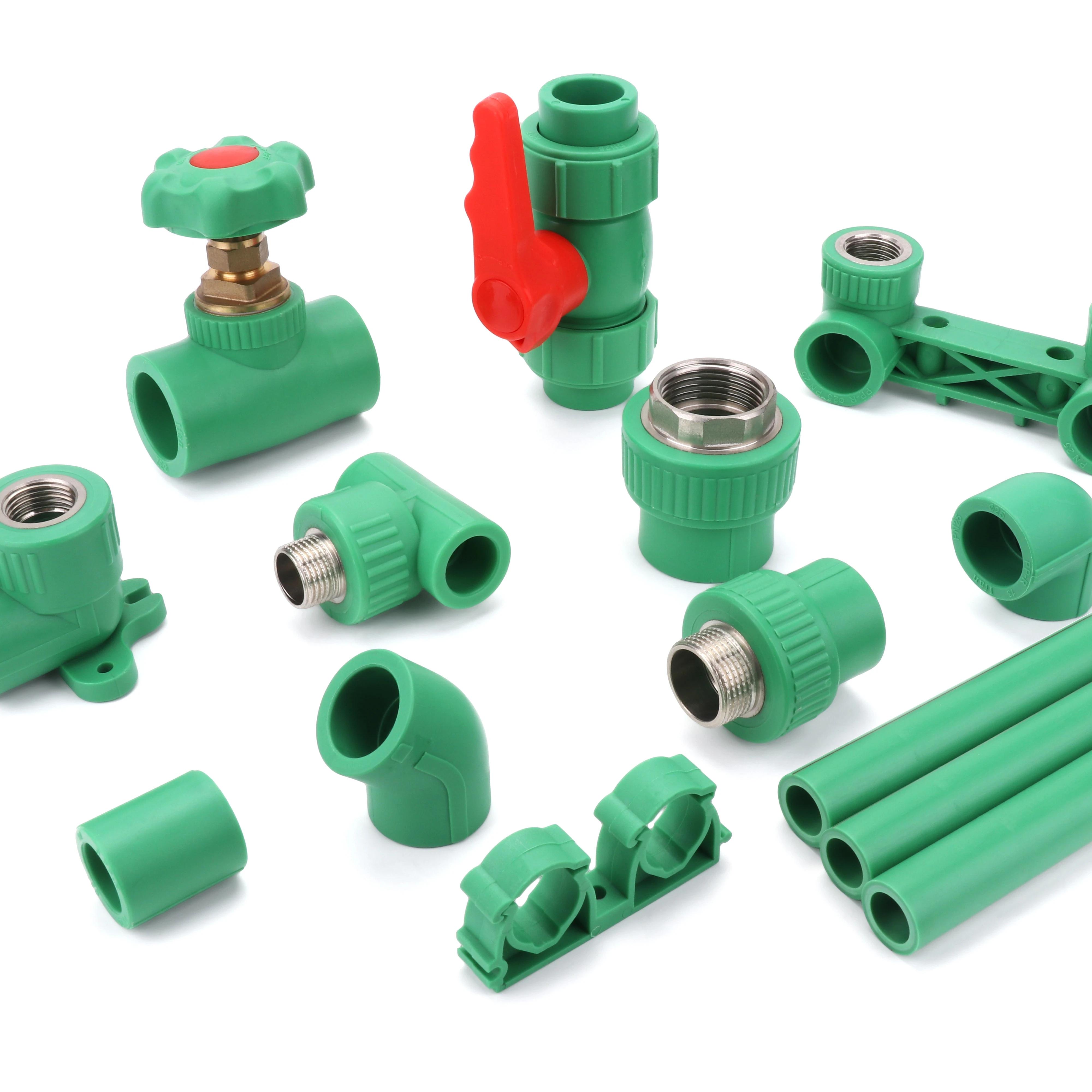
Укажите класс давления, а не только диаметр
«DN25 PP-R, 5000 м» — это не строка для ценообразования, потому что DN25 выпускается с несколькими толщинами стенок, и это разные продукты с разной стоимостью. Согласно ISO 15874-2, труба DN25 серии S5 имеет минимальную стенку 2,3 мм; в S3.2 — 3,5 мм; в S2.5 — 4,2 мм; в S2 — 5,1 мм. Самая тяжёлая из них содержит более чем вдвое больше материала, чем самая лёгкая. Серия соотносится с SDR как SDR = 2S + 1, поэтому S5 — это SDR 11, а S2.5 — SDR 6 — вы увидите оба обозначения в технических паспортах, и указание любого из них устраняет неоднозначность.
Если вы не укажете это, произойдёт одно из двух. Внимательный поставщик переспросит, что стоит вам дня. Небрежный предположит самую тонкую стенку, подходящую под описание, и вы получите котировку, которую невозможно сравнить с другими. Если вы хотите получить полный расчёт того, как толщина стенки влияет на стоимость материала, это тема нашего разбора структуры затрат на PP-R трубы; для целей этого списка просто убедитесь, что класс указан в строке.
Проблема двух единиц измерения
Труба продается погонными метрами. Фитинги продаются поштучно. Это знают все, но это все равно вызывает проблемы, потому что оба типа товара суммируются в одну стоимость заказа, а затем описываются одним предложением в документе. Держите их в отдельных блоках в вашем списке, с указанием единицы измерения в каждой строке, и сохраняйте это разделение вплоть до проформы-инвойса. Раздел об оплате ниже объясняет, что происходит, когда это разделение рушится внутри аккредитива — это самая дорогостоящая ошибка на этой странице.
Пример заполнения контейнера
Вот смесь, составленная для дистрибьютора, поставляющего товар для бытового водоснабжения, с размерами, соответствующими таблице выше. Проценты — это доли контейнера, поэтому они должны составлять в сумме не более 100 до того, как будут добавлены фитинги.
| Позиция | Количество | Ед. изм. | Доля контейнера |
|---|---|---|---|
| DN20 PN20 (S2.5), зеленый | 20 000 | метров | 24,2% |
| DN25 PN20 (S2.5), зеленый | 12 000 | метров | 22,7% |
| DN32 PN16 (S3.2), зеленый | 6 000 | метров | 18,6% |
| DN50 PN16 (S3.2), зеленый | 3 000 | метров | 22,7% |
| Угольники, тройники, муфты, клапаны (ассорти) | 30 000 | штук | вложены / заполнение пустот |
| Итого по трубам | 41 000 | метров | 88,3% |
Трубные позиции занимают 88,3% полезного объема при плотной укладке, что оставляет запас для фитингов, размещаемых в пустотах и нишах. Это список, который завод сможет загрузить, и это список, который вы сможете защитить перед своим банком, потому что каждая позиция содержит количество, единицу измерения и класс.
Обратите внимание, во что обходится позиция DN50. Три тысячи метров — скромное количество, которое выглядит небольшим рядом с DN20, — занимает 22,7% объема, столько же, сколько двенадцать тысяч метров DN25. Если этот контейнер окажется перегруженным по объему, это первая позиция, которую стоит сократить.
Что отправить вместе со списком
- Порт назначения и страна. Это определяет, какие региональные сертификаты применяются — SASO, SONCAP или NOM оформляются по запросу, и их необходимо оформить до производства, а не после.
- Цвет. Зеленый, белый и серый — стандартные; нестандартный цвет — это отдельное производственное решение.
- Должны ли все размеры быть одного бренда или одной серии, поскольку это ограничивает возможности замены, если какого-то размера не хватает.
- FCL или LCL. Поддерживаются оба варианта, и LCL меняет весь расчет выше — если вы не заполняете контейнер, скажите об этом в начале, а не рассчитывайте на контейнер, который вам не нужен.
Что может решить выборочная проверка образцов — и чего она не может
Официальная политика IFAN называется «Сначала образец, потом заказ»: физическая продукция оценивается до любых обязательств по контейнеру, чтобы качество было проверено в ваших руках. Это правильная последовательность, и вы должны требовать этого от каждого поставщика. Но будьте точны в том, что она доказывает, потому что возможности выборочной проверки часто переоценивают, и ложная уверенность здесь дорого обходится.
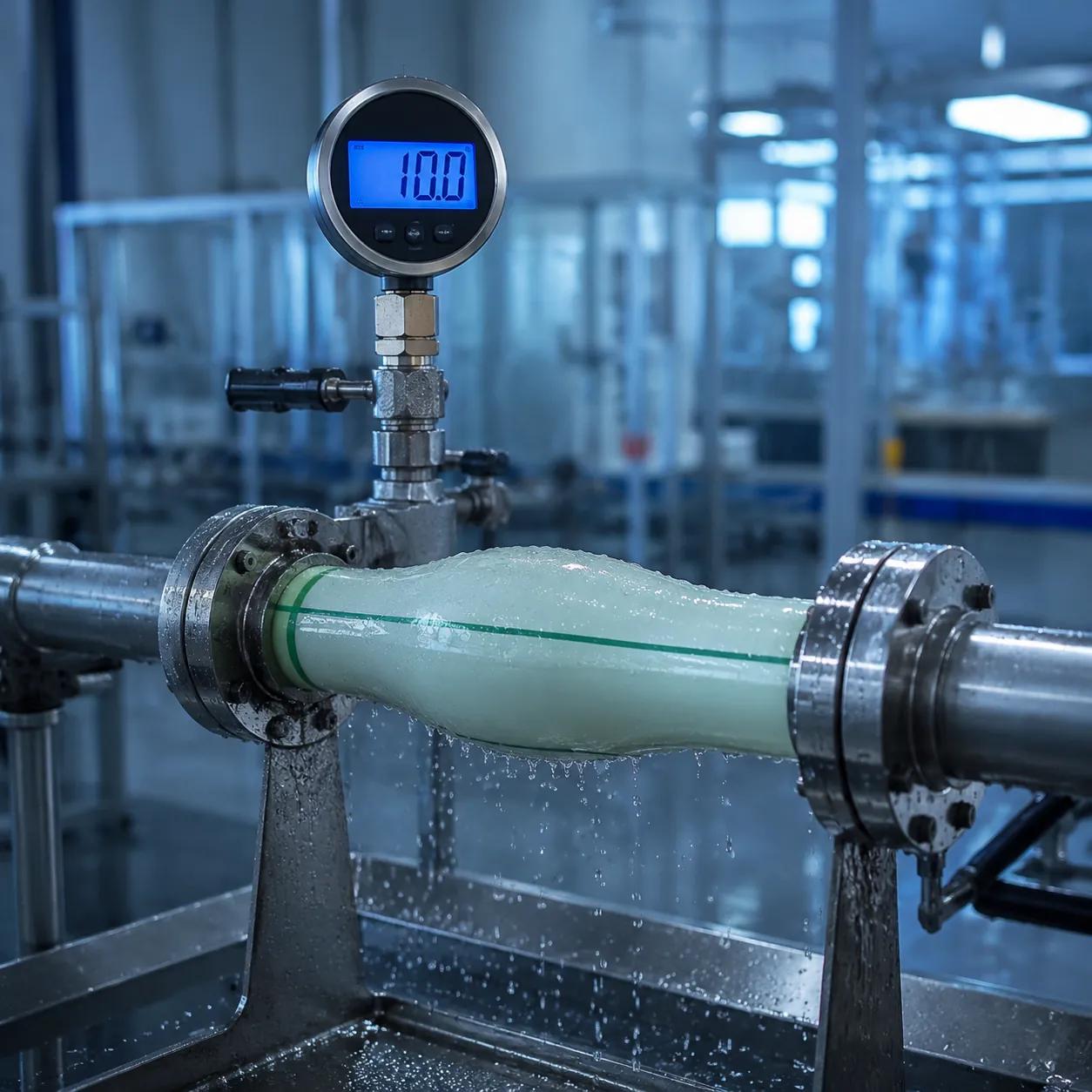
Что действительно решает выборочная проверка
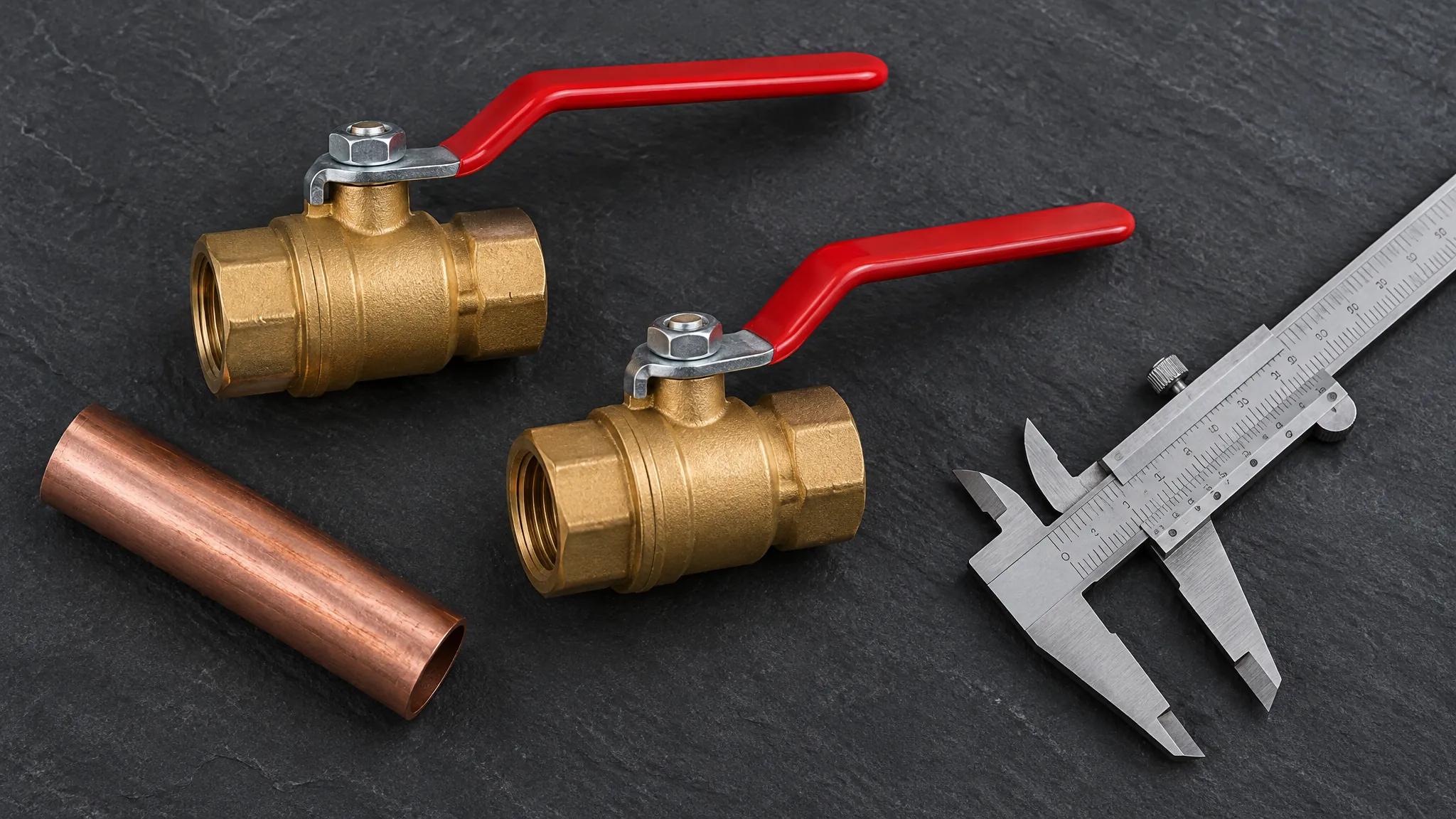
- Геометрические размеры.Возьмите штангенциркуль. Наружный диаметр и толщина стенки по ISO 15874-2 для заказанного класса — это пятиминутная проверка, которая сразу выявляет некондиционную трубу.
- Поведение при сварке.Сварите два образца паяльником, который реально используется на вашем рынке. Это единственный тест, который предсказывает жалобы монтажников.
- Маркировка и качество печати.То, что напечатано на трубе, будет читать инспектор вашего заказчика.
- Совместимость с фитингами, которые уже есть у вас на складе,если вы добавляете поставщика, а не начинаете с нуля.
Что образец не может гарантировать, и что закрывает этот пробел
Образец — это несколько отрезков, возможно, из другой производственной партии, чем та, которая будет отгружена в вашем контейнере. Он не может показать стабильность партии смолы, не может продемонстрировать долгосрочное поведение под давлением — испытания, лежащие в основе классов давления, длятся тысячи часов — и не может доказать, что образец соответствует тому, что будет экструдировано через три недели.
Этот пробел закрывают документы, а не физические образцы. IFAN заявляет 100% первичный PP-R с сертификатами на партию, выдаваемыми на каждую отгрузку, и публикует информацию о том, что каждый контейнер сопровождается сертификатами испытаний партии, с возможностью независимой инспекции SGS или BV. Именно эти документы подтверждают качество товара, за который вы платите. Если по итогам образца вы не согласовали, какие сертификаты поедут с контейнером, значит, вы проверили дизайн, но оставили поставку непроверенной.
Открытый вопрос, изложенный прямо.IFAN публикует политику отбора образцов, но не указывает, сколько образцов предоставляется бесплатно и кто оплачивает курьерскую доставку. Придумывать цифры здесь — значит рисковать обнаружить ошибку в самый неподходящий момент. Согласуйте четыре пункта до отправки образцов: количество, размеры, кто платит за доставку, засчитывается ли стоимость. Затем отразите их в проформе-инвойсе как позицию с нулевой стоимостью, а не оставляйте в переписке. Если поставщик согласен на все четыре пункта, но не включает их в проформу, это о многом говорит.
Условия оплаты: правила UCP 600, которые определяют, будет ли оплачен ваш контейнер
Именно в этом разделе начинающие импортеры теряют деньги, и почти никогда из-за неправильного выбора инструмента. Они теряют их из-за документальных формальностей, по правилам, которые являются публичными, стабильными и конкретными. Если вы открываете аккредитив, governing text — это ICC Унифицированные правила и обычаи для документарных аккредитивов, UCP 600 (Публикация ICC № 600, действует с 1 июля 2007 г.), и четыре из его статей наносят наибольший ущерб.
Ловушка, созданная для смешанных заказов на трубы
Под-статья 30(b) допускает "отклонение не более чем на 5% в большую или меньшую сторону от количества товара" — при условии, что в аккредитиве количество не указано в виде определенного числа упаковочных единиц или отдельных предметов, при условии, что чертежи не превышают сумму аккредитива.
Сопоставьте эту оговорку с заказом, который вы только что сформировали. Ваши позиции по трубам указаны в метрах, что является единицей измерения, поэтому для них действует допуск 5% — это полезно, поскольку экструзия не дает точного количества метров, и то, что помещается в коробку, тоже. Ваша позиция по фитингам указана в штуках. Количество штук — это установленное число отдельных предметов, и для этой позиции допуск отсутствует. Если вы отгрузите 29 900 отводов против аккредитива, требующего 30 000, у вас будет расхождение при недостаче в одну треть процента.
Та же статья содержит еще одно правило, о котором стоит знать: согласно подпункту 30(a), слова «около» или «приблизительно» в отношении количества или суммы трактуются как допускающие отклонение на 10% в любую сторону. Это осознанный выбор формулировки, доступный вам в момент открытия аккредитива, а не то, что обнаруживается впоследствии.
Сроки и кто их контролирует
Против представления действуют два срока, и они неумолимы, поскольку носят механический характер.
Согласно подпункту 14(c), представление, включающее оригиналы транспортных документов, должно быть сделано не позднее 21 календарного дня с даты отгрузки и в любом случае не позднее даты истечения срока действия аккредитива. Согласно подпункту 14(b), каждый банк в цепочке — исполняющий, подтверждающий, выпускающий — имеет «максимум пять банковских дней, следующих за днем представления», чтобы решить, соответствует ли представление условиям. Банковских дней, а не календарных, поэтому череда местных праздников на любом конце действительно сдвигает дату.
Если документы признаны расходящимися, подпункт 16(c) требует, чтобы отказывающий банк направилединое уведомление с указанием отказа, перечислениемкаждого расхождения и сообщением о том, что он делает с документами. Это правило единого уведомления действует в обе стороны: оно защищает вас от того, что банк будет выдвигать возражения по частям, и означает, что полученные вами возражения являются полным набором — решайте их все сразу. И согласно подпункту 16(b), если выпускающий банк обращается к заявителю за отказом от требований, это не продлевает пятидневный срок.
Строка в счете-фактуре, которая должна совпадать
Подпункт 18(c) требует, чтобы описание товаров в коммерческом счете-фактуре соответствовало описанию, указанному в аккредитиве. Подпункт 18(a) добавляет, что счет-фактура должен быть выставлен бенефициаром, оформлен на имя заявителя и в той же валюте, что и аккредитив, хотя он не обязательно должен быть подписан.
Именно здесь смешанные контейнеры наказываются за небрежное составление документов. Если в аккредитиве указано «ТРУБЫ И ФИТИНГИ PPR СОГЛАСНО PI № 2026-XXX», а в счете-фактуре перечислено сорок позиций, такое соответствие обычно принимается, поскольку ссылка связывает их. Если в аккредитиве перечислены все сорок позиций, а в счете-фактуре две из них объединены, это не принимается. Решение находится на раннем этапе: держите описание товаров кратким и привязанным к номеру проформы-инвойса, а детализацию оставляйте в PI, где ей и место.
Прежде чем кто-либо откроет аккредитив
- Привяжите описание товаров к номеру PI и убедитесь, что сам PI содержит полную детализацию позиций с указанием единиц измерения.
- Решите, следует ли вообще указывать строки с количеством штук как количество штук в аккредитиве, учитывая, что это лишает права на допуск 30(b) по этим строкам.
- Проверьте срок действия аккредитива на соответствие правилу представления документов в течение 21 дня, а не только на соответствие окну отгрузки.
- Убедитесь, что разрешения на частичную отгрузку и перегрузку соответствуют тому, как товар будет фактически перемещаться.
- Согласуйте, кто оплачивает какие банковские комиссии, в письменной форме, до выпуска аккредитива.
Что касается выбора самого инструмента: документарный аккредитив ставит банковское обязательство за сделку и накладывает вышеуказанную дисциплину, в то время как телеграфный перевод быстрее и дешевле и переносит управление рисками на отношения. Что подходит, зависит от вашего банка, вашего рынка и того, сколько вы уже провели сделок с поставщиком. IFAN не публикует график условий оплаты — ни процент аванса, ни триггер для остатка — поэтому относитесь к любым цифрам, которые вы видите в блогах третьих сторон, приписываемым китайской фабрике труб, как к рыночной информации, а не как к условиям этого поставщика, и получайте фактические условия в письменной форме в проформе-инвойсе.
Что мы проверяем, что публикуем и где мы останавливаемся
Эта страница опубликована одним из поставщиков, которых вы, возможно, оцениваете, поэтому последний раздел — это то, где мы говорим, на какие из наших собственных цифр вы можете положиться, а какие мы не раскрываем. Примените то же разделение к каждому поставщику в вашем списке.

Опубликовано и проверяемо
Каждая партия экструдируется из 100% первичного PP-R 100 и тестируется в собственной лаборатории ISO, с сертификатами испытаний партии на каждую отгрузку и возможностью сторонней инспекции SGS или BV по запросу. Диапазон, который охватывают эти проверки: DN20–DN160 при PN12.5–PN25, по стандартам DIN 8077/8078 и ISO 15874, более 3000 SKU PP-R с завода площадью 120 000 м², работающего с 1993 года. Где мы останавливаемся, также конкретно: мы не публикуем минимальные объемы по SKU, допуски на образцы или разбивку платежей, и таблица ниже отмечает эту границу.
| Что можно принимать как данность | Опубликованная позиция |
|---|---|
| Минимальный заказ | Один контейнер, смешанные размеры — включая заказы OEM и private label |
| Диапазон | DN20–DN160, PN12.5–PN25; зеленый, белый, серый или на заказ; более 3000 SKU PP-R |
| Материал | 100% первичный PP-R 100, сертификаты партии на каждую отгрузку |
| Стандарты | DIN 8077/8078, ISO 15874, CE, SGS; SASO/SONCAP/NOM организуются по запросу |
| Образцы | Сначала образец, потом заказ — физические образцы перед заказом контейнера |
| Котировка | Полный детализированный прайс-лист в течение 24 часов по вашему списку товаров |
| Доставка | FCL и LCL, полная экспортная документация, поддержка таможенного оформления, более 120 стран |
| Канал | Строго оптовая продажа B2B — без розничных маркетплейсов |
Не публикуется — и где именно каждый из них фиксируется
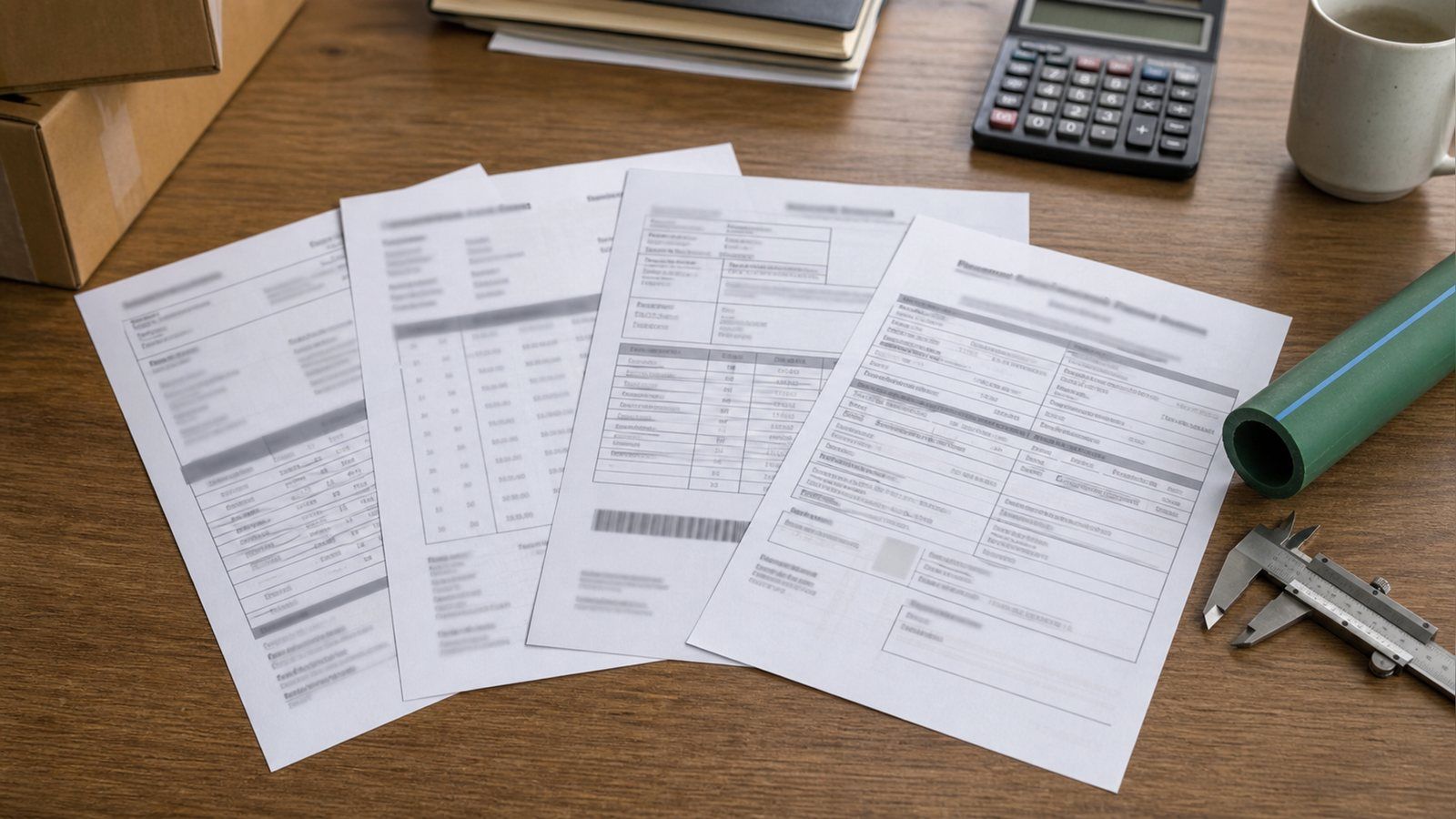
Четыре пункта, по которым эта статья намеренно не даёт цифр, потому что IFAN их не публикует, а выдумывать их было бы хуже, чем оставить пробел. По каждому пункту полезно не «спрашивать», а знать, в какой строке проформы-инвойса (PI) должен оказаться ответ. PI — это единственный предотгрузочный документ, который одновременно является предложением поставщика, основой для аккредитива в вашем банке и ориентиром, с которым должна совпасть ваша коммерческая инвойс. Электронная переписка не выполняет ни одной из этих функций.
- Минимальное количество штук по каждой позиции (SKU)в смешанном контейнере. Рассчитайте свой максимум по таблице укладки выше и предложите состав; в коммерческом предложении будет указано, что нужно скорректировать. В PI должно попасть итоговое согласованное значение — одна строка на SKU, с количеством, единицей измерения и классом давления. Если строка вернётся объединённой, заменённой или с изменённым количеством — это фактический минимальный порог фабрики по данной позиции, раскрытый единственным возможным способом.
- Сколько штук поставляется бесплатно и кто оплачивает их доставку.Согласуйте количество и типоразмеры, затем укажите их в PI как строку образцов с нулевой стоимостью, назвав сторону, оплачивающую курьерскую доставку, и отметив, засчитывается ли эта стоимость в счёт данного заказа. Эта строка не позволит в дальнейшем выставить счёт за образцы как за товар.
- Разбивка платежей.Ни процент аванса, ни условие выплаты остатка не публикуются. В PI должны быть указаны процент аванса, событие, при наступлении которого выплачивается остаток (копия коносамента, инспекция или сами документы), а также распределение банковских комиссий. Зафиксируйте все три пункта до обращения в банк, потому что именно PI банк превращает в условия аккредитива; несогласованное условие станет их стандартным, а не вашим.
- Срок поставки в днях.Официальная позиция: срок поставки зависит от размера заказа, кастомизации и наличия на складе, а график производства и отгрузки подтверждается в коммерческом предложении. Поэтому фиксируйте даты, а не диапазон: крайняя дата отгрузки в PI — это также поле, от которого следует отталкиваться при установке крайней даты отгрузки в вашем аккредитиве, а не догадки.
Это тот же документ, на который постоянно ссылается раздел об оплате: описание товара, привязанное к номеру PI, детализация в PI, раздельные строки для метров и штук. Поставщик, который соглашается на все четыре пункта, а затем присылает PI без них, показал вам, как пройдёт отгрузка.
Если вы всё ещё решаете, стоит ли вообще включать этого поставщика в свой список, это отдельная задача со своими публичными контрольными точками — наш фреймворк для составления шорт-листа поставщиков труб излагает девять критериев и реестр, по которому можно проверить каждый из них, включая те, где мы получаем низкие оценки. Если вы формируете сам список типоразмеров, каталог продукции — вот где его собирать.
Заключение
Вопрос «каков ваш минимальный объем заказа?» имеет лучшую версию: «вот мой ассортимент по размерам, сколько это стоит и что вы не отгрузите?» Первый вопрос предполагает число, которое не может быть точным. На второй можно ответить в течение 24 часов.
Прежде чем отправить первый запрос, проработайте следующее:
- Рассчитайте свою долю контейнерапострочно из таблицы укладки и доведите промежуточный итог по трубам до диапазона 85–95% перед вложением.
- Укажите класс для каждой позиции труб— S-серию, SDR или PN, любой из трех, но один из них.
- Разделите метры и штукив списке и сохраните это разделение в проформе-инвойсе.
- Зафиксируйте условия по образцам в проформе-инвойсе— количество, размеры, плательщик за перевозку, зачет в счет заказа, как позицию с нулевой стоимостью.
- Согласуйте, какие сертификаты поедут с контейнером,потому что именно они подтверждают товар, который образец не может.
- Если вы открываете аккредитив,проверьте описание товара в проформе-инвойсе, срок действия с учетом правила 21 дня и хорошо подумайте, прежде чем указывать количество фитингов в штуках.
Выполните эти шесть пунктов, и ваш первый контейнер станет обычной коммерческой сделкой, а не экспериментом. Пропустите последний — и вы можете быть абсолютно правы насчет трубы, но так и не получить оплату — это тот вид отказа, для предотвращения которого и существует эта статья.
Часто задаваемые вопросы
Каков минимальный объем заказа для PP-R труб?
Опубликованный минимум IFAN — один контейнер со смешанными размерами, и это же относится к заказам OEM и под частной маркой. Минимума по количеству штук на SKU не публикуется, поскольку ограничивающим фактором является заполнение контейнера, а не отдельная позиция.
Сколько метров PP-R трубы помещается в 20-футовый контейнер?
При примерно 33 м³ и консервативной упаковке в квадрат: около 82 500 м DN20, 52 800 м DN25, 13 200 м DN50, 2 727 м DN110 или 1 289 м DN160 при отдельной отгрузке. Реальные смешанные загрузки превосходят это, поскольку трубы малого диаметра вкладываются в трубы большого диаметра.
Можно ли смешивать разные размеры в одном контейнере с PP-R?
Да — смешанные размеры являются нормой, и IFAN заявляет о смешанных контейнерах при минимальном заказе в один контейнер. Вы сами отвечаете за составление смеси, которая заполнит контейнер; таблица укладки на этой странице позволяет проверить это перед отправкой списка.
Кто оплачивает образцы PP-R и курьерскую доставку?
IFAN публикует политику «сначала образец, потом заказ», но не указывает ни количество бесплатных образцов, ни кто оплачивает курьера. Согласуйте оба пункта заранее и укажите их в проформе-инвойсе как позицию с нулевой стоимостью: количество, размеры, плательщик за курьера и засчитывается ли стоимость.
Какие условия оплаты принимают заводы по производству PP-R?
IFAN не публикует график платежей, поэтому условия согласовываются по каждому заказу в проформе-инвойсе. Какой бы инструмент вы ни использовали, получите письменное подтверждение суммы депозита, триггера остатка и распределения банковских комиссий до того, как ваш банк что-либо выпустит.
Допускается ли отклонение по количеству труб при аккредитиве?
Подстатья 30(b) UCP 600 допускает отклонение по количеству на 5% в большую или меньшую сторону — но не в случае, когда в аккредитиве количество указано как установленное число упаковочных единиц или отдельных изделий. Для труб в метрах это допущение сохраняется; для фитингов, считаемых поштучно, — утрачивается.
Сколько времени есть у банка на проверку документов по аккредитиву?
Согласно подстатье 14(b) UCP 600, каждый банк имеет максимум пять банковских дней, следующих за днём представления документов. Кроме того, подстатья 14(c) требует представления документов в течение 21 календарного дня с даты отгрузки и до истечения срока действия аккредитива.
Каков срок поставки контейнера с PP-R продукцией у IFAN?
Официально фиксированный срок не публикуется. Заявленная позиция: срок поставки зависит от объёма заказа, степени кастомизации и наличия на складе, а график производства и отгрузки подтверждается вместе с коммерческим предложением — поэтому запрашивайте конкретные даты.