
كتالوج وصلات HDPE: الحقول الثمانية التي يجب فحصها قبل مقارنة العروض
تتطلب ISO 4427-3 ثمانية حقول على كل وصلة HDPE. تعرّف على سبب كون المحبس الملحوم عند PN16 هو في الواقع PN8، واحصل على قائمة حقول طلب عرض الأسعار لمقارنة العروض.
تحدد المواصفة ISO 4427-3 ثماني معلومات يجب أن تظهر على وصلة البولي إيثيلين المخصصة لإمدادات المياه. تنطبق ست منها على كل وصلة — رقم المواصفة، تعريف الشركة المصنعة، بيانات التتبع، القطر الاسمي مع سلسلة الأنبوب، تعيين المادة، وتصنيف الضغط بالبار. وتنطبق اثنتان إضافيتان بشكل مشروط: درجة تفاوت على الوصلات ذات الطرف الكبير، ونطاق لحام SDR على وصلات اللحام الكهربائي. هذه القائمة ليست توصية من مدونة شراء. إنها الجدول 8 من المواصفة، وهي أقرب ما يكون في الصناعة إلى تعريف لخط كتالوج كامل.
معظم كتالوجات وصلات HDPE التي ستُرسل إليك لا تعرض بياناتها بهذه الطريقة. فهي تعرض صورة، ورقم قطعة، وعمود مقاس، وسعرًا. وهذا جيد، حتى يرسل لك ثلاثة موردين ثلاث مستندات مبنية على ثلاث اصطلاحات مختلفة وتضطر إلى تحديد أي عرض سعر هو الأرخص فعليًا. عند تلك النقطة يتوقف الكتالوج عن كونه مادة تسويقية ويصبح الأداة التي تقارن بها — وإذا كانت الحقول مفقودة، فأنت تقارن تخمينات.
الخلاصات الرئيسية
- يحدد الجدول 8 من ISO 4427-3 ثمانية جوانب دنيا للوسم — ستة عامة واثنان مشروطان. تعامل معها كالأعمدة المطلوبة في أي سطر كتالوج وصلات، لأن المورد الذي لا يستطيع طباعتها على القطعة من غير المرجح أن يتمكن من اعتمادها على الورق.
- الوصلة المحورية المجمعة ليست نفس المنتج مثل الوصلة المقولبة عند نفس PN الاسمي. يخفض الملحق B.5 من ISO 4427-3 الوصلات المجزأة بعامل 0,5 — الوصلة المبنية من أنبوب PN16 هي وصلة PN8.
- الانحناءات المجزأة تُخفض حسب زاوية القطع: عامل 1,0 حتى 7,5°، و0,8 فوق ذلك حتى الحد الأقصى 15°. الانحناءات المشكلة من الأنبوب بدلاً من القطع المجزأة عادة لا تحمل أي تخفيض على الإطلاق.
- "dn 110/S 5" و"dn 110/SDR 11" هما نفس التعيين. تعرف ISO 4065 S = (SDR − 1)/2، لذا يمكن تحويل كتالوج يستخدم أحد الاصطلاحين إلى الآخر دون سؤال المورد.
- تحقق من الإصدار، وليس فقط رقم المواصفة. تم استبدال EN 12201-3:2011+A1:2012 بـ EN 12201-3:2024، لذا فإن الشهادة التي تقتبس الإصدار الأقدم تقتبس مستندًا ملغى.
في هذه الصفحة
- ما يجب أن يخبرك به الكتالوج قبل أن تتمكن من مقارنة أي شيء
- الحقول الثمانية التي تتطلبها ISO 4427-3 على الوصلة
- قراءة سطر المقاس والضغط: dn، SDR، S، PN
- الحقل الذي تدفنه معظم الكتالوجات: مقولبة أم مجمعة
- أي مواصفة كُتب الكتالوج وفقها، وأي إصدار
- تحويل الكتالوج إلى عرض سعر يمكنك مقارنته فعليًا
- الأسئلة الشائعة

توصيل أنبوب HDPE من IFAN بوصلة ضغط نحاسية — جسم الوصلة في هذا المقطع هو المكان الذي يجب أن تبقى فيه العلامة التي نناقشها أدناه قابلة للقراءة بعد التركيب.
ما يجب أن يخبرك به الكتالوج قبل أن تتمكن من مقارنة أي شيء
إليك الموقف الذي يدفع المشترين للبحث عن هذه الصفحة. لقد طلبت من ثلاثة موردين تجهيزات HDPE لنفس جدول الكميات. كتالوج المورد (أ) يسرد قطعة 110 مم على أنها "PE100 SDR11 PN16". المورد (ب) يسرد ما يبدو أنه نفس القطعة باسم "dn 110 / S 5, PE100". المورد (ج) يسرد "4 IPS DR11 PE4710". ثلاث وثائق، وثلاث اصطلاحات، وفارق أسعار واسع بما يكفي ليجعل أحدهم إما تنافسيًا جدًا أو يبيعك شيئًا آخر.
اثنان من هذه الأسطر الثلاثة يصفان نفس الهندسة. أما الثالث فهو على نظام قياس مختلف تمامًا وليس قطعة 110 مم على الإطلاق. لا شيء في أي من الكتالوجات الثلاثة يخبرك أيهما هو، لأن كل كتالوج كُتب لمشترٍ يعرف بالفعل الاصطلاح المستخدم فيه.
هذا الجزء يستحق أن نكون صريحين فيه: حتى وصول البضاعة، الوثيقة هي المنتج. كل ما تشتريه موجود لك كسطر في ملف PDF، وجودة قرارك محدودة باكتمال هذا السطر. الحقل المفقود ليس مشكلة تنسيق. إنه مواصفة وافقت ضمنيًا على أن يختارها المورد نيابة عنك، وستعرف أي واحد اختار عندما يتم تفريغ الحاوية.
ما الذي يجعل سطرين قابلين للمقارنة
يكون سطران في كتالوج قابلين للمقارنة عندما يتفقان على خمسة أشياء: محور القياس، ودرجة المادة، وسلسلة سمك الجدار، وتصنيف الضغط، وكيفية تصنيع القطعة. إذا فات أي واحد، تكون المقارنة عملية حسابية على وحدات مختلفة. بقية هذه الصفحة تستعرض الحقول بالترتيب الذي يحتاجه المشتري فعليًا، بدءًا بالقائمة التي يفرضها المعيار نفسه.
الحقول الثمانية التي يتطلبها ISO 4427-3 على القطعة
ISO 4427-3 هو المعيار الدولي لتجهيزات البولي إيثيلين المستخدمة لنقل المياه الصالحة للشرب، والمياه الخام قبل المعالجة، والمياه للأغراض العامة. طبعته الحالية هي الثانية، ISO 4427-3:2019، نُشرت في أغسطس 2019، والتي تلغي وتحل محل الطبعة الأولى لعام 2007. ينطبق على التجهيزات المقدرة بحد أقصى لضغط التشغيل 25 بار مع 20 درجة مئوية كدرجة حرارة مرجعية، ويغطي صراحة تجهيزات اللحام الكهربائي، ولحام الوجه، ولحام المقبس، والتجهيزات المصنعة، والتجهيزات الميكانيكية، والتجهيزات ذات الحواف.
بند الوسم هو الجزء المفيد للمشتري. يحدد المعيار حدًا أدنى مطلوبًا للوسم في جدول من الجوانب — البند 11.2 والجدول 8 في طبعة 2007، منقول إلى البند 12.2 من طبعة 2019. هذه هي الحقول التي يجب أن تحملها القطعة المطابقة على الجزء نفسه، مما يجعلها الحد الأدنى الطبيعي لسطر الكتالوج الذي يبيعها.
| الجانب | كيف يبدو | ما الذي يحدده لك |
|---|---|---|
| رقم المعيار | ISO 4427 | أي كتاب قواعد تدعي القطعة أنها تلتزم به — وما هي متطلبات الاختبار التي تتبع ذلك |
| تحديد الشركة المصنعة | الاسم أو الرمز | من المسؤول عندما يفشل وصلة في الموقع |
| معلومات الشركة المصنعة | أرقام أو رمز يعطي إمكانية التتبع إلى فترة الإنتاج خلال السنة والشهر، بالإضافة إلى موقع الإنتاج عندما يكون هناك أكثر من موقع | ما إذا كان يمكن تتبع العيب إلى دفعة إنتاجية معينة، أم إلى شركة بعينها |
| القطر الاسمي وسلسلة الأنبوب/SDR | dn 110/S 5، أو dn 110/SDR 11 | الهندسة — القطر وسماكة الجدار معًا، وليس القطر وحده |
| المادة والتسمية | PE 80، PE 100 | تصنيف الراتنج الذي تم على أساسه حساب تصنيف الضغط |
| تصنيف الضغط بالبار | PN 12,5 | تصنيف الوصلة — وهو ليس تلقائيًا تصنيف الأنبوب الذي تتصل به |
| درجة التفاوت (الوصلات ذات الطرف الذكري، dn ≥ 280 مم) | الدرجة A | مدى إحكام التحكم في الطرف الذكري للأقطار الكبيرة |
| نطاق اللحام SDR (للربط الكهربائي فقط) | SDR 11–SDR 26 | سماكات جدار الأنبوب التي سيلتحم بها الوصل الكهربائي فعليًا |
أعد قراءة الصف الثالث مرة أخرى، لأنه الصف الذي يتجاهله المشترون وتهتم به أقسام المطالبات. لا يطلب المعيار مرجعًا غامضًا للدفعة؛ بل يطلب إمكانية التتبع إلى فترة الإنتاج ضمن السنة والشهر، وإلى موقع الإنتاج عندما يدير المصنع أكثر من موقع واحد. بعد اثني عشر شهرًا، مع وجود مقطع فاشل من الخط الرئيسي ومورد يفضل مناقشة أي شيء آخر، يكون هذا الحقل هو الفرق بين تحقيق في دفعة وجدال.
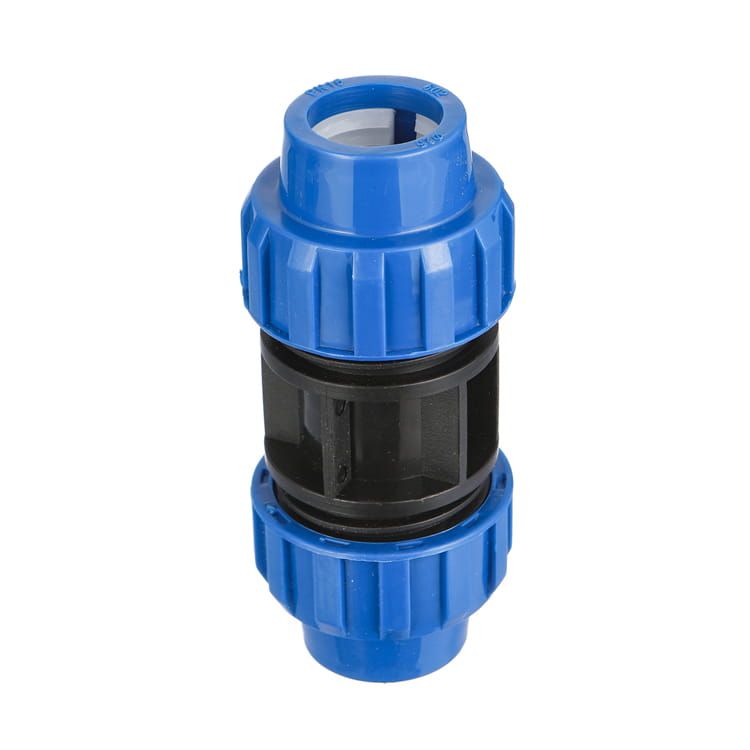
تقع الوصلات الميكانيكية ضمن نطاق ISO 4427-3 إلى جانب الأنواع الملحومة، وتنطبق عليها قواعد الوسم أيضًا.
قواعد الوسم وراء الحقول
ينظم المعيار أيضًا كيفية تطبيق الوسم، وهذه البنود مفيدة بهدوء أثناء الفحص. يجب أن يكون الوسم دائمًا ومقروءًا، ويُطبق بحيث لا يسبب شقوقًا أو أي فشل آخر. عند استخدام الطباعة، يجب أن يختلف لون المعلومات المطبوعة عن اللون الأساسي للمنتج. يجب أن يكون الوسم مقروءًا دون تكبير. ويجب ألا يكون هناك أي وسم فوق الحد الأدنى لطول الطرف الذكري للوصلة — المنطقة التي يتم كشطها ولحامها.
تلك القاعدة الأخيرة تمنحك اختبار فحص وارد رخيصًا لا يتطلب أي معدات. إذا كان الحبر موجودًا على الطرف الذكري حيث يجب أن تمسك الوصلة، فإن القطعة لم تُوسم وفقًا للمعيار الذي تدعيه. كما أن المعيار واقعي بشأن ما يحدث لاحقًا: فهو يلاحظ أن المصنع غير مسؤول عن الوسم الذي أصبح غير مقروء بسبب الطلاء أو الخدش أو التغطية أو المنظفات أثناء التركيب والاستخدام. لذا فإن الوسم الذي يحق لك الحكم عليه هو الوسم عند الوصول، وهو حجة لتصويره عند تفريغ الحاوية وليس عند أول شكوى.
استثناء مهم واحد.بالنسبة للوصلات المصنعة حسب الطلب، لا يحدد ISO 4427-3 الوسم إطلاقًا — تنص الفقرة 11.2 على أن الوسم "يُتفق عليه بين المصنع والمشتري". إذا كان أي جزء من طلبك مصنعًا حسب الطلب، فإن الوسم هو شرط تجاري يجب عليك كتابته، وليس متطلبًا يمكنك افتراضه. الموردون لا يقصرون في ذلك بتركه؛ فالمعيار يترك هذا القرار لك، والصمت يعني أنك رفضت اتخاذه.
قراءة سطر الحجم والضغط: dn، SDR، S، PN
العودة إلى خط المورد B، "dn 110 / S 5". المشتري الذي اعتاد على ترميز SDR يقرأ ذلك كقيمة غير معروفة ويسأل المورد عن ما يعادله. ليس عليه ذلك. يحدد ISO 4065، الجدول العالمي لسماكة الجدران لأنابيب اللدائن الحرارية، سلسلة الأنابيب S كرقم بلا أبعاد مرتبط بالقطر الخارجي الاسمي والسماكة الاسمية للجدار، وفقًا للمعادلة S = (SDR − 1)/2. الإصدار الحالي هو الثالث، ISO 4065:2018، والذي حل محل الإصدار الثاني لعام 1996.
احسبها: S 5 يعطي SDR = 2 × 5 + 1 = 11. خط المورد B "dn 110 / S 5" وخط المورد A "SDR11" هما نفس الهندسة. لقد حللت سؤال مواصفات دون رسالة بريد إلكتروني، والأهم من ذلك، أنك الآن تعرف أن العرضين قابلان للمقارنة على هذا المحور، وهو ما لم يخبرك به أي كتالوج.
| الترميز على الخط | ما هو | العلاقة |
|---|---|---|
| dn | القطر الخارجي الاسمي بالمليمتر | محور القياس المتري؛ مستقل عن سماكة الجدار |
| SDR | نسبة الأبعاد القياسية | SDR = 2S + 1 |
| S | سلسلة الأنابيب | S = (SDR − 1)/2، وأيضًا S = σs/PN |
| en | سماكة الجدار الاسمية | en = dn/(2S + 1) |
| PN | الضغط الاسمي بالبار | يتبع من S وإجهاد التصميم للدرجة |
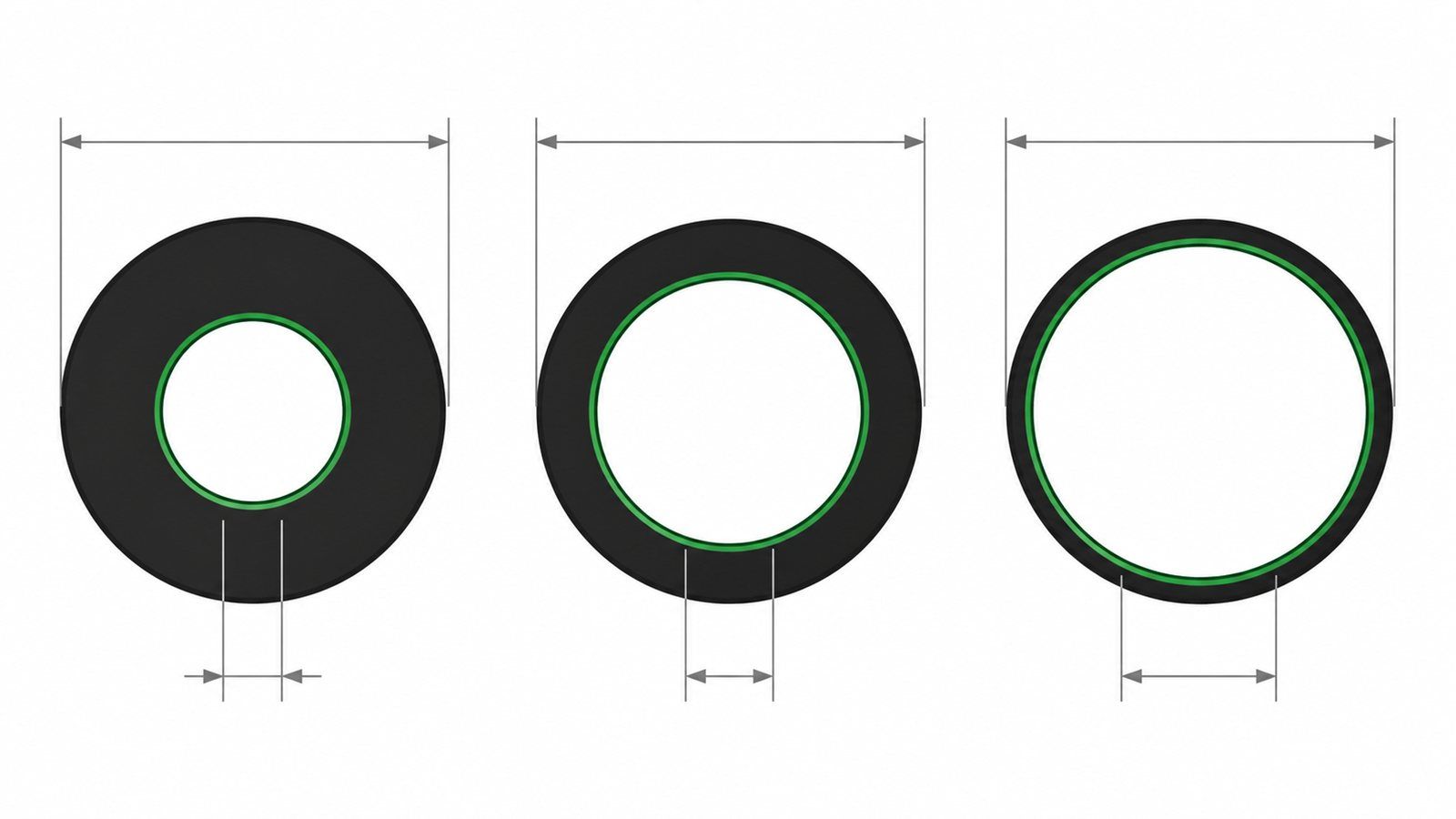
نفس القطر الخارجي، ثلاث سلاسل جدران: انخفاض SDR يعني جدارًا أكثر سماكة وتصنيف ضغط أعلى عند نفس الحجم الاسمي.
المعادلة الثانية في هذا الجدول هي التي تستحق الحفظ. يعرف ISO 4065 S على أنه حاصل قسمة إجهاد التصميم على أقصى ضغط تشغيل مسموح به: S = σs/PN. لهذا السبب يعطي نفس SDR تصنيفات ضغط مختلفة على درجات مختلفة — الهندسة ثابتة، وإجهاد التصميم ليس كذلك.
قطعة PE100 وقطعة PE80 عند نفس SDR ليستا مكافئتين، والكتالوج الذي يطبع SDR دون طباعة الدرجة قد أعطاك نصف مواصفة. مقارنتنا PE100 مقابل PE80 تغطي قيمة هذا الفرق عمليًا، ودليل أحجام أنابيب HDPE يحمل جدول SDR إلى الضغط الكامل إذا كنت بحاجة إلى البحث عن تركيبة محددة.
نظاما قياس لا يتحولان
خط المورد C "4 IPS DR11 PE4710" هو الفخ. هذا الخط مكتوب على المحور الأمريكي الشمالي، حيث تحدد ASTM F714 أنابيب PE بالقطر الخارجي في أنظمة DIPS وIPS والمتري، وتكتب نسبة الأبعاد DR بدلاً من SDR. أنبوب IPS 4 بوصة له قطر خارجي 114.3 مم، وليس 110 مم. النظامان غير قابلين للتبديل ولا يوجد حساب يحول قطعة بينهما — التركيبة المترية لن تلتحم بأنبوب IPS.
إذا كان مشروعك محددًا بوحدات مترية dn وجاء عرض واحد بوحدات IPS، فإن هذا المورد لم يقدم لك نسخة أرخص من نفس الشيء. لقد قدم لك شيئًا مختلفًا، وإذا تم لحامه في شبكة مترية فإن الوصلة هي نقطة الفشل. اسأل عن المحور الذي يستند إليه العرض قبل مقارنة أي سعر. يمكنك رؤية كيفية نشر النطاق المتري عادةً — الدرجات وسلاسل SDR وفئات الضغط مذكورة معًا — على موقعنا أنابيب ووصلات HDPE.
المجال الذي تدفنه معظم الكتالوجات: المقولب أو الملحوم
هنا عادةً ما تكون الأموال، وهو المجال الأكثر عرضة للغياب عن الخط الذي تقرأه.
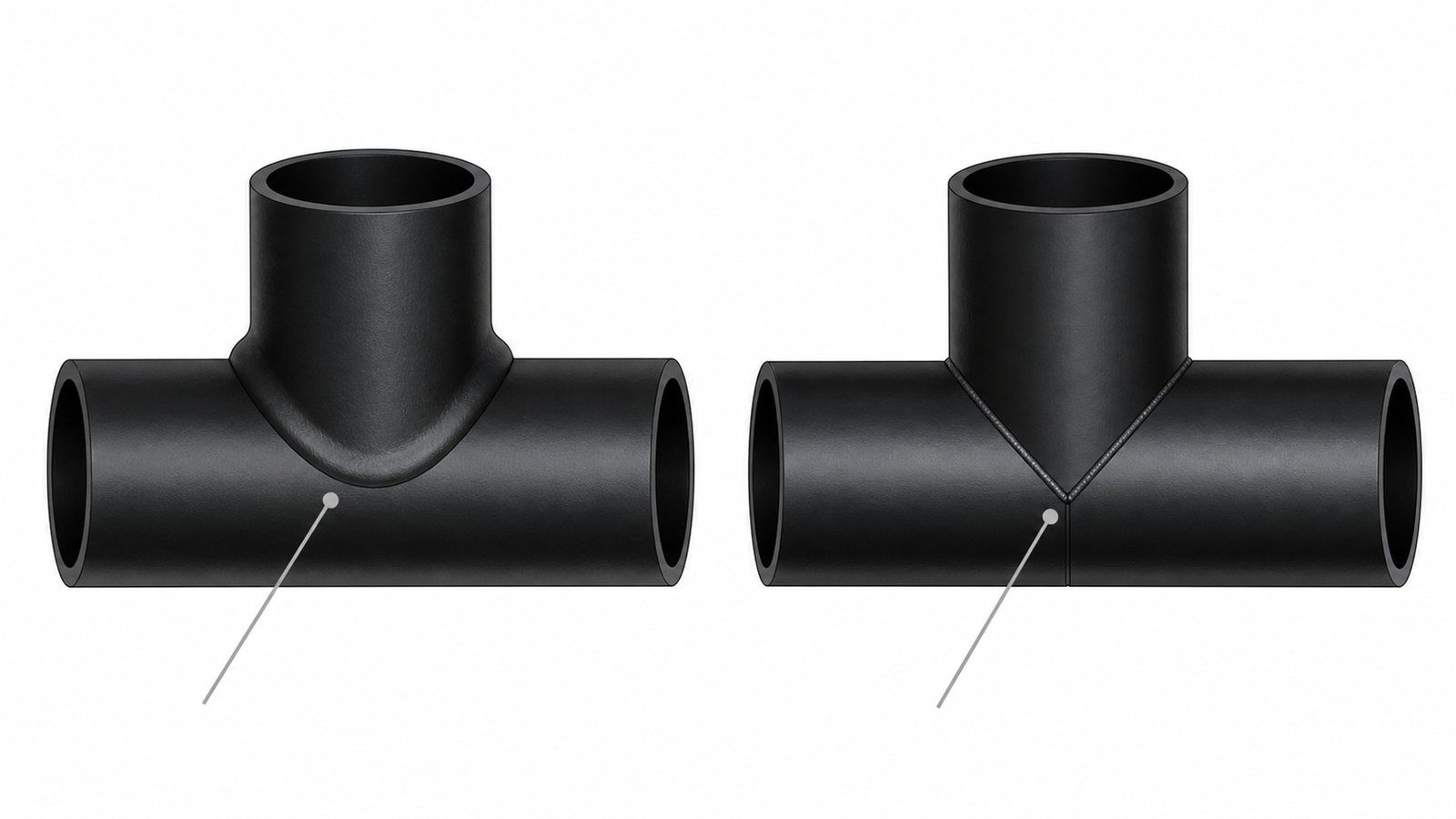
الوصلة المقولبة تُحقن بالقالب كقطعة واحدة، بسماكة جدار مصممة عند نقطة التقاء الإجهادات. أما الوصلة الملحومة فتُصنع من أطوال أنابيب تُقطع وتُلحم بالصهر الطرفي. كلاهما مشروع، وكلاهما ضمن نطاق ISO 4427-3، وبالنسبة للأقطار الكبيرة غالبًا ما يكون اللحام هو الخيار الاقتصادي الوحيد. لكنهما لا يحملان نفس الضغط، والمعيار صريح في ذلك.
الملحق B من ISO 4427-3، وهو معياري، ينص على أن تصنيف PN للوصلات الملحومة "يُشتق من PN للأنابيب المستخدمة وعوامل تخفيض الهندسة الواردة في B.3 و B.5". بمعنى آخر، تصنيف الضغط للوصلة الملحومة رقم محسوب، وليس موروثًا. الأنبوب الذي قُطعت منه لا يمنح تصنيفه للوصلة.
اللحامات المائلة والتقاطع غير المقوى على اليمين هما السبب في تطبيق المعيار لعامل التخفيض.
العوامل، وما تفعله في مقارنة الأسعار
بالنسبة لوصلات التي الملحومة من مقاطع أنابيب، يعطي الملحق B.5 القاعدة على النحو التالي: PN = fT × PNالأنبوب، حيث fT قيمتها 0.5. النصف. وصلة تي مجزأة ملحومة من أنبوب PN16 هي وصلة PN8.
بالنسبة للانحناءات المجزأة، يعطي الملحق B.3: PN = fB × PNالأنبوب، مع تحديد العامل بزاوية قطع المقاطع، وبحد أقصى 15 درجة.
| العنصر الملحوم | عامل التخفيض | من أنبوب PN16، تكون الوصلة |
|---|---|---|
| تي مجزأة | fT = 0.5 | PN8 |
| انحناء مجزأ، زاوية القطع ≤ 7.5 درجة | fB = 1.0 | PN16 |
| انحناء مجزأ، 7.5 درجة < زاوية القطع ≤ 15 درجة | fB = 0.8 | PN12.8 |
| انحناء منحني مشكل من الأنبوب | عادةً لا يوجد | PN16 |
لاحظ الصفين الأخيرين، لأنهما يمنعان هذه القصة من أن تكون عن تفوق الوصلات الملحومة. الانحناء المجزأ المقطوع بزاوية ضحلة بما فيه الكفاية يحمل تصنيف الأنبوب الكامل، والانحناء المنحني المشكل من الأنبوب بدلاً من تجميعه من مقاطع عادةً لا يحمل أي تخفيض — الملحق B.4 يقول ذلك مباشرة، مع مراعاة الاختبارات في الجدول B.1. المتغير هو الهندسة، وليس كلمة "ملحوم".
الآن أعدها إلى مقارنة العروض. المورد (أ) يقتبس وصلة تي مقولبة PN16. المورد (ب) يقتبس وصلة تي ملحومة، ويصفها بأنها "إنشاء أنبوب PN16"، وهي أرخص بنسبة ثلاثين بالمئة. إذا كانت تي (ب) مجزأة، فإن المعيار يصنفها PN8، وأنت لا تنظر إلى خصم — بل تنظر إلى جزء بنصف تصنيف الضغط للذي طلبته، في بند يكون فيه الفرع هو النقطة الأكثر إجهادًا في التجميعة. الثلاثون بالمئة حقيقية. وكذلك حقيقة أنه منتج مختلف.
ما الذي تطلبه، ولماذا المورد لديه بالفعل
لا يتعين عليك قبول ذلك على أساس الثقة، والطلب ليس إلزامًا. يتطلب الملحق B.1 أن "يتم تسجيل تصنيف الضغط بالإضافة إلى معامل التخفيض المطبق، f، في الملف الفني للشركة المصنعة"، ويجعل الشركة المصنعة مسؤولة عن إثبات المطابقة لتصنيف PN المعلن. المورد الذي يبني وفقًا للمعيار قد كتب الرقم بالفعل. سؤالك عنه يكلفه استرجاع مستند، وليس برنامج اختبار.
يخبرك نفس الملحق بما يجب أن يظهره تقرير الاختبار الحقيقي. ينطبق المتطلب الهيدروستاتيكي للوصلات المصنعة على معامل التخفيض على إجهاد الاختبار نفسه: بالنسبة لـ PE 100، 12,4 MPa × f عند 20 درجة مئوية لمدة 100 ساعة، و 5 MPa × f عند 80 درجة مئوية لمدة 1000 ساعة، على ثلاث عينات اختبار. إذا كان التقرير يذكر إجهادًا بدون تطبيق f عليه، فإما أن الوصلة لم يتم تخفيضها أو أن التقرير ليس هو التقرير الذي يطلبه المعيار.
تحذير إضافي من نفس البند: عندما تُصنع الوصلات المصنعة من أنابيب من SDR الأدنى التالي وتُشغل آليًا، قد تختلف العوامل عن قيم الملحق. اسأل عن العامل المعلن بدلاً من افتراض 0,5.
للموزعين ومشتري المشاريع الذين يحتاجون إلى عمود إضافي للمقارنة: تنشر IFAN نطاق HDPE الخاص بها بأقطار DN20–DN1600 في PE63/PE80/PE100، SDR 11/17/21/26، PN6.3–PN16، وتذكر منتجي الراتنج — Borealis و Hyosung و LG Chem. اطرح هذا السؤال الأخير على كل مورد في قائمتك واطلب من كل منهم شهادة الدفعة.
أي معيار كُتب الكتالوج وفقًا له، وأي إصدار
رقم المعيار على غلاف الكتالوج هو ادعاء حول كتاب القواعد الذي بُني المنتج وفقًا له. سنة الإصدار هي ادعاء حول ما إذا كان كتاب القواعد هذا لا يزال ساريًا. يتحقق المشترون من الأول ولا يتحققون أبدًا تقريبًا من الثاني، وهكذا تمر شهادة تستشهد بمستند مسحوب عبر المشتريات دون تحدٍ.
تحرك المعيار الأوروبي لوصلات PE. تم استبدال EN 12201-3:2011+A1:2012 بـ EN 12201-3:2024، المنشور في نهاية ديسمبر 2024 مع تصويب مدمج في نفس الشهر، والاعتماد البريطاني للإصدار الأقدم مدرج كمسحوب. إذا استشهدت شهادة المورد بإصدار 2011 اليوم، فهذا ليس بالضرورة منتجًا سيئًا — لكنه مستند يستحق سؤالًا، لأنه يخبرك متى تم تحديث أوراق المطابقة الخاصة به آخر مرة.
| المعيار | الإصدار الحالي | ما يغطيه |
|---|---|---|
| ISO 4427-3 | 2019 (الإصدار الثاني) | وصلات PE لإمدادات المياه والصرف الصحي تحت الضغط، دولي |
| EN 12201-3 | 2024، ليحل محل 2011+A1:2012 | وصلات PE، أوروبي؛ يشمل مقبس اللحام الكهربائي والسرج، نهاية اللسان، لحام المقبس، الوصلات الميكانيكية والمصنعة |
| ASTM D3261 | D3261-24 | وصلات PE باللحام التناكبي الحراري؛ يشمل المواد والأبعاد والوسم والضغط المستمر والانفجار |
| ASTM F714 | F714-25 | أنابيب PE بحجم خارجي (DR-PR)، DIPS، IPS ومتري 90 مم وأكبر |
| ASTM F1055 | مذكور للحام الكهربائي | المعيار التصنيعي الأمريكي لتسمية وصلات الانصهار الكهربائي |
تتبع قاعدتان عمليتان. أولاً، طابق المعيار مع نظام الاعتماد في السوق المستهدف بدلاً من أي معيار يفضّل المورّد ذكره — فالكتالوج المبني على ASTM هو المستند الصحيح لمشروع في أمريكا الشمالية والمستند الخاطئ لمناقصة تستخدم النظام المتري وسيتم فحصها وفق ISO أو EN. ثانيًا، إذا استشهد الكتالوج بكل من ISO وASTM في نفس الصفحة، تحقق من أن الأسطر الفردية لا تخلط بين المحاور، لأن المستند يمكن أن يكون صادقًا على الغلاف ومربكًا في الصفوف.
وحيثما يتطلب مشروعك موافقة مياه الشرب بالإضافة إلى معيار المنتج، فهذه شهادة منفصلة بنطاقها وتاريخ انتهائها الخاصين. دليلنا حول معايير أنابيب HDPE والاعتماد يغطي كيفية التحقق من ذلك.
تحويل الكتالوج إلى عرض أسعار يمكن مقارنته فعليًا
خذ الأسطر الثلاثة من أعلى هذه الصفحة وقم بتطبيعها بشكل صحيح. هذه هي الطريقة الكاملة في مثال عملي واحد، وتستغرق حوالي عشر دقائق لكل قائمة كميات بمجرد أن تقوم بها مرتين.
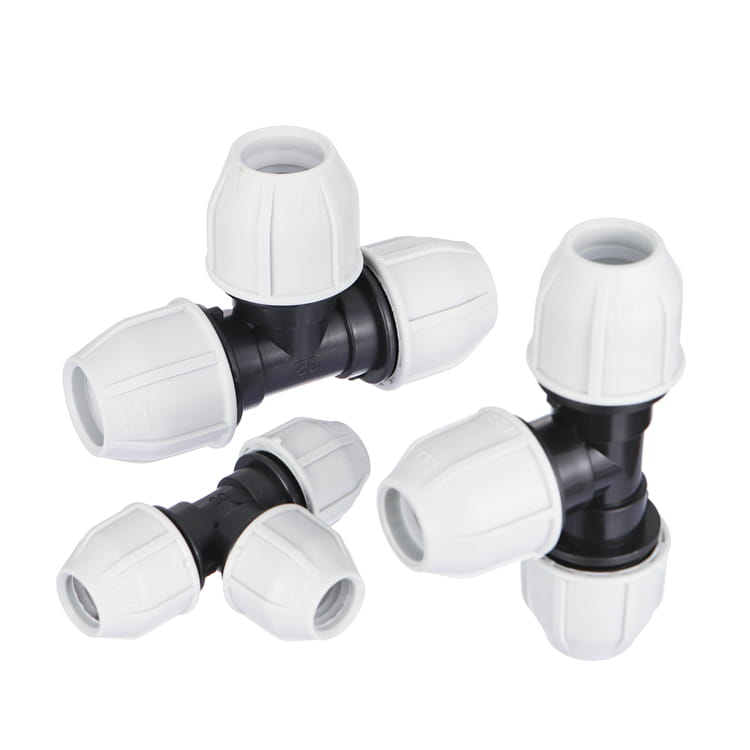
بند واحد، ثلاثة عروض أسعار: المقارنة لا تعني شيئًا إلا بعد توافق الحقول الخمسة.
تقييم العروض الثلاثة
المورّد أ — "محول T مقاس 110 مم، PE100 SDR11 PN16، مقولب".مكتمل. المحور المتري محدد، الدرجة محددة، سلسلة الجدار محددة، الضغط محدد، الطريقة محددة. يمكن مقارنة هذا البند.
المورّد ب — "dn 110 / S 5، محول T من PE100".S 5 يتحول إلى SDR11، لذا الهندسة تطابق أ. الدرجة تطابق. لكن لا توجد فئة ضغط مطبوعة ولا طريقة تصنيع مذكورة. حقلان مفقودان، وهما الحقلان اللذان يحددان ما إذا كان هذا هو نفس المنتج. إذا اتضح أنه مجزأ، فإن المحول يُقيَّم بنصف PN للأنبوب، ويُفسَّر ميزة سعر ب.
المورّد ج — "4 IPS DR11 PE4710".محور تحجيم مختلف. IPS 4 بوصة هو 114.3 مم قطر خارجي، وليس 110 مم. هذا ليس عرض أسعار منافسًا لنفس القطعة؛ إنه عرض لقطعة مختلفة لا يمكن دمجها في شبكة مترية. استبعده، أو أعد طرحه وفق المواصفة المترية.
النتيجة ليست أن أ يفوز. بل أن أ فقط يمكن تقييمه، وأن ب عليه الإجابة على سؤالين قبل أن يعني سعره شيئًا، وأن ج لم يكن في المقارنة أبدًا. معظم القيمة هنا تكمن في استبعاد المقارنات الخاطئة قبل وصولها إلى جدول بيانات — فالعرض الرخيص الذي يتبين أنه مواصفة مختلفة لا يوفر المال، بل ينقل التكلفة إلى الجزء الأكثر تكلفة من المشروع حيث يكون اكتشافها مكلفًا للغاية.
الحقول المطلوب تحديدها كتابيًا
أرسل هذه القائمة كصيغة مطلوبة لكل سطر مقتبس وستختفي مشكلة المقارنة إلى حد كبير:
- محور التحجيم والقطر— dn بالمليمترات أو IPS/DIPS بالبوصات، محددًا صراحةً، وليس فقط "4 بوصة" أو "110".
- سلسلة الجدار— SDR أو S. إذا أعطوا واحدًا، يمكنك اشتقاق الآخر.
- تسمية المادة — PE 80، PE 100 أو تصنيف خلايا ASTM، لأن SDR بدون درجة هو مواصفة ناقصة.
- تصنيف الضغط للوصلة — بالبار، للوصلة نفسها، وليس للأنبوب الذي تتصل به.
- طريقة التصنيع — مقولب، مُصنّع/مُجزأ، أو لحام كهربائي، مع معامل التخفيض المُعلن f إذا كان مُصنّعًا.
- نطاق لحام SDR — لكل عنصر لحام كهربائي، لأن الوصلة تلتحم فقط مع سماكات الجدار التي صُممت لها.
- المواصفة القياسية والإصدار — "EN 12201-3" غير مكتملة؛ "EN 12201-3:2024" هي ادعاء يمكنك التحقق منه.
- مواصفة الوسم للعناصر المُصنّعة — بما أن المواصفة تتركها للاتفاق، فاتفق عليها هنا بدلاً من اكتشافها عند التسليم.
الحقول التجارية التي لن يحملها الكتالوج
أربعة أمور تحدد ما إذا كان الطلب سيتم فعلاً، ولا ينتمي أي منها إلى مواصفة المنتج، لذا لن يجيب عنها أي كتالوج. اسأل عنها في نفس البريد الإلكتروني.
- الحد الأدنى للطلب. بالنسبة لأنظمة الأنابيب، يكون هذا منظمًا وليس رقمًا واحدًا، ويختلف حسب المورد وعدد القوالب التي يجب أن يمر بها مزيج المقاسات. البنية أكثر أهمية من الرقم: اسأل ما إذا كان الحد الأدنى لكل بند أو لكل حاوية، وما إذا كانت المقاسات المختلطة تُحتسب ضمنه، وما إذا كانت المواد المختلطة — خط رئيسي PE مدفون، رافعات داخلية، صمامات نحاسية — يمكن أن تتقاسم الحمل. مورد مادة واحدة يقول لا، وهذه الإجابة تحرك تكلفتك النهائية أكثر من سعر وحدته.
- أساس السعر. أسعار وصلات البولي إيثيلين تتبع الراتنج، والعروض تتغير. ما يهم أكثر من الرقم هو ما يحركه ومدة صلاحيته: أي درجة، أي SDR، مقولب أو مُصنّع، ما هو حد الكمية، وفترة صلاحية العرض. السعر بدون صلاحية معلنة ليس سعرًا، بل مؤشر.
- المهلة الزمنية. اطلب الإنتاج والشحن بشكل منفصل، واسأل ما الذي يغير كلًا منهما — مزيج مقاسات يغطي قوالب متعددة يتصرف بشكل مختلف عن مقاس واحد عالي الحجم. دليلنا لتسعير أنابيب HDPE يتناول ما يحرك الرقم النهائي.
- أخذ العينات والتحقق. قبل أول حاوية، اطلب عينات من العناصر المحددة التي لست متأكدًا منها، وتقارير الاختبار المطابقة لها — للعناصر المُصنّعة، تقرير الهيدروستاتيكي وفق الملحق B مع تطبيق معامل التخفيض. اتفق على ما يحدث إذا وجد الفحص الوارد وسمًا لا يطابق المواصفة المتفق عليها، لأن هذا البند سهل الكتابة قبل الطلب ومستحيل بعده.
للمستوردين والمقاولين المستعدين للعرض: أرسل الحقول الثمانية أعلاه وسنجيب عليها سطرًا بسطر كتابيًا، بما في ذلك معامل التخفيض المُعلن ومواصفة الوسم المتفق عليها لأي عنصر مُصنّع. تختبر IFAN في مختبر داخلي معتمد من CNAS وتصدر شهادة مواد لكل شحنة — اطلب منا كلاهما، ثم اطلب من الجميع في قائمتك نفس الوثيقتين.
المواصفة التي لم تكتبها هي التي ستختلف عليها في أسوأ لحظة ممكنة: تفريغ الحاوية، التركيبات في الموقع، والفريق بدأ العمل. سيكون موقف المورد أنه شحن ما تم طلبه، وعادة ما يكون محقًا — لأن الطلب كان صامتًا. قضاء عشر دقائق في جعل ثلاثة عروض أسعار قابلة للمقارنة هو أرخص نقل للمخاطر متاح في شراء الأنابيب، وكل ذلك يحدث قبل أن تلتزم بفلس واحد.
الأسئلة الشائعة
ما المعلومات التي يجب أن تظهر على تركيبات HDPE؟
يتطلب ISO 4427-3 الجدول 8 ستة عناصر على كل تركيبة: رقم المعيار، تعريف الشركة المصنعة، معلومات التتبع، القطر الاسمي مع سلسلة الأنبوب أو SDR، تسمية المادة، وتصنيف الضغط بالبار. عنصران إضافيان ينطبقان بشكل مشروط — درجة التسامح على تركيبات السبجوت من dn 280 مم، ونطاق الانصهار SDR على تركيبات الانصهار الكهربائي.
هل نفس تصنيف الضغط للتي المصنعة مثل الأنبوب الذي صنعت منه؟
لا. يعطي ISO 4427-3 الملحق B.5 PN = fT × PNالأنبوب مع fT = 0,5 للتي المجزأة، لذا فإن تي مصنوع من أنبوب PN16 يصنف PN8. اسأل المورد عن عامل التخفيض المعلن، والذي يتطلب المعيار منه تسجيله.
ماذا يعني "dn 110/S 5" في سطر الكتالوج؟
يعني قطرًا خارجيًا اسميًا 110 مم في سلسلة الأنابيب 5. يعرف ISO 4065 S = (SDR − 1)/2، لذا فإن S 5 هو SDR 11. السطر الذي يذكر S والسطر الذي يذكر SDR يمكن أن يصفا نفس الهندسة تمامًا.
هل يمكنني مقارنة عرض أسعار بالقطر المتري dn مع عرض أسعار IPS؟
ليس مباشرة. إنهما نظاما قياس منفصلان: IPS 4 بوصة هو 114.3 مم قطر خارجي مقابل 110 مم متري، ولن تندمج الأجزاء مع بعضها البعض. حدد المحور الذي تم تحديد المشروع عليه وأعد المناقصة لأي شيء تم تسعيره على المحور الآخر.
هل لا يزال EN 12201-3:2011+A1:2012 ساريًا؟
لا. تم استبداله بـ EN 12201-3:2024، الذي نُشر في ديسمبر 2024. الشهادة التي تستشهد بإصدار 2011 تقتبس وثيقة مسحوبة وتستحق سؤالًا حول متى تم تحديث أوراق المطابقة الخاصة بالمورد آخر مرة.
لماذا يكون لتركيبتين من PE بنفس SDR تصنيفات ضغط مختلفة؟
لأن SDR يحدد الهندسة، وليس القوة. يعطي ISO 4065 S = σs/PN، لذا فإن الضغط يتبع إجهاد التصميم للدرجة. تركيبة PE 100 وتركيبة PE 80 بنفس SDR ليستا جزءين متكافئين.