
PPR vs PPRC Pipe: The Difference, and What to Actually Order
The PPR vs PPRC question is one of the most misread specs in plumbing procurement. PPRC is not a superior product — it is the same PP-R material, and the C simply names the copolymer chemistry every PP-R Type 3 pipe already uses. The comparison that actually changes what you order is plain PP-R vs fiberglass-composite PP-R vs the newer PP-RCT.
Ask ten suppliers the difference between PPR and PPRC pipe and you'll get ten answers, half of them wrong. Here's the part that clears up most of the confusion: PPRC and PPR are the same base material. The "C" stands for Copolymer — PPRC is just the longer way of writing PP-R, polypropylene random copolymer. The product you think you're comparing is, in most catalogs, the same plastic under two names.
Where buyers actually get burned is a different split: plain PP-R versus the fiberglass-composite pipe versus PP-RCT. Those are real, physical differences that change how a pipe behaves on a long hot-water riser — and they're the comparison your project should be making instead of chasing a naming distinction that doesn't exist.

Key Takeaways
- PPRC = PP-R. The "C" means Copolymer. They are the same random-copolymer material, not two grades.
- The comparison that matters: plain PP-R vs fiberglass-composite PP-R vs PP-RCT.
- Random copolymer adds 3-5% ethylene to the propylene chain — that's what gives PP-R its toughness and -10°C to 95°C range.
- A fiberglass middle layer cuts thermal expansion to roughly a third of plain PP-R, so long hot runs sag and stress joints far less.
- PP-RCT holds higher pressure at high temperature — built for hot risers and heating, not a must for normal taps.
- All three weld with the same fittings and the same heat-fusion process.
PPRC vs PPR: Same Material, Two Names
PP-R stands for polypropylene random copolymer. Some markets — South Asia and the Middle East especially — write it as PPRC or PPR-C, spelling out the Copolymer. It's a labeling habit, not a separate product. When a price list shows "PPR" on one line and "PPRC" on another at different prices, you're almost always looking at different pressure classes or a plain pipe versus a composite pipe, not a different polymer.
The reason the copolymer part matters: plain polypropylene homopolymer (PP-H) is stiff but turns brittle in the cold and can't take repeated hot cycles. Random copolymer fixes that by inserting roughly 3-5% ethylene units randomly along the propylene backbone. That small change disrupts the crystal structure, and the pipe gains the impact resistance and thermal tolerance that make PP-R usable for hot water at all. So the "C" you're paying attention to is exactly the thing that makes the pipe good.
The Comparison That Actually Matters
Forget the spelling. Three real options sit on a typical PP-R catalog, and they behave differently on the wall and under heat.
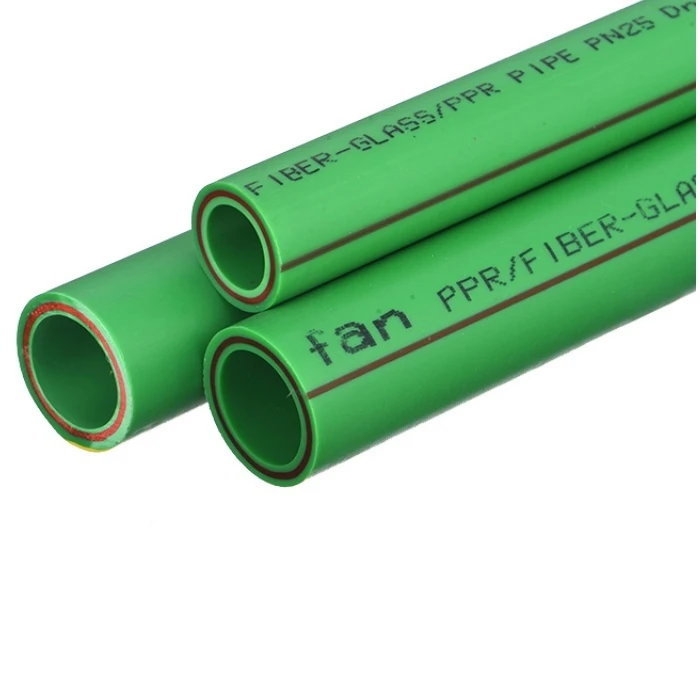
- Plain PP-R: a single homogeneous green wall. Cheapest, easiest to weld, fine for most cold and standard hot-water lines.
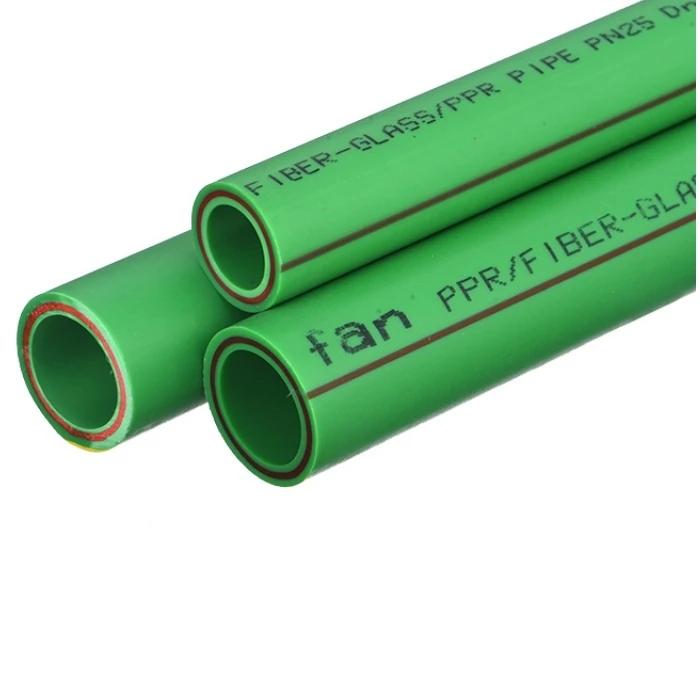
- Fiberglass-composite PP-R: a three-layer wall with a glass-fiber middle layer (the red or coloured stripe you see at a cut end). It expands far less when heated.
- PP-RCT (raised temperature): a modified crystal structure that keeps more pressure capacity at high temperature, so you can run thinner walls or higher heat.
| Type | Wall | Thermal expansion | Best for |
|---|---|---|---|
| Plain PP-R | Single layer | Highest | Cold lines, standard hot taps |
| Fiberglass composite | 3-layer, glass-fiber core | ~1/3 of plain PP-R | Long hot runs, exposed risers |
| PP-RCT | Single or composite | Low (composite versions) | Hot risers, heating, higher pressure |
The fiberglass layer is the one that earns its keep on real jobs. A bare PP-R hot line can grow noticeably over a long run as it heats, pushing on elbows and brackets; the glass-fiber version barely moves. For a tall building's hot riser, that difference decides whether the system stays quiet or starts creaking and stressing joints. PP-RCT, standardized alongside PP-R in the Plastics Pipe Institute's PP-R / PP-RCT material family, goes a step further for high-temperature pressure duty.
Temperature and Pressure: What Each Handles
PP-R in all these forms works across roughly -10°C to 95°C, with continuous service around 70°C and short peaks higher. That's the headline that makes it a hot-water material. Homopolymer PP-H, by contrast, tops out lower and goes brittle in the cold — which is why you don't want a "PP" pipe that isn't the random copolymer.
Pressure capacity drops as temperature rises for every plastic pipe — that's the real reason PN ratings exist. A PN20 pipe rated 20 bar at 20°C carries much less at 70°C. PP-RCT's value is that it holds more of its pressure rating at those high temperatures, so a designer can specify a thinner wall or push a hotter system without dropping to metal. For a normal cold-and-hot domestic install, plain PP-R already has the margin you need.
Which One to Order for Your Project
Match the pipe to the duty, not to the name on the invoice. The right call is usually simpler than the marketing suggests.
Most residential and light-commercial work
Plain PP-R in the right PN class covers it. Cold supply, kitchen and bathroom hot lines, short runs — you don't need to pay for fiberglass or PP-RCT here, and you keep welding dead simple.
Long or exposed hot-water runs
Go fiberglass-composite. Tall risers, rooftop solar hot-water loops, anything where a hot line runs long and visible — the reduced expansion keeps brackets, elbows and the wall finish from taking the strain. This is where buyers who specified plain pipe to save money end up with callbacks.
High-temperature or higher-pressure systems
Consider PP-RCT. District heating, demanding hot loops, or designs that want a thinner wall at high temperature lean this way. For most import markets it's a niche line — order it when the project's engineer specifies it, not by default.
How This Affects Your Sourcing
Because all three weld with the same heat-fusion process and the same fittings, mixing them on one job is fine — you can run plain PP-R on cold lines and fiberglass on the hot riser without changing tools. What you can't mix is material quality: every type still has to be genuine random copolymer, not recycled blend, or the welds drift. Ask for the material certificate per batch regardless of which type you order.
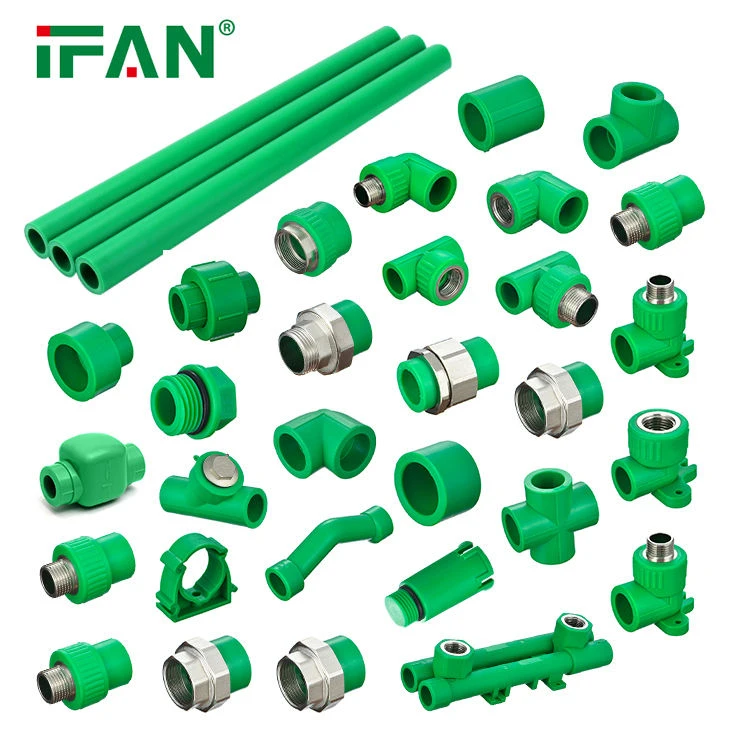
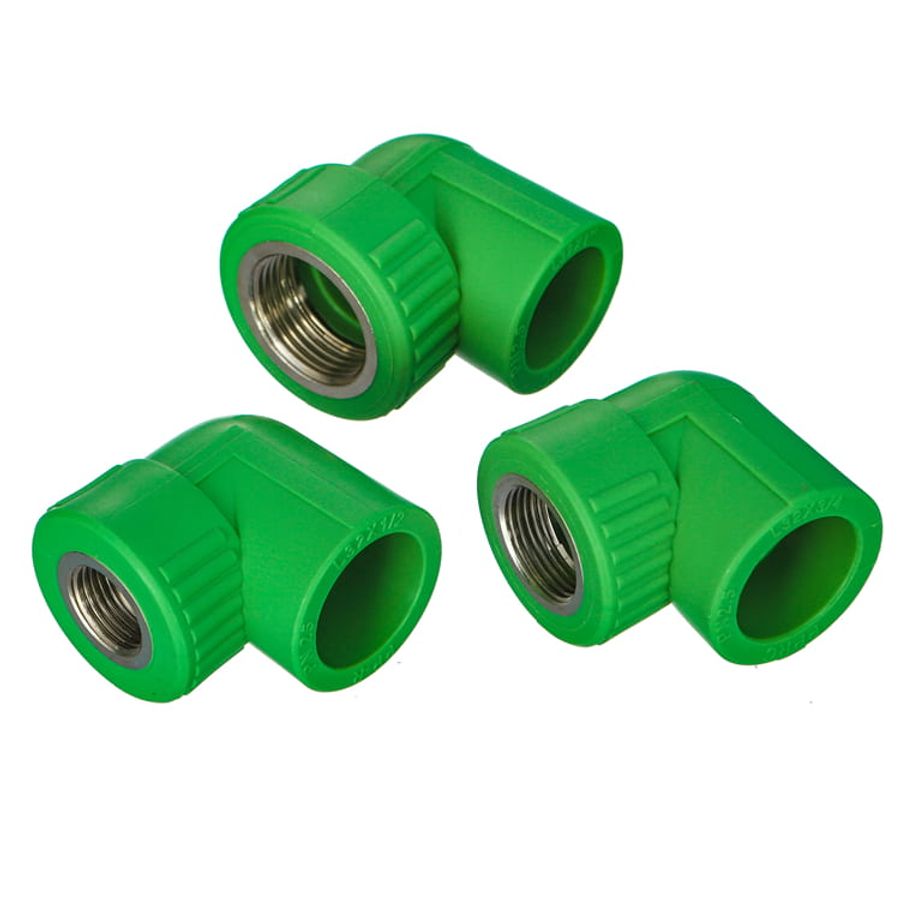
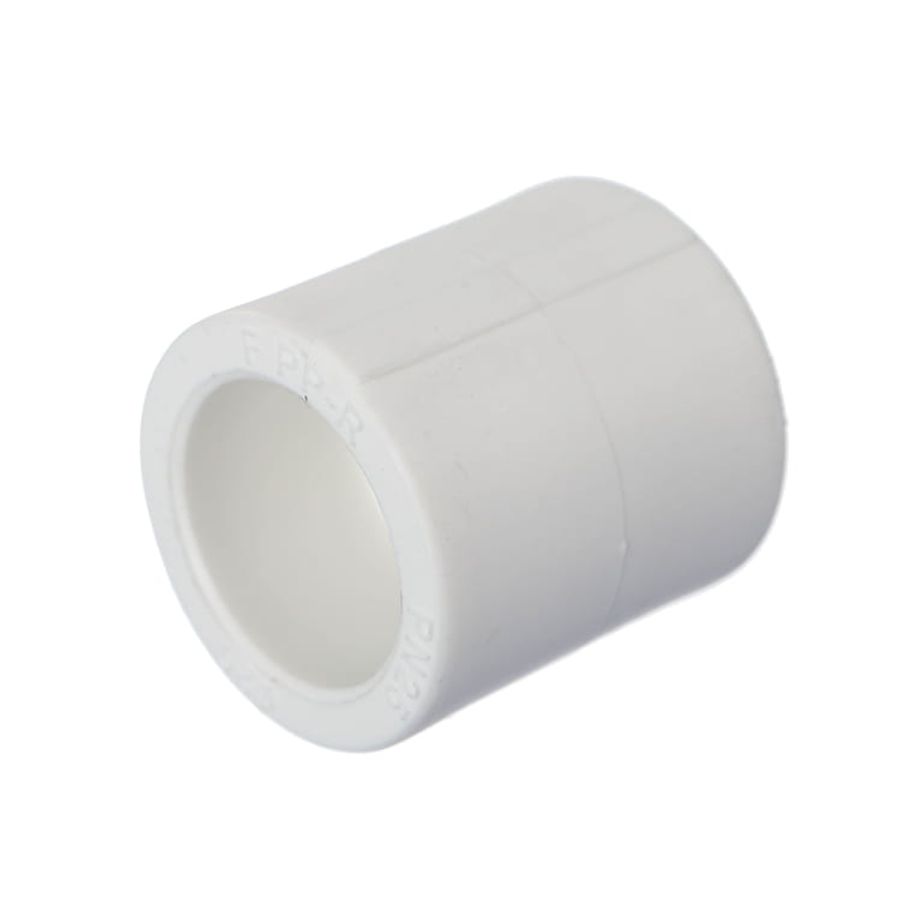
The fittings side is where most sizing and compatibility mistakes happen, whichever pipe you pick. If you're building an order list, the breakdown of which fittings to stock and how they have to match your pipe is covered in the complete PPR fittings guide.
Conclusion
PPR and PPRC are the same material — the question that actually affects your project is plain PP-R versus fiberglass-composite versus PP-RCT, and that comes down to how hot and how long your runs are. Get that right and you avoid both overpaying for composite where you don't need it and under-speccing a riser that then expands and stresses its joints.
When you build your spec, tell your supplier the duty rather than just the name, and confirm the material certificate on whatever type you order. From there it's the same fittings and the same fusion — the simple part.
Frequently Asked Questions
Is PPRC the same as PPR?
Yes. PPRC is just another way to write PP-R — the "C" stands for Copolymer. They are the same polypropylene random copolymer material, not two different grades.
Is PPRC pipe better for hot water than PPR?
They're the same material, so neither is inherently better. For hot water the real upgrade is a fiberglass-composite version, which expands far less on long hot runs than a plain single-layer pipe.
What is the difference between PP-R and PP-RCT?
PP-RCT has a modified crystal structure that holds more pressure capacity at high temperature. It suits hot risers, heating and higher-pressure systems; standard PP-R is enough for normal cold and hot taps.
Do PPR, PPRC and fiberglass pipe use different fittings?
No. All of them join with the same PP-R fittings and the same heat-fusion process, so you can mix plain and composite pipe on one job without changing tools or fittings.
What temperature can PPR pipe handle?
PP-R works across roughly -10°C to 95°C, with continuous service around 70°C. Pressure capacity falls as temperature rises, which is what the PN rating accounts for.