

Brass Valves & Manifolds
The command centers of your fluid infrastructure. IFAN's heavy-duty brass valves and intricate manifold systems grant precision control, failsafe isolation, and perfectly balanced thermal distribution.
The
Brass Standard.
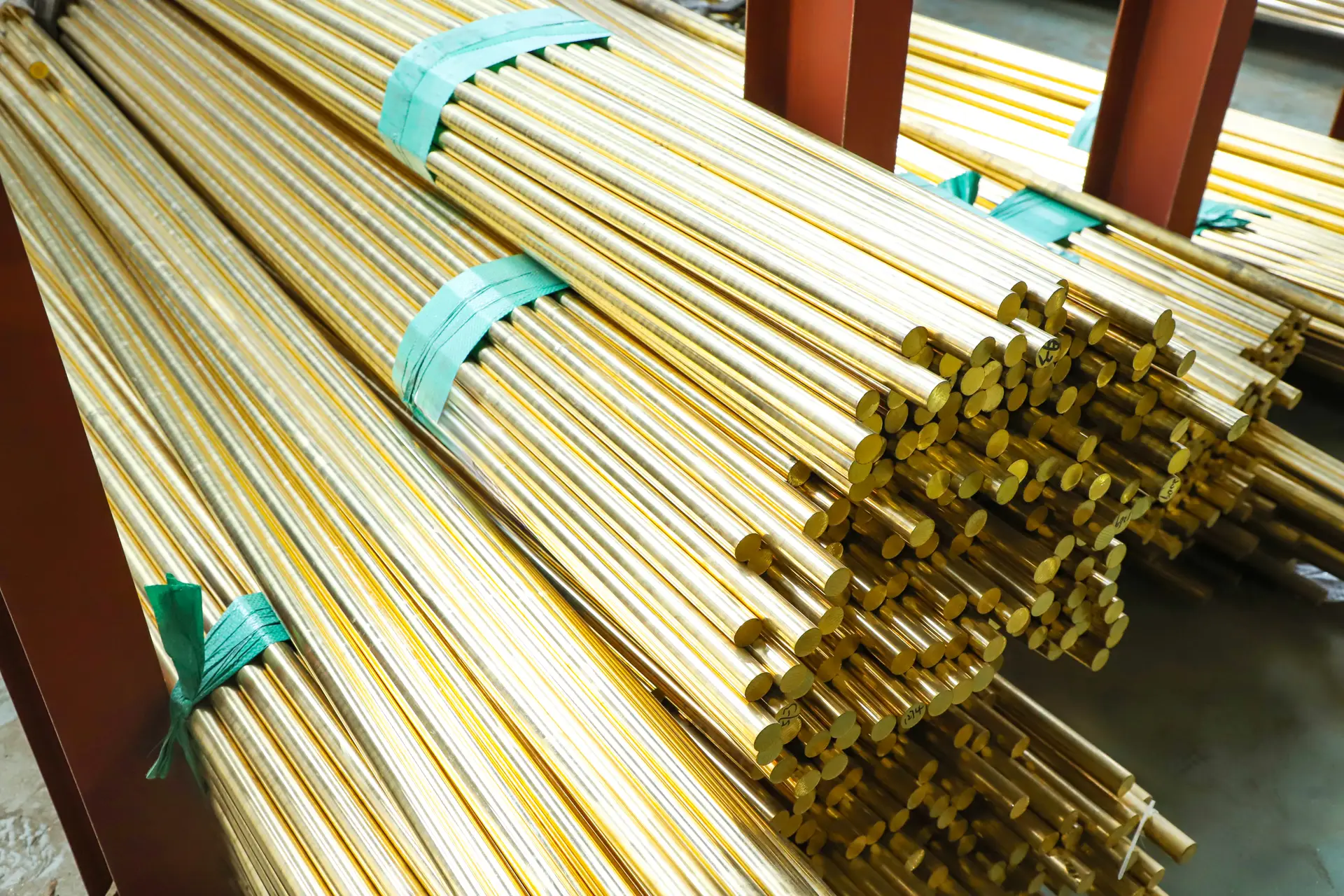
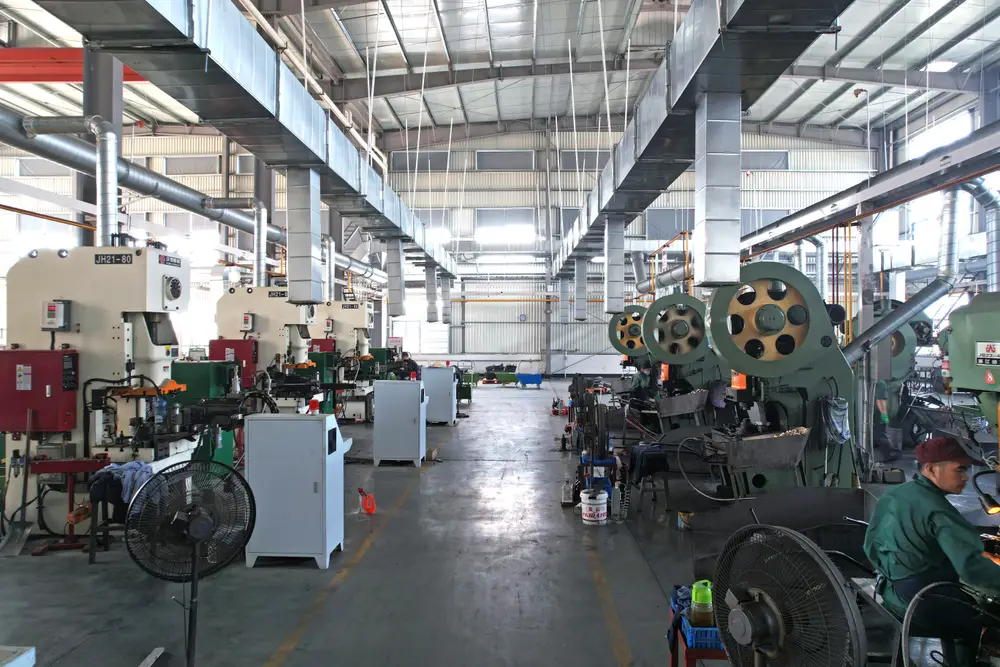
Every component is engineered to outlast industry benchmarks. Manufactured from 100% virgin-grade raw materials under rigorous ISO 9001 standards.
View Full Specifications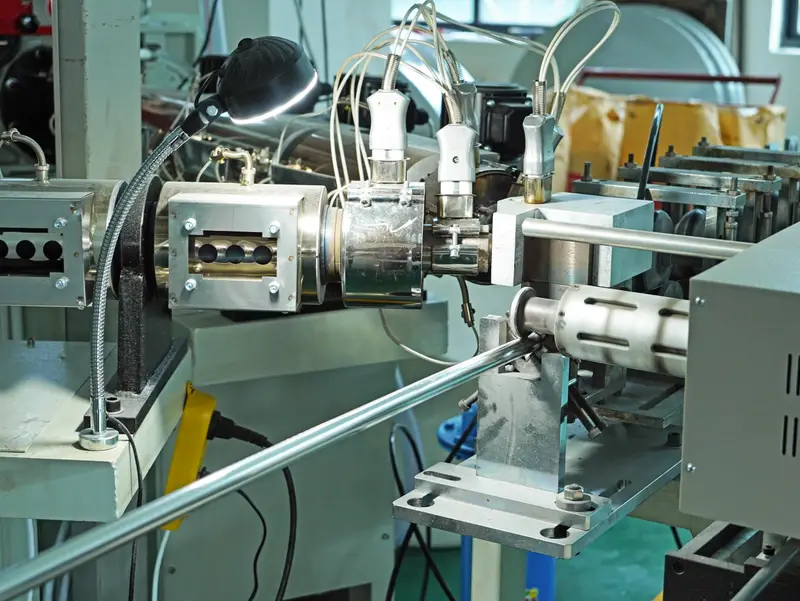
Signature Component
30+ Years
Manufacturing Excellence
100% Quality
Rigorous ISO 9001 Testing
50-Year
Lifespan Guarantee
Global Scale
Exporting to 120+ Countries
Absolute Control Over Pressure and Flow.
Our manufacturing process ensures every component exceeds international pressure, thermal, and chemical resistance standards.
100% Virgin Raw Materials
Zero recycled impurities. Every batch uses globally-verified, premium-grade polymers and alloys with full traceability.
Real-Time Factory QA
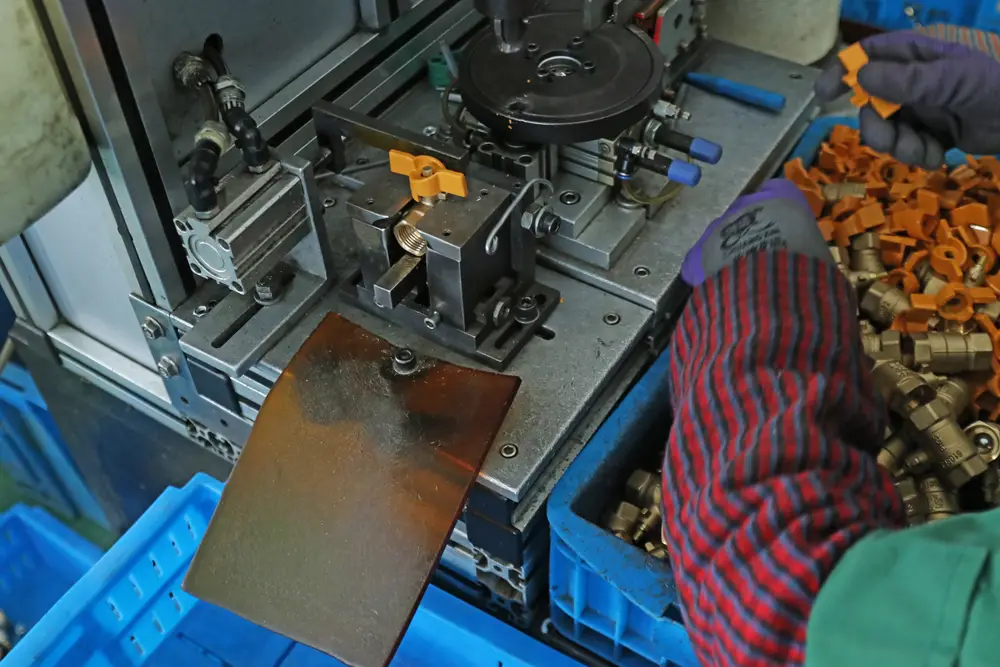
CNAS-certified lab testing on every production batch. Hydrostatic, thermal, and impact tests before any shipment leaves our facility.
Zero-Tolerance Sealing & Dynamic Balance
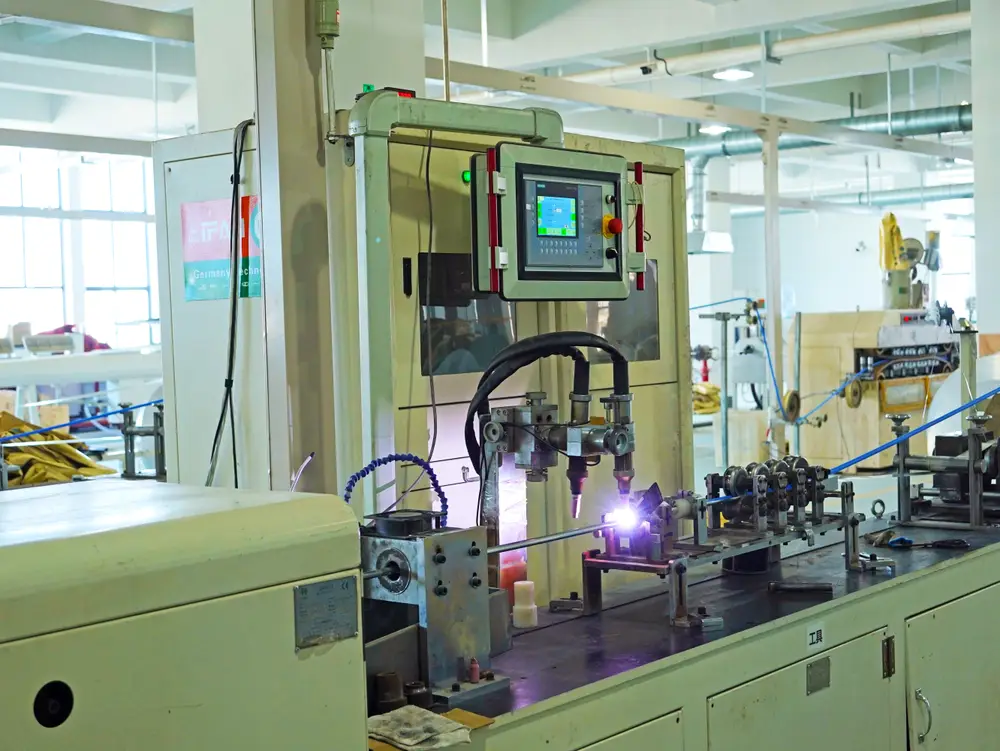
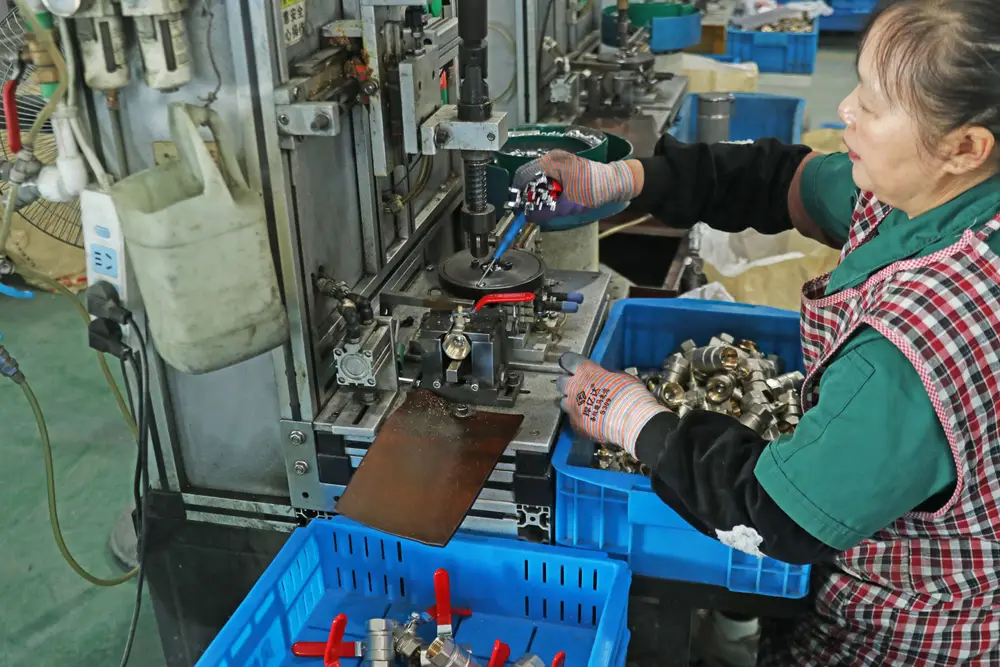
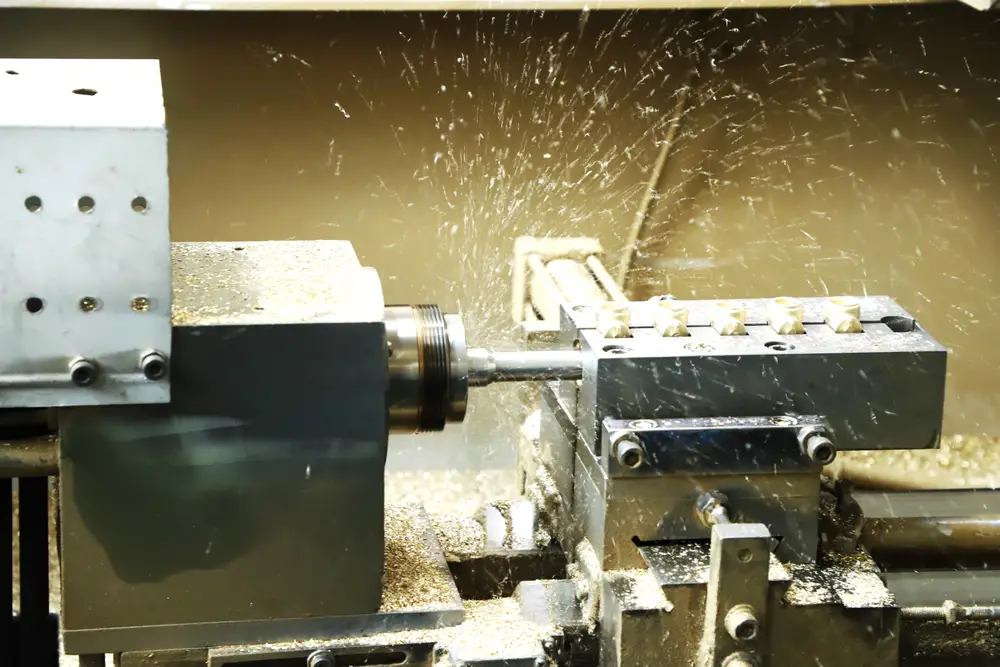
Crafted via precision hot-forging with PTFE seals and explosion-proof stems. Our valves maintain total structural integrity under extreme PSI spikes. Our manifolds feature microscopic flow-adjustment meters for precise thermal distribution.
Architectural & Industrial Control
Deployed in high-rise mechanical rooms, premium residential heating distribution hubs, and industrial isolation points. Wherever fluid needs to be stopped, split, or perfectly measured.
Brass
Showcase.
Brass Valves: What IFAN Manufactures
A valve is the cheapest component in a plumbing system and the most expensive one to replace. It sits inside a wall or under a floor, it is expected to seal after years of never being touched, and when it fails the cost is the demolition around it rather than the part itself.
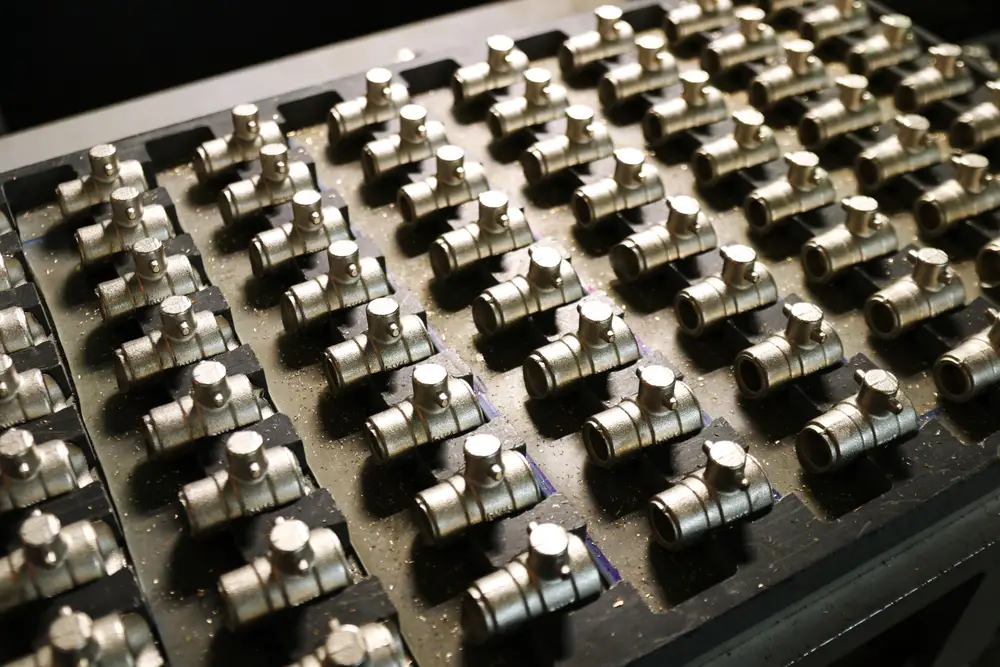
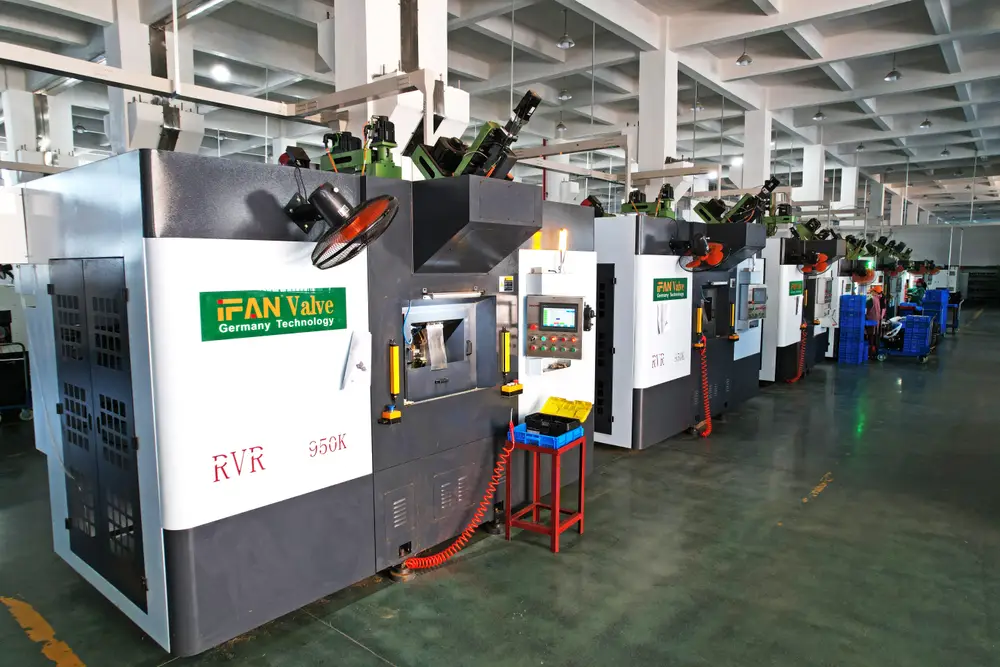
IFAN manufactures the full brass small-bore range in-house: ball valves from DN8 to DN100 in PN16, PN25 and PN40, gate valves from DN15 to DN50, plus manifolds, angle valves and plumbing brass. All bodies are CW617N. We produce both forged and cast bodies, with cold forging done in-house rather than bought in.
The valve range is stocked year-round with no minimum order and roughly a ten-day lead time. That is deliberately different from the extrusion lines, which are made to order on a 45-day cycle — it means valves can be added to a pipe container without holding up the shipment.
CW617N: Why the Alloy Designation Is the Whole Specification
'Brass' is not a specification. It is a family of copper-zinc alloys whose behaviour under pressure, temperature and potable water varies enormously with composition. The designation that matters for general plumbing valves is CW617N, or CuZn40Pb2 — roughly 57 to 59 percent copper, about 40 percent zinc, and 1.6 to 2.5 percent lead, which is what makes it machine cleanly enough to hold a sealing thread.
Two failure modes drive the choice, and CW617N addresses neither. The first is dezincification: in soft or aggressive water, zinc leaches out and leaves a porous copper skeleton that crumbles under pressure. Resisting it takes a DZR grade — CW602N, an arsenical brass. The second is lead migration, which water authorities and customs laboratories test on arrival. The US caps wetted surfaces at a 0.25 percent weighted average, so a 2 percent leaded brass does not qualify and the body has to be a lead-free alloy instead.
Neither failure is visible on inspection. A valve that fails on either count looks identical to one that passes, which is why the material certificate is the document to insist on. IFAN states CW617N on the certificate for every batch. Tell us the water chemistry and the destination market and we will say plainly whether that grade is the right one for the job.
Forged vs Cast: What Changes Inside the Body
In casting, molten brass fills a mould and solidifies. Shrinkage during cooling can leave microscopic voids inside the wall — porosity that a pressure test at low pressure will not find, but that becomes a leak path under thermal cycling or a surge.
In hot or cold forging, solid brass is deformed under pressure. The grain structure follows the shape of the part instead of being randomly oriented, and there is no solidification shrinkage to leave voids. The result is a denser body with better resistance to over-torque during installation, which is the most common way a valve is damaged before it ever carries water.
Casting is not inferior for every part — complex internal geometries are impractical to forge, and tooling cost is lower. IFAN produces both and cold-forges the forged range in-house, so the choice can be made on the duty rather than on what the supplier happens to have.
IFAN Brass Valve Specification
Confirmed manufacturing and supply specification for the brass valve range.
| Specification | Value |
|---|---|
| Body material | CW617N (CuZn40Pb2) hot-forging brass |
| Body construction | Forged and cast; cold forging in-house |
| Ball valve range | DN8 – DN100 in PN16 / PN25 / PN40FF, FM, MM and double-union connections; lever and butterfly handles |
| Gate valve range | DN15 – DN50, threaded ends |
| Thread standards | BSP or NPT |
| Certifications | CE, ACS, WRAS, SASO, potable-water approvals |
| Quality system | ISO 9001:2015, ISO 14001:2015, ISO 45001:2018 |
| Minimum order | None on the brass valve range |
| Lead time | ≈10 days — stocked year-round |
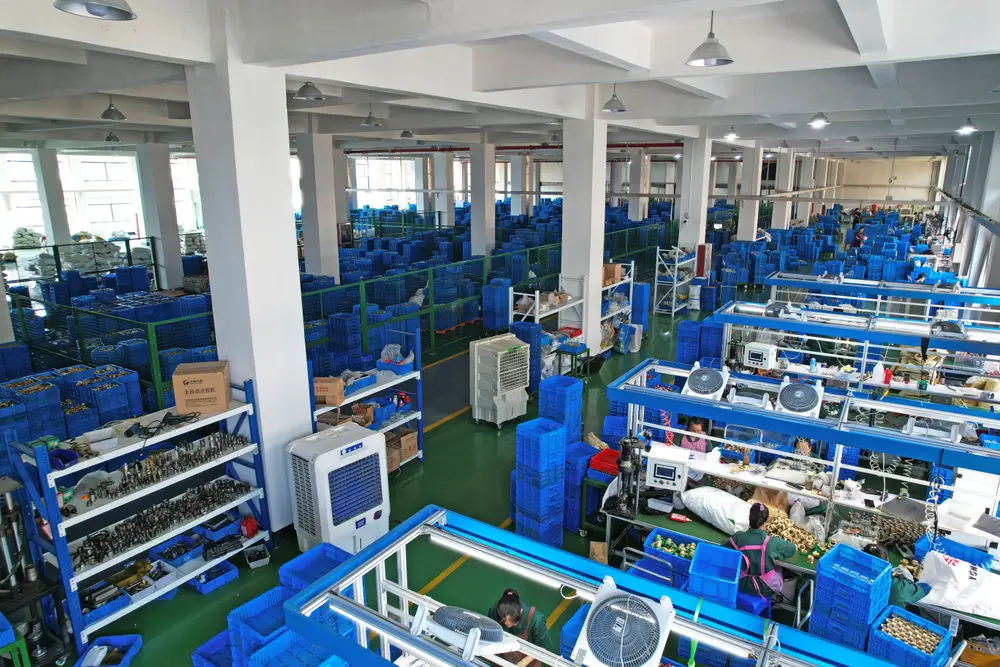
| Manufacturing site | 120,000 m² facility, Zhuji, Zhejiang, ChinaIn operation since 1993; Chinese National High-Tech Enterprise |
| In-house testing | CNAS-accredited laboratory |
| Channel | B2B wholesale only — no direct-to-consumer sales |
Ball Valve vs Gate Valve for Small-Bore Isolation
IFAN produces both, so this is about duty rather than upsell.
| Criterion | IFAN | Gate valve |
|---|---|---|
| Operation | Ball: quarter turn, position visible from the handle | Multi-turn, position not visible without counting |
| Sealing after long idle periods | Ball: PTFE seats stay serviceable; the usual choice for isolation | Seat can stick or scale; classic cause of a valve that will not close |
| Pressure drop when open | Ball: full-bore options give near-zero drop | Low, but wedge and seat still intrude slightly |
| Throttling | Ball: not suited — partial opening erodes the seat | Tolerates partial opening better, though not designed for it |
| IFAN range | DN8 – DN100, PN16 / PN25 / PN40 | DN15 – DN50, threaded |
Where IFAN Brass Valves Are Specified
Potable water isolation
Riser, branch and appliance isolation where the alloy and the drinking-water approval decide whether the installation passes inspection.
Heating and manifold systems
Manifold isolation and balancing on underfloor heating circuits, matched dimensionally to our PE-RT and PEX floor-heating range.
Distributor stock lines
No MOQ and a ten-day lead time make the range practical to hold as stock rather than order against a project.
Export markets with specific approvals
CE, ACS, WRAS and SASO across the same range, so one supplier covers the EU, France, the UK and Saudi Arabia without changing manufacturer.
Certifications and Testing
Only certifications currently held are listed. Certificate numbers are published as they are confirmed.
- CE
- European conformity marking
- ACS
- French potable-water sanitary conformity
- WRAS
- UK Water Regulations Advisory Scheme
- SASO
- Saudi Standards, Metrology and Quality Organization
- ISO 9001:2015
- Quality management system
- ISO 14001:2015
- Environmental management system
- ISO 45001:2018
- Occupational health and safety management
- SGS
- Third-party inspection and testing
- CNAS
- In-house laboratory accreditation
Brass Valve Sourcing FAQ
CW617N (CuZn40Pb2) is the European designation for a hot-forgeable brass — roughly 57–59 % copper, about 40 % zinc and 1.6–2.5 % lead, which is there for machinability. It is the standard body material for general plumbing valves in Europe, but it is neither lead-free nor dezincification-resistant. Aggressive water calls for a DZR grade such as CW602N; markets with a lead limit — the US caps wetted surfaces at a 0.25 % weighted average — call for a genuinely lead-free alloy. Ask any supplier to state the alloy, not just 'brass'.
Forging aligns the grain structure and eliminates the porosity that casting can leave, so a forged body handles pressure cycling and over-torque better. Cast bodies allow more complex shapes at lower tooling cost. IFAN produces both, with cold forging in-house for the forged range.
Brass ball valves run DN8 to DN100 in PN16, PN25 and PN40, with FF, FM, MM and double-union connections, in BSP or NPT threads. Brass gate valves run DN15 to DN50 with BSP or NPT threaded ends. All in CW617N brass.
CE, ACS, WRAS, SASO and potable-water approvals, manufactured under ISO 9001. That spread lets a buyer match the approval to the destination market — WRAS for the UK, ACS for France, SASO for Saudi Arabia — instead of hunting for a valve that qualifies after the order is placed.
A ball valve gives quarter-turn on/off with negligible pressure drop when open, and it seals reliably after long periods idle. A gate valve opens gradually, which suits throttling-free isolation on larger bore, but the seat is more prone to sticking if left unused for years.
The brass valve range is stocked year-round with no MOQ and roughly a ten-day lead time, which is different from our made-to-order extrusion lines. That makes it practical to add valves to a pipe order without waiting for a production run.
Yes, and it is usually the cheapest way to buy. IFAN manufactures the brass valves, the PPR and PE pipe and the fittings, so a single mixed container can carry the isolation, the distribution and the connection parts of one system with matching certificates.
Start by noting that CW617N is not it — that grade carries 1.6–2.5 % lead. A genuinely lead-free valve is a different alloy family, usually a silicon or bismuth brass. Ask for the material certificate naming that alloy, plus the third-party test report against the drinking-water regulation of your market. An alloy claim without documentation is not verifiable, and lead content is exactly the parameter customs and water authorities test on arrival.
Brass Valve Technical Guides
- Brass Ball Valve: Complete GuideTypes, connections and how to specify
- CW617N and Lead-Free Brass ExplainedWhy the alloy designation is the specification
- Forged vs Cast Brass ValveWhat changes inside the body
- Brass Ball Valve SizesDN8–DN100 dimension and pressure reference
- Ball Valve vs Gate ValveChoosing by duty, not by habit
- Brass Gate Valve GuideDN15–DN50 threaded isolation
- Pressure Reducing Valve GuideSizing and setting for building services
- Types of ValvesThe full family and what each is for
Brass Valves in the IFAN Catalogue
Ready to Source Direct?
Skip the middleman. Get factory-direct pricing, secure supply chain guarantees, and a dedicated engineering support team for your next project.