
Mangueiras Trançadas de Aço Inoxidável: Por Que Rompem e o Teste de Corte
Mangueiras Trançadas de Aço Inoxidável: Por Que Rompem e o Teste de Corte
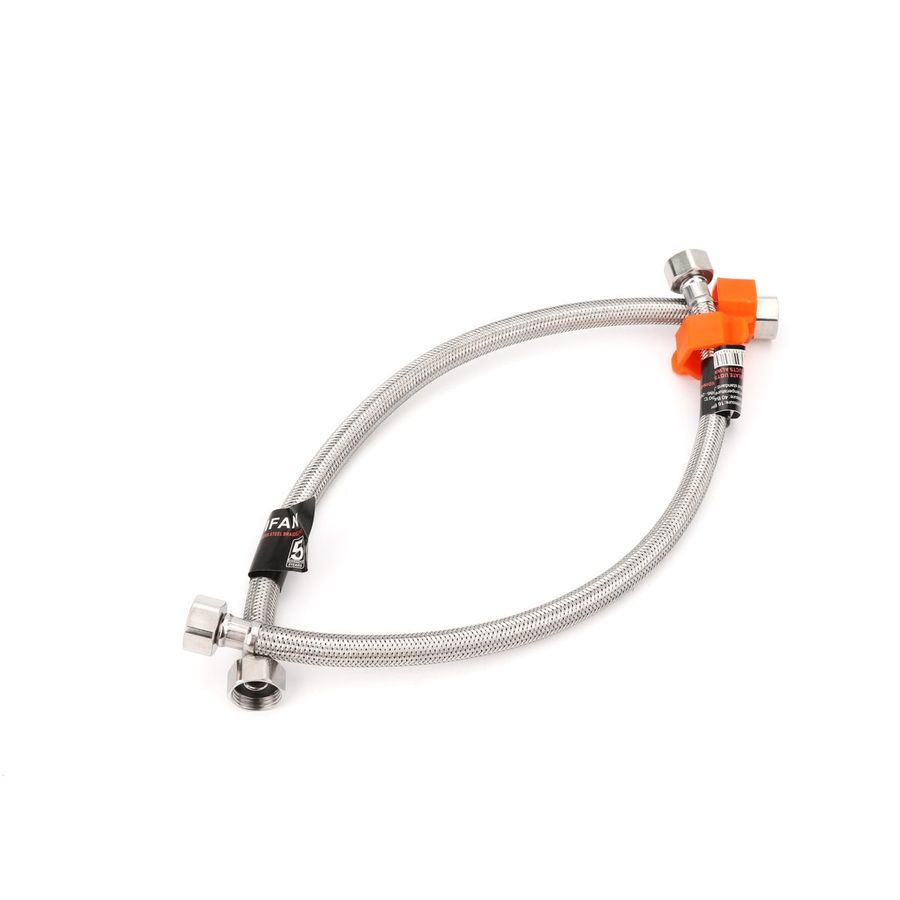
Pegue uma lâmina em uma mangueira trançada de aço inoxidável IFAN — um cisalhamento deliberado e forçado através da trança — e ela resiste ao corte sem romper. Esse é o teste no vídeo abaixo, e tem como alvo o medo exato que todo comprador de linhas de alimentação flexíveis carrega: estas são as mangueiras que alimentam torneiras, vasos sanitários e aquecedores de água sob pressão da rede dia e noite, e quando uma barata se solta, ela não goteja — ela inunda o edifício. A trança é a armadura da mangueira e sua contenção de pressão em uma só, então uma trança que ignora uma lâmina está lhe dizendo algo específico sobre fio, trama e densidade. Este guia explica como uma linha de alimentação trançada é realmente construída, por que as falhas que geram sinistros de seguro acontecem, o que o teste de corte prova e como escolher conectores — para um banheiro ou um pedido de contêiner — que permanecem silenciosamente apertados por anos.
Principais Conclusões
- A trança da IFAN resiste ao cisalhamento violento sem rompimento — fio, trama e densidade comprovados em câmera abaixo.
- Uma mangueira trançada tem três partes: tubo interno de EPDM (veda) + trança de aço inoxidável (segura a pressão) + porcas de extremidade.
- As mangueiras estouram quando a trança falha — corrosão, trama esparsa, dobras ou idade — e o tubo infla sem contenção.
- Elas conectam louças a válvulas angulares: aperto manual mais um giro controlado, arruela dentro, sem fita nas porcas giratórias.
- Substitua as linhas de alimentação em um cronograma (~5–10 anos), não quando elas se anunciarem.
- A alta pressão estática é a assassina silenciosa de mangueiras — uma válvula redutora de pressão (PRV) na entrada protege cada mangueira no edifício.

🔬 SÉRIE DE TESTES DE PRODUTOS IFAN — veja todos os testes
O Que Realmente É uma Mangueira Trançada de Abastecimento
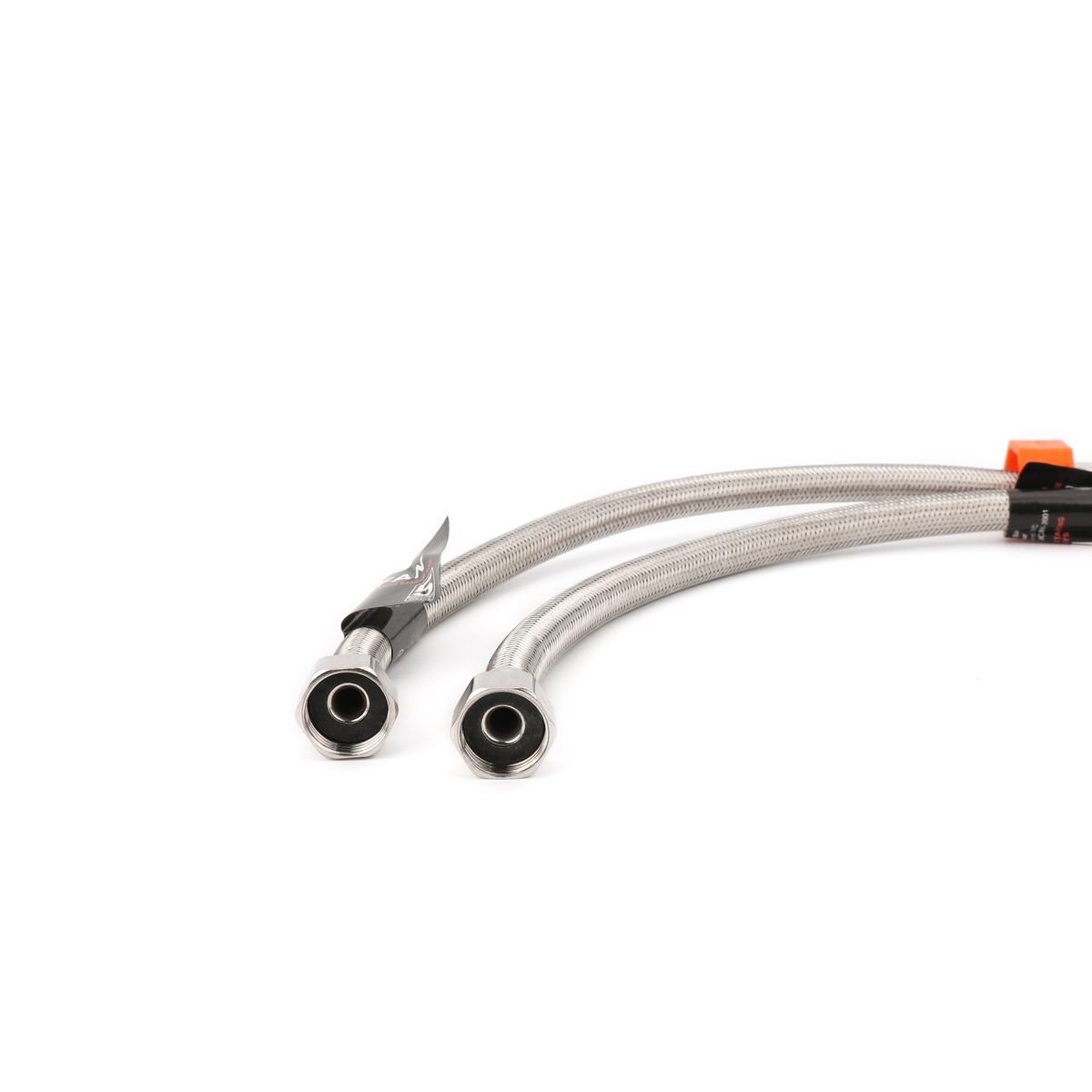
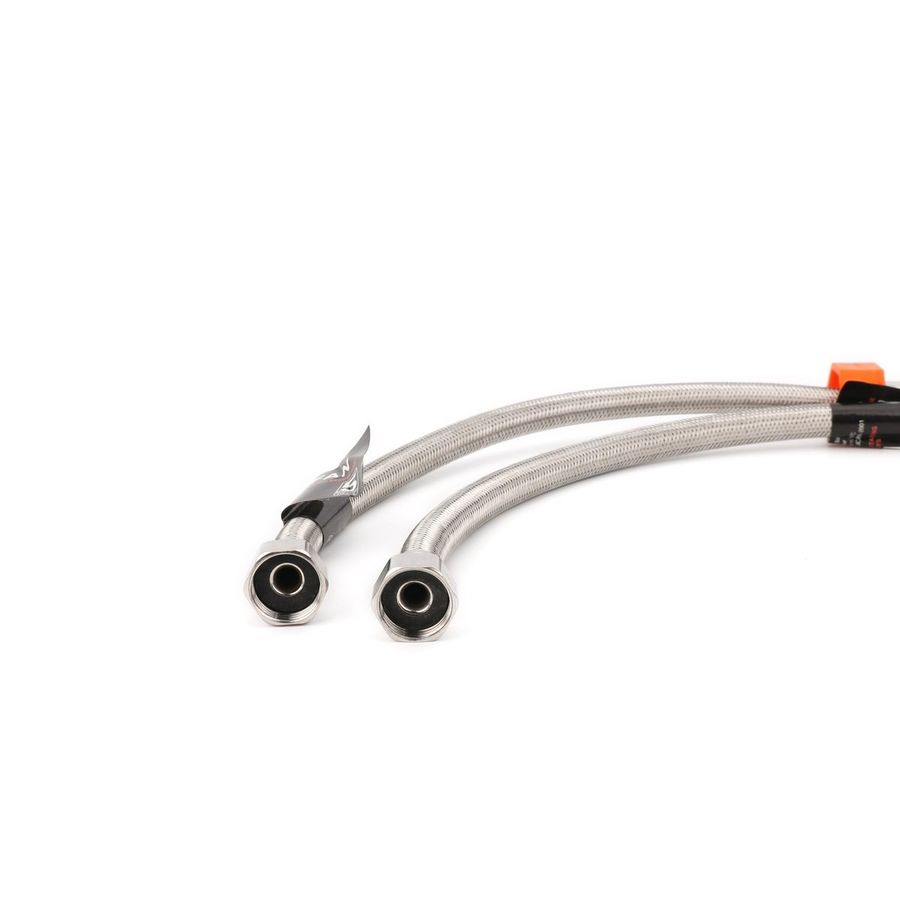
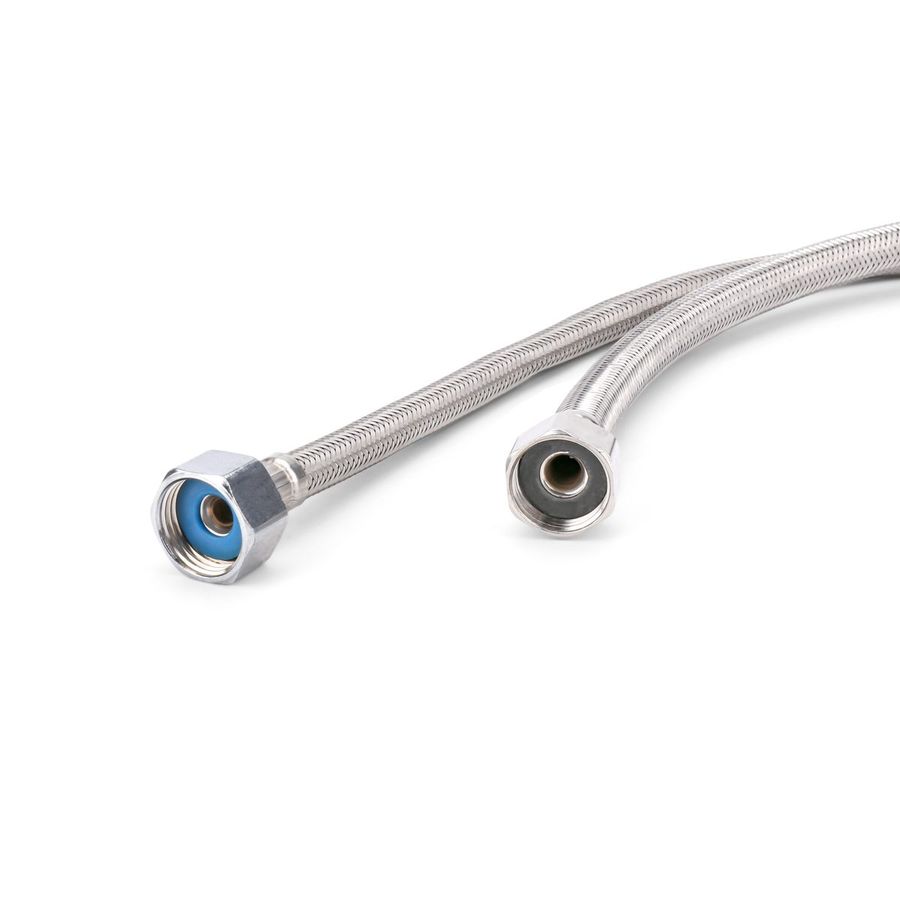
Removendo o marketing, um conector flexível de abastecimento é composto por três componentes com uma divisão estrita de trabalho. O tubo interno — tipicamente borracha EPDM — é o caminho da água e a vedação; sozinho, ele incharia e romperia a uma fração da pressão da rede. A trança de aço inoxidável tecida ao redor dele é a estrutura: ela contém o tubo, suporta a tensão circunferencial e absorve todos os impactos, abrasões e torções que o ambiente embaixo da pia proporciona. As conexões das extremidades — porcas giratórias em virolas crimpadas — acoplam a mangueira à válvula angular na parede e ao cano do aparelho acima. A divisão é importante porque localiza a verdade sobre a qualidade: a borracha veda, mas a trança é o que está entre a pressão da rede e o ambiente. A bitola do fio, a contagem de fios, o ângulo da trama e a densidade de cobertura decidem se essa armadura dura uma década ou se desgasta na primeira dobra — que é exatamente por que um teste de cisalhamento focado na trança é a demonstração honesta, e por que a virola crimpada (onde a trança encontra a porca) é o segundo lugar onde a qualidade se mostra.
Por que as Mangueiras Trançadas Rompem — os Modos Reais de Falha
Linhas de abastecimento rompidas são uma das falhas pequenas mais caras em encanamentos — uma linha pressurizada 24/7 solta em uma casa desocupada — e a análise forense quase sempre aponta para a trança. Corrosão da trança: água tratada com cloramina respingando na parte externa, produtos de limpeza com alto teor de cloreto armazenados embaixo da pia ou fios de baixa qualidade corroendo os fios até que alguns se rompam; cada fio rompido transfere sua carga para os vizinhos, e a falha se propaga em cascata. Trança esparsa ou fina: mangueiras de baixo custo economizam com menos fios, mais finos e trama aberta — contenção total de pressão no papel, sem margem na prática. Torções e dobras: uma mangueira torcida durante a instalação ou curvada abaixo do raio mínimo tem a trança localmente esmagada, trabalhando em dobro. Idade: o tubo de EPDM enrijece e a trança sofre encruamento; uma mangueira é um item de consumo, não uma instalação permanente. E amplificando todos os quatro: alta pressão estática. Um edifício operando a 7 bar sem regulação está sobrecarregando cada mangueira perto de seu limite 24 horas por dia — razão pela qual o seguro mais barato para cada mangueira no edifício é uma válvula redutora de pressão na entrada de serviço, mantendo todo o sistema a 3–4 bar.
O que o Teste de Corte Comprova
Uma lâmina atravessando uma trança é uma versão comprimida de tudo o que a mangueira encontrará em serviço: força concentrada em alguns fios, exatamente como um poço de corrosão, uma borda de armário que raspa ou um dobramento amassado. O que decide o resultado é mensurável — bitola do fio (fios de aço inoxidável 304 mais grossos suportam mais força cada um), número de fios e cobertura (uma trama densa distribui uma carga pontual por muitos fios) e integridade da trama (um ângulo de trança apertado impede que os fios se desloquem e se desfaçam sob a lâmina). No vídeo, a mangueira IFAN sofre um cisalhamento deliberado e vigoroso e não se rompe — a trança se deforma, distribui e sobrevive. A leitura inversa é a lição de compra: uma trança que se desfia sob uma lâmina em segundos é uma trança que alguns anos de corrosão por pinhole ou uma curvatura excessivamente apertada abrirão em serviço. Você não pode ver a bitola do fio na foto de uma ficha técnica, mas pode testá-la como o vídeo faz — que é precisamente por que o teste existe, e por que é repetível em amostras antes de um pedido.
Onde as Linhas de Abastecimento Passam — e Como Instalá-las Corretamente
Os conectores trançados fazem a ponte do último meio metro de quase todos os acessórios: válvula angular para torneira (caudas quente e fria), válvula angular para válvula de enchimento do vaso sanitário, parada de parede para aquecedor de água e variantes para eletrodomésticos como máquinas de lavar roupa e louça. A instalação é simples e a maioria das falhas é autoinfligida. Aperte a porca giratória manualmente, depois um quarto a meia volta com uma chave — a arruela sela; torque excessivo racha porcas e extrusa arruelas. Não use fita PTFE nas roscas da porca giratória — a vedação é feita pela face da arruela, não pela rosca; a fita apenas mascara o assentamento adequado (a fita pertence apenas a roscas macho cônicas em outras partes do sistema). Nunca torça a mangueira — segure a mangueira parada e gire a porca, ou a trança ficará sob torção. Respeite o raio de curvatura — um arco suave, nunca uma dobra acentuada atrás do sifão. Compre o comprimento certo em vez de esticar uma mangueira curta ou enrolar uma longa. E date-as: uma linha de abastecimento é um item de serviço de 5 a 10 anos, substituído conforme o cronograma com a mesma disciplina de uma bateria de alarme de fumaça — porque falha silenciosamente, às 3 da manhã, sob pressão.
Por que as mangueiras trançadas da IFAN resistem
O teste de cisalhamento é o resultado visível de um conjunto de escolhas de fabricação. Trança densa em aço inoxidável 304 com cobertura total — a contagem de fios e a trama que você vê nos close-ups, e a razão pela qual uma lâmina não consegue desfiá-la. Tubo interno em EPDM classificado para uso potável quente e frio. Porcas giratórias usinadas em virolas crimpadas — a crimpagem da virola é onde as mangueiras baratas deixam a trança se soltar sob pressão; as da IFAN são crimpadas para prender toda a circunferência da trança. E as mangueiras são enviadas como parte do mesmo catálogo que as conexões de latão e válvulas angulares às quais se conectam, para que roscas, arruelas e comprimentos cheguem combinados da linha de produtos IFAN. Como em todas as afirmações desta série, é testável: pedidos de amostras são bem-vindos — coloque uma lâmina na trança, exatamente como no vídeo, antes que uma única caixa seja enviada.
| O que você observa | Linha de fornecimento comum | Mangueira trançada IFAN |
|---|---|---|
| Trança sob uma lâmina | Desfia e rompe em segundos | Resiste ao cisalhamento sem quebrar |
| Cobertura da trama | Trama aberta, tubo visível através dos espaços | Trança densa em aço 304 com cobertura total |
| Crimpagem da virola sob pressão | Trança se solta na porca | Aderência em toda a circunferência |
| Em escala | Uma taxa de ruptura contra a qual você se segura | Um item de serviço que se aposenta conforme o cronograma, não por inundação |
Coloque uma lâmina na nossa trança antes de comprar
Solicite amostras de mangueira trançada IFAN — realize o teste de corte do vídeo em sua própria bancada e depois faça o pedido sem medo.
Solicitar Orçamento e AmostrasErros Comuns nas Linhas de Abastecimento
Tratar mangueiras como permanentes. São itens com vida útil de 5 a 10 anos. Date-as na instalação e substitua conforme o cronograma.
Apertar excessivamente as porcas giratórias. A arruela sela com aperto manual mais um giro controlado; torque excessivo racha as porcas e danifica as arruelas.
Torcer a mangueira ao apertar. Segure a mangueira, gire a porca — a torção pré-carrega a trança em direção à falha.
Curvas fechadas e trechos esticados. Compre o comprimento correto; uma mangueira dobrada ou esticada concentra tensão na trança comprimida.
Produtos de limpeza com cloreto armazenados contra a mangueira. O vapor de alvejante corrói a trança de aço inoxidável. Mantenha produtos químicos longe dos conectores.
Pressão do edifício não regulada. Cargas estáticas de 7+ bar sobrecarregam cada mangueira constantemente — instale uma PRV e ajuste para 3–4 bar.
Perguntas Frequentes
Quanto tempo duram as mangueiras trançadas de aço inoxidável?
Trate-as como itens de serviço de 5 a 10 anos e substitua conforme o cronograma, mais cedo em locais de uso intenso (água quente constante, alta pressão, exposição química sob pias). A qualidade determina em qual extremidade dessa faixa você se encontra: trança densa, crimpagens de virola sólidas e pressão regulada do edifício empurram a vida útil para o lado mais longo. Uma mangueira falha silenciosamente sob pressão 24/7 — o cronograma supera a sorte.
Por que as linhas de alimentação trançadas estouram?
A trança falha e o tubo de borracha infla sem restrições. As falhas da trança vêm de corrosão (água com cloramina, limpadores à base de cloreto armazenados nas proximidades), trama esparsa ou de fio fino em mangueiras comuns, dobras e torção da instalação e idade — tudo amplificado pela alta pressão estática não regulada. O tubo interno quase nunca falha primeiro; proteja a trança e regule a pressão.
Mangueiras trançadas são melhores que mangueiras de borracha comuns?
Sim, decisivamente, para serviço de alimentação pressurizada: a trança de aço inoxidável suporta a pressão e protege o tubo contra abrasão e impactos, razão pela qual as mangueiras de borracha comuns de máquinas de lavar são a clássica história de inundação. Mas uma mangueira trançada é tão boa quanto sua trança — trama fina, esparsa ou corroída dá confiança de mangueira trançada sem a proteção de mangueira trançada. Julgue a trança, não a categoria.
Qual deve ser o aperto de uma porca de linha de alimentação?
Aperto manual mais um quarto a meia volta com uma chave. A vedação é a arruela dentro da porca giratória comprimindo na face da válvula ou do acessório — não as roscas, então a fita PTFE não pertence ali. Se houver vazamento, verifique se a arruela está assentada e as faces estão limpas, em vez de adicionar torque; apertar demais racha as porcas e extrusa as arruelas.