
Pressure Reducing Valve: How It Works, Sizing & When You Need One
A pressure reducing valve (PRV) does one quiet job that protects everything downstream of it: it takes whatever pressure the supply main delivers — often 6, 8, even 10+ bar — and hands your building a steady, safe working pressure, typically around 3–4 bar. Without one, every fixture, appliance, and joint in the system absorbs the excess: taps drip, water heaters stress, pipes hammer, and warranties void. This guide explains what a PRV is and how it actually works, the signs you need one, how to size and set it, where it installs, how it differs from a pressure relief valve (a dangerous mix-up), what goes wrong with old PRVs, and how to specify one correctly for a project.
For how a PRV fits alongside the other valves in a system — ball, gate, and check — start with the brass ball valve buyer's guide; this article covers the pressure side.
Key Takeaways
- A PRV automatically lowers incoming pressure to a set, steady outlet pressure — no power, no operator.
- Most codes and fixture warranties expect domestic pressure around 3–4 bar (≈45–60 psi); mains often deliver far more.
- It works by spring-against-diaphragm balance: downstream pressure pushes the valve toward closed, the spring toward open.
- A PRV is not a pressure relief valve — one regulates continuously, the other dumps water in an emergency. Systems often need both.
- Install it after the main shutoff and meter, with an isolation valve and ideally gauges either side.
- For potable water, specify a lead-free, dezincification-resistant brass body with the approval for your market.

What a Pressure Reducing Valve Is
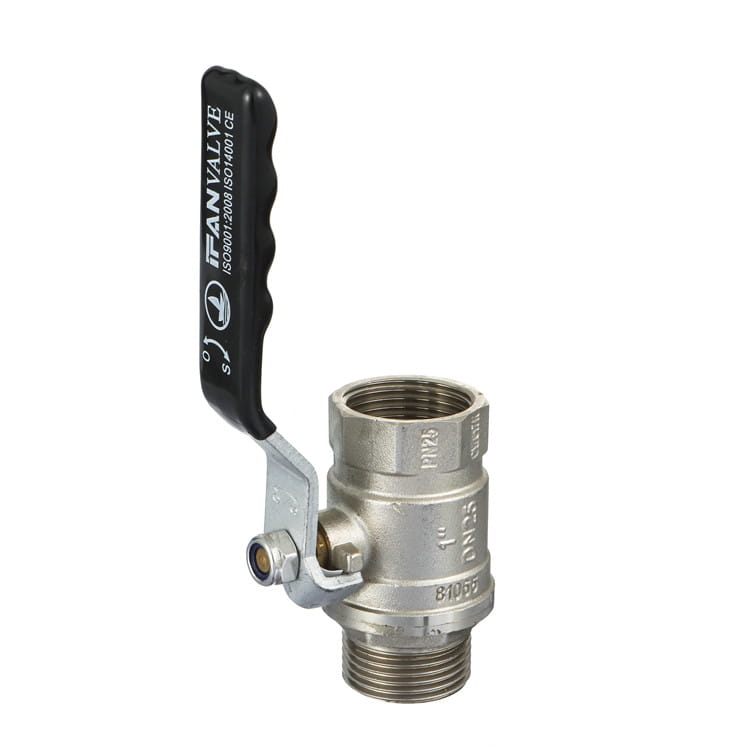
A pressure reducing valve (also called a pressure regulator or PRV) is a self-acting valve that holds its outlet pressure at a set value regardless of how high the inlet pressure climbs or how demand fluctuates. Municipal mains run high on purpose — the utility needs enough head to serve hills, towers, and fire flow — so the pressure arriving at a building boundary is routinely far above what fixtures are designed for. The PRV sits at the entry point and absorbs that difference continuously, with no power supply and no operator: purely mechanical, always on duty. In a typical home it's a fist-sized brass body behind the meter; in an apartment block it's a larger unit (or one per floor zone); in networks it's a whole pressure-management strategy. Whatever the scale, the principle is identical — and so is the failure cost when it's missing or worn out.
How a PRV Works: Spring vs Diaphragm
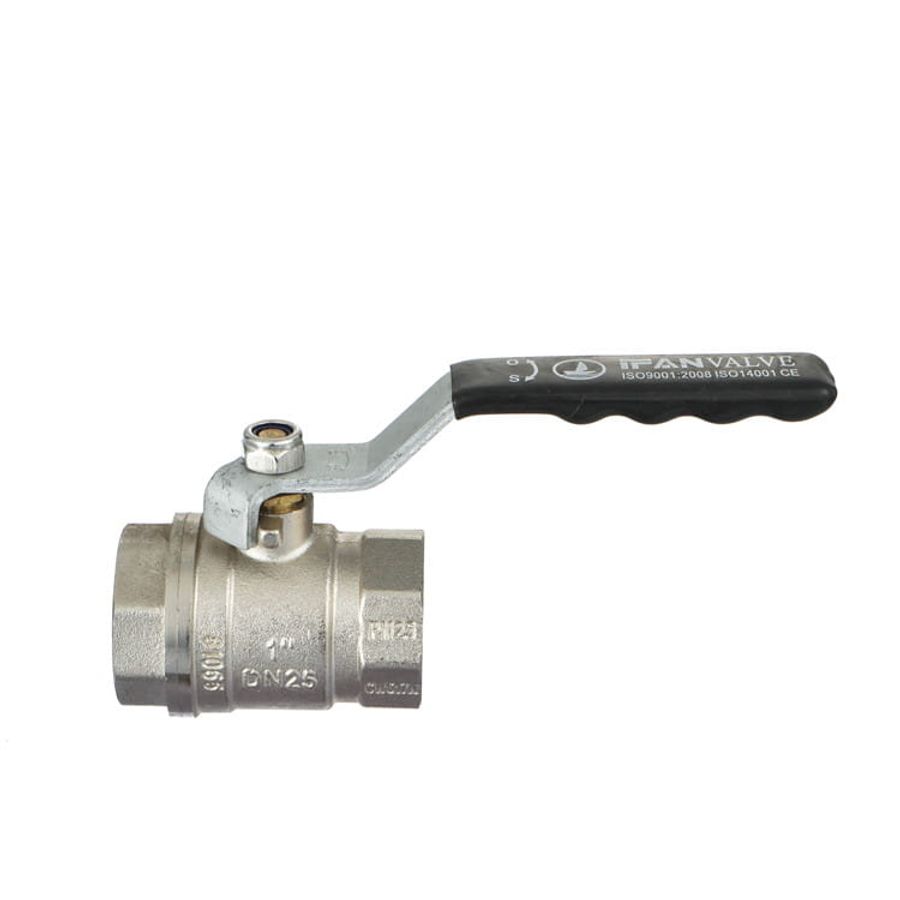
Inside the body, three parts do the work: a spring, a diaphragm, and a seat with a plug (disc). The spring pushes the plug open; downstream water pressure, acting on the diaphragm, pushes it closed. The valve settles where the two forces balance — which is exactly the set outlet pressure. Open a tap downstream and pressure dips, the spring wins a little, the plug opens further, flow increases, pressure recovers. Close all taps and downstream pressure rises, the diaphragm wins, the valve throttles toward shut. The adjustment screw on top simply pre-loads the spring: tighter = higher outlet setting, looser = lower. Two behaviours follow from this design that buyers should know. First, fall-off: at high flow the outlet pressure sags slightly below the static setting — normal, and why sizing matters. Second, lock-up: at zero demand a healthy PRV closes drip-tight; a worn seat lets pressure creep upward overnight, which is the classic symptom of a PRV at end of life.
Signs You Need One (or Yours Has Failed)
High supply pressure announces itself if you know the symptoms. Banging pipes (water hammer) when taps or solenoid valves close — excess pressure amplifies the shock. Dripping taps and running toilets that come back soon after repair — seals aren't failing, they're being over-pressured. Appliance failures: washing machine hoses, water heater relief valves weeping, filter housings cracking — most appliances are warranted only up to a stated pressure, commonly around 5–6 bar. Noisy refill and splashy, violent flow at fixtures. And on the metering side, a measurable one: a static gauge reading at an outside tap above ~5.5 bar (80 psi) — the threshold at which many plumbing codes require pressure reduction. If a PRV is already fitted and these symptoms return — especially pressure that creeps up overnight (failed lock-up) or pressure that wanders with demand — the valve itself is worn: diaphragms and seats are service items, and a PRV in continuous duty typically wants inspection every few years and replacement when regulation drifts.
PRV vs Pressure Relief Valve: Don't Confuse Them
The two share initials and get mixed up constantly, with dangerous results. A pressure reducing valve works continuously: it regulates flow-through pressure all day, every day. A pressure relief valve (safety/relief valve) does nothing until an emergency: if system pressure exceeds its setting — say a water heater's thermal expansion with no expansion vessel — it opens and discharges water to protect the system from over-pressure. One regulates, the other rescues.
| Factor | Pressure reducing valve | Pressure relief valve |
|---|---|---|
| Job | Regulate downstream pressure continuously | Discharge water in an over-pressure emergency |
| Normal state | Flowing, modulating | Closed, waiting |
| Location | Service entry, zone feeds | Water heaters, boilers, closed circuits |
| If it fails | Pressure drifts high/low, symptoms return | No protection — genuine safety risk |
A well-designed system often carries both: the PRV at entry setting working pressure, and relief valves at the heat sources guarding against thermal expansion. One never substitutes for the other — and note that reducing incoming pressure can also close the path that expansion water used to escape through, which is why codes pair PRVs with expansion vessels on heated systems.
Where a PRV Installs — and What Goes Around It
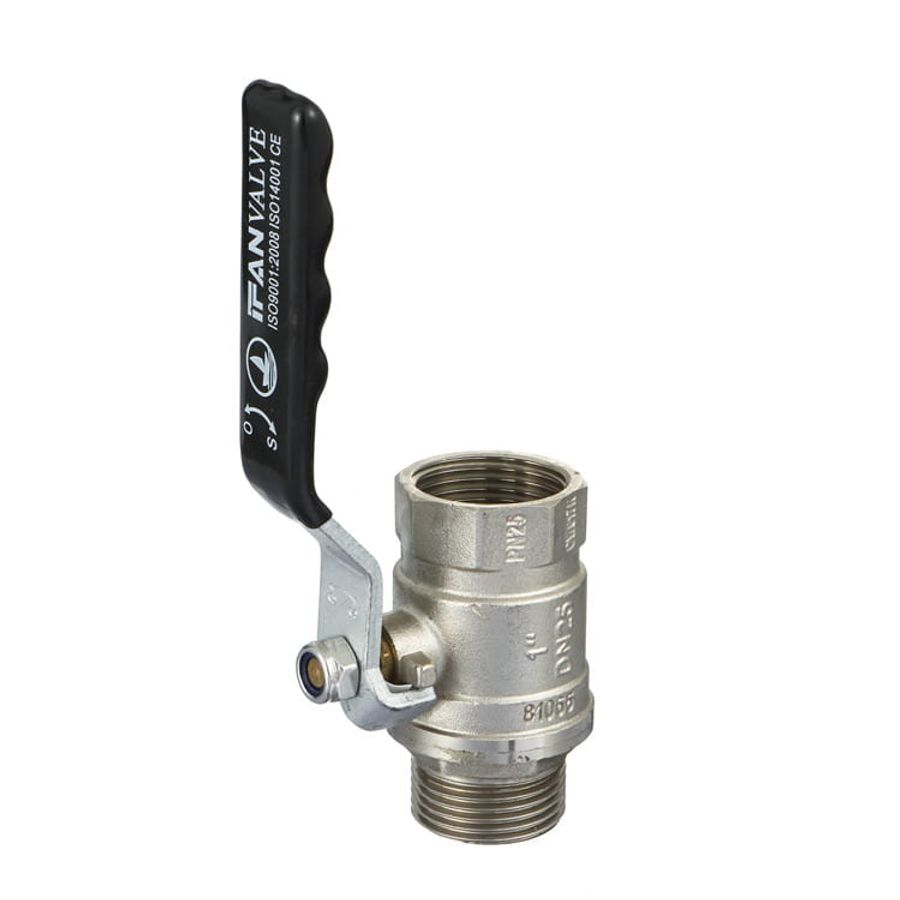
The standard position is at the service entry: after the main shutoff valve and the meter, before the first branch, so every downstream fixture is protected. Good installation practice surrounds it with four things. An isolation valve upstream (a quarter-turn ball valve — see the ball valve guide) so the PRV can be serviced without draining the system. A strainer upstream — grit is the number-one killer of PRV seats, and many quality PRVs build a strainer in; if yours doesn't, fit one. Pressure gauges (or at least gauge ports) on both sides, because a PRV without gauges can't be commissioned or diagnosed except by guesswork. And where backflow rules apply, a check valve per the local code's arrangement. Mount it accessible — like every service item, a PRV buried behind tile stops being maintainable. In taller buildings, one PRV at entry may not be enough: pressure zoning (a PRV per floor group) keeps the bottom floors from being over-pressured just so the top floors have flow.
Sizing and Setting: Match Flow, Not Just Pipe
Two numbers spec a PRV: size and set pressure. Size is about flow capacity, not just matching the pipe diameter. A PRV sized only to the pipe can be too big for the building's real demand — and an oversized PRV regulates poorly at low flow, hunting and chattering, exactly like an oversized check valve. Size to the realistic simultaneous demand (fixture-unit methods or the manufacturer's flow charts), which for most homes lands at DN15–DN25 (½"–1") and for larger buildings is a calculated choice. Set pressure for domestic systems typically lands at 3–4 bar (about 45–60 psi) — high enough for strong showers on upper floors, low enough to protect fixtures and stay inside appliance warranties. Commission it with gauges: set static pressure, then confirm under flowing conditions that fall-off stays acceptable at peak demand. And check the reduction ratio: very large inlet-to-outlet drops (beyond roughly 3:1) are better taken in two stages — two PRVs in series regulate more stably and quietly than one valve doing all the work.
Adjusting a PRV, Step by Step
Adjustment is simple if you do it with a gauge and patience. Close a downstream tap so the system is at static pressure and read the gauge. Loosen the lock nut on the adjustment screw. Turn clockwise to raise the outlet setting, counter-clockwise to lower it — in small increments, a quarter to half turn at a time, letting the gauge settle between moves. To lower pressure accurately, briefly open a tap after each adjustment so the downstream side can bleed to the new setting, then re-check static. When the gauge holds your target, re-tighten the lock nut and confirm once more under flow. If turning the screw no longer changes the reading, the diaphragm or seat is worn — that's a service or replacement job, not more turning.
Body Material and Build Quality
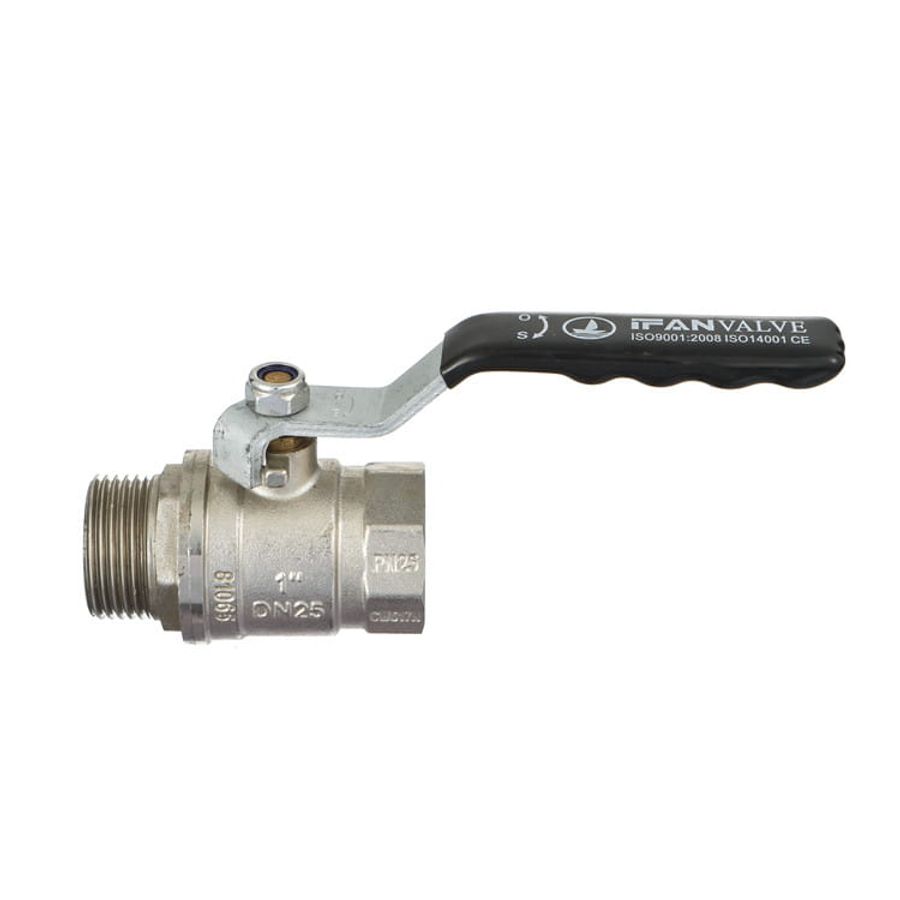
A PRV is a working mechanism living in drinking water, so material rules are stricter than for a static fitting. The body should be a lead-free, dezincification-resistant (DZR) brass — a PRV has a precisely machined seat and a sliding stem, and a body that dezincifies doesn't just weaken, it roughens the seat and seizes the mechanism (the same grade logic as CW617N and lead-free brass). The diaphragm and seals should be a potable-rated elastomer; the seat insert in quality valves is a replaceable stainless or engineered-polymer part; and the spring chamber should be isolated from the water path. Look for the potable approval for your market, a stated temperature rating (hot-water-line PRVs exist but must be rated for it), and a serviceable design — a cartridge you can replace beats a throwaway body over a building's life. IFAN manufactures lead-free DZR brass valves — ball, gate, check, and regulating — as part of its full valve and fitting range, so the PRV arrives grade-matched to every other brass component on the job.
Speccing valves for a whole system?
Tell us sizes, pressure classes, and threads — we'll quote lead-free DZR brass PRVs, ball, gate, and check valves with matched fittings from one source.
Request a QuoteCommon PRV Mistakes
Confusing it with a relief valve. One regulates continuously, the other dumps in an emergency. Heated systems usually need both — plus an expansion vessel once a PRV closes the expansion path.
No gauges. Without a gauge either side you can't set it, verify it, or diagnose it. Fit gauge ports at minimum.
No strainer. Grit destroys seats. Use a PRV with a built-in strainer or fit one upstream.
Oversizing. A PRV picked by pipe size alone hunts and chatters at real-world low flows. Size to demand.
Set-and-forget. Diaphragms and seats wear. Creeping overnight pressure or wandering regulation means service time — not a mystery.
Frequently Asked Questions
What does a pressure reducing valve do?
It automatically lowers the high pressure arriving from the supply main to a steady, set outlet pressure — typically around 3–4 bar (45–60 psi) for domestic systems — and holds it there as demand changes. It works purely mechanically, balancing a spring against a diaphragm, with no power or operator, protecting every fixture, appliance, and joint downstream.
How do I know if I need a pressure reducing valve?
Measure static pressure at an outside tap: readings above roughly 5.5 bar (80 psi) call for reduction under many plumbing codes. Symptoms of excess pressure include banging pipes when taps close, dripping taps and running toilets that recur after repair, weeping water-heater relief valves, and appliance hose failures. If a PRV is fitted but pressure creeps up overnight, the valve itself is worn.
What's the difference between a pressure reducing valve and a pressure relief valve?
A pressure reducing valve regulates continuously — it holds downstream pressure at a set value all day. A pressure relief valve stays closed and only opens in an over-pressure emergency (for example, water-heater thermal expansion), discharging water to protect the system. They are complementary, not interchangeable: a typical system carries a PRV at entry and relief valves at heat sources.
What pressure should a PRV be set to?
Domestic systems typically set 3–4 bar (about 45–60 psi): strong enough for good flow on upper floors, low enough to protect fixtures and stay inside appliance warranties. Commission with gauges — set the static pressure, then confirm the pressure under peak flow stays acceptable. Very large inlet-to-outlet drops (beyond about 3:1) regulate more stably as two PRVs in series.