
FOB и CIF при импорте труб: что дешевле с учетом доставки?

FOB или CIF для контейнера с трубами? Риск переходит в одной и той же точке, но CIF увеличивает базу для расчета пошлины. Расчет полной стоимости с учетом опубликованных терминальных сборов в Лагосе.
Выбор между FOB и CIF при импорте труб выглядит как вопрос о том, кто фрахтует судно. На самом деле это вопрос о том, кто контролирует вашу конечную стоимость, и в большинстве стран Африки это также незаметно влияет на ваш таможенный счет. Поставщик, который цитирует вам CIF Лагос, включает фрахт и страховку в одну цифру, и эта цифра затем становится частью стоимости, от которой ваш таможенный орган рассчитывает пошлину. Та же партия, указанная как FOB Нинбо, дает меньшую налогооблагаемую базу, больший список задач и совершенно иной набор рисков.
Большинство импортеров выбирают условие один раз, в начале, и никогда не пересматривают его. Это понятно, но дорого. Это руководство разделяет, что каждое правило фактически передает по правилам ICC Incoterms 2020, от того, что покупатели предполагают, что оно передает, оценивает расходы в порту назначения, которые не покрываются ни одним условием, используя опубликованный тариф западноафриканского терминала, и занимает позицию относительно того, на каком условии импортер труб должен закупать на каждом этапе своего бизнеса.
Ключевые выводы
- Риск переходит в одной и той же точке при обоих условиях.При FOB и CIF риск переходит к вам, когда товары находятся на борту судна в порту отправления. CIF не означает, что продавец несет риск за груз до вашего порта — это означает, что продавец оплачивает фрахт до него.
- CIF обычно увеличивает вашу налогооблагаемую базу.Статья 8.2 Соглашения ВТО по оценке таможенной стоимости позволяет каждой стране решать, включать ли транспорт и страховку в таможенную стоимость. Большинство стран, включая всех членов ЭКОВАС, говорят «да» — поэтому фрахт и страховка в цене CIF облагаются налогом.
- Страхование CIF продавца — это минимум, а не хорошее.Согласно Incoterms 2020, CIF по-прежнему по умолчанию использует Институтские оговорки по грузам (C), ограниченное покрытие от поименованных рисков, на 110% стоимости счета.
- Ни одно условие не покрывает то, что действительно причиняет ущерб.На терминалах C и D Апапы опубликованное хранение бесплатно в течение 5 дней, затем N9,519 за TEU в день, затем N49,022, затем N65,793 — грузополучатель платит это как при FOB, так и при CIF.
- ICC не считает ни одно из этих правил правильным для контейнеров.FOB и CIF — это правила для морских и внутренних водных перевозок, разработанные для погрузки на борт; для контейнерных грузов ICC указывает на FCA и CIP.
На этой странице
- Что фактически передают FOB и CIF
- Где переходит риск и почему это не там, где переходят затраты
- Проблема налогооблагаемой базы, о которой никто не говорит
- Расходы, которые CIF не покрывает
- Что на самом деле дает страхование продавца
- Сравнение конечной стоимости на примере
- На каком условии вам следует закупать?
- Проблема контейнеров с обоими условиями
- Часто задаваемые вопросы
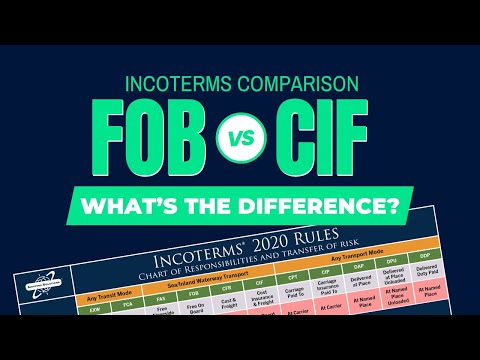
Фоновое объяснение: Сравнение Incoterms: FOB против CIF — в чем разница?от Shipping Solutions, нейтрального образовательного ресурса по вопросам соблюдения торговых норм.
Что на самом деле передают FOB и CIF
Оба термина взяты из правил ICC Incoterms 2020 и предназначены для морских и внутренних водных перевозок. Разница между ними уже, чем обычно следует из коммерческих предложений. По условиям FOB — Free On Board — продавец поставляет товар на борт судна, которое вы назначаете в указанном порту отгрузки, выполняет таможенное оформление экспорта и на этом завершает свои обязательства. Вы заключаете договор морской перевозки, оплачиваете фрахт и решаете, страховать ли груз.
По условиям CIF — Cost, Insurance and Freight — продавец выполняет все вышеуказанное, а также заключает договор и оплачивает перевозку до указанного порта назначения и оформляет морскую страховку от вашего имени.
Прочтите это внимательно и обратите внимание на то, чего здесь нет. CIF добавляет два обязательства продавца: фрахт и страхование. Он не добавляет третьего обязательства — доставить товар вам в надлежащем состоянии. Это различие является источником почти всех споров импортера с поставщиком по поводу поврежденного контейнера, и именно поэтому данный термин стоит понимать на уровне условий договора, а не как лозунг о том, кто организует доставку.
Почему это важнее для труб, чем для большинства других грузов
Практическое следствие для импортера труб касается контроля, а не удобства. Трубы — это низкоплотный, объемный груз: контейнер заполняется задолго до достижения ограничений по весу, как показано в расчетах загрузки для 20-футового и 40-футового контейнеров, поэтому морской фрахт составляет значительный процент от стоимости товара, а не незначительную величину.
Тот, кто бронирует судно, контролирует этот процент, контролирует выбор перевозчика и контролирует, что произойдет при задержке рейса. При CIF вы передаете все три аспекта поставщику, чья заинтересованность состоит в том, чтобы забронировать самое дешевое место, которое снимает с него обязательства, а не то, которое быстрее всего доставит ваш товар на склад.
| Обязательство | FOB (порт отправления) | CIF (порт назначения) |
|---|---|---|
| Экспортное таможенное оформление | Продавец | Продавец |
| Погрузка на борт в порту отправления | Продавец | Продавец |
| Риск утраты или повреждения в пути | Покупатель, с момента погрузки на борт | Покупатель, с момента погрузки на борт |
| Стоимость морского фрахта | Покупатель | Продавец |
| Выбор перевозчика и рейса | Покупатель | Продавец |
| Морское страхование | По выбору покупателя, на согласованном уровне | Продавец, минимальное покрытие по условиям (C) в размере 110% |
| Разгрузка, терминальные и складские сборы | Покупатель | Покупатель |
| Импортное таможенное оформление, пошлины и НДС | Покупатель | Покупатель |
Где переходит риск и почему это не совпадает с переходом затрат
Вот самый неправильно понимаемый аспект CIF, который обходится импортерам в реальные деньги при возникновении претензий. И по FOB, и по CIF риск переходит от продавца к покупателю в момент размещения товара на борту судна в порту отгрузки. По CIF продавец продолжает нести расходы — фрахт до вашего порта, страховой взнос — но риск продавец перестает нести в тот же самый момент, что и по FOB.
Стоимость и риски распределяются по разным географическим точкам. Эта асимметрия намеренно заложена в формулировках ICC, и именно поэтому продавец обязан купить вам страховой полис: вы тот, кто подвергается риску во время перевозки, поэтому полис оформляется на вас.
Подумайте, что это означает, когда контейнер с PPR-трубами прибывает помятым или с недостачей. Импортер инстинктивно выставляет счет поставщику, потому что поставщик организовал доставку и купил страховку. Правильный ответ поставщика по условиям CIF: риск перешел на борту судна несколько недель назад в Китае, его обязательство заключалось в передаче полиса, а претензия должна предъявляться страховщику. Поставщик прав.
Теперь импортеру приходится предъявлять претензию по морской грузовой страховке по полису, который он не выбирал, не читал и оригинала которого у него может не быть — а если продавец не передал и не отправил курьером этот сертификат, претензию даже невозможно начать.
Документальная ловушка: скан — это не полис
В этом есть и документальная ловушка. Продажа на условиях CIF обычно подтверждается тремя документами, которые передаются вместе: коносаментом, коммерческим инвойсом и страховым сертификатом. Если ваш поставщик отгружает на условиях CIF и отправляет вам скан страхового сертификата, а не оригинал с бланковым индоссаментом, у вас на руках фотография страхового покрытия, по которой вы не можете предъявить претензию.
Прежде чем принять котировку CIF, спросите, какой номер полиса будет назначен, на каком уровне оговорок и как оригинал сертификата будет передан. Поставщик, который не может ответить на эти три вопроса одним письмом, купил полис для соблюдения контракта, а не для защиты вашего груза.
Проблема базы для начисления пошлин, о которой никто не говорит
Здесь выбор перестает быть вопросом логистики и становится вопросом налогообложения, и это та часть, о которой почти ни один поставщик не сообщает добровольно. Таможенные органы не все одинаково оценивают стоимость ваших товаров, и правило, которое допускает эту разницу, — это Статья 8.2 Соглашения ВТО о применении статьи VII ГАТТ 1994.
Его формулировка недвусмысленна: "При разработке своего законодательства каждый Член должен предусмотреть включение или исключение из таможенной стоимости, полностью или частично, следующих элементов: (a) стоимость транспортировки импортируемых товаров до порта или места ввоза; (b) расходы по погрузке, разгрузке и обработке, связанные с транспортировкой импортируемых товаров до порта или места ввоза; и (c) стоимость страхования".
Каждый член ВТО выбирает сторону: база CIF или база FOB
Другими словами, каждый член ВТО выбирает сторону. Члены, которые включают эти элементы, оценивают на так называемой базе CIF; члены, которые исключают их, оценивают на базе FOB. Подавляющее большинство стран мира — включая все государства-члены ЭКОВАС — используют базу CIF. Заметными исключениями являются США, Канада и Австралия, поэтому советы, написанные для американских импортеров, читаются так по-другому и так вводят в заблуждение, если вы оформляете грузы в Лагосе, Теме или Момбасе.
Последствие прямое. Если ваша таможенная стоимость рассчитывается на условиях CIF, то фрахт и страховка включены в сумму, к которой применяется ваша ставка пошлины, независимо от того, на каких условиях Incoterms вы купили. Покупатель, импортирующий на условиях FOB, все равно обязан задекларировать уплаченные им фрахт и страховку и добавить их к таможенной стоимости. Таким образом, сами по себе условия Incoterms не позволяют избежать пошлины на фрахт — и любой агент, который утверждает обратное, описывает занижение стоимости, а не планирование.
Что меняют условия Incoterms: кто устанавливает сумму фрахта
Условия Incoterms меняют то, кто устанавливает сумму фрахта, которая попадает в расчет, и насколько она для вас прозрачна. При FOB у вас есть счет перевозчика, и вы декларируете сумму, которую можете подтвердить. При CIF фрахт и страховка включены в единую цену, установленную поставщиком, и если в счете-фактуре они не выделены отдельно, заявленная таможенная стоимость фактически является ценой поставщика.
Если поставщик завысил фрахтовую составляющую — а это распространенный способ сделать привлекательную на вид цену за единицу товара, — то эта наценка теперь облагается пошлиной, а в странах ЭКОВАС на нее также начисляются сборы на той же базе CIF.
Гана, например, применяет ряд процентных сборов на стоимость CIF: сбор за обработку, обычно указываемый как 1%, сбор ЭКОВАС — 0,5%, и импортный сбор Африканского союза — 0,2%, в дополнение к пошлине CET и НДС 15% с NHIL и GETFund по 2,5% каждый. Эти конкретные проценты широко публикуются таможенными брокерами, а не на странице пошлин самой GRA, поэтому сверьте текущие ставки с вашей оценкой ICUMS — но структурный момент верен и не оспаривается: завышайте стоимость CIF — и каждый из этих процентов увеличится вместе с ней.
Что проверить, прежде чем принимать цену CIF
- Попросите выделить фрахт и страховку отдельными строками в счете-фактуре, отдельно от стоимости товара. У честного поставщика нет причин отказывать.
- Сравните эту строку фрахта со ставкой, полученной вами самостоятельно у любого экспедитора для того же маршрута и размера контейнера. Разница — это то, во что вам обходится удобство CIF до уплаты пошлины.
- Примените ставку пошлины и сборы на основе CIF вашего направления к разнице, а не только к самой разнице. В государстве ЭКОВАС завышенный фрахт облагается по ставке CET плюс стек сборов.
- Отдельно подтвердите классификацию товара по тарифу.Пластиковые трубы и фитинги относятся к товарной позиции HS 3917, но субпозиция и следующая из нее ставка CET определяются вашим национальным тарифом, а не вашим поставщиком.
- Уточните, до какого порта действует цена.«CIF Западная Африка» — это не термин; CIF требует указания конкретного порта назначения, и Тема и Лагос стоят не одинаково.
Сборы, которые CIF не покрывает
Импортер, впервые покупающий на условиях CIF, часто предполагает, что цена действует до момента, когда товар готов к использованию. Это не так. CIF заканчивается, когда товар выгружен в указанном порту назначения, и именно там начинается длинный список расходов. При обоих условиях эти расходы ложатся на грузополучателя, поэтому выбор между FOB и CIF влияет на общую стоимость доставки меньше, чем ожидает большинство покупателей.
Операторы терминалов публикуют эти цифры, что делает их проверяемыми, а не вопросом доверия. опубликованный тарифный справочник для причалов C и D терминала Апапа в порту Лагоса, эксплуатируемого консорциумом ENL, является полезным справочником именно потому, что он публичный. В его графике хранения контейнеров указано: первые 5 дней бесплатно, затем 9 519 найр за TEU в день за следующие 5 дней, 49 022 найры за TEU в день за последующие 5 дней и 65 793 найры за TEU в день после этого. Для 40-футового контейнера те же ступени составляют 19 037, 98 153 и 132 433 найры. Все ставки указаны без учета НДС 7,5%.
Обратите внимание на эскалацию, а не на заголовок. День 11 для 20-футового контейнера стоит в 5,15 раза больше, чем день 6. Оформление, которое затягивается с комфортной недели до плохой двухнедельной задержки, обходится не в два раза дороже — а в несколько раз дороже, и это происходит как на условиях CIF, так и на условиях FOB, потому что хранение оплачивает грузополучатель. Это и есть настоящая причина, по которой качество документации важнее, чем Инкотермс: неправильный код ТН ВЭД или отсутствующий сертификат соответствия превращаются в хранение на терминале по возрастающей дневной ставке, пока идет спор.
Нигерийским импортерам следует изучить требования SONCAP и процедуры оформления для труб PPR до отправки контейнера, а не после его прибытия.
Платежи за досмотр, которые вы платите, даже если досмотр не проводился
В том же тарифе есть деталь, которую стоит запомнить перед первым досмотром. Перестановка контейнера для таможенного досмотра стоит 55 283 найры за 20-футовый и 99 509 найр за 40-футовый контейнер, и в тарифе прямо указано, что плата "взимается независимо от того, был ли контейнер в итоге досмотрен или нет". Если вас выбрали для досмотра, а затем выпустили без него, плата все равно взимается.
Сам таможенный досмотр стоит 63 945 найр за 20-футовый и 115 101 найру за 40-футовый, загрузка и разгрузка — 47 250 и 93 555 найр соответственно, а документальное оформление — 15 225 найр за коносамент, оплачивается грузополучателем. Ни одна из этих сумм не фигурирует в котировке CIF, и ни одну из них нельзя избежать, выбрав другой Инкотермс.
| Опубликованный тариф, причалы C и D терминала Апапа | 20 футов | 40 футов | Кто платит |
|---|---|---|---|
| Портовые сборы за груженый импортный груз | 148,43 долл. США | 214,41 долл. США | Грузополучатель |
| Хранение, первые 5 дней | Бесплатно | Бесплатно | — |
| Хранение, следующие 5 дней (в день) | 9 519 найр | 19 037 найр | Грузополучатель |
| Хранение, последующие 5 дней (в день) | 49 022 найры | 98 153 найры | Грузополучатель |
| Хранение, каждый последующий день (в день) | 65 793 найры | 132 433 найры | Грузополучатель |
| Перестановка для таможенного досмотра | 55 283 найры | 99 509 найр | Грузополучатель, независимо от досмотра |
| Таможенный досмотр | 63 945 найр | 115 101 найра | Грузополучатель |
| Документальное оформление, за коносамент | 15 225 найр | Грузополучатель | |
Два предостережения относительно использования этой таблицы. Это опубликованное расписание одного терминала — версия 71 от 12 марта 2025 года — и Тема, Момбаса, Дар-эс-Салам и Абиджан публикуют свои собственные, поэтому рассматривайте структуру как переносимую, а цифры как специфичные для Лагоса. Кроме того, хранение на терминале — это отдельная плата от демереджа и детеншена перевозчика, который выставляет счет по своим собственным часам свободного времени и указывает цену за бронирование, а не в публичном тарифе. Запросите у вашего перевозчика его бесплатные дни в письменной форме при бронировании, потому что это число является предметом переговоров при объеме, а терминальное — нет. Еще одна несогласованность, которую нужно урегулировать, прежде чем планировать на основе этого: в тарифном расписании указаны первые 5 дней бесплатно, но пункт 30(C) того же тарифного документа гласит, что хранение разрешено "без взимания платы в течение 72 часов" — считайте бесплатный период таким, какой ваш таможенный брокер подтвердит в письменной форме для вашего терминала и партии, а не числом, которое можно с уверенностью прочитать из любого пункта.
Что на самом деле дает страхование продавца
Буква "I" в CIF звучит как самый сильный аргумент в пользу этого термина. При ближайшем рассмотрении он оказывается самым слабым. Согласноправилам ICC Incoterms 2020 ICC сохранил требование о страховании по умолчанию для CIF на уровне Институтских оговорок по грузам (C), повысив при этом CIP — контейнерный эквивалент — до оговорки (A). Это расхождение было осознанным решением при разработке, и оно означает, что покупатель по CIF получает ограниченное покрытие, если не договорится об ином. Страховой полис должен покрывать не менее 110% стоимости счета, в валюте контракта, что является стандартной надбавкой, предназначенной для покрытия вашего фрахта и условной маржи.
На что распространяется оговорка (C), а на что нет
Оговорка (C) — это покрытие с перечислением поименованных рисков, а не покрытие от всех рисков.
- Она покрывает крупные аварийные события — посадку судна на мель, затопление, столкновение, пожар, взрыв, общеаварийные убытки, выбрасывание груза за борт.
- Она не покрывает то, что на самом деле повреждает трубный груз: повреждения при обработке, сдавливание из-за плохой укладки над контейнером, проникновение воды через дефектную крышу контейнера или кражу.
- Оговорка (A) покрывает это, с учетом ее исключений.
Таким образом, распространенный сценарий — контейнер открывается в Апапе, и часть труб деформирована или треснула — очень часто вообще не является страховым случаем по оговорке (C), и импортер обнаруживает это в момент убытка, а не в момент получения котировки.
Премия не является причиной соглашаться на ограничение. Страхование морских грузов для обычных контейнерных товаров обычно котируется в диапазоне от 0,1% до 0,5% от страховой суммы, в зависимости от маршрута, товара и истории убытков, поэтому переход с оговорки (C) на оговорку (A) измеряется долями процента от стоимости груза. Эти проценты — эмпирические правила брокеров, а не опубликованный тариф, и ваша собственная котировка будет зависеть от вашей истории — но порядок величины важен. По сравнению со стоимостью списания пятой части контейнера труб, повышение уровня оговорки — не сложное решение.
Практическая инструкция, независимо от того, какой термин вы покупаете
Практическая инструкция короткая. Если вы покупаете на условиях CIF, впишите в договор поставки «Институтские оговорки по грузам (A), Институтские оговорки по военным рискам (груз) и Институтские оговорки по забастовкам (груз), 110% стоимости инвойса, с бланковым индоссаментом» вместо того, чтобы принимать условия по умолчанию, и требуйте оригинал сертификата вместе с отгрузочными документами. Если вы покупаете на условиях FOB, организуйте страховку самостоятельно через своего брокера — вы будете знать, что именно застраховано, у вас будет оригинал полиса, и вы сможете сформировать историю страховых случаев на свое имя, что в итоге снизит вашу ставку.
Пример расчета стоимости с учетом доставки
Цифры делают компромисс наглядным, в отличие от принципов. Возьмем один 40-футовый контейнер PPR-труб со стоимостью товара US$20 000 на условиях FOB. Предположим, что импортер может самостоятельно получить морской фрахт по ставке US$1 800 за маршрут, что цена CIF поставщика включает фрахт и страховку в размере US$2 400, и что в стране назначения таможенная стоимость оценивается на основе CIF при ставке пошлины 20%.
Эта ставка пошлины является допущением для расчетов, а не указанной тарифной позицией — Общий внешний тариф ЭКОВАСдействует в пяти диапазонах: 0%, 5%, 10%, 20% и 35%, и в какой диапазон попадает ваша субпозиция по коду HS 3917 — вопрос к национальному тарифному расписанию и вашему агенту.
| Статья | Покупка на условиях FOB | Покупка на условиях CIF |
|---|---|---|
| Стоимость товара | US$20 000 | US$20 000 |
| Фрахт и страховка | US$1 800 (собственный заказ) + собственная страховка | US$2 400 (включено) |
| Заявленная таможенная стоимость (на основе CIF) | US$21 800 | US$22 400 |
| Пошлина при предполагаемых 20% | US$4 360 | US$4 480 |
| Терминальные и таможенные сборы | Идентичны | Идентичны |
| Разница до сборов | US$720 в пользу FOB (разница во фрахте US$600 + пошлина на нее US$120) | |
Заполните строку стоимости товара из вашего собственного предложения, а не из этого примера — факторы, формирующие цену на PPR-трубывлияют на эту цифру гораздо сильнее, чем Инкотермс.
Разница во фрахте в US$600 — это видимая экономия, о которой спорят покупатели. US$120 — невидимая: пошлина, начисляемая на фрахтовую наценку поставщика, и в государствах ЭКОВАС сборы на основе CIF добавляют еще один слой на ту же завышенную базу.
На один контейнер это 3,6% от стоимости товара. На двадцать контейнеров в год это стоимость аренды склада, поэтому расчеты стоит сделать один раз правильно, а не предполагать, что удобство CIF бесплатно. Самое полезное, что можно сделать с этой таблицей, — заполнить ее своими цифрами, начиная с запроса у поставщика PPR котировок на обоих условияхпо одной и той же спецификации и загрузке контейнера, чтобы фрахтовая составляющая была видимой, а не предполагаемой.
Две честные оговорки к этим расчетам
Две честные оговорки. Во-первых, сравнение предполагает, что вы действительно можете получить фрахт за US$1 800 — импортер-новичок, отправляющий один контейнер в квартал, обычно не может сравниться со ставкой, которую поставщик, отправляющий еженедельно, согласовал, и в этом случае CIF может быть действительно дешевле, а не просто удобнее. Во-вторых, предполагается, что таможенное оформление пройдет по плану.
С учетом роста затрат на хранение, описанного в предыдущем разделе, одна неделя задержки может свести на нет все преимущество в 720 долларов США. Поэтому срок поставки, который вы выбираете, имеет гораздо меньшее значение, чем качество вашей документации и компетентность вашего брокера. Инкотермс стоит несколько процентов; документы — в разы больше.
На каком условии на самом деле стоит закупать?
Сравнение, которое не занимает позицию, бесполезно, поэтому вот оно. Для большинства устоявшихся импортеров труб на африканских рынках FOB — лучшее условие, и причина в контроле, а не в экономии на фрахте. Вы выбираете перевозчика, видите реальную стоимость фрахта, страхуете на нужном уровне, держите свой коносамент и можете консолидировать нескольких поставщиков в одну отгрузку. Экономия на фрахте — бонус к прозрачности.
Но это стандарт, а не правило, и есть две ситуации, когда CIF — правильное коммерческое решение. Первая — реальная неопытность: если вы еще не импортировали контейнер, у вас нет отношений с экспедитором и вы не можете получить конкурентоспособную ставку самостоятельно, CIF дает вам рабочую отгрузку, пока вы осваиваете остальной процесс. Вторая — малый объем. Если вы импортируете два-три контейнера в год, ваша ставка фрахта не побьет ставку поставщика, который отгружает еженедельно, и разница не окупит затраты времени на управление.
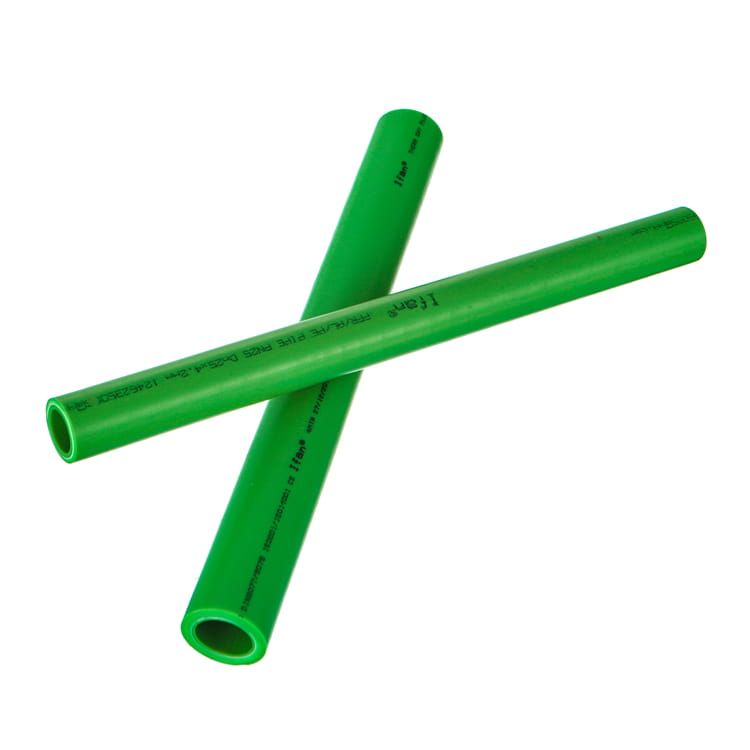
Для импортеров и дистрибьюторов, закупающих PP-R контейнерами. IFAN предлагает DN20–DN160 в PN12.5–PN25 с минимальным заказом от одного контейнера, допускается смешанные размеры, на условиях FCL или LCL, с указанием фрахта и страховки отдельными строками, а не включенными в цену за единицу. Каждая поставка сопровождается сертификатом партии на материал PP-R 100 и отчетом контроля качества; сертификаты SONCAP, SASO и NOM оформляются по запросу.
| Ваша ситуация | Условие закупки | Почему |
|---|---|---|
| Первый контейнер, нет отношений с экспедитором | CIF | Вы пока не можете побить ставку поставщика, и одним движущимся элементом меньше — стоит того, чтобы заплатить маржу |
| Два-три контейнера в год | CIF, с оговоркой (A) в контракте | Объем слишком мал для переговоров по фрахту; лучше улучшить страховку |
| Регулярные ежемесячные или ежеквартальные поставки | FOB | Ваша собственная контрактная ставка плюс видимость реальной стоимости фрахта внутри таможенной базы |
| Консолидация нескольких поставщиков в одном контейнере | FOB | Только вы можете консолидировать; ни один поставщик не может отгрузить товар другого на условиях CIF |
| Высокая стоимость груза относительно фрахта | FOB | При таком соотношении контроль над страховкой важнее контроля над фрахтом |
| Финансирование по аккредитиву | CIF, как правило | Банки привыкли к комплекту документов CIF; сначала уточните требования вашего банка |
Как запросить котировку, которая позволит провести сравнение
Какой бы термин вы ни выбрали, запрос котировки, позволяющий провести сравнение, выглядит одинаково. Укажите поставщику диапазон диаметров и класс давления, которые вы фактически складируете, — сочетание диаметров и фитингов влияет на экономику контейнера больше, чем общий тоннаж, поскольку коробка с трубой малого диаметра и коробка с трубой большого диаметра заполняются по-разному. Назовите порт назначения, а не регион. Попросите указать фрахт и страховку отдельными строками в счете.
Затем задайте три вопроса, на которые котировка сама по себе не ответит:
- каков минимальный объем заказа, установленный фабрикой, и применяется ли он отдельно по каждому размеру, цвету или контейнеру;
- каков срок производства до бронирования судна;
- и какой маршрут проверки образцов или сторонней инспекции доступен до того, как вы возьмете на себя обязательства по полному контейнеру.
Минимальный объем заказа в этой отрасли часто устанавливается с учетом вашего ассортимента размеров, а не публикуется как единая цифра, поэтому стоит спросить, а не предполагать. Некоторые фабрики публикуют его: собственный минимум IFAN — один контейнер с приемкой смешанных размеров, при этом пробные заказы принимаются с наценкой, а срок поставки по-прежнему зависит от производственной очереди и подтверждается вместе с котировкой. Поставщик, который письменно отвечает на все три вопроса до получения депозита, сообщает вам полезную информацию о том, как будут строиться дальнейшие отношения.
Что мы прилагаем к каждому контейнеру и где мы останавливаемся
Поскольку вывод этой статьи заключается в том, что документация важнее, чем Incoterm, справедливо будет уточнить, что мы вкладываем в конверт. Каждая поставка IFAN сопровождается сертификатом партии на материал PP-R 100 и отчетом контроля качества для данной производственной партии, в соответствии с DIN 8077/8078 и ISO 15874, охватывающими диапазон DN20–DN160 в классах PN12.5, PN16, PN20 и PN25. Трубы экструдируются на 30+ линиях на заводе площадью 120 000 м², работающем с 1993 года, проходят испытания в собственной лаборатории ISO и поставляются в 120+ стран.
Класс давления в сертификате должен соответствовать маркировке на стенке трубы. Таможенный инспектор, сравнивающий декларацию PN20 с маркировкой PN16, обнаружит расхождение, независимо от того, существует ли оно на самом деле, и этот спор будет решаться на терминале, в то время как стоимость хранения, рассчитанная ранее, продолжает расти.
Если в стране назначения требуется схема подтверждения соответствия — SONCAP для Нигерии, SASO, NOM — мы оформляем сертификат, а не оставляем импортеру возможность обнаружить это требование в порту. Сторонняя инспекция SGS или BV может быть организована по запросу, если вы хотите, чтобы коробку вскрыл кто-то, кто не работает ни на вас, ни на нас, — это стоит сделать при первой поставке, когда у вас нет истории потерь с поставщиком и нет оснований доверять отчету контроля качества.
Где мы останавливаемся
Где мы останавливаемся, стоит указать столь же ясно, потому что именно это определяет, кто несет расходы по хранению, о которых говорилось ранее в этой статье. Мы не выступаем импортером-получателем, не подаем декларации в вашей юрисдикции и не оформляем грузы в пункте назначения — это работа вашего агента, и предупреждение о DDP ниже — именно та причина, по которой мы сохраняем такой порядок.
При FOB мы передаем контейнер перевозчику, которого вы назначаете; с этого момента договор перевозки — ваш, и счетчик демереджа тоже ваш. При CIF мы бронируем морской участок и страхуем его, и условие (C) по умолчанию, о котором говорилось выше, — это то, что включает стандартная котировка CIF, если вы не запросите письменно более широкое покрытие, которое мы оценим. Что мы можем сделать на любых условиях — вынести фрахт и страховку отдельными строками в счете, чтобы база для пошлины была видна до вашего обязательства.
Один термин, которого следует избегать: DDP в африканские рынки
Одного термина следует избегать независимо от уровня опыта — это предложение поставщика DDP в африканский рынок, которое часто преподносится новым импортерам как CIF, но проще. При DDP продавец обязуется произвести таможенную очистку товара для импорта и оплатить пошлину, что означает, что иностранное юридическое лицо подает декларации от вашего имени в вашей юрисдикции. Когда позже возникает вопрос об оценке, импортером-получателем являетесь вы, а сторона, подавшая декларацию, находится в другой стране. Два рабочих условия для этого торгового маршрута — это два условия, описанные в этой статье.
Проблема контейнеров с обоими условиями
Есть неудобное примечание ко всему этому сравнению, и честность требует его озвучить: ICC не считает ни FOB, ни CIF подходящими для того, как трубы фактически перевозятся. Оба правила — только для морских перевозок, построенные вокруг момента погрузки товара на борт судна. Эта модель подходит для генеральных грузов, переваливаемых через борт судна. Она не подходит для контейнера, который вы передаете перевозчику на терминале или контейнерной площадке за несколько дней до погрузки, и контроль над которым вы теряете в момент передачи, а не у борта судна.
Разрыв, который это создает, — реальный риск, а не формальность. При строгом прочтении FOB, если контейнер поврежден, обработан неправильно или утерян на терминале после того, как продавец передал его перевозчику, но до погрузки на борт, риск еще не перешел к покупателю — в то время как продавец, передав контроль, не имеет практической возможности предотвратить или уменьшить убыток.
Ни одна из сторон не находится в выгодном положении, и спор оказывается в разрыве между контрактом и реальностью. Ответ ICC — FCA для случая FOB и CIP для случая CIF, оба из которых передают риск в точке фактической передачи и, в случае CIP, несут страховое покрытие по умолчанию по условию (A), а не (C).
Так почему же торговля по-прежнему котирует FOB и CIF?
Так почему же вся отрасль до сих пор котирует FOB и CIF для контейнеров? Привычка, банковская практика и тот факт, что все участники цепочки их понимают. Это реальный аргумент — термин, который ваш банк, ваш агент и ваш поставщик читают одинаково, имеет практическую ценность, которую технически превосходящий термин не перебивает автоматически.
Прагматичная позиция для импортера труб такова: продолжайте котировать FOB или CIF, если ваши контрагенты свободно владеют этими терминами, но знайте, что вы несете небольшой непокрытый риск на терминале отправления, и если конкретная партия необычно ценная или порт отправления имеет плохую репутацию по обработке грузов, переключайте эту партию на FCA или CIP и закладывайте разницу в цену. Для обычного контейнера с PP-R трубами этот разрыв — известный и приемлемый риск. Лучше знать, что вы его несете, чем обнаружить его во время претензии.
Заключение
FOB и CIF различаются меньше, чем считает рынок, в отношении риска, который переходит в один и тот же момент при обоих условиях, и больше, чем считает рынок, в отношении налогов, потому что в стране с оценкой CIF фрахт и страховка, которые поставщик закладывает в цену, облагаются пошлиной и тянут за собой налоговую нагрузку. Расходы, которые доминируют в плохом импорте — хранение на терминале, увеличивающееся в пять раз к третьей неделе, плата за осмотр, взимаемая независимо от того, проводится ли он, — ложатся на грузополучателя при любом условии, поэтому качество документации важнее выбора Incoterms.
Если вы прошли первые несколько контейнеров, покупайте на условиях FOB, страхуйте сами по оговорке (A) и сделайте сумму фрахта подтверждаемой. Если вы новичок или отгружаете небольшие объемы, покупайте на условиях CIF, но впишите страховую оговорку в контракт, а не принимайте условия по умолчанию. В любом случае, попросите любого поставщика дать котировку на одинаковую спецификацию в обоих вариантах, прежде чем принимать решение.
Часто задаваемые вопросы
Является ли CIF более дорогим, чем FOB?
Обычно да, по двум причинам: встроенный фрахт часто содержит наценку, и в стране с оценкой CIF эта наценка облагается пошлиной. Но если вы не можете сравняться с согласованной поставщиком ставкой фрахта, CIF может реально стоить дешевле.
Кто несет ответственность, если труба повреждена во время перевозки на условиях CIF?
Вы. Риск перешел к покупателю, когда товар был погружен на борт в порту отправления, точно так же, как и на условиях FOB. Обязанностью продавца было предоставить страховой полис, поэтому претензия предъявляется страховщику.
Снижает ли покупка на условиях FOB мою импортную пошлину?
Сама по себе нет. В стране с оценкой CIF вы все равно должны заявить фрахт и страховку в таможенной стоимости. FOB снижает пошлину только там, где он снижает фактическую сумму фрахта, которую вы декларируете.
Какую страховку продавец обязан купить по условиям CIF?
Институтские оговорки по грузам (C) на 110% стоимости счета-фактуры — это условие по умолчанию в Incoterms 2020. Это ограниченное покрытие от поименованных рисков, а не от всех рисков, поэтому согласуйте оговорку (A) в контракте.
Покрывает ли CIF обработку и хранение на терминале в моем порту?
Нет. CIF заканчивается на выгрузке. Портовые сборы, хранение сверх бесплатного срока, расходы на осмотр и оформление документов выставляются грузополучателю по обоим условиям.
Стоит ли вместо этого использовать FCA или CIP для контейнеров?
Технически да — ICC предусматривает эти правила для контейнерных грузов, а CIP по умолчанию подразумевает лучшее страхование. На практике используйте их для дорогостоящих грузов или при плохой обработке в порту отправления.
Какой код ТН ВЭД применяется к трубам и фитингам из PPR?
Пластиковые трубы, трубки, шланги и их фитинги относятся к товарной позиции 3917. Субпозиция и соответствующая ставка пошлины определяются национальным тарифом, поэтому уточните их у вашего таможенного брокера.