
PPR Pipe Price Breakdown: What Drives Cost & How to Avoid Overpaying
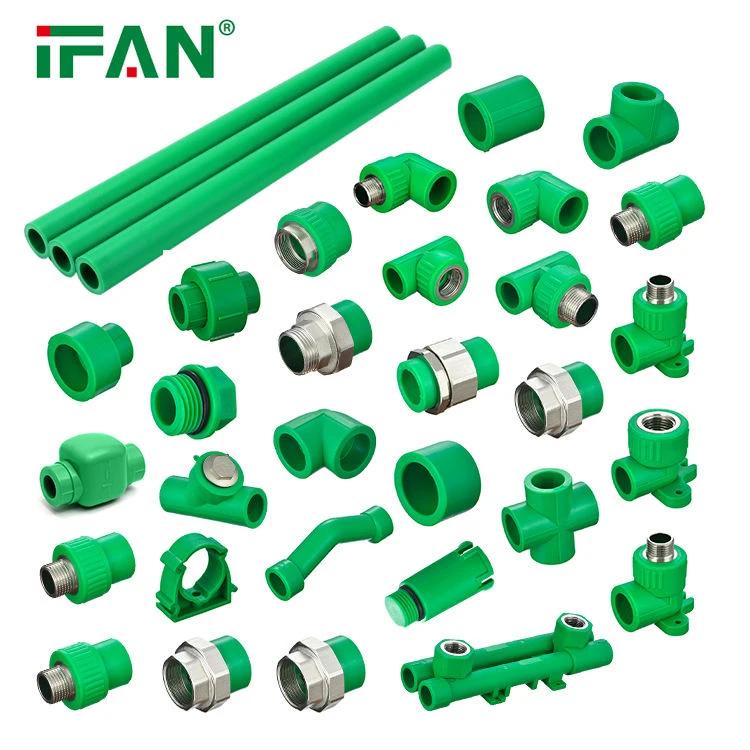
PPR pipe price is 75–85% resin cost — and resin tracks crude oil, not the supplier's markup. Learn to compare quotes per kilogram of virgin PP-R, spot the two ways sellers hide margin (thin walls and blended regrind), and time your orders against the resin index rather than a sales rep's discount.
A PPR pipe price is mostly a bet on one thing: the price of plastic resin. Roughly 75–85% of what it costs to make PP-R pipe is the raw polypropylene granule, so when a supplier quotes you a number, you're really being quoted resin plus a thin margin. Understand that and the whole pricing game gets simpler — you stop comparing meters and start comparing what actually drives the cost.
Here's the trap that catches new importers: the cheapest quote per meter is often the most expensive per kilogram of real material. A thin wall or a batch cut with recycled resin weighs less and quotes lower, and it fails under pressure exactly where you can't afford it to. The number to compare isn't price per meter — it's price per kilogram of genuine virgin PP-R.

Key Takeaways
- Resin is 75–85% of the cost. A PPR quote is mostly a resin quote plus a small margin.
- PP resin runs roughly $450–$1,100 per ton and tracks crude oil within weeks.
- Retail pipe lands around $0.5–$1/m for DN20 and $3–$10/m for DN50–110, before B2B volume pricing.
- Compare price per kg of virgin resin, not price per meter — thin walls and recycled blends hide in the per-meter number.
- Higher PN = more resin. PN25 has thicker walls, so it legitimately costs more than PN16 in the same diameter.
- Fittings add roughly 15–35% to the installed cost — budget them, don't treat them as an afterthought.
What Actually Drives a PPR Pipe Price
Strip a quote down and four things move the number. Only one of them is really big.
Landed cost varies sharply by destination — our PPR sourcing guide for Ghana and West Africa works a real regional example end to end.
1. Raw resin — the whole ball game
Polypropylene granule is 75–85% of the manufacturing cost, so everything else is noise by comparison. Wholesale PP resin sits in the $450–$1,100 per ton range depending on grade. When resin moves, the pipe price moves with it — there's no margin fat to absorb a big swing.
2. Crude oil, upstream of the resin
Propylene, the feedstock for PP, tracks crude oil and naphtha prices, usually following them within weeks. That's why pipe prices climb after an oil spike. Through 2026, Middle East tension pushed crude sharply higher, dragging naphtha and propane up with it and lifting resin costs across the board. When you see a supplier raise prices mid-quarter, oil is usually the reason, not greed.
3. Wall thickness and pressure class
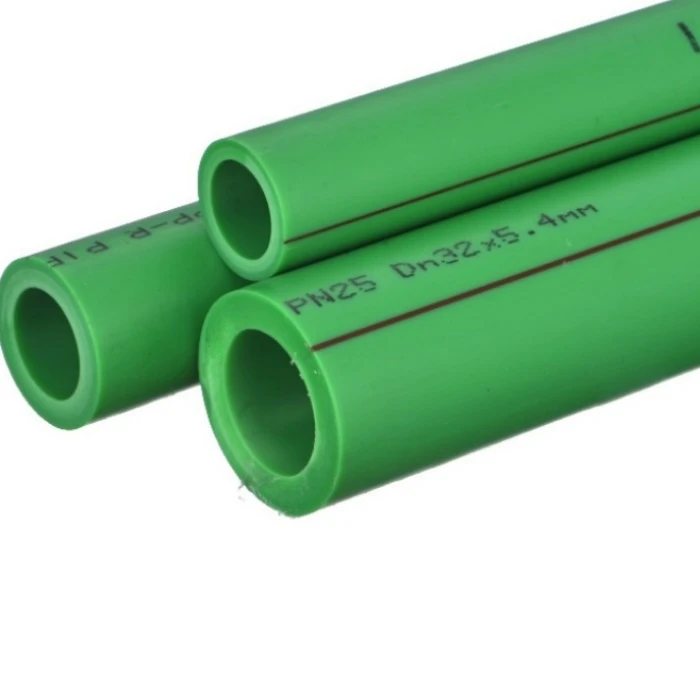
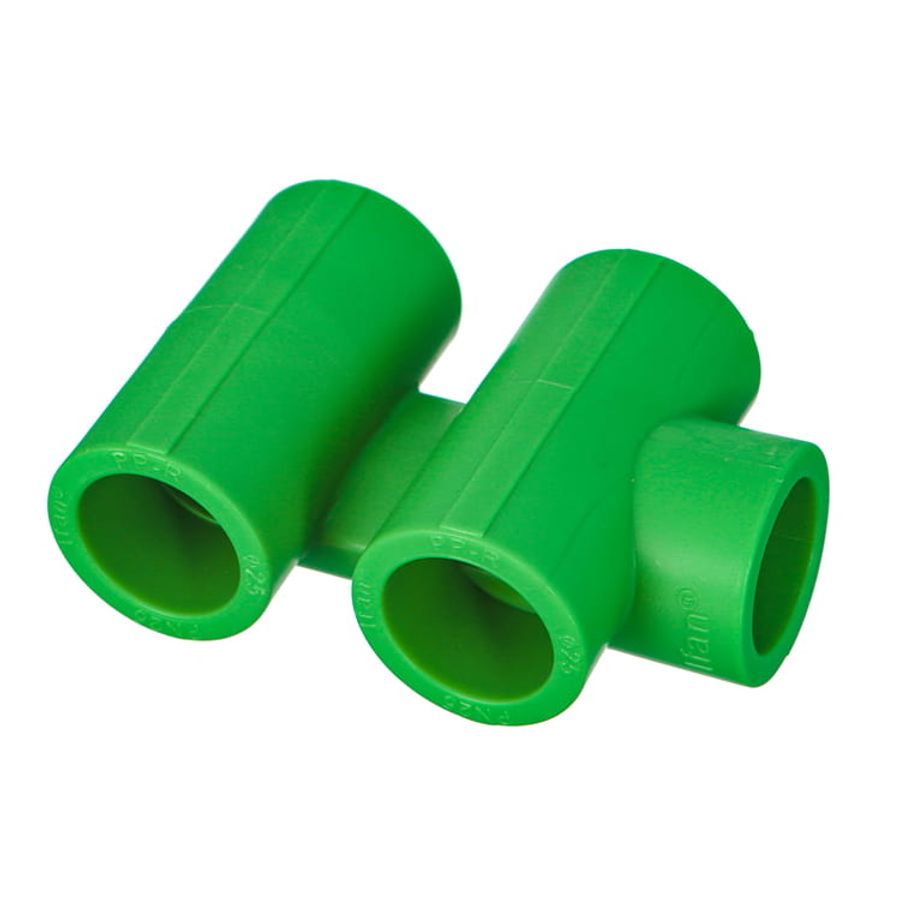
More plastic in the wall means more resin used, which means a higher price. A PN25 pipe has a thicker wall than a PN16 of the same diameter, so it should cost more — that's honest pricing, not a markup. If two "PN25" quotes differ wildly, one of them is likely running a thinner wall than the class allows.
4. Fittings, logistics and tariffs
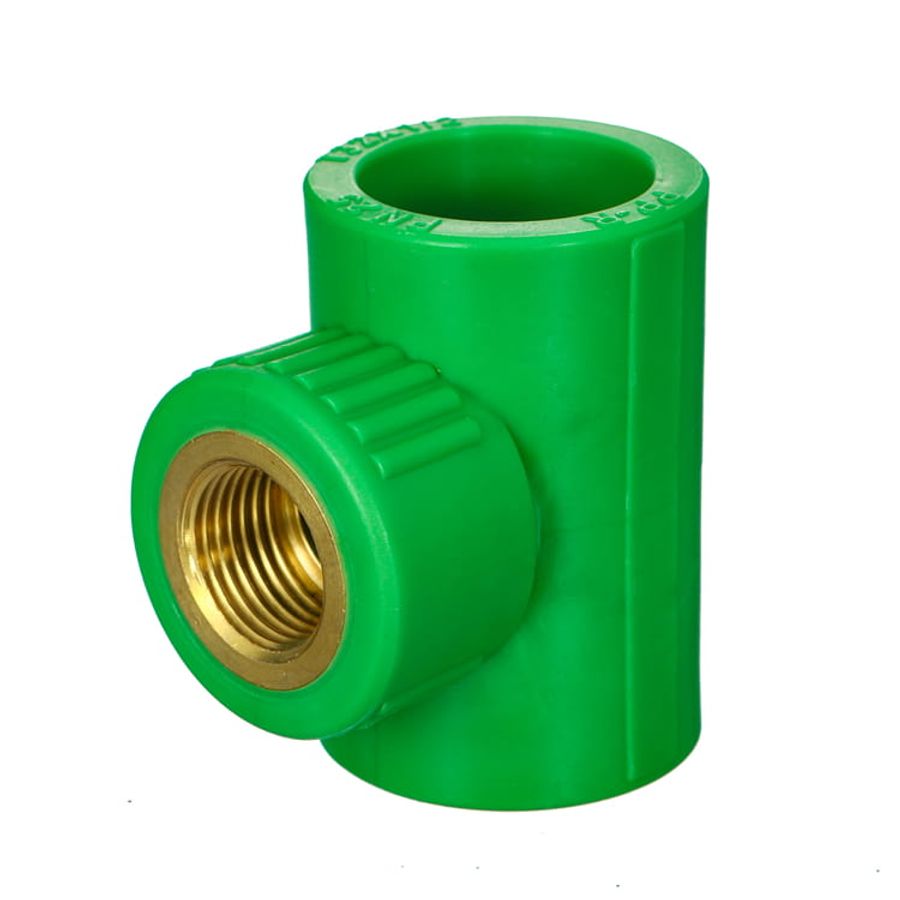
Fittings add roughly 15–35% to the installed cost and are easy to under-budget. On top of that sit shipping, and any import tariff or local inventory premium in your market. These vary by destination, so confirm your landed cost, not just the ex-works quote.
How to Compare Quotes Without Getting Fooled
Two quotes for "DN25 PN20" can differ by 30% and both be honest — or one can be hiding a thinner wall and recycled resin. Here's how to tell which.
- Ask for the weight per meter: for a given diameter and PN, the pipe should weigh within a tight range. A suspiciously light pipe means a thin wall, less resin, and a weaker pipe — that's where the "cheap" price came from.
- Convert to price per kilogram: divide the price by the weight. This strips out the wall-thickness games and shows what you're really paying for material.
- Demand a virgin-material certificate: recycled blend costs the supplier less and quotes lower. A batch certificate is what separates a real price from a gamble.
- Fix the wall spec in writing: put the exact wall thickness (e.g. DN32 × 5.4mm) in the order, so "PN25" can't quietly become a thinner pipe.
A quote far below the rest isn't a bargain to chase — it's a question to ask. Nine times out of ten the answer is a thinner wall, a recycled blend, or a trading company that will disappear when the container fails. Verifying the maker first is covered in how to verify a real PPR manufacturer, and the material test itself in how to tell virgin PP-R from recycled.
Timing Your Order Around Resin
Because resin follows oil, PPR pricing is somewhat predictable if you watch the right signal. You don't need a trading desk — just awareness.
When crude spikes, expect pipe quotes to rise within a few weeks; when oil eases, quotes soften on a similar lag. For a large container order, that lag is worth watching — locking a price before an anticipated resin increase, or waiting through a spike if your stock allows, can move your landed cost more than any haggling over margin. Ask your supplier to quote against a current resin reference rather than a stale price list, so both sides are working from the same reality.
Conclusion
PPR pricing isn't mysterious once you see that resin drives it. The winning move for a buyer isn't finding the lowest per-meter number — it's comparing per kilogram of virgin material, fixing the wall spec in writing, and timing large orders around the resin trend. Do that and you stop overpaying for margin and stop underpaying into thin, recycled pipe.
When you request a quote, ask for weight per meter and a material certificate alongside the price. A supplier who gives you all three is quoting you a pipe; one who only gives a per-meter number is quoting you a guess.
Frequently Asked Questions
How much does PPR pipe cost?
Retail runs roughly $0.5–$1 per meter for DN20 and $3–$10 for DN50–110, before B2B volume pricing. The real driver is resin, which is 75–85% of the cost, so quotes move with polypropylene prices.
Why do PPR prices keep changing?
Because polypropylene resin tracks crude oil and naphtha, usually within weeks. When oil rises, resin and pipe follow; when oil eases, prices soften on a similar lag.
Why is one PPR quote much cheaper than another?
Usually a thinner wall or recycled resin, both of which weigh less and quote lower. Compare price per kilogram and ask for weight per meter plus a virgin-material certificate to see what you're really buying.
Does a higher PN rating cost more?
Yes. A higher PN means a thicker wall and more resin per meter, so PN25 legitimately costs more than PN16 in the same diameter. A big price gap between two "PN25" pipes can signal an under-spec wall.
How much do fittings add to the cost?
Fittings typically add around 15–35% to the installed cost, depending on how fitting-heavy the layout is. Budget them from the start rather than treating them as an add-on.