
Barrera de oxígeno PEX (EVOH): el número a especificar y cómo verificarlo
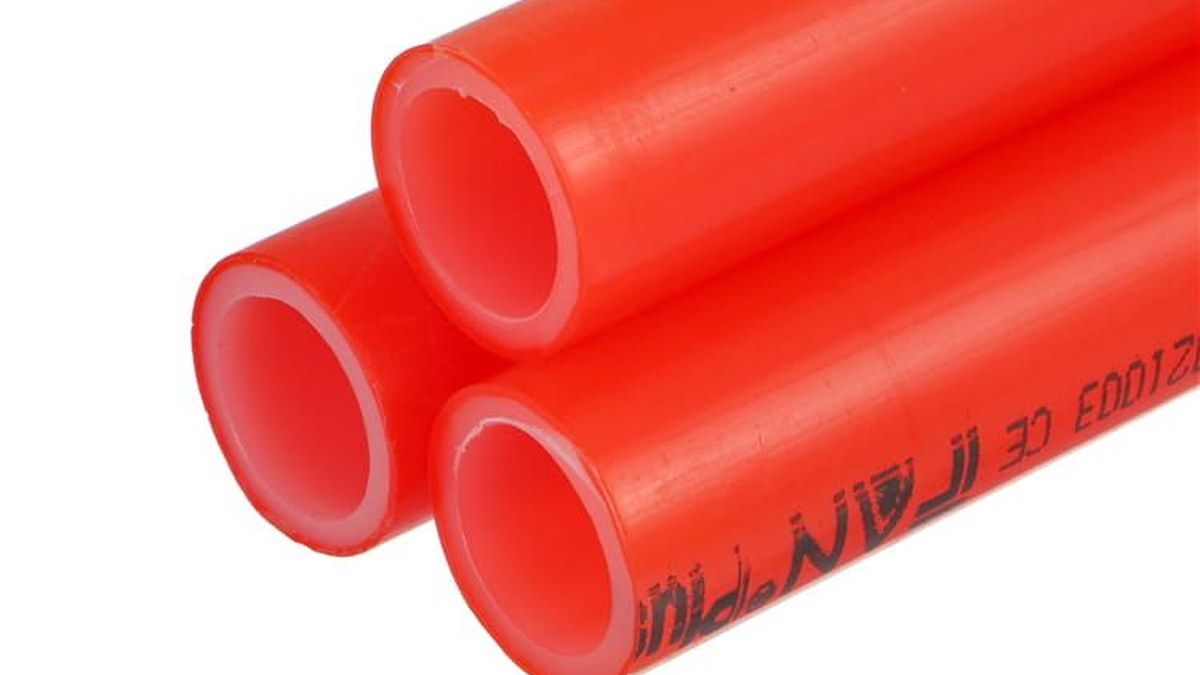
La barrera de oxígeno es un número, no una característica: 0,32 mg/(m2*día) a 40 °C según DIN 4726. La cláusula de RFQ, el método de prueba y lo que debe mostrar un informe real.
Una barrera de oxígeno es un número, no una característica. En una tubería de calefacción PEX o PE-RT conforme, significa que la permeación de oxígeno se mantiene en 0,32 mg O₂/(m²·día) a 40 °C — y 3,6 mg O₂/(m²·día) a 80 °C — medidos mediante un método de ensayo definido. Cualquier otro uso de la frase es marketing.
Esa distinción importa porque la "barrera de oxígeno" se imprime en páginas de producto que nunca indican el límite, nunca nombran la norma y nunca muestran un resultado de ensayo. Un distribuidor que compara dos ofertas no tiene forma de saber si ambas tuberías cumplen el mismo requisito o si un proveedor simplemente le gustó la frase. Este artículo le ofrece el número, la norma detrás, el método de ensayo que lo produce y el documento que debe exigir antes de que se fabrique un contenedor.

Conclusiones clave
- El requisito europeo es ≤ 0,32 mg O₂/(m²·día) a 40 °C y ≤ 3,6 mg O₂/(m²·día) a 80 °C. El mismo límite aparece tanto en DIN 4726 como en EN ISO 21003-2.
- Un límite sin su método no significa nada. El número proviene de ISO 17455, método dinámico I, en un conjunto de 20 m — después de un acondicionamiento previo de secado de 28 días que evita que la tubería nueva favorezca el resultado.
- Una tubería con barrera genuina supera el límite por aproximadamente un orden de magnitud. Un informe acreditado registra < 0,03 frente a un límite de 0,32. Un resultado que se sitúa justo por debajo de la línea merece preguntas.
- El EVOH suele ser una capa interior de la pared, no un recubrimiento exterior — las construcciones de 4 y 5 capas difieren, y ASTM F3253 permite ambas.
- Solicite el informe de ensayo, no la afirmación: número de informe, laboratorio emisor, norma de ensayo, temperatura y valor medido.
En esta página
- Lo que la "barrera de oxígeno" debe significar en una especificación de compra
- Los dos números: DIN 4726 y EN ISO 21003-2
- Un límite sin método de ensayo no es una especificación
- Dónde se encuentra realmente el EVOH — y por qué la redacción de la ficha técnica importa
- Cómo es un documento de conformidad real
- Si compra para Norteamérica: ASTM F3253
- Incluirlo en la orden de compra
Lo que la "barrera de oxígeno" debe significar en una especificación de compra
La razón de la barrera está bien establecida y no es el tema de esta página: un circuito de calefacción sellado recircula la misma agua durante años, el oxígeno se difunde a través del polietileno sin barrera, y el oxígeno disuelto corroe las partes ferrosas que comparten el circuito — intercambiadores de calor de calderas, carcasas de bombas, colectores de acero. Cubrimos ese mecanismo, y cuándo un sistema puede tolerar tubería sin barrera, en nuestra guía de selección de tubería para calefacción por suelo radiante.
Lo que esa guía no hace — y lo que casi ninguna página que actualmente se posiciona para este término hace — es decirle qué número tiene derecho a exigir. Esa brecha es todo el problema para cualquiera que compre tubería en lugar de instalarla.
Considere la posición de un importador que tiene dos cotizaciones. Ambas fichas técnicas indican "barrera de oxígeno EVOH". Una tubería es una construcción de PE-RT de cinco capas con un informe de terceros de un laboratorio acreditado. La otra es una tubería de una sola capa con una capa delgada y la palabra del propio proveedor. Nada en la frase las distingue. La diferencia de precio es real, el comprador la ve, y sin una especificación está eligiendo por precio entre dos productos que no son el mismo producto.
La afirmación se vuelve verificable en el momento en que se adjuntan tres cosas
- Un límite — la tasa de permeación permitida, en mg O₂/(m²·día), a una temperatura indicada.
- Un método — el procedimiento de prueba que produce esa cifra, incluido cómo se acondicionó la muestra primero.
- Un documento — un informe de un laboratorio nombrado que muestre el resultado medido frente al límite.
Adjunte los tres y "barrera de oxígeno" se convierte en un término contractual contra el cual puede rechazar un envío. No adjunte ninguno y es una palabra en un folleto. El resto de este artículo proporciona los tres.
Los dos números: DIN 4726 y EN ISO 21003-2
La norma alemana DIN 4726, que cubre sistemas de calefacción superficial de agua caliente y conexiones de radiadores, establece el límite de permeación que el mercado europeo utiliza. Se expresa por unidad de superficie de tubería, por día, a una temperatura de agua indicada:
| Temperatura de prueba | Permeación máxima permitida | Donde aparece el mismo límite |
|---|---|---|
| 40 °C | ≤ 0.32 mg O₂/(m²·día) | DIN 4726 y EN ISO 21003-2 |
| 80 °C | ≤ 3.6 mg O₂/(m²·día) | DIN 4726 y EN ISO 21003-2 |
La segunda columna de esa tabla merece atención. Los informes de prueba acreditados enumeran el requisito de DIN 4726 y el requisito de EN ISO 21003-2 como líneas separadas, y ambos llevan la misma cifra a 40 °C. Entonces, cuando la ficha técnica de un proveedor cita una norma y la de un competidor cita la otra, eso no es una diferencia en rigor. Es el mismo umbral bajo dos referencias, y un comprador que trata uno como superior está inventando una distinción que no existe.
La cifra obsoleta que le costará una especificación no verificable
Si busca este tema, todavía encontrará el requisito citado como "0.1 gramos por m³ por día a 50 °C". Es una declaración volumétrica heredada de la misma intención, y se repite en sitios comerciales hoy. El problema no es que sea históricamente incorrecto, sino que ningún laboratorio informa contra él. Los informes acreditados y los catálogos de fabricantes indican resultados en mg por metro cuadrado por día, a 40 °C u 80 °C.
Consecuencia práctica: pegue la cifra volumétrica en su RFQ y habrá escrito un requisito que ningún informe de prueba puede igualar. El proveedor envía un informe ISO 17455 perfectamente válido en mg/(m²·día), su especificación pide g/m³/día a una temperatura diferente, y nadie puede cerrar el círculo. Especifique el límite basado en área a 40 °C.
Un límite sin método de ensayo no es una especificación
La cifra de permeación se produce según ISO 17455 — "Sistemas de tuberías plásticas — Tuberías multicapa — Determinación de la permeabilidad al oxígeno de la tubería barrera". Publicada en 2005, con una corrección de 2007, y revisada y confirmada como vigente en 2021. Define dos enfoques, un método dinámico y uno estático; los informes acreditados sobre tubería para calefacción suelen utilizar el método dinámico, designado como método I.
Los parámetros de ensayo son lo suficientemente específicos como para citarlos a un proveedor. Un ensayo acreditado representativo se realiza a 40 °C ± 0,5, sobre una longitud libre de tubería de 20 m ± 0,5 sin accesorios en el conjunto, con un límite de detección de oxígeno de 0,1 µg O₂/l. Los resultados se registran en varias corridas y se promedian.
El paso de 28 días que casi nadie menciona
Aquí está la parte que separa una prueba de conformidad real de una conveniente. Antes de la medición de permeación, la norma DIN 4726 requiere que la muestra sea preacondicionada en tres etapas:
- Doblado — la tubería se dobla a 8 veces el diámetro nominal en el 10% de la longitud del conjunto, y luego se mantiene al aire a 23 °C ± 2 durante 24 horas. Esto tensa la capa barrera como lo haría una instalación real.
- Acondicionamiento en agua — agua en agua a 20 °C ± 1 durante 24 horas.
- Secado — agua en aire a 23 °C ± 2 y 50% ± 5 de humedad relativa, durante 28 días.
El EVOH es higroscópico. Su rendimiento como barrera es sensible a la humedad, y una muestra ensayada directamente después de la línea de producción, aún húmeda, no se comporta como lo hace la tubería en un almacén. La etapa de secado de 28 días existe para eliminar esa ventaja. También es la razón por la que una prueba de conformidad genuina requiere más de un mes de tiempo calendario antes de que comience la medición, lo cual dice algo útil sobre cualquier proveedor que ofrezca producir una para el viernes.
En la práctica: cuando una ficha técnica afirma cumplimiento con DIN 4726, la pregunta significativa no es si la tubería pasó, sino si la muestra pasó por este acondicionamiento. Solicite el informe y busque la sección de preacondicionamiento.
Dónde se encuentra realmente el EVOH — y por qué importa la redacción de la ficha técnica
Una descripción ampliamente copiada del PEX barrera llama al EVOH un "recubrimiento externo de polímero especial". Para algunos productos eso es preciso. Para las construcciones más comúnmente vendidas en proyectos de calefacción no lo es, y la diferencia tiene consecuencias prácticas en obra.
Dos construcciones dominan, y los fabricantes las documentan con precisión:
| Construcción | Apilamiento de capas, de dentro a fuera | Dónde se encuentra el EVOH |
|---|---|---|
| PEX barrera de 4 capas | HDPE reticulado · adhesivo · EVOH · piel exterior fina de PE | Tercera capa, protegida por una piel exterior |
| PE-RT barrera de 5 capas | PE-RT · adhesivo · EVOH · adhesivo · PE-RT | En el medio de la pared, unida por ambos lados |
En la forma de cuatro capas, el material más externo es una capa delgada de polietileno cuya función declarada es proteger el EVOH de daños. En la forma de cinco capas, el EVOH se encuentra en el centro de la pared entre dos capas adhesivas de polímero modificado con anhídrido maleico. Ninguna de las dos es un recubrimiento superficial en el sentido ordinario.
Las normas permiten ambas. ASTM F3253 define su alcance en torno a tuberías que incorporan "una sola capa de barrera de oxígeno en la pared exterior o media", por lo que una ficha técnica que describe una barrera exterior no es necesariamente no conforme. Está describiendo un producto diferente.
Por qué un comprador debería importarle:la ubicación de la barrera cambia cuánta abrasión tolera la tubería antes de que la barrera esté en riesgo. Una barrera enterrada en medio de la pared entre capas adhesivas está protegida por todo el espesor de la pared exterior. Una barrera situada bajo una piel exterior delgada no lo está. Para tubería que será arrastrada sobre una malla de refuerzo de solera y grapada por un instalador que trabaja a buen ritmo, no es una distinción académica, y es una pregunta justa para plantear a un proveedor cuya ficha técnica es vaga al respecto.
Lea las capas adhesivas, no los adjetivos
Una ficha técnica que nombra sus capas adhesivas describe un proceso de extrusión real. Una que solo dice "con barrera de oxígeno EVOH" puede describir cualquier cosa. Cuando solicite una ficha técnica, el detalle útil es el número de capas y de qué está hecha cada una; ese solo párrafo le dice más sobre el producto que toda la sección de marketing anterior.
Cómo es un documento de conformidad real
Esta es la parte en la que un comprador puede actuar de inmediato. A continuación se presentan dos informes genuinos de permeabilidad al oxígeno emitidos por Kiwa Nederland, un organismo de pruebas europeo acreditado, sobre tuberías de dos fabricantes diferentes: informe LC 21574-1 (PDF) y informe LC 14439 (PDF). Ninguno es tubería de IFAN; son documentos de terceros publicados, mostrados aquí porque demuestran lo que contiene un informe creíble y cómo son los resultados reales.
| Informe | Producto probado | Requisito | Medido |
|---|---|---|---|
| Kiwa LC 21574-1, 27-07-2022 | PE-RT tipo II / EVOH / PE-RT tipo II, 16 × 2.0 mm | ≤ 0.32 mg O₂/(m²·día) a 40 °C | < 0.03 mg O₂/(m²·día) |
| Kiwa LC 14439, 26-07-2017 | PE-Xa / EVOH, 16 × 2.2 mm | ≤ 3.6 mg O₂/(m²·día) a 80 °C | 0.25 mg O₂/(m²·día) |
Lea los márgenes, porque son las cifras más instructivas de esta página. La muestra de PE-RT quedó por debajo de 0.03 frente a un límite de 0.32, mejor que un factor de diez. La muestra de PEX-a midió 0.25 frente a un límite de 3.6 en la condición más severa de 80 °C. Una barrera EVOH que funciona no roza el requisito; hace que el requisito parezca generoso.
Eso le da una heurística práctica. Un resultado reportado justo por debajo del límite, por ejemplo 0.28 frente a 0.32, no es un aprobado para celebrar. Es un resultado que vale la pena cuestionar, porque una barrera bien construida no debería operar tan cerca del límite. Pregunte qué preacondicionamiento se aplicó y cuántas ejecuciones de prueba se promediaron.
Las cinco cosas que contiene un informe útil
- Un número de informe y fecha — trazable, no una captura de pantalla de una tabla.
- El laboratorio emisor — un organismo acreditado y nombrado, con la empresa solicitante también indicada.
- El producto exacto ensayado — composición del material y dimensiones nominales, p. ej., "PE-RT tipo II / EVOH / PE-RT tipo II, 16 × 2,0 mm". Si no coincide con su pedido, no es su evidencia.
- Requisito y valor medido lado a lado, a una temperatura declarada.
- El preacondicionamiento aplicado — las etapas de flexión, agua y secado de 28 días descritas anteriormente.
La verificación a nivel de campo: lea la línea de impresión
Un informe cubre una muestra. La línea de impresión cubre el rollo que tiene delante. Una tubería barrera conforme lleva sus credenciales a lo largo del propio tubo — aquí hay una línea de impresión real transcrita de la muestra del informe LC 21574-1:
PERT EVOH 16x2,0 PERT Tipo II – C – Barrera de Oxígeno – Clase 1/10 bar – 2/8 bar – 4/8 bar – 5/8 bar – UNE EN ISO 22391 – Hecho en España – Línea 1 – Lote 12/05/22
Observe lo que está codificado allí: la construcción y el tamaño, el tipo de material, las palabras "Barrera de Oxígeno", cuatro pares de clase de aplicación y presión, la norma del producto, el país de fabricación, el número de línea de producción y un código de lote con fecha. En una inspección de recepción, el número de línea y el código de lote son lo que le permiten rastrear un rollo sospechoso hasta una corrida de producción específica — y lo que le permite rechazar una entrega cuya línea de impresión no coincide con la tubería que especificó.
Para importadores y especificadores que redactan una licitación de tubería de calefacción: envíenos su borrador de especificación y le diremos qué cláusulas puede evidenciar realmente un proveedor y cuáles volverán con un encogimiento de hombros. Útil tanto si compra la tubería de nosotros como si no.
Si compra para Norteamérica: ASTM F3253
La norma DIN 4726 rige la conversación europea. Los proyectos norteamericanos se rigen por una especificación ASTM en su lugar, y un distribuidor que atiende ambos mercados debe saber que no son documentos intercambiables.
ASTM F3253 — "Especificación estándar para tubería de polietileno reticulado (PEX) con barrera de oxígeno para sistemas de distribución hidrónica de agua caliente y fría" — cubre tubería PEX con barrera de oxígeno polimérica en una sola relación dimensional, SDR 9, para calefacción y refrigeración hidrónica hasta una temperatura máxima de trabajo de 200 °F (93 °C) inclusive. Su alcance admite explícitamente una capa barrera exterior o intermedia única, y su suite de ensayos cubre la permeación de oxígeno y la adhesión de capas junto con presión de estallido, presión sostenida, termociclado, tubo doblado, resistencia oxidativa y resistencia UV.
Útil para cualquiera que compare entre regiones: los fabricantes que atienden el mercado estadounidense a menudo declaran el valor de permeación contra el mismo estándar. Una ficha técnica norteamericana publicada declara una permeación inferior a 4.588 × 10⁻⁴ granos/(pie²·día) a 104 °F — que luego expresa como 0,32 mg/(m²·día) a 40 °C, ensayado de acuerdo con ISO 17455. Mismo número, mismo método, diferentes unidades.
Leyendo una línea de impresión norteamericana
Un tubo de PEX con barrera de tipo estadounidense normalmente tiene una presión nominal de 100 PSI a 180 °F y 160 PSI a 73 °F, estando el tubo fabricado y probado según un conjunto de normas en lugar de una sola: ASTM F876 y F877 para el propio PEX, F3253 para la barrera, F3348 para los accesorios de inserción a presión y CSA B137.5. El grado de reticulación se determina según ASTM D2765. Un segundo fabricante indica la misma clasificación en unidades métricas — 690 kPa a 82 °C y 1100 kPa a 23 °C — en tamaños nominales de 3/8" a 1".
La implicación para el doble mercado es sencilla. Una tubería certificada según EN ISO 22391 con un informe de barrera según DIN 4726 no es automáticamente aceptable en un proyecto hidrónico estadounidense, porque la cadena de especificaciones de EE. UU. también exige conformidad dimensional y de presión según ASTM F876/F877 y, en muchas jurisdicciones, listados NSF. Si vende en ambos mercados, solicite a los proveedores ambas cadenas de certificación explícitamente, en lugar de asumir que una implica la otra.
Cómo incluirlo en la orden de compra
Todo lo anterior se reduce a unas pocas líneas de texto en un documento de licitación. Aquí está el lenguaje de especificación, redactado para que un proveedor pueda cumplirlo o rechazarlo, que es exactamente lo que se espera de una especificación.
Cláusula de especificación — copiar y adaptar
La tubería deberá incorporar una capa de barrera de oxígeno de EVOH. La permeabilidad al oxígeno no deberá exceder 0.32 mg O₂/(m²·día) a 40 °C cuando se ensaye de acuerdo con ISO 17455 siguiendo el preacondicionamiento especificado en DIN 4726, incluida la etapa de secado de 28 días.
El proveedor deberá proporcionar, antes de la producción: un informe de ensayo de un laboratorio externo acreditado, que indique número de informe, fecha, organismo emisor, construcción del producto ensayado y dimensiones nominales, requisito, valor medido y preacondicionamiento aplicado.
La construcción y las dimensiones ensayadas deberán corresponderse con los tamaños pedidos. La tubería deberá estar marcada permanentemente con material, dimensiones, clase de aplicación y pares de presión, norma del producto, línea de producción y código de lote.
Aspectos prácticos de pedido y situación actual de IFAN
En cuanto a condiciones comerciales, IFAN trabaja con un mínimo de un contenedor, permitiendo tamaños mixtos, vende estrictamente al por mayor B2B y envía FCL o LCL con documentación de exportación completa. El precio se cotiza contra una lista de productos presentada, en lugar de publicarse como precio de lista, porque la cifra varía con el coste de la resina, la mezcla de tamaños y el volumen; así que la respuesta honesta sobre la estructura de precios es que se construye a partir de su mezcla de tamaños, no se lee de una página. El plazo de entrega se confirma por pedido en la cotización, ya que depende de la mezcla de tamaños y de la carga actual de la línea.
Sobre el producto en sí, una respuesta directa es más útil que una cómoda. La gama publicada de calefacción por suelo radiante de IFAN incluye bobinas de PE-RT en 16–32 mm, con dos SKU catalogados en el momento de redactar este texto: HL106-155 en 16 × 2.0 mm en bobinas de 100 m y HL106-156 de 20 × 2,0 mm en rollos de 100 m. Nuestro registro de certificación documentado cubre la línea de PP-R — DIN 8077/8078, ISO 15874, CE y SGS, con SASO, SONCAP o NOM disponibles bajo petición — y esas son certificaciones de PP-R, no de PEX o PE-RT.
Cuando nuestro propio registro es incompleto: si los rollos de PE-RT catalogados arriba se suministran con capa de barrera de oxígeno EVOH, y contra qué informe de ensayo, está no confirmado en nuestra documentación de producto publicada. No vamos a afirmarlo aquí basándonos en una descripción de categoría. Si necesita tubería con barrera, pregúntenos directamente por la construcción y el informe de ensayo para el tamaño específico que pretende pedir, y espere una respuesta documentada o un "no" claro — que es el mismo estándar que este artículo le pide que exija a cualquier otro proveedor.
Sus próximos tres pasos
- Incluya la cláusula anterior en su RFQ, con el límite, el método y la solicitud de documento expresados explícitamente.
- Pida a cada proveedor que cotice el informe de ensayo y la construcción de capas, y compare las dimensiones ensayadas con los tamaños que realmente va a pedir.
- Compruebe la línea de impresión en el rollo de muestra antes de aprobar la producción, y de nuevo a la llegada.
Si todavía está decidiendo entre materiales antes de llegar a la cuestión de la barrera, nuestra comparación de PE-RT y PEX para circuitos de calefacción cubre soldabilidad, clases de temperatura y coste instalado, y la guía de tubería PEX cubre la distinción entre PEX-a, PEX-b y PEX-c. Para el extremo del colector del circuito, donde realmente viven los componentes férricos más expuestos al oxígeno, consulte nuestra guía del colector PEX. Nuestra gama actual de PEX y PE-RT, con los tamaños de rollo catalogados y los datos de embalaje, se encuentra en la categoría de PEX y PE-RT.
Para distribuidores que dimensionan un primer pedido de contenedor: el catálogo lista nuestra Serie PEX junto con PPR, válvulas de latón y accesorios de PE, con códigos de artículo, tamaños y datos de embalaje por SKU. Mínimo un contenedor, tamaños mixtos aceptados.
Preguntas frecuentes
¿Cuál es el límite de permeación de oxígeno para PEX con barrera?
0,32 mg O₂/(m²·día) a 40 °C, y 3,6 mg O₂/(m²·día) a 80 °C. Los mismos límites aparecen en DIN 4726 y EN ISO 21003-2.
¿Es el EVOH un recubrimiento en el exterior de la tubería?
Generalmente no. En PEX de 4 capas se sitúa en tercer lugar con una fina capa de PE encima; en PE-RT de 5 capas se sitúa en el centro de la pared entre dos capas adhesivas. ASTM F3253 permite una capa barrera exterior o intermedia, así que consulte la ficha técnica específica.
¿Qué método de ensayo mide la permeación de oxígeno?
ISO 17455, típicamente el método dinámico I, realizado a 40 °C en un conjunto de 20 m. DIN 4726 añade un preacondicionamiento previo, incluyendo una etapa de secado de 28 días.
¿Por qué algunas fuentes dicen 0,1 g/m³/día a 50 °C?
Esa es una redacción volumétrica heredada que todavía se repite en sitios comerciales. Los laboratorios acreditados informan en mg/(m²·día) a 40 °C u 80 °C, así que especifique el límite basado en área o su requisito no podrá compararse con un informe.
¿Qué debe contener el informe de ensayo de barrera de un proveedor?
Número de informe y fecha, laboratorio emisor acreditado, construcción exacta y dimensiones ensayadas, requisito y valor medido a una temperatura indicada, y preacondicionamiento aplicado.
¿IFAN suministra PEX o PE-RT con barrera de oxígeno EVOH?
Nuestra documentación publicada lista serpentines de calefacción por suelo radiante de PE-RT en 16–32 mm, pero no confirma una capa de barrera EVOH ni un informe de ensayo de permeación. Consúltenos la construcción y el informe para su tamaño específico antes de realizar el pedido.
¿Cuál es el equivalente norteamericano de la norma DIN 4726?
ASTM F3253, que cubre PEX con barrera SDR 9 para sistemas hidrónicos hasta 200 °F (93 °C). Se complementa con ASTM F876, F877 y CSA B137.5, sin reemplazarlas.