
PEX Manifold: Home-Run Distribution, Sizing & How to Choose
A PEX manifold is the heart of a home-run plumbing system — a central distribution block where one supply comes in and a dedicated line runs out to each fixture. Done right, it gives even pressure, per-fixture shutoff, and fewer joints buried in walls. But "PEX manifold" covers several configurations: valved and unvalved, potable and radiant-heating, brass, poly, and copper — and sizing the manifold and its feed wrong throttles the whole system. This guide explains what a PEX manifold is, how it compares to trunk-and-branch, the parts and types, how to size it, and how to choose and locate one — so your distribution holds pressure when the house is busy.
For the wider picture on PEX types, sizes, and fittings, see the complete PEX pipe guide; this article focuses on the manifold.
Key Takeaways
- A manifold is a central distribution block — one feed in, one dedicated home-run line out to each fixture.
- It gives even pressure, per-fixture shutoff, and fewer concealed joints than trunk-and-branch.
- Types: valved or unvalved, and potable (plumbing) or radiant-heating (with flow meters).
- Size the manifold and its feed for total demand; size each home-run for its single fixture.
- Home-runs are usually ⅜" or ½"; the feed and manifold trunk are ¾" or 1".
- Locate it central and accessible so line lengths stay short and valves are reachable.

What a PEX Manifold Is
A manifold is a distribution block with one inlet and multiple outlet ports. In a PEX home-run system, the cold (and hot) supply feeds into the manifold, and from each port a single continuous PEX line runs directly to one fixture — a sink, a toilet, a shower — with no branch tees along the way. Think of it as a breaker panel for water: one main in, many dedicated circuits out. Because every fixture has its own uninterrupted line straight from the manifold, pressure stays even when several taps run at once, and (on a valved manifold) you can shut off any single fixture at the manifold without affecting the rest. Hot and cold typically get their own manifolds, often mounted together. The manifold body is commonly brass, engineered polymer, or copper, with ports sized to the home-run PEX and a larger inlet sized to carry the whole load.
Manifold (Home-Run) vs Trunk-and-Branch
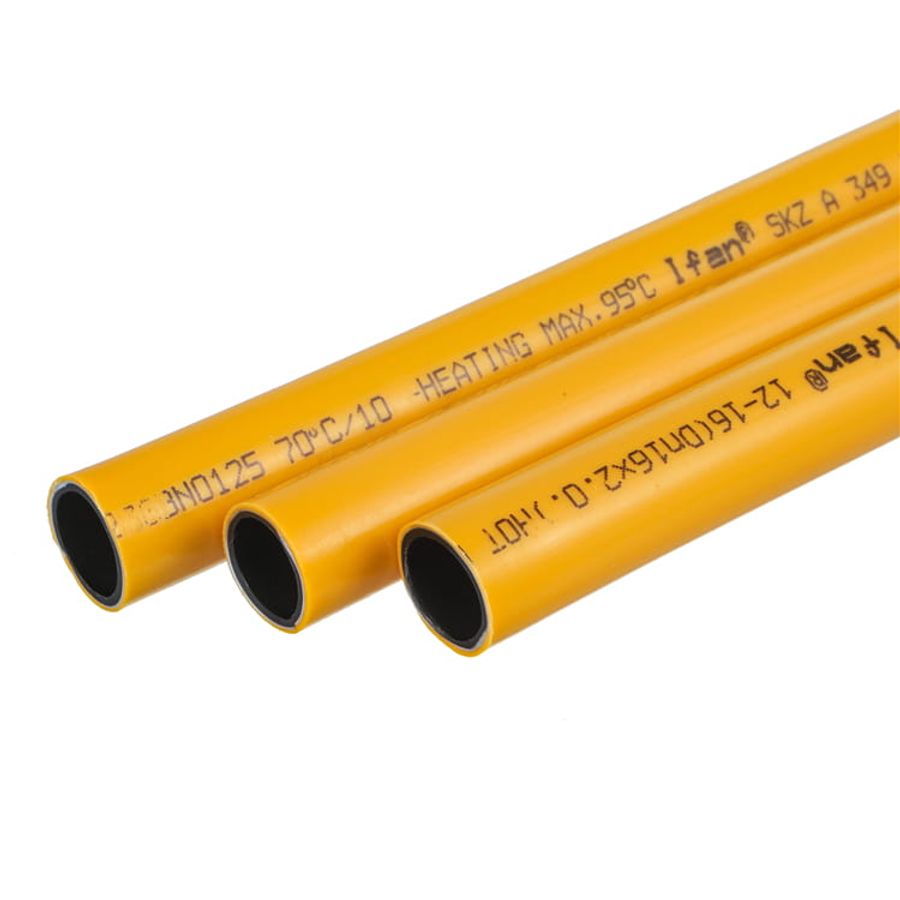
There are two ways to distribute PEX, and the manifold is one of them. In trunk-and-branch, a large trunk line runs through the building and smaller branches tee off it to feed fixtures — like the traditional copper layout, using less total pipe but sharing pressure among fixtures on a branch. In a manifold home-run, each fixture gets its own line from the central manifold — more total pipe, but even pressure and per-fixture control. The trade-off: home-run uses more PEX and needs a manifold, but delivers balanced pressure (no drop when someone flushes while you shower), isolation of any fixture, and fewer joints hidden in walls (the connections are at the accessible manifold, not buried at every branch tee). Many builders use a hybrid — a manifold for the busy fixtures and short branches for clustered ones. Choose home-run where balanced pressure and serviceability matter most.
Parts and Types of PEX Manifold
Manifolds come in a few configurations, and the right one depends on the job.
| Type | Feature | Best for |
|---|---|---|
| Valved manifold | A shutoff valve per port | Per-fixture isolation, service |
| Unvalved (open) manifold | Plain ports, no valves | Simple splits, lower cost |
| Radiant-heat manifold | Flow meters + balancing valves | Underfloor heating loops |
| Brass / poly / copper body | Material of the block | Potable: lead-free brass/poly |
A valved manifold lets you isolate one fixture for repair without shutting the house — the main reason to choose one for potable plumbing. A radiant-heating manifold adds flow meters and balancing valves so each heating loop can be tuned. For drinking water, the manifold body should be a lead-free brass or engineered polymer with a potable approval, matching the same grade logic as the fittings.
Sizing the Manifold and the Feed
This is where manifold systems succeed or fail. The rule has two halves. Size each home-run for its single fixture: most fixtures take ½", short low-flow drops take ⅜" — because each line serves only one fixture, it never needs to carry combined demand. Size the feed and manifold trunk for the total simultaneous demand: the inlet and the manifold body must carry the sum of every line that can run at once, so the feed is typically ¾" or 1". The classic mistake is sizing the home-runs correctly but feeding the manifold with too small a supply — that throttles the whole system no matter how well the individual lines are sized. Match the port size to the home-run PEX (and its convention — nominal or metric OD, per PEX pipe sizes), and match the inlet to the total load. Get both halves right and the manifold holds even pressure across every fixture; miss the feed and you've built a bottleneck.
Connecting PEX to the Manifold
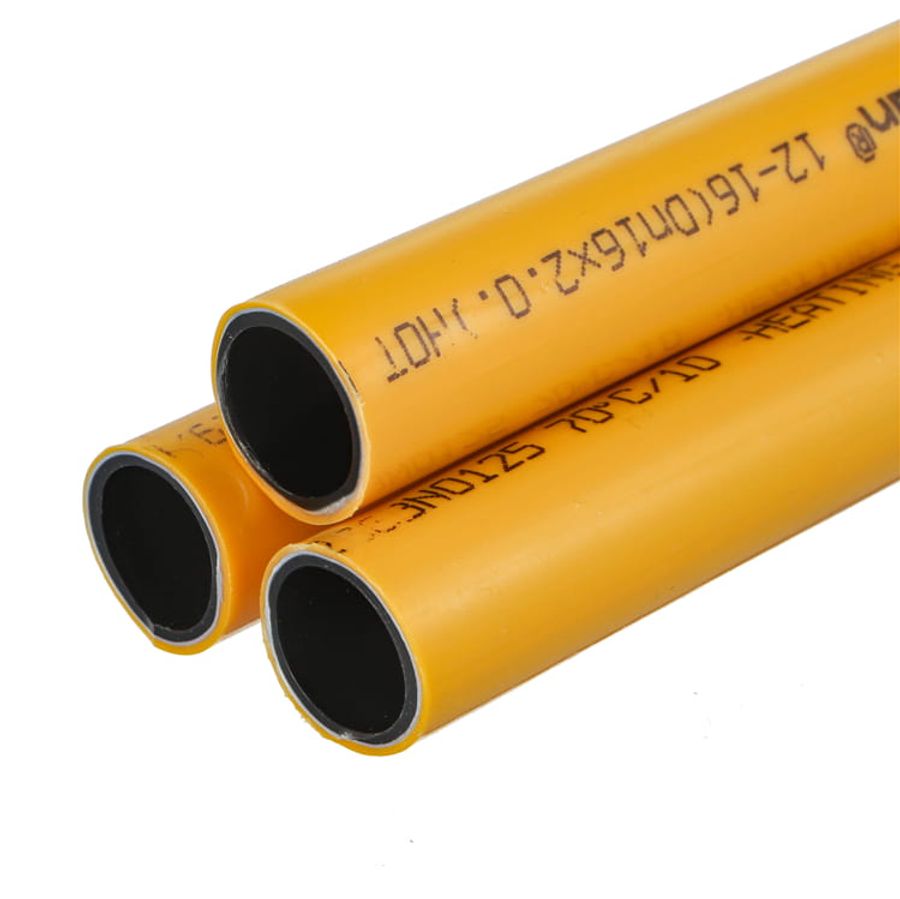
The home-run lines connect to the manifold ports using the same PEX connection methods covered in our PEX fittings guide — crimp, clamp, expansion, or push-fit, depending on the manifold's port style and the PEX grade. Manifold ports are commonly a threaded or compression connection, or a PEX outlet that takes a crimp/expansion fitting directly. Whatever the port type, match the fitting to the port and to the PEX grade (remember expansion needs PEX-a), and keep the whole run in one system so nothing is a size or convention mismatch. Because the connections are at the accessible manifold rather than buried in a wall, a manifold system is easier to inspect and service — but that only holds if the manifold is mounted somewhere reachable. Label each port to its fixture as you connect, so future service is obvious.
Where to Locate a Manifold
Location shapes how well a manifold works. Put it central to the fixtures it serves so home-run lengths stay short — long runs lose pressure to friction and waste water waiting for hot to arrive. Put it accessible — a utility room, basement, or a dedicated cabinet — so the shutoff valves can actually be reached and the connections inspected; a manifold sealed inside a wall throws away its serviceability advantage. Keep hot and cold manifolds together but clearly distinguished, and mount at a height that's easy to read and operate. For a larger home, more than one manifold (e.g. one per floor or wing) keeps every run short rather than forcing long lines from a single distant block. The goal is short lines and reachable valves — the two things that make a manifold system quiet, efficient, and easy to live with.
How to Choose and Buy a PEX Manifold
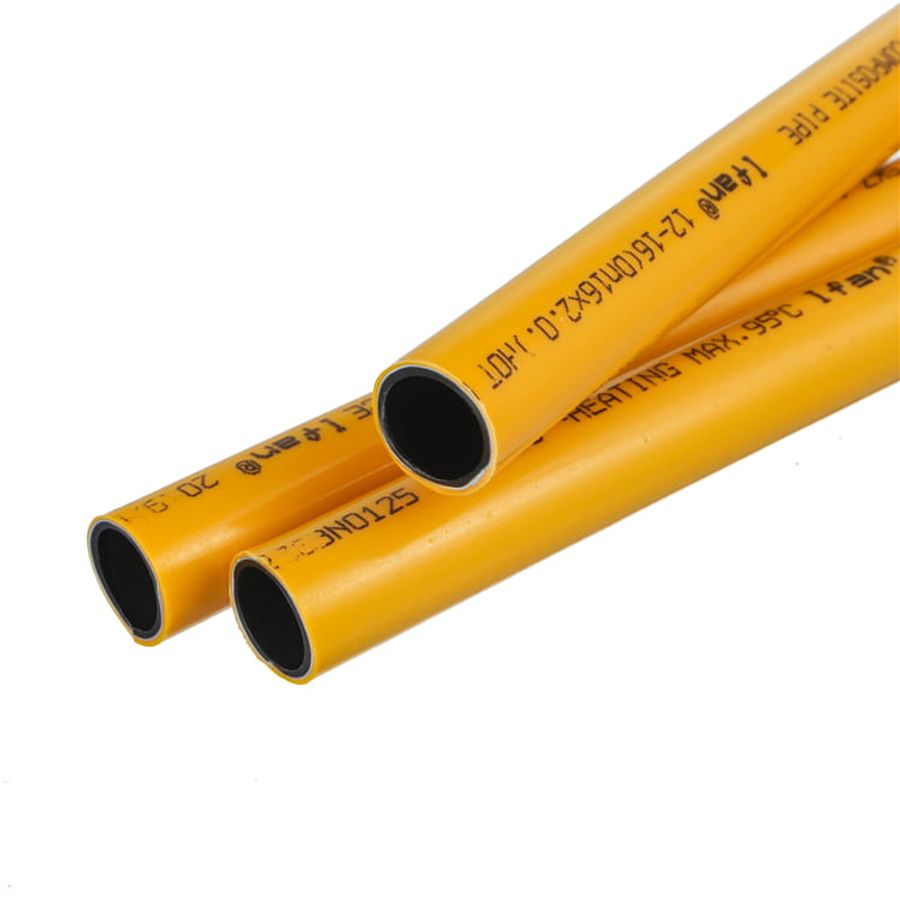
For a buyer, work through it in order. Application: potable plumbing or radiant heating — this sets whether you need a plain distribution manifold or one with flow meters and balancing valves. Ports: count the fixtures (or loops) to fix the number of outlets, and match port size and connection type to your home-run PEX. Valved or open: valved for per-fixture isolation on potable systems; open where isolation isn't needed. Material: lead-free brass or potable polymer for drinking water; match the grade to the fittings. Feed size: confirm the inlet carries total demand. On a project order, the saving isn't the cheapest manifold — it's ordering the manifold, the right number of ports, the matched PEX and fittings, and the mounting together, so the whole distribution assembly arrives as one coordinated kit. That completeness is what turns a manifold from a parts-hunt into a clean install.
Need PEX manifolds matched to your pipe and fittings?
Tell us the fixtures, ports, and application — we'll quote lead-free brass or poly manifolds with matched PEX, fittings, and valves from one source.
Request a QuoteCommon Manifold Mistakes
Under-sizing the feed. Correct home-runs but a too-small inlet throttles everything. Size the feed and manifold trunk for total demand.
Burying the manifold. Sealing it in a wall throws away the serviceability. Mount it accessible with valves reachable.
Locating it off to one side. A distant manifold means long runs and slow hot water. Keep it central, or use more than one.
Mismatched ports and PEX. Ports in a different size or convention than the home-run PEX won't seal. Match port to pipe.
Ordinary brass on potable water. Use a lead-free, dezincification-resistant manifold body for drinking water.
Frequently Asked Questions
What is a PEX manifold?
A PEX manifold is a central distribution block with one inlet and multiple outlet ports. In a home-run system, the supply feeds the manifold and a dedicated PEX line runs from each port straight to one fixture, with no branch tees. It works like a breaker panel for water — one main in, many dedicated lines out — giving even pressure and, on a valved manifold, per-fixture shutoff.
Is a manifold better than trunk-and-branch?
It depends on priorities. A manifold home-run gives even pressure (no drop when another fixture runs), per-fixture isolation, and fewer joints buried in walls, at the cost of more total pipe and the manifold itself. Trunk-and-branch uses less pipe but shares pressure among branched fixtures. Choose home-run where balanced pressure and serviceability matter; many builds use a hybrid of both.
What size should a PEX manifold and feed be?
Size each home-run for its single fixture — usually ½", or ⅜" for short low-flow drops — because each line serves only one fixture. Size the feed and manifold trunk for the total simultaneous demand, typically ¾" or 1", since the inlet must carry every line that can run at once. Under-sizing the feed is the classic mistake that throttles the whole system.
Where should a PEX manifold be located?
Central to the fixtures it serves, so home-run lengths stay short, and accessible — a utility room, basement, or dedicated cabinet — so the shutoff valves can be reached and connections inspected. Don't seal it inside a wall, which throws away the serviceability. For a larger home, more than one manifold keeps every run short instead of forcing long lines from a single distant block.