
Joint de canalisation d'assainissement à bague en caoutchouc qui fuit ? Diagnostiquez avant de remblayer
Diagnostiquez une fuite sur un joint uPVC à bague en vérifiant le moment de la défaillance : confirmez une bague déformée à l'aide d'une lampe torche et d'un trombone, puis redéfinissez les spécifications pour y remédier.
La tranchée est ouverte, la conduite est posée, et un joint pleure. Personne ne veut l'entendre, mais le moyen le plus rapide de savoir pourquoi n'est pas de fixer le joint — c'est de demander quand cela a commencé. Un joint à bague en caoutchouc qui fuit dès la mise en eau a subi une défaillance mécanique, et il a cédé sous vos yeux. Un joint qui a réussi son test et qui pleure quatre mois plus tard a subi une défaillance chimique ou thermique, et il était déjà condamné le jour où il a été déclaré conforme.
Ces deux défaillances sont identiques vues d'au-dessus de la conduite. Elles nécessitent des réparations complètement différentes, et une seule d'entre elles est la faute de votre installateur. Ce guide suit le diagnostic dans l'ordre qu'un ingénieur de chantier peut réellement appliquer — symptôme, cause physique, vérification sur le terrain qui le confirme, réparation, et modification qui empêche la récurrence sur les 200 mètres suivants.
- Le moment est le diagnostic.Fuite immédiate = mécanique (bague roulée, déplacée, emboîtement incomplet). Fuite différée = chimique ou thermique (mauvais lubrifiant, mauvais élastomère pour le sol, rejet au-dessus de la classe de température de la bague).
- Ne pas enfoncer l'emboîtement à fond.Uni-Bell stipule que le joint assure l'étanchéité sans que l'emboîtement touche l'épaulement de l'emboîture, et que le jeu est une caractéristique de conception permettant le mouvement thermique et le décalage angulaire sans contrainte.
- Lire la ligne d'insertion, pas la sensation.Une ligne : elle doit rester visible après l'assemblage. Deux lignes : le bord de l'emboîture se termine entre elles — ligne minimale cachée, ligne maximale visible.
- La résistance signifie arrêt.Les instructions du fabricant indiquent qu'une résistance lors de l'assemblage signale un joint délogé ; le joint doit être démonté et remonté, jamais forcé.
- La graisse pétrolière est une lente destruction.Le SBR n'a aucune résistance aux huiles pétrolières et gonfle ; l'EPDM est attaqué par les mêmes hydrocarbures, donc passer à l'EPDM ne corrige pas une erreur de lubrifiant. Le nitrile est le composé listé pour les hydrocarbures et les huiles pétrolières raffinées.
- Une défaillance différée est un lot, pas un joint.Délimitez le lot de lubrifiant affecté et le chaînage avant d'excaver, récupérez une bague comme preuve, notifiez par écrit avant de remédier, et remplacez les bagues plutôt que les tubes — le fût est généralement sain.
- Spécifiez la bague, pas seulement le tube.Quatre lignes sur la fiche technique — identité du composé, déclaration ASTM F477, norme de joint, classe de température de service — préviennent presque toutes les défaillances de cet article.
- Commencez par Quand le joint a cédé, pas par son apparence
- L'emboîtement ne s'enfonce pas — ou il est allé trop loin
- Bague roulée ou déplacée : comment la confirmer avant de remblayer
- Le joint a réussi le test et a fui des mois plus tard
- Que mettre sur la fiche technique lors de la re-spécification de la bague — et ce que nous fournissons en conséquence
- Questions fréquemment posées
Commencez par Quand le joint a cédé, pas par son apparence
Un joint à bague en caoutchouc — la connexion à emboîtement et à bout mâle utilisée sur les canalisations gravitaires d'eaux usées et d'assainissement en uPVC — possède exactement un élément d'étanchéité. Une bague élastomère est logée dans une gorge à l'intérieur de l'emboîture, le bout mâle chanfreiné glisse au-delà, et la compression de la bague fait le reste. Pas de colle, pas de chaleur, pas de couple de serrage. Cette simplicité explique la rapidité du joint, et c'est aussi pourquoi chaque défaillance remonte à une liste très courte de causes.
La liste est assez courte pour que deviner semble raisonnable. Ce n'est pas le cas, car deux des causes sont invisibles au moment de la défaillance et l'une d'elles passera un test de pression. Avant de toucher quoi que ce soit, situez la défaillance dans le temps.
| Quand la défaillance s'est produite | Ce que cela exclut | Première vérification |
|---|---|---|
| Ne s'assemblait pas du tout | Bague déjà délogée, chanfrein manquant, débris dans l'emboîture | Arrêtez de pousser. Démontez le joint et inspectez la bague. |
| Fuite au premier remplissage ou au premier test | Bague roulée ou déplacée, bout mâle pas en butée, sur-insertion | Lampe torche dans le tube, puis balayage avec une jauge d'épaisseur de l'espace annulaire. |
| A réussi le test, suinte des semaines ou des mois plus tard | Le lubrifiant a attaqué le composé, sol hydrocarboné, ou rejet à température excessive | Récupérez une bague, recherchez gonflement et ramollissement, puis auditez le lubrifiant distribué — et traitez-le comme un lot, pas comme un joint. |
| La caméra montre un espace au niveau du joint, pas de fuite | Généralement rien — c'est un comportement conçu | Vérifiez par rapport à la ligne d'insertion avant de commander des travaux correctifs. |
Cette dernière ligne permet d'économiser plus d'argent que le reste de cet article combiné. Des entrepreneurs ont creusé des canalisations saines parce qu'une inspection par caméra montrait un jour entre le bout mâle et l'épaulement de l'emboîture. C'est censé être là.
Il vaut aussi la peine de savoir ce que votre test d'acceptation prouve réellement. L'ASTM D3212 est la spécification que l'industrie des eaux usées gravitaires utilise pour classer un joint comme étanche, et elle le fait avec un test de pression négative — couramment cité à 10,8 psi maintenu pendant 10 minutes — sur des joints pour tuyaux de drainage et d'eaux usées gravitaires classés sous une charge de moins de 25 pieds. Ce test confirme que le joint est étanche aujourd'hui. Il ne dit rien sur la question de savoir si le composé dans la gorge sera encore intact l'année prochaine, ce qui est exactement le mode de défaillance que la plupart des gens ne diagnostiquent jamais.
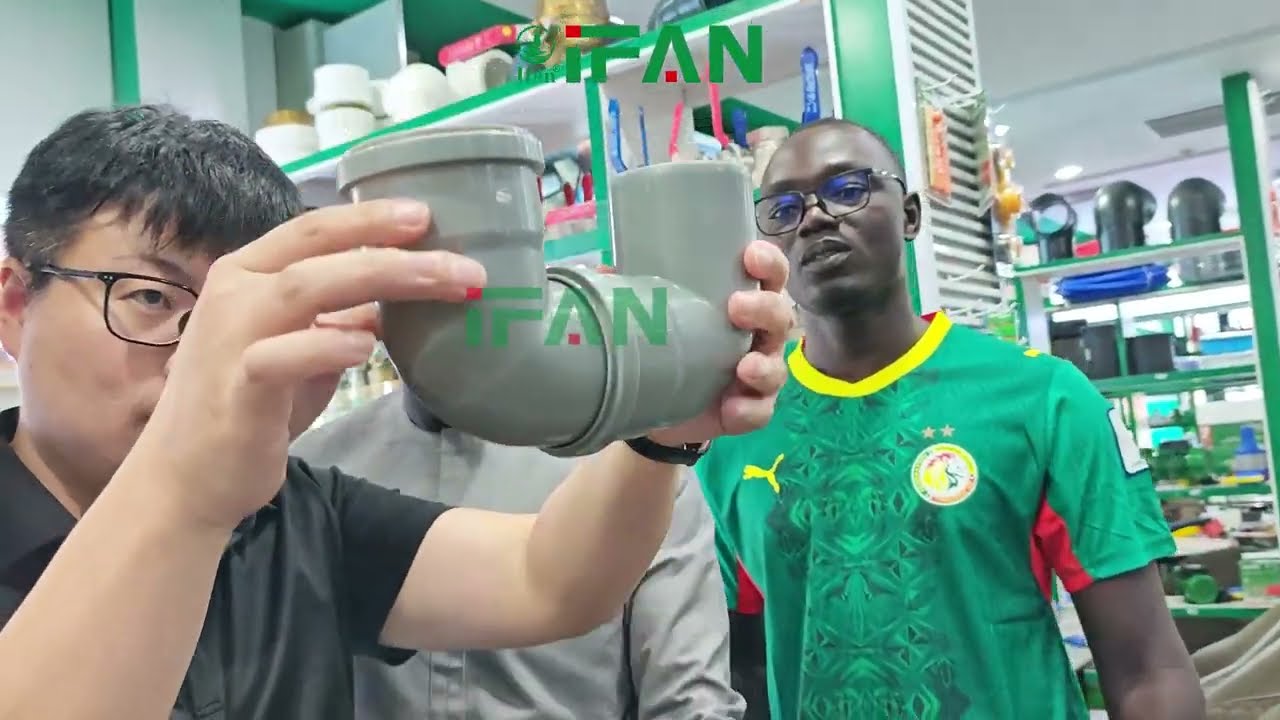 ▶ Lecture — Test à l'eau du joint à bague
Un test à l'eau sans colle sur des raccords uPVC à bague d'étanchéité : ce que fait une bague correctement assise lorsque le joint est rempli, sans ciment dans l'assemblage.
Le bout mâle ne s'enfonce pas complètement — ou il est allé trop loin
Ce sont des plaintes opposées avec une cause commune : personne sur le chantier ne s'accorde sur ce que signifie « en butée ». Le fabricant de tuyaux a déjà décidé et a imprimé la réponse sur le bout mâle.
Lecture de la ligne d'insertion
La ligne d'insertion marquée autour de la circonférence de l'emboîtement est positionnée par le fabricant en fonction de la conception de l'emboîture, des tolérances de fabrication et de la dilatation et contraction thermiques anticipées de ce produit spécifique. Elle remplit deux fonctions : elle confirme que l'extrémité chanfreinée de l'emboîtement a suffisamment dépassé la bague pour assurer l'étanchéité, et elle empêche une insertion excessive.
Interprétez-la comme suit :
- Une ligne. Poussez jusqu'à ce que la ligne affleure le rebord de l'emboîture. Après l'assemblage, la ligne doit rester visible. Si vous ne la voyez pas, l'emboîtement est inséré trop profondément.
- Deux lignes. Elles marquent la profondeur d'insertion minimale et maximale, et le bord de l'emboîture doit se situer entre les deux. Correctement assemblé, la ligne la plus proche de l'extrémité de l'emboîtement — la minimale — ne doit pas être visible, et la ligne la plus éloignée de l'extrémité de l'emboîtement — la maximale — doit être visible.
- Dans un raccord, pas dans une emboîture de tuyau. Les instructions du fabricant sont explicites : les lignes d'assemblage d'usine sur le tuyau n'indiquent pas un assemblage correct sur les raccords. La ligne est calibrée pour une emboîture de tuyau. L'assemblage d'un tuyau dans un culotte, un coude ou un manchon nécessite la profondeur propre au raccord, obtenue par mesure, et non en se fiant à l'impression.
Ce troisième point piège les équipes expérimentées. Une équipe qui a posé deux cents joints tuyau-à-tuyau correctement utilisera le même repère visuel sur les raccords de dérivation à un regard et sous-insérera silencieusement chacun d'eux.
| Ce que vous voyez après l'assemblage | Verdict | Action |
|---|---|---|
| Ligne unique visible, affleurant le rebord de l'emboîture | Correct | Passez aux contrôles de la barre et de la jauge |
| Ligne unique non visible | Insertion excessive | Retirez jusqu'à la ligne ; la marge de mouvement est épuisée |
| Deux lignes : ligne proche masquée, ligne éloignée visible | Correct | Le bord de l'emboîture se situe entre le minimum et le maximum |
| Deux lignes : les deux visibles | Insertion insuffisante | Peut ne pas avoir dépassé la bague ; poussez jusqu'à ce que le bord se situe entre les lignes |
| Raccordement dans un raccord, toute lecture de ligne | Non applicable | Mesurez la profondeur d'emboîture propre au raccord |
Quand cela ne rentre pas
Si vous ressentez une résistance lors de l'assemblage, l'instruction du fabricant est de ne pas pousser plus fort. La résistance peut signifier que la bague d'étanchéité a été délogée, et la réponse prescrite est de démonter le joint, de le nettoyer et de le reconstruire. Forcer un joint contre une bague délogée est la façon de transformer un problème récupérable de dix minutes en une bague roulée que vous enterrerez ensuite.
Deux autres choses arrêtent un emboîtement : un chanfrein manquant et des composants sales. Les extrémités coupées sur chantier n'ont pas de chanfrein, et l'instruction est de suivre l'exemple d'un emboîtement d'usine et d'en usiner un approprié. Poser les tuyaux avec les emboîtures vers l'avant, de sorte que l'assemblage consiste à pousser l'emboîtement dans l'emboîture, maintient les saletés hors des surfaces d'étanchéité dès le départ.
Lorsqu'une force mécanique est nécessaire, elle ne doit pas être appliquée directement sur le bord du tuyau — une planche est placée entre le godet de la pelle et le tuyau. L'opérateur ne peut pas voir le joint depuis la cabine, c'est pourquoi un aide se tient au joint pour signaler la fin. Un opérateur travaillant à l'aveugle est la façon dont l'insertion excessive se produit sur les grands diamètres.
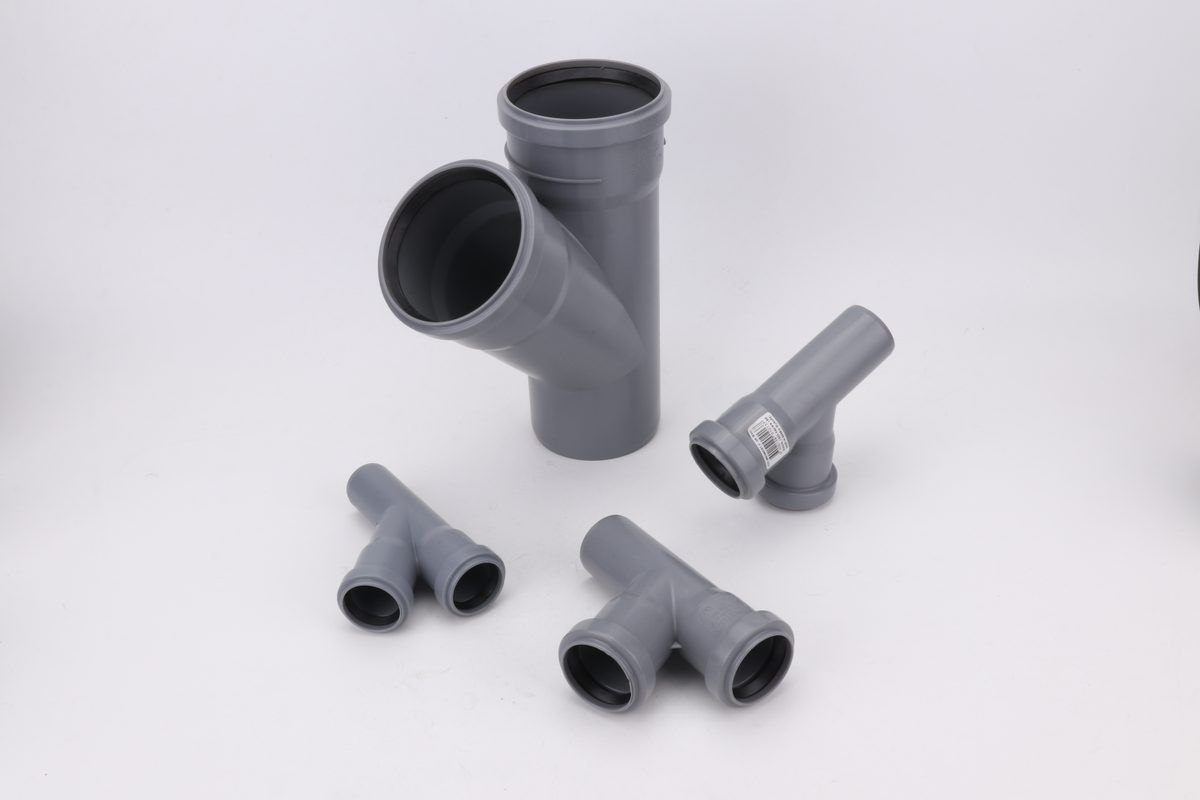
L'espace qui n'est pas un défaut
Les inspections vidéo des conduites d'égout en uPVC montrent régulièrement un petit espace longitudinal entre le bout mâle et l'épaulement de l'emboîture. La position prise par Uni-Bell, l'association des tuyaux en PVC, est directe : ces espaces ne sont pas des défauts, ils constituent une considération de conception importante pour les tuyaux en PVC sous pression et sans pression. L'espace laisse de la place pour la dilatation thermique et permet un décalage angulaire sans contrainte au niveau du joint, ce qui permet à une conduite enterrée d'absorber les mouvements du sol sans charger l'emboîture.
Les installateurs qui pensent qu'un joint doit être enfoncé à fond pour assurer l'étanchéité partent d'un modèle erroné. Le joint est conçu avec une longueur d'insertion suffisante au-delà du joint d'étanchéité pour permettre la contraction thermique sans compromettre l'étanchéité, même avec l'espace présent. Et l'espace ne coûte rien en performance hydraulique non plus — les essais soutiennent un coefficient de Manning n de 0,009 comme valeur de conception précise pour les égouts gravitaires, et un coefficient de Hazen-Williams C de 150 pour la pression, tous deux pour des tuyaux avec des espaces aux joints.
Cela compte commercialement aussi bien que techniquement. Une conception qui suppose déjà 0,009 n'a aucune capacité de récupération en refaisant les joints pour fermer les espaces, et la refection introduit un nouveau risque d'assemblage sur une conduite qui fonctionnait. Avant d'autoriser des travaux correctifs sur un joint avec espace, faites photographier la ligne d'insertion — un joint qui se trouve correctement à sa ligne a déjà démontré qu'il n'a pas besoin d'être touché.
Le danger réel va dans l'autre sens. Uni-Bell nomme la conséquence d'une sur-insertion combinée à une déflexion axiale du joint : le contact entre l'emboîture et le bout mâle peut provoquer une fuite au joint ou une contrainte significative dans la paroi de l'emboîture. Une équipe qui « s'assure » en enfonçant chaque bout mâle jusqu'à l'épaulement a supprimé la marge de mouvement et mis l'emboîture dans le chemin de charge.
Joint torique roulé ou déplacé : comment le confirmer avant de remblayer
Un joint torique déplacé ou roulé est l'une des erreurs les plus courantes dans l'assemblage des joints, et c'est celle qui a les pires conséquences économiques. Confirmé avant le remblai, cela coûte quelques minutes. Confirmé après le remblai, cela coûte une excavation.
Deux vérifications, sans outils spéciaux
- Lampe de poche dans le tuyau. Après l'assemblage et après toute déflexion terminée, éclairez l'intérieur du tuyau et examinez le joint. La plupart des joints toriques extrêmement roulés peuvent être clairement remarqués comme un renflement de caoutchouc.
- Balayage avec une jauge d'épaisseur de l'espace annulaire. Une petite tige, une fine bande de métal ou même un trombone s'insère dans le petit espace entre la face de l'emboîture et le bout mâle. Faites-le tourner sur toute la circonférence. Cela identifiera les vides ou un joint torique qui a glissé hors de l'emboîture.
Notez ce que ces vérifications ne sont pas : il n'existe aucune dimension d'espace publiée qui sépare le bon du mauvais. La méthode trouve la discontinuité — une section où la bague n'est pas là où elle est partout ailleurs. Vous comparez le joint à lui-même, tout autour, ce qui explique pourquoi un balayage partiel ne vaut rien.
Évaluez honnêtement le temps nécessaire et les contrôles s'avèrent rentables. Un balayage à 360 degrés et une vérification légère ajoutent une minute ou deux à un joint sur un tuyau d'évacuation de 110 mm ou 160 mm. En contrepartie, un joint torique roulé découvert après remblayage signifie ré-excaver et rétablir une conduite enterrée à la profondeur où se trouve le radier. Cette asymétrie explique pourquoi l'inspection fait partie de la procédure d'assemblage plutôt que d'une visite finale, et pourquoi la séquence la place après toute déflexion plutôt qu'avant.
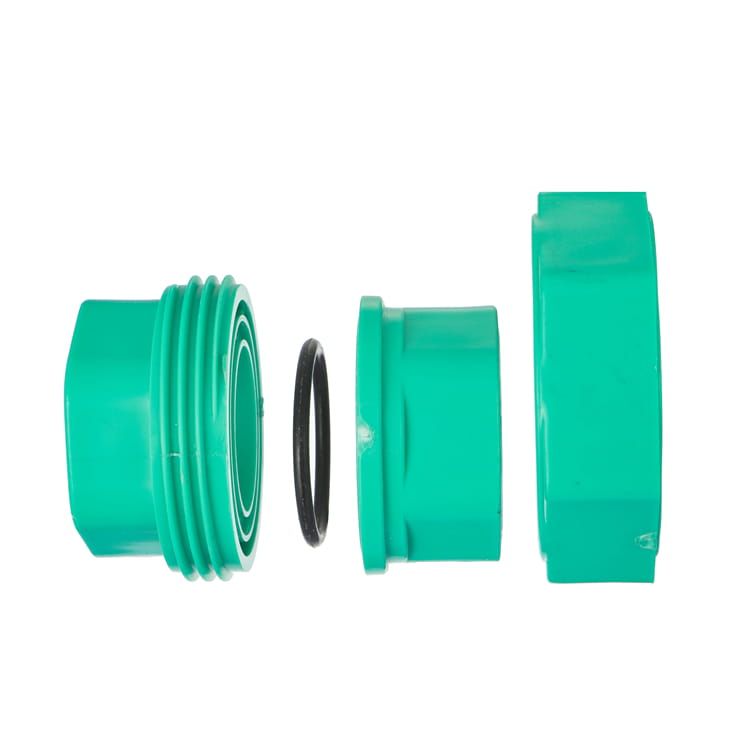
Les quatre causes et leur apparence respective
| Cause | Mécanisme | Prévention |
|---|---|---|
| Joint installé à l'envers | Une mauvaise orientation fait glisser le joint hors de l'emboîture lorsque le bout mâle pénètre. | Vérifiez le sens du profil avant chaque mise en place, pas une fois par palette. |
| Lubrifiant dans l'emboîture | La lubrification entre le joint et l'emboîture permet au joint de glisser pendant l'assemblage. | Ne lubrifiez jamais l'emboîture avant la mise en place du joint. Lubrifiez uniquement le bout mâle. |
| Déflexion avant que le joint ne soit en place | Le bord du bout mâle attrape le joint et le roule ou le déchire. | Assemblez droit, puis déformez ; les tranchées étroites sont propices à ce problème. |
| Caoutchouc froid et rigide | Un joint froid résiste à une mise en place uniforme et se froisse. | Par temps froid ou glacial, réchauffez le joint à température ambiante avant l'installation. |
Mise en place et lubrification correctes
L'étirement inégal est le problème silencieux. Press-Seal, un fabricant de joints pour tuyaux, décrit clairement le phénomène : le caoutchouc se tasse d'un côté et s'amincit de l'autre. Une section amincie est une section avec moins de compression que celle pour laquelle la gorge a été conçue, et elle reste invisible jusqu'à la mise en service de la conduite. La solution est mécanique : égalisez l'étirement avec un tournevis ou un objet métallique sous le joint, en le faisant tourner environ une fois et demie, avant que le bout mâle ne s'en approche.
La même instruction comporte l'avertissement derrière la deuxième rangée du tableau ci-dessus : ne mettez jamais de lubrifiant sous le joint. Le lubrifiant sous le joint lui permet de rouler pendant l'assemblage, ce qui empêche le joint de se mettre en place ou endommage l'emboîture.
Ensuite, lubrifiez selon les instructions plutôt que par instinct. La spécification du fabricant est une fine couche, équivalente à une couche brossée, appliquée avec un gant, un chiffon ou une brosse tout autour du nez du tuyau — sur le chanfrein et sur 1 1/2 pouces en arrière. Plus n'est pas plus sûr. L'excès de lubrifiant migre dans l'emboîture et réintroduit le mécanisme de déplacement que vous cherchiez à éviter.
Le joint a réussi le test et a fui des mois plus tard
C'est la défaillance que personne ne détecte, car la preuve qu'elle se préparait a été détruite au moment où le joint a été testé propre. Le joint a été assemblé correctement. La chimie était mauvaise.
Elle entraîne également les pires conséquences commerciales, et pas à cause du coût de la réparation. Une fuite immédiate est découverte par l'équipe qui l'a causée, sur une canalisation que personne n'a encore reprise. Une fuite retardée apparaît après la réception, sur un système que quelqu'un a déjà signé, et elle apparaît sur plusieurs joints à la fois parce que tous les joints de ce tronçon ont reçu le même lubrifiant provenant du même seau le même jour. Ce qui arrive n'est pas un rapport de défaut, c'est une réclamation concernant le tuyau.
Ce que fait le mauvais lubrifiant
Les instructions du fabricant stipulent d'utiliser uniquement le lubrifiant approuvé et avertissent que les lubrifiants de substitution peuvent affecter la qualité de l'eau ou endommager les joints. Sur un chantier occupé, un seau de graisse universelle est souvent plus à portée de main que le lubrifiant spécifié pour les tuyaux, et le joint qu'il produit s'assemble parfaitement et passe les tests parfaitement.
Puis la chimie entre en jeu. Le SBR — l'élastomère standard fourni avec les joints à emboîtement et mécaniques dans la pratique nord-américaine de l'eau et de l'assainissement — n'a aucune résistance aux huiles pétrolières, aux carburants ou aux fluides hydrauliques minéraux. Le contact provoque un gonflement excessif. Un joint gonflé perd la géométrie définie sur laquelle repose la gorge, et la compression qui assurait l'étanchéité se dégrade sur des mois plutôt que des minutes. L'huile lubrifiante présente dans la canalisation ou même dans l'air ambiant affecte négativement les performances du SBR et de l'EPDM.
Le piège dans cette dernière phrase mérite d'être souligné, car la solution intuitive est erronée. Le pétrole est la seule exposition que l'EPDM partage avec le SBR — les huiles minérales, les carburants, les fluides hydrauliques et les graisses à base de pétrole le font gonfler considérablement — donc passer de la spécification SBR à l'EPDM achète un plafond thermique plus élevé à un coût supplémentaire, contre un mode de défaillance qu'il ne traite pas.
Soyez toutefois précis quant à l'emplacement réel de cette limite, car les tableaux de résistance ne sont pas interchangeables. Le néoprène n'appartient pas à la même catégorie : le tableau des garnitures spéciales d'un fabricant de fonte ductile le répertorie pour les huiles, les graisses et les matières grasses, il tolère donc les eaux usées graisseuses qui détruiraient une bague en SBR. La tolérance n'est pas l'immunité, et le même tableau répertorie le nitrile séparément pour les hydrocarbures et les huiles de pétrole raffinées. Pour un sol contaminé par du carburant ou des solvants, le nitrile est la spécification et le néoprène ne peut pas le remplacer.
Que faire concrètement pour les joints déjà enterrés
C'est là que la défaillance différée diffère le plus de la défaillance mécanique, et que la plupart des diagnostics s'arrêtent. Une bague roulée est un joint isolé, reconstruit dans une tranchée ouverte. Une défaillance due au lubrifiant ou au composé n'est pas un joint isolé : chaque joint réalisé à partir de ce bac, sur ce tronçon, ce jour-là, porte le même défaut, et ceux qui n'ont pas encore suinté ne sont pas sains — ils sont plus tôt sur la même courbe. La réparation est donc un exercice de cadrage suivi d'une décision concernant une population. Procédez dans cet ordre, et faites la première étape avant que quiconque touche une pelle :
Délimitez le lot avant d'excaver. Récupérez les bacs de lubrifiant et les registres de livraison et établissez quelle équipe, quelles dates et quel chaînage ils couvrent ; cet ensemble constitue votre population suspecte, et les joints hors de cet ensemble ne sont pas impliqués par ce mode de défaillance. Excaver d'abord le joint qui suinte et poser la question ensuite, c'est ainsi qu'une enquête de deux jours devient une repose complète.
Ensuite, récupérez une seule bague et confirmez le mécanisme, car une bague retirée d'un joint chimiquement défaillant présente un gonflement et un ramollissement plutôt qu'un roulage ou une déchirure. Cette distinction constitue tout le diagnostic — le gonflement implique la population, un roulage signifie un joint isolé — et la bague est la preuve physique sur laquelle toute réclamation ultérieure s'appuiera, elle doit donc être placée dans un pot d'échantillon étiqueté plutôt que dans un sac sur un bureau.
Notifiez avant de remédier, pas après. Une constatation de bague gonflée est un problème de matériaux ou de main-d'œuvre avec une cause nommée, et le communiquer par écrit à l'entrepreneur et au fournisseur pendant que la preuve est encore dans le sol préserve la position de garantie ; remédier d'abord et facturer ensuite échoue régulièrement, car l'autre partie n'a jamais pu inspecter ce qu'on lui demande de payer. La remédiation elle-même est généralement plus limitée que ce que l'on craint. Le uPVC n'est pas attaqué par le lubrifiant qui a détruit la bague, donc là où le fût est sain, le tuyau est réutilisable et l'excavation est le coût, pas le matériau.
Cela reformule la décision finale, qui doit reposer sur la conséquence de l'accès plutôt que sur le nombre de joints. Les joints sous une chaussée, un bâtiment ou une canalisation profonde coûtent un ordre de grandeur plus cher à atteindre que les joints en terrain découvert. Le plan défendable est donc rarement « tout déterrer » et jamais « attendre et voir » : remplacez maintenant les joints suspects accessibles avec le composé correct, et placez les joints coûteux sous surveillance CCTV et débitmétrie avec un déclencheur d'intervention défini.
Ensuite, bouclez la boucle sur l'approvisionnement, car le terrain n'a pas changé — réémettre la même spécification au même fournisseur reproduit la défaillance, et les quatre lignes de fiche technique ci-dessous sont ce qui empêche le deuxième lot de correspondre au premier.
Choisir le composé pour le terrain, pas pour le catalogue
| Composé | Idéal pour | Pas pour |
|---|---|---|
| SBR | Eaux usées municipales et domestiques ordinaires dans un terrain propre ; l'approvisionnement par défaut habituel | Tout contact pétrolier — huiles, carburants, fluides hydrauliques minéraux |
| EPDM | Charge thermique plus élevée — jusqu'à 212 °F pour l'eau et les eaux usées, parmi les plus élevées des joints spéciaux | Exposition aux hydrocarbures — attaqué comme le SBR |
| Néoprène (CR) | Déchets graisseux — adapté aux huiles, graisses et graisses animales, jusqu'à 200 °F | Remplaçant du nitrile ; la tolérance aux huiles n'est pas une immunité aux hydrocarbures |
| Nitrile (NBR) | Terrain contaminé par de l'essence ou des huiles ; adapté aux hydrocarbures et aux huiles pétrolières raffinées | À ne pas supposer ; c'est une spécification délibérée, rarement fournie par défaut |
La température est une spécification, pas un détail
Les joints d'étanchéité pour drainage sont dimensionnés selon la température de service. La norme EN 681-1 couvre les joints d'étanchéité en caoutchouc vulcanisé pour les systèmes de drainage, d'assainissement et d'eaux pluviales avec un débit continu jusqu'à 45 °C et un débit intermittent jusqu'à 95 °C — une enveloppe délibérément différente de ses classes pour eau potable, qui vont jusqu'à 50 °C à froid et 110 °C à chaud. Un joint classé drainage qui reçoit un rejet chaud continu d'une buanderie, d'une cuisine commerciale ou d'une ligne de process fonctionne en dehors de ce pour quoi il a été qualifié, et il vieillira en conséquence.
Cette enveloppe définit également la limite du produit lui-même : les systèmes de drainage en uPVC sont destinés aux eaux usées municipales, résidentielles et industrielles, pas à un service d'eau sous pression. Là où une conduite doit transporter de l'eau chaude sous pression, le matériau change, pas seulement le joint. La gamme de drainage d'IFAN se situe délibérément du côté des eaux usées de cette ligne, ce qui est la même raison pour laquelle sesclasses de rigiditésont spécifiées pour l'enfouissement plutôt que pour la pression interne.
Encore une chose qui appartient ici parce qu'elle détruit les joints et parfois les personnes : ne testez jamais les tuyaux et raccords en uPVC avec de l'air comprimé ou du gaz, ou des boosters air-eau. C'est une interdiction du fabricant, pas une préférence.
Que mettre sur la fiche technique lors d'une nouvelle spécification de la bague — et ce que nous fournissons en regard
Chaque défaillance ci-dessus est évitable au stade de la spécification, et la plupart sont évitées par quatre lignes. Si vous réémettez une spécification après une défaillance, ce sont ces lignes qui changent le résultat.
Les quatre lignes d'acceptation
- Nommez le composé. SBR, EPDM ou NBR, choisis en fonction du sol et de l'effluent — pas laissés à la fourniture. Indiquez la raison à côté afin qu'une substitution doive argumenter contre quelque chose.
- Exigez une déclaration ASTM F477. La norme F477 régit les joints élastomères pour l'assemblage de tuyaux en plastique, et son champ d'application publié exige que le joint soit testé pour la résistance à la traction, l'allongement, la dureté, la compression set, le vieillissement accéléré, l'immersion dans l'eau, la résistance à l'ozone et la relaxation de force. Les seuils eux-mêmes se trouvent dans la norme payante, alors ne les citez pas d'après un blog — faites en sorte que le fournisseur indique la valeur de dureté Type A déclarée, la tolérance de dureté, et les minima de traction et d'allongement pour lesquels son composé est certifié, sur le certificat. Cette formulation compte : elle transfère la charge à la partie qui détient le rapport d'essai. Un fournisseur qui ne peut pas produire la déclaration vend une bague non qualifiée, quels que soient les chiffres dans le catalogue.
- Nommez la norme de joint. ASTM D3212 pour les joints de drainage et d'égout gravitaire sous une charge de moins de 25 pieds, avec sa vérification en pression négative. Pour les projets sur le marché européen, EN 681-1 pour le matériau du joint avec EN 1401 ou EN 1329 pour le système.
- Indiquez la classe de température de service. Continue et intermittente, par écrit. L'enveloppe de drainage EN 681-1 de 45 °C en continu et 95 °C en intermittence est le point de référence ; si votre effluent dépasse cela, dites-le à l'appel d'offres plutôt que de le découvrir en deuxième année.
Ce qu'une soumission devrait déjà comporter
Une soumission compétente pour un égout à joint doit indiquer les normes de joint et les valeurs mécaniques ensemble. Des valeurs de référence utiles issues d'une spécification publiée : des joints résistant à une pression hydrostatique minimale de 50 psi (345 kPa) sans fuite, une rigidité annulaire minimale de 46 psi (320 kPa) pour un tuyau DR35 déterminée selon les méthodes d'essai ASTM D3034, et un composé PVC de classe cellulaire 12454 selon ASTM D1784. Si une soumission arrive sans chiffres de ce type, le manque est dans la documentation, et les lacunes documentaires et les défaillances de bagues ont tendance à aller de pair.
Insistez spécifiquement sur la valeur hydrostatique, car c'est le seul chiffre qui fait le pont entre la bague et le joint : il se situe bien au-dessus de la charge de moins de 25 pieds que la norme D3212 couvre pour les égouts gravitaires, donc un fournisseur qui la cite revendique une marge plutôt qu'une simple conformité. La rigidité compte pour une raison moins évidente — elle décrit la résistance du tuyau à l'ovalisation sous remblai, et un emboîtement ovalisé déforme la gorge dans laquelle repose la bague. Un joint qui échoue après remblai sur une ligne de rigidité marginale est diagnostiqué comme un défaut de joint, alors que la bague n'a jamais eu un siège rond pour travailler.
La classification des cellules, quant à elle, est le seul élément qu'une autorité de contrôle peut vérifier indépendamment de toute déclaration du fournisseur, ce qui importe le plus sur les marchés où la norme d'évacuation est appliquée à l'importation plutôt qu'à la spécification.
Pour les marchés de destination, le référentiel change. La gamme d'évacuation en uPVC d'IFAN est spécifiée selon ISO 4435, EN 1401 pour les réseaux d'assainissement enterrés, ASTM D2665 pour DWV, ASTM D3034 pour les égouts et GB/T 5836, avec NOM-E-215 pour le Mexique et NBR 5688 pour le Brésil lorsque ces normes s'appliquent — l'ensemble de la gamme d'évacuation en uPVC est spécifié selon ce référentiel.
Ce qu'IFAN fournit selon cette spécification, et où nous nous arrêtons
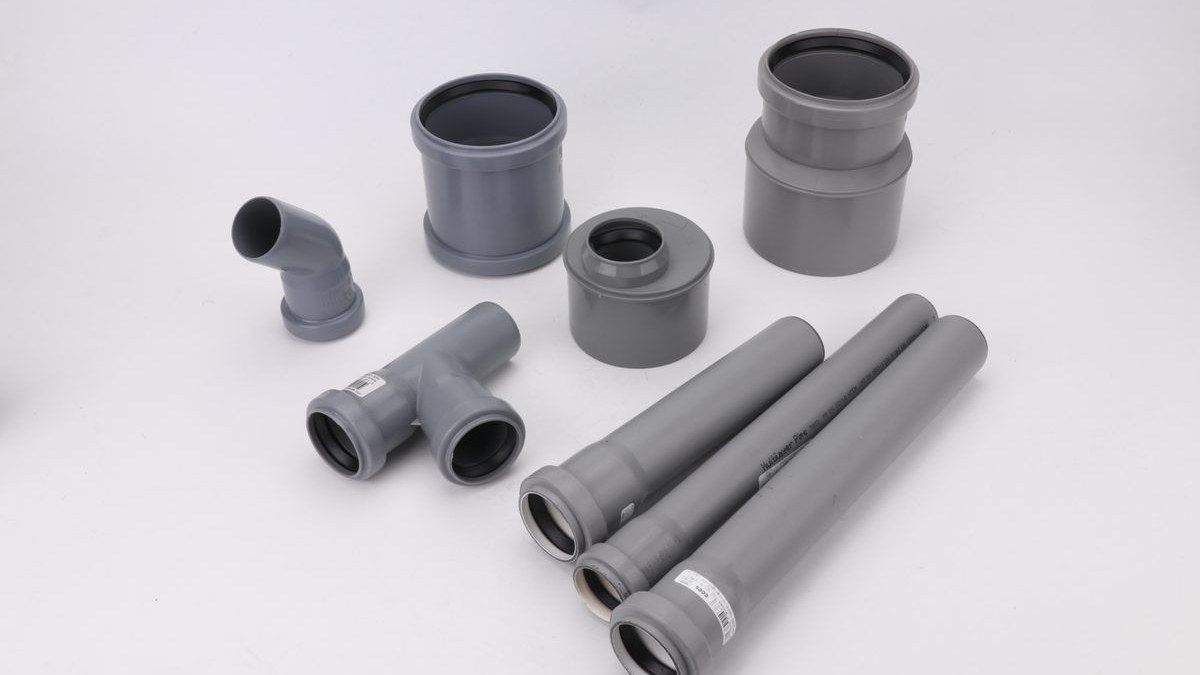
Par rapport aux quatre lignes ci-dessus, voici ce que cette gamme couvre et ne couvre pas — y compris le seul élément qu'aucun catalogue ne peut répondre. IFAN fabrique le tuyau d'évacuation en uPVC et la série de raccords filetés 8011 en 110, 160, 200 et 315 mm pour les eaux usées, et fournit des certificats de lot conformes à ISO 4435, EN 1401, ASTM D2665, ASTM D3034 et GB/T 5836. Là où nous nous arrêtons, c'est le grade d'élastomère : le composé monté sur une emboîture donnée est confirmé par écrit à chaque commande, et non publié. C'est pourquoi la quatrième ligne de votre fiche technique doit le demander plutôt que le supposer.
| Élément | Position d'IFAN |
|---|---|
| Gamme de spécifications | Tuyau d'évacuation en uPVC en 110, 160, 200 et 315 mm, avec la série de raccords filetés 8011 ; usage eaux usées, pas eau sous pression |
| MOQ | Un conteneur, tailles mélangées acceptées — la répartition des tailles vous appartient dans cette limite |
| Structure tarifaire | Devis par projet selon votre répartition des tailles et votre destination ; pas de prix catalogue publié, envoyez donc la répartition pour obtenir un chiffre |
| Conformité | ISO 4435, EN 1401, ASTM D2665, ASTM D3034, GB/T 5836 ; NOM-E-215 et NBR 5688 selon la destination |
| Délai de livraison | Fixé par commande selon la répartition des tailles et le mode d'expédition ; confirmé par écrit avec le devis |
| Vérification | Certificats de lot par expédition, documentation d'exportation complète, FCL ou LCL |
Le seul point à confirmer par écrit
Si la défaillance que vous diagnostiquez s'avère être un joint collé plutôt qu'un joint à bague, les causes et les réparations sont entièrement différentes — ce cas est traité dans le guide des fuites sur joints collés. Pour comprendre comment le joint à bague est construit et où il surpasse le collage en tant que choix de système, voir raccords uPVC à joint, et pour le contexte plus large de conception du système, le guide complet de l'évacuation en uPVC.
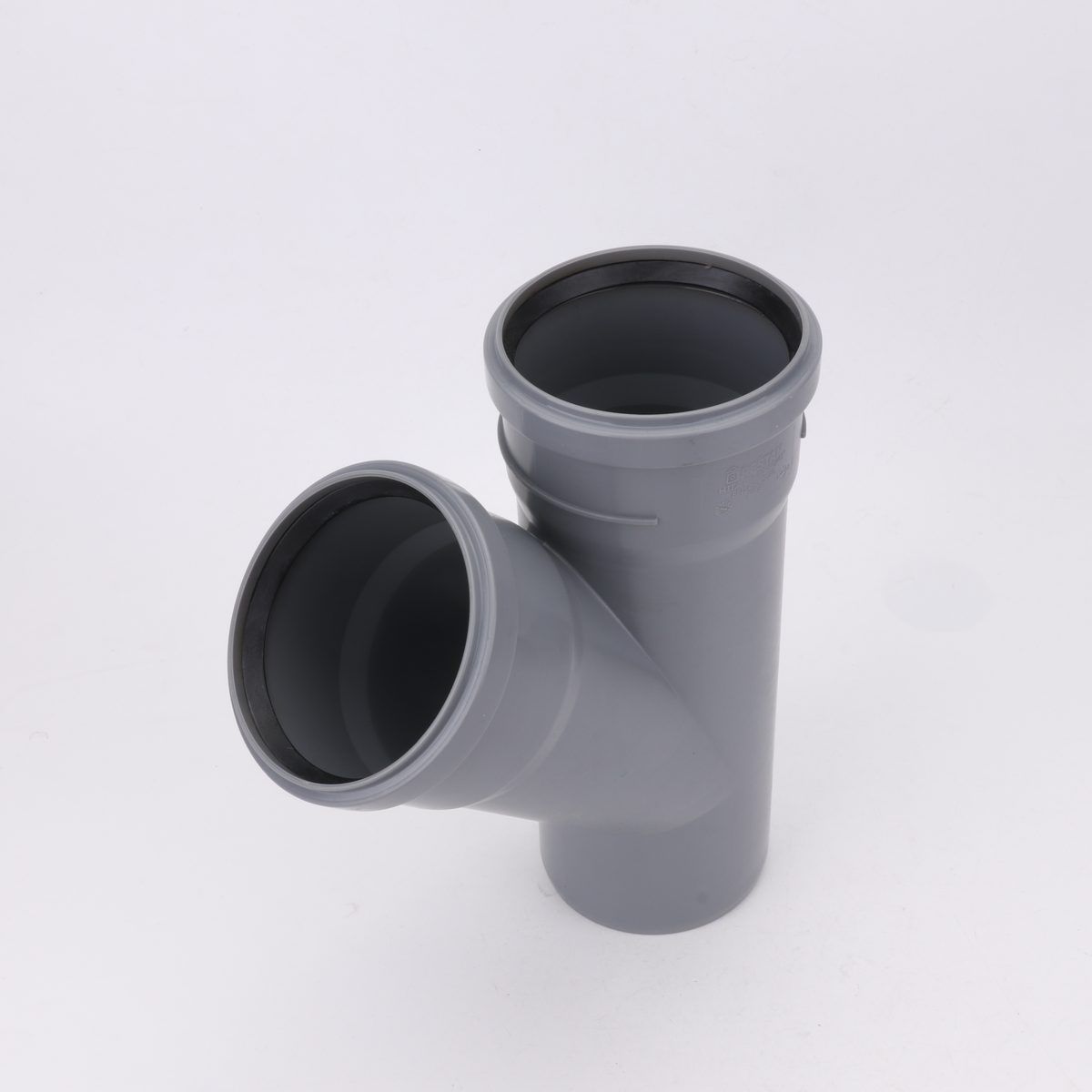
Les bagues tombent en panne silencieusement et tardivement. Le joint qui passe le test le vendredi ne prouve pas une installation correcte — il prouve seulement qu'aucun problème mécanique n'est survenu, ce qui n'est qu'une des trois façons dont ce joint peut mourir. Auditez le lubrifiant réellement présent sur le site, confirmez le composé par rapport au sol avant l'envoi de la commande, et inspectez chaque joint le long du tuyau tant que la tranchée est encore ouverte. Celui que vous ne vérifiez pas est celui qui sera enterré.
Questions fréquemment posées
L'extrémité mâle doit-elle toucher l'épaulement de l'emboîture ?
Non. L'espace est intentionnel, laissant de la place pour la dilatation thermique et le décalage angulaire sans contrainte. Uni-Bell stipule que le joint scelle sans atteindre le fond, et que la conception prévoit une insertion suffisante au-delà du joint pour permettre la contraction thermique avec l'espace présent.
Puis-je utiliser de la graisse pétrolière si je n'ai pas de lubrifiant pour tuyaux sur le site ?
Non. Le SBR n'a pas de résistance aux huiles pétrolières et gonfle au contact, et l'EPDM est attaqué par les mêmes hydrocarbures. Le joint s'assemblera et passera les tests, puis suintera des mois plus tard. Les instructions du fabricant stipulent d'utiliser uniquement un lubrifiant approuvé.
Comment vérifier un joint torique roulé sans équipement spécial ?
Éclairez avec une lampe de poche le long du tuyau et cherchez un renflement de caoutchouc. Ensuite, passez un trombone dans l'espace entre la face de l'emboîture et l'extrémité mâle, tout autour du joint, pour détecter des vides ou un anneau sorti de son logement.
Pourquoi la résistance lors de l'assemblage est-elle importante ?
La résistance peut indiquer que le joint d'étanchéité a été délogé. La réponse prescrite est de démonter, nettoyer et reconstruire le joint plutôt que de forcer, car forcer sur un anneau délogé le roule et enterre le défaut.
Les lignes d'insertion sur le tuyau s'appliquent-elles lors du raccordement à un raccord ?
Non. Les instructions du fabricant stipulent que les lignes d'assemblage d'usine sur le tuyau n'indiquent pas un assemblage correct aux raccords. Prenez la profondeur d'insertion propre au raccord par mesure plutôt que de vous fier à la ligne imprimée.
Quelle température un joint d'étanchéité pour drainage peut-il réellement supporter ?
La norme EN 681-1 couvre les joints pour drainage, assainissement et eaux pluviales avec un débit continu jusqu'à 45 °C et un débit intermittent jusqu'à 95 °C. Une évacuation plus chaude soutenue sort l'anneau de son domaine qualifié et le vieillit prématurément.
Quelle norme dois-je citer pour l'anneau lui-même ?
ASTM F477 pour le joint élastomère, et exigez que le fournisseur déclare les valeurs certifiées de dureté, de résistance à la traction et d'allongement plutôt que de les citer vous-même — les seuils sont dans la norme payante. Associez-la à ASTM D3212 ou EN 681-1 pour le joint.