
PVC Joint Leaking? Why It Happens & the Honest Fix
PVC joint leak guidance for installers and buyers: separate dry fit from a completed weld, check cement cure, and specify matched replacement parts.
You find water below a socket, but the wettest spot may only be where it collected. For a PVC joint leak, shut off the affected supply, release pressure and drain the section before choosing a repair. Identify the joint: solvent-welded socket, thread, gasket or damaged pipe. The walkthrough below covers solvent-welded sockets. Tightening belongs to a different diagnosis.
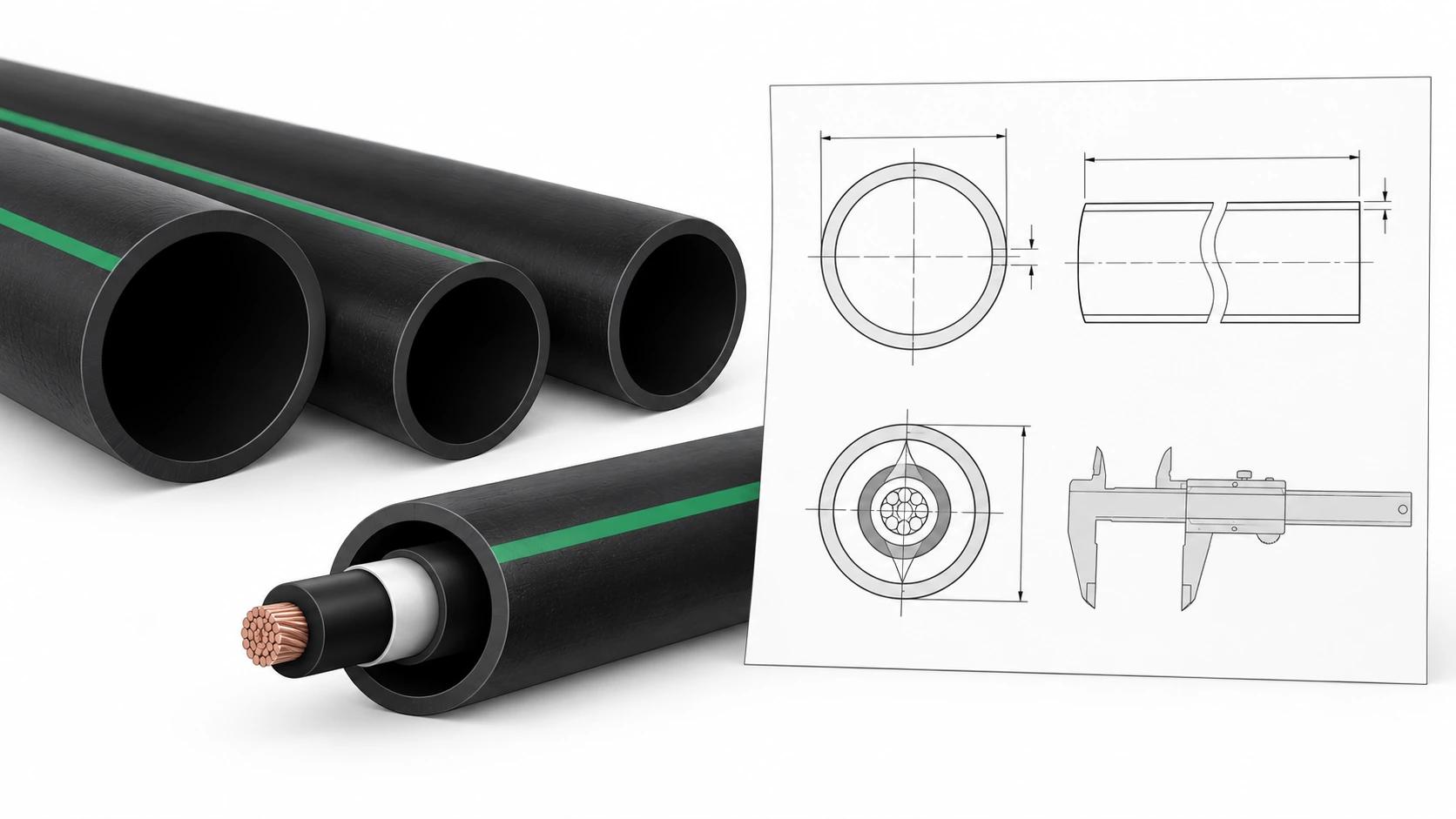
Cover: AI-generated conceptual illustration, not a product drawing, installation detail or test record.
Key Takeaways
- Confirm the leak location and pressure or drainage service before choosing parts.
- Inspect preparation, cement compatibility, component condition and support; no single cause is established by a drip.
- A dry fit checks component fit, not pressure rating or finished-weld strength.
- Replace a defective solvent-welded connection using an approved service-rated repair arrangement.
- Use repair-specific cure instructions before testing; handling strength is a different milestone.
Find the leak and preserve the evidence
Start at the evidence checkpoint. Dry the accessible area after isolation and mark where you first observed water. Before cutting, photograph the socket, nearby pipe, supports and print line. Record fluid, operating conditions, material markings and recent work. Then inspect beyond the wet spot: water can track along the pipe before it exits.
If the failure has repeated, keep the removed fitting and pipe ends. You need those parts alongside the installation record and specified dimensions to distinguish assembly, component damage and service problems. Dry-fitting a spare gives you a fit check on that spare. It does not explain why the removed connection leaked.
Investigate possible causes without ranking them
At the diagnosis checkpoint, work through these possible causes without ranking them. Several can occur together; a drip gives you no failure-frequency data. Oatey’s solvent cement overview describes the chemical weld and the need to match cement to material and application. Check the records before assigning a cause.
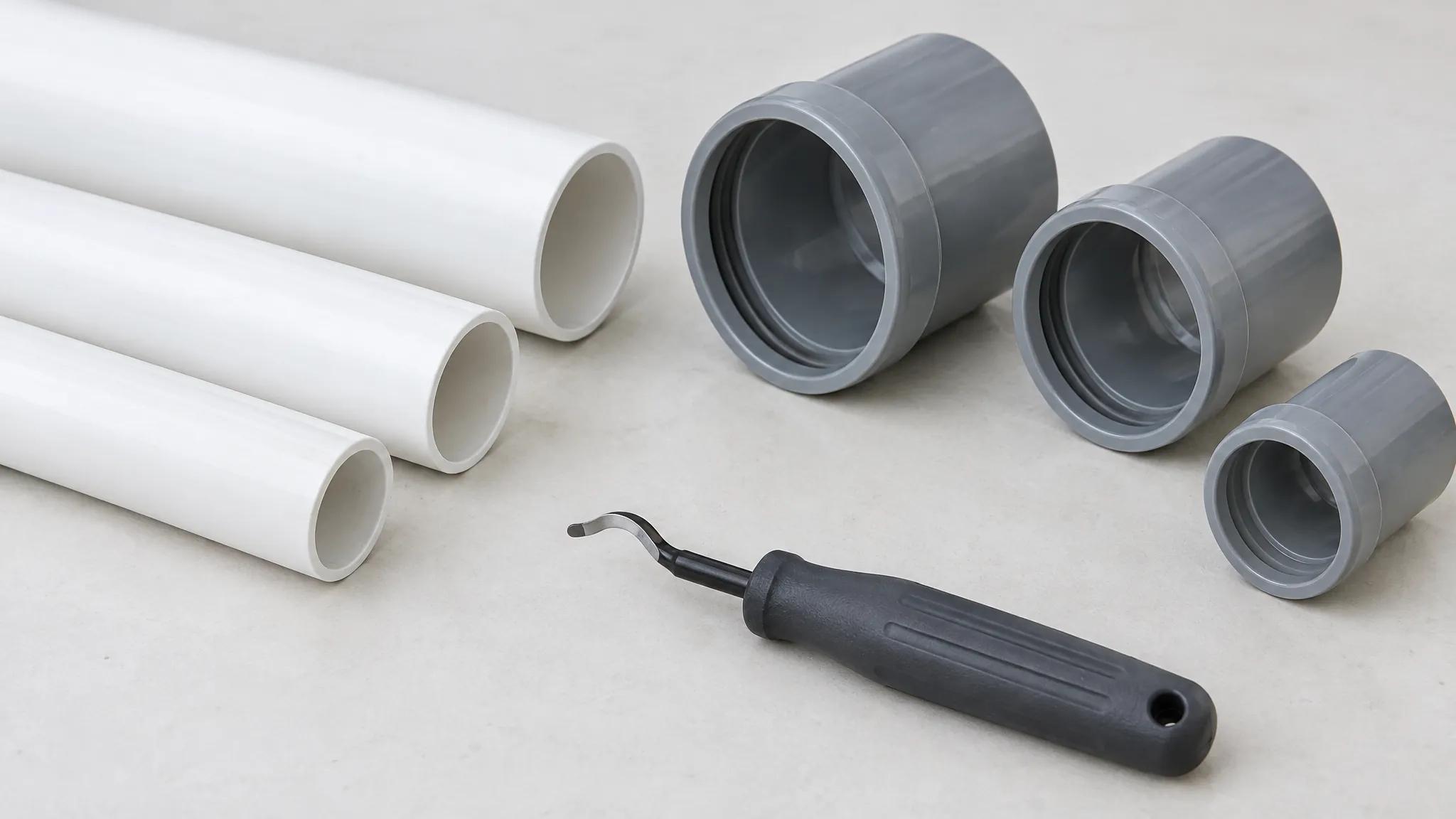
- Preparation and contamination: examine the cut, burrs, chamfer and joining surfaces. Dirt or a damaged surface calls for investigation before rebuilding.
- Cement selection and condition: compare the can label with the actual pipe material, size and service. Record the product and date code; do not substitute a different material’s cement based on appearance.
- Incomplete assembly: review coverage, insertion and whether the connection moved before it was ready for handling. Do not assume a joint that passed an earlier test has unlimited service life.
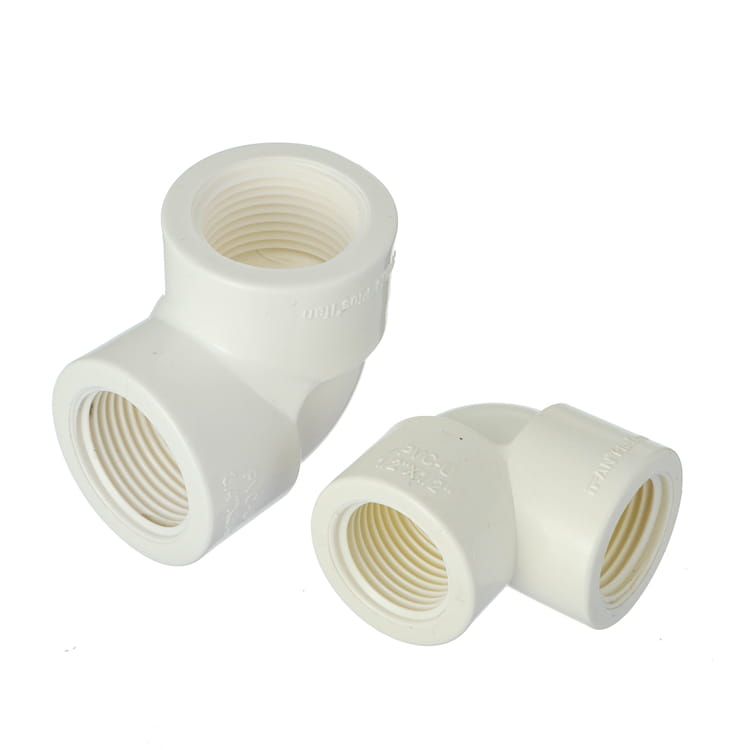
- Component fit or damage: compare the pipe and socket with their specified dimensions and tolerances. Investigate loose, distorted or cracked parts; more cement is not a dimensional acceptance method.
- Support and service: check alignment, restraint, loads and the allowed pressure, temperature and chemical service. A new fitting alone does not resolve an uncorrected installation or service problem.
Replace the failed solvent-welded connection
Once you have identified a defective solvent-welded socket, plan a replacement. Painting cement over its wet exterior does not restore the weld. Remove the defective connection and make new joints in controlled conditions. Your repair fitting or coupling must match material, dimensions and pressure or drainage service, with manufacturer instructions and the governing code defining the arrangement.
- Isolate and verify: depressurize, drain and confirm the work area is accessible.
- Plan and check: mark the cut-out; confirm sound pipe, insertion length and an approved layout that avoids forcing the run.
- Remove and retain: cut out the defect, inspect remaining ends and keep removed parts while the cause remains unresolved.
- Assemble and hold: use the specified repair parts, joining products and tools; align and support the run.
- Cure and release: leave the repair undisturbed for the required set/cure period, then use the specified completed-system test and inspect the repair.
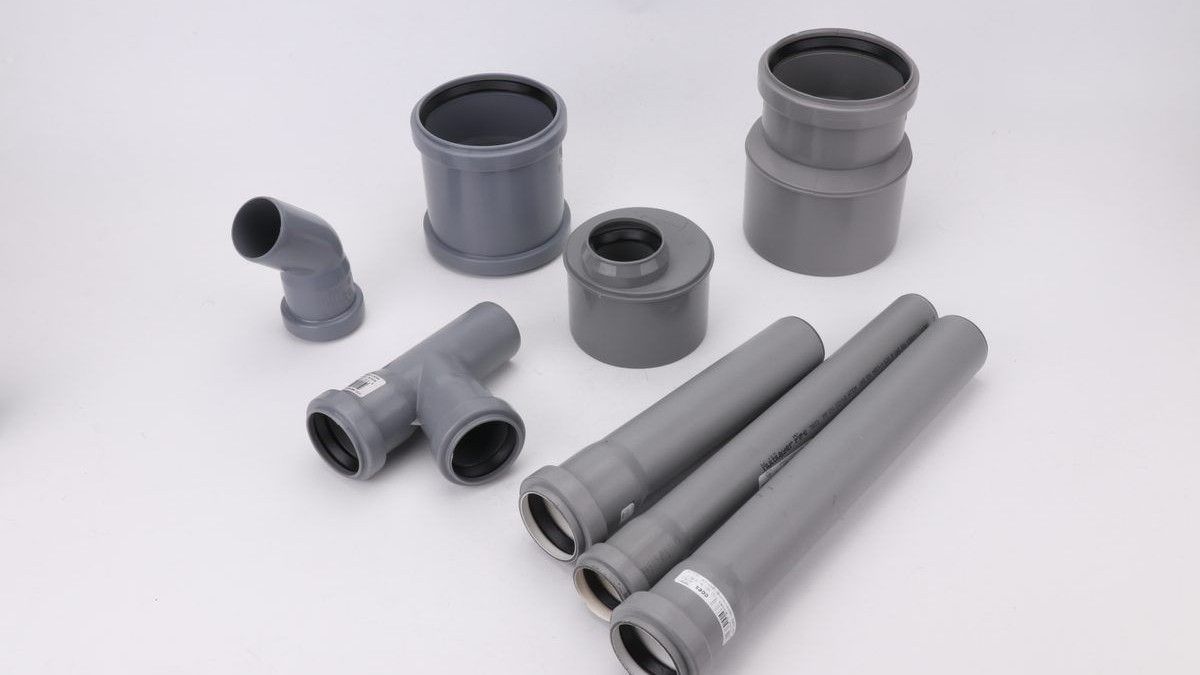
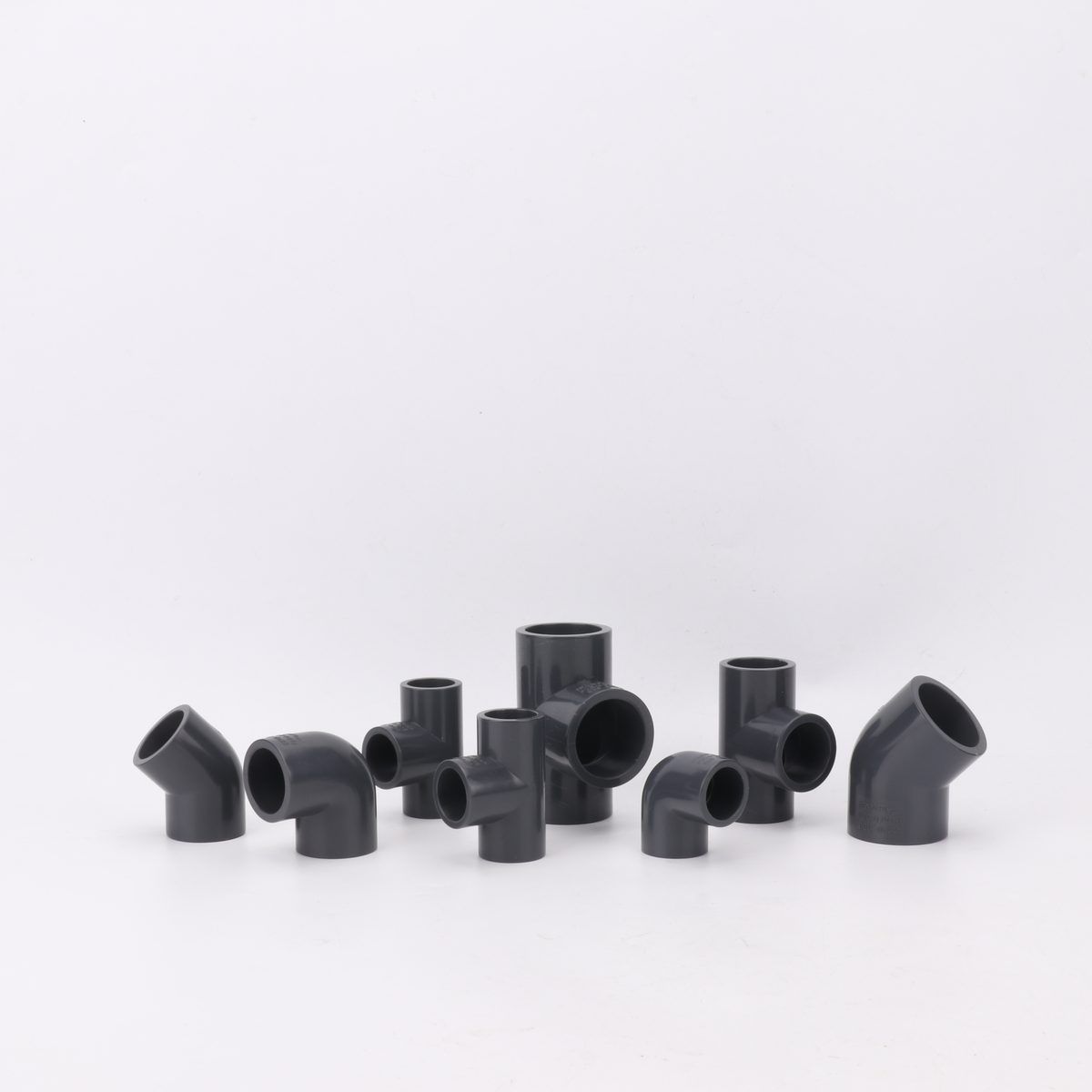
Check access before buying the coupling. A repair coupling, union or another approved arrangement may help you assemble the replacement without forcing the pipe, but approval depends on the exact product. No universal coupling or wrap pressure rating follows from this walkthrough. The PVC drainage size guide helps with size families; a drainage designation cannot release a pressure-service repair.
Follow the named joining and cure instructions
Now check the joining products as a set. The Oatey overview gives cleaner, primer and cement distinct jobs. Use primer when the cement, piping system and code require it. A specified single-step exception belongs to that approved product and method. You cannot carry the exception across to a different can.
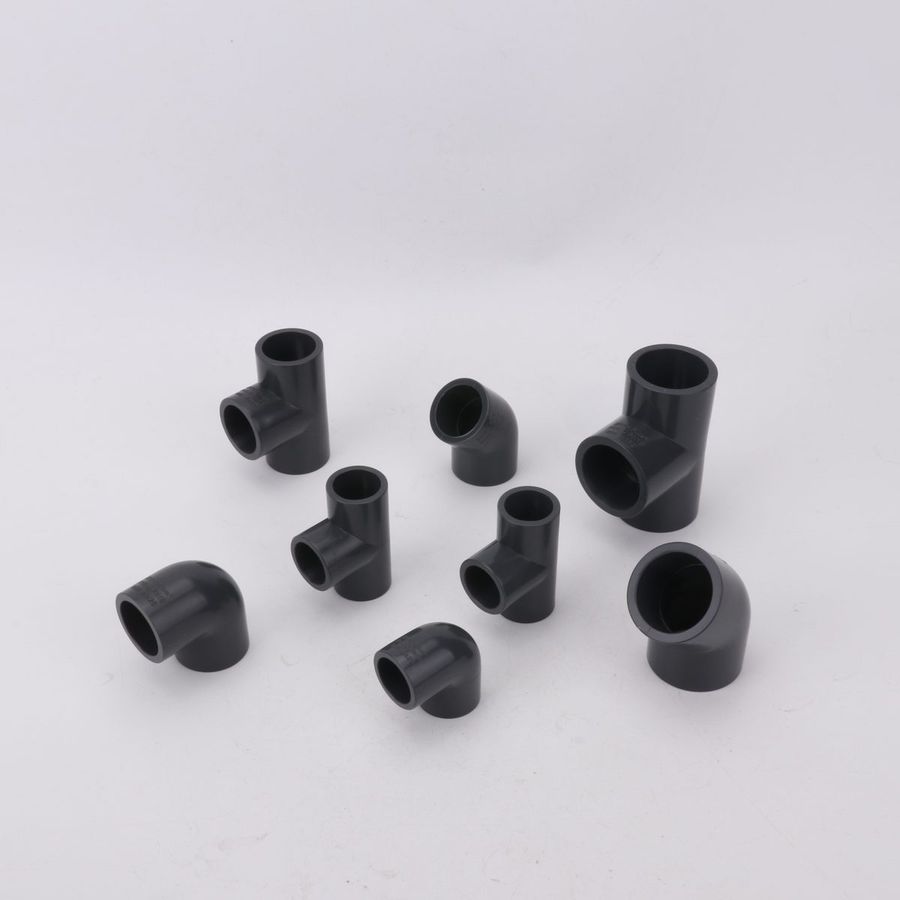
Use a named method rather than a remembered waiting time. Oatey LCS358G calls for square cuts, deburring, chamfering, clean surfaces and a component-fit check before the joining products. During assembly, it specifies a quarter turn, full socket insertion and a 30-second hold against push-out. Cold conditions or larger diameters may need a longer hold. Those are that document’s instructions, not a universal assembly-time promise.
Follow the actual coating order and amount. Extra cement does not make an unacceptable fit acceptable. Keep the PVC installation guide for broader context, while the named product instructions control the joining method. CPVC is a separate material; the CPVC guide does not approve substituting its joining products for PVC.
Release a repair for testing only after the correct cure
The release checkpoint comes after cure, not after the joint becomes easy to handle. Oatey separates handling time from pressure-test cure and makes timing depend on product, size, socket fit, temperature, humidity and pressure. Its new-installation cure guidance excludes repair or cut-in work on hot and cold water distribution. Obtain its repair-specific recommendation for that work. The document also prohibits testing PVC and CPVC with compressed air or gas. Record the authorized test method and release time; do not substitute a generic waiting period.
Specify a matched replacement order
Before sending the replacement enquiry, collect the diagnostic photos and the required drawing in one packet. Use the IFAN product catalogue to identify the categories, then ask the supplier to confirm material designation, size convention, socket drawing, applicable standard and accepted listing coverage for each item. A logo on the catalogue cannot establish coverage of your ordered product.
Specify samples as a matched set of pipe, fittings and joining products. Agree dimensional and visible-condition checks before approval, then keep incoming inspection separate from installation and the completed-system test. A satisfactory sample cannot prove production-lot consistency or long-term strength. Request the relevant test reports and traceability with the proposed order.
For minimum order quantity, list each shape, size, material and color separately. Ask which lines can share a mixed shipment and which need their own production run. Name cement and primer if included. This page establishes no current IFAN minimum, so the enquiry must obtain it rather than assume it.
Compare the quote against one specification. Include piece weight, packing, artwork, tooling and the trade term with its named location. Weight checks the agreed design; a heavier fitting is not automatically compliant. Ask for the material declaration on its own. Price cannot tell you the composition.
Make the delivery question specific: is the item stocked, or does it need production, tooling or sample approval? Record the start event for each lead-time stage, inspection and dispatch, plus whether completion means factory-ready or shipped. Identify the release documents too. No fixed IFAN delivery period is established here.
Include these records in the supplier handoff
- Leak-location photographs, pipe print line, service fluid and operating conditions.
- Removed-part observations and unresolved cause questions.
- Replacement drawing, dimensions, service approval and required joining products.
- Matched-sample acceptance checks, listing coverage and batch traceability request.
- Quantity by shape/size, packing, comparable quote basis and mixed-order rules.
- Lead-time start/finish events and the repair-specific cure/test instructions needed before release.
For importers comparing a matched order, send the specification for a scoped quotation.
Frequently Asked Questions
Can a dry joint prove pressure performance?
No. A dry-fit check concerns component fit. Completed-joint performance requires the specified joining method, cure and system test.
Can exterior cement repair a leaking solvent-welded socket?
Do not treat an exterior coating as a restored solvent weld. Isolate the system and use the approved replacement arrangement for the material and service.
How long should a repaired joint cure?
Use the exact cement manufacturer’s repair-specific instructions for the size and conditions. Handling time is not pressure-test release time.
Is primer always required?
Follow the cement, piping system and governing code. Certain approved single-step products have specified exceptions; do not assume an exception for another product.