
Gasketed PVC Pipe Fittings: How Seal-Ring Joints Work & When to Use Them
Push an IFAN UPVC pipe into an IFAN seal-ring fitting — no glue, no primer, no cure time — fill the assembly with water, and it holds with zero leakage. That's the bench test in the video below, and it demonstrates the other great way to join UPVC: the gasketed (rubber seal-ring) joint, where a factory-fitted elastomer ring compresses around the pipe and does the sealing that solvent cement does in a welded system. Gasketed joints assemble in seconds, absorb thermal movement, and can be taken apart — which is why drainage stacks, waste lines, and buried sewers run on them worldwide. This guide explains how a seal-ring joint actually works, what the glue-free test proves about ring and socket precision, when to choose gasketed over solvent-weld, and how to buy a ring-seal system that stays tight for decades.
Key Takeaways
- IFAN seal-ring UPVC holds water glue-free with zero leakage — ring and socket geometry doing the sealing, on camera below.
- A gasketed joint seals by compressing a factory-fitted rubber ring between socket groove and pipe wall.
- Assembly takes seconds, with no chemicals and no cure time — and the joint can be opened again.
- The ring also acts as an expansion joint: the pipe can move axially without stressing anything.
- Gasketed = drainage, soil, waste, and buried sewer duty; solvent weld keeps the pressure lines.
- Joint quality lives in ring material + groove precision — exactly what the water test checks.

🔬 IFAN PRODUCT TEST SERIES — see all tests
How a Rubber Seal-Ring Joint Works
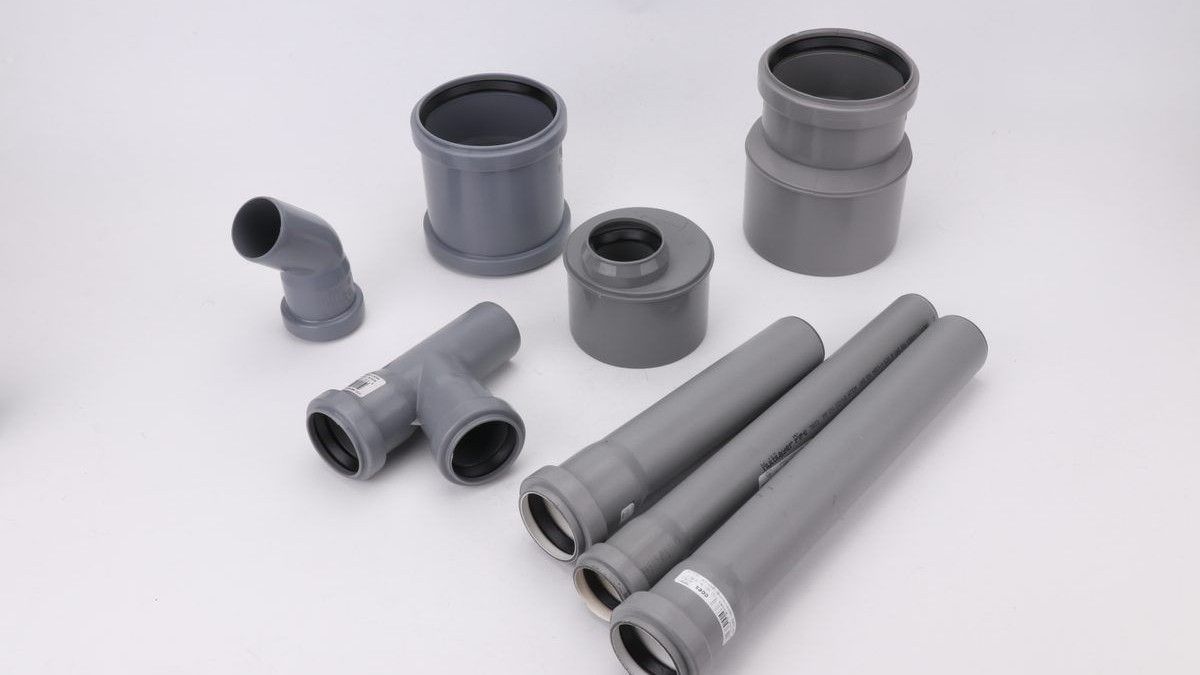
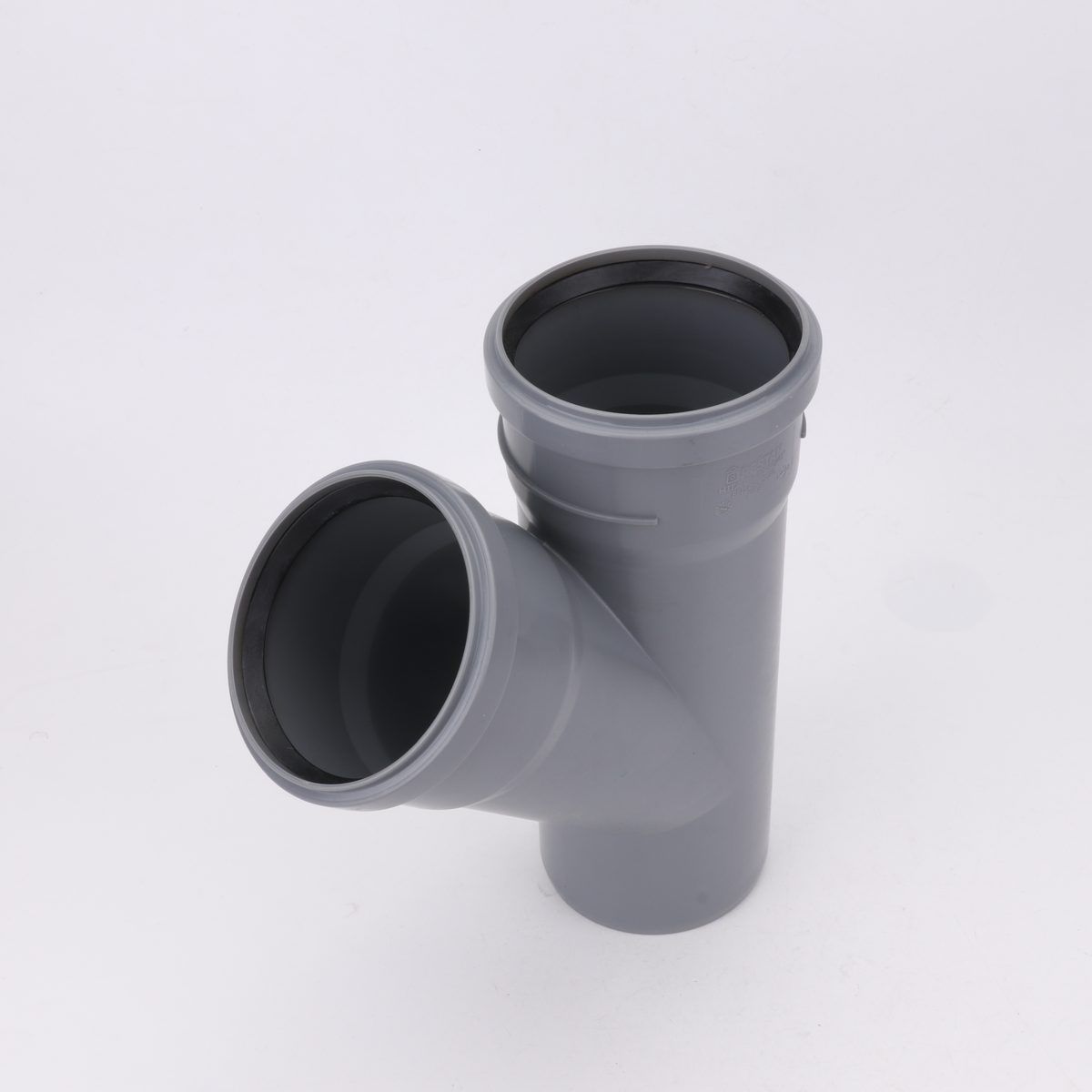
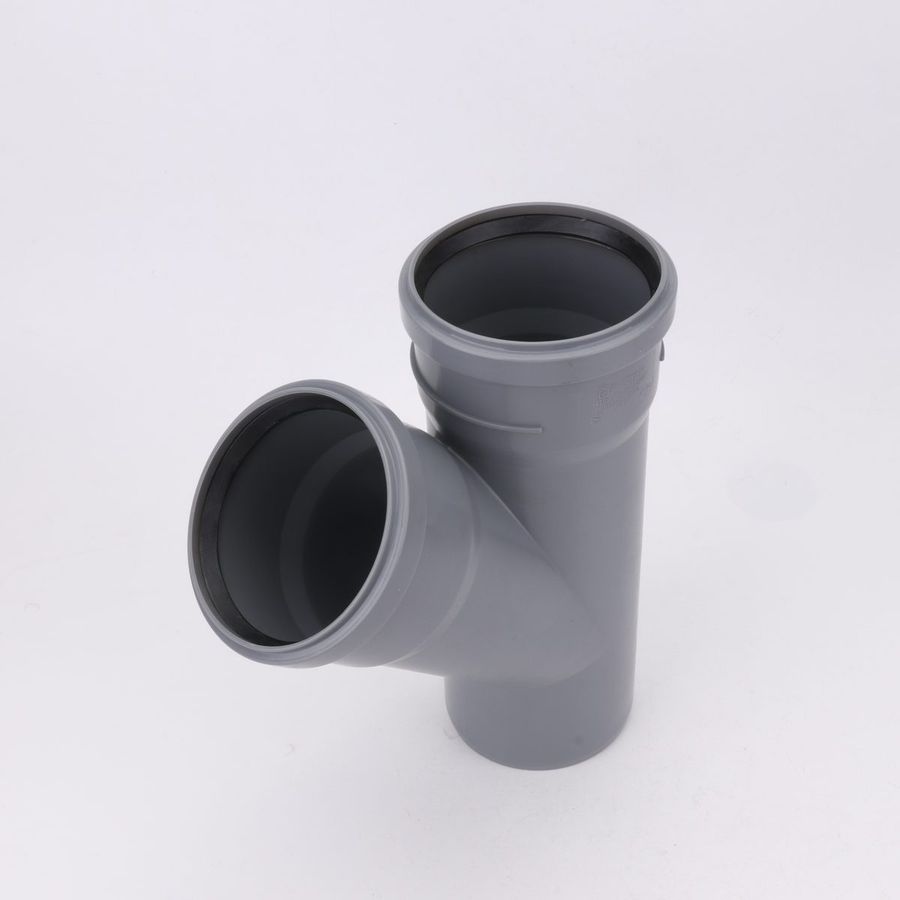
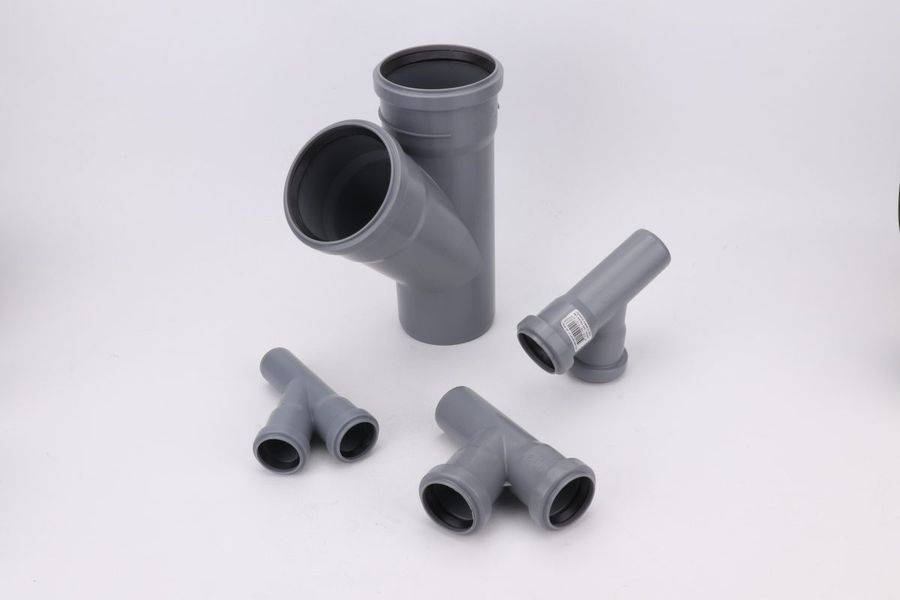
A gasketed UPVC socket carries a molded internal groove holding an elastomer gasket — the black ring you can see seated in every socket in the photos below. Push the chamfered pipe end in and the ring compresses between the groove and the pipe wall; that compression is the seal, live around the full circumference for the life of the joint. Three properties follow from the physics. Speed: the joint is complete the moment the pipe reaches insertion depth — no primer, no cement, no cure window, no smell, no weather sensitivity. Movement: the pipe can slide axially through the ring, so every joint doubles as an expansion joint — a long soil stack that grows a few millimetres on a hot day just breathes, instead of stressing a rigid weld. Serviceability: the joint pulls apart for modification or unblocking and re-seals on reassembly. The trade-off is honest: a compressed ring holds gravity drainage and modest head superbly, but high sustained pressure duty belongs to the solvent-welded system — which is why the two joint types coexist in every real building.
What the Glue-Free Water Test Proves
A seal-ring joint has no cement to hide behind: the water either stays in or it doesn't, and the outcome is decided entirely by three manufacturing variables. The ring itself — its elastomer compound, cross-section, and consistency; a hard, thin, or off-spec ring seals today and takes a compression set tomorrow. The groove — molded round and to depth, so the ring sits evenly instead of pinching at two points. And the socket-to-pipe clearance — tight enough to compress the ring firmly, open enough to assemble by hand. In the video, IFAN's fittings are assembled dry and hold water with zero leakage — the visible proof that ring, groove, and clearance are all inside tolerance at the same time, because if any one of the three were off, the water would find it immediately. That's also why this test makes a better acceptance check than squeezing a loose ring in your hand: it tests the system, not the component. A gasketed system that passes it dry will still be sealing years after installation, ring compression doing quietly what it demonstrated on camera.
Gasketed vs Solvent-Weld: Which Joint Where
| Factor | Gasketed (seal ring) | Solvent weld |
|---|---|---|
| Assembly | Push-fit, seconds, no chemicals | Prime + cement + cure time |
| Nature of joint | Compressed ring — demountable | Chemical weld — permanent, monolithic |
| Thermal movement | Absorbed at every joint | Needs designed expansion provision |
| Pressure duty | Gravity drainage, low head | Full pressure rating of the pipe |
| Weather / site conditions | Indifferent — works wet or cold | Cement wants dry surfaces, patience in cold |
| Typical home | Soil stacks, waste, buried sewer | Pressure lines, pool/irrigation, supply |
The decision rule is one line: pressure gets welded, gravity gets gasketed — then let speed, temperature swings, and future serviceability push borderline cases toward the ring. A tall soil stack in a hot climate is the gasketed joint's home game: every floor's joint absorbs the daily expansion a welded stack would have to fight. The welded side of the story — and what happens when welded joints go wrong — is covered in our PVC joint leak guide, whose no-glue interference test is this video's sister demonstration on the solvent-weld family.
Why IFAN's Seal-Ring System Stays Tight
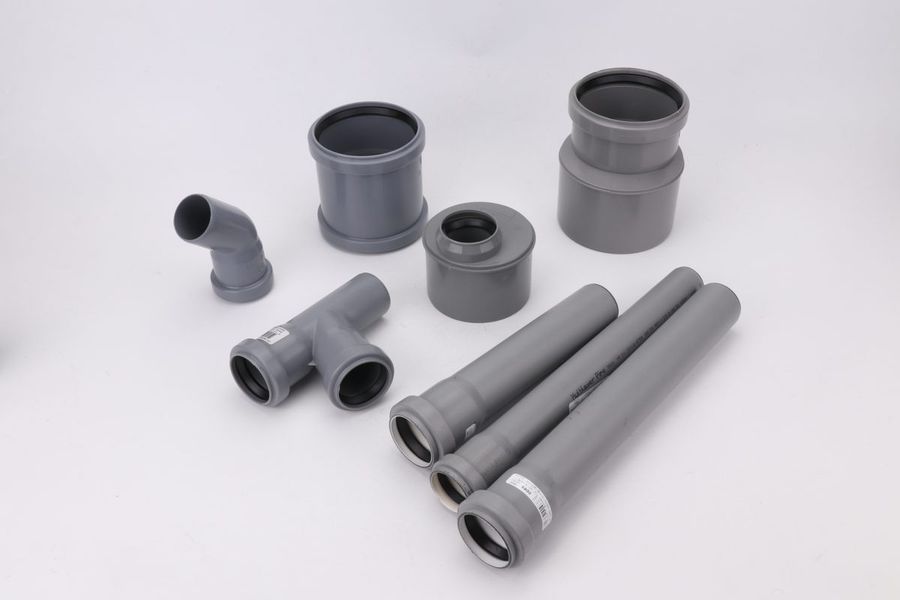
Everything the test proves traces back to how the parts are made. The rings arrive factory-fitted, seated in molded grooves at the plant — not supplied loose in a bag to be stretched on site, which is where rings get twisted, nicked, or forgotten. IFAN molds the socket and supplies the system, so groove geometry, ring compression, and pipe clearance are engineered against each other rather than assembled from three suppliers' assumptions — the same matched-tooling philosophy demonstrated in our solvent-socket precision test, applied to the gasketed family. The range covers the whole drainage schedule — 45° and 90° bends, tees and wyes, double-socket couplings, reducers, and socketed pipe (the family in the photos) — so a stack assembles from one catalog without improvised transitions. And it slots into IFAN's single-source system across solvent-weld PVC fittings, PPR, PEX, HDPE, and brass in the full product catalog. The claim is testable and we invite the test: sample orders are welcome — assemble them dry, fill them with water, and watch what the video shows happen on your own bench.
Installing Ring-Seal Joints Right
Gasketed joints are fast, but four habits separate a tight stack from a callback. Chamfer and deburr the pipe end — a square-cut, sharp-edged pipe shaves or rolls the ring on the way in; the factory-formed spigot ends have the chamfer already. Use the right lubricant — a smear of silicone-based pipe lubricant lets the pipe slide through the ring without displacing it; never oil or grease, which attack rubber. Mark insertion depth, then back off — push to the socket base, mark the pipe, and on long runs withdraw about 10 mm so the joint has room to expand into. Check the ring before every joint — seated evenly in its groove, no twist, no debris. And one rule that surprises people: never cement a gasketed socket. Glue destroys the ring's ability to move and seals nothing the ring wasn't already sealing — the two systems each do their own job. The wider drainage design context — falls, venting, stack layout — is in the complete PVC drainage guide.
Run the seal-ring water test on your own bench
Request IFAN gasketed UPVC samples — assemble them dry, fill them, and verify zero leakage before you order the container.
Request a Quote & SamplesCommon Seal-Ring Mistakes
Cementing a gasketed socket. Glue kills the ring's movement and adds nothing. Each joint system does its own job.
No chamfer. A sharp pipe edge rolls or shaves the ring on insertion — the leak shows up at test, or worse, later.
Wrong lubricant. Oil and grease attack rubber. Silicone-based pipe lubricant only.
Full-depth insertion on long runs. Bottomed-out pipe has nowhere to expand. Mark, insert, back off ~10 mm.
Using gasketed fittings on pressure duty. Rings hold gravity flow and modest head; sustained pressure belongs to solvent-welded or flanged systems.
Frequently Asked Questions
How does a gasketed PVC joint seal without glue?
An elastomer ring sits in a molded groove inside the socket. Pushing the chamfered pipe in compresses the ring between groove and pipe wall, and that live compression seals the full circumference for the life of the joint — no cement involved. The IFAN water test in the video shows exactly this: fittings assembled dry holding water with zero leakage.
Which is better — push-fit gasketed or solvent weld PVC?
They serve different duties. Gasketed joints assemble in seconds, absorb thermal movement at every socket, work in any weather, and can be opened again — ideal for soil stacks, waste, and buried sewer. Solvent weld makes a permanent monolithic joint that carries the pipe's full pressure rating — the choice for pressure lines. The rule: pressure gets welded, gravity gets gasketed.
Should I glue a push-fit ring-seal joint as well?
No — never. Cement destroys the ring's ability to slide and absorb expansion, and it seals nothing the compressed ring wasn't already sealing. A gasketed socket is designed to work dry with the correct silicone-based lubricant. If a ring joint weeps, the cause is a damaged ring, a missing chamfer, debris, or an out-of-spec socket — not missing glue.
How do I check gasketed fitting quality before a bulk order?
Replicate the water test on samples: confirm the rings arrive factory-seated and undamaged, assemble pipe and fittings dry with the proper lubricant, fill with water, and look for zero leakage. That one check verifies ring compound, groove geometry, and socket clearance simultaneously — the three variables that decide whether the system stays tight in service.