
HDPE Pipe Applications: Water, Irrigation, Mining & Gas
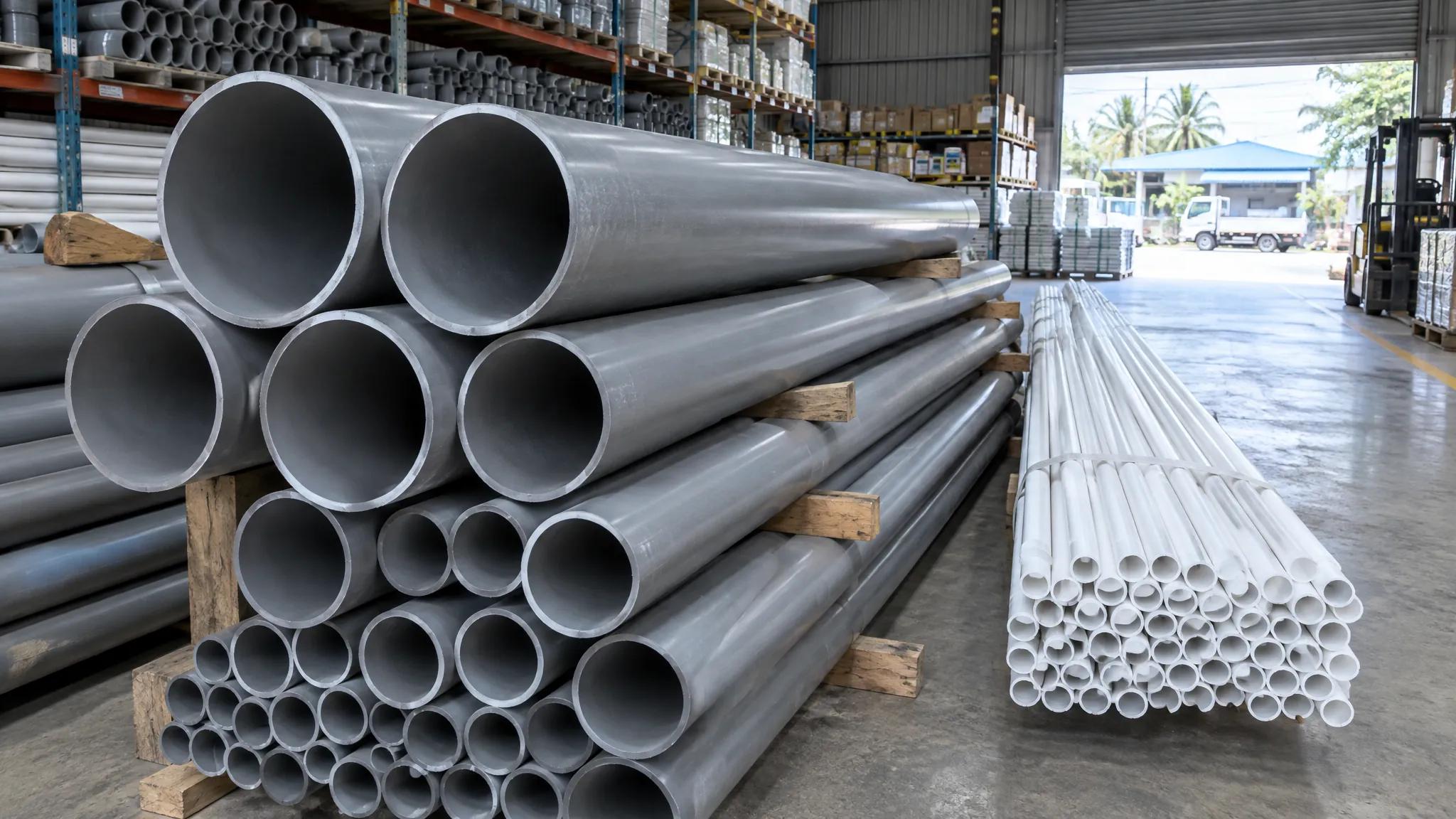
HDPE pipe shows up in more places than almost any other pipe material — potable water mains, farm irrigation, mine slurry lines, gas distribution, cable ducting, and marine outfalls all rely on it. The reason is a rare combination of properties: it's flexible, corrosion-proof, leak-free at the joints, and it lasts 50 years or more. But each application asks for a different grade, pressure class, and jointing method, and specifying the wrong combination wastes money or risks failure. This guide walks through the major uses of HDPE pipe and what each one demands, so you can match the pipe to the job instead of over- or under-specifying.
For the underlying material and dimensions, read this with the complete HDPE pipe guide; here we focus on where and how it's used, and what each of those uses demands from the pipe you buy.

Key Takeaways
- Potable water: PE100, fusion-jointed, drinking-water approved — the leak-free standard for mains.
- Irrigation: lower pressure classes, coils for long runs, fast compression fittings.
- Mining: abrasion and chemical resistance for slurry, dewatering, and process water.
- Gas: PE100/PE80 to ISO 4437 / EN 1555, usually yellow or orange striped.
- Ducting & drainage: low-pressure or non-pressure grades for cables and gravity flow.
- Each use dictates grade, pressure class, and jointing — specify by application, not habit.
Potable Water Supply
Drinking water is HDPE's largest application. Municipal trunk mains and distribution networks use PE100 pipe, fusion-welded so the network has no leak paths — a decisive advantage where non-revenue water loss is a major cost. The pipe must carry a drinking-water approval alongside its ISO 4427 compliance, confirming it won't taint the supply. Diameters run from small service connections up to large-diameter transmission mains, and the smooth bore resists the internal scaling that narrows old metal pipes, so flow capacity stays stable for decades. For pressure sizing, the grade and SDR are chosen to hold the working pressure plus a surge margin.
Irrigation and Agriculture
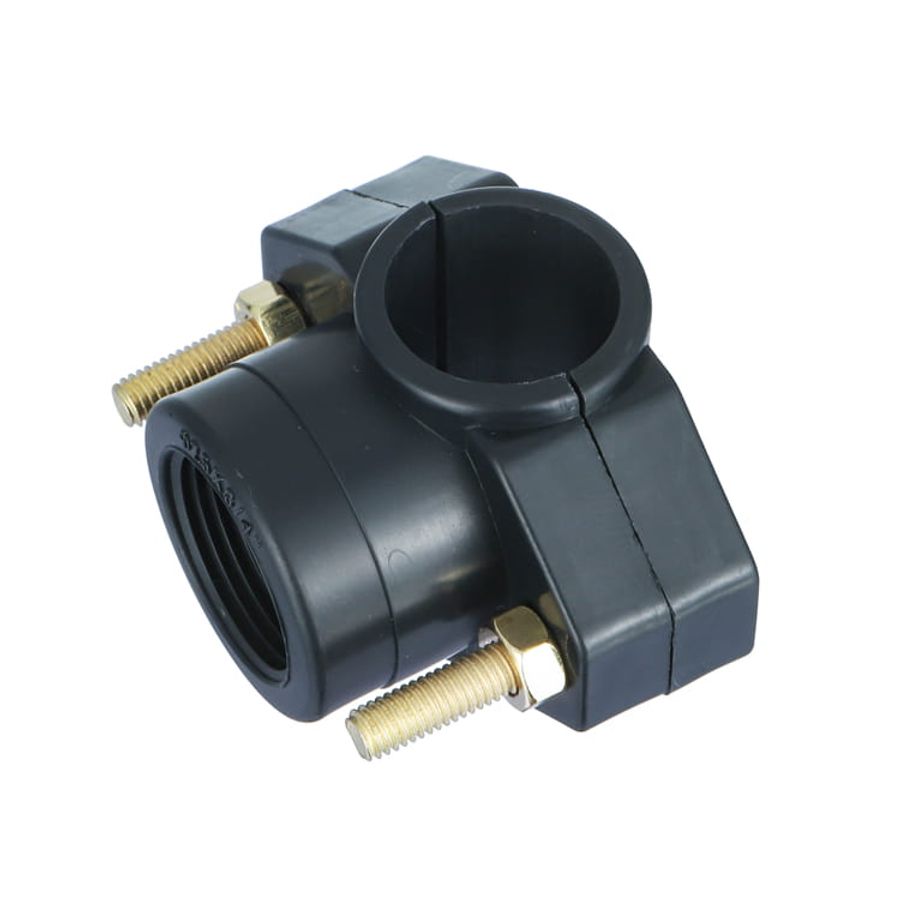
Farms and irrigation schemes are a natural fit for HDPE. Long coiled lengths of small-diameter pipe pull in across fields with very few joints, cutting both labour and leak points. Pressures are usually lower than municipal mains, so higher-SDR (thinner-wall) pipe is often adequate and economical, and compression fittings let a crew connect and reconfigure lines quickly without a fusion machine. The pipe's UV and weather resistance suits above-ground and shallow-buried runs, and its flexibility handles the rough, uneven ground typical of agricultural sites. From smallholder plots to large commercial farms, HDPE is the backbone of modern water-efficient irrigation.
Mining and Industry
Mining is one of the toughest duties for any pipe, and HDPE earns its place through abrasion and chemical resistance. It carries slurry, tailings, and process water that would erode or corrode metal, and it handles dewatering lines and aggressive chemistries without rusting. Thicker-walled, low-SDR pipe is specified where abrasion or high pressure demands it, and PE100 (or PE100-RC for punishing installation conditions) is the usual grade. HDPE's flexibility is a bonus on unstable mine ground and for lines that must be relocated as operations move. Industrial plants use it similarly for chemical transfer, cooling water, and effluent, choosing the wall and grade to suit the fluid and pressure.
Gas Distribution
Natural gas distribution networks use HDPE (PE100 or PE80) manufactured to the gas-specific standards — ISO 4437 and EN 1555 — rather than the water standard. Gas pipe is typically coloured yellow or orange, or black with coloured stripes, so it's unmistakable in the ground. The fused, leak-free joints are especially important for gas, where a leak is a safety hazard, not just a loss. Because gas is a regulated application, the grade, standard, and jointing procedures are governed by local codes, and only certified operators join the pipe. If your project is gas, confirm the pipe is made to the gas standard, not repurposed water pipe.
Ducting, Drainage, and Other Uses
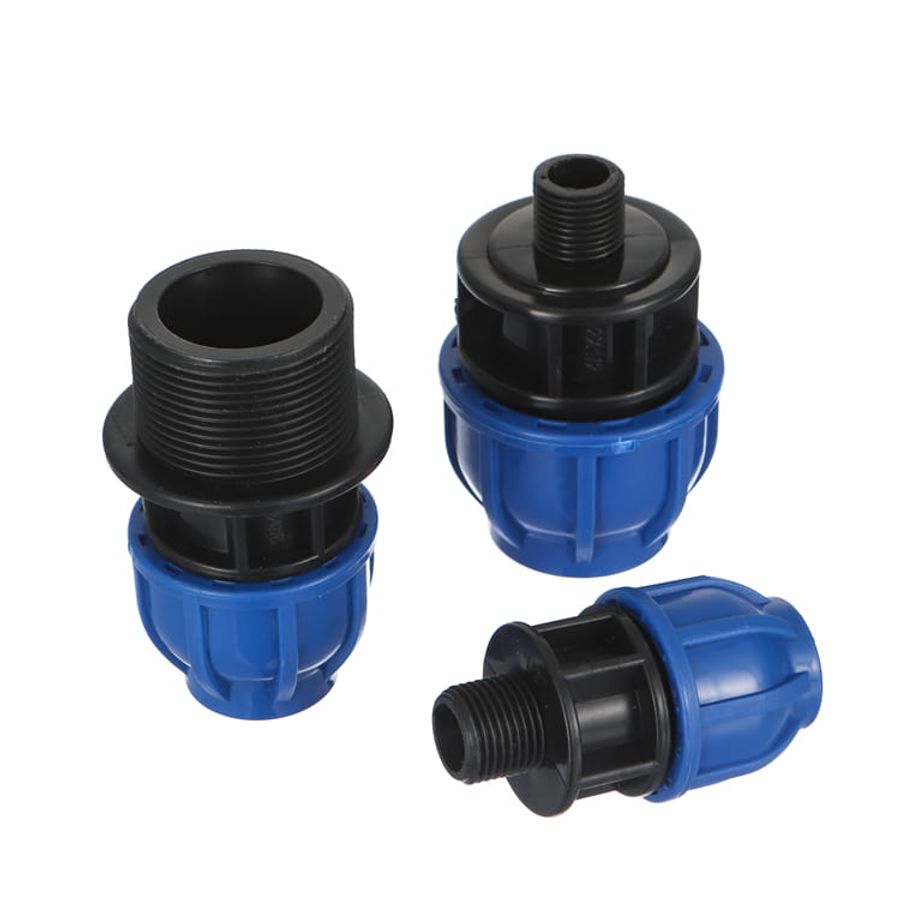
Beyond pressure pipe, HDPE serves plenty of lower-duty roles. Cable ducting protects electrical and telecom cables underground, using non-pressure or low-pressure grades. Gravity drainage and sewer lines use HDPE where its leak-free joints and chemical resistance beat concrete or clay. Stormwater, landfill leachate collection, and marine outfalls all use it for the same corrosion-proof, flexible reasons. In these non-pressure roles the pressure class matters less, but the standard, diameter, and jointing still need specifying correctly for the duty.
Trenchless and No-Dig Installation
One application that's really a method: HDPE is the material of choice for trenchless installation. Because it's fused into one continuous, flexible length, it can be pulled through the ground by horizontal directional drilling, slip-lined inside a failing old pipe, or installed by pipe bursting, which fractures the old pipe outward while drawing the new HDPE in behind. These no-dig techniques avoid open trenching under roads, rivers, and built-up areas, cutting disruption and reinstatement cost dramatically. Where the pipe is dragged over rough ground or bears on stony backfill without a sand bed, PE100-RC — the crack-resistant grade — is specified to survive the point loading. For utilities renewing aged networks under live streets, trenchless HDPE is often the only economical route, and it's a large and growing part of the material's use.
Marine and Coastal Uses
HDPE's density is close to that of water, and it can be floated on the surface, joined into long strings, then sunk into position with ballast weights — which makes it ideal for marine outfalls, intakes, and submarine crossings. It resists seawater corrosion completely, tolerates wave and current movement thanks to its flexibility, and its fused joints stay leak-free underwater where a mechanical joint would be a liability. Desalination intakes, wastewater outfalls, and aquaculture systems all use large-diameter HDPE for these reasons. The installation is specialised, but the material's buoyancy-and-sink method turns what would be a very difficult subsea pipe-laying job into a manageable one.
Durability Across Applications
Whatever the use, the through-line is longevity. Correctly specified and installed HDPE pipe has a design life of 50 years or more, and its performance doesn't degrade the way metal's does — no rust, no scaling, no tuberculation narrowing the bore over time. The fused joints don't loosen or weep with age, and the material tolerates freeze-thaw, ground movement, and rough handling that would crack rigid alternatives. This is why the whole-life cost so often favours HDPE even where a cheaper pipe wins on the initial quote: across water, irrigation, mining, and gas alike, you're buying decades of low-maintenance service, not just a length of pipe.
Cold Climates and Freeze Performance
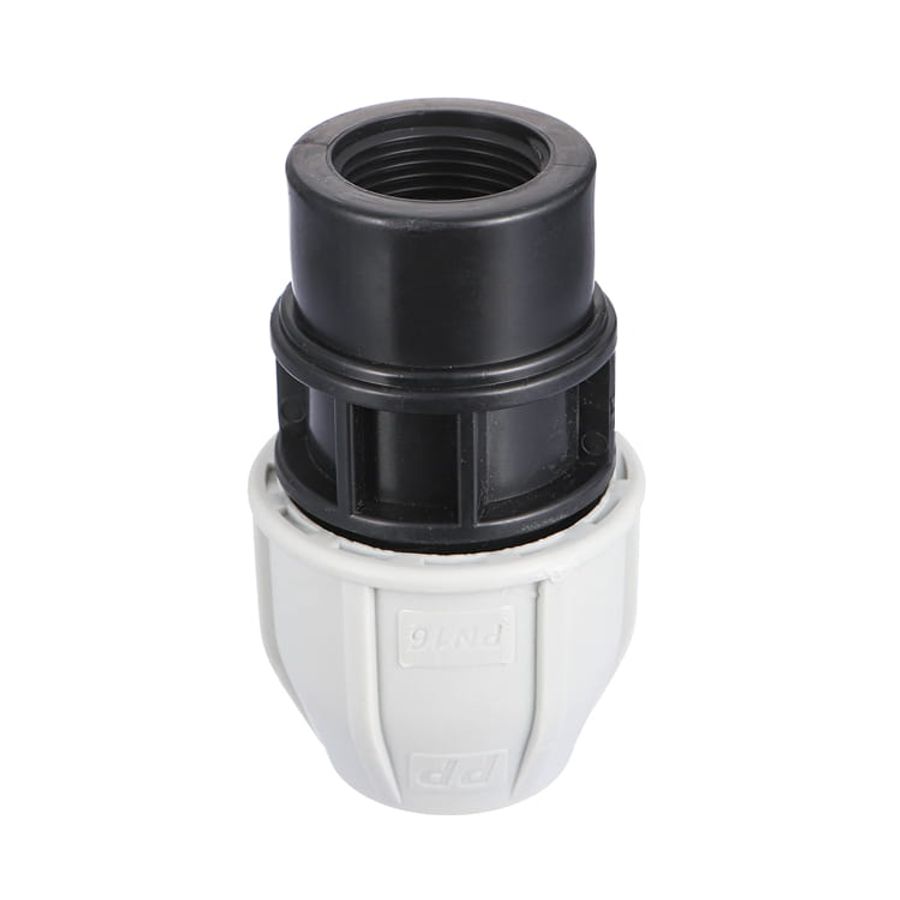
HDPE handles cold ground better than rigid pipe. If water freezes inside it, the pipe can expand to accommodate the ice and usually returns to shape without splitting — where PVC or metal would crack. That resilience, combined with its flexibility over frost-heaving ground, makes it a strong choice for cold-region water and service lines. It still needs adequate burial depth below the frost line for continuous service (a frozen pipe won't flow, even if it survives), but the material's tolerance of a freeze event is a real advantage in climates where the occasional hard freeze is unavoidable and a burst main is expensive to repair.
Fire Mains and Specialty Systems
HDPE also serves fire-water mains, snow-making lines at ski resorts, geothermal ground loops, and landfill gas and leachate systems — anywhere a corrosion-proof, leak-free, flexible pipe suits the duty. In these specialty roles the specification still comes down to the same variables: the grade for the pressure and toughness needed, the SDR for the pressure class, and the standard the application is governed by. The breadth of these uses is a reminder that "HDPE pipe" isn't one product but a family, and the right member of that family depends entirely on what you're asking it to do.
Matching the Pipe to the Application
The table summarises the typical specification by use. Treat it as a starting point — confirm the exact grade, SDR, and standard with your supplier for the specific project conditions.
| Application | Typical grade | Jointing | Standard |
|---|---|---|---|
| Potable water | PE100 | Butt/electrofusion | ISO 4427 |
| Irrigation | PE100/PE80 | Compression/fusion | ISO 4427 |
| Mining/slurry | PE100 / PE100-RC | Butt fusion | ISO 4427 |
| Gas | PE100/PE80 | Fusion (certified) | ISO 4437 / EN 1555 |
| Ducting/drainage | Low/non-pressure | Fusion/mechanical | Per application |
To choose the pressure class within a grade, see the sizes and SDR guide, and for the jointing method, butt fusion vs electrofusion.
Have an application in mind?
Tell us what the pipe is for and we'll spec the right grade, pressure class, and fittings for the job.
Request a Quote
Frequently Asked Questions
Can the same HDPE pipe be used for water and gas?
No. Gas pipe is made to a different standard (ISO 4437 / EN 1555) and is colour-coded (yellow/orange) so it's identifiable in the ground. Don't repurpose water pipe for gas or vice versa — specify pipe made to the correct standard for the service.
Is HDPE suitable for drinking water?
Yes — PE100 with the relevant potable-water approval is a leading choice for drinking-water mains. It doesn't leach, corrode, or scale, and its fused joints are leak-free. Confirm the specific pipe carries drinking-water certification alongside ISO 4427 compliance.
Why is HDPE used for mining slurry?
Its abrasion and chemical resistance handle slurry and tailings that erode or corrode metal, and its flexibility suits unstable ground and relocatable lines. Thicker-walled low-SDR pipe, often PE100 or PE100-RC, is used where abrasion and pressure are highest.
What pressure class do I need for irrigation?
Irrigation usually runs at lower pressures than municipal mains, so a higher-SDR (thinner-wall) pipe is often sufficient and economical. Size it to the pump pressure plus a margin for surge; the sizes and SDR guide shows how to pick the class. As a rough guide many drip and sprinkler irrigation systems sit around PN6 to PN10, but always confirm the exact figure for your pump and layout with the supplier before ordering.