
HDPE Pipe Installation Guide: Trench, Jointing & Testing
A HDPE pipe is only as good as its installation. The material can last 50 years, but a rushed trench, a skipped bedding layer, or a fusion joint made on a dirty end will fail long before that. This guide covers how HDPE pipe is installed properly — trench preparation and bedding, jointing, handling and storage, thrust and anchoring, and the pressure test that proves the line before it goes into service. It's written for contractors and project supervisors who want the line right the first time, not dug up again a season later after an avoidable early failure.
For the material and dimensions behind the install, read this with the complete HDPE pipe guide; here the focus is getting it into the ground correctly and testing it before it carries a drop of water.

Key Takeaways
- Bed the pipe on fine, stone-free material — sharp stones point-load and can crack it.
- Bury below the frost line and to the cover depth the traffic loading requires.
- Fusion joints need clean, dry, correctly prepared ends — most failures are prep errors.
- HDPE's fused joints are end-load resistant, so thrust blocks are usually not needed.
- Allow for thermal expansion — the pipe moves with temperature until backfilled.
- Pressure-test the line before commissioning, allowing for HDPE's viscoelastic pressure decay.
Trench and Bedding
HDPE is flexible, which means it works with the soil around it rather than carrying all the load itself — so the bedding matters more than for rigid pipe. Cut the trench to a width that gives working room but no wider than needed, and level the bottom. Lay a bedding layer of fine, compactable, stone-free material (sand or fine gravel) under the pipe, then surround it with the same material and compact in the haunches so the pipe is fully supported around its lower half. The single biggest bedding mistake is sharp stones or rubble against the pipe wall: they concentrate load on a point and, over time, can initiate a crack. Where the native ground is stony and no clean bedding is available, specify PE100-RC, the crack-resistant grade built for exactly that abuse.
Cover depth follows the loading. Bury below the local frost line so the line doesn't freeze in service, and provide enough cover to carry any traffic above — deeper under roads, less in an open field. Backfill in compacted layers, keeping stones away from the pipe zone, and mark the line with warning tape or a tracer for future location.
Jointing on Site
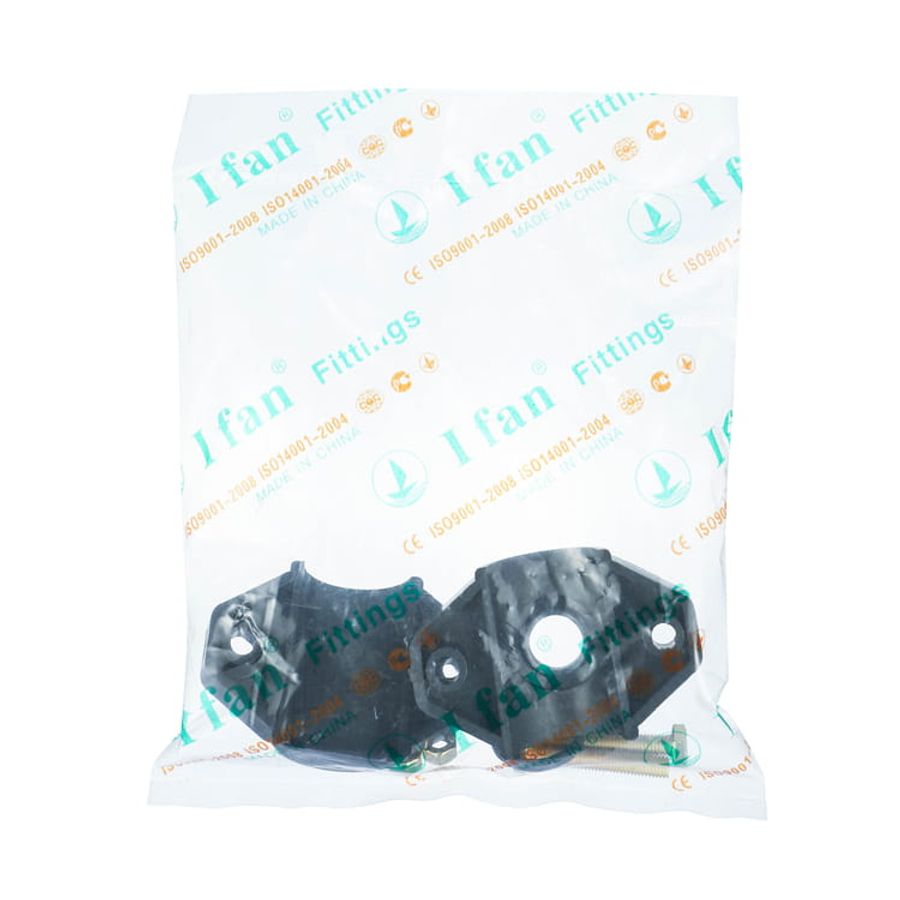
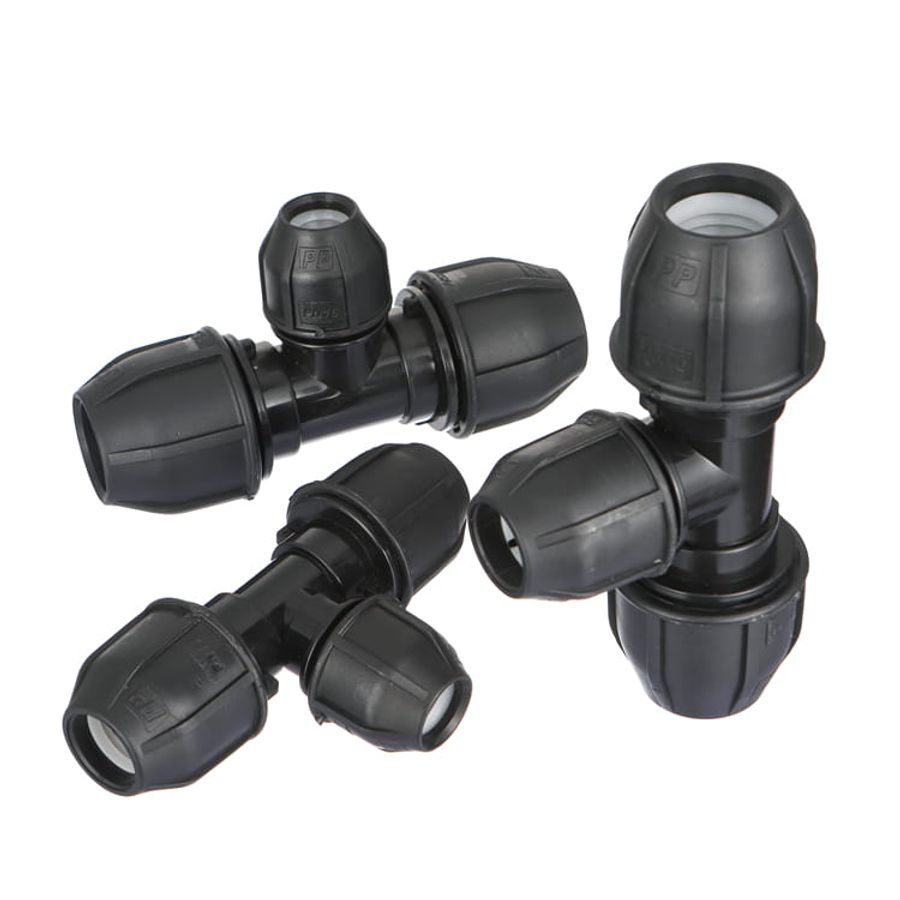
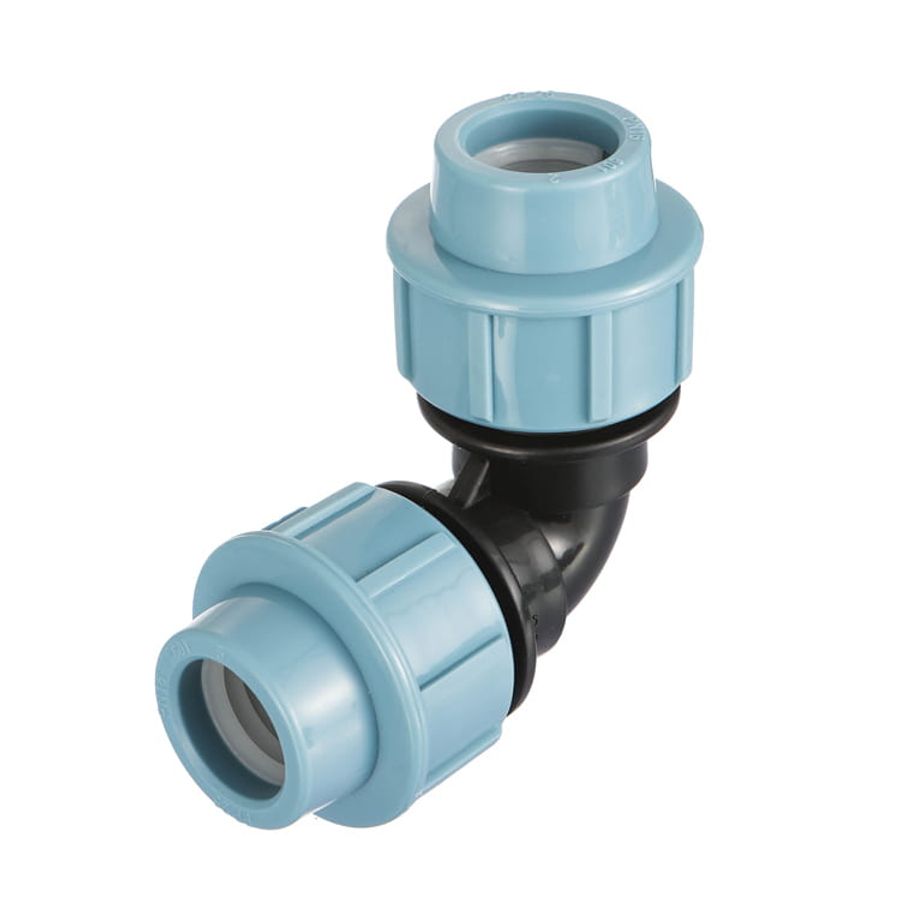
HDPE is joined by fusion — butt fusion for larger straight runs, electrofusion for branches, small diameters, and tight spaces — or by mechanical compression fittings on smaller low-pressure lines. Whichever method, the joint is only as good as the preparation: ends must be cut square, clean, and dry, and electrofusion sockets need the pipe surface scraped over the full insertion depth. Match the grade and SDR of the fittings to the pipe, and follow the temperature, pressure, and cooling times for the diameter — these are set by procedure, not by feel. For a full comparison of the two fusion methods and when to use each, see butt fusion vs electrofusion, and for the fitting types, the HDPE fittings guide.
Handling, Transport, and Storage
Damage done before the pipe reaches the trench is a common, avoidable cause of failure. Lift pipe with wide fabric slings, never chains or hooks that gouge the wall, and don't drag it over rough ground. Store it on a flat surface clear of sharp objects, and support coils and stacked lengths so they don't deform under their own weight in the sun. HDPE has good UV resistance for outdoor storage, but very long exposure of unprotected pipe is best avoided — keep it covered for extended storage. Inspect every length for scores, gouges, or ovality before it goes in; a deep gouge is a stress raiser and the affected section should be cut out, not buried.
Thrust, Anchoring, and Expansion
A big advantage of fused HDPE is that the joints are end-load resistant — the welded line acts as one continuous pipe, so the thrust blocks needed at bends and tees in gasket-jointed systems are usually unnecessary. That said, connections to other systems, valves, and mechanical fittings may still need anchoring, and any transition to a non-fused system should be assessed for thrust. HDPE also expands and contracts noticeably with temperature: an exposed line laid in the heat of the day will contract as it cools, so allow the pipe to reach a stable temperature and let it "relax" before final connection and backfill, or build in the slack the design calls for. Once backfilled, the soil restrains the movement.
Pressure Testing
Before a line goes into service, it's pressure-tested to prove the joints and the pipe. HDPE testing has one quirk that catches out crews used to metal: the pipe is viscoelastic, so under test pressure it expands slightly and the pressure reading drops even with no leak. A proper HDPE test procedure accounts for this pressure decay — typically a pre-test to condition the pipe, then a measured test phase where the allowed drop is compared against the standard's criteria — rather than treating any pressure loss as a leak. Fill slowly to purge air (trapped air ruins a test and is dangerous), and follow the test method in the relevant standard for the pipe's pressure class. A line that passes a correctly run test is ready to commission with confidence.
Trenchless Installation
HDPE's flexibility and fused, continuous length make it the natural pipe for no-dig methods, which avoid open trenching under roads, rivers, and built-up areas. In horizontal directional drilling (HDD), a bore is drilled along the line and the fused pipe string is pulled back through it in one length. Slip-lining threads a new HDPE pipe inside a failing old main. Pipe bursting fractures the old pipe outward while drawing the new HDPE in behind it. All three subject the pipe to pulling tension and abrasion against the bore or old pipe, so the pipe must be fused into a continuous string first, and the pulling force kept within the pipe's limit for its diameter and SDR.
Because trenchless pipe is dragged over ground with no controlled bedding, point loading and surface scoring are real risks — this is the classic case for PE100-RC, the crack-resistant grade developed for installation without a sand bed. If your project uses HDD, bursting, or slip-lining, confirm the grade and the allowable pull force with the supplier before you start.
Using the Pipe's Flexibility
One of HDPE's quiet installation advantages is that it can be cold-bent to a gentle radius, following the curve of a trench or routing around a mild obstacle without a fitting. Each diameter and SDR has a minimum bend radius — go tighter than that and you over-stress the wall — so keep the curve well within the manufacturer's limit and never force a kink. This ability to sweep around obstructions removes joints (and therefore leak points) that a rigid pipe would need at every change of direction. Combined with coiled delivery for small diameters, it means long, near-jointless runs that go in faster and leak less. Where a sharper turn is genuinely needed, use a proper fitting rather than bending past the limit.
Common Installation Mistakes
Sharp stones in the pipe zone. The most frequent cause of premature failure. Bed and surround with fine, stone-free material; never backfill directly with stony spoil against the wall.
Poor joint preparation. Dirty, wet, or unscraped ends make a joint that looks fine and leaks under pressure. Clean, dry, and prepare every end to procedure.
Ignoring thermal movement. Connecting and backfilling a pipe that's still hot from the sun locks in stress as it contracts. Let it stabilise before final connection.
Trapped air in the pressure test. Air pockets give false readings and are a safety hazard. Fill slowly and purge air before testing.
Treating HDPE test decay as a leak. The viscoelastic pressure drop is normal; use an HDPE-specific test method so a sound line isn't condemned.
Mishandling before install. Chains, hooks, and dragging gouge the wall. Lift with slings and inspect for damage before burying.
Need HDPE pipe, fittings, and installation guidance?
Get matched pipe and fittings plus technical support on fusion parameters and testing — send us your project details.
Request a Quote
Frequently Asked Questions
Do HDPE pipes need thrust blocks?
Usually not on a fully fused line — the welded joints are end-load resistant, so the pipe acts as one continuous length and resists thrust at bends and tees itself. Thrust or anchoring may still be needed at connections to non-fused systems, valves, and mechanical fittings. Assess those transitions individually.
Why does the pressure drop during an HDPE test even with no leak?
HDPE is viscoelastic — under test pressure it expands slightly, and that expansion shows up as a pressure drop even on a sound line. The correct test procedure conditions the pipe first and allows for this decay against the standard's criteria, rather than treating any loss as a leak.
How deep should HDPE pipe be buried?
Deep enough to sit below the local frost line and to carry the loading above — more cover under roads and trafficked areas, less in open ground. Follow the project specification and local code for the exact depth; the key rules are below frost and adequate cover for the loads.
Can HDPE pipe be laid on stony ground?
Only with proper bedding — sharp stones against the wall point-load the pipe and can start a crack. Bed and surround it with fine, stone-free material. Where clean bedding isn't available, specify PE100-RC, the crack-resistant grade designed for installation without a sand bed.