
PPR vs PVC vs PEX for Water Supply: How to Choose (and Stock)
PPR, PVC and PEX all sell as plumbing pipe but win on different projects: PPR carries hot water without support in developing markets, PVC dominates cold-water and drainage, PEX rules retrofit-friendly domestic installs. Here is the head-to-head on heat, pressure, joints, freeze behavior and per-market economics — and which SKU mix to actually stock.
The PPR vs PVC vs PEX question rarely has one right answer — it has the right answer for your climate, your installers, and what your market actually buys. All three move water. Where they split is heat, pressure, how they join, and how they fail. Pick by spec sheet alone and you end up stocking pipe that cracks in your winters or valves nobody in your market knows how to fit.
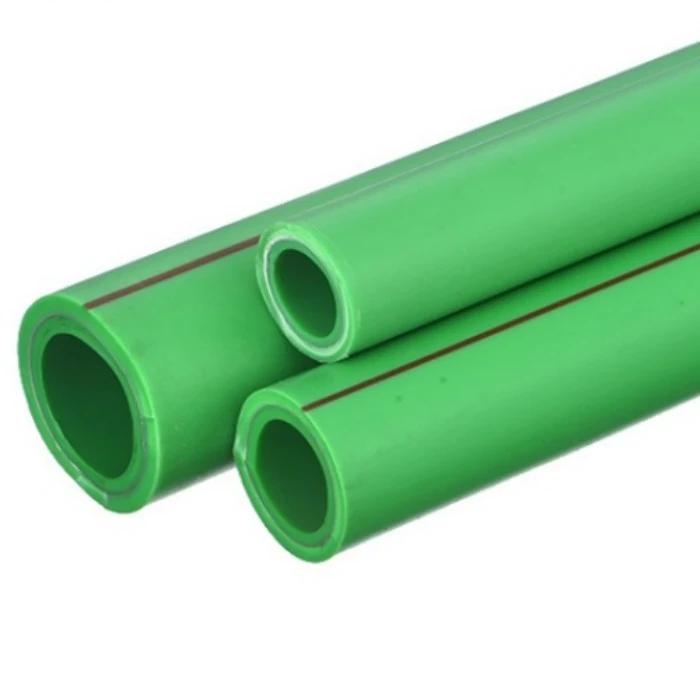
The one number that settles most hot-water arguments: PVC softens around 60°C, while PP-R runs continuously at up to 95°C. That gap is why PVC never belongs on a hot line, and why the real contest for pressurized hot-and-cold plumbing is PP-R against PEX.

Key Takeaways
- Hot water: PP-R handles continuous 95°C; PEX takes similar heat; PVC tops out near 60°C and is cold-only.
- Pressure: PP-R runs to PN25 (25 bar); PEX systems usually sit around 10 bar at temperature.
- Joints: PP-R is heat-fused into one solid piece — no in-wall mechanical fittings to leak. PEX uses crimp/clamp fittings; PVC uses solvent cement.
- Freezing: flexible PEX tolerates a freeze best; rigid PP-R and PVC can crack if water freezes inside.
- Lifespan: PP-R is rated for 50+ years; PVC turns brittle with age and UV.
- Stock by market: hot climates and pressure lines favor PP-R; freeze-prone or speed-driven jobs favor PEX; PVC stays on cold supply and drainage.
The Comparison That Actually Decides It
Four properties do almost all the deciding: temperature, pressure, how the pipe joins, and how it behaves when things go wrong. Here they are side by side.
| Property | PP-R | PEX | PVC |
|---|---|---|---|
| Max continuous temp | ~95°C | ~90°C | ~60°C (cold only) |
| Pressure class | Up to PN25 / 25 bar | ~10 bar at temp | Varies, low-pressure |
| Joining method | Heat fusion (welded) | Crimp / clamp fittings | Solvent cement |
| Behavior on freeze | Rigid, can crack | Flexible, tolerant | Rigid, brittle in cold |
| Rated lifespan | 50+ years | Long, brand-dependent | Embrittles with age/UV |
PP-R's temperature and pressure numbers follow the ISO 15874 family for polypropylene hot- and cold-water systems. If you want the full size and pressure breakdown, the PPR pipe sizes and pressure chart lays out the DN and PN classes.
The Joint Is Where Systems Live or Die
Spec tables skip the thing that actually leaks: the joint. This is where PP-R separates from the other two, for better and for worse.
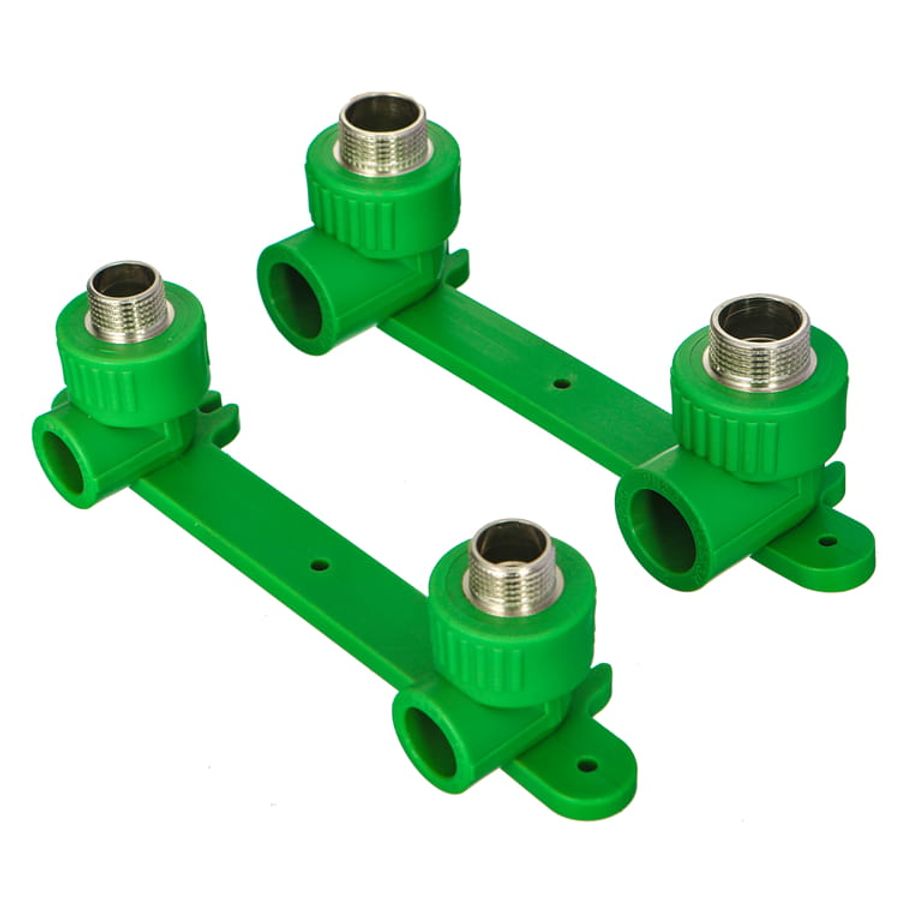
PP-R: fused into one piece
A heat-fused PP-R joint melts pipe and fitting into a single mass of plastic. There's no gasket, no crimp ring, no glue seam to age or loosen. Buried in a wall or slab, that's the quality you want — nothing mechanical to fail where you can't reach it. The trade-off is that it demands a welding tool and a trained hand; a bad weld is on the installer, not the pipe.
PEX: fast, flexible, but mechanical
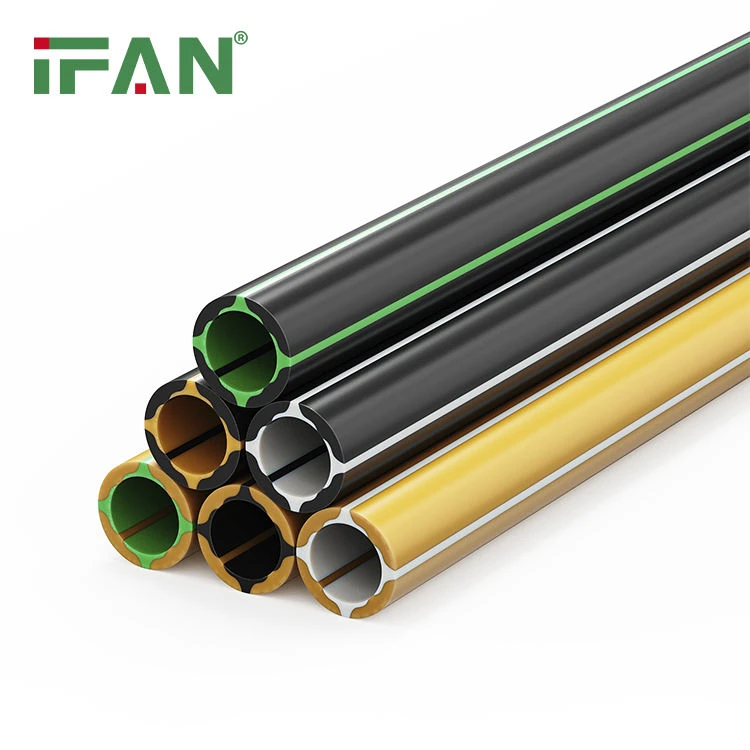
PEX wins on speed. It bends around corners without elbows and joins with crimp or clamp fittings in seconds, no heat needed. The catch is that every fitting is a mechanical connection with a ring and an insert — more parts, and more potential leak points if a crimp is under-set. In freeze-prone regions its flexibility is a real advantage: it can expand with freezing water where a rigid pipe would split.
PVC: cold water and drainage only
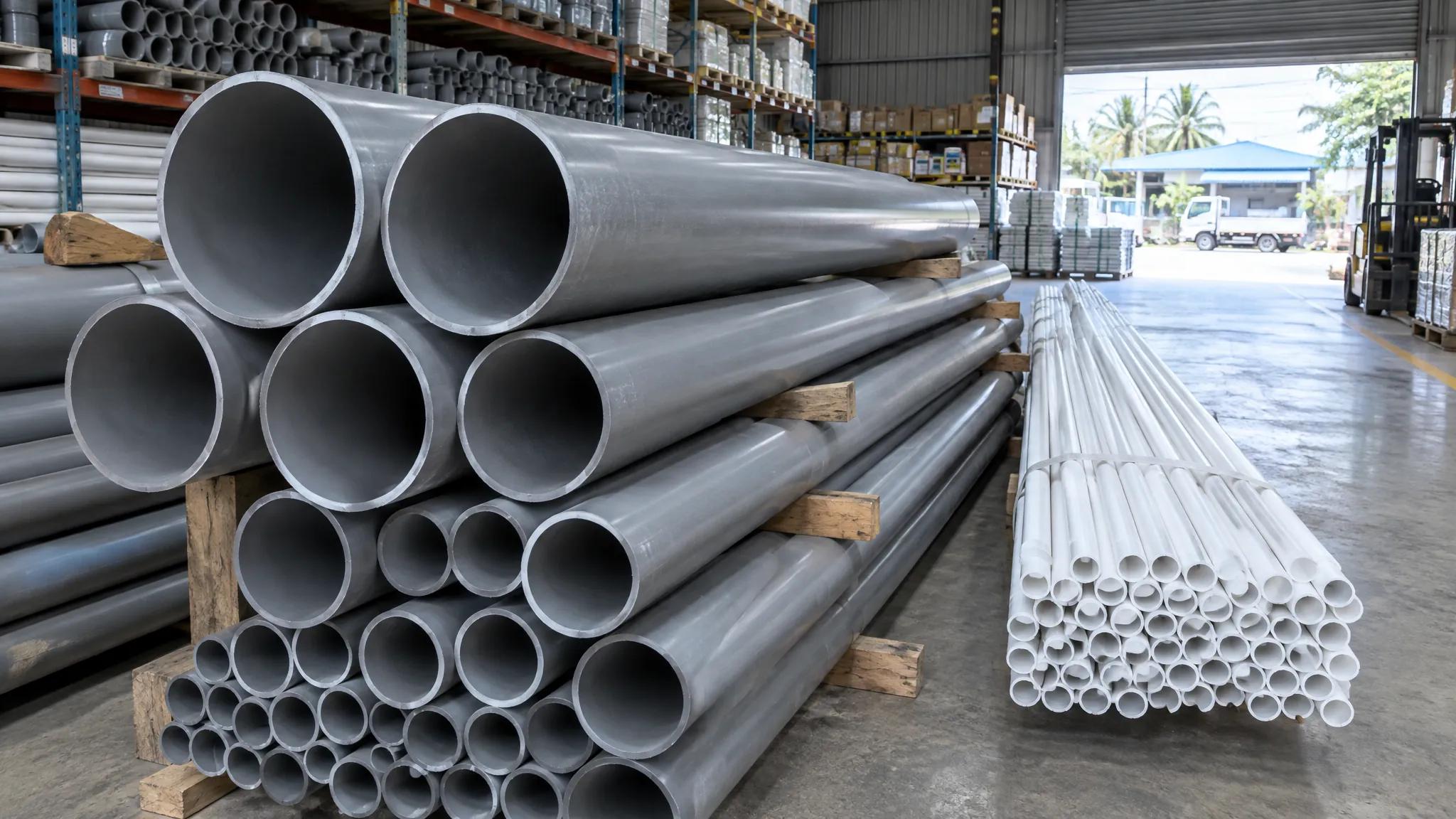
PVC joins with solvent cement — cheap and simple, but the bond is chemical and cold-only. Put hot water through PVC and it softens and warps. Its place is cold supply, drainage, and waste, where it's hard to beat on price.
Cost: Cheaper Upfront Isn't Cheaper Installed
On the shelf, PVC is the cheapest and PEX often lands below PP-R per length. But the sticker price hides the rest. PVC can't serve hot lines at all, so it's not really competing for the same job. PEX's per-length savings get eaten back by the cost and count of its mechanical fittings, which add up fast on a fitting-heavy layout.
PP-R's argument is the long game: a fused system with a 50-year rating and no in-wall mechanical joints means fewer callbacks and no early replacement. For a landlord, a hospital, or a hotel that eats its own maintenance, that math usually wins. For a quick residential retrofit where speed is everything, PEX's install time can win instead. Match the material to who pays for failure.
What to Stock for Your Market
As a distributor, the choice isn't abstract — it's what your buyers can install and what your climate demands.
- Hot climates, pressure systems, hot water: lead with PP-R. Africa, Latin America, the Middle East and Southeast Asia run hot and rely on pressurized hot-and-cold lines where PP-R's temperature and fused joints fit.
- Freeze-prone regions or fast retrofits: carry PEX. Its flexibility survives a freeze and its crimp fittings need no welding tool or trained welder.
- Cold supply and drainage: PVC still earns its shelf space on price where heat is never a factor.
- Installer skill matters: PP-R needs someone who can weld; if your market has few trained welders, factor training or a starter tool into the sell.
Conclusion
PVC drops out the moment hot water or pressure enters the conversation. Between PP-R and PEX, the honest split is durability versus flexibility: PP-R gives you a fused, long-life, high-pressure system for hot climates and buildings that pay their own repair bills, while PEX gives you speed and freeze tolerance for fast or cold-region work. Neither is universally "better" — they're built for different jobs.
If your market runs hot and buys pressurized plumbing, PP-R is the safer stock. Confirm the pressure class against your application and, if you're weighing plain versus fiberglass-composite PP-R, the PPR vs PPRC comparison covers that next step.
Frequently Asked Questions
Is PP-R better than PVC for water supply?
For hot water and pressure, yes. PVC softens near 60°C and can't serve hot lines, while PP-R runs continuously at up to 95°C. PVC remains a strong, cheap choice for cold supply and drainage.
PP-R or PEX — which should I choose?
Choose PP-R for high-pressure hot-and-cold systems and long life with fused joints. Choose PEX for fast installs, tight bends, and freeze-prone regions where its flexibility resists cracking.
Which pipe lasts the longest?
PP-R is rated for 50+ years and its fused joints have no mechanical parts to age. PVC tends to become brittle with age and UV exposure, and PEX longevity depends heavily on the brand and fittings.
Can PVC be used for hot water?
No. Standard PVC softens and warps above roughly 60°C. For hot water, use PP-R or PEX; keep PVC on cold supply, drainage, and waste lines.
Which is best for freezing climates?
PEX handles freezing best because it flexes as water expands, while rigid PP-R and PVC can crack. If you use PP-R in cold regions, insulate exposed runs and drain lines at risk of freezing.