
Válvula de Retenção de Latão: Tipos, Orientação, Grau e Como Escolher
Válvula de Retenção de Latão: Tipos, Orientação, Grau e Como Escolher
Uma válvula de retenção de latão faz um trabalho e o faz automaticamente: permite que a água flua em uma direção e impede que ela retorne. Isso a torna a guardiã silenciosa de um sistema de encanamento — mantendo as bombas escorvadas, evitando o refluxo para o abastecimento de água limpa e protegendo equipamentos contra picos de pressão reversa. Mas "válvula de retenção de latão" abrange vários designs internos (giratória, mola, esfera, wafer), e escolher o tipo, orientação ou grau de latão errado resulta em uma válvula que vibra, emperra ou não veda. Este guia explica o que é uma válvula de retenção de latão, os principais tipos e onde cada um se encaixa, como funcionam a orientação e a pressão de abertura, qual grau de latão especificar e como dimensionar e comprar uma corretamente.
Para uma visão mais ampla das válvulas de latão e como elas se encaixam em um sistema, consulte o guia do comprador de válvula esfera de latão; este artigo foca em válvulas de retenção (não retorno).
Principais Conclusões
- Uma válvula de retenção é uma válvula unidirecional (não retorno) — fluxo em uma direção, vedação contra fluxo reverso, automaticamente.
- Principais tipos: giratória, mola (elevação), esfera e wafer — cada uma com sua própria pressão de abertura e melhor aplicação.
- A orientação importa: válvulas giratórias preferem fluxo horizontal ou vertical ascendente; válvulas de mola funcionam em qualquer orientação.
- A seta de direção do fluxo no corpo deve apontar para onde a água deve ir.
- Para água potável, especifique um latão sem chumbo e resistente à dezincificação, como o DZR à base de CW617N.
- Dimensione de acordo com o fluxo e verifique a classificação de pressão (PN / WOG) — uma válvula superdimensionada pode vibrar em baixo fluxo.
O que uma Válvula de Retenção de Latão Faz
Uma válvula de retenção — também chamada de válvula de não retorno ou unidirecional — permite o fluxo em uma direção e fecha automaticamente para evitar o fluxo reverso. Não há manípulo: o fluxo direto empurra o disco, esfera ou obturador interno para abrir, e quando o fluxo para ou tenta reverter, o elemento cai ou retorna por mola ao seu assento e sela. O latão é o material comum para válvulas de retenção de pequeno e médio porte em instalações hidráulicas, pois é resistente, anticorrosivo, usina-se com precisão no assento e lida com água potável quando o grau correto é utilizado. As três funções típicas de uma válvula de retenção de latão: manter uma bomba escorvada (uma válvula de pé é uma válvula de retenção na base de uma linha de sucção), evitar refluxo para o abastecimento limpo ou entre zonas, e proteger equipamentos — um aquecedor de água, bomba ou medidor — contra surtos reversos e golpe de aríete. Como atua automaticamente com o fluxo, protege o sistema a cada segundo sem que ninguém a toque.
Os Principais Tipos de Válvula de Retenção de Latão
As válvulas de retenção diferem pela forma como o elemento de vedação se move, e isso determina onde cada uma se encaixa.
| Tipo | Como funciona | Melhor para |
|---|---|---|
| Retenção de batente | Um disco articulado abre com o fluxo | Fluxo constante, baixa perda de pressão |
| Retenção com mola (elevação) | Uma mola mantém um obturador fechado até o fluxo abri-lo | Qualquer orientação, fechamento rápido |
| Retenção esférica | Uma esfera levanta do assento com o fluxo | Linhas pequenas, simples, fluidos viscosos |
| Retenção tipo wafer | Um fino disco com mola entre flanges | Espaços apertados, linhas maiores |
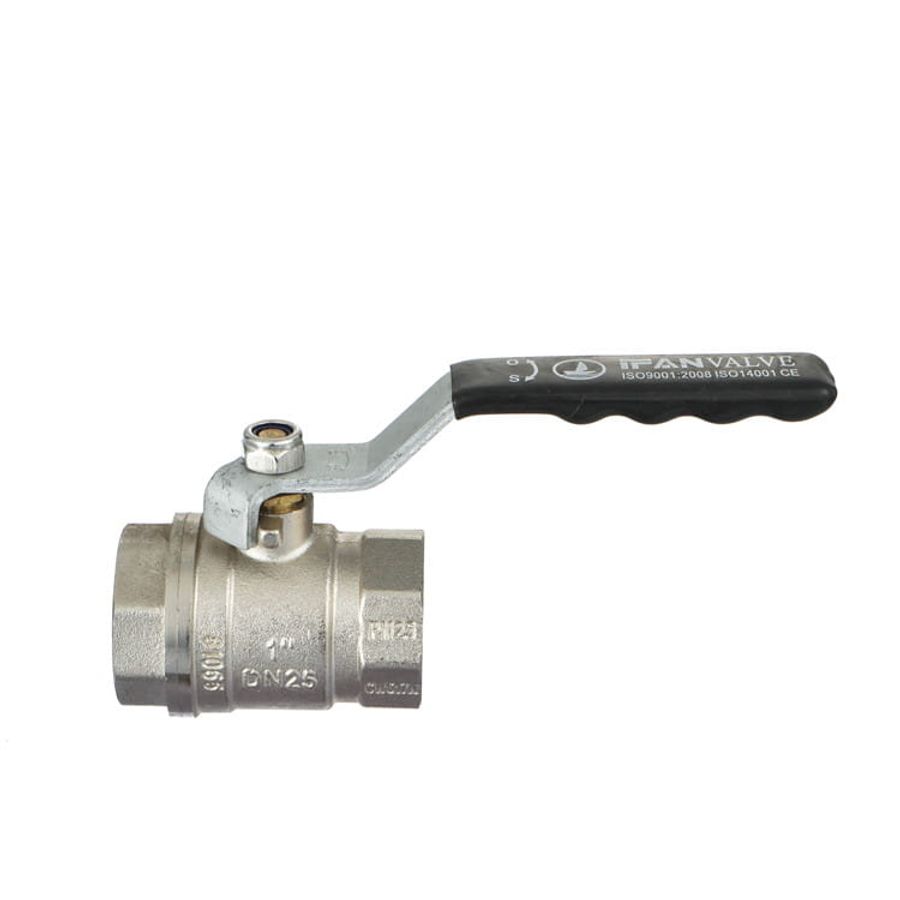
Em instalações hidráulicas de latão de pequeno diâmetro, a retenção com mola (elevação) é a mais versátil — fecha rapidamente para limitar o golpe de aríete e funciona em qualquer orientação, inclusive vertical descendente. A retenção de batente oferece a menor perda de pressão para fluxo constante, mas precisa da orientação correta. As retenções esféricas são adequadas para linhas pequenas ou sujas. Escolha o tipo de acordo com a orientação da linha, a constância do fluxo e a rapidez com que a válvula deve fechar.
Orientação e a Seta de Fluxo
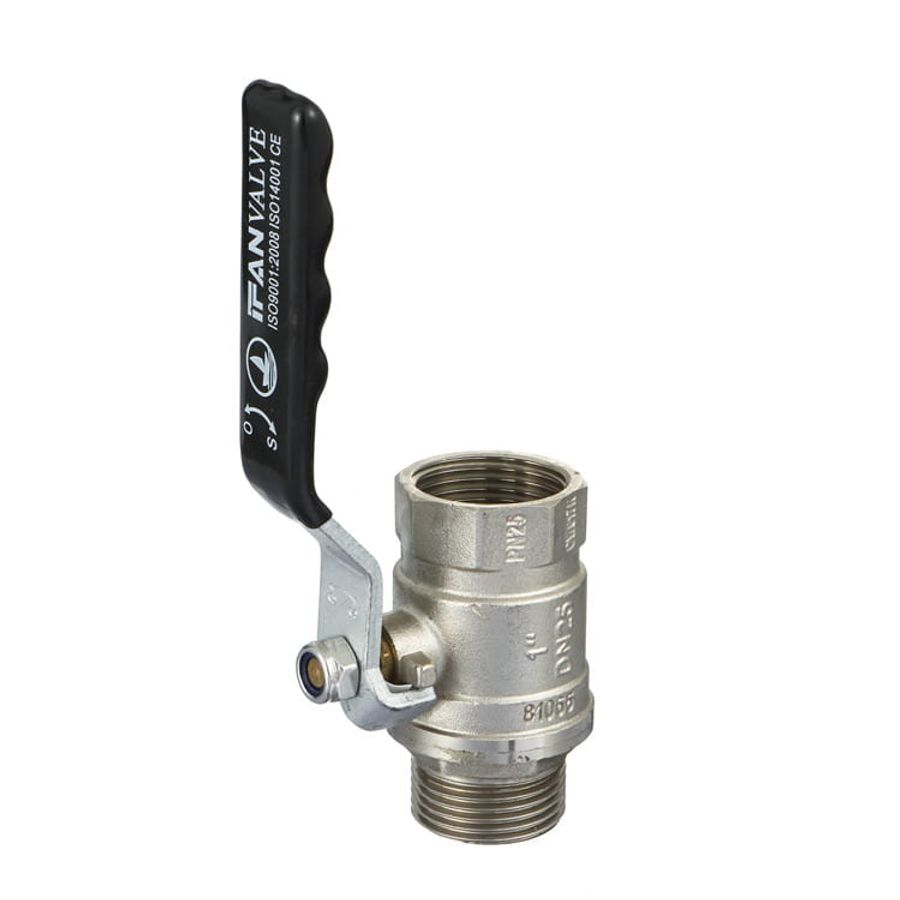
Uma válvula de retenção é direcional, e instalá-la no sentido errado é o erro mais comum. Cada válvula de retenção possui uma seta de direção de fluxo fundida ou estampada no corpo — ela deve apontar para onde a água deve fluir. Se instalada ao contrário, a válvula ou bloqueia completamente o fluxo ou nunca sela. A orientação também depende do tipo: uma válvula de retenção com mola (elevação) funciona em linhas horizontais, verticais ascendentes e verticais descendentes, pois a mola a fecha independentemente da gravidade — razão pela qual é a escolha ideal para descarga de bombas e layouts complicados. Uma válvula de retenção de batente depende parcialmente da gravidade para fechar, portanto, prefere fluxo horizontal ou fluxo vertical ascendente; colocar uma válvula de retenção de batente simples em uma linha vertical descendente pode impedir que ela sele. Antes de instalar, confirme duas coisas: a seta aponta na direção do fluxo e o tipo de válvula é adequado à orientação da linha. Acertar ambos é a diferença entre uma válvula que protege o sistema e uma que falha silenciosamente.
Pressão de Abertura e Golpe de Aríete
Dois parâmetros de desempenho importam além do tamanho. A pressão de abertura é a pressão direta necessária para empurrar a válvula e abri-la — uma válvula de retenção de mola tem uma pressão de abertura maior do que uma de batente, pois a mola precisa ser vencida. Isso geralmente é algo positivo (fecha a válvula firmemente), mas em uma linha de baixo fluxo ou alimentada por gravidade, uma pressão de abertura alta pode estrangular o fluxo, portanto, ajuste-a ao sistema. O comportamento de fechamento determina o golpe de aríete: uma válvula que fecha lentamente permite que o fluxo reverta brevemente antes de vedar, e a parada súbita causa um choque (golpe de aríete) que bate nos tubos e tensiona as juntas. Uma válvula de retenção de mola fecha rapidamente e silenciosamente, limitando o golpe, razão pela qual é preferida em linhas de bomba onde o fluxo reverso, de outra forma, bateria a válvula. Se uma válvula de retenção vibra ou bate, geralmente está superdimensionada para o fluxo real — o elemento oscila em vez de permanecer aberto. Dimensione para o fluxo real e escolha um tipo de fechamento rápido onde o surto seja uma preocupação.
Grau de Latão: Isento de Chumbo e Resistente à Dezincificação
Para água potável, o grau do latão é tão importante quanto o design da válvula. O latão comum pode sofrer dezincificação — o zinco é lixiviado em água agressiva, deixando uma estrutura fraca e porosa que pode rachar ou travar a válvula. Sistemas de água potável devem especificar um latão resistente à dezincificação (DZR) e, para limites de chumbo, um grau com baixo teor de chumbo ou isento de chumbo, como um baseado em latão isento de chumbo CW617N. Uma válvula de retenção é um componente de vedação com superfícies internas finas, portanto, um latão que sofre dezincificação não apenas enfraquece — ele torna o assento áspero e impede a vedação da válvula. Especificar o grau correto de antemão (isento de chumbo, DZR, com a aprovação para água potável do seu mercado) é o que mantém uma válvula de retenção de latão funcionando por toda a sua vida útil em água potável. Em aplicações não potáveis ou industriais, o requisito de grau é mais flexível, mas para qualquer linha de água potável, a especificação DZR/isento de chumbo não é opcional.
Dimensionamento, Classe de Pressão e Conexões
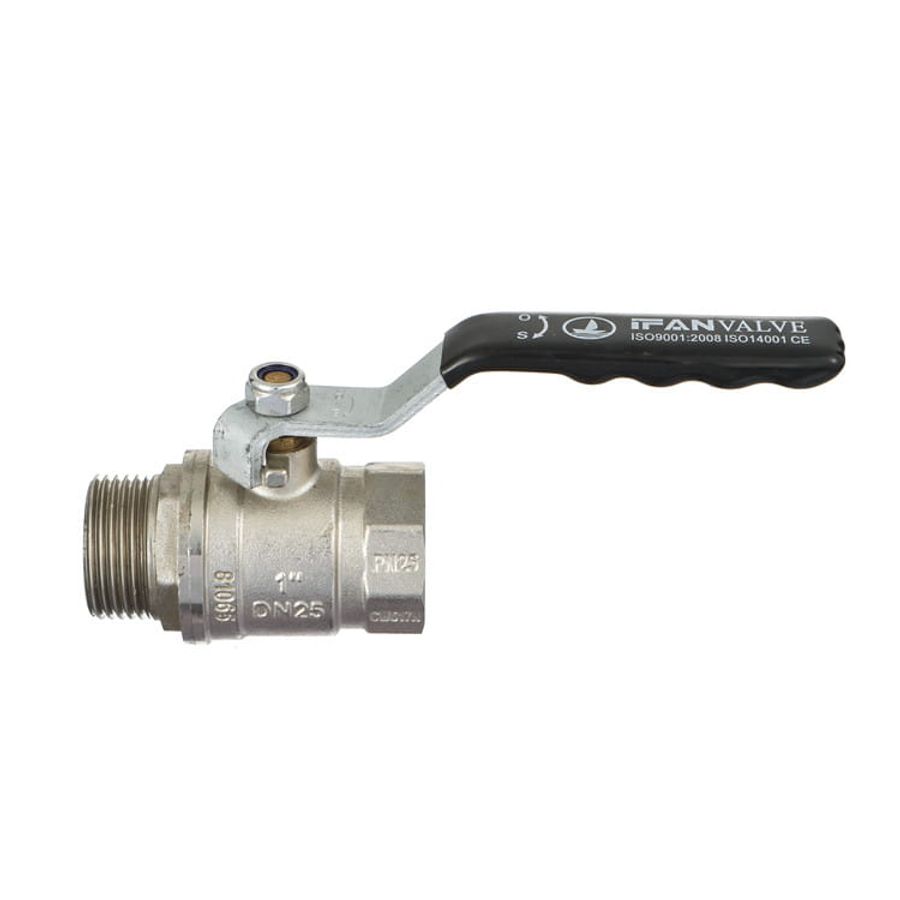
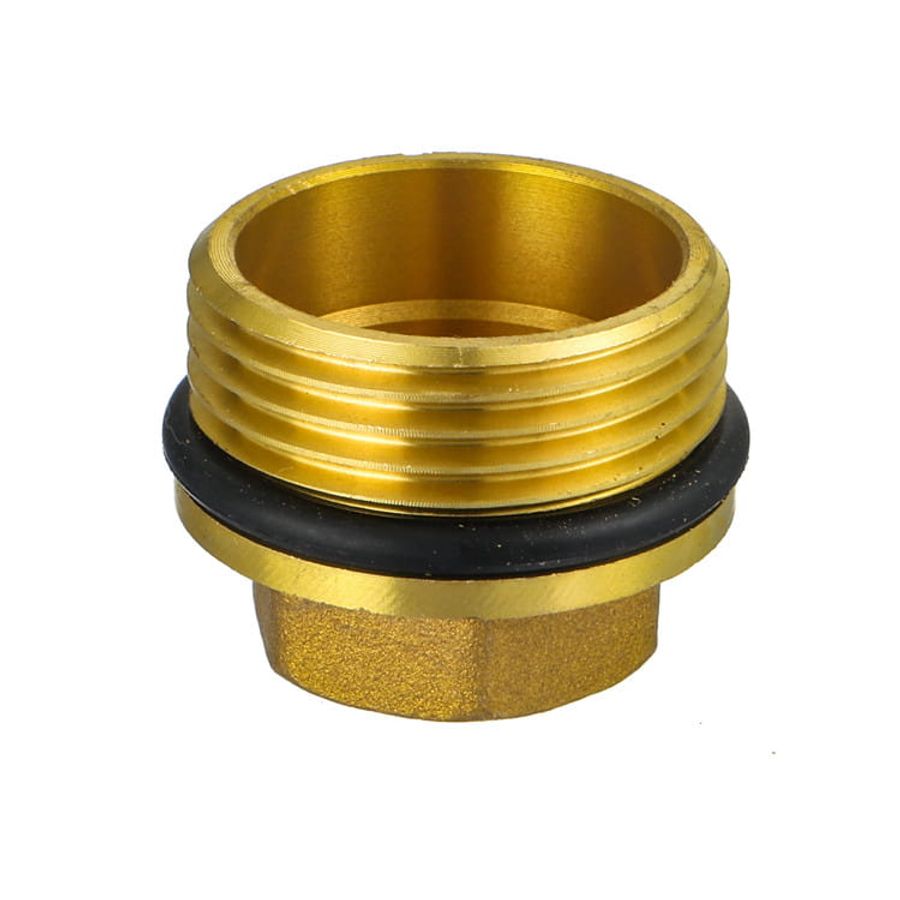
Uma válvula de retenção de latão é especificada pelo tamanho, classe de pressão e conexão de extremidade. Tamanho é o diâmetro nominal (DN8–DN50 cobre a maioria das instalações hidráulicas) — dimensione conforme o fluxo que a linha realmente transporta, pois uma válvula de retenção superdimensionada vibra em baixo fluxo e uma subdimensionada o restringe. Classe de pressão aparece como uma classe PN (PN16, PN20, PN25) ou um valor WOG; escolha de acordo com a pressão de trabalho mais uma margem. Conexões de extremidade geralmente são rosqueadas (BSP ou NPT, macho ou fêmea) para válvulas de retenção de latão, portanto, combine o padrão de rosca e o gênero com o tubo ou conexão adjacente. Confirme também a classificação de temperatura se a válvula for exposta a água quente. Acertar o tamanho, classe de pressão, padrão de rosca e grau do material garante que a válvula rosqueie corretamente e tenha desempenho conforme a especificação — a mesma disciplina de combinar tudo que se aplica a válvulas e conexões de latão. Informe todos os quatro no pedido e não haverá suposições na instalação.
Válvula de Retenção vs Válvula Esfera vs Válvula Gaveta
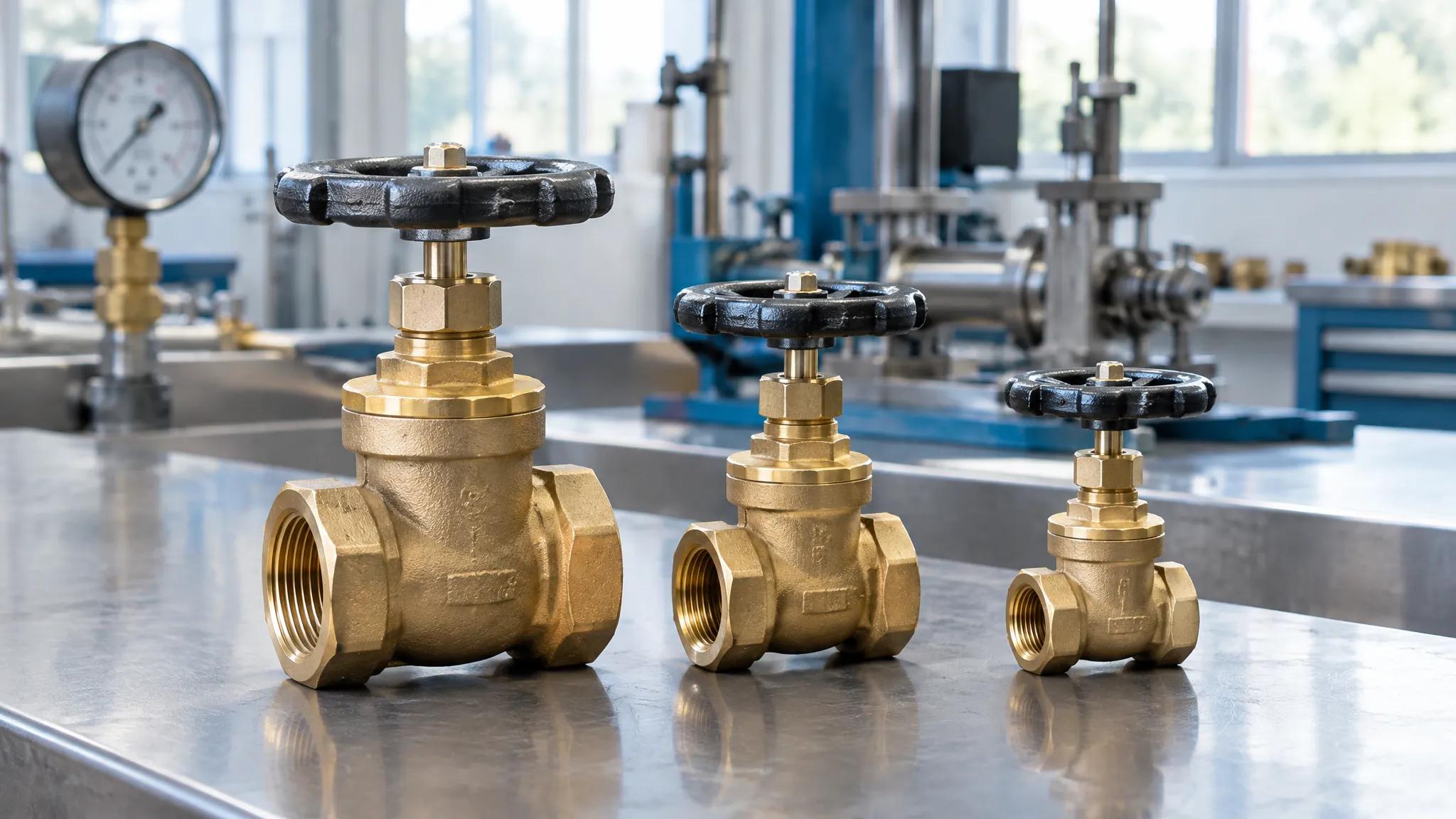
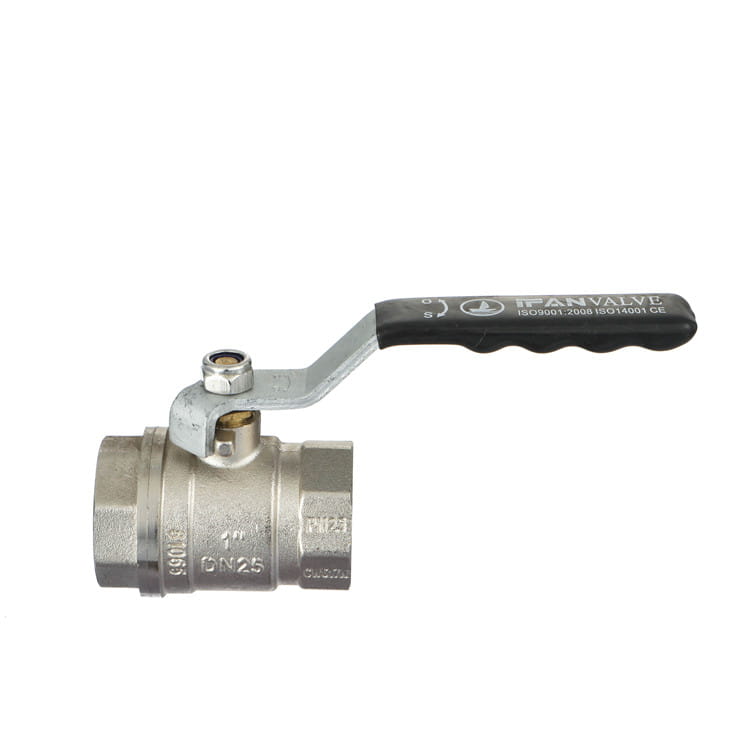
Estas três válvulas de latão desempenham funções diferentes e complementam-se entre si. Uma válvula de retenção atua automaticamente para impedir o fluxo reverso — você não a opera. Uma válvula esfera é uma válvula manual de ligar/desligar (e isolamento) que você gira à mão — fechamento rápido de um quarto de volta. Uma válvula gaveta é uma válvula manual para serviço totalmente aberto ou totalmente fechado, mais adequada para isolamento pouco frequente do que para estrangulamento. Uma linha típica usa uma válvula esfera para isolar uma seção para manutenção e uma válvula de retenção para impedir refluxo — elas não são alternativas, mas parceiras. Não substitua uma válvula esfera onde você precisa de retenção automática, nem uma válvula de retenção onde você precisa de isolamento manual. Para as compensações entre válvulas manuais, compare válvula esfera de latão vs válvula gaveta. Entender qual válvula faz qual trabalho é o que permite especificar um sistema que isola e protege contra refluxo.
Precisa de válvulas de retenção de latão sem chumbo compatíveis com seu sistema?
Informe o tipo, tamanho, classe de pressão e rosca — cotaremos válvulas de retenção, esfera e gaveta em latão DZR sem chumbo com conexões de uma única fonte.
Solicitar OrçamentoErros Comuns em Válvulas de Retenção
Instalação invertida. A seta de fluxo deve apontar no sentido do fluxo. Invertida, a válvula bloqueia ou nunca sela — verifique a seta antes de cimentar ou rosquear.
Tipo errado para a orientação. Uma válvula de retenção tipo portinhola simples em uma linha vertical descendente pode não fechar. Use uma válvula de retenção com mola (elevação) onde a orientação for desfavorável.
Superdimensionamento. Uma válvula de retenção muito grande para o fluxo vibra e oscila. Dimensione de acordo com o fluxo real, não apenas com o diâmetro do tubo.
Latão comum em água potável. O latão não DZR pode sofrer dezincificação e parar de vedar. Especifique latão DZR sem chumbo para linhas de água potável.
Rosca ou classe de pressão incompatível. Uma válvula BSP em uma linha NPT, ou uma classe PN subdimensionada, não vedará nem suportará a pressão. Corresponda o padrão de rosca e a classificação de pressão à linha.
Perguntas Frequentes
Para que serve uma válvula de retenção de latão?
Uma válvula de retenção de latão permite que a água flua em um sentido e interrompe automaticamente o fluxo reverso. É usada para manter bombas escorvadas (como válvula de pé), evitar refluxo para o abastecimento limpo ou entre zonas, e proteger equipamentos como aquecedores de água e medidores contra picos de pressão reversa e golpe de aríete. Ela atua automaticamente com o fluxo, sem necessidade de manuseio.
Em que sentido instalar uma válvula de retenção de latão?
Deve ser instalada com a seta de direção do fluxo no corpo apontando para o sentido em que a água deve fluir. Instalada ao contrário, ela bloqueia o fluxo ou nunca veda. A orientação também depende do tipo: as de mola (elevação) funcionam em qualquer orientação, enquanto as de giro simples exigem fluxo horizontal ou vertical ascendente, pois dependem parcialmente da gravidade para fechar.
Qual a diferença entre uma válvula de retenção de giro e de mola?
Uma de giro possui um disco articulado que abre com o fluxo e depende parcialmente da gravidade para fechar, proporcionando baixa perda de pressão, mas exigindo orientação horizontal ou vertical ascendente. Uma de mola (elevação) usa uma mola para manter um obturador fechado, fechando rapidamente em qualquer orientação e limitando o golpe de aríete, ao custo de uma pressão de abertura mais alta. As de mola são adequadas para linhas de bomba e layouts complexos.
O latão é adequado para uma válvula de retenção em água potável?
Sim, desde que seja a liga correta. Para água potável, especifique um latão sem chumbo e resistente à dezincificação (DZR), como uma liga sem chumbo à base de CW617N com aprovação para uso potável no seu mercado. O latão comum pode sofrer dezincificação em água agressiva, rugosando o assento e impedindo a vedação da válvula. Em aplicações não potáveis, o requisito de liga é mais flexível, mas para água potável, o latão DZR sem chumbo é essencial.