CW617N & Lead-Free Brass Explained (Valves & Fittings)
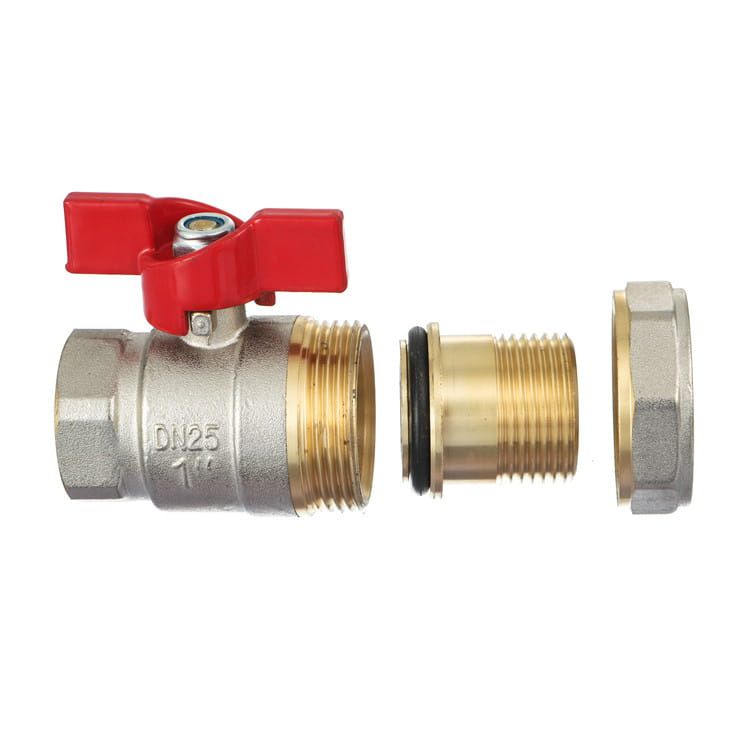
When a brass valve or fitting is specified, the alloy is where its real quality is decided — and CW617N is the grade you'll see most often in Europe and export markets. But "CW617N" and "lead-free" are two separate questions that buyers frequently blur together, and getting them straight matters for corrosion life, machinability, and whether the part is legal for drinking water in your market. This guide explains what CW617N actually is, how the lead question works, when you need a dezincification-resistant grade instead, and how to specify and verify the right brass so you don't end up with an under-spec part or one that can't be sold for potable use.
This pairs with the complete brass ball valve buyer's guide; here we focus on the alloy alone.
Key Takeaways
- CW617N is a hot-forging brass — ~58% copper, zinc, and a little lead for machinability.
- The lead makes it machine cleanly; "lead-free" versions cap lead for potable safety.
- For aggressive water, specify a DZR (dezincification-resistant) grade instead.
- Potable-water use is governed by market rules (WRAS, NSF/ANSI 61, ACS…), not just the alloy name.
- "Brass" alone is not a spec — always state the alloy grade.
- IFAN's brass valves use CW617N — a leaded hot-forging brass. Tell us the water chemistry and destination market and we will say whether that grade fits, or whether the job needs DZR or a lead-free alloy.

What CW617N Actually Is
CW617N is the European designation (per EN 12165) for a hot-stamping / hot-forging brass — roughly 58% copper, the balance mostly zinc, with a small, controlled amount of lead (typically 1.6–2.5%). Copper gives corrosion resistance and strength; zinc makes it economical and easy to form; the lead is there for one practical reason — it lets the brass be machined cleanly at speed, giving sharp threads and smooth sealing faces without tearing. That combination is why CW617N became the workhorse alloy for brass valves, fittings, and threaded components: strong enough for pressure duty, cheap enough for volume, and machinable enough for precise threads. When a supplier says a body is "CW617N," they are naming a specific, standardised composition — not just "brass."
The Lead Question — Machinability vs Potable Safety
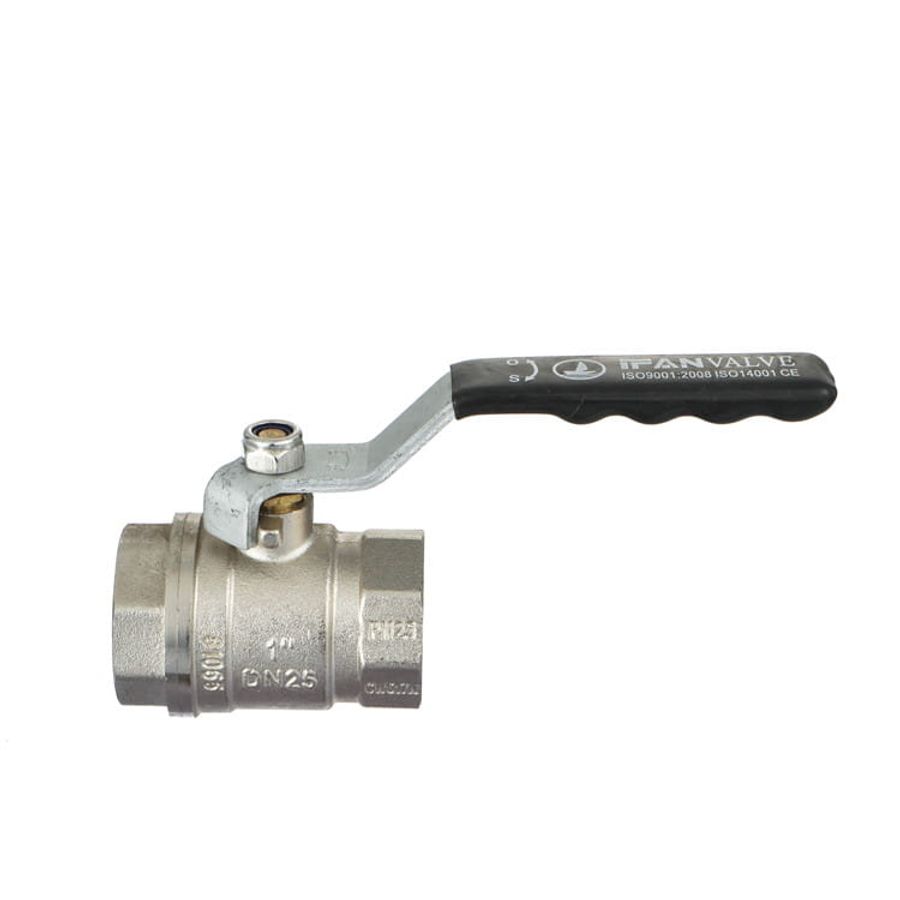
Here's the tension. The lead that makes CW617N so machinable is also the element regulators limit in drinking-water contact, because trace lead can migrate from the brass into the water. For non-potable uses — heating, industrial, gas, irrigation — standard leaded CW617N is fine. For drinking water, many markets now require a low-lead or lead-free brass, where the lead is capped to a very low level (or replaced with other machining aids like bismuth or silicon). A "lead-free" brass isn't literally zero lead in every regime — the term refers to meeting the potable lead limit of the relevant standard. So the correct question to a supplier isn't just "is it CW617N?" but "is it the lead-free grade that meets my market's potable rule?" The two are separate specs, and a potable job needs both.
When You Need DZR Brass Instead
Lead is one issue; dezincification is another. In soft, acidic, or high-chloride water, ordinary brass can lose its zinc over time — the metal turns porous and weak and eventually leaks. Where the water is aggressive, the answer is a DZR (dezincification-resistant) brass such as CW602N, which is specially alloyed and treated to resist that attack. DZR is a different grade from standard CW617N, chosen for the water chemistry rather than the machining. The decision chain is: pick DZR if the water is aggressive; pick lead-free if it's drinking water; standard CW617N covers general non-potable, non-aggressive duty. A good supplier can offer all three and tell you which fits your application.
Need the right brass grade for your market?
Tell us the water, application, and destination — we'll confirm the grade and its certification.
Request a QuoteBrass Grades Compared
| Grade | Character | Specify for |
|---|---|---|
| CW617N (standard) | Strong, machinable, leaded | General water, heating, industrial, gas |
| Lead-free alloys (silicon / bismuth brass) | Lead capped to potable limit | Drinking water (per market rule) |
| DZR (e.g. CW602N) | Dezincification-resistant | Soft, acidic, high-chloride water |
Potable Approvals Are Market-Specific
A key point buyers miss: the alloy being "lead-free" is necessary but not sufficient — drinking-water use is governed by a market approval, and the required one depends on where the part is installed. In the UK that's typically WRAS; in North America NSF/ANSI 61 and the lead limits of the Safe Drinking Water Act; in France ACS; other markets have their own. These approvals test the finished product for what it releases into water, not just the raw alloy. So for a potable job, specify both the lead-free brass and the approval your market requires, and ask for the certificate. A part that's metallurgically lead-free but lacks the market approval still can't be legally sold for drinking water there. Confirm the certifications for your market before ordering.
CW617N vs Other Common Brasses
CW617N isn't the only brass you'll see quoted, and the differences are practical. CW614N (CZ121) is a free-machining brass optimised for high-speed CNC turning — excellent for machined parts, but CW617N's hot-forgeability makes it the better fit for forged valve and fitting bodies. CW602N is the DZR grade discussed above, chosen for aggressive water rather than machining. Older UK designations like CZ132 and DZR CZ132 map onto this same family. The takeaway for a buyer is that the letter-number code is a real, checkable spec: when a body is called CW617N it should mean the EN 12165 hot-forging composition, not a vague "brass." If a quote just says "brass," ask which grade — the answer tells you whether the part suits forging, machining, aggressive water, or potable use.
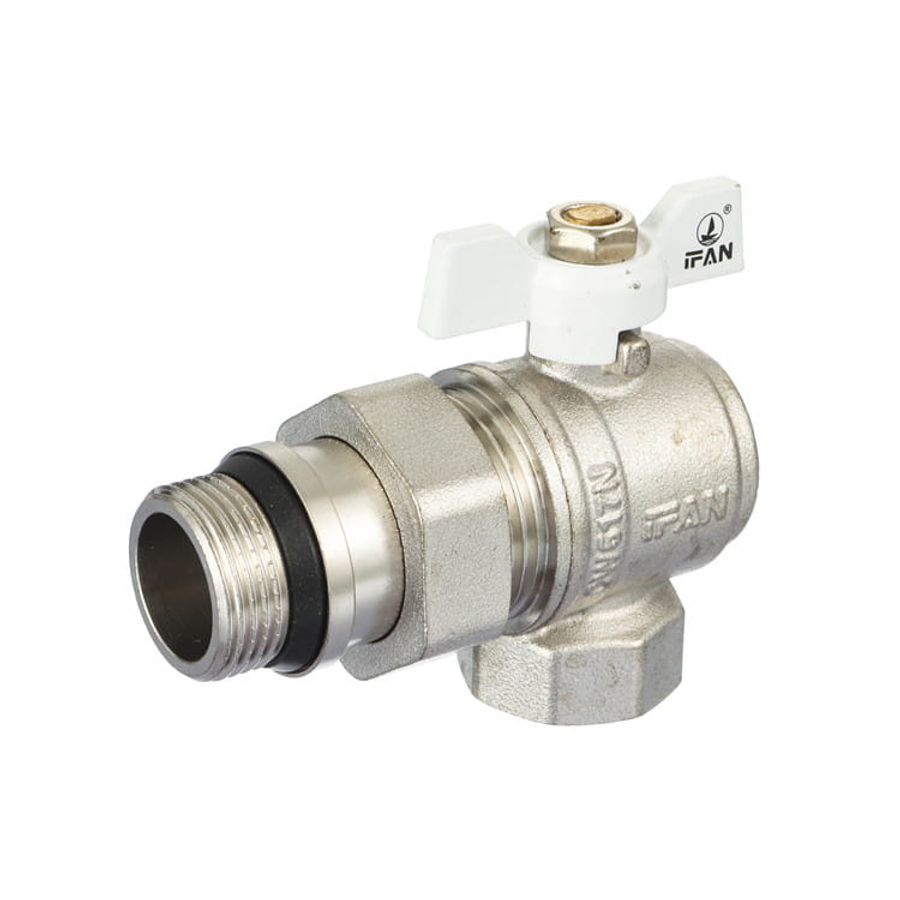
That copper-zinc gap also shows up in quotes: every percentage point of copper replaced by zinc lowers the alloy's metal value, which is how suspiciously cheap quotes get made. The valve price benchmark guide puts numbers on it.
Why Machinability Shows Up in the Finished Valve
Machinability sounds like a factory concern, but it reaches the finished valve you install. Clean, tear-free machining is what gives a valve sharp, accurate threads that seal on the first turn and a smooth sealing face for the ball and seats. Brass that machines poorly leaves ragged threads and rough faces that weep or cross-thread. That's why the lead in standard CW617N exists — and why lead-free grades have to work harder (using bismuth, silicon, or graphite as machining aids) to hit the same finish without the lead. A good lead-free part matches the leaded one's thread quality; a poorly-made one doesn't. So when you move to lead-free for potable use, the manufacturer's process control matters more, not less — ask to see that their lead-free threads are as clean as their standard ones.
How to Specify and Verify the Alloy
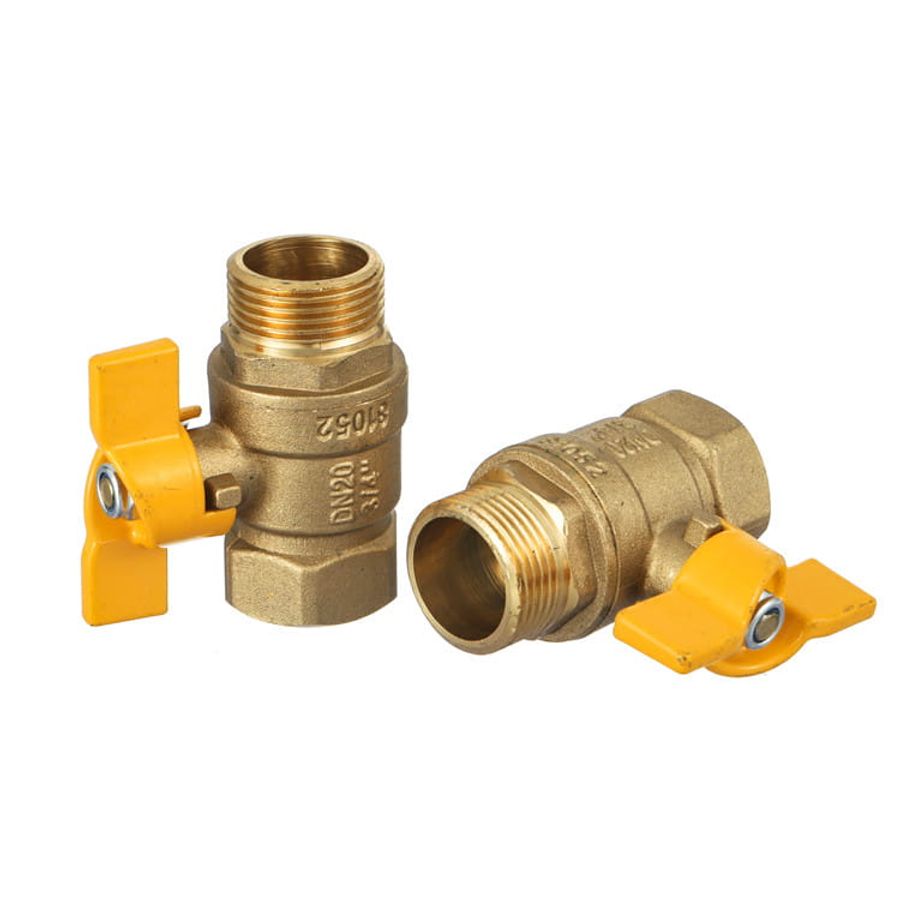
Put the alloy in writing, don't assume it. State the grade (CW617N, a lead-free alloy, or a DZR grade such as CW602N), the potable approval if it's for drinking water, and ask the supplier for the material certificate and — for potable — the approval certificate that names the product. A credible manufacturer prints or documents the grade and can produce the paperwork; "it's brass" or an unverifiable claim is a warning sign. On a first or large order, a material test on a sample is cheap insurance. The same discipline you'd apply to any spec applies here: the grade is only real if it's verifiable, and knowing how to verify a manufacturer is part of getting the alloy you paid for. A complete alloy spec reads like a sentence, not a word: for example, "a lead-free alloy, WRAS-approved for potable water" for a UK drinking-water job, or "DZR CW602N" for an aggressive-water line. Spelling it out that way leaves no room for a cheaper substitute and gives the supplier exactly what they need to quote the right part and produce the matching certificate.
IFAN: CW617N Brass — and When to Ask for Something Else
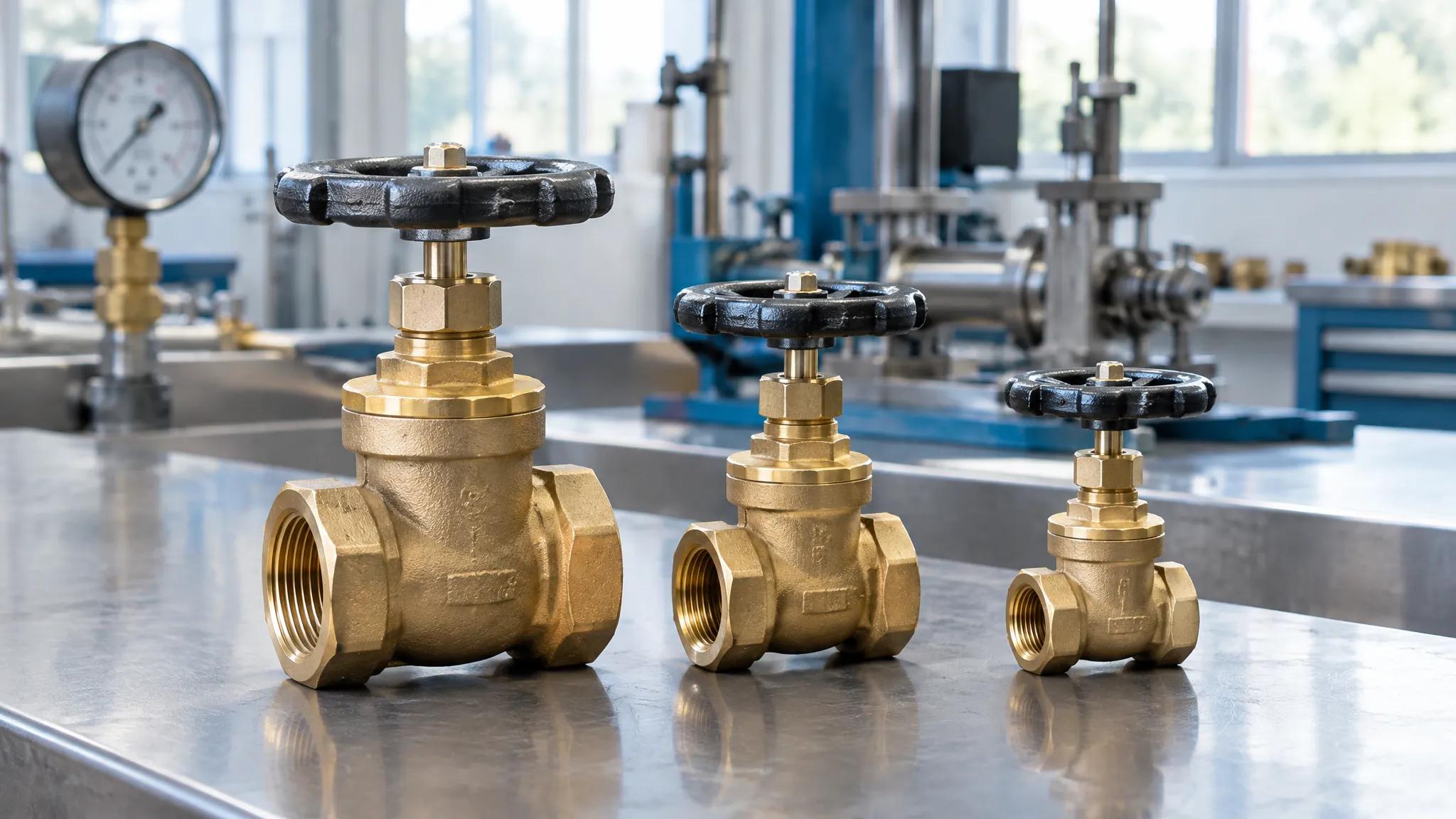
IFAN's brass ball valves and fittings are made from CW617N brass, across DN8–DN100 in PN16/25/40 with FF/FM/MM and double-union connections, and carry CE, ACS, WRAS, and SASO certification so a buyer can match the approval to the destination market rather than hunting for a part that qualifies. Because IFAN supplies the whole piping system — PPR, HDPE, and PVC pipe plus the brass valves and fittings — the alloy, certification, and the rest of the job come matched from one source, with no minimum order and stock held year-round. Where the water is aggressive, a DZR grade can be specified instead; where it's a general non-potable line, standard CW617N is the economical choice — one supplier, three brass grades, matched to whatever the job actually needs on site.
Frequently Asked Questions
What is CW617N brass?
CW617N is the European designation for a hot-forging brass — about 58% copper, mostly zinc, with a small amount of lead for machinability. It's the standard workhorse alloy for brass valves and fittings: strong, economical, and easy to machine into precise threads.
Is CW617N lead-free?
No. CW617N is CuZn40Pb2 — it contains 1.6–2.5% lead by definition, added for machinability. There is no "lead-free CW617N": a lead-free brass is a different alloy family altogether (silicon or bismuth brasses), with its own designation. For drinking water, specify a lead-free alloy and the approval your market requires; for non-potable duty, CW617N is fine.
CW617N or DZR — which do I need?
Pick DZR (e.g. CW602N) if the water is soft, acidic, or high in chloride, where ordinary brass can dezincify and weaken. Pick a genuinely lead-free alloy for drinking water. Standard CW617N covers general non-potable, non-aggressive duty. Match the grade to the water chemistry and use.
Is lead-free brass enough for drinking water?
Not on its own — potable use also needs the market approval (WRAS, NSF/ANSI 61, ACS, etc.), which tests the finished product for what it releases into water. Specify both the lead-free brass and the approval your market requires, and ask for the certificate.