
Brass Ball Valve vs Gate Valve: Which to Use & When
Brass ball valve or gate valve? For an isolation valve on a water, heating, or industrial line, it's one of the most common specification questions — and the answer is usually clear once you know how each one actually behaves. A ball valve seals with a quarter-turn and stays drip-tight for years; a gate valve rises and falls over many turns and, over time, is the one more likely to seize or weep. This guide compares the two head to head — operation, sealing, throttling, durability, size, and cost — and shows exactly when each is the right choice, so you don't default to habit and buy the wrong valve.
For the full picture on brass ball valves, see the complete brass ball valve buyer's guide; this article focuses on the ball-versus-gate decision.
Key Takeaways
- Ball valve — fast quarter-turn, drip-tight, durable; the modern default for isolation.
- Gate valve — multi-turn, full-bore; traditional on larger lines but slower and wear-prone.
- Neither is a throttling valve — for flow regulation use a globe valve.
- Ball valves seize far less and seal more reliably over years than gate valves.
- Gate valves can suit very large diameters where a ball valve gets bulky and costly.
- For most small-to-medium isolation duty, the brass ball valve wins.

How Each Valve Works
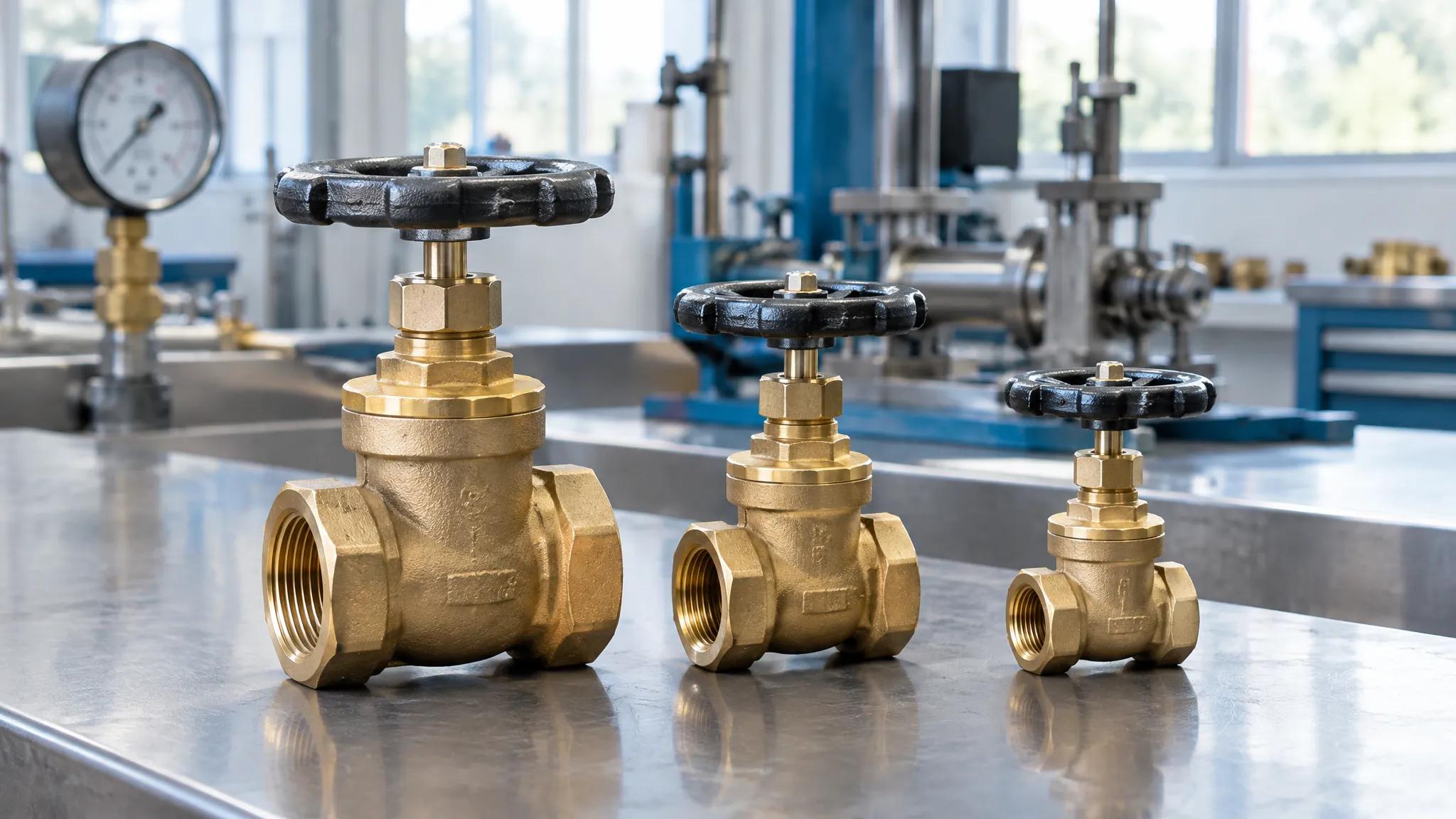
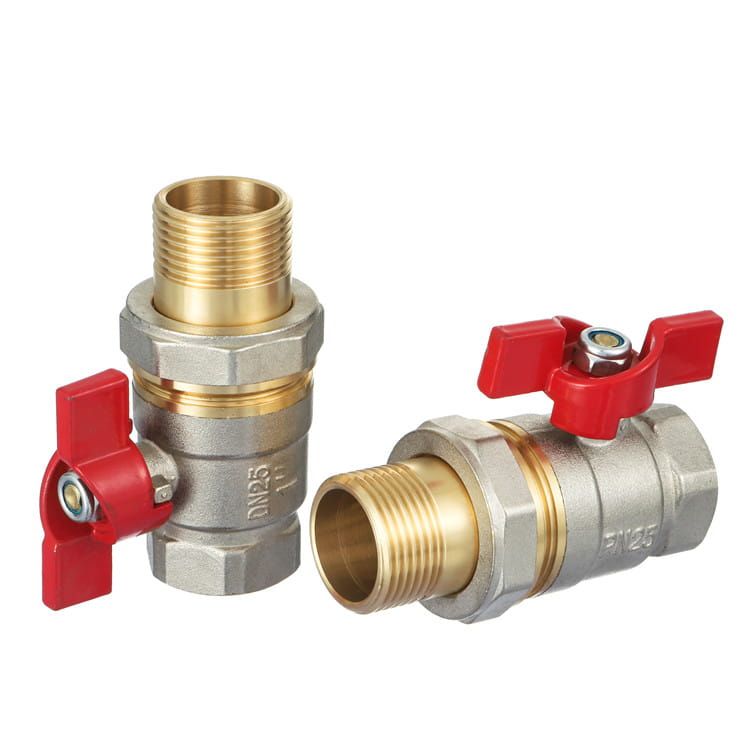
A ball valve seals with a bored ball: a quarter-turn of the handle lines the bore up with the pipe (open) or turns the solid side across it (shut). Fast, positive, and obvious — a handle in line with the pipe is open, across it is shut. A gate valve works differently: turning the handwheel raises or lowers a solid wedge (the "gate") across the flow, taking many turns to go from fully open to fully closed. When fully open, the gate lifts clear of the bore for near-unrestricted flow; when closing, the wedge seats against the body to seal. The multi-turn action is slower, and the seating faces and stem threads are the parts that wear, corrode, or seize over years of service.
Ball vs Gate — Side by Side
| Factor | Ball valve | Gate valve |
|---|---|---|
| Operation | Quarter-turn (fast) | Multi-turn (slow) |
| Sealing over time | Drip-tight, reliable | Can weep as seat wears |
| Seizing risk | Low | Higher if left unused |
| Status at a glance | Obvious (handle position) | Not obvious |
| Throttling | No (isolation only) | No (isolation only) |
| Size/space | Compact to mid sizes | Better on very large bores |
| Cost (small/mid) | Competitive | Similar or more |
Where the Ball Valve Wins
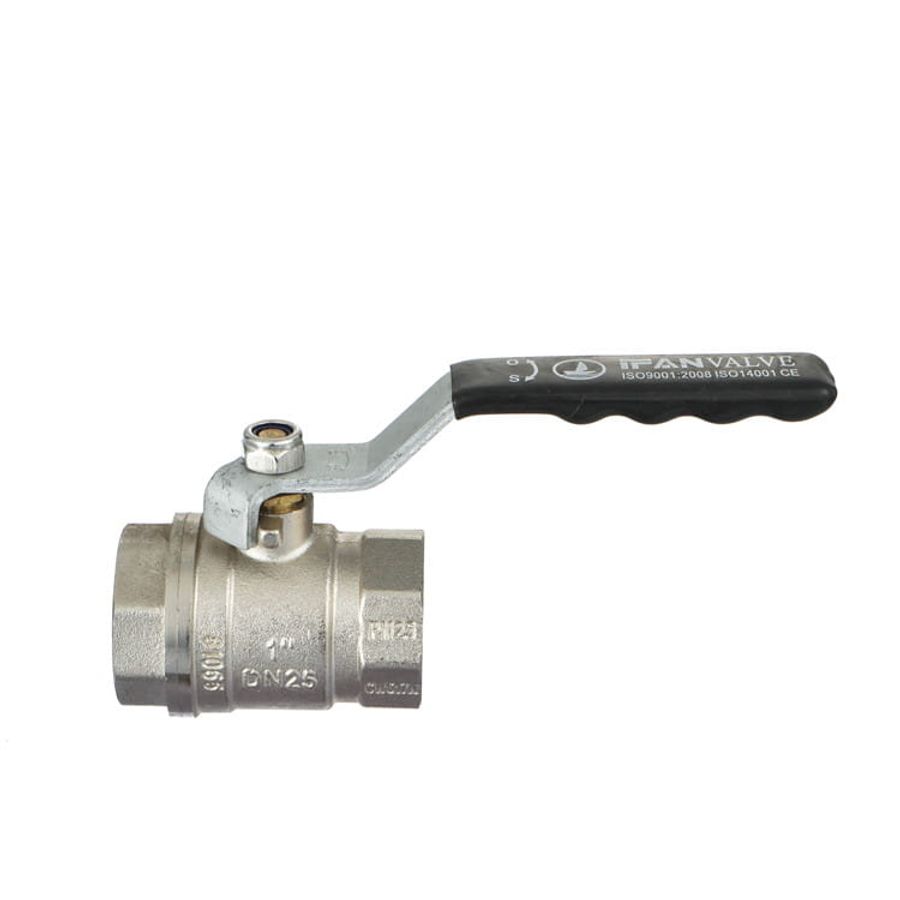
For isolation duty on small-to-medium lines — which is the great majority of plumbing, heating, and light industrial work — the brass ball valve is the better tool. It shuts in a quarter-turn, so it's fast in an emergency; it seals drip-tight against PTFE seats with nothing to age like a gate's metal seating faces; it rarely seizes, even after years unused; and its handle position tells you open or shut at a glance. There's simply less to go wrong. This is why new installations increasingly default to ball valves for isolation and keep gate valves for the specific cases below.
Where the Gate Valve Still Fits
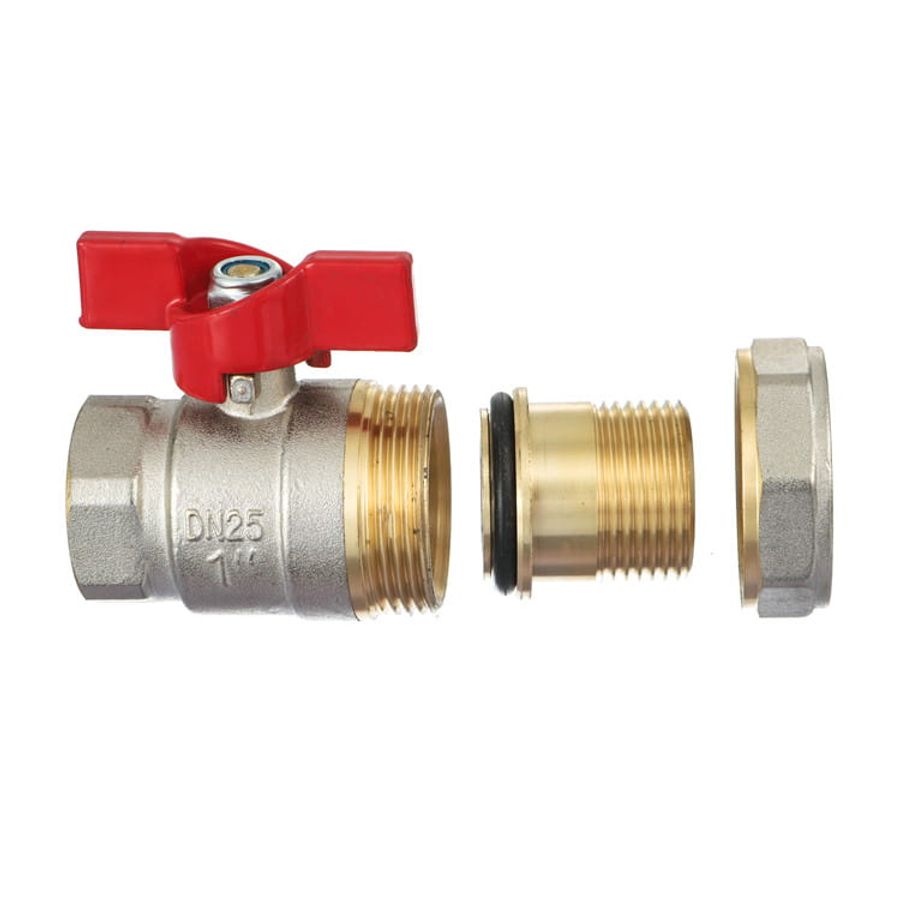
Gate valves aren't obsolete — they earn their place on very large diameters, where a full-bore ball valve becomes heavy, bulky, and expensive, and a gate's rising wedge gives near-unrestricted flow at a better price and weight. They're also common on utility mains and legacy systems where the infrastructure and spares are already standardised on gate valves. And because a gate can be inched open, some operators use them where a very gradual open is wanted on a large line (though neither valve type should be used to throttle for long — that's a globe valve's job). For most small-to-medium building services, though, those advantages don't apply, and the ball valve's reliability wins.
Need brass ball valves for isolation duty?
Tell us the sizes and duty — we'll spec CW617N brass ball valves matched to the job, with certification you can verify.
Request a QuoteFlow and Pressure Drop Compared
A common worry is that a ball valve restricts flow more than a gate valve. In practice, a full-port ball valve and a fully-open gate valve both give near-unrestricted flow — the full-port ball's bore equals the pipe's inner diameter, and the gate lifts clear of the bore, so the pressure drop across either is minimal when fully open. The difference appears only with a reduced-port ball valve, whose smaller bore adds a modest pressure drop; that's a reason to specify full-port where flow rate genuinely matters, not a reason to prefer a gate valve. So on flow alone, the two are effectively equal at the sizes where a ball valve is used — the ball valve's advantage in speed, sealing, and reliability comes without a flow penalty when you choose full-port. Above the sizes where full-port brass ball valves stay economical, the gate's flow advantage is really an advantage of large-diameter valve design in general, not of the gate principle itself.
Neither Is a Throttling Valve
A frequent, costly misuse: holding a ball or gate valve part-open to regulate flow. Both are isolation valves — designed to be fully open or fully shut. Hold a ball valve half-open and the exposed edge of the ball and the seats erode where the flow scours across them; run a gate valve cracked open and the wedge and seat wear and can vibrate. Either way you damage the valve and still get poor flow control. When you need to regulate flow, use a globe valve, which is built for it. Keep ball and gate valves for clean on/off.
A Note on Body Material
The comparison above is valve type, but body material matters too, and it's where the two often differ in practice. Small-to-medium ball valves are typically brass (CW617N), which suits building-services water and heating well. Gate valves at larger sizes are frequently bronze, cast iron, or ductile iron because those materials cast economically into big bodies. So a real choice is sometimes "brass ball valve vs iron gate valve," and for potable, corrosion-sensitive, or frequently-operated small lines, the brass ball valve's alloy and quarter-turn action both count in its favour. Match the material to the water and duty, not just the valve type.
Choosing Between Them — Quick Guide
Choose a brass ball valve for isolation on small-to-medium water, heating, gas, and industrial lines — anywhere you want fast, reliable, drip-tight on/off that survives years of neglect. It's the default for building services.
Consider a gate valve only on very large-diameter mains where a ball valve gets bulky and costly, or where an existing system is standardised on gate valves and spares matter.
Use neither to throttle — reach for a globe valve when you need to regulate, not just isolate.
By Application: Which Valve Where
Potable water (building services): brass ball valve — fast isolation at meters, risers, and appliances, drip-tight and easy to operate. Specify lead-free brass for potable use.
Heating / HVAC: brass ball valve for boiler, radiator, and manifold isolation — quarter-turn shut-off matters when you need to isolate fast, and it won't seize between seasons.
Gas: a gas-rated ball valve to the relevant standard — positive shut-off and clear open/shut indication are safety advantages here.
Irrigation / rural water: brass ball valve for frequent, hand-operated on/off; its simplicity survives dusty, neglected service.
Large-diameter mains / utilities: gate valve territory — where a full-bore ball valve becomes heavy and costly, and infrastructure is standardised on gates.
Maintenance and Lifetime Cost
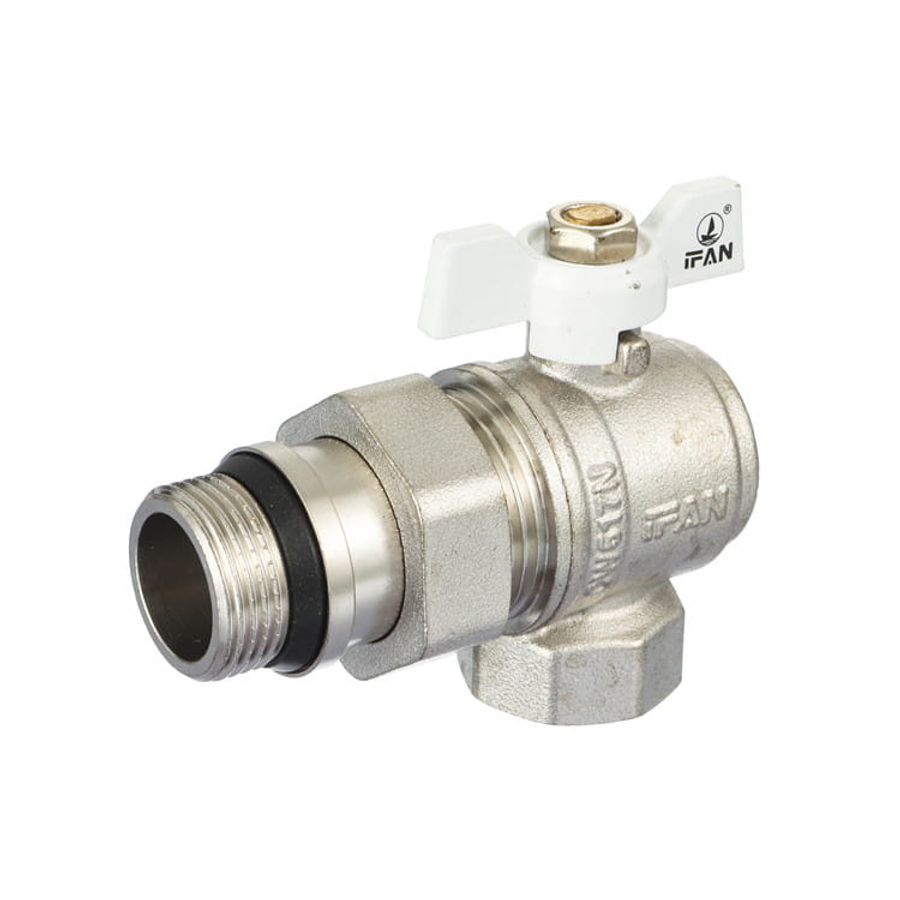
The purchase price is only part of the cost. A ball valve is close to maintenance-free — there's nothing to lubricate and no metal seating faces to lap or replace; the one useful habit is to cycle it once or twice a year so it stays free. A gate valve, by contrast, has a threaded rising stem and metal wedge that need occasional attention and are the parts that eventually leak or seize, especially if the valve sits untouched for years — which many isolation valves do. Over the life of a line, a ball valve's fewer failure points usually mean fewer call-outs and replacements, so even where the two cost the same to buy, the ball valve tends to cost less to own. On any line where a leak means water damage or a service visit, that difference dwarfs the price gap.
When quotes for either type come in suspiciously low, the first thing to check is weight: the gram-count tables and metal-floor math in the valve price benchmark guide work for both ball and gate patterns.
Automating Each Valve
Where a line needs remote or automated control, the ball valve has the edge: its quarter-turn action pairs naturally with a compact electric or pneumatic actuator, and it's the common choice for automated isolation in plant and building-management systems. Gate valves can be actuated too, but their multi-turn travel needs a larger, slower actuator to drive the stem up and down, which adds cost and bulk. If any part of your schedule may be automated later, standardising on ball valves keeps that option cheap and simple. Either way, the valve body is the same one you'd operate by hand — the actuator just replaces the handle.
IFAN Brass Ball Valves for Isolation
IFAN's brass ball valves are built for exactly this isolation duty — CW617N brass, DN8–DN100, PN16/25/40, in FF/FM/MM and double-union connections with lever or butterfly handles, forged and cast options. Because IFAN supplies the whole piping system — PPR, HDPE, and PVC pipe plus the brass valves and fittings — the isolation valves arrive matched and certified with the rest of the job, with no minimum order and stock held year-round. Before ordering, it's worth knowing how to verify a manufacturer and confirm the certifications for your market.
Frequently Asked Questions
Is a ball valve better than a gate valve?
For isolation on small-to-medium lines, yes — a ball valve shuts in a quarter-turn, seals drip-tight, seldom seizes, and shows its status at a glance. Gate valves suit very large diameters and legacy systems. For most building services, the brass ball valve is the more reliable choice.
Why do gate valves seize or leak more?
A gate valve seals with a metal wedge against metal seats and moves on a threaded stem — parts that corrode, wear, and can seize if the valve sits unused for years. A ball valve seals against renewable PTFE seats with a simple quarter-turn, so there's less to wear or stick.
Can I use a ball valve to control flow?
No — a ball valve is for isolation, fully open or fully shut. Holding it part-open erodes the ball edge and seats and gives poor control anyway. For flow regulation use a globe valve, which is designed to throttle.
When is a gate valve still the right choice?
On very large-diameter mains where a full-bore ball valve becomes heavy and expensive, and on utility or legacy systems already standardised on gate valves. For small-to-medium building services, the ball valve's speed and reliability usually win.