
Brass Ball Valve Pressure and Temperature Ratings Explained
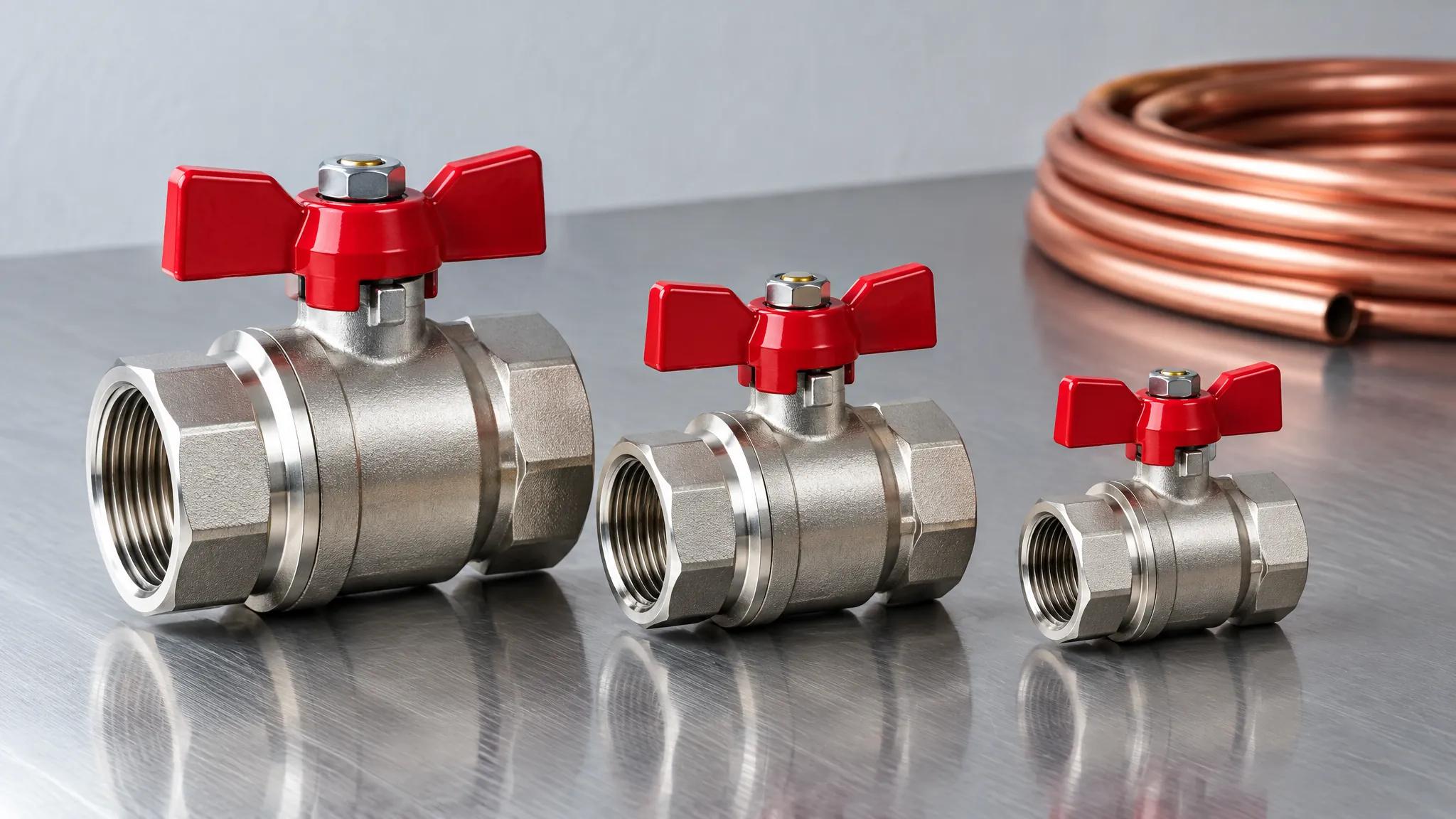
PN, CWP/WOG and ANSI Class are three rating systems declared at different temperatures, and none converts to another. How to read each one on a quote.
A buyer opens three quotations for the same DN25 brass ball valve, marked PN25, 600 WOG and Class 150. None of those numbers can be compared with the others: each belongs to a separate rating system, published by a different body and declared at a different temperature. PN is a designation fixed by EN 1333:2006. CWP and WOG are cold working pressures, declared over −20 °F to 100 °F (−29 °C to 38 °C). Class comes from ASME B16.34-2025, which rates steel and nickel-base alloy valves. Read each figure against its own standard and its own reference temperature, or the comparison means nothing.
A quotation also rarely says that all three numbers fall as the line gets hotter. One published forged-brass body rated 600 psi cold is rated 100 psi at its 400 °F ceiling: a sixfold drop on one valve.
Key Takeaways
- PN, CWP/WOG and ANSI Class are three separate systems. No arithmetic converts one into another.
- CWP and WOG apply only between −20 °F and 100 °F (−29 °C to 38 °C). Above that band the marked figure is no longer your working pressure.
- EN 13828:2025 covers copper-alloy building ball valves DN 6 to DN 100 up to PN16, at 65 °C, with 90 °C excursions of 1 h maximum. PN25 and PN40 sit outside it.
- ASME B16.34-2025 rates steel, nickel-base and other alloys. A Class number on a brass valve line has no rating table behind it.
- A rating line is comparable only when it carries the system, the number, the reference temperature, the medium, the body grade and the standard edition.

On this page
Three Rating Systems, Three Different Questions
Each system answers a question the other two never asked. PN names the family of dimensions and pressures a component was built to. CWP says how much non-shock pressure a valve holds unheated. Class points to a table in ASME B16.34, where the allowable pressure depends on material group and temperature, not on the stamped number.
The column deciding whether two quotations are comparable is the third one below, and almost no supplier prints it. A bare 600 psi marking means nothing until you know the temperature it was declared at.
| Marking on the valve or quote | Standard and edition behind it | Reference temperature (°C / °F) | Verdict: what to do on a quote |
|---|---|---|---|
| PN10, PN16, PN25, PN40 | EN 1333:2006 defines PN; the product standard sets duty | Not carried by the designation | Ask which product standard and temperature it is declared against |
| PN10/PN16 on a building water valve | EN 13828:2025 | 65 °C (149 °F); 90 °C for 1 h maximum | Accept for building potable water DN 6 to DN 100 only |
| 600 CWP, 600 WOG | MSS SP-110, threaded and solder-joint ball valves | −20 to 100 °F (−29 to 38 °C) | Treat as a cold figure; request the P-T chart |
| 150 WSP, 150 SWP | Manufacturer steam rating, separate from WOG | Saturated steam, not ambient | Use only for steam, never as the water rating |
| Class 150, Class 300 | ASME B16.34-2025, steel and nickel-base alloys | Per material group, across a temperature table | Strike it and ask for PN or CWP |
Sources: BS EN 1333:2006 and BS EN 13828:2025 (BSI Knowledge listings); ASME B16.34-2025 (ASME catalogue); MSS SP-110 (ANSI Webstore and Engineering360 listings); Boshart and Elite Valve technical notes for the cold working pressure band.
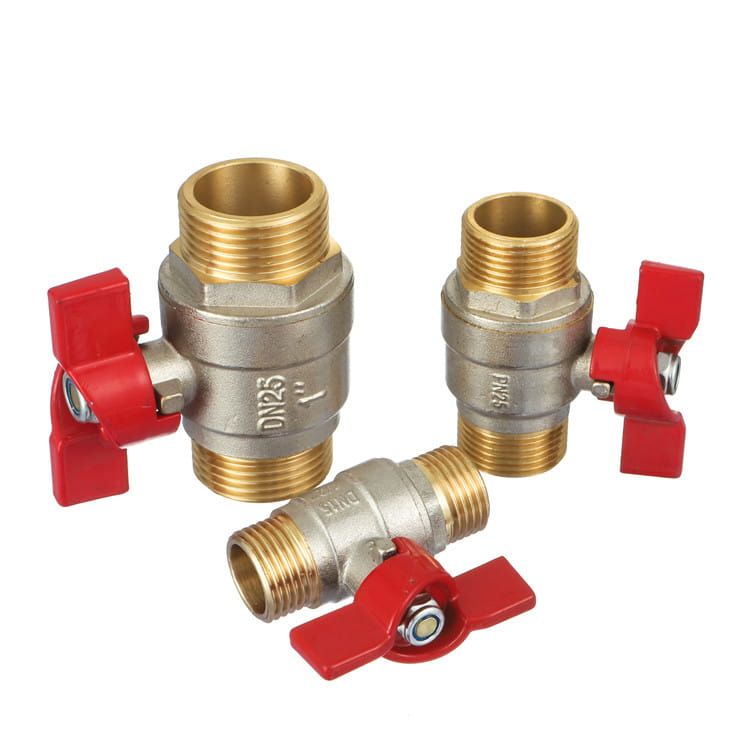
PN Is a Designation, Not a Pressure at Your Temperature
BS EN 1333:2006 has a narrow job. Its abstract says it “gives the definition of PN when applied to components of a pipework system” and that it “specifies the PN numbers which are used”. It fixes the vocabulary, not what your valve holds at 70 °C on a heating return.
The duty comes from the product standard. For manually operated copper-alloy ball valves in building potable water that is BS EN 13828:2025, published 28 February 2025. Its scope is precise: DN 6 to DN 100, potable water in buildings, up to PN16, at a maximum distribution temperature of 65 °C, with occasional excursions to 90 °C permitted for 1 h maximum. Valves are classified PN10 or PN16, designation numbers that read as 10 bar and 16 bar.
Two things follow. A PN25 or PN40 brass ball valve sits above the ceiling this standard covers, so its temperature limit comes from the manufacturer. And an earlier, withdrawn edition still circulating online is reported to cover a narrower DN and PN range; where a tender template cites a pre-2025 edition, confirm the range against the 2025 text.
The alloy code is a third document again. CW617N is a designation under BS EN 12165:2024, which covers the composition and properties of copper-alloy forging stock. It certifies what the body is made of and assigns no pressure and no temperature, as our guide to CW617N and lead-free brass sets out.
CWP and WOG Are Cold Numbers, and Cold Has a Band
WOG stands for water, oil, gas; CWP, cold working pressure, is the call-out the industry has moved to. Both mean the maximum non-shock pressure the valve holds while cold, and cold has a defined band. Boshart, a fittings manufacturer, states in its technical note that cold “is generally defined as a range between −20 °F to 100 °F”. Elite Valve publishes the same band as −29 °C to 38 °C.
So a listing that says 600 PSI and nothing else tells you the valve holds 41.4 bar at room temperature — nothing about a 70 °C heating return or a 90 °C flush. Boshart’s note adds: whichever rating is marked, refer to the pressure-temperature chart.
The same body often carries a second, much smaller number. Apollo’s catalogue rates its 70-100 series at 600 psig WOG cold and 150 psig for saturated steam, and its 64 Series brass full-port valve at 600 psig WOG with a ceiling of 366 °F (185 °C). Quote the 600 and ignore the 150 and you have specified a steam valve at four times its steam rating.
One boundary matters before ordering. MSS SP-110, covering threaded, solder-joint and grooved metal ball valves including copper-alloy ones, stops at NPS 4. Above DN 100 the conversation moves to a flanged valve and a different standard.
What the Derating Curve Costs You
Here is the number that changes a purchase decision. Webstone’s forged brass full-port ball valves, IPS 4470 and CxC 5470, are rated 600 WOG non-shock over −40 °F to 400 °F, with the maximum temperature stated as 400 °F at 100 PSI. The same body: 41.4 bar cold, 6.9 bar at 204 °C, on what the catalogue itself calls a seat rating chart.
In a brass ball valve the body is rarely the weak point. PTFE and reinforced PTFE seats carry the sealing load, soften as they heat, and set the ceiling long before the CW617N does. A valve sold with a 185 °C ceiling and a 600 psig cold rating can still be wrong for a line running 10 bar at 120 °C: the two headline figures are not one operating point.
The assembly moves the number again. NIBCO down-rates a bronze ball valve body from 600 PSI CWP to 250 PSI CWP to match its press system, at a maximum 250 °F: the end connection set the rating.
| Published rating point (valve or standard, at its stated temperature) | Webstone 4470 | EN 13828 PN16 | Apollo 64 Series |
|---|---|---|---|
| Webstone 38 °C | 41.4 | — | — |
| Webstone 204 °C | 6.9 | — | — |
| EN 13828 65 °C | — | 16 | — |
| EN 13828 90 °C* | — | 16 | — |
| Apollo 185 °C | — | — | 41.4 |
| Valve or standard | Medium | Temperature (°C / °F) | Rated pressure (bar / psi) |
|---|---|---|---|
| Webstone 4470 / 5470 forged brass | Water, oil, gas | 38 °C / 100 °F (cold band) | 41.4 bar / 600 psi |
| Webstone 4470 / 5470 forged brass | Water, oil, gas | 204 °C / 400 °F (ceiling) | 6.9 bar / 100 psi |
| Apollo 64 Series brass full port | Water, oil, gas | 185 °C / 366 °F (ceiling) | 41.4 bar / 600 psi headline |
| Apollo 64 Series brass full port | Saturated steam | Saturated steam | 10.3 bar / 150 psig |
| EN 13828:2025 building valve | Potable water | 65 °C / 149 °F; 90 °C for 1 h | 16 bar / 232 psi at PN16 |
Sources: Webstone 4470/5470 catalogue page; Apollo (Conbraco) bronze and brass ball valve catalogue; BS EN 13828:2025 scope (BSI Knowledge). The Webstone catalogue prints a seat rating chart at 200, 300 and 400 °F, but only the 400 °F end point is legible in the published page, so the curve between the two end points is not reproduced here. The psi values in the EN 13828 row are arithmetic conversions of the PN designation number at 14.5038 psi per bar, not separately declared ratings.
Writing the Rating Line on a Purchase Order
A rating line is comparable across suppliers when it carries six things:
- the system, named: PN, CWP or WOG;
- the number and its unit, bar or psi;
- the reference temperature it is declared at, °C or °F;
- the medium: cold water, hot water at a stated temperature, saturated steam, air or gas;
- the body grade and its material standard, CW617N to EN 12165:2024;
- the product standard and its edition, EN 13828:2025 or MSS SP-110.
Leave the Class number off a brass line. ASME B16.34-2025 covers valves of steel, nickel-base alloys and other alloys, rated by material group; copper alloys are not among the materials its scope names, so a Class stamped on a brass valve has no rating table behind it. Nor is the number constant even where it does apply: Elite Valve’s table puts Class 150 at 285 psig for one steel group and 275 psig for a stainless group, and Class 300 at 720 to 750 psig across the same three groups. Class 150 has never meant 150 psi.
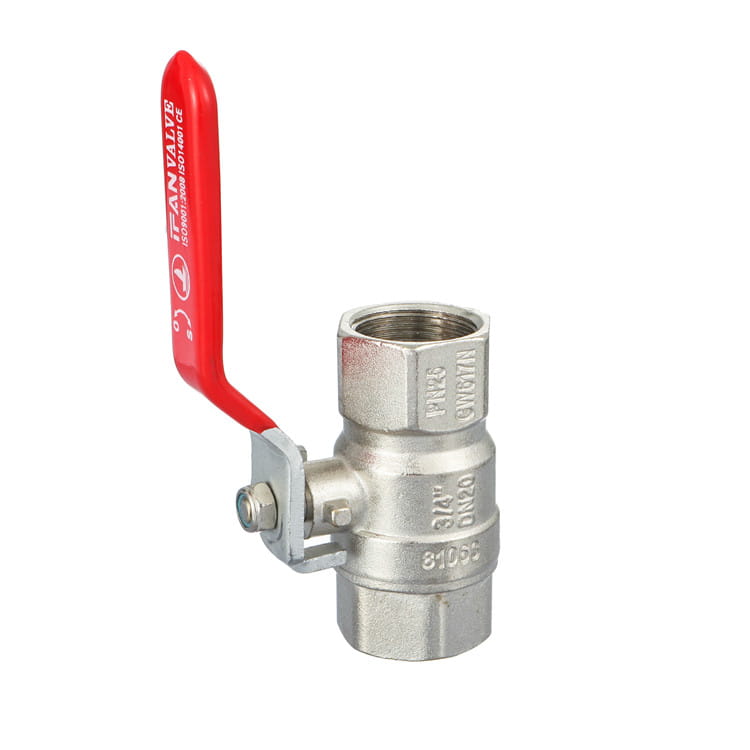
Worked against a real range: IFAN’s brass ball valves are CW617N bodies from DN8 to DN100, rated PN16, PN25 or PN40 by size. The class steps down as size goes up, the part of the size and pressure chart most buyers skip.
| Size band (DN) | Published PN class (bar) | Arithmetic conversion (psi) | Reference temperature published |
|---|---|---|---|
| DN8 to DN25 | Up to PN40 | Up to 580 psi | Not published; ask before ordering |
| DN32 to DN50 | PN25 to PN30 | 363 to 435 psi | Not published; ask before ordering |
| DN65 to DN100 | PN16 to PN25 | 232 to 363 psi | Not published; ask before ordering |
Source: IFAN Group published brass ball valve specification and size pages, ifanholding.com, read 19 September 2026. The psi column is an arithmetic conversion of the PN designation number at 14.5038 psi per bar. It is not a separately declared rating.
That last column is honest rather than flattering, and most suppliers are in the same position: IFAN publishes the class and size range, not the reference temperature or the seat material. Put the temperature question first in every enquiry, and record the answer beside the class on the product line you order.
For a distributor or specifier comparing PN and CWP quotes across suppliers.
Conclusion
Three actions close this out. Strike any Class number from a brass valve line: ASME B16.34-2025 does not name copper alloys. Write the reference temperature beside every PN or CWP figure you accept, and refuse a quotation that will not supply it. Then check that figure against the temperature your line actually runs, because a 600 psi body is a 100 psi body at 204 °C and the stem packing finds out first.
Frequently Asked Questions
What does 600 WOG mean on a brass ball valve?
It means the valve holds 600 psi of water, oil or gas, non-shock, while cold. Cold is the band −20 °F to 100 °F (−29 °C to 38 °C). Above that band the allowable pressure falls and the manufacturer’s chart governs.
Is PN16 the same as 232 psi working pressure?
No. PN is a designation defined in EN 1333:2006, not a declared working pressure. The 232 psi figure is only the arithmetic conversion of 16 bar. What the valve may actually hold comes from its product standard and its temperature.
Can I convert ANSI Class to PN for a brass ball valve?
No. ASME B16.34-2025 rates steel, nickel-base and other alloys; copper alloys are not among the materials its scope names. There is no conversion, and a Class number on a brass valve line has no rating table behind it.
What temperature can a brass ball valve take?
It depends on the seat and the product standard, not on the brass. EN 13828:2025 caps building potable-water valves at 65 °C with 90 °C excursions of 1 h maximum. One published brass series states a 366 °F (185 °C) ceiling, at a pressure its chart sets, not the headline WOG figure.
What is the difference between CWP and WSP?
CWP is cold working pressure, for water, oil and gas at ambient. WSP is working steam pressure, a separate and much lower figure on the same body. One catalogue brass series is 600 psig WOG, 150 psig saturated steam.