
Латунные фитинги для труб: типы, резьбы, марки и как выбрать
Латунные фитинги для труб: типы, резьбы, марки и как выбрать
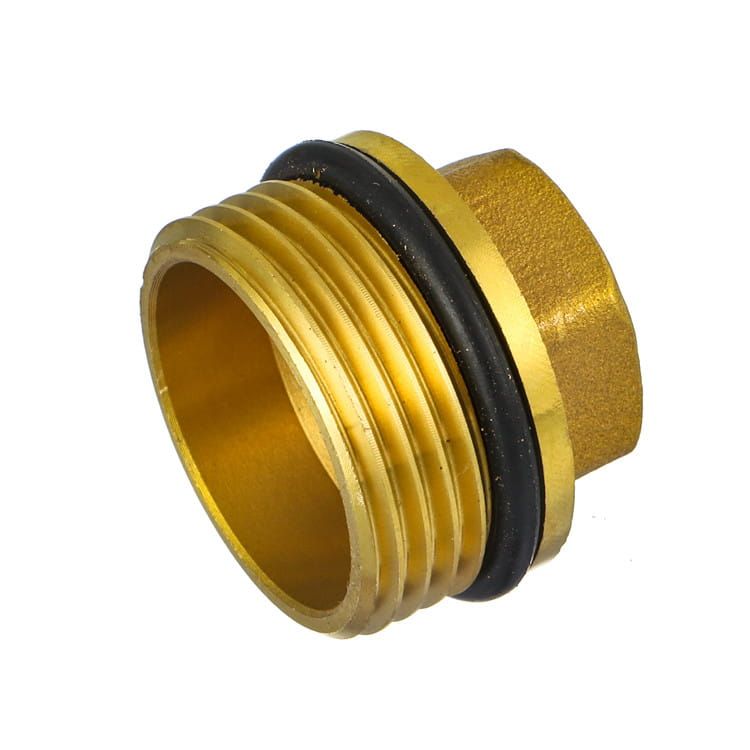
Латунные фитинги для труб — это соединительные элементы, которые удерживают водопроводную систему вместе: колена, тройники, муфты, ниппели и переходники, соединяющие трубы, изменяющие направление потока и обеспечивающие переход между материалами и типами резьбы. Латунь является основным материалом для них, поскольку она прочна, устойчива к коррозии, надежно герметизирует резьбу и — при правильном выборе марки — безопасна для питьевой воды. Однако «латунные фитинги для труб» включают множество форм, два невзаимозаменяемых стандарта резьбы и несколько марок латуни; ошибка в любом из этих параметров приведет к негерметичному или недолговечному соединению. В этом руководстве описаны распространенные типы латунных фитингов, стандарты резьбы, марки, важные для питьевой воды, а также правила подбора размеров и выбора.
Для ознакомления с более широким ассортиментом латунных клапанов и их интеграцией в систему см. руководство покупателя латунных шаровых кранов; данная статья посвящена фитингам.
Ключевые выводы
- Распространенные формы: колена, тройники, муфты, ниппели, разъемные соединения, переходники, редукции, втулки и заглушки.
- Два стандарта резьбы — BSP и NPT — не взаимозаменяемы; необходимо соответствие стандарту и типу (наружная/внутренняя резьба).
- Для питьевой воды выбирайте латунь без содержания свинца, устойчивую к обесцинкованию (DZR), например на основе CW617N.
- Кованые латунные фитинги плотнее и прочнее литых — кованые применяются для работы под давлением.
- Фитинги соединяются резьбой, обжимом или push-fit — выбирайте метод в зависимости от трубы и задачи.
- Согласуйте размер, стандарт резьбы, марку и номинальное давление с присоединяемой трубой и арматурой.
Распространенные типы латунных фитингов
Латунные трубные фитинги называются по тому, что они делают с трубопроводом. Знание терминологии позволяет делать точные заказы.
| Фитинг | Назначение |
|---|---|
| Угольник (45°, 90°) | Изменяет направление трубы |
| Тройник | Добавляет ответвление под углом 90° к магистрали |
| Муфта / соединитель | Соединяет две трубы по прямой линии |
| Ниппель | Короткая труба с наружной резьбой для соединения двух муфт |
| Сгон (разъемное соединение) | Разборное соединение для доступа при обслуживании |
| Переходник | Переход между типами резьбы или на трубу |
| Редукция / втулка | Соединяет два разных диаметра |
| Заглушка / пробка | Закрывает конец трубы или порт фитинга |
Стандарты резьбы: BSP и NPT
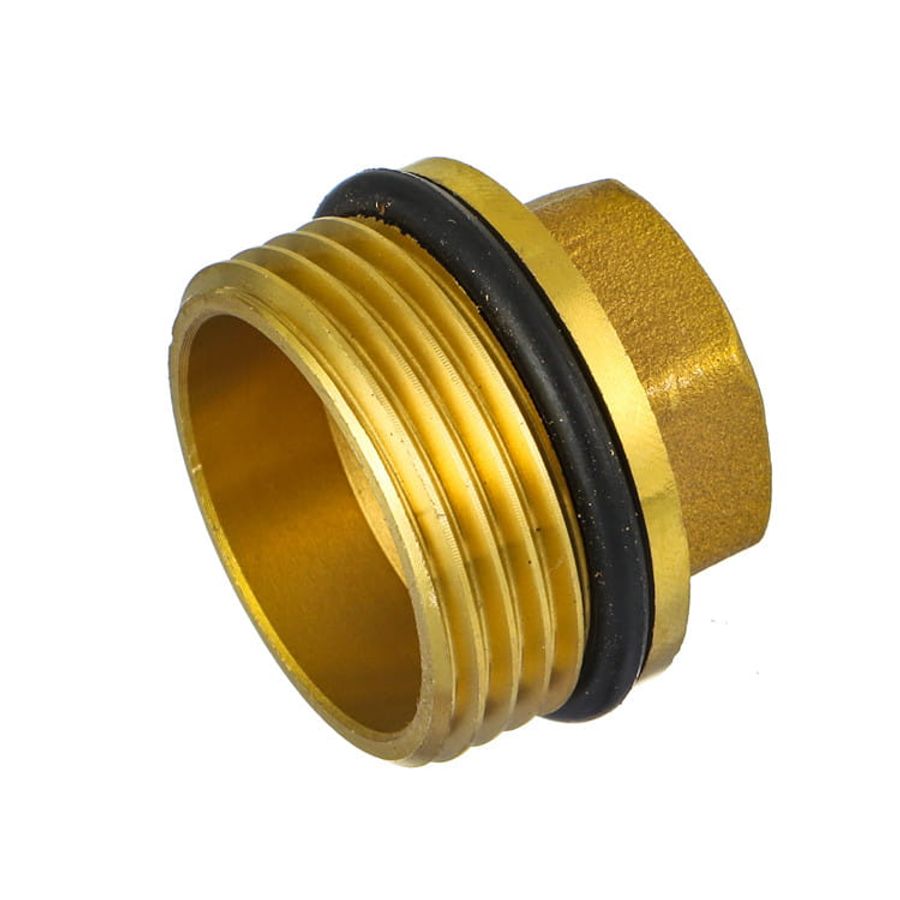
Самая распространенная ошибка при работе с латунными фитингами — смешивание стандартов резьбы. Существуют две основные системы, которые не взаимозаменяемы. BSP (British Standard Pipe) используется в Европе, Великобритании, на Ближнем Востоке, в Азии, Африке и Австралии; NPT (National Pipe Taper) используется в Северной Америке. Они имеют разные углы профиля и шаги резьбы, поэтому наружная резьба BSP не будет правильно герметизироваться во внутренней резьбе NPT, даже если диаметры кажутся близкими — резьба заедает или пропускает. Внутри каждой системы резьба бывает наружной (внешней) или внутренней, а также часто конической (герметизируется по резьбе с помощью ленты или герметика) или параллельной/прямой (герметизируется с помощью прокладки или уплотнительного кольца). При заказе указывайте все параметры: стандарт (BSP или NPT), размер, тип (наружная/внутренняя), а также коническая или параллельная резьба. Правильный выбор стандарта резьбы обязателен — это разница между соединением, которое герметизирует, и тем, которое никогда не будет герметичным.
Марка латуни: безсвинцовая и стойкая к обесцинкованию
Для питьевой воды марка латуни имеет такое же значение, как и форма. Обычная латунь может подвергаться обесцинкованию — цинк вымывается в агрессивной воде, оставляя слабый, пористый фитинг, который может треснуть или заклинить. Системы питьевого водоснабжения должны предусматривать стойкую к обесцинкованию (DZR) латунь, а по содержанию свинца — малосвинцовую или безсвинцовую марку, например, на основе безсвинцовой латуни CW617N. Фитинг, подверженный обесцинкованию, не только ослабляет конструкцию — он может заклинить резьбу и выйти из строя в месте соединения. Указание безсвинцовой латуни DZR с разрешением для питьевого водоснабжения для вашего рынка заранее — это то, что обеспечивает исправность латунных фитингов на протяжении всего срока службы в системах питьевой воды. Для непитьевого или промышленного применения требования к марке смягчаются, но для любой линии питьевой воды спецификация DZR/безсвинцовая является обязательной — и она должна соответствовать марке клапанов и труб, к которым она присоединяется.
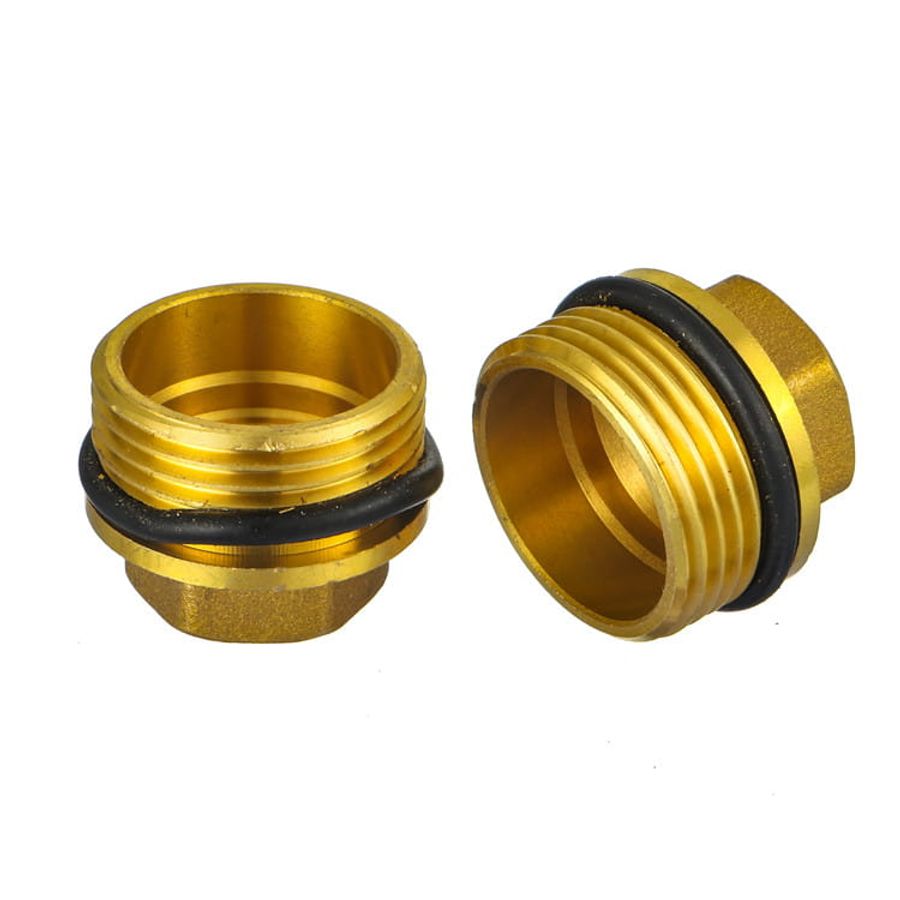
Кованые и литые латунные фитинги
Латунные фитинги изготавливаются двумя способами, и разница влияет на прочность. Кованые фитинги формуются из цельной латуни под давлением, что дает плотную, без пустот структуру, более прочную и подходящую для работы под высоким давлением. Литые фитинги заливаются в форму, что подходит для сложных форм, но может оставлять мелкие внутренние пустоты, ослабляющие деталь под давлением. Для напорных трубопроводов и везде, где надежность критична, кованые фитинги — более безопасный выбор; литые могут подходить для низкого давления или декоративного использования. Та же логика применима к латунным клапанам — решение «кованый или литой» покупатели должны принимать осознанно, а не полагаться на случай. Для полного сравнения см. кованые и литые латунные клапаны. Если фитинг будет подвергаться давлению в системе, укажите кованый и подтвердите технологию производителя, а не предполагайте.
Как соединяются латунные фитинги
Помимо резьбовых соединений, латунные фитинги соединяются с трубой несколькими способами в зависимости от материала трубы. Резьбовые соединяются с резьбовыми трубами или клапанами, герметизируясь лентой или герметиком на конической резьбе. Компрессионные фитинги используют латунную обжимную втулку (оливку), которая обжимается гайкой на гладкой трубе — распространены для медных и некоторых пластиковых труб, обеспечивая разъемное соединение без нагрева или клея. Надвижные (push-fit) латунные фитинги используют внутреннее уплотнительное кольцо и зажимное кольцо для соединения без инструментов. Переходные фитинги соединяют латунь с PEX, PVC или медью — например, латунный переходник с обжимным или надвижным соединением со стороны PEX и резьбой с другой. Правило для всех: подбирайте соединение под материал трубы и соблюдайте единый стандарт резьбы. Латунный фитинг часто служит мостом между двумя разными трубными системами, поэтому именно здесь несоответствие размера, резьбы или класса проявляется в виде утечки.
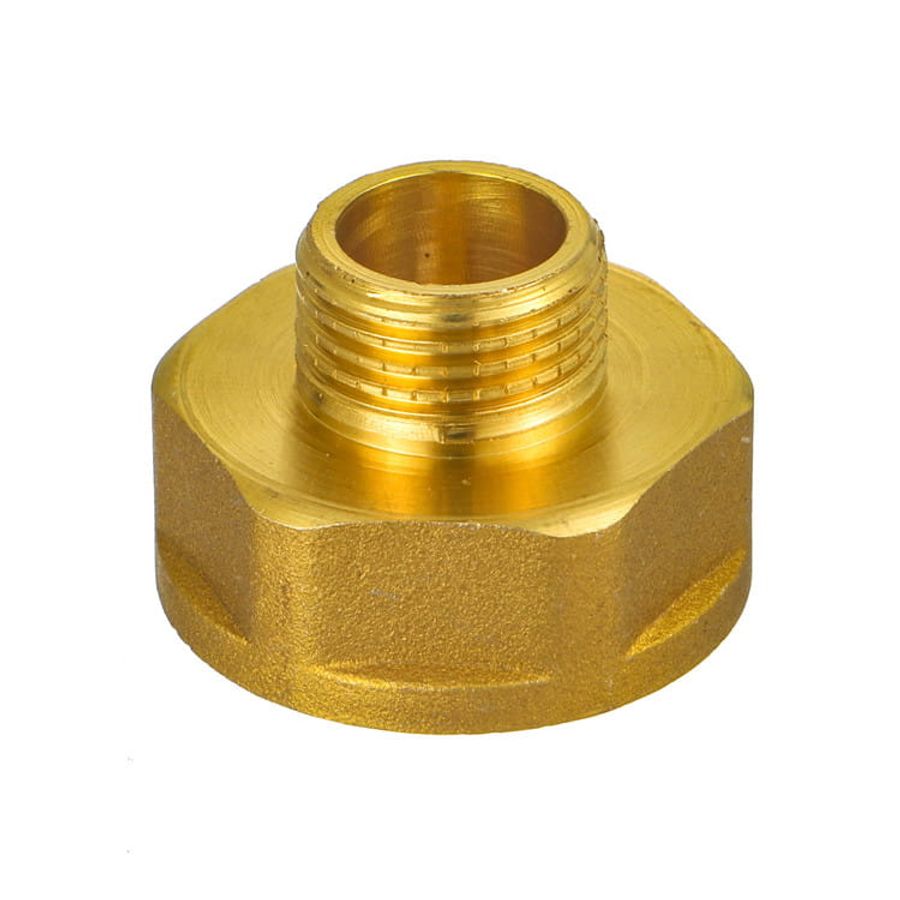
Подбор и согласование латунных фитингов
Латунный фитинг должен соответствовать трубе и арматуре по четырем параметрам. Размер: номинальный размер резьбы или трубы (⅛"–2" и более, или эквиваленты DN) — заказывайте в той же системе, что и соединяемая деталь. Стандарт резьбы: BSP или NPT, наружная или внутренняя, коническая или параллельная, в соответствии с тем, к чему присоединяется. Марка: безсвинцовый DZR для питьевой воды, согласованный с маркой трубы и арматуры. Номинальное давление: фитинг, рассчитанный на рабочее давление системы с запасом, с кованой конструкцией при высоком давлении. Переходники и втулки обеспечивают ступенчатое изменение размера в пределах линии; разъемные соединения дают возможность демонтажа для обслуживания. Если все четыре параметра верны, фитинг вкручивается прямо и герметизирует; если один упущен — соединение протекает или не собирается. При заказе проекта эффективный путь — купить трубы, арматуру и все формы фитингов вместе одной марки, стандарта резьбы и системы размеров — та же дисциплина полного согласования, которая исключает повторные вызовы по всей системе водоснабжения.
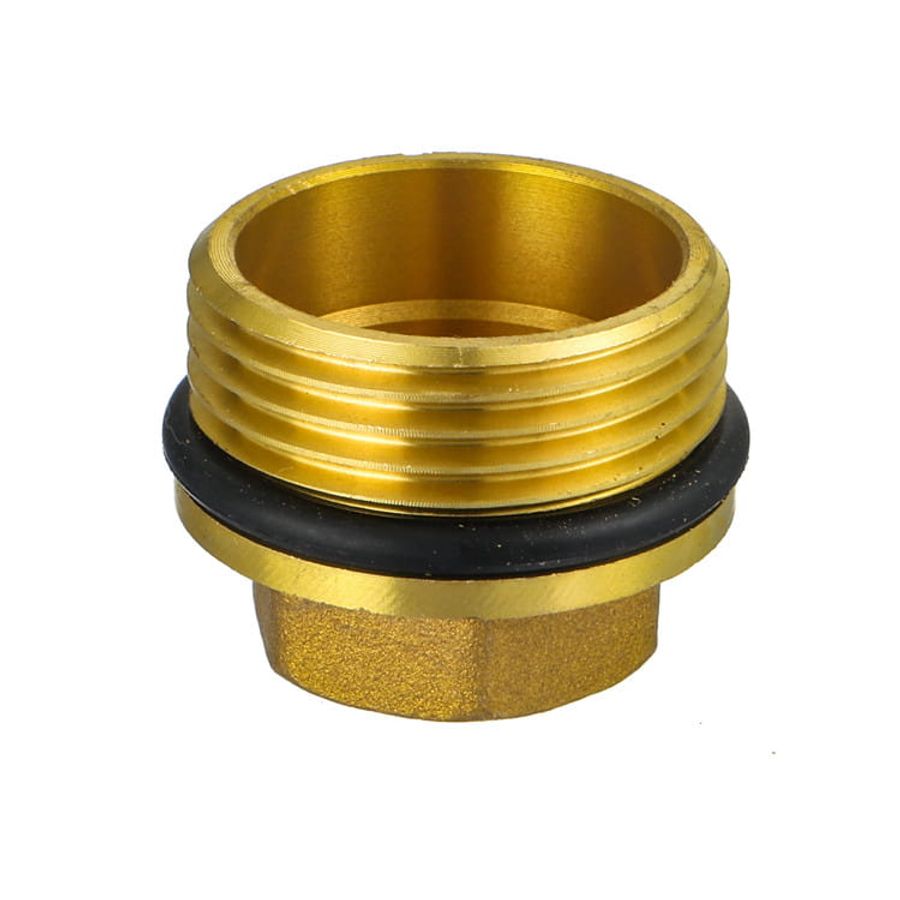
Нужны безсвинцовые латунные фитинги, согласованные с вашими трубами и арматурой?
Сообщите нам формы, размеры, стандарт резьбы и марку — мы предложим кованые безсвинцовые латунные фитинги DZR, арматуру и трубы из одного источника.
Запросить предложениеРаспространенные ошибки при работе с латунными фитингами
Смешивание BSP и NPT. Эти два стандарта резьбы не герметизируются вместе. Согласуйте стандарт, тип (наружная/внутренняя) и конусность с тем, к чему подключается фитинг.
Обычная латунь в системах питьевой воды. Латунь без DZR может подвергаться обесцинкованию и выходить из строя. Для линий питьевой воды используйте бессвинцовую латунь DZR.
Литые фитинги при высоком давлении. Литье может скрывать внутренние пустоты. Используйте кованую латунь там, где соединение испытывает давление системы.
Чрезмерная затяжка. Избыточный момент разрушает латунь и срывает резьбу. Затягивайте до герметизации, не переусердствуйте, и используйте правильный герметик на конической резьбе.
Неправильный тип уплотнения. Коническая резьба герметизируется по резьбе; параллельная резьба требует шайбы или уплотнительного кольца. Согласуйте метод уплотнения с типом резьбы.
Часто задаваемые вопросы
Какие бывают распространенные типы латунных фитингов для труб?
Распространенные формы: отводы (45° и 90°) для изменения направления, тройники для создания ответвлений, муфты для соединения двух труб, ниппели для соединения двух фитингов с внутренней резьбой, разъемные соединения для демонтажа, переходники для смены типа резьбы или трубы, редукторы и втулки для изменения диаметра, а также заглушки и пробки для закрытия линии. Каждый тип поставляется с соответствующим стандартом резьбы, маркой и номинальным давлением для вашей системы.
В чем разница между латунными фитингами BSP и NPT?
BSP (British Standard Pipe) используется в Европе, Великобритании, на Ближнем Востоке, в Азии, Африке и Австралии; NPT (National Pipe Taper) используется в Северной Америке. Они имеют разные углы и шаги резьбы и не взаимозаменяемы — резьба BSP не будет правильно уплотняться в резьбе NPT, даже при схожих диаметрах. Всегда подбирайте стандарт, а также тип (наружная/внутренняя) и конусность/параллельность в соответствии с соединяемой деталью.
Безопасны ли латунные фитинги для питьевой воды?
Да, если они подходящей марки. Для питьевой воды выбирайте латунь без содержания свинца, устойчивую к обесцинкованию (DZR), например, на основе CW617N, с разрешением для использования в системах питьевого водоснабжения на вашем рынке. Обычная латунь может подвергаться обесцинкованию в агрессивной воде, что ослабляет фитинг и приводит к заклиниванию резьбы. Марка фитинга должна соответствовать клапанам и трубам, с которыми он соединяется, и иметь сертификацию для питьевой воды в вашем регионе.
Латунные фитинги, изготовленные ковкой, лучше литых?
Для работы под давлением — да. Кованая латунь формуется под давлением, создавая плотную, без пустот структуру, которая прочнее и надежнее под давлением. Литая латунь заливается в форму, что подходит для сложных форм, но может оставлять мелкие внутренние пустоты, ослабляющие деталь. Используйте кованые фитинги там, где они подвергаются давлению в системе; литые могут быть приемлемы для низкого давления или декоративного использования.