
Forged vs Cast Brass Ball Valve: Which to Buy & Why
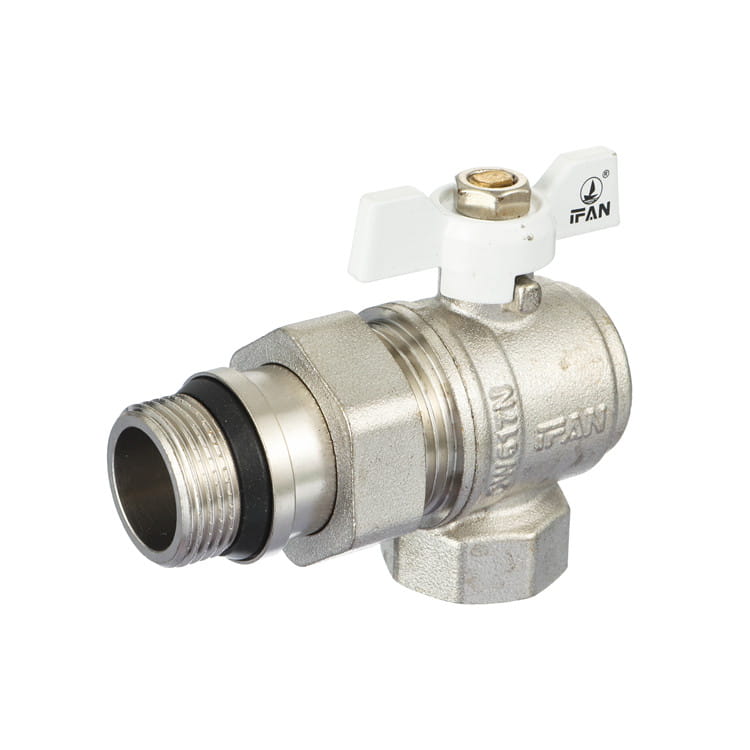
Two brass ball valves can carry the same CW617N stamp, the same size, and the same pressure rating on paper — yet one is built to outlast the pipework and the other can seep or crack under load. The difference is often how the body was made: forged or cast. It's the single construction detail buyers most often overlook, and it's a real enough distinction that "forged brass ball valve" is a search buyers type on purpose. This guide explains what forging and casting actually do to the brass, where each belongs, how to tell them apart, and how to specify the right one so you don't pay for strength you don't need — or buy weakness you can't see.
If you're still choosing the valve overall, start with the complete brass ball valve buyer's guide; this article goes deep on the forged-versus-cast decision alone.
Key Takeaways
- Forging presses solid brass into a dense, void-free body — stronger under pressure and stress.
- Casting pours molten brass into a mould and can leave internal porosity — a hidden leak path.
- For pressure duty, forged is the safer choice; cast suits low-pressure, cost-driven work.
- You often can't see the difference — ask the manufacturer which process they use.
- Forged bodies tend to be denser and heavier for the same size; a suspiciously light valve is a flag.
- IFAN offers both forged and cast CW617N valves, with in-house cold forging for the forged range.

What "Forged" and "Cast" Actually Mean
Forging shapes the valve body from a solid billet of brass under high mechanical force. The metal is pressed into shape while solid (cold forging) or hot, and the pressure works the grain structure into a dense, continuous, void-free form. Nothing is melted, so there are no internal cavities — the body is solid metal throughout. Casting takes the opposite route: brass is melted and poured into a mould, where it cools and solidifies into the valve shape. Casting is flexible and cheap for complex shapes, but as molten metal cools it can trap gas or shrink unevenly, leaving microscopic voids (porosity) inside the wall. Those voids are invisible from outside and are the classic hidden weakness of a cast pressure part.
Why It Changes the Valve's Strength
A pressure-carrying body lives or dies by what's inside its wall. A forged body's dense, uniform grain has no built-in flaws to grow into a crack, so it handles working pressure, pressure surge, and thermal cycling with a bigger safety margin. A cast body with porosity has stress concentrators baked in: under repeated pressure or a hard surge, a void can become the origin of a crack or a slow weep. This is why forging is the process of choice wherever a valve has to hold pressure reliably for years, and why a well-made forged valve machines to tighter, more consistent tolerances — there's no porosity for a drill or thread to break into.
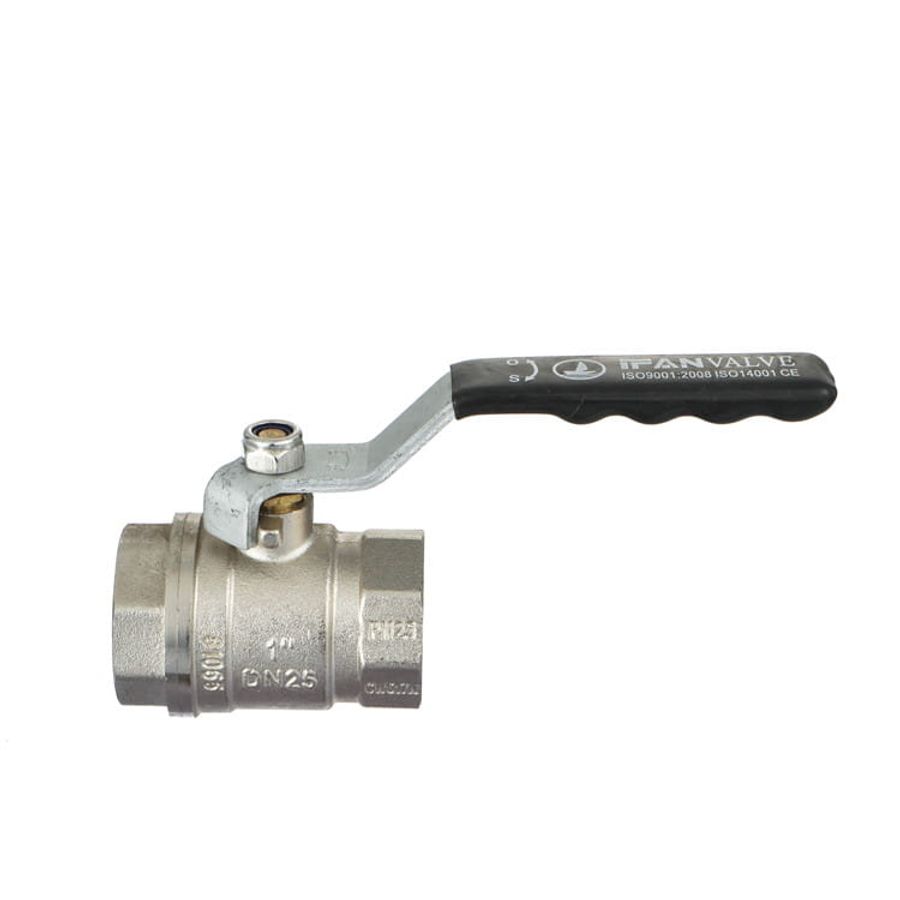
Forged vs Cast — Side by Side
| Factor | Forged | Cast |
|---|---|---|
| Internal structure | Dense, void-free grain | Can carry porosity |
| Pressure strength | Higher, bigger margin | Lower, void-dependent |
| Weight (same size) | Denser / heavier | Can be lighter |
| Machined tolerance | Tighter, consistent | Varies with voids |
| Cost | Higher | Lower |
| Best for | Pressure water, gas, heating | Low-pressure, cost-driven |
Cold Forging vs Hot Forging
"Forged" itself splits into two methods, and the distinction matters for brass fittings and valves. Hot forging heats the brass until it flows easily, then presses it — the usual route for larger or more complex bodies. Cold forging works the metal at or near room temperature under very high pressure; it takes more force but delivers an excellent surface finish, tight dimensional control, and a strongly worked, dense grain, which is why it's favoured for high-quality small and medium brass parts. IFAN's forged valve range uses cold forging feeding straight into precision machining as one in-house process (the video above shows it), so the body comes off the line dense and dimensionally consistent before a single thread is cut. When a supplier says "forged," it's fair to ask which method and whether the forging and machining happen under one roof — in-house control is what keeps quality consistent batch to batch.
Does the Valve Size Change the Choice?
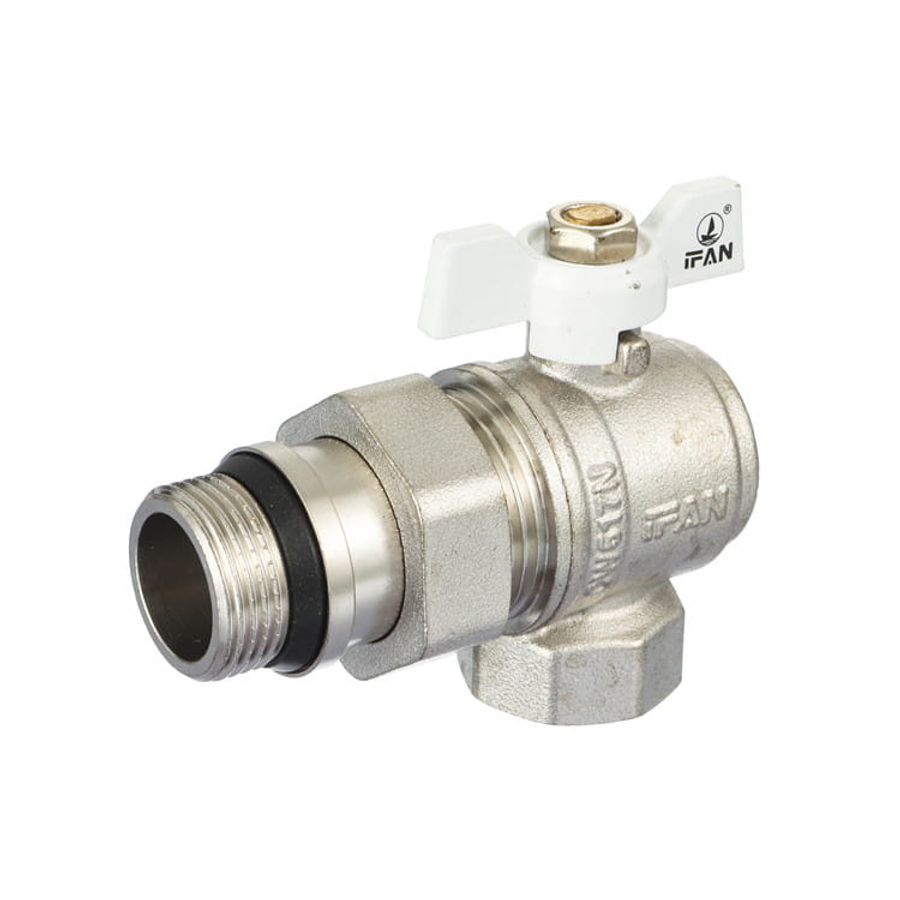
To a degree, yes. On small diameters (say DN8–DN25) carrying real pressure, wall sections are thin and a single casting void is a proportionally bigger defect, so forging's void-free body is especially valuable — and cold forging suits these sizes well. On larger bodies, hot forging or casting becomes more practical to form the shape, and the decision leans harder on the working pressure and the manufacturer's process control than on size alone. The constant across every size is the question you ask: what pressure and consequence does this line carry, and can the supplier show how the body was made? Match the process to the duty at each size rather than assuming one answer fits the whole schedule.
The Cost Difference in Practice
Forged bodies cost more to make — more force, more energy, more tooling — so a forged valve carries a higher unit price than a comparable cast one. But judge it against the duty and the cost of failure, not in isolation. On a pressure main, in a wall, or on a line where a leak means water damage and a call-out, the price gap between forged and cast is trivial next to the cost of one failure, and forged is the obvious economy over the life of the line. On a low-pressure, easily-accessed, low-consequence fitting, that same gap is money you don't need to spend. Price the two against what a failure would actually cost you, and the right choice is usually clear.
When Cast Is Genuinely Fine
Forged isn't automatically "right" for every job — it's right for pressure. On low-pressure or non-critical duty — a drain cock, a garden or irrigation line, a decorative or intermittent application where a failure is cheap to fix — a cast body does the job at a lower price, and paying a forging premium there is wasted money. The rule is duty-based: the higher the working pressure, the more surge and thermal cycling the line sees, and the more expensive a failure would be, the stronger the case for forged. For potable, heating, gas, and industrial pressure lines, that case is decisive; for a low-stakes low-pressure fitting, cast is a reasonable economy.
Need forged brass valves you can trust under pressure?
Tell us the duty and sizes — we'll spec forged or cast CW617N to match, with certification you can verify.
Request a QuoteHow to Tell Forged From Cast
You usually can't tell by a quick glance, but a few signals help. Weight is the most practical: a forged body is denser, so for the same size it feels heavier in the hand than a thin cast one — a suspiciously light valve is often cast and thin-walled. Surface finish can hint too: forged bodies often show cleaner, more uniform machined faces, while some cast bodies have a slightly rougher as-cast texture in unmachined areas. Marking: quality forged valves are frequently stamped with the alloy and sometimes the process. But the only reliable answer is to ask the manufacturer directly which process the body uses — a factory that forges in-house will tell you plainly and can usually show the forging line, as in the process video above. Vagueness on this question is itself an answer.
Don't Stop at Forged — the Rest of the Spec Still Matters
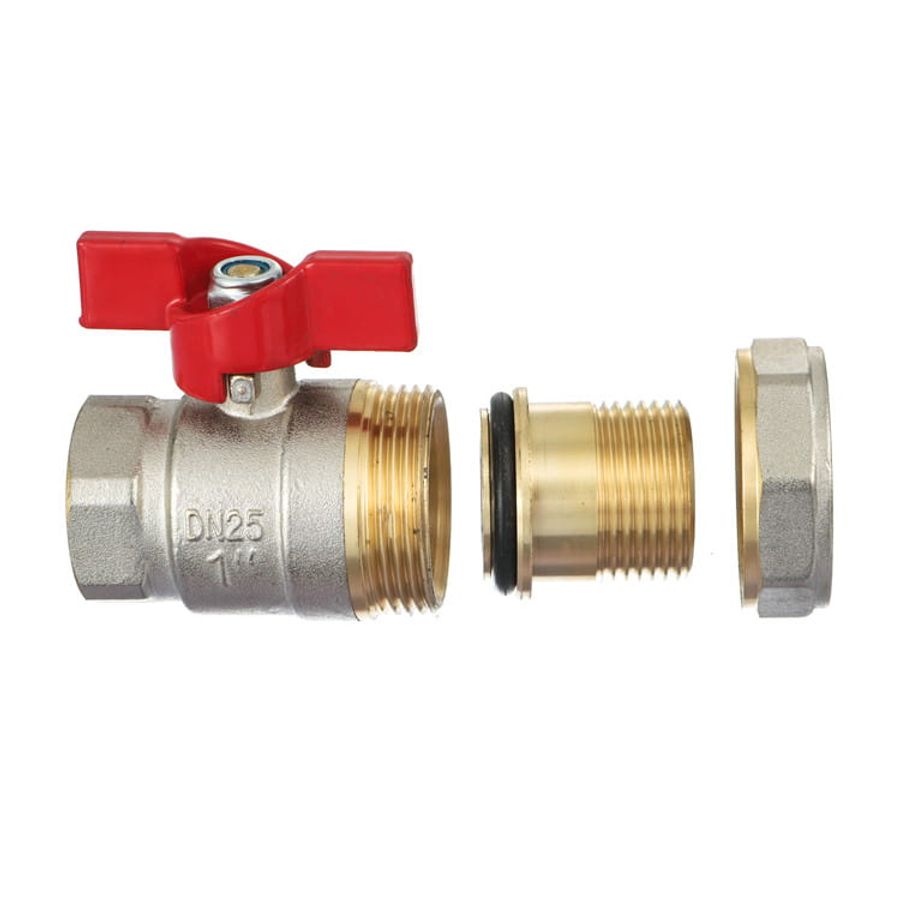
Forging strengthens the body, but a forged valve can still be a poor valve if the other parts are cut. Confirm the alloy (CW617N for general use, a dezincification-resistant grade for aggressive water, lead-free for potable — see why dezincification matters), the seat (genuine PTFE), the stem (blow-out-proof, well-sealed), and — on a bulk order — whether every valve is air-tightness tested. A forged body with a bad seat still leaks. Treat "forged" as one necessary quality marker among several, not the whole story, and verify the certifications for your market the same way.
IFAN: Both Forged and Cast, CW617N
IFAN produces brass ball valves in both forged and cast bodies, all in CW617N brass, across DN8–DN100 in PN16/25/40 with FF, FM, MM, and double-union connections. The forged range runs cold forging through precision machining as one in-house process — the process control a bulk buyer should look for when forged strength matters. Because IFAN offers both, you can match the construction to the duty rather than being pushed to whatever a single-process factory happens to make: forged where the line carries real pressure, cast where a low-pressure job doesn't justify the premium. And because IFAN supplies the whole piping system — PPR, HDPE, and PVC pipe plus the brass valves and fittings — the valve arrives matched and certified with the rest of the job, with no minimum order and stock held year-round. Before you commit an order, it's worth knowing how to verify a manufacturer can back the forged claim.
Frequently Asked Questions
Is a forged brass valve always better than cast?
For pressure duty, yes — forging gives a dense, void-free body that resists pressure and stress better. But for low-pressure or non-critical jobs, a cast body does the work at a lower price, and the forging premium is wasted. Choose by duty: the more pressure and consequence, the stronger the case for forged.
Why is casting weaker for a valve body?
As molten brass cools in a mould it can trap gas or shrink unevenly, leaving microscopic voids (porosity) inside the wall. Those voids are invisible from outside and act as stress concentrators, so under pressure or surge a cast body can crack or weep where a forged, void-free body would not.
How can I tell if a brass valve is forged or cast?
You often can't by sight. Weight is the best practical clue — a forged body is denser and heavier for its size, so a suspiciously light valve is often cast and thin-walled. The only reliable answer is to ask the manufacturer which process the body uses; one that forges in-house will say so and can show the line.
Does forged brass resist corrosion better than cast?
Corrosion resistance comes mainly from the alloy (e.g. a DZR grade for aggressive water), not the forming process. But porosity in a cast body can give corrosion a foothold inside the wall, so a dense forged body of the same alloy tends to hold up better over time. Specify both a suitable alloy and, for pressure duty, a forged body.