
Backflow Preventer Guide: Types, RPZ vs Double Check & Where Required
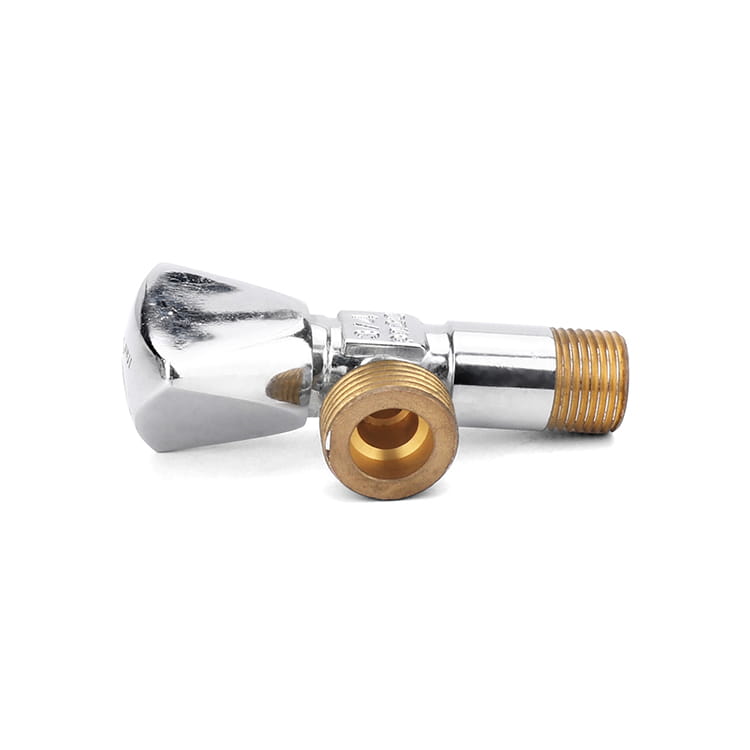
A backflow preventer keeps dirty water from being pulled or pushed back into the clean supply. When pressure in a building drops or reverses, water that has left the pipes (sitting in an irrigation line, a boiler, a hose in a bucket) can travel backward into the drinking-water main and carry contamination with it. A backflow preventer is the device that stops that from happening. The catch is that "backflow preventer" covers several very different assemblies, from a $10 hose-bibb vacuum breaker to a certified reduced-pressure-zone (RPZ) assembly that needs annual testing, and fitting the wrong one is either a code violation or a health hazard. This guide explains how backflow happens, the main types and where each belongs, where the law requires one, and how to size, install, and test it.
Backflow prevention sits alongside the other automatic protection devices in a plumbing system; for the wider family of shutoff and control valves, see the guide to plumbing valve types, and for the simplest one-way device, the brass check valve guide.
Key Takeaways
- A backflow preventer stops contaminated water flowing back into the clean supply when pressure reverses (backpressure) or drops (backsiphonage).
- Main types by protection level: vacuum breakers (AVB, PVB), double check (DCVA), and reduced-pressure zone (RPZ) — plus a hose-bibb breaker for outdoor taps.
- The degree of hazard decides the device: an RPZ is required where the risk is high (chemicals, sewage cross-connection); a double check suits lower-hazard isolation.
- Irrigation, boilers, fire lines, and commercial equipment are the common cross-connections that trigger a requirement.
- Testable assemblies (DCVA, RPZ) generally need certified annual testing — a check-valve alone is not a substitute.
- Size to flow and install at the correct height and orientation, or the assembly trips, drips, or fails inspection.

Quick Answer: RPZ vs DCVA vs PVB
Only the RPZ is rated for high-hazard lines facing backpressure. A double check (DCVA) covers low hazard; a pressure vacuum breaker (PVB) stops backsiphonage only and sits at least 12 inches (305 mm) above what it feeds.
| Device | Hazard rating | Relief valve? | Best for | Install clearance (in) |
|---|---|---|---|---|
| RPZ (reduced pressure zone assembly) | High: contaminants that can cause illness | Yes, vents the zone between the checks | Plating plants, car washes, hospital autopsy rooms, chemical-fed irrigation | 12–30 above floor, 12 from any wall; never in a pit |
| DCVA (double check valve assembly) | Low: pollutants, not health hazards | No, two checks only | Plain-water fire lines, apartment projects, food-process steam kettles | Height that allows testing; vertical only per maker data |
| PVB (pressure vacuum breaker) | High or low, backsiphonage only | No, spring-loaded air inlet instead | Lawn irrigation with no pump or backpressure source | At least 12 above the highest downstream outlet |
Source: ASSE product standards (1013-2021, 1015-2021, 1020-2020 R2025); US EPA Cross-Connection Control Manual (EPA 816-R-03-002, 2003), Figures 21, 34–36.
How Backflow Happens: Backpressure vs Backsiphonage
Water is supposed to flow one way: from the main into the building. Backflow is when it reverses, and it happens two ways. Backsiphonage is a drop in supply pressure that creates suction, the same effect as sipping through a straw: a water-main break, a fire hydrant opened nearby, or heavy demand pulls pressure below the building's, and water gets siphoned backward. If a hose end is sitting in a bucket of fertilizer or a pool at that moment, the contaminated water is drawn into the pipes. Backpressure is the opposite: a downstream source at higher pressure than the supply pushes water back upstream. Boilers, pressure-washing rigs, elevated tanks, and booster pumps can all create backpressure. A backflow preventer has to handle whichever mode applies, and some devices only protect against one. That single fact is why choosing the right type matters: a vacuum breaker guards against backsiphonage but not backpressure, so putting one on a boiler line leaves the real risk unprotected.
Inside most of these assemblies sits a humble check valve doing the actual work; our swing check valve guide covers disc orientation, slam prevention, and sizing.
The Main Types of Backflow Preventer
Backflow devices are ranked by how much protection they give and which backflow modes they cover. From lightest to strongest:
| Type | Protects against | Best for |
|---|---|---|
| Atmospheric vacuum breaker (AVB) | Backsiphonage only | Single fixtures, low-hazard, no backpressure |
| Pressure vacuum breaker (PVB) | Backsiphonage, under constant pressure | Lawn irrigation systems |
| Double check assembly (DCVA) | Backsiphonage and backpressure | Low-hazard isolation (fire lines, boilers) |
| Reduced-pressure zone (RPZ) | Both modes, high-hazard | Chemicals, sewage risk, the strongest protection |
| Hose-bibb vacuum breaker | Backsiphonage at the tap | Outdoor hose taps, garden connections |
Source: ASSE product standards; US EPA Cross-Connection Control Manual, Chapter 4.
Two things separate them: which backflow modes they stop and whether they are testable assemblies. Vacuum breakers handle backsiphonage only. The double check and the RPZ handle both backsiphonage and backpressure, and both are testable, meaning a certified tester can verify they still seal. The RPZ adds a relief valve between two check valves that dumps water to atmosphere if either check leaks, which is why it gives the highest protection and why you'll see it discharging occasionally. That relief port is also why an RPZ can never be installed in a pit or below grade: it has to drain to open air.
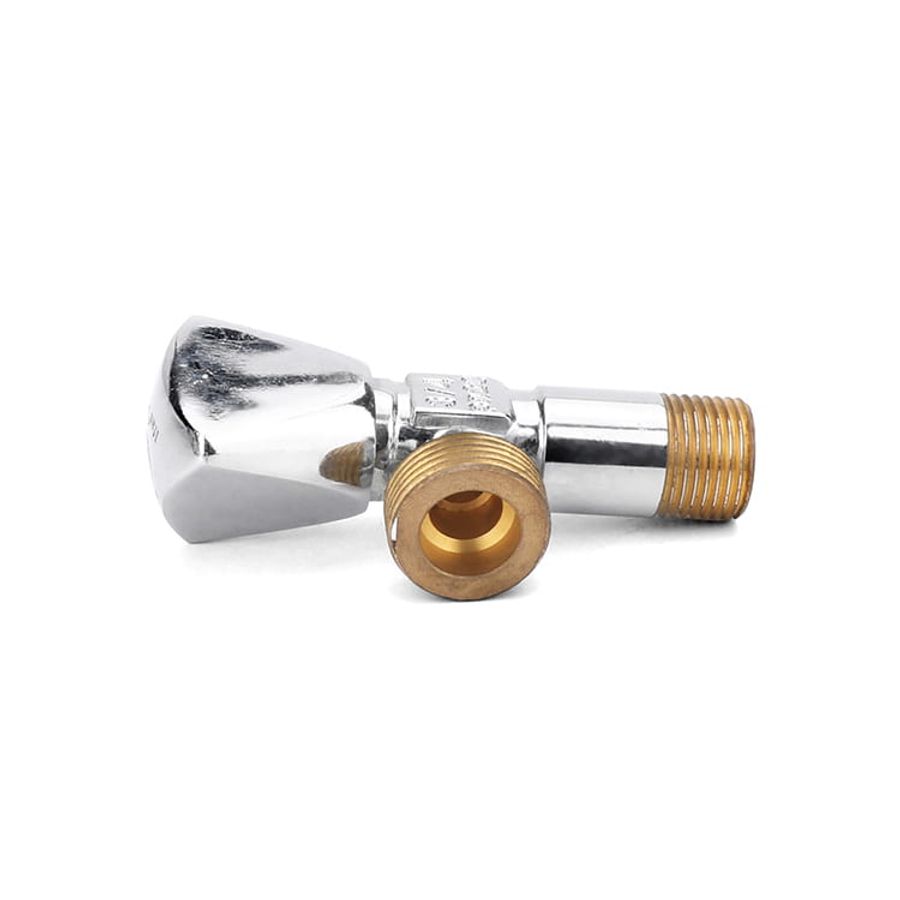
Design and How They Work: RPZ vs Double Check vs PVB
All three are built around spring-loaded checks; what surrounds them decides which backflow each can stop.
- RPZ: two independent spring-loaded checks with a relief valve in the zone between them. The zone is held at least 2 psi below supply pressure. If a check leaks, the relief valve opens and dumps water to atmosphere.
- DCVA: two independent spring-loaded checks, two shutoff valves and test cocks. Each check needs about 1 psi to open. With no relief valve, a leaking check shows no sign until tested.
- PVB: one spring-loaded check plus a spring-loaded air inlet that opens when supply pressure falls. It works under constant pressure but does not protect against backpressure.
Source: US EPA Cross-Connection Control Manual, Chapter 4; ASSE 1013-2021 and 1015-2021 scopes.
What is an RPZ?
An RPZ is a testable backflow assembly with two independent spring-loaded check valves and a relief valve in the zone between them. The relief valve keeps that zone below supply pressure and vents it to atmosphere when a check leaks, so the supply stays protected even if both checks foul.
What does RPZ stand for?
RPZ stands for reduced pressure zone: the chamber between the two checks, which is held at least 2 psi below supply pressure. ASSE 1013 names the device a reduced pressure principle backflow prevention assembly and abbreviates it RP. The EPA manual uses both names for the same assembly.
What does RPZ mean in plumbing?
In plumbing, RPZ means the strongest mechanical backflow protection a code official or water utility will ask for. It goes on high-hazard cross-connections such as plating plants, car washes, hospital autopsy rooms and irrigation with fertilizer injection. It needs a certified test at installation and usually every year, and it must drain above grade.
RPZ at a glance: sizes, pressure loss and the drip
RPZ assemblies are made from ¾ inch to 10 inches and typically lose 10 to 20 psi at normal flow, more than a double check. Water from the relief port is the built-in alarm: it means a check or the relief valve is not sealing. The port must never be plugged, because the assembly depends on it.
Level of Risk and Applications: RPZ vs Double Check
The ASSE scope statements draw the line: the RPZ standard covers contaminated water, the double check standard covers polluted water.
- High hazard (can cause illness or death): RPZ. Examples: plating plants, car washes, funeral parlors.
- Low hazard (objectionable, not dangerous): DCVA. Examples: plain-water fire lines, apartment projects.
- Backsiphonage only, high or low hazard: PVB, if nothing downstream can create backpressure, as on most irrigation.
These are the two testable assemblies people most often have to choose between, and the deciding factor is the degree of hazard, not the pipe size. A cross-connection is rated high-hazard when backflow could cause illness or death: anything tied to sewage, chemicals, reclaimed water, medical or industrial process fluid. It's low-hazard (sometimes called non-health) when backflow would be objectionable but not dangerous, such as a fire sprinkler line with plain water, a food-grade boiler. High-hazard connections require an RPZ; low-hazard connections can usually use a double check assembly. When in doubt, the rule most inspectors apply is to protect for the worst thing that could be connected downstream, not what's connected today. An irrigation system can have fertilizer injection added later, which is why many jurisdictions require an RPZ on irrigation regardless. The RPZ costs more, drops more pressure, and needs a drain for its relief port, but it is the only device that keeps protecting after one of its checks starts to leak.
Where a Backflow Preventer Is Required
A backflow preventer is required wherever a cross-connection exists: any point where the potable supply could contact a non-potable source. The most common triggers a water authority looks for:
- Lawn irrigation and sprinkler systems: the single most common residential requirement, because sprinkler heads sit in soil and can be submerged.
- Boilers and closed heating loops: the water carries corrosion inhibitor and is under backpressure.
- Fire sprinkler systems: stagnant, sometimes with antifreeze; a double check or RPZ depending on additives.
- Commercial kitchens, labs, car washes, and process equipment: high-hazard by default.
- Outdoor hose taps: the cheapest, most-ignored cross-connection; a hose in a pool or chemical bucket.
The governing rules are local. Backflow prevention is written into national plumbing codes, but the water purveyor sets the specific device, the testing schedule, and who may install and certify it. Before buying, confirm with the local authority which class of device your connection needs. Putting in a double check where the jurisdiction mandates an RPZ means a failed inspection and a second purchase.
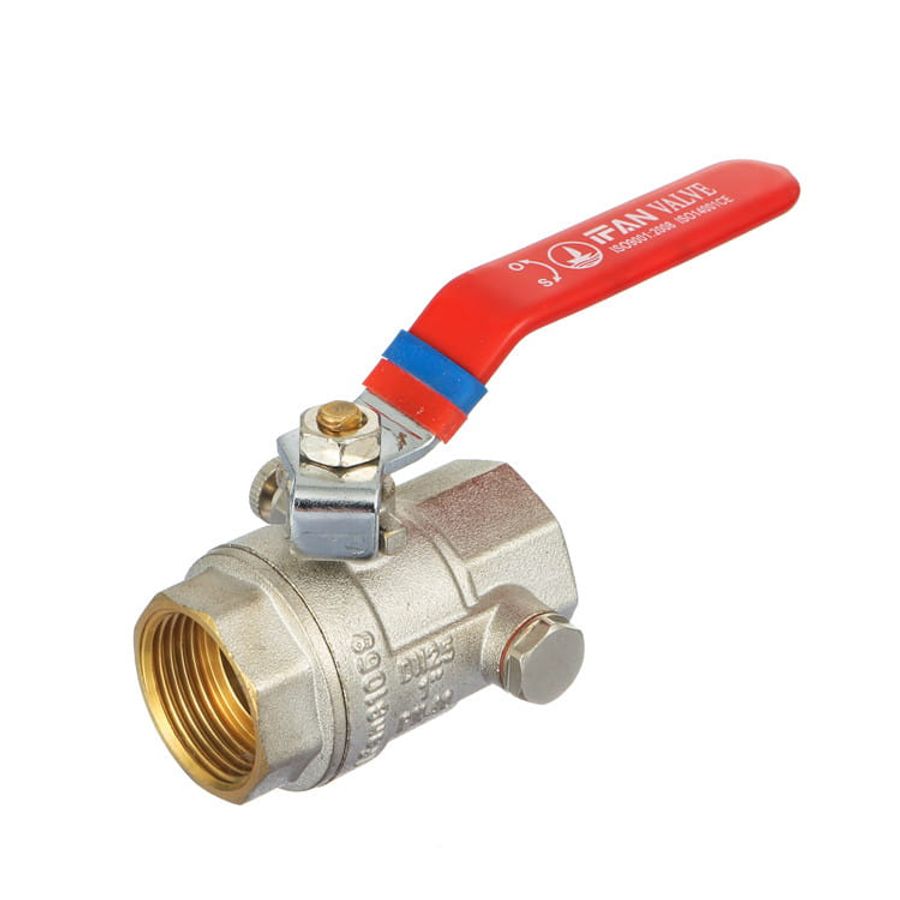
Standards & Codes: Which Approval Each Backflow Preventer Type Needs
In North America every backflow preventer type is built and tested to its own ASSE performance standard, and the plumbing code tells you which type a given cross-connection needs. The 2021 International Plumbing Code handles this in Section 608, Protection of Potable Water Supply (Table 608.1 lists the device standards by application), and the 2021 Uniform Plumbing Code in Section 603, Cross-Connection Control (Table 603.2 does the same job). Ask for the listing mark that matches the standard below before you buy: an inspector checks the mark on the body, not the catalogue description.
| Type | ASSE standard (current edition) | Backflow modes covered | Hazard level | Testable? |
|---|---|---|---|---|
| Reduced-pressure zone (RPZ) | ASSE 1013-2021 | Backsiphonage + backpressure | High | Yes, annual |
| Double check assembly (DCVA) | ASSE 1015-2021 | Backsiphonage + backpressure | Low | Yes, annual |
| Pressure vacuum breaker (PVB) | ASSE 1020-2020 (R2025) | Backsiphonage only | High or low (no backpressure) | Yes, annual |
| Atmospheric vacuum breaker (AVB) | ASSE 1001-2021 | Backsiphonage only | High or low (no backpressure, not under continuous pressure) | No, replace on failure |
| Hose-bibb vacuum breaker | ASSE 1011-2023 | Backsiphonage at the tap | Low | No, replace on failure |
| Residential dual check | ASSE 1024-2023 | Backsiphonage + backpressure | Low (whole-house containment at the meter) | No, replace on failure |
Code sections: 2021 IPC §608 (Table 608.1) · 2021 UPC §603 (Table 603.2) — the local water purveyor may require a stricter device than the code minimum.
Source: ASSE International product-standards list (asse-plumbing.org/standards/product-standards); ICC 2021 IPC Chapter 6; IAPMO 2021 UPC Chapter 6. Editions checked September 2026.
Outside North America the equivalent reference is the EN 1717 family (protection against pollution of potable water) with national device standards under it; the hazard-to-device logic is the same. For the one-way valve inside these assemblies, see the brass check valve guide.
Installation and Maintenance: Clearance, Alarms and Testing
The EPA manual's typical-installation drawings give these starting points; the water purveyor has the final say.
- RPZ: above grade, 12 to 30 inches (305–762 mm) above the floor and 12 inches (305 mm) from any wall, with an air gap and drain for the relief discharge.
- DCVA: at a height that allows testing and service; vertical only if the maker's data allows.
- PVB: at least 12 inches (305 mm) above the highest downstream outlet, so the air inlet can open.
- Visual alarm: only the RPZ has one, water from its relief port; a failed double check or PVB gives no sign.
Source: US EPA Cross-Connection Control Manual, Figures 21, 34–36.
Sizing, Height, and Installation Orientation
A backflow assembly is specified by size, pressure rating, and end connection, but three install details cause most of the field problems. Size to flow, not habit. An oversized assembly is expensive and can foul at low flow; an undersized one throttles the system and drops too much pressure. Every backflow device costs you head, and the RPZ costs the most, so factor that into the design.
Height and orientation are dictated by type. A PVB must sit at least 12 inches above the highest downstream outlet so its air inlet works; an RPZ must be above grade with clear space under the relief port for discharge, never in a below-grade box. A double check can often go horizontal or vertical, but always check the maker's approved positions.
Add isolation and test cocks. Testable assemblies come with shutoffs and test ports; leave access room so a certified tester can reach them. Getting size, height, orientation, and access right is the difference between an assembly that passes first inspection and one that gets red-tagged.
Testing and Annual Certification
The testable assemblies (DCVA and RPZ) have to be verified, because a check inside can fail without any outward sign until backflow actually occurs. Most water authorities require a certified test at installation and once a year after, performed by a licensed backflow tester with a calibrated gauge who checks that each check valve holds and, for an RPZ, that the relief valve opens at the right differential. The result is filed with the water purveyor. A device that fails is repaired or replaced and retested. This is the part homeowners most often miss: fitting the preventer is not the end, because an untested assembly can be treated as non-compliant even if it is physically installed. Vacuum breakers and hose-bibb breakers are generally not testable in the same way and are simply replaced when they fail. Budget for the annual test on any DCVA or RPZ; it is a recurring obligation, not a one-time install.
Backflow Preventer vs Check Valve
A plain check valve and a backflow preventer are related but not interchangeable. A check valve is a single one-way valve: it stops reverse flow, and it is in fact the building block inside backflow assemblies (a double check is literally two of them in series). But a lone check valve is not a certified, testable backflow preventer: it has no relief port, no air inlet, no test cocks, and no way to prove it still seals. For protecting a pump or stopping surge inside a system, a check valve is the right tool. For protecting the public water supply at a cross-connection, code calls for a listed backflow-prevention assembly matched to the hazard, and only that assembly satisfies the inspector. Use a check valve for mechanical non-return duty inside the system; use a rated backflow preventer at the connection to the main. The two often appear in the same installation doing different jobs.
This page compares complete RPZ, DCVA and PVB assemblies. For choosing the check valve itself (type, material and installation), see IFAN Ultra's guide to preventing backflow by selecting the right check valve.
Sourcing brass valves and plumbing systems at wholesale volume?
IFAN manufactures lead-free brass check, angle, and ball valves plus full PPR, PVC, and PEX systems: one factory, mixed containers, certificates per shipment. Tell us your sizes and pressure classes for a quote. MOQ is one container, mixed sizes; samples ship before the order. Get any supplier's lead time in writing for your size mix.
Request a QuoteCommon Backflow Preventer Mistakes
Using a backsiphonage-only device where backpressure exists. A vacuum breaker on a boiler or booster-pump line leaves the real risk unprotected. Match the device to the backflow mode.
Installing an RPZ below grade. The relief port must discharge to open air; a below-grade box can flood and back-contaminate. RPZ assemblies go above ground.
Mounting a PVB too low. A pressure vacuum breaker must sit above the highest downstream outlet or it can't draw air and won't protect.
Skipping the annual test. A DCVA or RPZ that isn't certified can be deemed non-compliant even when installed. Schedule the yearly test.
Under-sizing for pressure loss. Every preventer drops head; an under-sized assembly starves the system. Size to actual flow and account for the loss in the design.
What is the purpose of a backflow preventer?
Its purpose is to keep water that has already left the potable system (in an irrigation line, boiler, hose or process tank) from flowing back into the drinking-water supply when pressure reverses or drops. It is installed at the cross-connection, the point where clean and non-potable water could meet, so that a pressure upset in the street main or a pump downstream cannot pull fertilizer, chemicals or stagnant water into the taps. The device type follows the hazard: a vacuum breaker for backsiphonage only, a double check for low-hazard backpressure, an RPZ where the risk is high.
Can I install my own backflow preventer?
You can fit a hose-bibb vacuum breaker or an appliance dual check yourself; a testable assembly (PVB, DCVA, RPZ) normally needs a licensed plumber, a permit and a certified test before the water purveyor accepts it. Even where the code lets a homeowner do the pipework, the assembly must still be tested by a certified backflow tester at installation and then every year, and the test report is filed with the water authority. Fitting an RPZ below grade or a PVB below the highest outlet is the usual DIY failure; both fail inspection and have to be redone.
How much does it cost to put in a backflow valve?
In the United States a professionally installed backflow preventer typically costs about $135–$1,100 in total, with a national average around $350; the device itself ranges from a few dollars for a hose-bibb breaker to $100–$600 for an irrigation PVB or double check. Larger RPZ assemblies, freeze protection, cages and permits push the top of the range higher, and every testable assembly adds a recurring annual test fee.
| Item | Typical range (USD) | Notes |
|---|---|---|
| Hose-bibb / appliance vacuum breaker (device) | $3–$100 | Screw-on, DIY |
| Irrigation / sprinkler assembly (PVB or DCVA, device) | $100–$600 | ¾″–2″ sizes; RPZ at the top of the range |
| Sewer / basement-drain backwater valve (device) | $150–$1,000 | Excavation extra |
| Labor (plumber) | $160–$400 per job | Permit from about $50 where required |
| Total installed (residential) | $135–$1,100, avg. ~$350 | Parts + labor |
| Annual certified test (DCVA / RPZ / PVB) | $30–$300 per device | Most quotes $70–$90 |
Source: Angi, Backflow Preventer Installation Cost (updated 18 Mar 2026); HomeGuide, Backflow Preventer Cost (2026); HomeAdvisor, Install/Replace Backflow Preventer (updated 20 Jun 2026). US retail data; wholesale and export pricing differs — request an IFAN valve quote for project quantities.
Does a house need a backflow preventer?
A house needs one wherever it has a cross-connection: a lawn irrigation system, a boiler or hydronic heating loop, a fire sprinkler line, a pool auto-fill, or any outdoor hose tap. Plain indoor fixtures do not need a separate device, but many water utilities now also require a dual check at the meter as whole-house containment, and irrigation is the trigger that most often catches homeowners: the sprinkler contractor is usually required to fit a PVB or double check and have it tested. Check with the local water purveyor: the code sets the minimum, the utility often asks for more.
Frequently Asked Questions
What does a backflow preventer do?
It stops used or contaminated water from flowing back into the clean drinking-water supply. When supply pressure drops (backsiphonage) or a downstream source pushes back (backpressure), water that has left the pipes could re-enter the main. A backflow preventer seals against that reverse flow, protecting the potable supply at cross-connections like irrigation, boilers, and hose taps.
What is the difference between an RPZ and a double check valve?
Both are testable assemblies that stop backsiphonage and backpressure, but the RPZ adds a relief valve between its two checks that dumps water to atmosphere if a check leaks, giving the highest protection. An RPZ is required for high-hazard connections (chemicals, sewage risk); a double check assembly suits low-hazard isolation such as some fire and boiler lines. The RPZ must be installed above grade so its relief port can drain.
What is the difference between an RPZ and a backflow preventer?
An RPZ is one type of backflow preventer, not an alternative to one. It is the class with a relief valve between two checks, rated for high-hazard connections under backpressure or backsiphonage.
What is the difference between an RPZ and a PVB?
A PVB stops backsiphonage only, so it cannot go where a pump or boiler can push water back, and it must sit at least 12 inches above the highest outlet. An RPZ stops both modes and needs a drain for its relief discharge.
What does RPZ stand for in plumbing?
Reduced pressure zone: the chamber between the two checks, held at least 2 psi below supply pressure. ASSE 1013 calls the device a reduced pressure principle assembly (RP).
Can a homeowner install a backflow preventer?
Simple devices like a hose-bibb vacuum breaker are homeowner-friendly. Testable assemblies (DCVA, RPZ) are different: most water authorities require a licensed installer and a certified test at installation and annually after. Rules vary by jurisdiction, so check with the local water purveyor before buying — an uncertified assembly can be treated as non-compliant even when physically installed.
Is a backflow preventer really necessary?
Where a cross-connection exists, yes — it is both a code requirement and a genuine health safeguard. Documented backflow incidents have drawn fertilizer, pool chemicals, and worse into drinking water. Irrigation systems, boilers, and outdoor hose connections are the everyday risks. If your property has any of those, a matched backflow preventer is required and worth having.