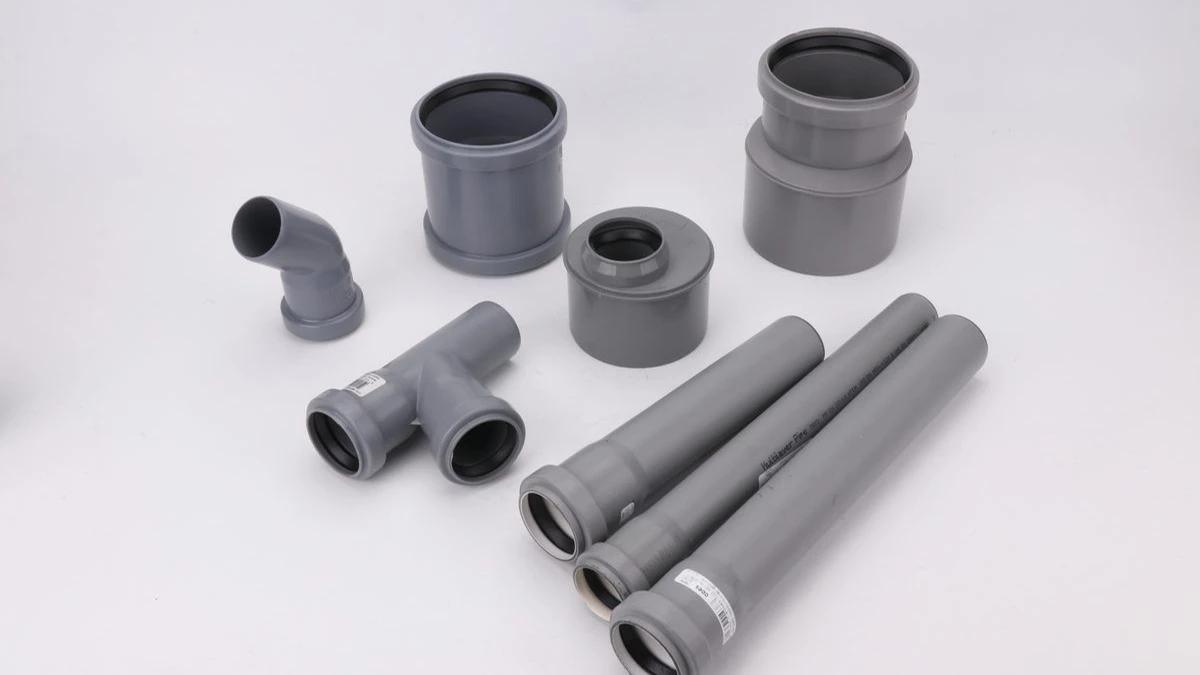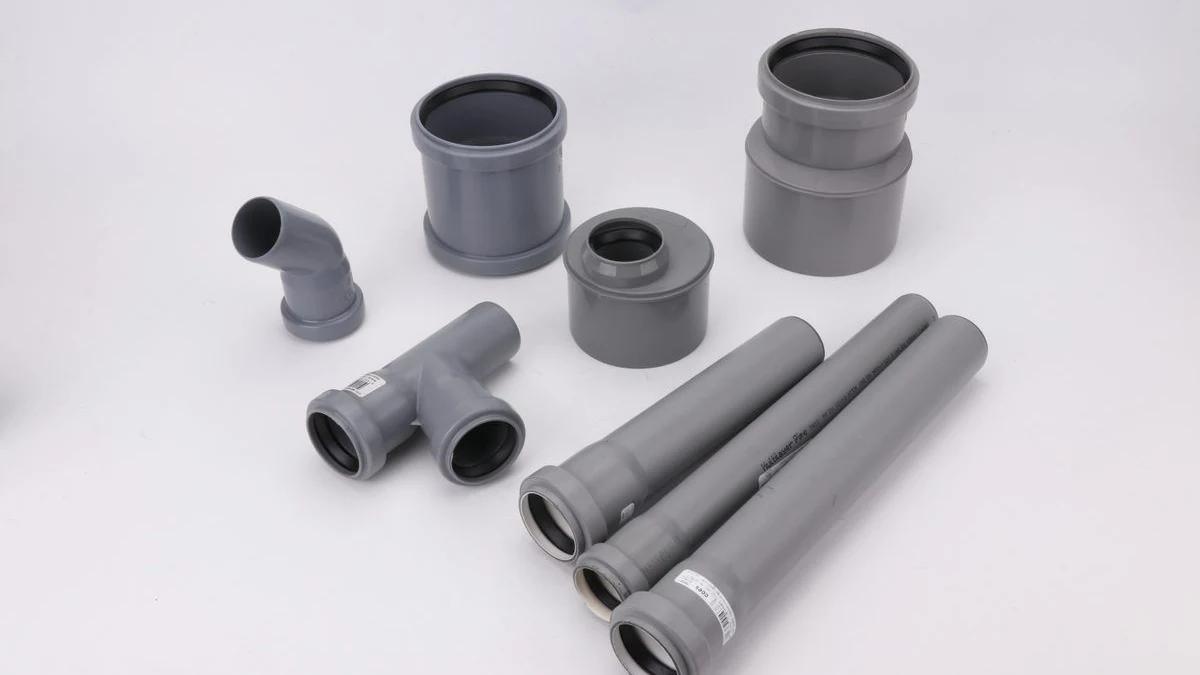

Schedule 40 PVC Conduit: Sizes, Sch 40 vs 80, Uses & How to Cut
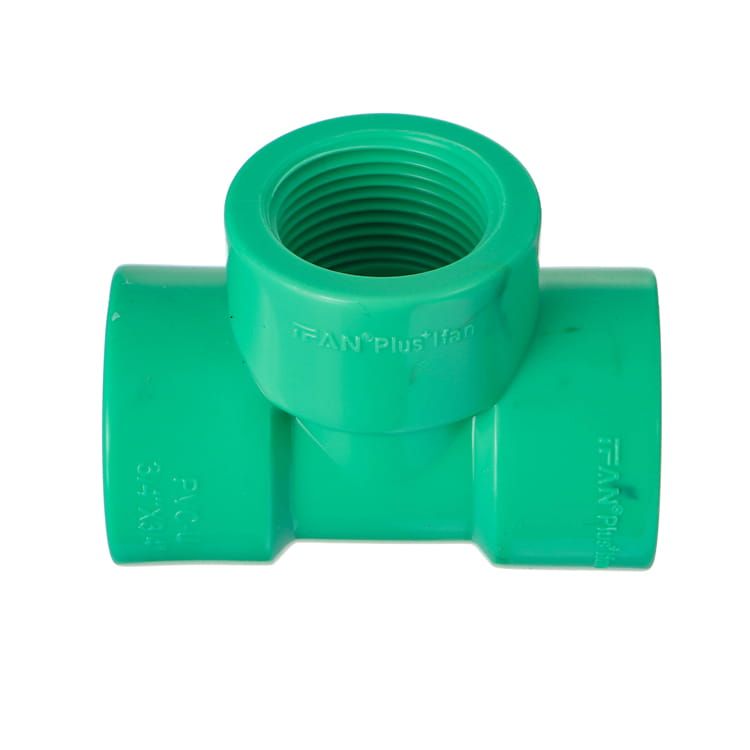
Schedule 40 PVC conduit is the grey, rigid plastic tubing that protects electrical wiring — different from the white Schedule 40 PVC used for water, even though the two share a wall-thickness name. Conduit is made, colored, and rated for electrical work: it resists sunlight, carries a listing for use with wire, and uses its own fittings and cement. Reach for the wrong one, mix conduit with pressure-pipe fittings, or bury it too shallow, and you end up with a run that fails inspection or degrades in the sun. This guide explains what Schedule 40 PVC conduit is, how it differs from PVC pressure pipe and from Schedule 80 conduit, the trade sizes, where it can and can't be used, and how to cut and join it correctly.
The "Schedule 40" name is shared with water pipe but the products are not interchangeable; for the pressure-pipe version and what the schedule number means, see the Schedule 40 PVC pipe guide.
Key Takeaways
- Schedule 40 PVC conduit is grey, rigid electrical raceway — it protects and routes wiring, it does not carry water.
- It looks like white Schedule 40 water pipe but is a different product: sunlight-resistant, electrically listed, sized by trade size, and joined with conduit fittings.
- Schedule 40 vs Schedule 80 conduit: same outside diameter, but Schedule 80 has thicker walls for areas exposed to physical damage.
- Rated for above-ground (sunlight-resistant) and direct-burial use; burial depth follows the electrical code for the circuit.
- Joined by solvent cement into slip fittings — the same cold-weld principle as PVC pipe, using conduit-rated cement.
- Cut square with a saw or PVC cutter and deburr the inside edge so it won't strip wire insulation.

What Schedule 40 PVC Conduit Is
Schedule 40 PVC conduit is a rigid, non-metallic electrical conduit — a raceway that houses and protects electrical conductors. "Schedule 40" describes the wall thickness (the same schedule system used for pipe), and it's the standard-weight conduit for general use. It's made from rigid PVC compounded and colored grey specifically for electrical service: the grey tells anyone on site it's a raceway, not plumbing, and the compound is formulated to resist ultraviolet light so it can run in the open without becoming brittle. Because it's plastic, it's non-conductive, corrosion-proof, light, and cheap — which is why it has largely replaced metal conduit for many residential, commercial, and underground runs. It carries an electrical listing for use with wiring, comes in standard lengths (usually with one belled end so lengths join without a coupling), and uses a family of conduit fittings — couplings, elbows, boxes, and adapters — matched to its trade sizes.
Not sure which vinyl family you are actually working with? Start with the PVC vs uPVC vs CPVC differences — temperature limits, cost order, and which cement each one needs.
Conduit vs Pressure Pipe: Why Grey and White Aren't the Same
This is the mistake that sends people back to the store. Grey Schedule 40 conduit and white Schedule 40 pressure pipe can share a wall-thickness name and look almost identical, but they're built and rated for opposite jobs.
| Sch 40 conduit (grey) | Sch 40 pipe (white) | |
|---|---|---|
| Purpose | Protect electrical wire | Carry water under pressure |
| Sizing | Electrical trade size | Nominal pipe size (NPS) |
| Sunlight | UV-resistant (sunlight-rated) | Not UV-stabilized |
| Pressure rating | None — not a pressure product | Rated PSI at 73°F |
| Fittings | Conduit fittings + boxes | Pressure fittings |
The practical rules that follow: don't use water pipe as conduit outdoors (it isn't UV-stabilized and goes brittle in sun), don't use conduit for a pressurized water line (it carries no pressure rating), and don't mix their fittings — conduit trade sizes and pipe nominal sizes are close but not identical, so a pressure elbow on a conduit run may not seat correctly. Keep the two systems and their fittings separate. For the wider family of PVC and CPVC products and how they're graded, the types of plumbing pipe guide sets out where each belongs.
Schedule 40 vs Schedule 80 Conduit
Both are grey PVC electrical conduit with the same outside diameter per trade size, so they use the same fittings — the difference is wall thickness. Schedule 80 has a thicker wall (and therefore a smaller inside diameter), giving more resistance to crushing and physical impact, at higher cost and a little less wire fill room. Schedule 40 is the standard-weight choice for the majority of runs: exposed walls, ceilings, and underground where the conduit won't be struck. Schedule 80 earns its place where the run is exposed to physical damage — a warehouse wall at forklift height, a bollard-less outdoor stub-up, an industrial floor. A common approach is to run Schedule 40 for the protected majority of a job and switch to Schedule 80 only for the exposed, damage-prone sections, since both share fittings. Don't pay for Schedule 80 everywhere by default; specify it where the impact risk is real and use Schedule 40 for the rest.
Trade Sizes and Where They're Used
Schedule 40 PVC conduit is sold by electrical trade size, typically from 1/2 inch up to 6 inches. The trade size is a designation, not the exact bore — a 1/2-inch conduit's actual dimensions are set by the electrical standard, not a literal half-inch measurement. Smaller sizes (1/2", 3/4", 1") carry branch-circuit and general wiring in homes and light commercial work; mid sizes (1-1/4" to 2") run feeders and larger conductor groups; the big sizes (3" to 6") carry service entrances, underground feeders, and multiple large cables. The size you need is driven by how many conductors of what gauge must fit, because electrical code limits how full a conduit may be (the fill percentage) to keep wire cool and pullable. Oversizing costs money and dig space; undersizing violates fill limits and makes the pull impossible. Work out the conductor fill first, then pick the trade size that satisfies it with margin.

Above Ground, Underground, and Sunlight
Schedule 40 PVC conduit is approved for both exposed above-ground and direct-burial underground use, which is a big part of why it's so widely specified. Above ground it can run in the open because it's sunlight-resistant — the grey compound is UV-stabilized, unlike white water pipe. Underground it resists soil corrosion completely, needs no coating, and is often the cheapest way to get a feeder across a yard. Two code-driven details matter. First, burial depth: the electrical code sets a minimum cover for buried conduit that varies with the circuit and location (a residential branch under a slab differs from a feeder under a driveway), so confirm the required depth for your run. Second, expansion: PVC expands and contracts with temperature more than metal, so long exposed runs in the sun need expansion fittings to absorb the movement, or the conduit bows and stresses its joints. Get depth and expansion right and a PVC conduit run lasts decades in either environment.
How to Cut and Join Schedule 40 PVC Conduit
Cutting and joining conduit is straightforward, and two steps make the difference. To cut, use a fine-tooth saw (a hacksaw or miter saw) or a ratcheting PVC cutter, and cut square so the end seats fully into the fitting. Then deburr — this is the step people skip. A fresh cut leaves a sharp inside ridge that will strip insulation off wire as it's pulled through, so ream the inside edge smooth with a knife, file, or deburring tool. To join, conduit uses the same solvent-weld principle as PVC pipe: apply PVC solvent cement to the pipe end and the fitting socket, push together with a slight twist, and hold briefly. The cement chemically fuses the two into one piece — it's a cold weld, not a glue. Use a cement rated for electrical conduit, work in ventilation, and let the joint set before pulling wire. Square cut, deburred end, cemented slip joint: do those three and the raceway is smooth, sealed, and safe to pull.
PVC Conduit vs Metal Conduit
PVC conduit competes with metal raceways — EMT (thin-wall steel) and rigid metal conduit. PVC wins on cost, weight, corrosion resistance, and speed: it's cheaper per foot, a fraction of the weight, immune to rust in wet and buried locations, and joined by cement rather than threading or crimping. Metal wins where the conduit itself must be mechanically tough or serve as an equipment-grounding path, and in some fire-rated or high-heat locations where plastic isn't permitted. Because PVC is non-conductive, a run of PVC conduit needs a separate equipment-grounding conductor pulled inside it — metal conduit can sometimes serve as the ground itself. For most underground feeders, wet locations, and cost-sensitive branch work, PVC is the default; for exposed industrial runs needing impact strength or metallic grounding, metal still has the edge. Match the raceway to the mechanical and grounding demands of the specific run, and follow the local electrical code, which has the final say on where each is allowed. For sourcing PVC conduit, pipe, and fittings at volume, see the IFAN product range.
Sourcing PVC conduit and fittings at wholesale volume?
IFAN manufactures rigid PVC, UPVC, and CPVC pipe and fittings alongside full PPR and PEX systems — one factory, mixed containers, certificates per shipment. Send your sizes and specs for a quote.
Request a QuoteCommon Schedule 40 PVC Conduit Mistakes
Using white water pipe as conduit outdoors. It isn't UV-stabilized and turns brittle in sunlight. Use grey, sunlight-rated conduit for exposed runs.
Skipping the deburr. A sharp inside edge strips wire insulation during the pull. Ream every cut end smooth before joining.
Mixing conduit and pressure-pipe fittings. Trade sizes and nominal sizes differ slightly, so the joint may not seat. Keep conduit and pipe fittings separate.
Ignoring expansion on long sun-exposed runs. PVC moves with temperature; without expansion fittings the run bows and stresses joints. Add them on long exposed lengths.
Forgetting the grounding conductor. PVC doesn't conduct, so it can't ground equipment. Pull a separate grounding conductor inside the run.
Frequently Asked Questions
Is Schedule 40 PVC conduit the same as Schedule 40 PVC pipe?
No. They share a wall-thickness name but are different products. Conduit is grey, UV-resistant, electrically listed, sized by trade size, and carries no pressure rating; pressure pipe is white, sized by nominal pipe size, and rated for water pressure but not sunlight. Their fittings differ too, so they aren't interchangeable — use conduit for wiring and pressure pipe for water.
Can Schedule 40 PVC conduit be used outdoors and underground?
Yes to both. It's rated for exposed above-ground use because the grey compound is sunlight-resistant, and it's approved for direct burial, where it resists soil corrosion. Underground runs must meet the electrical code's minimum burial depth for the circuit, and long exposed runs need expansion fittings to absorb temperature movement.
What is the difference between Schedule 40 and Schedule 80 conduit?
Same outside diameter and fittings, different wall thickness. Schedule 80 has a thicker wall (smaller bore) for resistance to physical damage, used where the conduit is exposed to impact. Schedule 40 is the standard-weight choice for protected and underground runs. Many jobs use Schedule 40 for the bulk of the run and switch to Schedule 80 only for damage-prone sections.
How do you cut PVC conduit?
Cut it square with a fine-tooth saw or a ratcheting PVC cutter so the end seats fully into the fitting, then deburr the inside edge with a knife, file, or reamer. The deburr is essential — a sharp inside ridge strips wire insulation during the pull. After cutting and deburring, join with PVC solvent cement rated for conduit.