
How to Source From a China Pipe Manufacturer: The Complete Buyer's Playbook
Working with a China pipe manufacturer comes down to eight controllable steps: map the product systems you need, choose a buying channel, verify the factory is real, match certifications to your market, get a quote you can compare, test samples, lock payment and shipping terms, and inspect before the container sails. Buyers who run all eight steps buy at the factory's actual price instead of a trader's marked-up version of it. Buyers who skip the verification and inspection steps fund most of the horror stories you read on importer forums.
This playbook walks through the entire process for plumbing and water-system pipe — PPR, PVC, HDPE, PEX, CPVC and brass valves — from first search to cleared container. It draws on the export-desk routine at IFAN Group, which has manufactured pipe systems in Zhejiang since 1993 and ships to distributors in 120+ countries, and it links down to the detailed guides on each step where you need more depth.

Key Takeaways
- Standard payment for a first pipe order is a 30% deposit and 70% against the bill of lading copy, by telegraphic transfer to a bank account that matches the factory's registered company name.
- A real factory quote is per-item FOB with material grade, standard and pressure class stated — a single blended "per ton" price is a trading-company tell.
- Verify the supplier on China's official company register (gsxt.gov.cn) before wiring anything: the business scope must say "manufacturing," not "trading."
- Workable MOQ for factory-direct pipe is one container, and good factories let you mix sizes and product families inside it — IFAN loads PPR, PVC and brass in the same box.
- Match certificates to your market before ordering: DIN 8077/8078 and ISO 15874 for the product, plus SASO (Saudi Arabia), SONCAP (Nigeria) or NOM (Mexico) where your customs requires them.
- A first order realistically takes 8-12 weeks door to door: 2 weeks vetting and samples, 3-4 weeks production, 4-6 weeks ocean freight and clearance.
- Book a third-party pre-shipment inspection (roughly $300 per man-day) on the first three orders; it is the cheapest insurance in the whole chain.
In this guide
- Why pipe buyers go to China — and where the factories are
- The product map: what one factory can supply
- Factory, trading company or platform: pick a channel
- Where to find real pipe factories
- Verification before you pay anything
- Certifications by market
- Getting a quote that means something
- Samples and material checks
- MOQ and container planning
- Payment terms and Incoterms
- Quality control before shipment
- Shipping, documents and customs
- The end-to-end first-order timeline
- Is factory-direct right for you?
- What we check before accepting an order
- Seven red flags that end a negotiation
- FAQ
Why Pipe Buyers Go to China — and Where the Factories Actually Are
China produces more plastic pipe than any other country, and the reason is structural rather than just labor cost. The industry sits in dense regional clusters where resin supply, extrusion machinery, mold shops and port logistics share the same hundred-kilometer radius. Zhejiang and the wider Yangtze delta concentrate PPR, PEX, brass valves and fittings; Shandong and Hebei lean toward large-diameter HDPE and steel; Guangdong runs strong in PVC and export consolidation. When a mold, a resin batch and a container yard are all a short truck ride apart, the factory quotes prices a single-site producer elsewhere cannot reach.
For the PPR segment specifically, our guide to the major Chinese PPR pipe manufacturers names the verified players and the import audit.
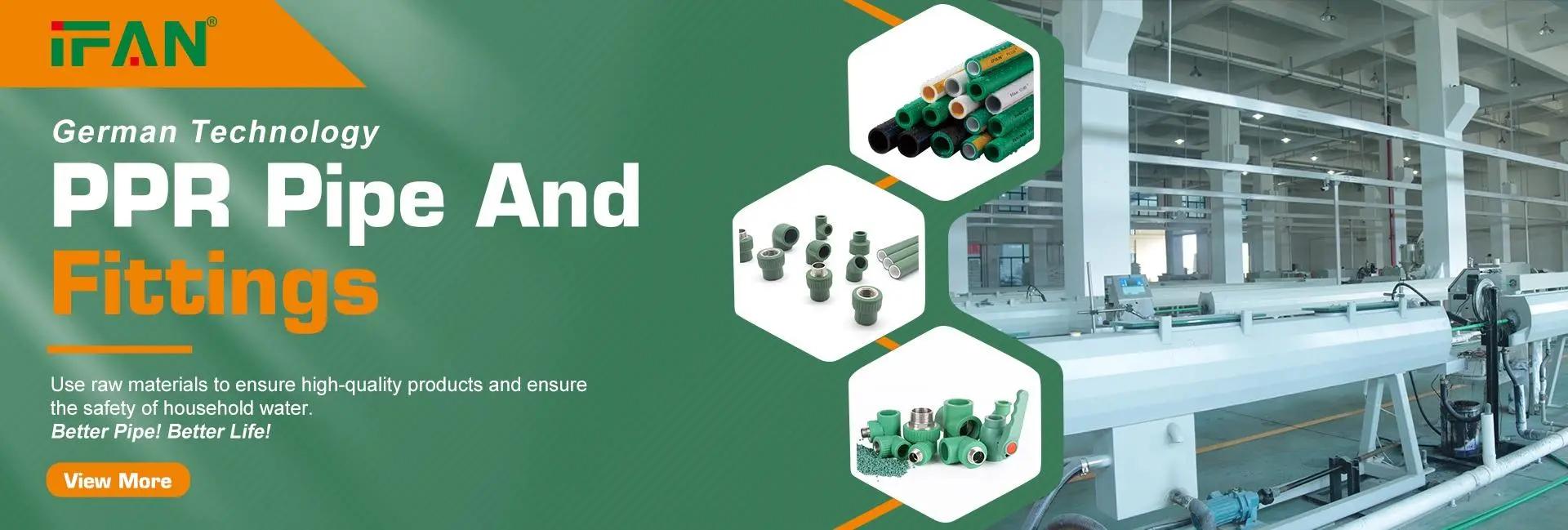
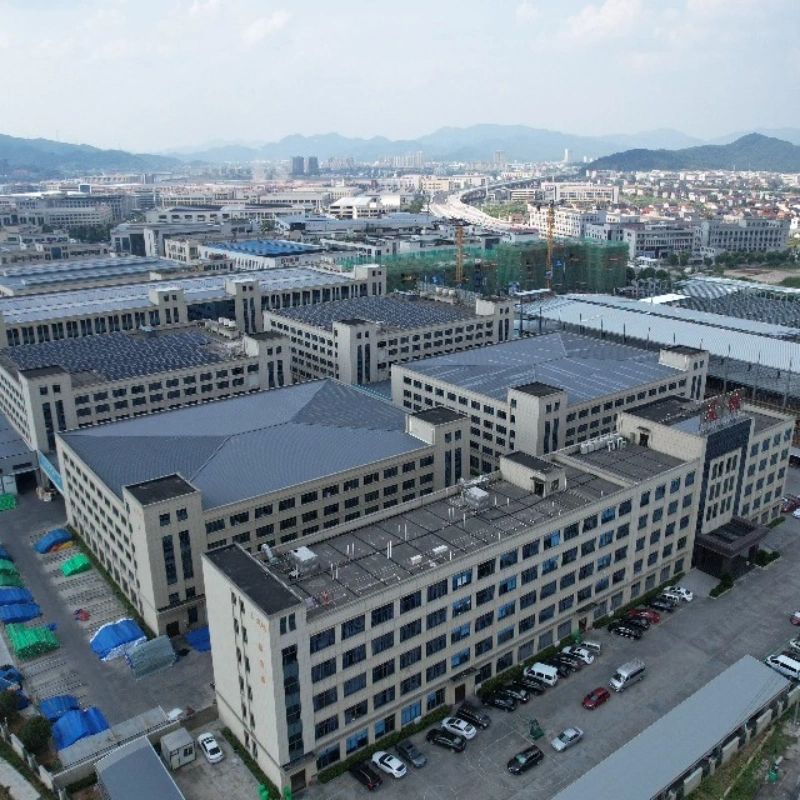
Clustering also changes what you should expect from a supplier. Inside a cluster, a genuine manufacturer typically runs deep in one or two product families and buys the rest from neighbors. A supplier claiming to make everything from PPR to steel flanges under one roof is usually assembling a catalog, not running production lines. IFAN's own footprint is a useful benchmark for scale: a 120,000m² smart factory in Zhejiang, 30+ automated extrusion lines, an in-house injection molding and mold workshop, and an ISO testing lab — that is what a full-line plastic-pipe manufacturer physically looks like. Ask every candidate what they extrude themselves and what they source; the honest answer tells you more than the catalog does.
The Product Map: What One Pipe Factory Can Supply
Before contacting anyone, write down which systems your market actually buys, because "pipe" is six different businesses with different standards, resins and price logic. A distributor in Accra restocks PPR hot-water lines and PVC drainage in a 60/40 rhythm; a municipal contractor in Nairobi needs HDPE pressure mains; a hardware chain in Mexico City moves CPVC and brass angle valves. Ordering across systems from one verified factory cuts your vetting workload and lets you consolidate containers — but only if that factory really manufactures the families you need.
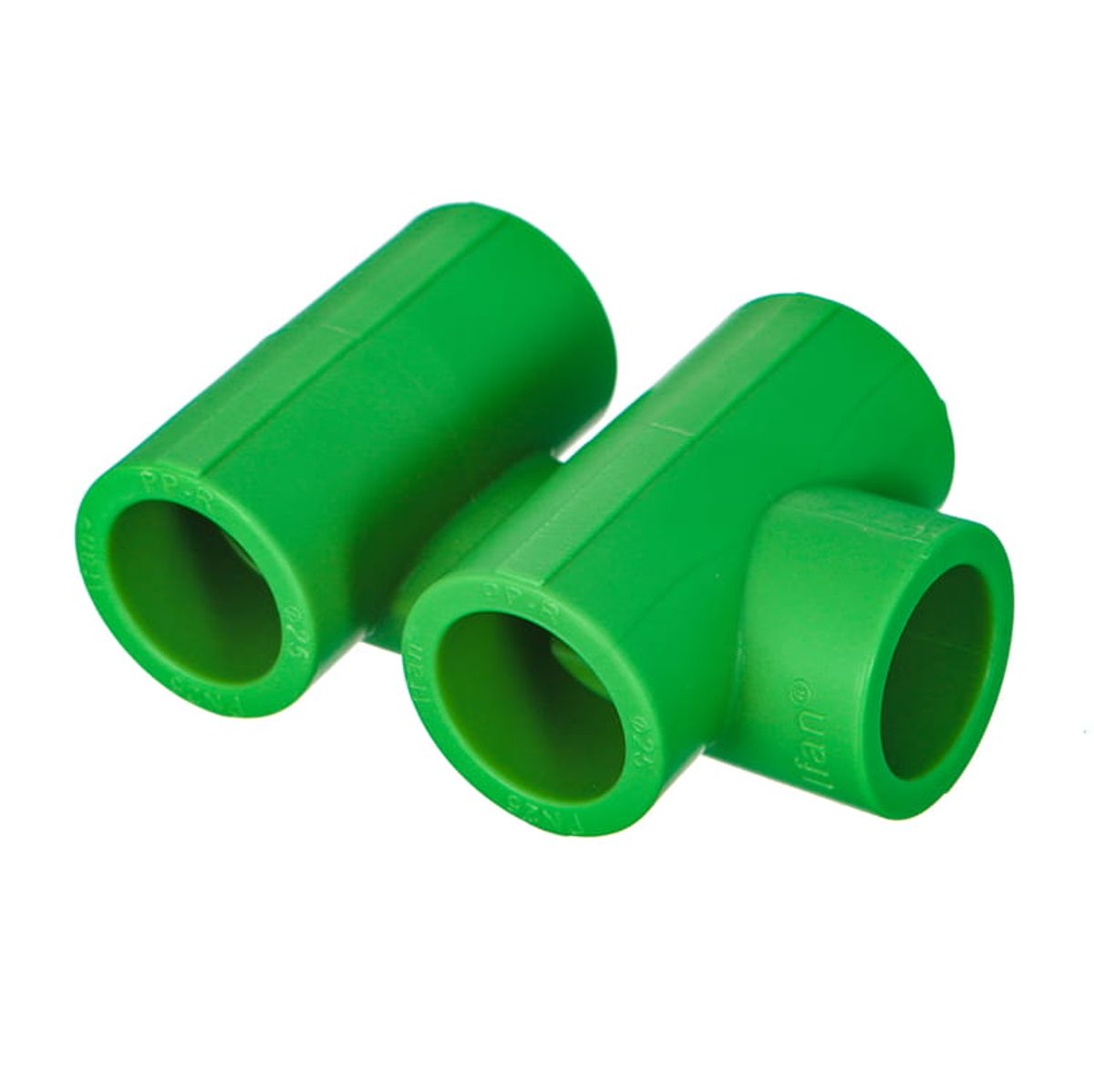
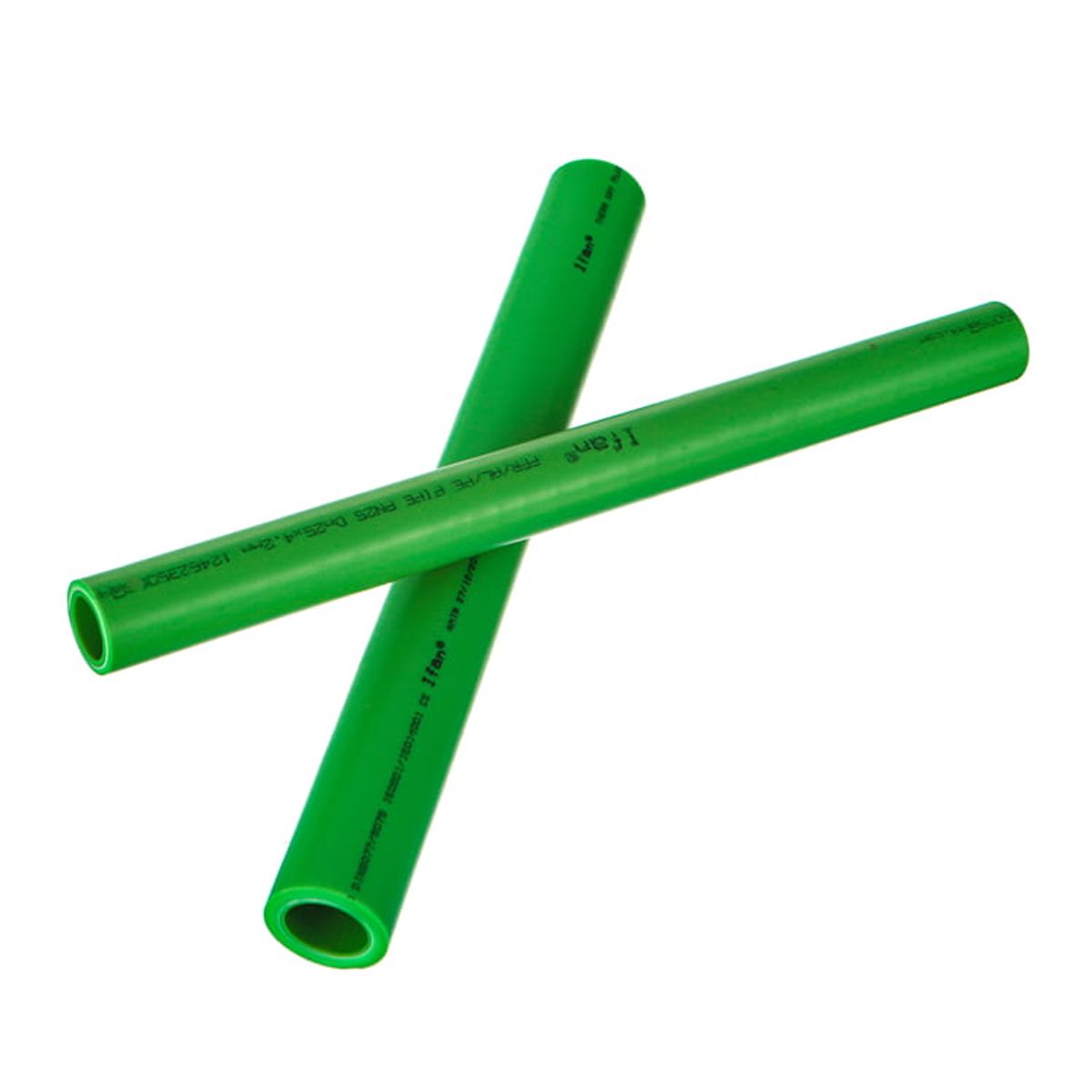
The table below maps the six families most import distributors carry, the standards that govern each, and the detailed guide for that system in this library. The full product catalog shows current SKU depth per family — IFAN alone runs 3,000+ PPR SKUs, which is the level of depth that signals in-house production rather than resale.
Pipe systems you can source from China — standards and guides
| System | Main use | Core standards | Deep-dive guide |
|---|---|---|---|
| PPR pipe & fittings | Hot/cold pressure water inside buildings | DIN 8077/8078, ISO 15874 | PPR sizes & pressure ratings |
| PVC / uPVC | Drainage, sewer, storm | EN 1401, ISO 4435, ASTM D2665 | PVC drainage complete guide |
| HDPE (PE100) | Buried pressure mains, irrigation, mining | ISO 4427, EN 12201 | HDPE pipe complete guide |
| PEX & multilayer | Radiant heating, potable retrofit | ISO 15875, ASTM F876 | PEX pipe guide |
| CPVC | Hot-water pressure, industrial fluids | ASTM D2846, ISO 15877 | CPVC pipe guide |
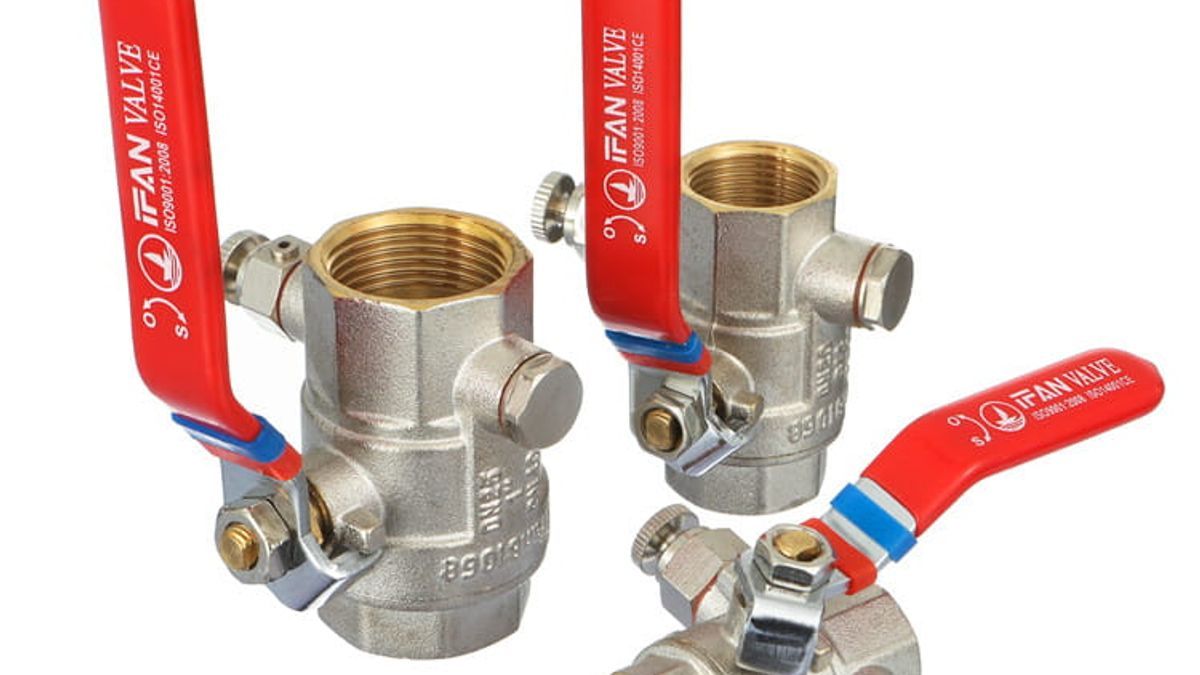
| Brass valves & fittings | Isolation, regulation, metering points | EN 12165 (CW617N), ISO 228 threads | Brass ball valve guide |
Factory, Trading Company or Platform: Pick Your Channel First
Every China sourcing route ends at a factory gate; the channels differ in how many hands touch the goods — and your margin — on the way. A trading company adds a markup that commonly runs 10-20% and controls the information flow in both directions, which matters more than the money: when a batch fails, you negotiate with someone who did not make it. Platform listings on Alibaba or Made-in-China mix genuine factories with traders wearing factory photos, and the platform's own escrow favors small trial orders over container economics. Factory-direct takes more vetting up front and repays it on every reorder.
Position taken: for a distributor moving one or more containers per quarter, factory-direct is the only channel where the math works long-term. The full teardown with real price mechanics is in the factory vs trading company vs Alibaba comparison; the short version is below.
Sourcing channels compared
| Channel | Real price level | Fits | Main risk |
|---|---|---|---|
| Factory direct | Baseline (lowest sustainable) | Container buyers, repeat restock | Vetting effort falls on you |
| Trading company | Baseline +10-20% | Multi-category consolidation, tiny lots | No control of the actual maker |
| B2B platform listing | Opaque — trader and factory prices mixed | First contact, sample-stage trials | Identity of the seller unclear |
| Sourcing agent | Baseline +3-8% commission | Buyers with no China presence, mixed SKU baskets | Agent quality varies wildly |
Where to Find Real Pipe Factories
Four channels produce most verified factory relationships, in rising order of effort. First, trade fairs: the Canton Fair (April and October, Guangzhou) has a building-materials phase where pipe manufacturers exhibit with physical product you can handle; collect business cards and photograph booth numbers, because the booth-holder name is checkable against the company register later. Second, independent factory websites — search the product plus a standard ("PPR pipe DIN 8077 manufacturer") rather than generic phrases, since a producer that publishes standards, pressure classes and test data is pre-qualifying itself. Third, referrals from non-competing importers in neighboring markets; a Ghana distributor and a Kenya distributor do not compete, and the recommendation carries real information. Fourth, platform search used correctly: filter for suppliers with audited "verified manufacturer" status, then take the vetting off-platform.
Skip ranked "top 10 manufacturer" lists. Most are published by one of the companies on the list, and position is editorial, not earned. Build a shortlist of five candidates from the four channels above instead — five is enough for real comparison and few enough to vet properly in two weeks.
Verification: Prove the Factory Is Real Before You Pay Anything
Every check in this section is free or nearly free, and together they filter out the two failure modes that cost importers real money: paying a trader factory prices, and paying a shell company anything. Start with the business license. Every legal Chinese company has a Unified Social Credit Code searchable on the government's National Enterprise Credit Information system; the record shows the registered name, capital, address and — the line that matters — the business scope. "生产" (production/manufacturing) in scope with a registered address in an industrial zone is a factory signature. A scope reading "贸易" (trade) with an office-tower address is a trading company, whatever the website says.
Then triangulate. Certificates name their holder: a DIN or ISO certificate issued to a different company than the one quoting you means you are talking to a reseller. Ask for a live video walkthrough of the extrusion floor — a real factory does this on the first call, while a trader stalls or offers stock footage. Check catalog shape: 3,000 SKUs deep in one product family is production; 300 SKUs wide across forty categories is a catalog assembled from neighbors. For orders above roughly $50,000, commission a third-party on-site audit (SGS, TÜV, Bureau Veritas all offer them in the $300-600 range) and treat any resistance to the audit as the answer. The complete routine, with the seven checks in order, is in the manufacturer verification guide.
Document checklist — what each one proves
| Document | What it proves | Red flag |
|---|---|---|
| Business license (USCC) | Legal identity, manufacturing scope, real address | "Trade" scope, office-tower address |
| Product certificates (DIN/ISO/CE) | The quoting company holds the certification | Holder name differs from quote |
| Batch test reports | Ongoing production QC, not a one-time cert | Only marketing certificates, no batch data |
| Export record / customs data | Ships to markets like yours already | No export history, domestic-only record |
| Bank account details | Payee = registered company (not a personal account) | Personal or third-company beneficiary |
If your program needs custom molds, private labeling or your own brand on the pipe strip, verification gets one more step: confirm the factory runs its own mold workshop, because outsourced tooling adds 4-6 weeks and a quality interface you cannot see. The OEM manufacturing page shows what an in-house tooling-to-extrusion chain looks like and what it needs from your side to start.
Certifications: Match the Paper to Your Market
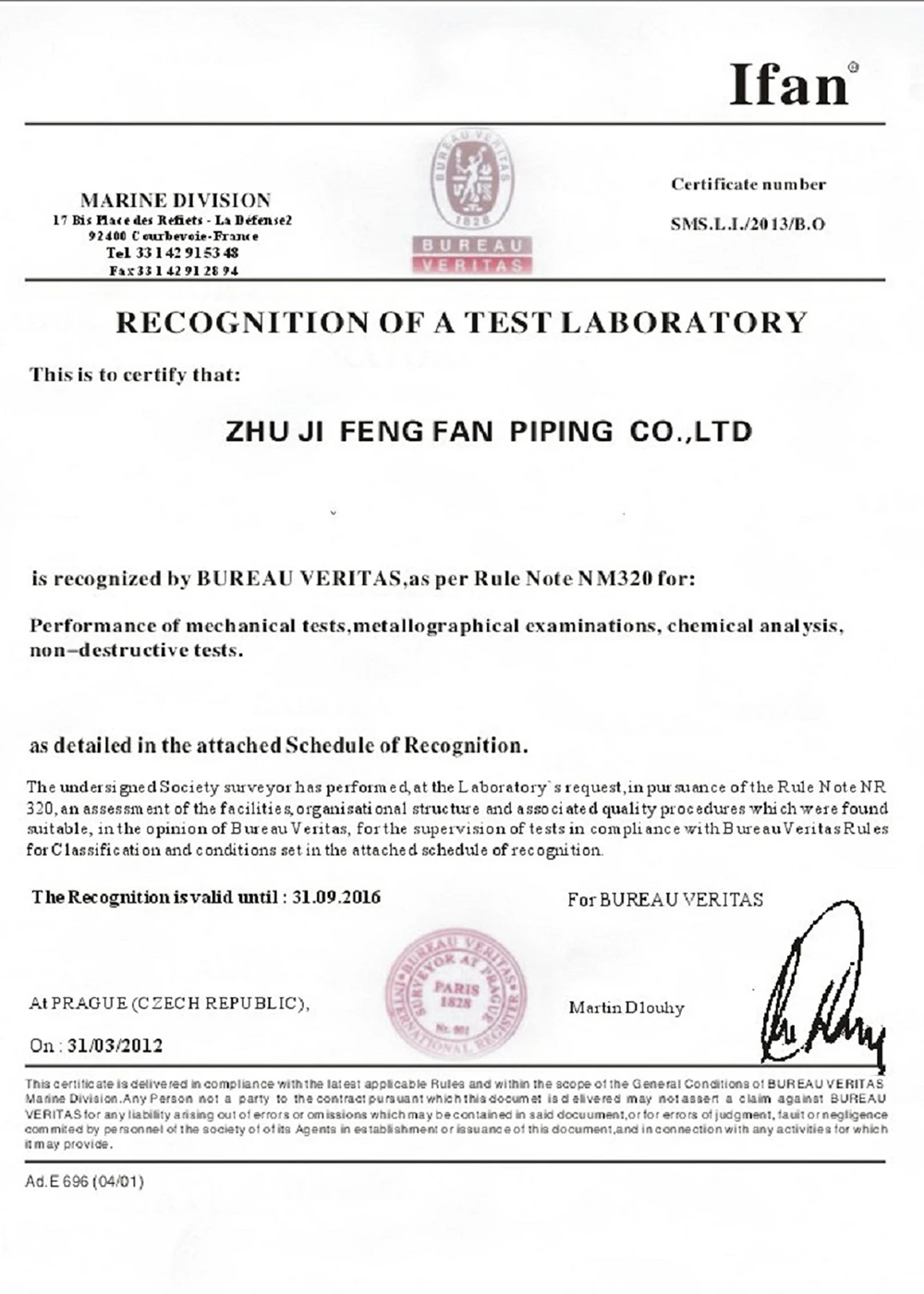
Two certificate layers matter, and importers regularly confuse them. Product standards prove the pipe itself performs: for PPR that is DIN 8077/8078 (dimensions and internal pressure) and ISO 15874 (hot and cold water systems), typically evidenced by third-party test reports from labs like SGS. Market-entry conformity programs prove the shipment may enter your country: SASO certification for Saudi Arabia, SONCAP for Nigeria, NOM marking for Mexico, and equivalents elsewhere. A factory can hold perfect DIN certificates and still get your container held at Lagos if the SONCAP paperwork was never opened — these programs are shipment-level, not factory-level, and they typically must be initiated before the goods sail.
The practical rule: name your destination country in the first inquiry email and ask which conformity certificates the factory has processed for that market in the last year. An exporter genuinely shipping to your region answers with program names and timelines; one that has not will improvise. Requirements change and vary by product class, so confirm the current documentary set with your customs broker before the order confirms — the certification guide by market maps the major programs, and the Nigeria-specific walkthrough covers SONCAP, HS codes and clearance step by step.
Getting a Quote That Means Something
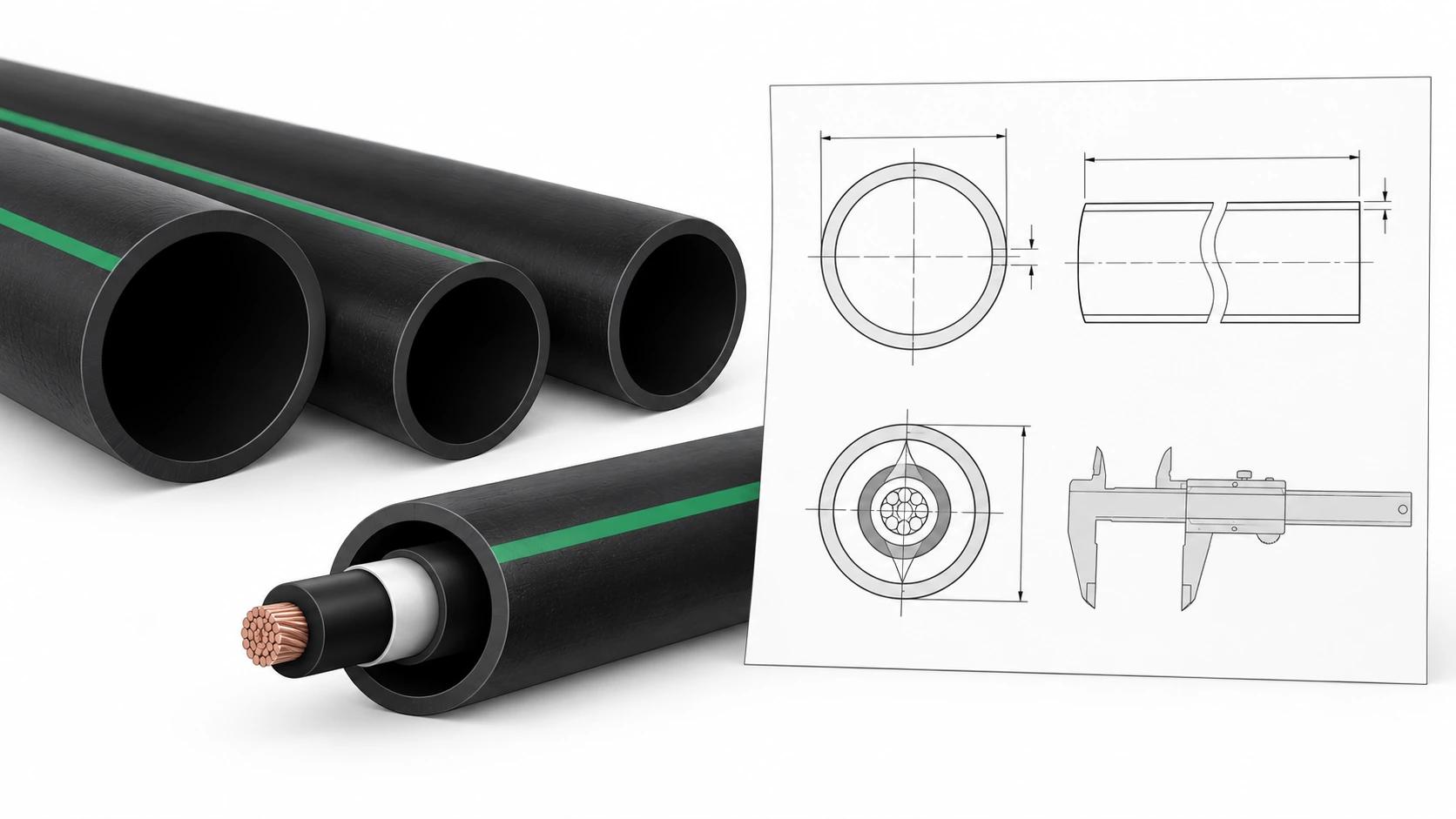
A comparable quote needs five inputs from you, so send them in the first message: product list with sizes and pressure classes (for PPR: DN20-DN160, PN12.5-PN25), the standard you buy against, order volume in container terms, destination port, and required certificates. Factories triage inquiries by how much rework the buyer will cost them; a complete inquiry gets an engineer's answer, a one-line "send price list" gets a template. Ask explicitly for per-item FOB pricing with the material grade stated — 100% virgin PP-R 100-grade resin against a stated standard — because that phrasing forces the quote onto a comparable basis.
Read the quotes for structure before price. Raw resin is the dominant cost in plastic pipe, and resin prices track oil; a factory quote normally holds for 15-30 days for exactly that reason. A quote that undercuts the field by 15%+ has removed something — recycled regrind in the core, thinner walls at the tolerance floor, or a pressure class that will not survive testing. The price breakdown guide itemizes what drives cost per kilogram and where negotiation actually has room (packing, consolidation, payment schedule) versus where it does not (resin grade, wall thickness).
Samples and Material Checks
Serious factories send samples before any order — IFAN's export desk does this as standard — and the sample stage is where you catch material games cheaply. Weigh the sample: wall thickness drives weight, so compare it against the standard's nominal weight per meter — a persistent shortfall means thin wall somewhere, whatever a caliper says at one measuring point. Cut it: virgin PP-R shows a uniform, slightly translucent cross-section, while recycled blends show gray streaking or a darker core layer. Burn a sliver in ventilated space: virgin polypropylene burns clean with a candle-wax smell; heavy black smoke suggests filler and regrind. None of these replace a lab, and all three catch the crude fraud tier before it reaches a container.
For the lab tier, ask for the batch's density and melt-flow test data — virgin PP-R sits near 0.9 g/cm³ and drifts upward with mineral filler — and have a local lab or a third-party inspector verify one sample per new supplier. The full test sequence, field and lab, is in the virgin vs recycled PP-R guide. Pay for samples and the courier without negotiating: $50-150 in sample logistics against a $30,000 container is the best-priced information in the entire process.
MOQ and Container Planning
Factory-direct pipe MOQ is best understood in container terms: one full container is the working minimum at most real factories, IFAN included — and the useful question is not "how low is the MOQ" but "can I mix sizes and product families inside the box." Mixing is what makes one container a viable shop inventory: PPR pipe in the common DN20-DN32 sizes, matching fittings in proportion (a workable starting rule is one fitting set per 3 meters of pipe in retail markets), a case of brass valves, PVC drainage to round out volume. A factory that forces one-SKU-per-container is optimizing its own production schedule at your inventory's expense.
Volume math decides your freight cost per unit. Pipe is bulky and light — a 40ft high-cube fills by volume long before weight — so load factor depends on nesting smaller pipes inside larger ones and packing fittings into the gaps. The container loading guide carries the quantity tables for 20ft and 40ft by size mix; use it to sanity-check any factory's loading plan before booking. LCL (less than container load) works for a genuine first trial, and its per-cubic-meter rate is high enough that the second order should already be FCL.
Payment Terms and Incoterms Without the Mystery
The standard first-order structure across the industry is a 30% deposit by telegraphic transfer to start production and 70% against a copy of the bill of lading. That split prices the risk fairly on both sides: the factory covers resin purchase with the deposit; you hold the balance until the goods are demonstrably on the water. Pay only to the bank account whose beneficiary name matches the registered company name from the license check — the single most common China sourcing fraud is a hijacked email thread swapping in a different account at payment time, so verify new account details by video call, not by email reply. Letters of credit make sense above roughly $100,000 order value; below that, banks' LC fees eat the protection.
Incoterms decide what the quoted price contains, and comparing an FOB quote against a CIF quote is comparing different products. The definitions live with the International Chamber of Commerce; the working choices for pipe imports are three.
Incoterms for a pipe container — who pays what
| Term | Factory covers | You cover | Best when |
|---|---|---|---|
| FOB | Goods loaded at Chinese port, export clearance | Ocean freight, insurance, import clearance | You have a freight forwarder you trust |
| CIF | FOB + freight + minimum insurance to your port | Import duty, clearance, inland delivery | First orders, no forwarder relationship yet |
| DDP | Everything to your warehouse door, duties paid | The all-in price only | Rarely optimal — you fund opaque margins |
Take FOB once you have your own forwarder: it keeps freight competitive and keeps the shipping documents in your control. CIF is a fair training-wheels term for order one. DDP hides the duty and clearance line items inside someone else's margin, and pipe's high volume-to-value ratio makes those hidden lines expensive.
Vetting Chinese pipe factories for a container program?
If you distribute pipe in Africa, Latin America, the Middle East or Southeast Asia and want factory-direct pricing with per-shipment batch certificates, send your size list — we'll quote PPR, PVC, HDPE, PEX and brass from one Zhejiang factory, mixed containers welcome, samples first.
Request a QuoteQuality Control Before the Container Sails
Everything before this point is paperwork; pre-shipment inspection is where the paperwork meets the pallet. Book a third-party inspector (SGS, Intertek, Bureau Veritas, TÜV or a vetted local service) for the day the order is 100% produced and at least 80% packed. The inspector samples to an AQL plan under ISO 2859-1, checks dimensions against the standard's tolerance tables, verifies wall thickness at multiple clock positions, witnesses a hydrostatic pressure test, and photographs carton marks against your packing list. Cost runs around $300 per man-day — against a $30,000 container, that is one percent for the only independent eyes in the chain.
Release the 70% balance only after the inspection report passes. A factory confident in its line welcomes this sequence; hesitation about independent inspection is a walk-away signal at any price. What a proper per-shipment report contains — the sampling math, the DIN 8077 tolerance lines, hydrostatic and OIT results — is documented in the quality control report guide, and batch certificates should then travel with every future shipment as a standing term, the way IFAN issues them per shipment by default.
Shipping, Documents and Customs Clearance
A pipe container clears customs on a documentary set of five, plus whatever your market's conformity program adds: commercial invoice, packing list, bill of lading, certificate of origin (often the preferential form your customs union recognizes), and the product test certificates. Plastic pipe generally enters under HS heading 3917 (plastic tubes, pipes and fittings) with sub-codes and duty rates that vary by country and product detail — classify with your broker before the goods ship rather than accepting the factory's guess, since the factory's HS code optimizes Chinese export rebates, not your import duty. Get the draft bill of lading and draft invoice checked by your clearing agent before the vessel departs; amending a B/L after sailing costs money and days.
Ocean transit from Ningbo or Shanghai runs roughly 25-35 days to West Africa, 20-30 to East Africa, 25-40 to Latin America, and 10-18 to the Gulf, before clearance time at destination. Documentation errors, not vessels, cause most delays: a consignee name that differs from the import license, a missing conformity certificate, an invoice value that disagrees with the packing list. A complete worked example — Nigeria's SONCAP flow, Form M, PAAR and duty math — is in the importing to Nigeria guide, and the same discipline transfers to any destination: build the document checklist with your broker at order time, not at arrival.
The End-to-End Timeline: An Illustrative First Order
Here is how the whole chain assembles for a representative first order — a distributor in Accra buying a mixed 40ft high-cube of PPR pipe, fittings and brass valves. The scenario is illustrative, and the stage durations reflect the normal working ranges seen at the export desk.
First-order timeline — inquiry to warehouse
| Stage | Time | What happens |
|---|---|---|
| Shortlist & verify | Week 1-2 | 5 candidates → license checks, video tours → 2 finalists |
| Samples & quote | Week 2-3 | Courier samples, weight/cut/burn checks, per-item FOB compared |
| Contract & deposit | Week 3-4 | PI signed, 30% TT to verified corporate account, conformity program opened |
| Production | Week 4-8 | Extrusion, molding, packing; weekly photo updates against the packing list |
| Inspection & balance | Week 8-9 | Third-party AQL inspection passes → 70% balance → container loads |
| Ocean & clearance | Week 9-14 | ~30 days Ningbo→Tema, documents pre-lodged, cleared to warehouse |
Reorders compress dramatically because weeks 1-3 disappear: a restock cycle against a known factory runs production plus transit, commonly 7-9 weeks to West Africa. That cycle time is why distributors hold 2-3 months of stock and place the next order when inventory hits the halfway mark, not when it runs out.
Is Factory-Direct From China Right for Your Business?
Factory-direct sourcing is a volume game with a fixed overhead of vetting, inspection and freight management. That overhead amortizes beautifully over containers and brutally over cartons. An honest segmentation:
Factory-direct pipe sourcing — best for / not for
| Best for | Not the right channel for |
|---|---|
| Building-materials distributors restocking a container or more per quarter | Shops needing less than one mixed container per year |
| Project and municipal procurement with defined standards and volumes | One-off project buyers needing goods on site in under 4 weeks |
| Hardware chains consolidating PPR, PVC, PEX and valves in mixed boxes | Buyers who cannot fund a 30% deposit across a 10-14 week cycle |
| Importers building an own-brand program on OEM production | Retail-quantity buyers — use a local wholesaler carrying factory brands |
If you land in the right-hand column today, the pragmatic path is buying a Chinese factory's product through your local importing distributor and switching to direct containers when your volume crosses the line. Several IFAN distribution partners started exactly that way.
What We Check Before Accepting a New Distributor Order

Verification runs both directions, and it is fair that buyers see the factory's side of the checklist. Before IFAN's export desk confirms a first order, it walks a fixed sequence: the destination market's certificate set is confirmed against the product list (SASO, SONCAP, NOM or other programs opened before production, not after); samples ship before the proforma invoice is signed; the container plan is drawn size-by-size so mixed loads nest efficiently rather than shipping air; the packing list, carton marks and pipe-strip printing are approved by the buyer in writing; and every shipment is booked with its batch certificate from the ISO testing lab attached to the documents. Orders start at one container with mixed sizes accepted, samples travel first, and full export documentation with customs clearance support is part of the standard scope, FCL or LCL.
One more policy worth stating because buyers ask: the channel is strictly distributor and project wholesale — no retail on Amazon or Alibaba competing against the distributors the factory supplies. A factory that sells around its own importers is a factory training its customers to leave.
Seven Red Flags That Should End a Negotiation
A price 15%+ below every other quote. Resin is a commodity; nobody's polymer is that much cheaper. The gap is coming out of the pipe wall or the resin grade.
The bank account name differs from the company name. Legitimate exporters are paid into corporate accounts matching their license. No exceptions, no "our boss's other company."
Certificates in someone else's name. That is a reseller borrowing a factory's paperwork — you lose traceability the day a batch fails.
Resistance to third-party inspection. The only reason to refuse independent eyes is what independent eyes would see.
No live video of the production floor. Every real factory can point a phone at its extrusion lines within a day. Stock footage and stalling mean the lines belong to someone else.
"Any certificate you need" answered instantly. Genuine conformity programs take weeks and cost money. A supplier promising every certificate overnight is describing a printer, not a compliance process.
Pressure to pay 100% upfront for a "discount." The 30/70 structure exists because it balances risk. A counterparty pushing all the risk to your side has told you how the relationship will run.
Conclusion
Sourcing from a China pipe manufacturer rewards process over instinct: verify the license before the relationship, match certificates to your customs before production, test samples before the deposit, and inspect before the balance. Run that sequence and factory-direct pricing is a durable margin advantage rather than a gamble. If you distribute pipe systems and want a Zhejiang factory that has worked this playbook with importers in 120+ countries since 1993, send your size list for a mixed-container quote — samples first, batch certificates on every shipment.
Frequently Asked Questions
How do I import pipes directly from a Chinese factory?
Shortlist manufacturers, verify each on China's company register (gsxt.gov.cn), test courier samples, agree per-item FOB pricing and a 30/70 payment split, book a third-party pre-shipment inspection, and clear customs with a broker who confirmed your HS codes and conformity certificates before sailing. First orders take 8-12 weeks door to door.
Do I have to pay import duties on pipes from China?
In most markets yes — plastic pipe typically enters under HS heading 3917 and the duty rate depends on your country, the sub-code and any trade agreements in force. Some markets add conformity program fees (SONCAP, SASO, NOM). Confirm the landed-cost math with a licensed customs broker before ordering.
What is the typical MOQ at a China pipe factory?
One container is the working minimum for factory-direct pricing, and good manufacturers accept mixed sizes and product families in the same box — IFAN's MOQ is one container, mixed sizes welcome. Suppliers advertising carton-level MOQs at factory prices are usually traders repackaging stock.
How do I verify a Chinese pipe supplier is a real manufacturer?
Check the business license scope on gsxt.gov.cn for "manufacturing" and an industrial-zone address, confirm certificates are issued in the same company name, ask for a live video tour of the extrusion floor, and for larger orders commission a $300-600 third-party audit. A trading company fails at least two of those four.
What payment terms are standard for a first pipe order?
A 30% deposit by bank transfer to start production and 70% against the bill of lading copy is the industry standard. Pay only to a corporate account matching the registered company name, verify account details by video call, and consider a letter of credit above roughly $100,000 order value.
Which certifications should a pipe shipment from China carry?
Two layers: product standards proving performance — DIN 8077/8078 and ISO 15874 for PPR, EN 1401/ISO 4435 for PVC drainage, ISO 4427 for HDPE — plus your market's entry program such as SASO, SONCAP or NOM where applicable. Batch test certificates should accompany every shipment, not just the first.
How long does shipping a pipe container from China take?
Ocean transit from Ningbo or Shanghai runs about 25-35 days to West Africa, 20-30 to East Africa, 25-40 to Latin America and 10-18 to the Gulf, plus destination clearance. Add 3-4 weeks of production before sailing; a full reorder cycle to West Africa commonly lands at 7-9 weeks.
Can I mix different pipe products in one container?
Yes, and you should — mixing PPR pipe, fittings, PVC drainage and brass valves in one box matches how shops actually restock and improves the volume-to-value ratio of the load. Smaller pipes nest inside larger ones and fittings fill the gaps; ask the factory for a size-by-size loading plan before booking.
Written by the IFAN Group export team — manufacturing PPR, PVC, HDPE, PEX and brass systems at a 120,000m² factory in Zhejiang, China since 1993, supplying building-materials distributors in 120+ countries. Product data reflects IFAN factory specifications; compliance points vary by market and should be confirmed with your customs broker.