
HDPE vs PVC vs PPR Pipe: How to Choose the Right Material
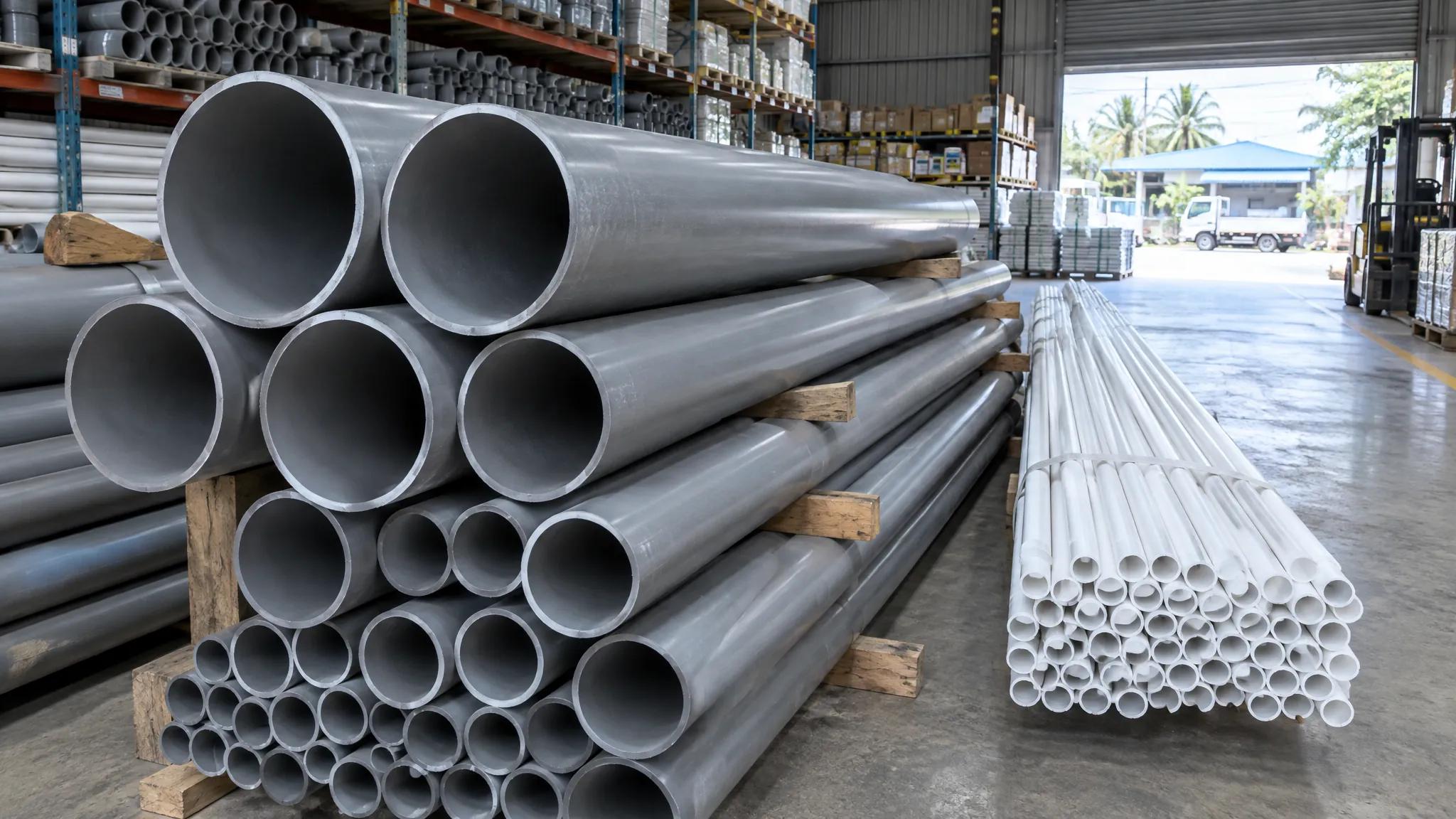
HDPE, PVC, and PPR are the three plastic pipe materials a buyer meets most often — and they are not interchangeable. Each was built for a different job: HDPE for buried mains and anything that has to flex, PVC for low-cost drainage and cold-water distribution, PPR for hot and cold plumbing inside buildings. Specify the wrong one and you either overpay, or you install a line that fails early. This guide compares the three on the factors that decide a project: pressure, temperature, jointing, lifespan, and cost — so you can match the material to the application instead of defaulting to whatever is cheapest per meter.
If you've already settled on HDPE, the complete HDPE pipe guide covers grades, sizes, and jointing in full. This article is for the buyer still choosing the material, weighing one against the others before committing an order. We'll keep the focus on practical selection criteria rather than polymer chemistry, so you can reach a decision you can defend on a spec sheet.

Key Takeaways
- HDPE — flexible, fusion-welded, leak-free; best for buried water/gas mains, irrigation, and ground that moves.
- PVC — rigid and cheap; best for drainage, sewer, and cold-water distribution where flexibility isn't needed.
- PPR — heat-resistant; best for hot and cold plumbing inside buildings.
- HDPE's fused joints have no leak paths; PVC uses solvent cement or gaskets; PPR uses socket fusion.
- HDPE and PPR handle ground movement and freeze far better than rigid PVC.
- Match by application — there is no single "best" pipe, only the right pipe for the duty.
The Three Materials at a Glance
Each material is a different polymer with different strengths. HDPE (high-density polyethylene) is flexible and tough. PVC (polyvinyl chloride) is rigid and inexpensive. PPR (polypropylene random copolymer) resists heat. The table sets the headline differences before we go into each factor.
| Factor | HDPE | PVC | PPR |
|---|---|---|---|
| Flexibility | High (coils) | Rigid | Semi-rigid |
| Max temperature | ~40°C (standard) | ~60°C | ~70°C continuous, 95°C peak |
| Jointing | Fusion (welded) | Solvent cement / gasket | Socket fusion (welded) |
| Leak resistance | Excellent (no leak paths) | Good if done well | Excellent |
| Ground movement / freeze | Tolerant | Brittle, can crack | Tolerant |
| Material cost | Medium | Lowest | Higher |
| Typical lifespan | 50+ years | 50+ years (buried) | 50+ years |
Pressure and Strength
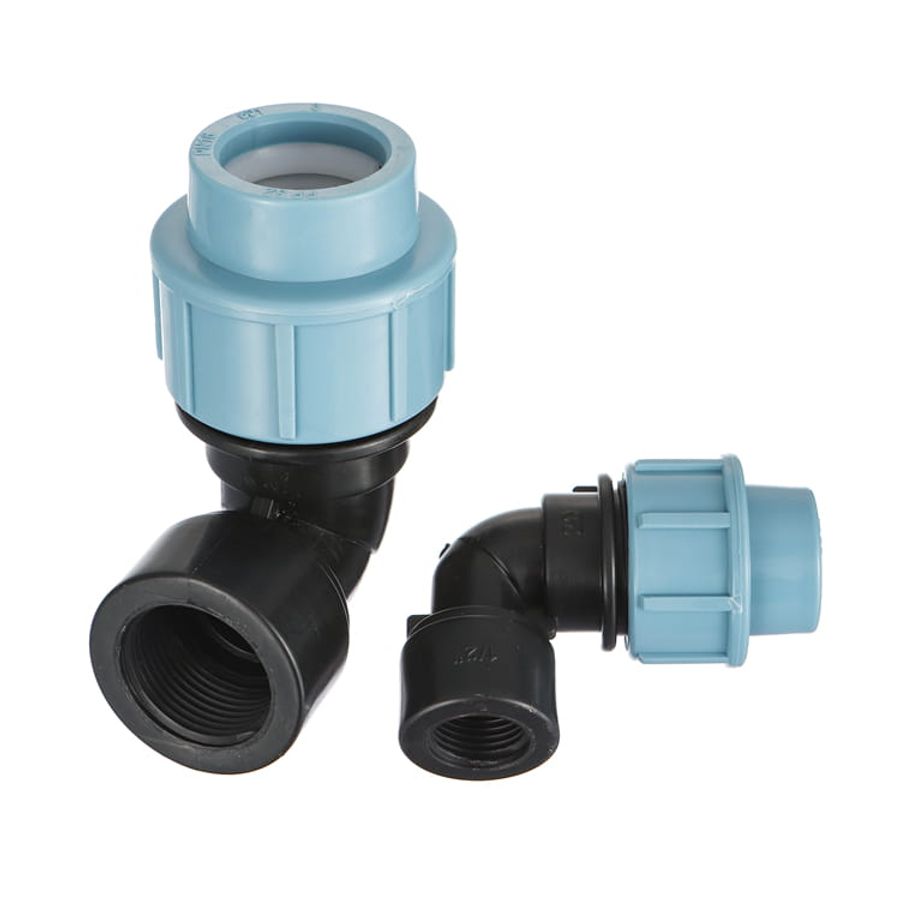
All three carry pressure, but they behave differently under it. HDPE is ductile: under surge or overload it yields and stretches rather than shattering, and its fused joints are as strong as the pipe, so a HDPE main has no weak seams. That toughness is why it dominates buried water and gas transmission. PVC is strong but rigid and relatively brittle — a good performer at steady pressure, but vulnerable to cracking under water hammer, impact, or ground movement. PPR carries good pressure for a plumbing material and, like HDPE, is fusion-jointed, so its joints don't rely on adhesive or gaskets.
For pressure sizing, HDPE and PPR both use the SDR/pressure-class system; if you're specifying HDPE, the sizes and SDR guide shows exactly how wall thickness sets the rating.
Temperature
This is the clearest divider. PPR is the only one of the three built for hot water — it handles around 70°C continuously with short peaks to 95°C, which is why it's the standard for hot-and-cold plumbing inside buildings. Standard HDPE is a cold-fluid material; its pressure rating falls as temperature climbs, so it's not the choice for hot lines (specialist raised-temperature PE-RT grades exist for underfloor heating, but that's a separate product). PVC sits in between at roughly 60°C, though hot water is generally left to PPR or CPVC. If the line carries hot water, the answer is PPR; if it's cold buried water, HDPE; if it's drainage, PVC.
Jointing and Leak Resistance
How a pipe is joined decides where it leaks. HDPE is fusion-welded — butt fusion or electrofusion — producing a continuous, leak-free line with no gaskets to age; this is a major reason it's chosen for buried mains where a joint failure means digging up a road. PPR uses socket fusion, heating the pipe and fitting and pushing them together for a similarly welded, reliable joint inside buildings. PVC relies on solvent-cement welds or rubber-gasket push-fit joints: fast and cheap, but dependent on workmanship and, in the gasket case, on a seal that can age. Done well, PVC joints are sound; but fused HDPE and PPR remove the human-error and ageing variables that PVC joints carry.
Flexibility, Ground Movement, and Freeze
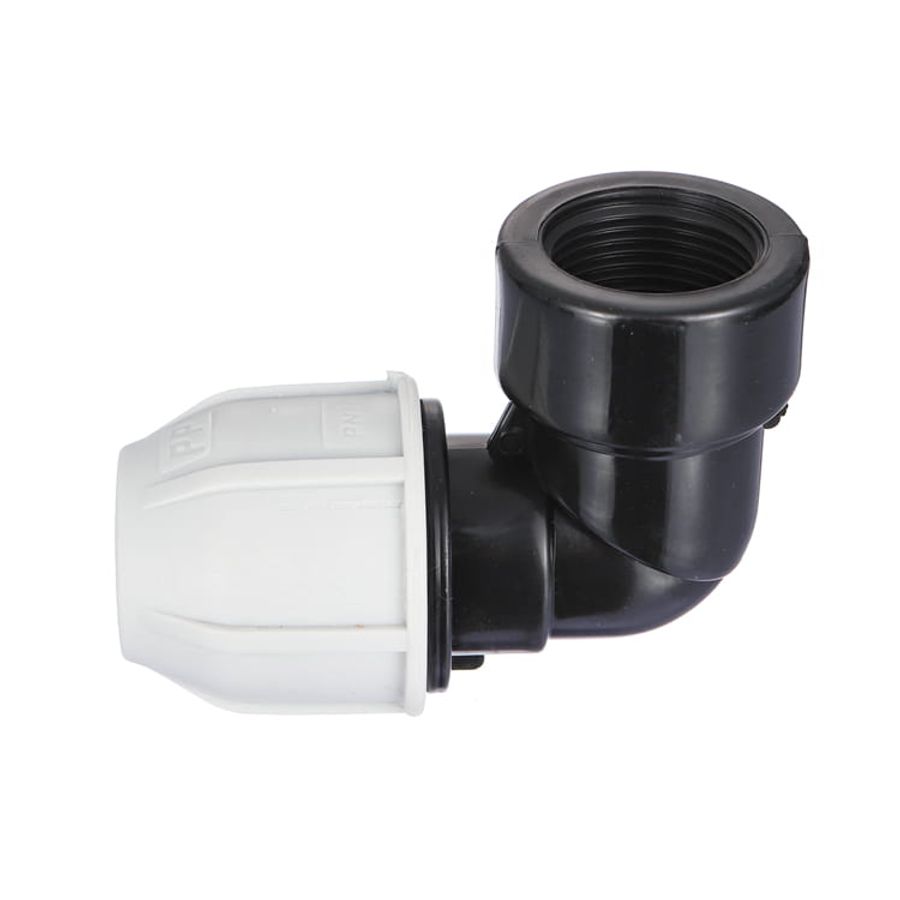
HDPE's flexibility is a structural advantage, not just a handling convenience. It comes in long coils for small diameters, so a buried service line can be pulled in with far fewer joints, and it flexes with ground settlement, seismic movement, or expansive soils instead of cracking. If water freezes inside it, HDPE can expand and usually survive where a rigid pipe would split. PPR is semi-rigid and also tolerant. PVC is the odd one out: rigid and comparatively brittle, it's more prone to cracking under impact, ground shift, or a hard freeze — which is fine for a well-bedded drain but a liability for a pressure line in unstable or cold ground.
Handling and Installation Speed
Weight and form change how fast a crew can lay pipe. HDPE is light for its strength and comes in long coils up to DN90, so a service run can be pulled in continuously with very few joints — often the single biggest labour saving on a buried job. It can also be installed trenchlessly (directional drilling, pipe bursting) because it's pulled through the ground in one flexible length. PVC is light and quick to handle in straight lengths, and its solvent-cement joints go together fast, though every length is a joint. PPR is installed length by length with socket fusion, which is quick for the short runs typical inside a building. Match the installation method to the site: coiled HDPE for long buried runs, lengths of PVC for gravity drainage, fused PPR for compact internal networks.
Cost
On material price per meter, PVC is usually the cheapest, HDPE is mid-range, and PPR is the most expensive. But per-meter price is the wrong number to optimise. HDPE's coil lengths and fused joints cut installation labour and joint count on buried runs, and its leak-free joints cut the lifetime cost of repairs — so on a buried main HDPE often wins on total installed and lifetime cost even though PVC is cheaper on the shelf. PPR costs more but is priced against the job it's built for: durable hot-and-cold plumbing that PVC can't do. Compare total installed cost for the actual application, not the sticker price of the pipe alone.
Chemical Resistance and Water Quality
All three are corrosion-proof — none rust, scale, or tuberculate the way steel and iron do, which is a large part of why plastics displaced metal for water. Where they differ is chemical breadth. HDPE has broad resistance to salts, acids, and alkalis, and doesn't leach, so it's widely used for potable water, wastewater, and chemically aggressive ground. PVC resists many acids and salts well but is attacked by certain solvents and hydrocarbons, so it can be the wrong pick where fuel or oil contamination is present in the soil. PPR is chemically stable for the domestic hot-and-cold water it's designed for.
For potable systems, what matters as much as the polymer is certification: the pipe should carry recognised drinking-water approvals, and the smooth bores of all three resist the internal scaling that narrows old metal pipes over time, keeping flow capacity stable across the pipe's life.
Diameter Range and Availability
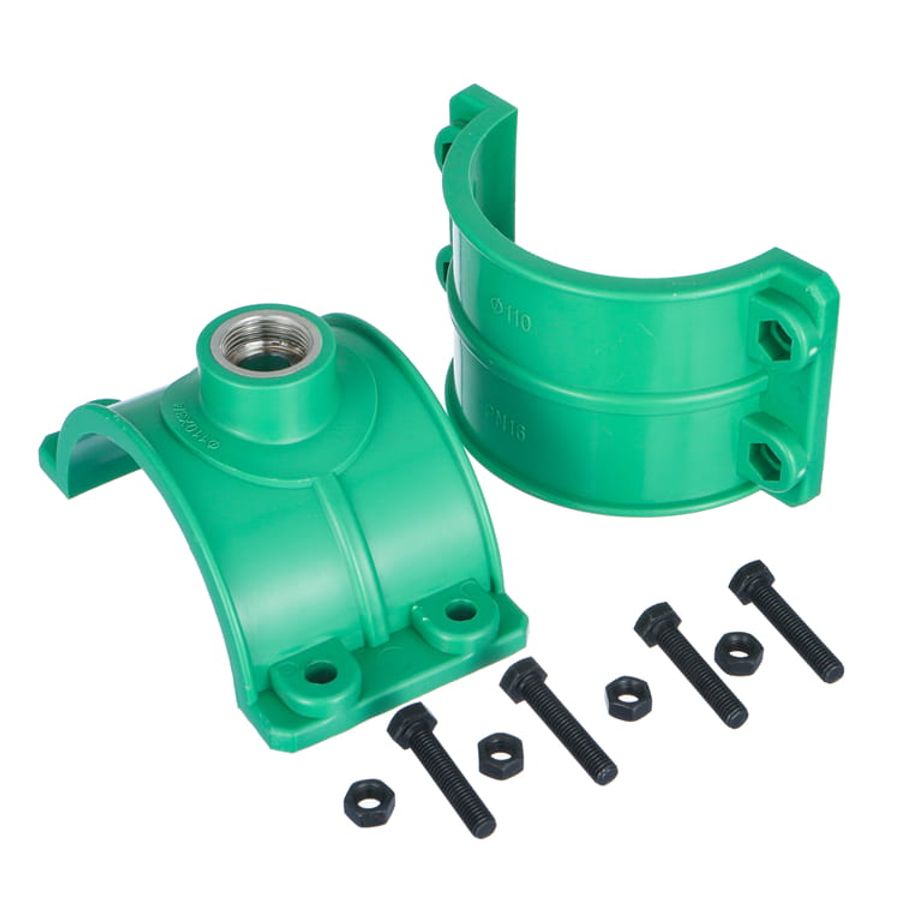
Size range often settles the choice before anything else. HDPE spans the widest range — from small DN20 coils up to DN1600 large-diameter pipe — covering everything from a house connection to a bulk transmission main. PVC is produced across a broad range of pressure and drainage sizes and is nearly universal for sewer and stormwater diameters. PPR is made in the smaller diameters suited to building plumbing, not large buried mains. If your project needs big-bore buried pipe, that alone points to HDPE (or large-diameter PVC for gravity drainage); if it's internal plumbing, PPR's size range is exactly matched to the job.
Which to Choose, by Application
Buried water or gas mains, irrigation, mining, ground that moves: HDPE. Flexible, fusion-welded, leak-free, and tough under surge.
Drainage, sewer, stormwater, cold-water distribution on a budget: PVC. Cheap, rigid, and perfectly suited where flexibility and hot water aren't needed.
Hot and cold plumbing inside buildings: PPR. The heat resistance the other two lack, with welded joints.
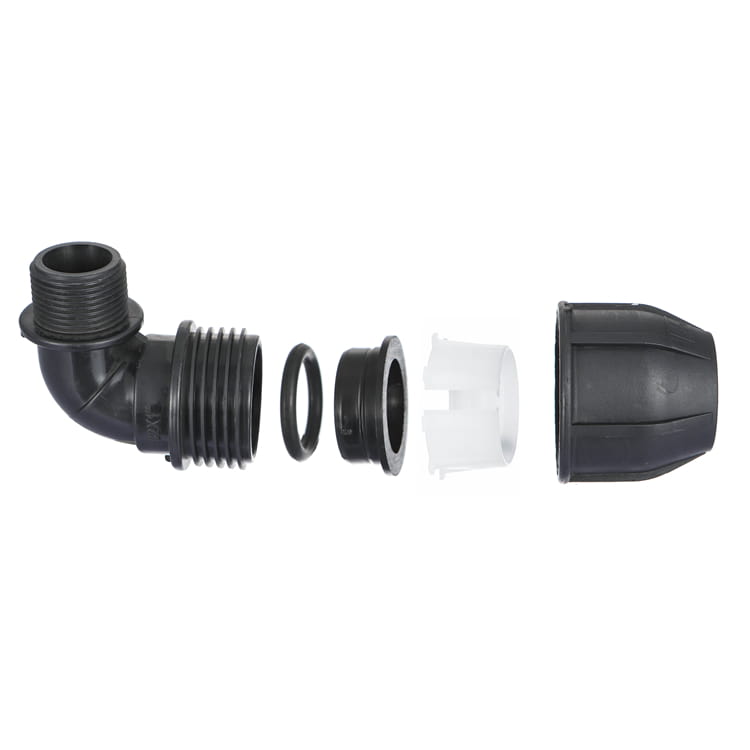
Many projects use more than one: PVC drains, PPR internal plumbing, HDPE for the buried service and mains. The point isn't to crown a winner — it's to put each material where it's strongest. To go deeper on HDPE grades, see PE100 vs PE80, and before ordering, learn how to verify a manufacturer.
Environmental and End-of-Life
Sustainability increasingly shows up in specifications, and the three materials differ here too. HDPE and PPR are polyolefins — they contain no chlorine, are recyclable, and can be reprocessed at end of life; HDPE off-cuts and old pipe are routinely recycled into non-pressure products. PVC contains chlorine and additives, which makes its recycling stream more specialised, though established PVC recycling exists in many markets. All three beat metal on embodied energy over a full life because their long service life and leak-free performance (for the fused systems) avoid the water losses and repair digs that dominate the real environmental cost of a pipe network.
If a project is scored on lifecycle or water-loss criteria, HDPE's leak-free fused joints are a genuine advantage: non-revenue water from leaking joints is one of the largest avoidable losses in a distribution network, and a welded HDPE system removes that failure mode almost entirely, which is why water utilities increasingly standardise on it for new pressure networks.
Not sure which pipe your project needs?
IFAN manufactures HDPE, PVC, and PPR systems — tell us the application and we'll spec the right one.
Request a Quote
Frequently Asked Questions
Is HDPE better than PVC?
For buried pressure mains, irrigation, and ground that moves, yes — HDPE's flexibility and fused, leak-free joints beat rigid PVC. For gravity drainage, sewer, and low-budget cold-water lines, PVC is the more cost-effective choice. Neither is universally "better"; it depends on the application.
Can HDPE carry hot water?
Standard HDPE is a cold-fluid material; its pressure rating drops as temperature rises, so it's not used for hot water lines. For hot-and-cold plumbing inside buildings, PPR is the correct material. Specialist PE-RT grades exist for underfloor heating, but that's a different product from standard HDPE pipe.
Which lasts longest?
All three can exceed 50 years when correctly specified and installed. Lifespan is driven more by matching the material to the duty — temperature, pressure, ground conditions — and by joint quality than by the polymer alone. A HDPE main and a buried PVC drain both last decades in the right role.
Can you join HDPE to PVC or PPR?
Not by fusion — the materials don't weld to each other. You connect different systems with a mechanical transition fitting: a flanged connection or a threaded/compression adaptor rated to the line pressure. This is common where a HDPE service ties into an internal PPR or PVC system.