
Wholesale PPR Pipe Supplier for Ghana & West Africa: Sourcing Playbook
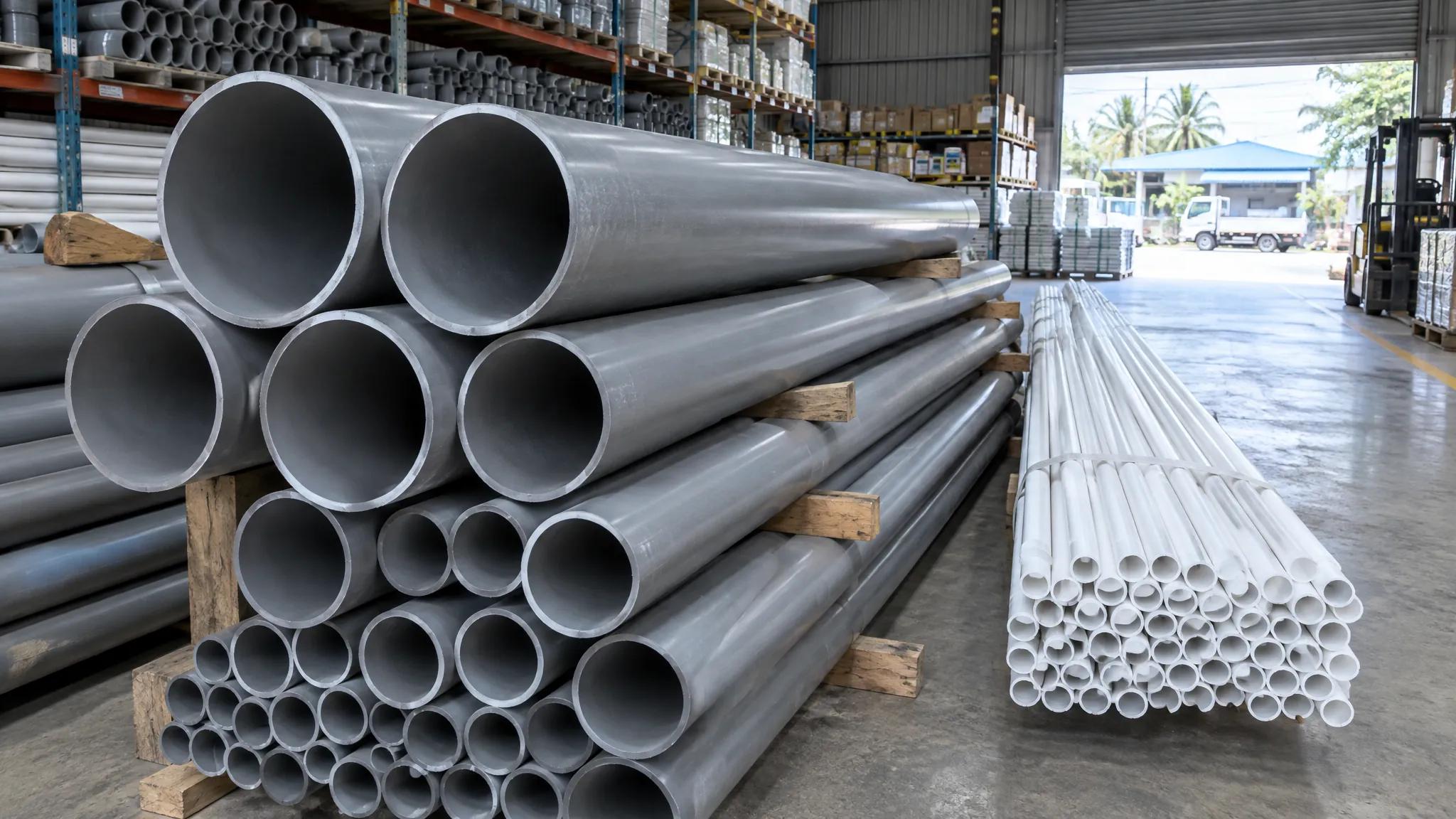
West Africa is one of the strongest growth markets for PPR pipe — Ghana, Nigeria, Côte d'Ivoire and their neighbours are building fast, and hot-and-cold plumbing in that climate runs on PPR. But sourcing it wholesale for the region has its own traps: a hot climate punishes thin-walled or recycled pipe, "German DIN" is oversold as a sales badge, and conformity schemes at the port can hold a container that looked fine at the factory. This playbook is for distributors and importers supplying Ghana and West Africa: how to source, what to specify for the climate, which approvals clear the port, and how to land a container without a costly surprise.
This sits alongside the Nigeria import guide for the customs mechanics; here the focus is sourcing wholesale for the wider West Africa region.

Key Takeaways
- Hot climate = specify virgin material and the right pressure class (PN20/PN25 for hot water); thin-wall fails fast.
- Buy direct from the factory for wholesale volume — better price and one accountable source.
- "DIN standard" is a sales signal — verify the actual test report, don't buy the badge.
- Check the destination's conformity scheme (Ghana's GSA, Nigeria's SONCAP) before shipping.
- Main gateways: Tema & Takoradi (Ghana), Lagos (Nigeria), Abidjan (Côte d'Ivoire).
- Compare on landed cost per container, not FOB price per meter.
Why PPR Sells in West Africa
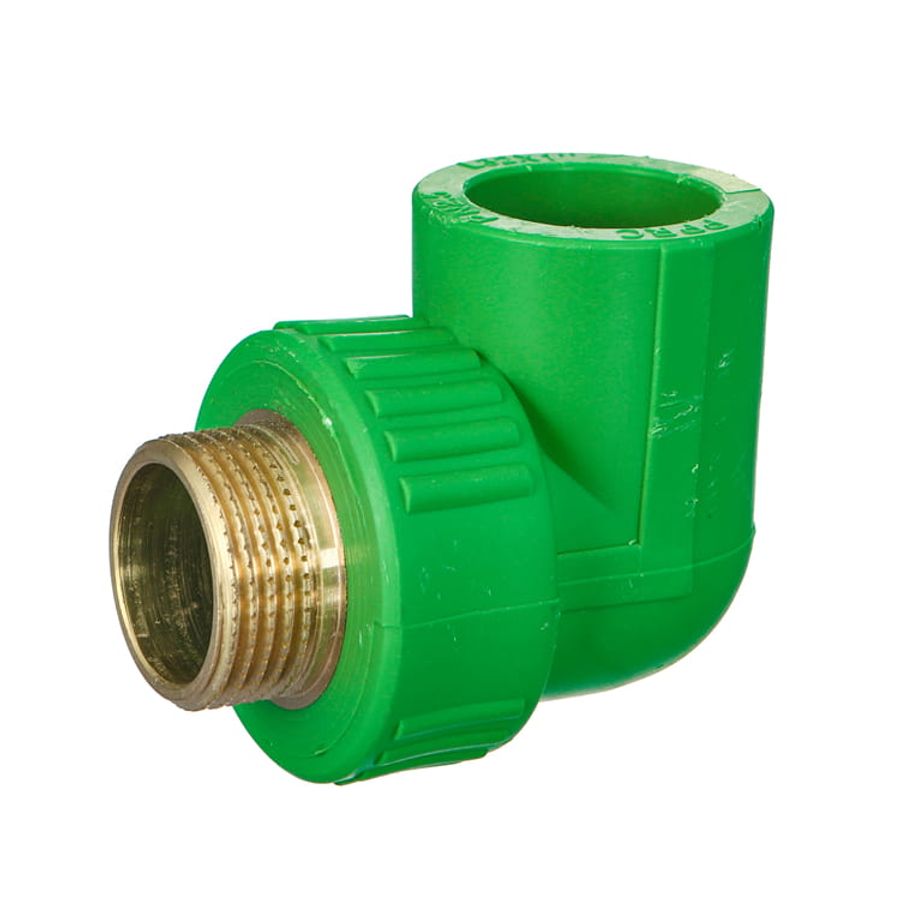
Rapid urban construction across Ghana, Nigeria and the coastal West African markets means a steady pull for hot-and-cold plumbing, and PPR is the default material for it: corrosion-proof, fusion-welded so it doesn't leak at the joints, and long-lived. For a distributor, that's a repeat-purchase product with broad contractor demand. The catch is that the climate and the market both reward getting the spec right — a hot ambient temperature is unforgiving of a pipe that was under-specced to hit a price, and word travels fast in a contractor market when a brand's pipe fails.
Direct Factory vs Local Importer
You have two wholesale routes: import direct from the manufacturer, or buy from a local importer/distributor already holding stock in-country. Direct is cheaper per unit and gives you first-hand control of spec, certification, and QC — the right move once you can move container volume. Buying from a local stockist costs more but skips the import process and lead time, which suits smaller or urgent orders while you build up. Most growing distributors start by testing a brand through a local stockist, then switch to direct factory import once the volume justifies it — capturing the margin the middle layer was taking. The factory-vs-trader comparison lays out that trade-off in full.
What to Specify for the Climate
Spec is where West Africa orders go right or wrong. The heat makes three things non-negotiable:
Virgin PP-R material. Recycled or filled resin loses the long-term pressure strength that keeps hot-water pipe alive, and heat accelerates the failure. Insist on virgin material and a test report that proves it — this is the single most important spec point for the region.
The right pressure class. Hot-water lines need PN20 or PN25 (thicker wall), not the PN16/PN10 that suits cold water. Under-specifying the PN to save money is a common cause of early failure in hot climates. See the PPR sizes and PN guide.
UV-aware storage. PPR isn't for permanent outdoor exposure; where pipe is stored or run in the sun, plan for protection. Ask how the supplier packs and whether the compound is stabilised.
"DIN Standard" — Verify, Don't Buy the Badge
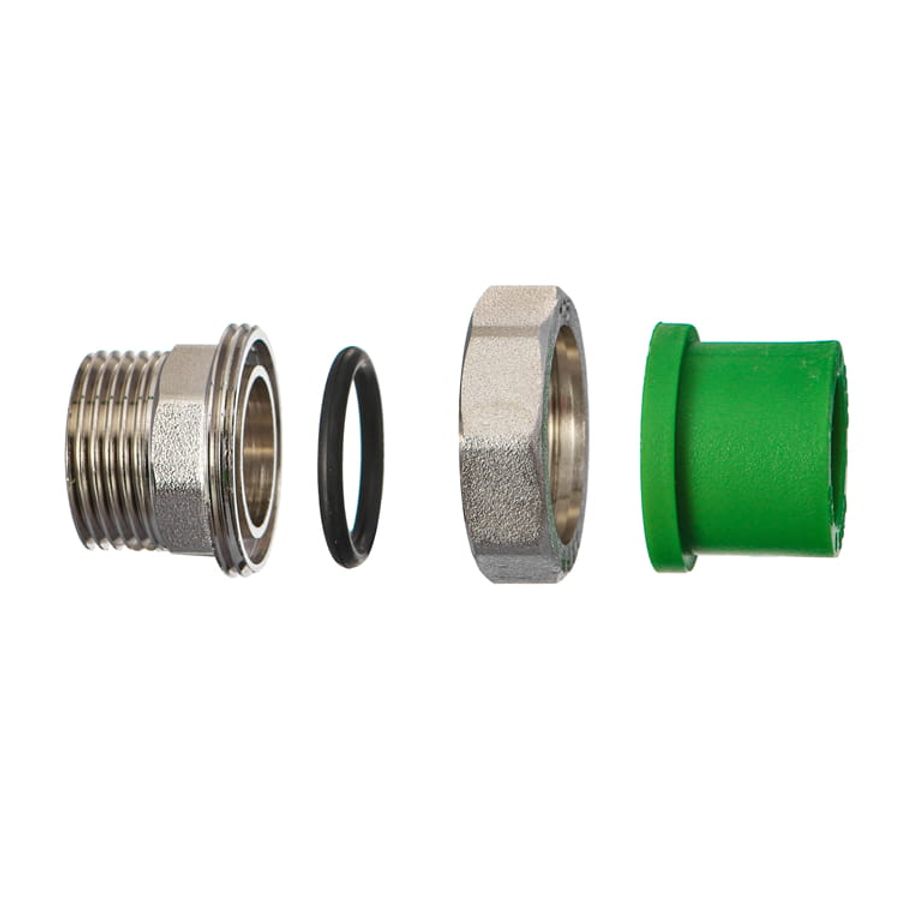
Across West Africa, "German DIN standard" is a powerful sales phrase — and precisely because it sells, it's often printed on pipe that was never tested to it. DIN 8077/8078 is a real, credible standard, but a claim is not a certificate. Ask for the actual test report against the standard (with the hydrostatic pressure results), confirm it names the specific product and is current, and check the standard printed on the pipe matches the paperwork. Treat any "DIN" or "ISO" claim you can't verify as decoration. The full method is in the certification guide.
Conformity, Ports and Clearance
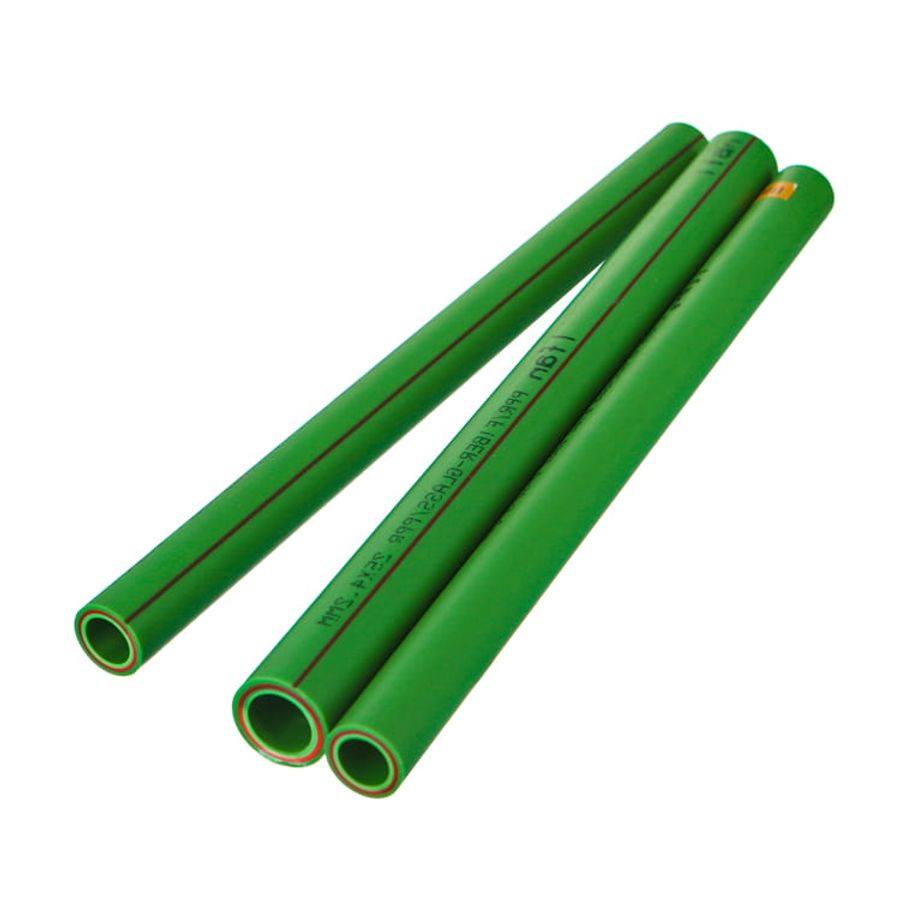
Each market runs its own pre-shipment conformity scheme, and PPR is usually caught by it. Ghana operates a conformity/standards regime through the Ghana Standards Authority; Nigeria uses SONCAP; other markets run their own PVoC programmes with agents like SGS, Intertek and BV inspecting at origin. The pattern is the same everywhere: the check happens before the goods ship, so confirm the exact requirement for the destination and make sure your supplier can provide origin conformity documents. The main sea gateways are Tema and Takoradi for Ghana, Lagos (Apapa/Tin Can) for Nigeria, and Abidjan for Côte d'Ivoire — route and cost your shipment to the right one.
Landed Cost and Container Economics
Compare suppliers on landed cost per container, not FOB price per meter. PPR is bulky and volume-limited, so a full, well-loaded 40ft High Cube spreads freight and fixed charges over the most product — the difference between a padded 85% container and a 95%+ one is real money on every unit. Build the full picture: FOB pipe + fittings, freight to Tema/Lagos, conformity fees, duty and VAT, clearing and haulage. A supplier who packs efficiently and provides clean conformity documents can beat a cheaper FOB quote once everything lands. The container-loading guide shows how to maximise fill.
Sourcing PPR for Ghana or West Africa?
IFAN supplies virgin-material PPR in PN20/PN25 with verifiable certification and origin conformity docs — tell us your market for a CIF quote.
Request a Quote
Frequently Asked Questions
What PPR spec should I order for West Africa's climate?
Virgin PP-R material (not recycled) and the right pressure class — PN20 or PN25 for hot water, which the heat makes essential. Under-specifying the PN or accepting recycled resin to hit a price is the top cause of early failure in hot climates. Get a test report that proves both.
Should I buy direct or from a local distributor in Ghana?
Direct from the factory is cheaper per unit and gives you control of spec and certification once you can move container volume. A local stockist costs more but skips import lead time — good for smaller or urgent orders. Many distributors start local to test a brand, then import direct as volume grows.
Is "German DIN" PPR actually better?
Only if it's genuinely tested to DIN 8077/8078 — the phrase is widely printed on pipe that was never tested to it. DIN is a credible standard, but demand the actual test report with hydrostatic results, confirm it names the product, and check the pipe marking matches. An unverifiable "DIN" claim is just decoration.
Which ports serve PPR imports to Ghana?
Tema (near Accra) and Takoradi are Ghana's main sea gateways. Confirm the Ghana Standards Authority conformity requirement before shipping, since the check happens at origin. Neighbouring markets clear through Lagos (Nigeria) and Abidjan (Côte d'Ivoire), each with its own conformity scheme.