
Swing Check Valve Guide: How It Works, Orientation, Slam & Sizing
A swing check valve stops water flowing backward using a single hinged disc that swings open when flow pushes it and drops shut when flow stops or tries to reverse. It's the oldest and most common check-valve design because it's simple, gives the lowest pressure drop of any check valve, and handles big flows cheaply — which is why you find swing checks on pump discharge lines, sewage and wastewater mains, fire systems, and building risers. But the same gravity-and-flow action that makes it simple also makes it fussy about orientation and prone to slamming, and choosing the wrong body, material, or mounting means a valve that won't seal or that hammers the pipe. This guide explains how a swing check valve works, where it beats other check types, which orientation and material to pick, and how to stop the slam.
For the brass-specific version used in small plumbing lines, see the brass check valve guide; this article covers the swing check across all sizes and materials.
Key Takeaways
- A swing check valve is a one-way (non-return) valve with a hinged disc — flow swings it open, reverse flow and gravity drop it shut, automatically.
- It has the lowest pressure loss of any check-valve type, which is why it's used on large pump, sewage, and fire lines.
- Orientation matters: a plain swing check works on horizontal or vertical-up flow, never vertical-down.
- Its weakness is slam — the disc closing hard on reverse flow causes water hammer; a spring-assisted or non-slam design fixes it.
- Materials scale with size: brass/bronze small, cast/ductile iron large, plus PVC and stainless for chemical or potable duty.
- The body arrow must point with the flow, and the valve must be sized to actual flow, not just pipe diameter.

How a Swing Check Valve Works
A swing check valve has a disc hinged at the top of the body, hanging over the seat like a trapdoor. Forward flow pushes the disc up and out of the way, so water passes with almost no restriction — that clear, full-bore path is why the swing check has the lowest pressure drop of any check design. When flow slows or reverses, the disc swings back down under its own weight and the backpressure, seating against the body to seal. There's no handle and no spring in the basic design: gravity does the closing. That simplicity is the swing check's strength — few parts, cheap to make in large sizes, reliable on steady flow — and also its limitation, because relying on gravity dictates how it must be mounted and lets the disc close abruptly when flow reverses fast. Understanding those two consequences, orientation and slam, is most of what it takes to apply a swing check correctly.
A swing check valve is the mechanism inside many backflow assemblies, but codes often require a dedicated device — see our backflow preventer guide for AVB/PVB/DCVA/RPZ types and where each is mandated.
Swing Check vs Other Check Valve Types
The choice that decides most orders is swing check vs spring check: the swing check closes by gravity and reverse flow through a hinged disc, the spring check closes by a spring pushing a poppet or plates onto the seat the moment forward flow stops. That single difference drives orientation, pressure drop, slam and where each one belongs.
| Criterion | Swing check | Spring check (lift / inline / dual-plate) | Better choice | Why it matters |
|---|---|---|---|---|
| Closing action | Hinged disc drops by gravity + reverse flow | Spring seats the poppet / plates as soon as flow stops | Spring for speed | Closing before reverse flow builds is what prevents slam |
| Mounting orientation | Horizontal or vertical flow-up only | Any orientation, including vertical flow-down | Spring | A swing disc on a vertical-down line is held open by gravity and never seals |
| Pressure drop | Lowest of any check type (full-bore, disc swings clear) | Higher — flow must overcome the spring and pass the poppet | Swing | On large mains and low-head pump lines the head loss is real money |
| Slam / water hammer | Prone to slam on pump stop unless spring-assisted or non-slam pattern | Low — "silent" check by design | Spring | Slam shocks joints and cracks bodies; see the water hammer guide |
| Minimum flow to open | Very low — almost any forward flow lifts the disc | Needs a cracking pressure set by the spring | Swing | Gravity-fed and low-pressure lines may not open a stiff spring check |
| Dirty fluid / solids | Good — full-bore swing passes solids (sewage, raw water) | Poor — grit jams the poppet or spring | Swing | Wastewater and irrigation mains are swing-check territory |
| Size range and body length | ½″ brass to DN600+ iron, flanged; long body | Small inline brass, or short wafer dual-plate between flanges | Depends on space | Wafer dual-plate wins where face-to-face length is tight |
| Cost at large size | Lowest per DN in cast / ductile iron | Higher; dual-plate cheaper than lift at large DN | Swing | Cost per unit on IFAN sizes: 需 Bible 补 |
| Typical application | Pump discharge, sewage, fire risers, water mains | Boiler feed, vertical risers, booster sets, tight plant rooms | Match to duty | Steady large flow → swing; fast-cycling or awkward orientation → spring |
| Source: MSS SP-71-2018 (gray iron swing check valves); EN 16767:2020 (metallic check valves, all types); manufacturer installation data. IFAN measured pressure-drop and cracking-pressure values: 需 Bible 补. | ||||
Two other designs sit beside these: the wafer / dual-plate check is a spring type in a short body that fits between flanges and closes almost instantly, and the ball check lifts a ball off its seat — the pick for small, viscous or dirty lines. The rule of thumb: pick a swing check when the line is large, flow is steady and minimum pressure loss matters; pick a spring check when the line runs vertical-down, the pump cycles often, or you already hear a bang on shutdown. For the small brass version, see the brass check valve guide.
Orientation and the Flow Arrow
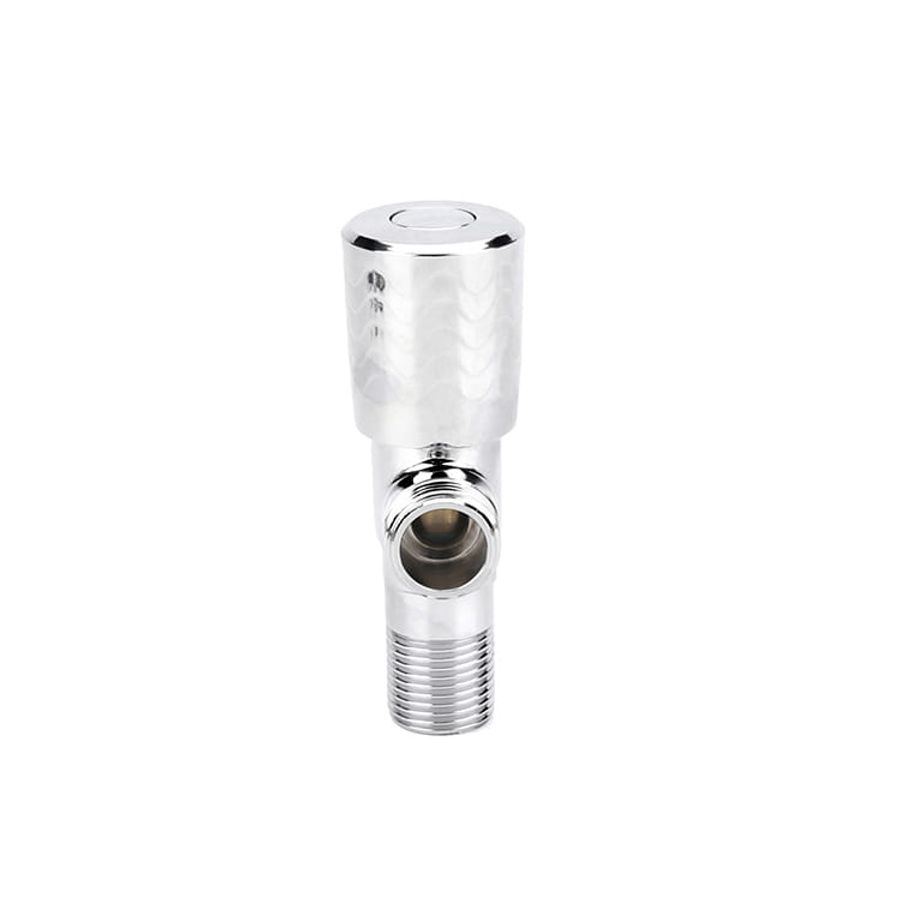
Because a plain swing check relies on gravity to close, mounting is not optional — get it wrong and the valve never seals. It works in a horizontal line (disc hangs down, closes across the seat) and in a vertical line with flow going up (disc falls shut when upward flow stops). It must not go on a vertical-down line: gravity would hold the disc open against the seat it's supposed to close onto. Every swing check also has a flow-direction arrow cast into the body, and installing it backward is the most common field mistake — reversed, the valve either blocks flow entirely or can't seal. Before fitting, confirm two things: the arrow points with the flow, and the line orientation is horizontal or vertical-up. If the line runs vertically downward or the orientation is uncertain, use a spring-loaded lift or wafer check instead, which closes regardless of gravity.
The Slam Problem and How to Stop It
A swing check's biggest weakness is slam. When a pump stops, flow reverses, and a plain swing disc — which only starts closing after reverse flow has already built up — slams onto its seat. That sudden stop sends a pressure shock back through the line: water hammer that bangs pipes, stresses joints, and over time cracks the valve or fittings. The longer the line and the faster the pump trips, the worse it gets. Three fixes: a spring-assisted swing check starts the disc closing the instant forward flow stops, so it's seated before reverse flow slams it; a short-pattern or tilting-disc design gives the disc less travel and mass to accelerate; and a dual-plate (wafer) check uses light spring-loaded half-discs that close almost instantly. On any pump line longer than a few meters, or where you already hear a bang on shutdown, specify a non-slam design rather than a plain swing check. Sizing helps too — an oversized check runs the disc part-open and fluttering, which both wears it and worsens the eventual slam.
Materials: Matching the Valve to the Fluid and Size
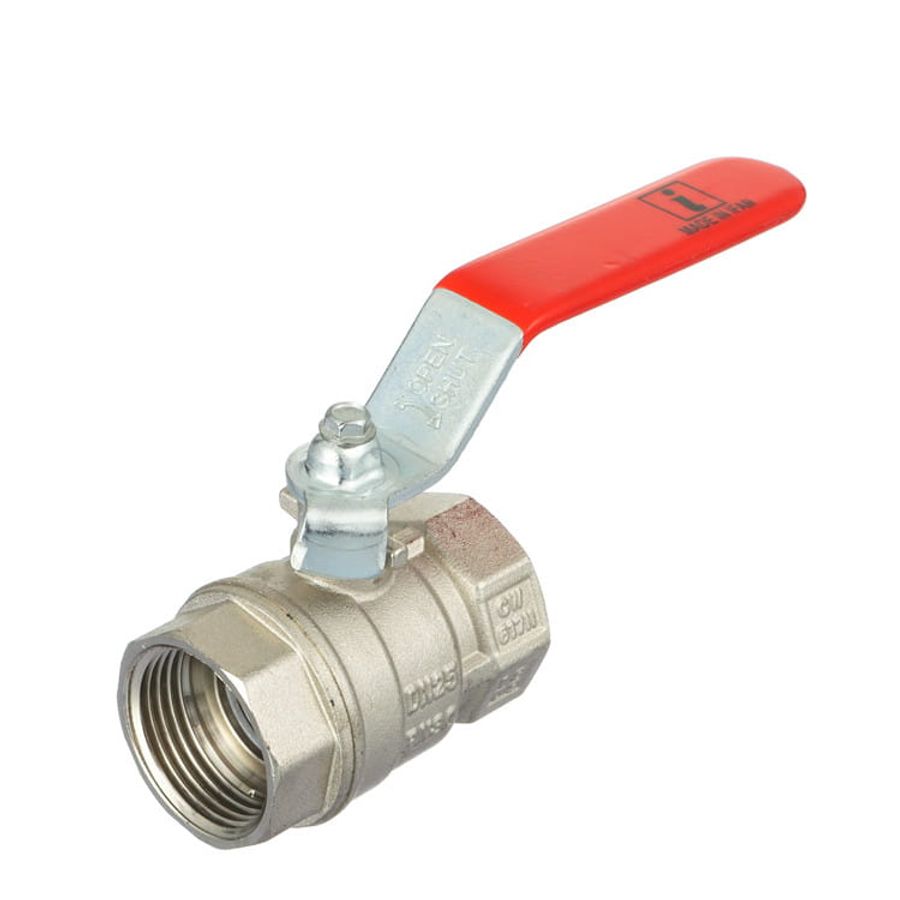
A swing check's material follows the line size and what's flowing through it. In small plumbing bores, brass or bronze is standard — machinable, corrosion-resistant, and fine for potable water when a lead-free, dezincification-resistant grade is specified. As lines grow into mains and pump stations, cast iron or ductile iron with a flanged body takes over, because casting a large brass valve would be uneconomical. For aggressive or chemical service and many irrigation and pool lines, PVC or CPVC swing checks resist corrosion at low cost. Where hygiene or harsh chemistry demands it — food, pharma, seawater — stainless steel is used. The disc facing matters as much as the body: a resilient (rubber-faced) disc gives a tighter, quieter seal on water, while a metal-to-metal seat suits high temperature. For any drinking-water line, confirm the material carries the potable approval for your market before ordering.
Sizing, Pressure Rating, and Connections
A swing check valve is specified by size, pressure rating, and end connection. Size is the nominal bore, and the rule is to size to the flow the line actually carries — an oversized swing check runs its disc part-open and fluttering (which wears the hinge and worsens slam), while an undersized one throttles the flow. Pressure rating appears as a PN class or a WOG figure; match it to working pressure with a margin, and check the temperature rating for hot lines. End connections scale with size: threaded (BSP or NPT) on small brass valves, flanged on large iron ones, and wafer or grooved where face-to-face length is short. Match the thread standard and gender, or the flange table and rating, to the adjoining pipe. State size, pressure class, connection, disc facing, and material on the order and the valve fits and seals first time.
Which standard to specify a swing check valve to
Put the standard on the purchase order, not just the size and PN. For flanged and threaded iron swing checks in North America the reference is MSS SP-71-2018; for any metallic check valve sold into Europe it is EN 16767:2020; and where the valve is part of a pressure-piping system rated by class (150, 300 …) the pressure-temperature ratings come from ASME B16.34-2025. A valve marked to one of these has a defined face-to-face length, shell-test pressure and seat-leakage limit, which is what makes two suppliers' quotes comparable.
| Standard (current edition) | Scope | What it fixes | Use it when |
|---|---|---|---|
| MSS SP-71-2018 | Gray iron swing check valves, flanged and threaded ends, Class 125 / 250 | Face-to-face, flange drilling, shell and seat test pressures, marking | Iron swing checks on US-spec water, fire and pump lines |
| EN 16767:2020 | Metallic check valves of all designs (swing, lift, dual-plate, ball), PN and Class rated | Design, materials, testing per EN 12266, marking | Any check valve sold into the EU / CE-marked projects |
| ASME B16.34-2025 | Valves — flanged, threaded and welding end (steel, alloy, and listed materials) | Pressure-temperature ratings by Class, wall thickness, testing | Class-rated steel / stainless checks in process, HVAC and industrial piping |
Where Swing Check Valves Are Used
The swing check's low resistance and large-size economy put it on the system's biggest flows. On pump discharge it stops water draining back through the pump and keeps the line primed — the most common application, and the one where non-slam matters most. In sewage and wastewater it prevents backflow of effluent, usually as a full-bore design that passes solids. On fire protection risers it holds the system charged. In building supply risers and irrigation mains it stops columns of water draining back down when demand stops. Across all of these, the job is the same — automatic, one-way flow with the least possible pressure penalty — and the reason it's a swing check rather than a spring or wafer type is usually flow size and cost. Match the specific design (plain, spring-assisted, full-bore, PVC) to the fluid and the slam risk, and the swing check quietly protects the line for years.
Need check valves matched to your system?
IFAN manufactures lead-free brass check, ball, gate, and angle valves plus full PPR, PVC, and PEX systems — one factory, mixed containers, certificates per shipment. Tell us the type, size, and pressure class for a quote.
Request a QuoteCommon Swing Check Valve Mistakes
Fitting it on a vertical-down line. A plain swing check needs gravity to close and won't seal with flow going down. Use a spring or wafer check there.
Ignoring slam on a pump line. A plain swing disc slams on pump shutdown and hammers the pipe. Specify a spring-assisted or dual-plate non-slam check.
Installing it backward. The body arrow must point with the flow, or the valve blocks or never seals. Check it before threading or flanging in.
Oversizing. A check too big for the flow flutters part-open, wearing the hinge and worsening slam. Size to actual flow.
Wrong material for the fluid. Ordinary brass on aggressive water dezincifies; bare iron corrodes in chemicals. Match material and disc facing to the fluid and market approval.
What is a swing check valve for?
A swing check valve is for letting water flow one way and stopping it flowing back automatically, with the lowest pressure loss of any check type. That is why it sits on pump discharge, sewage mains, fire risers and building supply risers: it protects the pump from reverse spin, keeps the line primed, and stops a column of water draining back when demand stops, all with no power or operator.
Which is better, a swing or spring check valve?
A swing check is better for large, steady flows where pressure loss and solids matter; a spring check is better where the line runs vertical-down, the pump cycles often, or slam and water hammer must be avoided. On a long pump-discharge line the practical answer is often a spring-assisted swing check or a dual-plate wafer check, which keep the swing check's low loss and add the spring's fast closing. The table above gives the criterion-by-criterion comparison.
Where should a swing check valve be installed?
Install a swing check on a horizontal line or a vertical line with upward flow, with the body arrow pointing in the flow direction, and never on a vertical line with downward flow. Put it as close to the pump discharge as practical (after any isolating valve so it can be serviced), give it a few pipe diameters of straight run upstream so the disc opens fully instead of fluttering, and leave room for the bonnet or cover to come off. On a supply riser it goes at the base of the riser; on a sump or sewage pump it goes on the discharge before the line rises.
What are the disadvantages of a swing check valve?
The main disadvantages are slam and water hammer on pump shutdown, dependence on gravity (no vertical-down mounting), a long body that needs space, and disc flutter and hinge wear when oversized for the flow. It also relies on reverse flow to seat, so at very low back-pressure a worn seat may weep. A spring-assisted or non-slam pattern, correct sizing to actual flow, and a resilient-faced disc on water service address all four.
Frequently Asked Questions
What is a swing check valve used for?
It allows water to flow one way and automatically stops it flowing back, using a hinged disc that swings open with flow and drops shut against reverse flow. Swing checks are used where flow is large and steady and low pressure loss matters — pump discharge lines, sewage and wastewater mains, fire risers, and building supply risers.
Can a swing check valve be installed vertically?
Only with flow going upward. A plain swing check relies on gravity to close, so it works horizontally or on a vertical line with upward flow, but not on a vertical-down line — gravity would hold the disc open. If the line runs downward, use a spring-loaded lift check or a dual-plate wafer check, which close regardless of orientation.
Why does my swing check valve slam or bang?
A plain swing disc only begins closing after flow has already reversed, so it slams onto the seat and sends a water-hammer shock through the pipe — common when a pump stops. Fix it with a spring-assisted swing check, a tilting-disc or short-pattern design, or a dual-plate wafer check, all of which close before reverse flow builds. Correct sizing also helps, since an oversized valve flutters and worsens the slam.
What is the difference between a swing check and a spring check valve?
A swing check uses a hinged disc closed by gravity and backpressure, giving the lowest pressure loss but needing horizontal or vertical-up mounting and prone to slam. A spring (lift) check uses a spring to hold a poppet shut, so it closes fast in any orientation and limits water hammer, at the cost of slightly higher pressure drop. Swing checks suit large steady lines; spring checks suit vertical, awkward, or slam-sensitive lines.