
Water Hammer: What Causes the Bang & How to Stop It for Good
That bang in the wall when the washing machine stops filling, the shudder when a tap snaps shut, the knock that follows a toilet's fill valve closing — that's water hammer, and it isn't just a noise. It's a pressure spike, often several times the line's working pressure, slamming through every joint, valve seat, and hose in the system dozens of times a day. Left alone it loosens fittings, splits supply hoses, wrecks valve seats, and eventually finds the system's weakest solder joint or crimp at 3 a.m. This guide explains what's physically happening, how to identify which fixture is causing it, the fixes in order of cost — from a free air-chamber reset to arrestors and pressure control — and how to design new systems that never hammer at all.
Key Takeaways
- Water hammer is a shock wave from suddenly stopped flow — moving water has momentum, and a fast-closing valve gives it nowhere to go.
- The spike can reach several times working pressure — it stresses every joint, seat, and hose, not just the noisy spot.
- Usual culprits: washing machines and dishwashers (solenoid valves), fast quarter-turn taps, toilet fill valves.
- Fixes in order: secure loose pipes → lower pressure (PRV) → water hammer arrestors at the offending fixtures.
- High static pressure amplifies everything — over ~5.5 bar, fit a pressure reducing valve first.
- In design: slow-closing valves, secured runs, arrestors at solenoids — hammer is cheaper to prevent than to chase.

What Water Hammer Actually Is
Water hammer (hydraulic shock) is momentum with nowhere to go. Water flowing through a pipe is a moving column with real mass — a 15-metre run of ¾" pipe holds several kilograms of it, travelling at walking pace or faster. Close a valve slowly and the column decelerates gently. Close it in a few milliseconds — the way a solenoid valve or a flicked quarter-turn lever does — and the column piles into the closed valve like traffic into a wall. The kinetic energy converts instantly into a pressure spike that can reach several times the static pressure, and that spike doesn't stay put: it reflects off the closed end and races back and forth through the pipework at the speed of sound in water, shaking every unsecured pipe against its clips (the bang you hear is usually pipe hitting structure) until friction dissipates it. Three variables set the violence: flow velocity (faster = worse), closure speed (quicker = worse), and run length (longer column = more momentum). Every fix on this page attacks one of those three — or gives the energy somewhere soft to land.
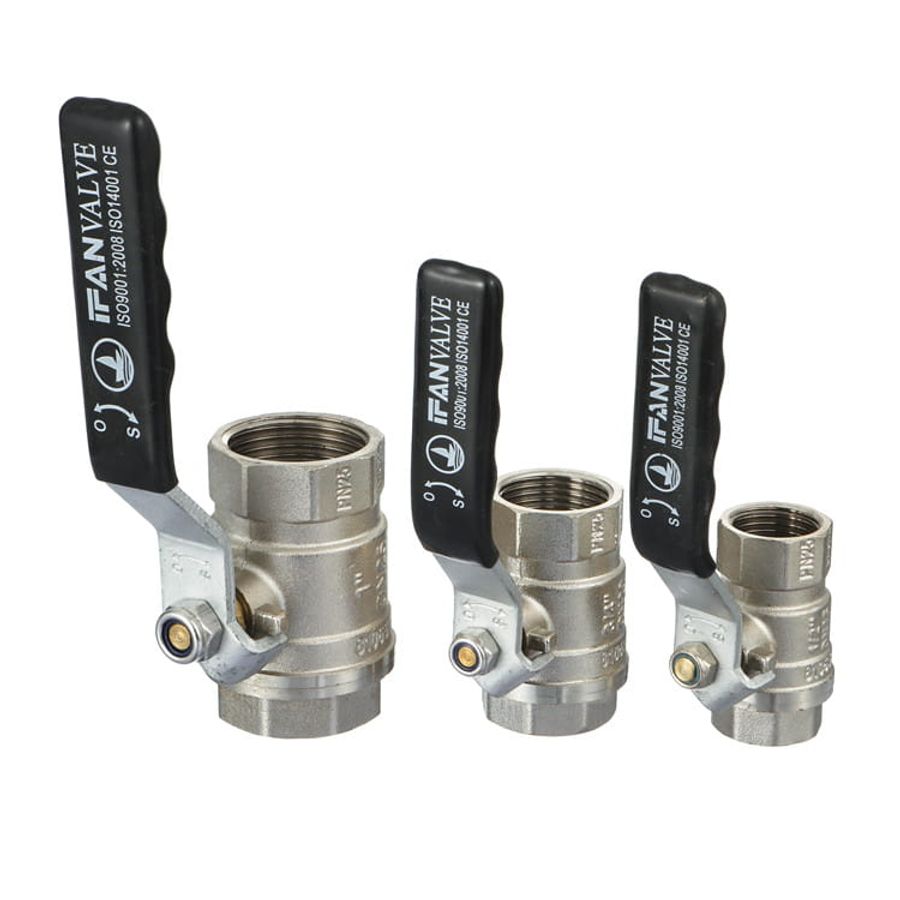
Finding the Culprit: Which Fixture Is Banging
Hammer diagnosis is pattern-matching, and the pattern names the fixture. Bang at the end of an appliance fill — washing machine, dishwasher, ice maker — is the classic: their solenoid valves snap shut electrically, the fastest closure in the house. Knock when a toilet finishes filling points at the fill valve (some close abruptly at cutoff). Thud when a single-lever mixer or quarter-turn tap flicks shut is user-speed closure on a fast valve. Rhythmic machine-gun rattle during flow (not at shutoff) is a different animal — usually a worn washer or a check valve fluttering, or a loose pipe resonating. And hammer everywhere, from everything is the signature of excessive static pressure amplifying normal events — measure it at an outside tap before touching anything else. One more test worth a minute: press a hand on accessible pipes while a helper triggers the bang; the pipe that jumps is your unsecured run, and clipping it may be the whole fix.
The Fixes, Cheapest First
1. Secure the pipework (free–cheap). A great deal of "water hammer" is a modest spike rattling unsecured pipe against joists. Clip loose runs at proper intervals, pad contact points, and the noise often drops to a click even before the spike itself is treated. 2. Check and reduce static pressure. Measure at an outside tap: above roughly 5.5 bar (80 psi), everything hammers harder and codes want reduction anyway — a pressure reducing valve at the service entry set to 3–4 bar lowers the baseline the spike builds on and protects every hose and joint at once. 3. Drain and reset air chambers (older homes): vertical dead-leg pipes near fixtures were built as air cushions and waterlog over the years; shutting off the main and draining the system refills them with air — a free fix that lasts a few years per cycle. 4. Fit water hammer arrestors where the culprits live — the modern, permanent version of the air chamber, covered next. 5. Slow the closure: replace an abrupt toilet fill valve, teach the lever a half-second of mercy, or on motorized systems specify slow-closing valves. Work down the list in order; most homes are quiet by step 3.
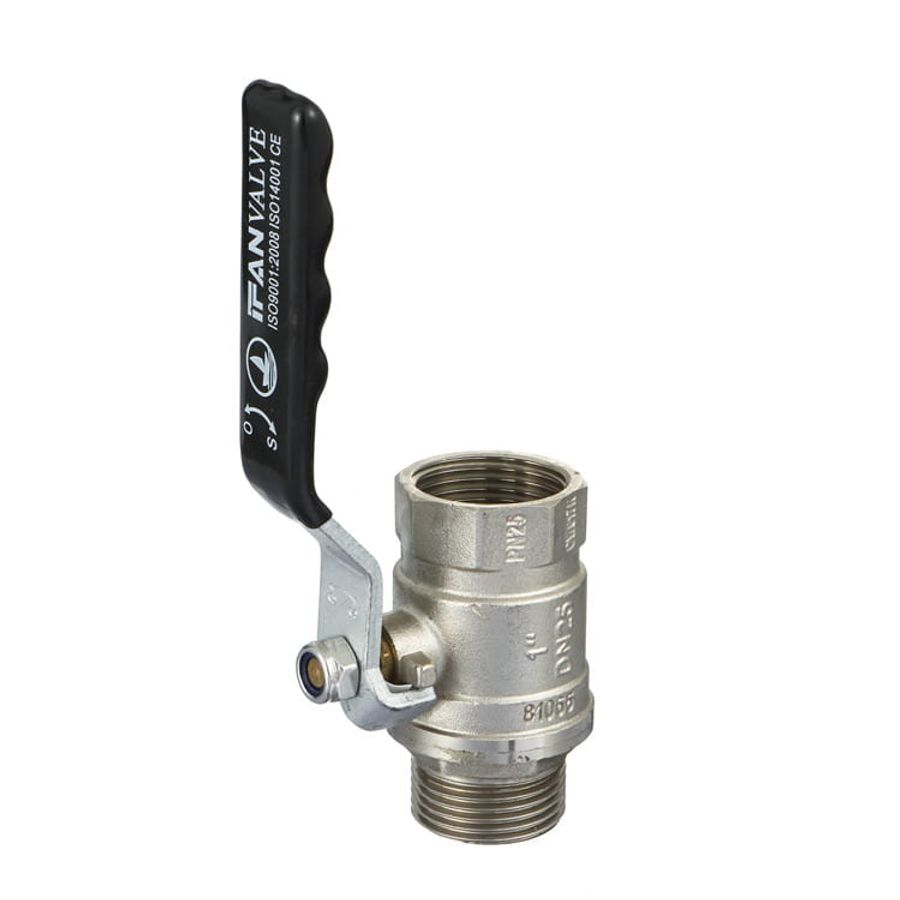
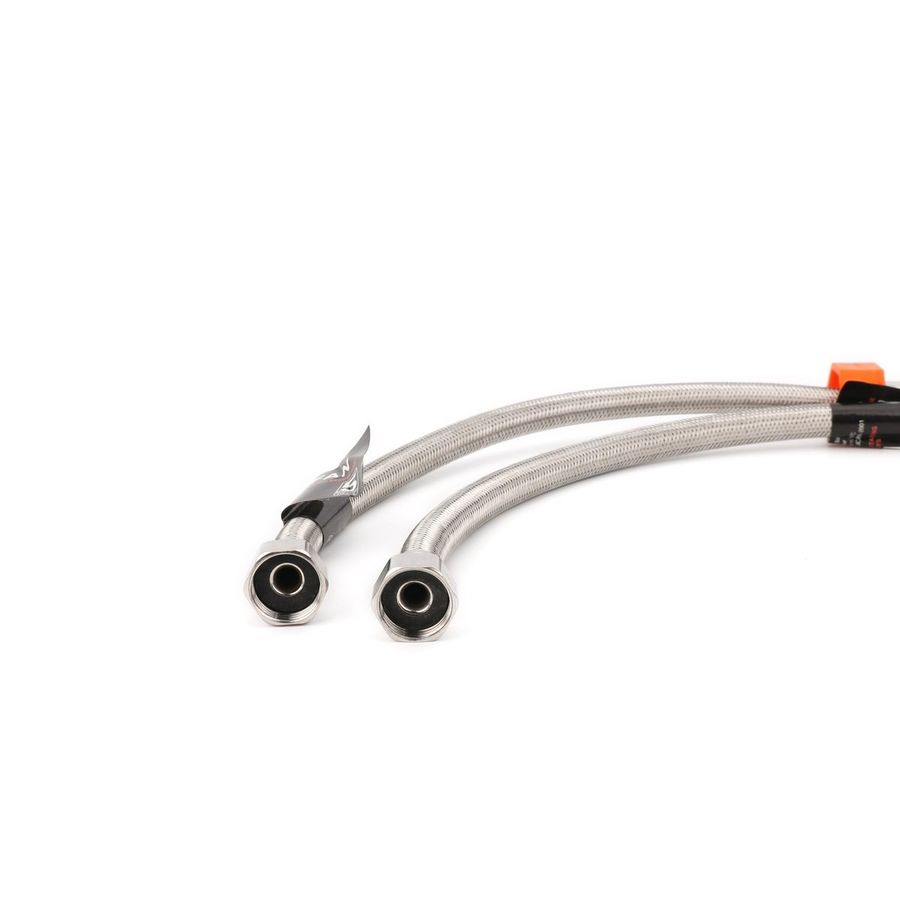
Water Hammer Arrestors: How They Work and Where They Go
An arrestor is a shock absorber for the pipe: a small sealed cylinder holding a cushion of air or gas behind a piston or bladder. When the pressure spike arrives, it drives the piston into the cushion, the gas compresses, and the column's kinetic energy lands on a spring instead of a wall — no reflection, no bang. Unlike the old open air chambers, the sealed design can't waterlog, which is why it's the permanent fix. Placement rules: install the arrestor as close to the fast-closing valve as possible — at the washing machine box (screw-on hose models make this a five-minute job), at the dishwasher stop, near the offending fill valve — because the shorter the path between closure and cushion, the less pipe the spike travels. Size follows the fixture-unit tables (household points take the small A-size units), and orientation on modern piston arrestors is free. One honest limit: an arrestor treats the spike at its source; it does not fix 8-bar static pressure, a fluttering check valve, or a loose pipe — match the fix to the cause you diagnosed.
Water Hammer in Pumps and Larger Systems
Scale the pipe up and the same physics gets expensive. In pumped systems the classic event is check-valve slam: a pump stops, the column reverses, and a slow-closing swing check lets real reverse velocity develop before the disc finally crashes onto its seat — the bang is the column being stopped twice. The cure is closure behaviour, not luck: spring-loaded and silent check designs close at near-zero reverse velocity, killing the slam at its source, which is why pump discharges specify them (the mechanics are in the check valve guide). The other big-system events: pump start against an empty or drained line (the column accelerates into closed geometry — fill and vent lines before full-speed start, use soft-starts or VFDs), fast-acting actuated valves (specify closure times measured in seconds, not milliseconds, on long mains), and column separation on undulating profiles, where the spike arrives when the separated column rejoins. Long transfer mains earn real surge analysis and purpose-built protection — surge vessels, air valves — but the building-scale lesson holds at every size: the cheapest fix is chosen at the valve schedule, not discovered at commissioning.
Measuring It: Put a Number on the Bang
Diagnosis gets sharper with a gauge. A lazy-hand pressure gauge (one with a drag pointer that stays at the maximum) screwed onto a hose bib or washing-machine tee turns "it bangs" into "static is 6.2 bar and the spike pegs past 10" — evidence that decides between a PRV, an arrestor, or both. Read it three ways: static pressure with no flow (above ~5.5 bar, start at the PRV); the spike — trigger the offending appliance and watch the drag pointer (a healthy system spikes modestly above static; a hammering one multiples it); and overnight creep — static that rises while no one uses water points at thermal expansion or a failing PRV rather than hammer at all. Ten minutes with a $15 gauge routinely saves an afternoon of guessing — and after the fix, the same gauge proves it worked, which on a commercial job is the difference between "we think it's better" and a signed-off punch item.
Designing Systems That Don't Hammer
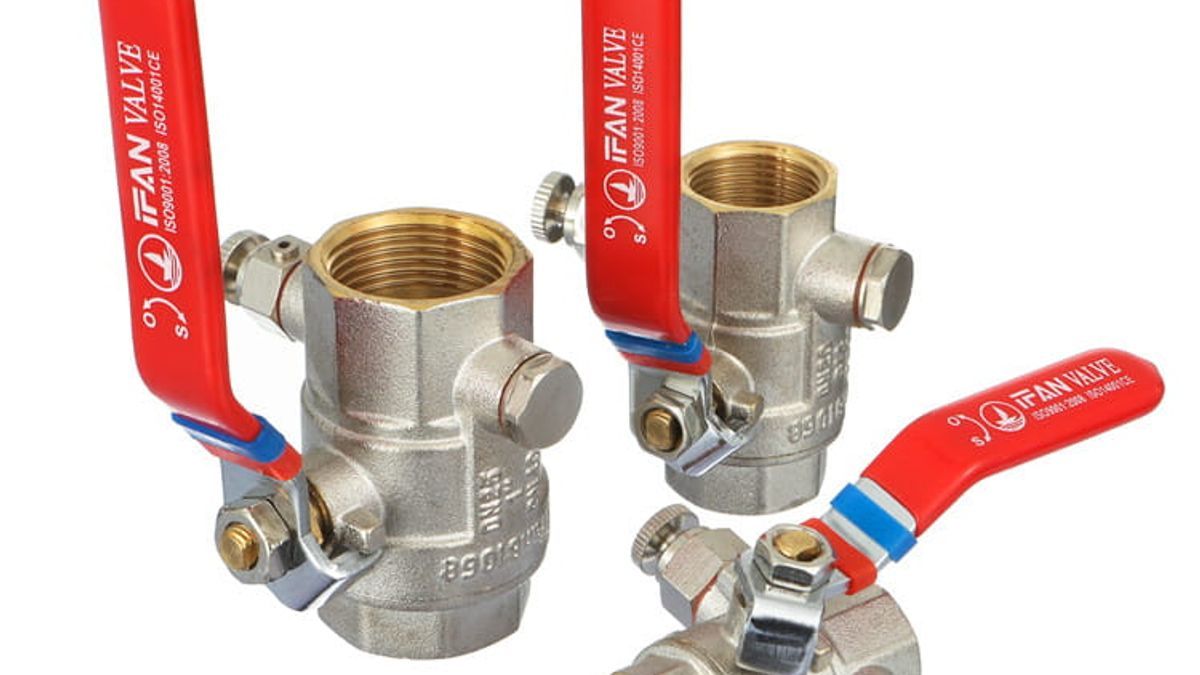
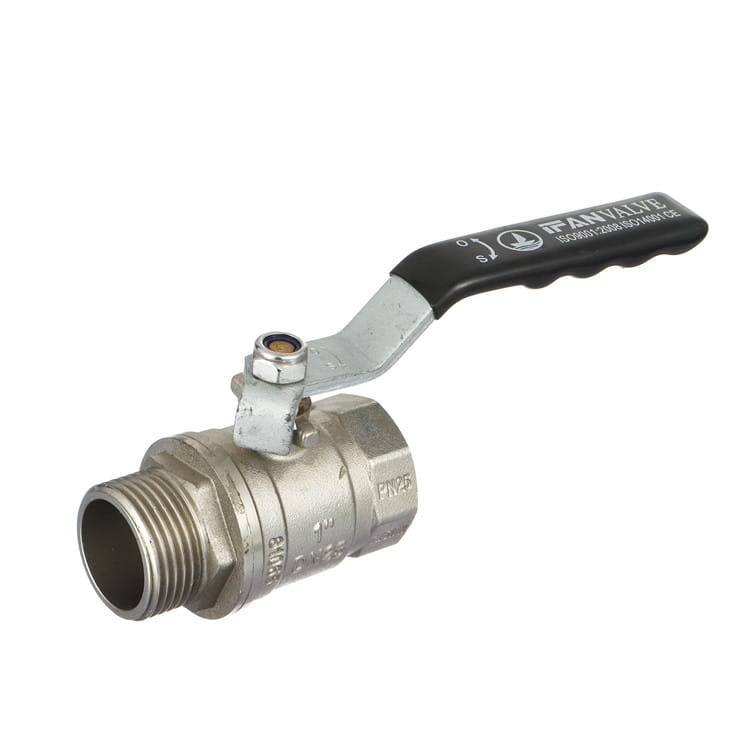
At project scale, hammer is a design lapse, not a maintenance item — and the prevention list is short. Keep velocities civil: size supply pipes so design flow stays around 1.5–2.5 m/s; undersized pipe means fast water, and fast water means hard stops (sizing logic per material lives in the sizing guides). Regulate at entry: a PRV per zone holds the baseline down. Specify closure behaviour: slow-closing fill valves in fixtures, spring check valves on pump lines (their fast, damped closure prevents the reverse-flow slam), and several-turn gate valves rather than levers on big mains. Arrestors at every solenoid: washing points, dishwashers, irrigation manifolds — anywhere a coil snaps a valve shut. Clip everything to spec, with cushioned clamps on plastic pipe. A system built this way runs silent from day one — and every component on that list, from PRVs and check valves to the full valve and fitting range, ships grade-matched from IFAN's catalog, which is exactly the point of specifying the quiet system as one order instead of discovering the loud one fixture by fixture.
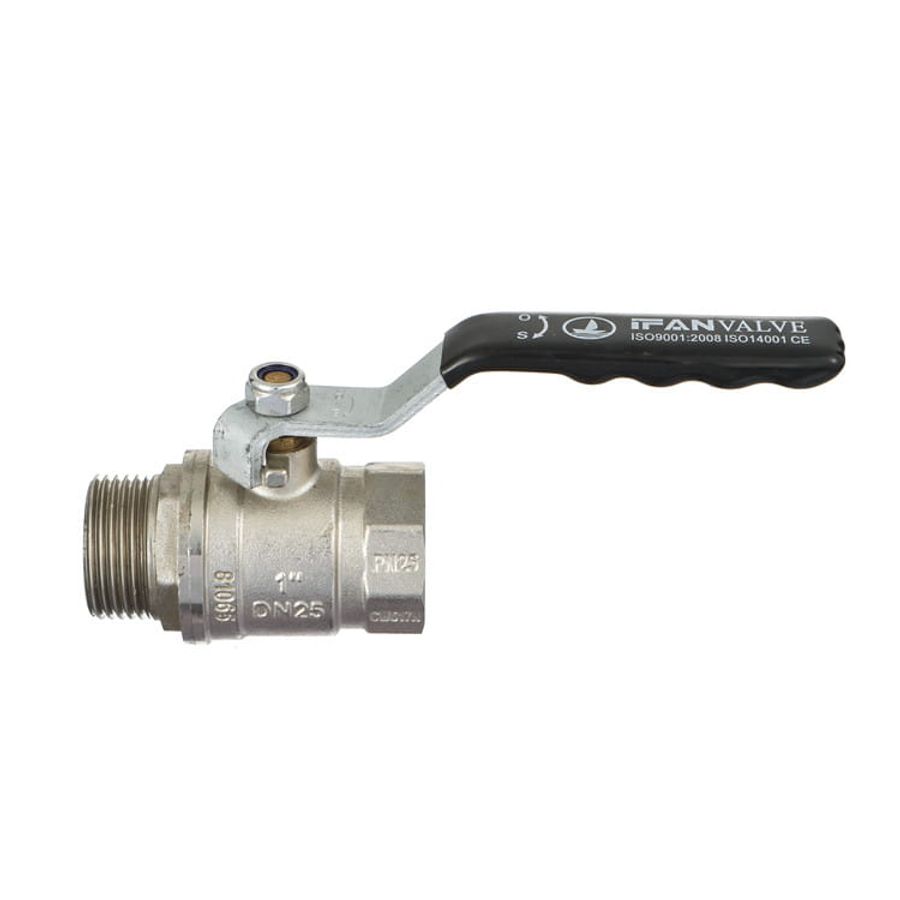
Speccing a system that runs silent?
PRVs, spring check valves, gate valves, and matched fittings in lead-free DZR brass — tell us the line list and we'll quote the quiet version.
Request a QuoteCommon Water Hammer Mistakes
Treating the noise, not the spike. Foam on a rattling pipe silences the symptom while the pressure wave keeps working on your joints. Diagnose first.
Arrestors before pressure. At 8 bar static everything hammers; fit the PRV first or you're cushioning a sledgehammer.
Arrestor far from the valve. Ten metres from the solenoid, the spike has already toured the system. Mount it at the fixture.
Confusing hammer with flutter. Machine-gun rattle during flow is a worn washer or chattering check valve — an arrestor won't touch it.
Ignoring it because it's "just noise." The same spike that bangs the wall is the one that bursts a supply hose over a weekend away.
Frequently Asked Questions
What causes water hammer?
Suddenly stopped flow. Moving water is a column with momentum; when a fast-closing valve — a washing machine solenoid, a snapped quarter-turn tap, a toilet fill valve — stops it in milliseconds, the kinetic energy becomes a pressure spike several times working pressure, which reflects through the pipework and shakes unsecured runs. Velocity, closure speed, and run length set how violent it is.
How do I stop water hammer?
Cheapest first: clip loose pipework; measure static pressure and fit a pressure reducing valve if it's above ~5.5 bar; drain the system to reset old air chambers; then install sealed water hammer arrestors at the offending fixtures (washing machine, dishwasher, fill valves). Replace abrupt fill valves with slow-closing ones where they're the trigger. Most homes are quiet by step three.
Where should a water hammer arrestor be installed?
As close to the fast-closing valve as possible — screw-on models at the washing machine hose connections, compact units at dishwasher stops or near a banging fill valve. The shorter the path between the closure and the air cushion, the less pipework the spike travels. Modern sealed piston arrestors work in any orientation and can't waterlog like old air chambers.
Is water hammer actually harmful or just annoying?
Harmful. The bang is a pressure spike stressing every joint, valve seat, and flexible hose in the system, repeated dozens of times daily. Over time it loosens fittings, erodes seats, and is a classic contributor to burst washing-machine and supply hoses — the flood-while-you're-away failure. Quieting it is joint protection, not just comfort.