
Сертификация SONCAP для труб PPR в Нигерии: PC, SC и Form M
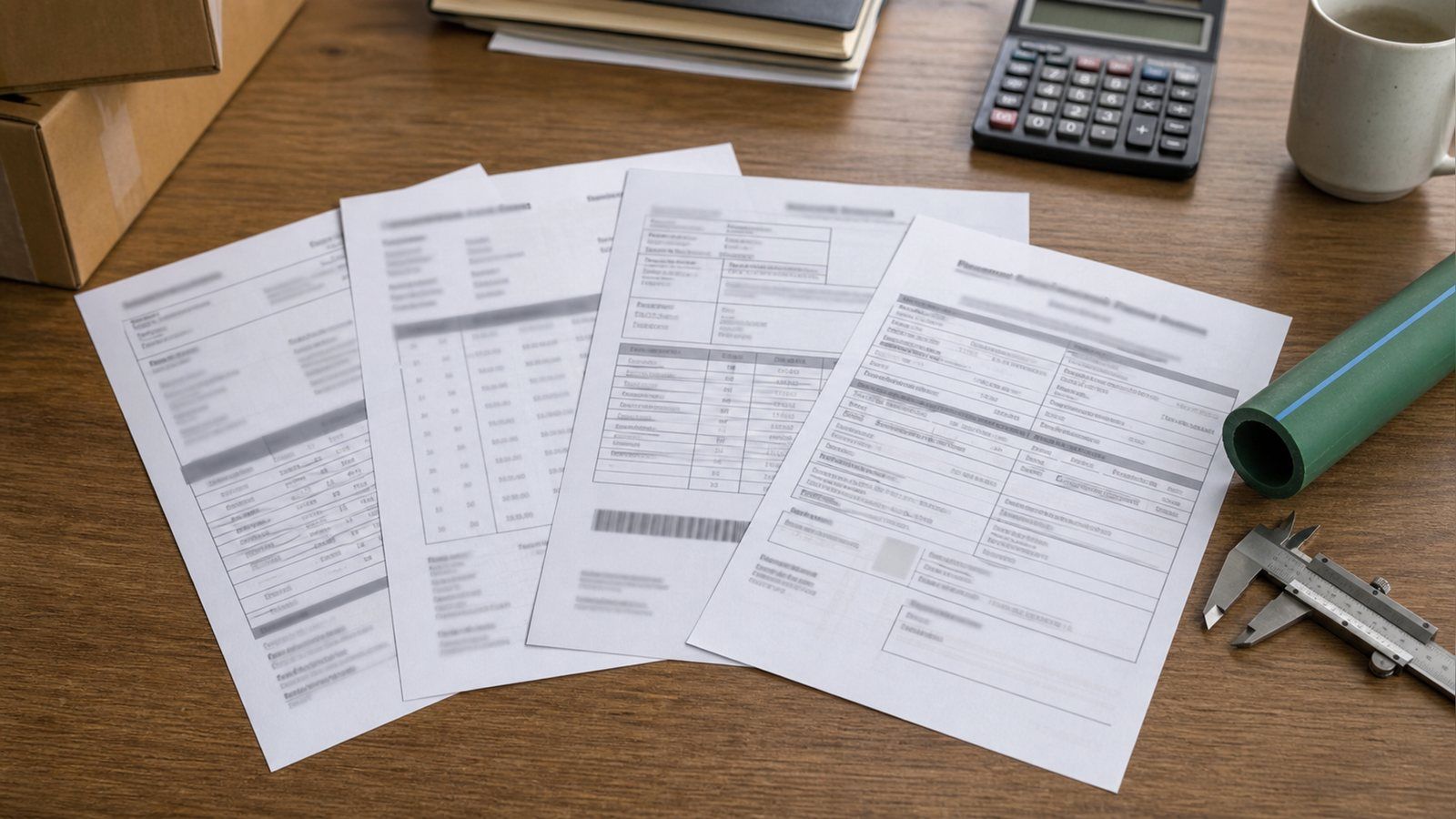
Кто что подает для SONCAP на контейнер PP-R в Нигерию: Product Certificate, Shipment Certificate, заказ Form M. Сборы SON и миграция на NSW в 2026 году.
Труба PP-R является регулируемым импортом по SONCAP. Всё, что не входит в опубликованный SON список исключений, подлежит регулированию, и труба в этот список не входит. Поэтому для растаможки контейнера PP-R в Апапе нужны два сертификата, а не один. Product Certificate (PC) запрашивает ваш китайский поставщик, он выдаётся на его имя и должен существовать до того, как ваш банк откроет Form M. SONCAP Certificate (SC) выдаётся вам, импортёру, после одобрения Form M, и именно его ваш агент подаёт в PAAR. Ключевое ограничение — сроки: SON прямо заявляет, что SONCAP «не может быть оформлен после того, как партия покинула страну происхождения». Контейнер, который отправился без SC, становится SONCAP Default, штраф по которому составляет 20 % от CIF или ₦2 млн, в зависимости от того, что выше.
Ключевые выводы
- Два сертификата, два разных владельца. PC принадлежит экспортёру и открывает Form M; SC принадлежит импортёру и открывает PAAR. Начать оформление первого может только ваш поставщик.
- Два дедлайна, оба — на момент отправки. SON не будет обрабатывать SONCAP после того, как товар покинет страну происхождения, а заявки на PAAR «должны подаваться в момент отправки» — PAAR, поданный после прибытия контейнера, сам по себе является нарушением.
- Тарифы SON опубликованы: PC1 $500, PC2 $1,000, PC3 $2,000, SC $350 за сертификат. Расходы на инспекцию и испытания добавляются сверху и рассчитываются в каждом случае отдельно.
- С 27 марта 2026 года документооборот переместился. Аккредитованные компании по-прежнему формируют сертификаты на SON Portal, но активация для Form M, PAAR и таможенной очистки теперь происходит на National Single Window по адресу nsw.gov.ng.
- Товар для перепродажи не может использовать Import Permit. SON ограничивает его только собственными входящими материалами производителей; товары для перепродажи должны идти по маршруту SONCAP Product Certification.
- Лучше всего подходит импортёрам, бронирующим свой первый или второй контейнер PP-R в Нигерию. Не подходит местным производителям, для которых действует схема MANCAP.
На этой странице
- Является ли труба PP-R фактически регулируемым продуктом по SONCAP?
- Два сертификата и кому принадлежит каждый из них
- Семь шагов, публикуемых SON, по порядку
- Что изменилось 27 марта 2026 года
- Сколько это стоит и сколько времени занимает
- Точка невозврата и сколько стоит её пересечь
- Разделение, которое не объяснит ваш орган по сертификации
- Чек-лист, который нужно отправить до перевода депозита
- Часто задаваемые вопросы
- Источники
Является ли труба PP-R продукцией, регулируемой SONCAP?
Большинство импортёров, работающих с этим впервые, ошибаются: они ищут «трубу PP-R» в перечне регулируемой продукции и не находят её. Поиск ведётся не с той стороны, потому что схема определена методом исключения: Cotecna, одна из аккредитованных компаний SON, указывает, что «все продукты, кроме прямо освобождённых в приведённом ниже перечне, регулируются в рамках программы SONCAP». Перечень исключений SON короткий — пищевые продукты, лекарства и медицинские изделия, кроме оборудования и машин, химикаты, используемые как сырьё добросовестными производителями, контрабанда и бывшие в употреблении товары, кроме автомобилей. Пластиковые трубы для сантехники в нём не значатся. Ваша продукция из PP-R регулируется, как и фитинги и арматура в том же контейнере.
Отсюда следуют два вывода. Во-первых, классификация должна совпадать во всех документах. Труба PP-R относится к товарной позиции HS 39.17, а именно к субпозиции 3917.22, «Of polymers of propylene», фитинги — к 3917.40. SON называет несоответствие причиной отказа в PAAR: «Код HS и количество позиций, одобренные для PC, отличаются от тех, что заявлены сейчас при активации PAAR». Если в PC указан 3917.22, а ваш агент заявляет другое, чтобы сэкономить на пошлине, PAAR не проходит, и контейнер стоит — см. нашу заметку о коде HS для трубы PP-R.
Во-вторых, SONCAP — это не MANCAP. SON определяет MANCAP как программу, «которой должна соответствовать вся продукция, произведённая в Нигерии»; SONCAP — это офшорная схема для импорта. Поставщик, который предлагает вам документ MANCAP, тянет время.
Два сертификата и кто владеет каждым из них
Два сертификата достаются двум разным сторонам, в двух разных странах, в два разных момента — и бóльшая часть задержек в этой схеме — это ожидание одной стороной другой без осознания этого. Product Certificate — документ экспортёра; Cotecna прямо указывает, что он получает его, поскольку «только его данные указаны в сертификате». Он выпускается в трёх категориях в зависимости от того, как поставщик аккредитован в органе по сертификации, и категория определяет как стоимость, так и количество поставок, на которые он распространяется. SONCAP Certificate — ваш: SON определяет его как документ, «используемый для оформления PAAR для таможенной очистки груза в любом нигерийском порту», выдаваемый одному импортёру на одну партию.
| Документ | Кто подаёт | Должен быть готов к | Срок действия (мес.) | Без него |
|---|---|---|---|---|
| PC1 — Product Certificate, незарегистрированный (маршрут A) | Экспортёр (ваша фабрика) | До открытия Form M | 6, на одну поставку | Банк не может открыть Form M |
| PC2 — зарегистрированный (маршрут B) | Экспортёр | До открытия Form M | 12, на несколько поставок | Каждый повторный заказ начинается заново с маршрута A |
| PC3 — лицензированный (маршрут C) | Экспортёр, после аудита фабрики | До открытия Form M | 12, на несколько поставок | Испытания на каждую поставку остаются в вашем сроке |
| SC — SONCAP Certificate | Импортёр (вы), через ту же фирму | После одобрения Form M, до выхода судна | На конкретную партию — один PAAR, одно юрлицо; SON не публикует срок действия SC | SONCAP Default: 20 % CIF или ₦2 млн, что выше |
| SONCAP Import Permit | Производитель, только для собственного сырья | не применимо к товарному запасу | По одобрению SON | Для товаров на перепродажу это вообще не вариант |
| Источник: Standards Organisation of Nigeria, SONCAP FAQ и сервисные страницы SONCAP; Cotecna Nigeria (фирма, аккредитованная SON), маршруты сертификации. Данные о сроках действия и штрафах — по публикациям SON. | ||||
Семь шагов SON в официальном порядке публикации
SON публикует саму последовательность, и это важнее любого резюме консультанта, потому что именно этот порядок принудительно применяет система. Она начинается до получения обоих сертификатов: активируйте свой идентификационный номер налогоплательщика FIRS на национальном торговом портале, который SON называет «одним из ключевых требований для оформления SONCAP и импортных разрешений». Импортеры, у которых его нет, узнают об этом на первом шаге, когда депозит уже внесён.
Шаги три и четыре — за вами: вы открываете Form M через уполномоченный дилерский банк и запрашиваете SC. Ваш поставщик контролирует шаг два, и всё остальное зависит от него — поэтому вопрос китайскому заводу PP-R звучит не «есть ли у вас SONCAP», а «какая компания держит ваш Product Certificate, по какой схеме он получен и когда истекает».
Что изменилось 27 марта 2026 года
Если вы последний раз импортировали до 2026 года, часть вашего обычного порядка работы теперь неверна. SON опубликовал официальное уведомление, подтверждающее, что с 27 марта 2026 года заявки на разрешения на импорт (сертификаты на продукцию и партию) и SONCAP Defaults должны быть «инициированы и обработаны исключительно на сайте National Single Window» по адресу nsw.gov.ng, и что он больше не будет обрабатывать эти документы через независимые каналы.
Этот нюанс важен для каждого импортёра PP-R, поскольку все они пользуются услугами сертификационной фирмы. Уведомление оставляет выдачу там же, где она была — «выпуск сертификатов SONCAP на продукцию и партию нашими аккредитованными партнёрами продолжается на портале SON», — но переносит следующий шаг: «активация этих сертификатов для целей Form M, PAAR и таможенной очистки груза должна выполняться на платформе National Single Window (NSW)». Сертификат, который существует, но не активирован на NSW, не проведёт ваш контейнер через PAAR. Обновите свой профиль на NSW до размещения заказа, а не пока судно в море.
Сколько это стоит и сколько занимает времени
SON публикует собственные тарифы, что позволяет проверить, сколько вам выставляет агент. Чего SON не публикует — так это расценки сертифицирующей компании на инспекцию, надзор за загрузкой и испытания, а также стоимость отчётов китайской лаборатории, на которых держится PC. Всё это котируется по каждому конкретному случаю. Любую итоговую цифру без разбивки по статьям воспринимайте как требующую проверки.
| Позиция | Сбор SON (USD) | Заявленный срок SON | Кто обычно оплачивает |
|---|---|---|---|
| Product Certificate 1 (нерегистрируемый) | 500 | 96 ч, или 24 ч при полном комплекте документов | Экспортёр |
| Product Certificate 2 (регистрируемый) | 1,000 | 96 ч, или 24 ч при полном комплекте документов | Экспортёр |
| Product Certificate 3 (лицензируемый) | 2,000 | 96 ч, или 24 ч при полном комплекте документов | Экспортёр |
| Сертификат SONCAP, за сертификат | 350 | 96 ч, или 24 ч при полном комплекте документов | Импортёр |
| Внесение изменений в сертификат | 100 | Не указан | Тот, по чьей вине возникла ошибка |
| Отчёт о несоответствии | 350 | Не указан | Экспортёр |
| Источник: Standards Organisation of Nigeria, SONCAP FAQ и “How much does it cost to apply for SONCAP Product certificate?”. Инспекция, надзор за загрузкой и лабораторные испытания оплачиваются отдельно аккредитованной компании и не публикуются — запрашивайте их письменно, прежде чем брать на себя обязательства. | |||
Цифра в 24–96 часов описывает выпуск сертификата, а не всю работу целиком. То, что занимает недели, происходит до этого: получение или переоформление протоколов испытаний на нужный стандарт, организация инспекции и загрузка контейнера под надзором по маршруту A. Закладывайте время на это, а не на срок SON. Сам Form M имеет запас — действует 180 дней, продлевается ещё на 180 через Authorised Dealer Bank — так что он редко становится узким местом.
Точка невозврата и цена её пересечения
Одна фраза из FAQ SON должна определять планирование отгрузки: “SONCAP — это схема офшорной и предотгрузочной сертификации, поэтому она не может быть оформлена после того, как груз покинул страну происхождения”. Ретроспективного SC не существует. Как только судно уходит, остаётся только штрафной путь.
Тот же отсчёт действует и на таможенной стороне — именно здесь попадается большинство агентов. SON заявляет, что “все заявки на Pre-Arrival Assessment Report должны подаваться в момент отправки грузов в Нигерию”, и что “любая заявка на PAAR для товаров, уже находящихся в нигерийских портах и на границах, будет квалифицирована как нарушение и соответствующим образом оштрафована”. PAAR — не формальность по прибытии. Ваш агент должен подавать его, пока судно грузится, а не когда оно встанет у причала в Апапе.
Размер штрафа опубликован. Нарушение “взимается в размере 20 % от CIF стоимости груза или 2 миллионов найр, в зависимости от того, что выше”. Порог в найрах срабатывает только на очень малых партиях; в масштабе контейнера всегда действует цифра 20 %, и она ложится сверху на демередж и простой контейнеров, начисляемые ежедневно, пока нарушение обрабатывается. Сами SONCAP Defaults — один из типов документов, которые SON перевёл в National Single Window в марте 2026 года.
Разделение ответственности, которое вам не объяснят в органе по сертификации
Органы по сертификации хорошо описывают собственный процесс и останавливаются на его границе. Что они умалчивают — так это то, какие документы обязан предоставить завод, а какие — вы; именно на этом разделении и рушатся первые поставки. Завод отвечает за доказательства соответствия продукции; вы отвечаете за доказательства права на её ввоз. Ни одна из сторон не может предоставить половину другой стороны.
| Документ | Чья обязанность | Когда запрашивать | На чём срывается |
|---|---|---|---|
| Протоколы испытаний из лаборатории, аккредитованной по ISO/IEC 17025 | Завод | На этапе коммерческого предложения | Протоколы из неаккредитованной лаборатории или с истёкшим сроком |
| Заявленный стандарт в протоколе и на маркировочной линии — как правило, ISO 15874-2 или DIN 8077/8078 | Завод | На этапе коммерческого предложения | Труба маркирована по стандарту, который не охвачен протоколом |
| Код ТН ВЭД по каждой позиции, согласованный в письменном виде | Обе стороны | В проформе-инвойсе | Код PC ≠ декларация PAAR → PAAR отклонён |
| Наименование аккредитованной фирмы и маршрут PC, который использует завод | Завод | До внесения депозита | Две фирмы в цепочке, дублирование платежей |
| Действующий TIN в FIRS и профиль NSW | Вы | До размещения заказа | SONCAP вообще невозможно оформить |
| e-Form M с приложенным PC | Вы через ваш банк | Сразу после получения PC | Открыт без PC или суммы не совпадают |
| Финальный инвойс, упаковочный лист и проект коносамента для фирмы | Завод, на основании вашей Form M | При загрузке; финальный B/L — сразу после выпуска | Количества отличаются от Form M |
| Источник: составлено по опубликованным SON этапам SONCAP и FAQ, а также по требованиям маршрута A компании Cotecna Nigeria (инспекция, отбор проб и приём протоколов испытаний по ISO/IEC 17025). SON описывает схему как «обеспечение соответствия регулируемой продукции NIS или утверждённым международным стандартам до экспорта в Нигерию» и не публикует обозначение NIS для труб PP-R — именно поэтому китайские заводы обычно предъявляют протоколы, выданные по ISO 15874-2 или DIN 8077/8078. Уточните точную ссылку у вашей фирмы. | |||
Чек-лист, который нужно отправить до внесения депозита
Всё сводится к шести вопросам. Отправьте их письменно и сохраните ответ — именно на него вы сошлётесь, если поставка застопорится.
Отправьте это поставщику PP-R до оплаты
- С какой из аккредитованных фирм SON вы работаете по SONCAP и какой у вас сертификат — PC1, PC2 или PC3?
- Если у вас PC2 или PC3, пришлите номер сертификата и срок действия и подтвердите, что он распространяется на те самые SKU из моего проформа-инвойса.
- Какая лаборатория выдала ваши протоколы испытаний и аккредитована ли она по ISO/IEC 17025? Пришлите протокол и область аккредитации.
- По какому стандарту выданы протоколы испытаний и нанесена маркировка — ISO 15874-2, DIN 8077/8078 или по обоим — и совпадают ли они между собой?
- Подтвердите код ТН ВЭД по каждой позиции — 3917.22 для трубы PP-R, 3917.40 для фитингов — и что он будет одинаковым в PC, Form M и упаковочном листе.
- Кто подаёт заявку на SC и на каком этапе вам нужна моя утверждённая Form M, чтобы начать?
Второй вопрос сразу разделяет поставщиков. Завод, регулярно отгружающий в Нигерию, уже имеет зарегистрированный или лицензированный сертификат соответствия на свой ассортимент PP-R, и ваш первый заказ идёт по нему. Завод, для которого Нигерия новая, начинает вас с маршрута A, где Cotecna требует физического досмотра и отбора образцов «представителями Cotecna в ходе досмотра партии» — больше затрат, больше недель, при каждой поставке, пока не будет оформлена регистрация. Если вы всё ещё сравниваете предложения, на странице поставок PP-R от IFAN указан ассортимент и заявленные стандарты, которые запросит сертифицирующая компания. Наш чек-лист документов для импорта труб и руководство по импорту PP-R в Нигерию описывают, что находится по обе стороны от SONCAP.
IFAN производит трубопроводные системы с 1993 года и экспортирует в более чем 120 стран: более 3 000 SKU PP-R, DN20–DN160, PN12.5–PN25, 100 % первичный PP-R и паспорт партии к каждой производственной партии. Региональные сертификаты, включая SONCAP, оформляются по требованию.
Одна оговорка: лицензированный сертификат соответствия упрощает отгрузку, но ничего не говорит о компаунде в трубе — он подтверждает, что испытанные образцы соответствовали стандарту, а не то, что ему соответствует каждый метр в вашем контейнере. Проверки материала и геометрии проводите отдельно; в материале о сертификации труб PP-R разъясняется, что означает каждая маркировка.
Часто задаваемые вопросы
Сколько стоит сертификат SONCAP в Нигерии?
SON публикует стоимость $350 за сертификат SONCAP. Предшествующий ему сертификат на продукцию стоит $500 для PC1, $1,000 для PC2 и $2,000 для PC3. Инспекция, надзор за загрузкой и лабораторные испытания оплачиваются отдельно аккредитованной компанией.
Как получить сертификат SONCAP?
В порядке, опубликованном SON: активируйте свой FIRS TIN, затем экспортёр должен получить сертификат на продукцию через аккредитованную компанию. Откройте CBN Form M с приложенным PC, запросите сертификат SONCAP через ту же компанию до отхода судна и приложите его к заявке PAAR.
Как активировать сертификат на продукцию SONCAP?
С 27 марта 2026 года активация для Form M, PAAR и таможенной очистки груза должна выполняться в National Single Window на nsw.gov.ng, хотя аккредитованные компании по-прежнему формируют сертификаты на SON Portal. Обновите свой профиль в NSW заранее.
Требуется ли для трубы PP-R сертификация SONCAP?
Да. SONCAP работает по принципу исключения: всё, что не входит в список исключений SON, является регулируемым, а список SON охватывает продукты питания, лекарства, химическое сырьё, контрабанду и бывшие в употреблении товары — но не пластиковые трубы. Фитинги и арматура также регулируются.
Кто подаёт заявку на сертификат SONCAP — поставщик или импортёр?
Оба, на разных этапах. Экспортёр подаёт заявку на сертификат на продукцию, и в нём указываются его данные. SC выдаётся импортёру и ограничен одной партией PAAR и одним юридическим лицом, поэтому его нельзя разделить между двумя покупателями.
Можно ли получить сертификат SONCAP после отгрузки контейнера?
Нет. SON заявляет, что SONCAP “не может быть оформлен после того, как партия покинула страну происхождения”. Товары, прибывшие без него, рассматриваются как SONCAP Default и облагаются сбором в размере 20 % от стоимости CIF или ₦2 миллиона, в зависимости от того, что выше.
Можно ли использовать Import Permit SONCAP вместо сертификации?
Не для товарных запасов. SON ограничивает действие Import Permit сырьём, упаковкой и оборудованием для производителей и заявляет, что “все коммерческие товары и изделия, предназначенные для последующей продажи и распространения, должны проходить сертификацию по схеме Product certification SONCAP”.
Источники
- Standards Organisation of Nigeria — вопросы и ответы по SONCAP (типы сертификатов, срок действия, сборы, штраф за нарушение, исключения, правило предотгрузочной проверки)
- Standards Organisation of Nigeria — часто задаваемые вопросы (график сборов, сроки оформления, требование TIN, причины отказа в PAAR)
- Standards Organisation of Nigeria — услуга SONCAP и аккредитованные компании
- Уведомление SON — обязательный перевод процессов SONCAP и выдачи импортных разрешений на платформу National Single Window с 27 марта 2026 года
- SON — семь этапов SONCAP по порядку
- SON — что такое сертификат SONCAP (SC)
- SON — область применения импортного разрешения SONCAP
- SON — сравнение MANCAP и SONCAP
- Cotecna Nigeria — перечень продукции, освобождённой от SONCAP
- Cotecna Nigeria — требования маршрута A и срок действия PC(U)
- Cotecna Nigeria — маршрут B, срок действия PC(R) и несколько сертификатов SC
- Cotecna Nigeria — маршрут C, PC(L) и аудит производственного процесса
- Cotecna Nigeria — разница между импортным разрешением, сертификатом на продукцию и сертификатом SONCAP
- Cotecna — срок действия e-Form M и необходимые документы
- World Customs Organization — Гармонизированная система описания и кодирования товаров 2022, глава 39 (товарная позиция 39.17)
- ISO 15874-2:2013 — Пластмассовые трубопроводные системы для горячего и холодного водоснабжения, полипропилен (PP), часть 2: трубы