
مطالبة بشحنة أنابيب معيبة: المواعيد النهائية التي يفوتها المستوردون
أنابيب PP-R تالفة أو غير مطابقة عند الوصول؟ ثلاثة مواعيد للمطالبة — 3 أيام لشركة النقل، سنة واحدة للتقاضي، وسنتان بموجب اتفاقية CISG — وما يجب إثباته.
حاوية من أنابيب PP-R مفتوحة أمامك وهناك شيء خاطئ. كراتين مهشمة على جانب واحد، أنابيب رقيقة عند قياسها بالقدمة، علامات لا تطابق فئة الضغط في الفاتورة، أو حزم وصلت مبللة. الغريزة هي تصوير كل شيء، إرسال رسالة غاضبة للمورد، وانتظار الرد.
هذه الغريزة تخسر المطالبات. ليس لأن الشكوى خاطئة، ولكن لأن ثلاث ساعات منفصلة بدأت بالعد منذ لحظة تفريغ الحاوية، وهي تعمل ضد ثلاثة أطراف مختلفة، وأقصرها يمكن أن تنتهي في ثلاثة أيام. تقريبًا كل ما يُكتب عن مطالبات الشحن على الإنترنت يتعلق بالنقل البري المحلي في الولايات المتحدة — تعديل كارماك، نوافذ تقديم مدتها تسعة أشهر، بوليصة شحن مع ناقل محلي. إذا عبرت أنابيبك المحيط، لا ينطبق عليك أي من ذلك. مواعيدك النهائية أقصر، وهي تأتي من أدوات مختلفة، وتفويت أحدها لا يضعف مطالبتك بل ينهيها.
توضح هذه الصفحة ما يجب فعله، وبأي ترتيب، وبحلول متى — لشحنة حاوية من الأنابيب البلاستيكية تصل بموجب قاعدة إنكوتيرمز، محكومة باتفاقية الأمم المتحدة للبيع الدولي للبضائع (CISG) ضد البائع وقواعد لاهاي-فيسبي ضد الناقل. كما توضح أي العيوب يمكنك إثباتها بالقدمة وكاميرا الهاتف، وأيها يحتاج إلى مختبر لن تحصل على نتائجه في الوقت المناسب.
الخلاصات الرئيسية
- لاحظ الاستثناء على إيصال التسليم قبل التوقيع. بموجب المادة III القاعدة 6 من قواعد لاهاي-فيسبي، يجب تقديم إشعار كتابي إلى الناقل قبل أو في وقت الإزالة للبضائع في حالة الضرر الظاهر، وخلال ثلاثة أيام للضرر غير الظاهر. الصمت يخلق افتراضًا بأن البضائع سُلّمت بحالة جيدة.
- لديك سنة واحدة لمقاضاة الناقل — المادة III القاعدة 6 تعفي الناقل والسفينة من كل مسؤولية ما لم تُرفع دعوى خلال سنة من التسليم، أو من التاريخ الذي كان يجب فيه التسليم.
- ضد البائع، الساعة مختلفة. المادة 39(1) من اتفاقية CISG تتطلب إشعارًا يحدد طبيعة عدم المطابقة خلال فترة معقولة من الاكتشاف، مع حد أقصى مطلق عند سنتين من التسليم الفعلي بموجب المادة 39(2) — تحسب من التسليم، وليس من يوم ظهور العيب.
- قاعدة الإنكوتيرمز الخاصة بك تحدد من يتحمل الخسارة قبل أي جدال حول الخطأ. بموجب FOB وCFR وCIF، ينتقل الخطر عندما تكون البضائع على متن السفينة في ميناء الشحن؛ ضرر النقل هو خسارتك أنت لاستردادها، وليس التزامًا على البائع.
- CIF لا يعني أنك مؤمن بشكل صحيح. تفرض إنكوتيرمز 2020 على بائع CIF شراء تغطية معهد شحن البضائع (C) فقط ما لم تتفق على خلاف ذلك — وتستبعد ICC (C) السرقة والنهب ودخول مياه البحر إلى الحاوية.
- مسؤولية الناقل محدودة مهما كانت قيمة البضاعة — 666.67 وحدة حساب لكل طرد، أو وحدتا حساب لكل كيلوغرام من الوزن الإجمالي، أيهما أعلى.
في هذه الصفحة
- الساعات الثلاث التي تعمل بالفعل
- الساعة صفر: ماذا تفعل قبل مغادرة الشاحنة
- ابنِ حزمة الأدلة قبل نقل البضاعة
- ما الذي يعتبر فعليًا أنبوبًا معيبًا وفقًا لمعيار ISO 15874
- أثبت عدم المطابقة بالقدمة والكاميرا، وليس بالجدال
- من يدفع فعليًا: اقرأ الإنكوتيرمز الخاص بك قبل إلقاء اللوم على أي شخص
- ما الذي يغطيه تأمين البضائع الخاص بك فعليًا
- سقف مسؤولية الناقل، مشروحًا بالأرقام
- كتابة إشعار يحافظ فعليًا على المطالبة
- الأفضل والأسوأ: أي طريق يستحق المتابعة
- جدول زمني عملي يمكنك إعادة استخدامه
- ماذا تضع في العقد القادم
- الاستنتاج

جولة المصنع هي أرخص أداة لمنع المطالبات: الوصول الذي تتفاوض عليه قبل الإنتاج هو الوصول الذي تتمنى لو كان لديك عندما تكون دفعة محل نزاع.
الساعات الثلاث التي تعمل بالفعل
معظم المشترين يتعاملون مع شحنة سيئة كمشكلة واحدة مع طرف واحد. قانونيًا، هي ما يصل إلى ثلاث مشاكل، لكل منها موعدها النهائي، ومعيار الإثبات الخاص بها، وسقفها الخاص لما يمكنك استرداده. تعمل بالتوازي، والعمل الذي تقوم به لواحدة لا يحمي الأخرى تلقائيًا.
التمييز الأهم هو بين الضرر وعدم المطابقة. الضرر هو مسؤولية الناقل: الأنبوب غادر المصنع سليمًا ووصل مكسورًا أو مبتلًا أو ناقصًا. عدم المطابقة هو مسؤولية البائع: وصل الأنبوب تمامًا كما تم شحنه، وما تم شحنه ليس ما اشتريته. كرتون منبعج بداخله الأنبوب الصحيح هو مشكلة الناقل. كرتون سليم بداخله أنبوب PN16 بينما العقد ينص على PN20 هو مشكلة البائع. كرتون أنبوب بسمك جدار أقل من الحد الأدنى للمعيار هو مشكلة البائع حتى لو كان الكرتون منبعجًا أيضًا.
ثلاثة مواعيد نهائية، ثلاثة أطراف متقابلة
ضد الناقل
- قاعدة III.6 من اتفاقية هاغ-فيسبي — إشعار كتابي عند الاستلام للضرر الظاهر، 3 أيام إذا لم يكن ظاهرًا، سنة واحدة لرفع الدعوى. الاسترداد محدود بحد أقصى لكل طرد أو لكل كيلوغرام.
ضد البائع
- المادة 38 من اتفاقية الأمم المتحدة للبيع الدولي للبضائع (CISG) — فحص البضاعة في أقرب وقت ممكن. المادة 39 — إشعار محدد بالعيب خلال فترة زمنية معقولة، مع حظر مطلق بعد سنتين من التسليم.
ضد شركة التأمين
- فترة الإشعار في البوليصة، بالإضافة إلى انتهاء التغطية أثناء النقل بعد التفريغ. بموجب ICC (B) و(C) يجب عليك إثبات أن خطرًا مدرجًا تسبب في الخسارة.
النتيجة العملية: في يوم التفريغ تتصرف وفقًا لساعة الناقل، لأنها الأقصر والأكثر عرضة للضياع. خلال نفس الأسبوع تتصرف وفقًا لساعة البائع، لأن الفترة المعقولة بموجب المادة 39 من CISG تُحسب من وقت اكتشافك للمشكلة أو كان يجب أن تكتشفها — والمشتري الذي ترك حاوية غير مفتوحة لمدة ستة أسابيع سيُقال له إنه كان يجب أن يكتشفها مبكرًا.
الساعة صفر: ماذا تفعل قبل مغادرة الشاحنة
المادة III، القاعدة 6 من اتفاقية هاغ-فيسبي تتطلب تقديم إشعار كتابي بالضرر أو الخسارة وطبيعتها العامة إلى الناقل أو وكيله في ميناء التفريغ قبل أو في وقت نقل البضاعة إلى حوزة الشخص المخول بالتسليم. بعبارة واضحة: بمجرد استلامك البضاعة دون كتابة أي شيء، تكون قد منحت الناقل افتراضًا بأنها سُلّمت بحالة جيدة.
هذه هي الخطوة الأرخص والأكثر تجاهلًا في العملية بأكملها. تكلف جملة واحدة مكتوبة بخط اليد على إيصال التسليم، وهي تساوي أكثر من كل صورة تُلتقط بعد ذلك.
- اكتب الاستثناء قبل توقيع أي شيء. ليس "تالف" — فهذا غامض جدًا ولا يساعد. اكتب ما يمكن لشخص غريب التحقق منه: "ختم الحاوية سليم. 14 كرتونًا منبعجًا عند باب النهاية، 3 كرتونات بها بقع ماء، أنبوب PP-R مشوه بشكل مرئي في كرتونين. الفحص الكامل والحقوق محفوظة."
- صوّر الختم ورقمه قبل قطعه، ثم الأبواب المفتوحة مع الحمولة في مكانها، ثم الضرر. تطابق رقم الختم مع بوليصة الشحن يخبرك أن الضرر حدث أثناء النقل وليس بعد التعبئة؛ الختم المكسور أو المستبدل يغير نظرية المطالبة بالكامل.
- سجّل رقم الحاوية وحالة إيصال تبادل المعدات (EIR). إذا كانت الحاوية نفسها بها ثقب أو حشية باب تالفة أو سقف متضرر، فهذا دليل السببية الذي ستطلبه شركة التأمين، ويختفي عند إعادة الحاوية.
- إذا لم يكن الضرر ظاهرًا عند الاستلام، ضع علامة على الموعد النهائي لثلاثة أيام فورًا. غالبًا لا يمكن فحص الأنابيب المكدسة في منتصف الحاوية على الرصيف. ثلاثة أيام من الاستلام هي الفترة التي يحافظ فيها الإشعار الكتابي على موقفك — وليس الخمسة إلى الخمسة عشر يومًا التي تستشهد بها إرشادات النقل المحلي.
- لا تتخلص من أي شيء أو تصلحه أو تعيد بيعه أو ترجعه. البضاعة هي الدليل. ترفض شركات التأمين المطالبات حيث تم التخلص من البضائع التالفة قبل حضور المساح.
قم ببناء حزمة الأدلة قبل نقل البضاعة
كل طرف ستتعامل معه — الناقل، البائع، شركة التأمين، وربما المحكمة — يطلب نفس المواد الأساسية. تجميعها مرة واحدة فورًا أرخص بكثير من إعادة بنائها بعد ثلاثة أشهر عندما تكون الحاوية قد أُعيدت وتم نقل الأنبوب إلى مستودع ثانٍ.
حزمة الأدلة
- إيصال التسليم الذي يحمل استثناءك الكتابي — الوثيقة التي تدحض افتراض الحالة الجيدة.
- رقم الحاوية ورقم الختم وEIR، مصورة بدلاً من نسخها.
- صور بتسلسل يثبت الموقع: أبواب مغلقة، أبواب مفتوحة مع الحمولة في مكانها، الضرر في مكانه، ثم الضرر عن قرب. الصور المقربة وحدها لا تثبت أين حدث الضرر.
- عينات مادية محفوظة — احتفظ بالأنبوب التالف وكرتونه، واحتفظ بقطعة سليمة واحدة على الأقل من نفس الدفعة للمقارنة.
- مساح يتم تعيينه مبكرًا.بموجب التغطية ICC (B) و(C)، يقع عبء الإثبات عليك لإظهار أن خطرًا مدرجًا تسبب في الخسارة؛ وتقرير المسح هو ما يتحمل هذا العبء.
- بوليصة الشحن وقائمة التعبئة والفاتورة التجارية، والتي تثبت معًا ما تم شحنه ووزنه وقيمته.
- علامات الأنبوب نفسها، مصورة بشكل واضح — بالنسبة لنزاع المواصفات، غالبًا ما تكون هذه هي القضية بأكملها.
سبب آخر لمعاملة حزمة الأدلة كمهمة في نفس اليوم بدلاً من عطلة نهاية الأسبوع: بموجب ICC (B) و(C)، يقع عبء إظهار خطر مدرج عليك، والحقيقتان اللتان تحملان هذا العبء — حالة الحاوية وموضع البضاعة داخلها — تختفيان في اللحظة التي يتم فيها إفراغ الصندوق وإعادته. يمكن للمساح الذي يصل بعد نقل الأنبوب إلى مستودع ثانٍ أن يصف البضاعة التالفة؛ لكنه لا يستطيع أن يقول كيف دخل الماء. هذا هو الفرق بين مطالبة مدفوعة ومطالبة مرفوضة.
ما الذي يعتبر فعليًا أنبوبًا معيبًا وفقًا للمعيار ISO 15874
"الأنبوب ذو جودة رديئة" ليس ادعاءً. "الأنبوب لا يتوافق معISO 15874-2:2013 البند 6.2.2" هو ادعاء. قيمة المعيار في النزاع هي أنه يحول جدالًا حول الجودة إلى قياس يمكن لأي شخص تكراره، وتتطلب المادة 39(1) من اتفاقية CISG على وجه التحديد أن يحدد إشعاركطبيعةعدم المطابقة.
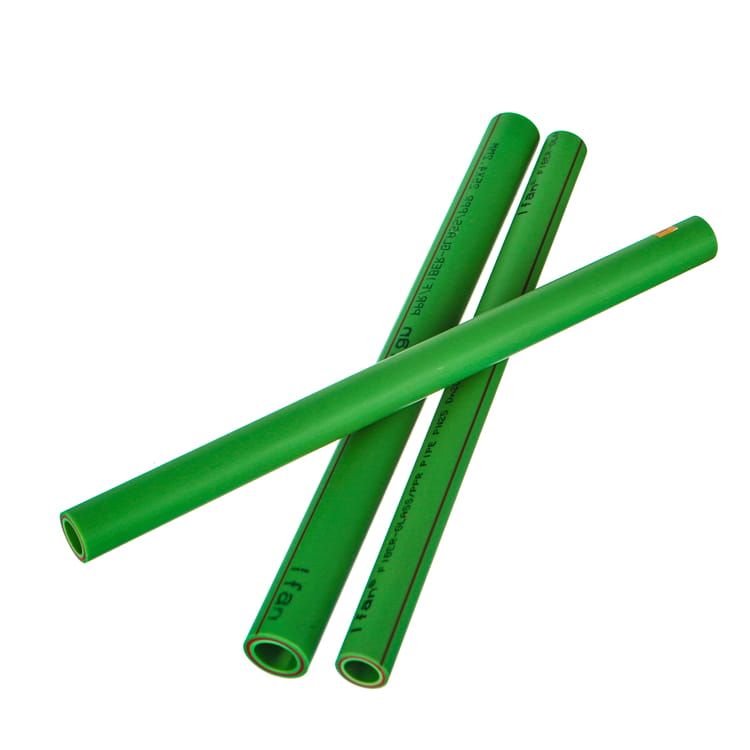
أكثر شيء مفيد لفهمه حول المتطلبات البعدية هو أنتفاوت سمك الجدار لا يحتوي على مكون ناقص. يعبر الجدول 9 من ISO 15874-2:2013 عن التفاوت في الشكل +x مم: من جدار أدنى من 1,0 إلى 2,0 مم يكون التفاوت +0,3 مم، ومن 2,0 إلى 3,0 مم يكون +0,4 مم، ومن 3,0 إلى 4,0 مم يكون +0,5 مم، ومن 4,0 إلى 5,0 مم يكون +0,6 مم. لا يوجد سماح أقل من الحد الأدنى. الأنبوب الذي يقيس أقل من الحد الأدنى لسمك جداره غير مطابق، وهذا قراءة قدمة وليس رأيًا.
فحصان آخران لا يحتاجان سوى قدمة والعلامة المطبوعة. متوسط القطر الخارجي لفئة البعد A يتراوح من الاسمي إلى الاسمي زائد 0,3 مم — أنبوب DN20 يقيس من 20 إلى 20,3 مم، وDN25 من 25 إلى 25,3 مم، وDN32 من 32 إلى 32,3 مم. وأي أنبوب PP-R مخصص للوصل بالانصهار يجب أن يكون له حد أدنى لسمك الجدار 2,0 مم بغض النظر عن سلسلة S المطبوعة عليه. الأنبوب رقيق الجدار المباع للوصل بالمقبس الانصهاري أقل من هذا الرقم يفشل في المعيار على وجهه.
| الفحص | متطلب ISO 15874-2:2013 | هل يمكنك إثباته في نافذة الإشعار؟ |
|---|---|---|
| العلامات | ISO 15874، اسم الشركة المصنعة/العلامة، القطر × الجدار، فئة البعد، المادة، فئة التطبيق مع ضغط التشغيل — على الأقل مرة كل متر، مقروء بدون تكبير | نعم — صورة فوتوغرافية، في نفس اليوم |
| سمك الجدار | التفاوت موجب فقط (+0,3 مم لـ emin 1,0–2,0 مم؛ +0,4 مم لـ 2,0–3,0 مم). أنبوب الانصهار: حد أدنى 2,0 مم | نعم — قدمة، في نفس اليوم |
| متوسط القطر الخارجي | الفئة A: DN20 = 20–20,3 مم؛ DN25 = 25–25,3 مم؛ DN32 = 32–32,3 مم | نعم — قدمة، في نفس اليوم |
| السطح والنقاء | ناعم، نظيف، خالٍ من الخدوش والتجاويف بدون تكبير؛ لا شوائب مرئية؛ أطراف مربعة | نعم — صورة فوتوغرافية، في نفس اليوم |
| الانكماش الطولي | ≤2%؛ اختبار الفرن عند 135 درجة مئوية لـ PP-R، من 1 ساعة إلى 4 ساعات حسب سمك الجدار، 3 عينات (ISO 2505 الطريقة B) | نعم — أيام، في مختبر كفء |
| الضغط قصير الأمد | PP-R: إجهاد حلقي 16,0 ميجا باسكال عند 20 درجة مئوية لمدة 1 ساعة، 3 عينات، ماء في ماء | نعم — اختبار الضغط الوحيد الذي يناسب |
| الضغط طويل الأمد | PP-R: 4,3 ميجا باسكال عند 95 درجة مئوية لمدة 22 ساعة؛ 3,8 ميجا باسكال عند 95 درجة مئوية لمدة 165 ساعة؛ 3,5 ميجا باسكال عند 95 درجة مئوية لمدة 1000 ساعة | لا — 1000 ساعة تعني حوالي 42 يومًا من الاختبار وحده |
الصف الأخير هو الفخ الذي لا يحذر منه أحد المشترين. الاختبارات التي تثبت بشكل أكثر إقناعًا فشل المواد هي اختبارات الهيدروستاتيكية طويلة المدة، واختبار 1000 ساعة عند 95 درجة مئوية يستغرق حوالي ستة أسابيع من وقت الفرن قبل وجود تقرير. إذا انتظرت هذه النتيجة قبل إخطار البائع، فربما تكون قد أضعت متطلب "الوقت المعقول" في المادة 39(1) من اتفاقية CISG بينما كنت تفعل الشيء الدقيق. أبلغ أولاً بما يمكنك قياسه، وقل إن المزيد من الاختبارات جارية — الإشعار الذي يحدد نقص سمك الجدار المقاس، مع تحفظ لاختبارات الضغط المعلقة، يحافظ على سلامة المطالبة والعناية الواجبة.
أثبت عدم المطابقة باستخدام القدمة ذات الورنية والكاميرا، لا بالجدال
البند 10 من المواصفة ISO 15874-2:2013 هو بهدوء الجزء الأكثر فائدة في المواصفة للمشتري في حالة نزاع، لأنه يضع ادعاءات البائع بشكل دائم على المنتج. يجب أن تكون العلامة مطبوعة أو مشكلة مباشرة على الأنبوب بما لا يقل عن مرة واحدة لكل متر، ويجب أن تظل مقروءة بعد التخزين والمناولة والتركيب، ويجب أن تكون مقروءة دون تكبير، وحيثما تستخدم الطباعة يجب أن يختلف لونها عن لون الأنبوب نفسه.
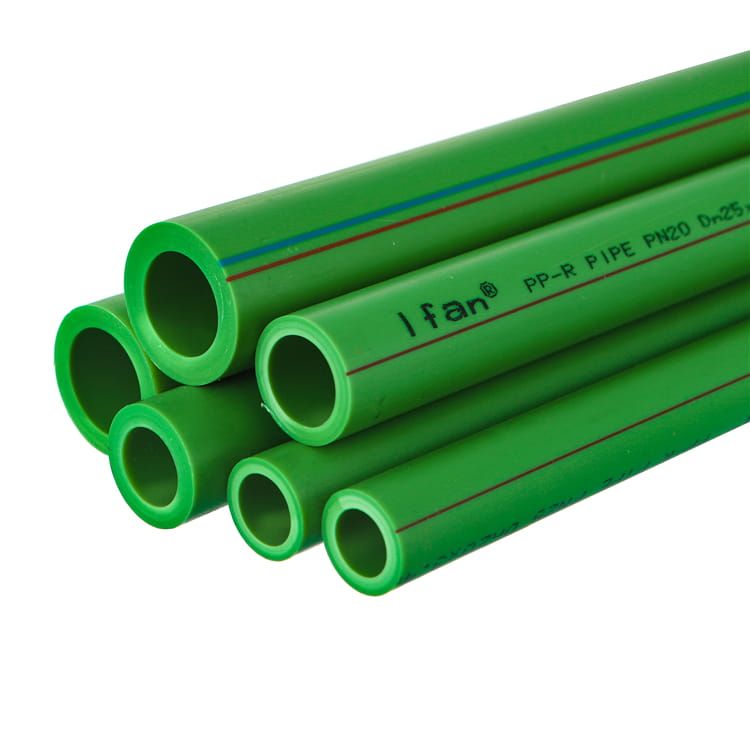
يسرد الجدول 12 ما يجب أن تحتويه تلك العلامة: رقم المواصفة (ISO 15874)، اسم الشركة المصنعة أو علامتها التجارية، القطر الاسمي الخارجي وسماكة الجدار الاسمية مكتوبة على سبيل المثال 16 × 2,2، فئة أبعاد الأنبوب، المادة — PP-R — وفئة التطبيق مقترنة بضغط التشغيل، على سبيل المثال الفئة 1/10 بار. حيثما يعلن المصنع أن الأنبوب معتم، يتم وضع علامة على ذلك أيضًا، ويجب ألا ينقل الأنبوب المعتم أكثر من 0,2٪ من الضوء المرئي عند اختباره وفقًا لـ ISO 7686.
متطلب التتبع هو الجزء الذي يستحق الحفظ. يتطلب الجدول 12 فترة الإنتاج — السنة والشهر، بالأرقام أو بالرمز — وحيثما ينتج المصنع في أكثر من موقع، اسم أو رمز يحدد موقع الإنتاج. هذا السطر الواحد يتيح لك ربط دفعة معيبة بشهر ومصنع. وهو أيضًا السبب في أن المورد الذي لا يستطيع إنتاج شهادة دفعة مطابقة للعلامة الموجودة على الأنبوب يكون في موقف أضعف بكثير مما يعتقد.
لذا فإن أقوى دليل في نفس اليوم على عدم المطابقة عادة ليس الضرر نفسه. إنها صورة لعلامة تقول PN16 بجانب فاتورة تقول PN20، أو علامة تحذف رقم المواصفة تمامًا، أو خط أنابيب بدون علامة لمسافة ثلاثة أمتار. اقرن ذلك بإرشاداتنا حول ما يجب أن يظهره تقرير فحص الشحنة ويمكنك عادةً معرفة خلال ساعة ما إذا كنت تتجادل حول دفعة أو حول مورد.
من يدفع فعليًا: اقرأ شرط التسليم الدولي الخاص بك قبل أن تلوم أي شخص
قبل مسألة الخطأ تأتي مسألة المخاطرة، وقاعدة Incoterms 2020 في عقدك هي التي تحددها. نقل المخاطرة لا يتعلق بمن رتب الشحن أو من دفعه — وهي نقطة تكلف المشترين أموالًا حقيقية كل عام، لأن بائعي CIF و CFR يدفعون تكلفة النقل إلى مينائك بينما انتقلت المخاطرة منهم في ميناء التحميل.
بموجب FOB و CFR و CIF، تنتقل مخاطرة الفقد أو التلف عندما يتم تحميل البضائع على متن السفينة في ميناء الشحن. بموجب CIP تنتقل في وقت أبكر، عندما يتم تسليم البضائع إلى أول ناقل. بموجب DAP يتحمل البائع المخاطرة حتى الوجهة المسماة جاهزة للتفريغ، وبموجب DDP حتى الوصول والتفريغ والتخليص الجمركي. لذا بالنسبة لحاوية أنابيب تم شراؤها بموجب CIF وتصل متضررة بالمياه، حدث الضرر بعد انتقال المخاطرة إليك: مطالبتك تكون ضد الناقل ووثيقة التأمين على البضائع، وليس ضد ضمير البائع.
| قاعدة Incoterms 2020 | انتقال المخاطرة | التزام البائع بالتأمين | من يتابع ضرر النقل |
|---|---|---|---|
| FOB | على متن السفينة في ميناء التحميل | لا شيء | أنت |
| CFR | على متن السفينة في ميناء التحميل | لا شيء | أنت |
| CIF | على متن السفينة في ميناء التحميل | ICC (C) الحد الأدنى | أنت، على وثيقة البائع |
| CIP | عند التسليم إلى أول ناقل | ICC (A) أو ما شابه | أنت، على وثيقة البائع |
| DAP | في الوجهة، قبل التفريغ | لا شيء | البائع |
| DDP | بعد الوصول والتفريغ، مع دفع الرسوم | لا شيء | البائع |
تحذيران يليان. أولاً، نقل المخاطرة لا يمس المطابقة: إذا كان الأنبوب خاطئًا بالفعل عندما تم تحميله، فإن Incoterms غير ذي صلة ومطالبتك هي إشعار بموجب المادة 39 من اتفاقية الأمم المتحدة للبيع الدولي للبضائع (CISG) إلى البائع.
ثانيًا — وهذا هو المكان الذي يخسر فيه مشترو CIF أكبر قدر من المال — التزام التأمين بموجب Incoterms 2020 تحت CIF هو فقط معاهدات البضائع التابعة لمعهد لندن للمؤمنين (C)، وهو الأضيق من بين التغطيات القياسية الثلاث، إلا إذا تفاوضت على أفضل. على النقيض، يلزم CIP البائع بالتأمين بمستوى ICC (A). إذا اشتريت CIF وتريد تغطية حقيقية، يجب أن تذكر ذلك في العقد؛ القاعدة لن تمنحك إياه. مقارنتنا لـ FOB مقابل CIF لاستيراد الأنابيب توضح ما يقدمه كل شرط وما لا يقدمه لك.
بالنسبة للمستوردين الذين يحددون وثائق إثبات المطالبة في العقد التالي: تورد IFAN أنابيب PP-R بأقطار DN20–DN160 وضغوط PN12.5 إلى PN25 وفقًا لمعايير ISO 15874 وDIN 8077/8078، مع شهادة دفعة لكل شحنة، وتقارير مختبرات SGS أو BV من طرف ثالث عند الطلب، ومراجعات المصنع مرحب بها. الحد الأدنى لكمية الطلب هو حاوية واحدة مع قبول خلط المقاسات.
ما الذي يغطيه تأمين البضائع الخاص بك فعليًا
تأتي الشروط القياسية لتأمين البضائع في ثلاثة نماذج: CL382 وCL383 وCL384 بتاريخ 1 يناير 2009، والمعروفة باسم (A) و(B) و(C). الفرق ليس مسألة درجة.التغطية (A) هي تغطية شاملة ضد جميع الأخطار: يتم تغطية الخسارة أو الضرر المادي ما لم ينطبق استثناء، ولا يتعين عليك إثبات أي خطر تسبب في ذلك.التغطيتان (B) و(C) تغطيان أخطارًا محددة، وتتطلب بندها المشترك 1.1 أن تكون الخسارةمنسوبة بشكل معقولإلى أحد الأسباب المدرجة. يقع عبء إثبات السببية عليك.
بالنسبة للأنابيب المعبأة في حاويات، تتوافق الاستثناءات في التغطيات الأضيق بشكل شبه كامل مع الخسائر التي تحدث فعليًا.
| سبب الخسارة | ICC (A) | ICC (B) | ICC (C) |
|---|---|---|---|
| حريق أو انفجار | نعم | نعم | نعم |
| جنوح، أو ارتطام، أو غرق، أو انقلاب | نعم | نعم | نعم |
| إلقاء البضائع / تضحية عامة | نعم | نعم | نعم |
| دخول مياه البحر إلى الحاوية أو العنبر | نعم | نعم | لا |
| سرقة أو اختلاس | نعم | لا | لا |
| جرف البضائع (بضائع سطح السفينة) | نعم | نعم | لا |
| زلزال، أو ثوران بركاني، أو صاعقة | نعم | نعم | لا |
| ضرر خبيث | نعم | لا (يمكن إعادة شرائها) | لا (يمكن إعادة شرائها) |
| أي خسارة أو ضرر مادي غير مدرج | نعم | لا | لا |
أعد قراءة صف مياه البحر مقابل قاعدة CIF. المشتري CIF، المؤمن عليه بالحد الأدنى التعاقدي ICC (C)، الذي دخلت المياه إلى حاويته من خلال حشية باب تالفة، لا يغطي أيًا من ذلك — وتعتبر تسرب المياه واحدة من أكثر الطرق شيوعًا التي تفسد بها حاوية من الأنابيب المعبأة في كراتين. نفس المشتري، لو كان قد حدد ICC (A) في العقد، لما احتاج حتى إلى إثبات كيفية دخول الماء.
لاحظ أيضًا أن الخطر يجب أن يكون منسوبًا بشكل معقول بموجب (B) و(C)، وهذا هو بالضبط سبب أهمية المساح. تحت التغطية الشاملة، تُظهر بضائع تالفة؛ تحت تغطية الأخطار المحددة، تُظهر بضائع تالفةوسببًا مدرجًا، وتقرير مكتوب بعد ستة أسابيع من إعادة الحاوية نادرًا ما يثبت ذلك.
حد مسؤولية الناقل، محسوبًا بالتفصيل
غالبًا ما يفترض المشترون أنه إذا أتلف الناقل البضاعة، فإن الناقل يدفع ثمنها. تنص المادة IV القاعدة 5(أ) من قواعد هاغ-فيسبي على خلاف ذلك. ما لم يتم الإعلان عن طبيعة وقيمة البضائع من قبل الشاحن قبل الشحن وإدراجها في بوليصة الشحن، فإن مسؤولية الناقل محدودة بـ666.67 وحدة حسابية لكل طرد أو وحدة، أو وحدتان حسابيتان لكل كيلوغرام من الوزن الإجمالي للبضائع المفقودة أو التالفة، أيهما أعلى. وحدة الحساب هي حقوق السحب الخاصة لصندوق النقد الدولي.
يعتمد ما إذا كان هذا الحد مؤلمًا كليًا على كيفية تعبئة الأنابيب ووصفها، والحساب يستحق القيام به قبل توجيه أي شخص. خذ حالة توضيحية — قيمة البضاعة هنا افتراض عملي، وليس رقمًا مقتبسًا — من 400 كرتونة من أنابيب PP-R، بوزن إجمالي 25 كجم لكل كرتونة، أي 10,000 كجم في المجموع.
- لكل طرد، إذا كانت بوليصة الشحن تعدد 400 كرتونة: 400 × 666.67 = 266,668 حقوق سحب خاصة. بسعر صرف تقريبي 1.36 دولار أمريكي لحقوق السحب الخاصة، يكون ذلك في حدود 360,000 دولار أمريكي — وهو أعلى بكثير من قيمة البضاعة، لذا لا يتم تطبيق الحد.
- بالوزن: 10,000 كجم × 2 = 20,000 حقوق سحب خاصة، أي حوالي 27,000 دولار أمريكي. تأخذ أيهما أعلى، لذا فإن رقم الطرد المعدود هو الذي يسود وتكون مغطى بالكامل.
- لكل طرد، إذا كانت بوليصة الشحن تقول "حاوية واحدة يقال إنها تحتوي على أنابيب": قد يتم التعامل مع الحاوية كطرد. 1 × 666.67 = 666.67 حقوق سحب خاصة، أي حوالي 900 دولار أمريكي. ثم يعطي حساب الوزن 20,000 حقوق سحب خاصة، وتسترد حوالي 27,000 دولار أمريكي — لأن الرقم الأعلى ينطبق — لكنك فقدت الحماية التي كان سيمنحك إياها التعداد.
الدرس هو وثائقي ولا يكلف شيئًا:تأكد من أن بوليصة الشحن تعدد عدد الكراتين أو الطرود داخل الحاوية، وليس مجرد الحاوية. هذا السطر الواحد في مستند تراجعه قبل الشحن يساوي أكثر، في حادث خطير، من أي قدر من الجدال بعد ذلك. سعر حقوق السحب الخاصة نفسه يتحرك يوميًا، لذا خذ السعر في تاريخ مطالبتك من صندوق النقد الدولي بدلاً من التقريب المستخدم أعلاه.
وضع في الاعتبار طوال الوقت مهلة السنة الواحدة لتقديم الدعوى. المادة الثالثة، القاعدة 6 تعفي الناقل والسفينة من كل مسؤولية مهما كانت تجاه البضائع ما لم تُرفع دعوى خلال سنة من التسليم، أو من التاريخ الذي كان يجب فيه تسليم البضائع. المفاوضات لا توقف هذه المهلة؛ فقط تمديد رسمي متفق عليه مع الناقل، أو إجراءات قانونية، هو ما يوقفها.
كتابة إشعار يحافظ فعليًا على الحق
المادة 39(1) من اتفاقية فيينا للبيع الدولي للبضائع (CISG)لا تتطلب فقط أن تشكو. بل تتطلب إشعارًايحدد طبيعةعدم المطابقة. الرسائل التي تقول "الجودة ليست جيدة، يرجى الإفادة" اعتُبرت مرارًا غير كافية، والمشتري الذي يرسل مثل هذه الرسالة ثم ينتظر غالبًا ما يفقد الحق في الاعتماد على العيب إطلاقًا.
الإشعار الكافي للبائع يتضمن مرجع العقد والفاتورة، وعدم المطابقة المحدد بمصطلحات قابلة للقياس، والكمية المتأثرة، وكيف ومتى اكتشفتها، وما تطلبه. قارن بين الاثنين:
- غير كافٍ:"الأنابيب من الشحنة الأخيرة بها مشاكل في الجودة. الكثير منها تالف. يرجى تقديم حل لنا."
- كافٍ:"العقد IF-2026-118، الفاتورة 4471، الحاوية XXXU1234567، تم تفريغها في 21 يوليو 2026 وفحصها في 22 يوليو 2026. من بين 400 كرتونة، 96 كرتونة من PP-R DN25 PN20 بسمك جدار يتراوح بين 3.1 و3.3 مم مقابل الحد الأدنى المذكور والتعاقدي، وهو أقل من الحد الأدنى المسموح به في ISO 15874-2:2013 الجدول 9، الذي يكون تسامحه موجبًا فقط. 40 كرتونة لا تحمل أي علامة ISO 15874 على أي طول، خلافًا للبند 10.2 والجدول 12. الصور وسجلات القدمة مرفقة؛ العينات محفوظة. اختبار الضغط الهيدروستاتيكي وفقًا لـ ISO 15874-2:2013 الجدول 10 جارٍ، ونحتفظ بموقفنا بانتظار تلك النتائج. نطلب استبدال الكمية المتأثرة."
ثلاث نقاط إجرائية تصنع الفرق بين إشعار وإشارة. أرسله كتابيًا عبر قناة تنتج سجلاً، ويفضل أن تكون القناة المذكورة في العقد — رسالة على تطبيق محادثة إلى مندوب مبيعات يغادر الشركة لاحقًا هي موقف إثباتي ضعيف. وجّه الإشعار إلى الكيان المذكور في العقد بدلاً من جهة الاتصال المعتادة فقط. واحتفظ ببند التحفظ: الجملة التي تنص على أن الاختبار جارٍ وأن موقفك محفوظ هي ما يسمح لك بإضافة مطالبة جوهرية لاحقًا دون أن يبدو أنك قبلت البضائع.
قيد مهم على كل ما سبق: قد يفرض عقدك فترة إشعار أقصر من الافتراضي في اتفاقية CISG، والعديد من عقود التوريد تفعل ذلك. قد يطبق القانون المحلي في نطاقك أيضًا فترات تقادم خاصة به، وبعض الدول استبعدت أجزاء من اتفاقية CISG. تعامل مع المواعيد النهائية هنا كإطار عام للبيع عبر الحدود واقرأ بند الفحص والإشعار في عقدك أولاً — حيث يتعارض الاثنان، عادةً ما يفوز العقد.
الأفضل للمتابعة وعدم المتابعة: أي طريق يستحق السعي
ليس كل حاوية سيئة تستحق مطالبة، واختيار الطرف الخطأ يضيع الفرصة المتاحة للطرف الصحيح.
- تابع مع الناقلعندما تكون البضائع مطابقة عند المغادرة ووصلت تالفة، وعندما تظهر الحاوية أو الختم سببًا ماديًا، وعندما يعدد بوليصة الشحن الطرود بحيث يكون الحد الأقصى سخيًا. لا يستحق المتابعة عندما تكون الخسارة صغيرة مقارنة بالسقف لكل طرد وأفق التقاضي البالغ سنة واحدة.
- تابع مع المؤمنعندما تحمل تغطية ICC (A)، أو عندما تحمل (B) أو (C) والسبب هو خطر مدرج بوضوح تدعمه معاينة. لا يستحق المتابعة بموجب ICC (C) لتسرب المياه أو السرقة أو الضرر غير المفسر — فهذه هي الأعمدة المستبعدة تحديدًا.
- تابع مع البائععندما يكون عدم المطابقة في الأبعاد أو المواد أو المستندات — سمك الجدار، القطر، العلامات، الشهادات المفقودة، فئة الضغط الخاطئة. هذه أمور قابلة للإثبات ولا تعتمد على ما حدث في البحر. لا يستحق المتابعة عندما تكون الأنابيب مطابقة والضرر متعلق بوضوح بالنقل بموجب شرط تسليم نقل المخاطرة إليك.
- لا تتابع مع أحد، وغيّر المورد بدلاً من ذلك،عندما يكون العيب نظاميًا وليس عرضيًا: لا علامات قابلة للتتبع، لا شهادة دفعة، مصنع لا يستطيع تحديد الخط أو الشهر الذي أنتج فيه الأنبوب. مطالبة على تلك الحاوية تسترد شحنة واحدة؛ المشكلة الأساسية ستعود في الشحنة التالية.
إذا كان هذا هو الأخير، فإن العناية الواجبة هي تمرين منفصل عن المطالبة —التحقق من مصنع PP-Rقبل الطلب التالي والحصول علىتحميل وتعبئة الحاويةإن تحديد المواصفات بشكل صحيح في العقد سيمنع خسائر أكثر مما ستعوضه أي إجراءات مطالبات. يتم تغطية أسئلة الشهادات بشكل منفصل في دليلنا حول شهادة أنابيب PP-R.
جدول زمني عملي يمكنك إعادة استخدامه
افترض أن حاوية تم تفريغها يوم الاثنين 20 يوليو 2026، ونقلها إلى مستودعك في نفس اليوم، وفتحها يوم الثلاثاء. الجدول أدناه يبقي كل الخيارات مفتوحة، والتسلسل أهم من السرعة: كل إجراء يتم وضعه مقابل المهلة الزمنية التي يحميها، لأن العمل المنجز لطرف واحد لا يحافظ على موقفك تجاه طرف آخر. إخطار الناقل لا يفي بالمادة 39 من اتفاقية الأمم المتحدة للبيع الدولي للبضائع (CISG)، وإخطار البائع لا يفعل شيئًا بشأن نافذة الضرر الخفي لمدة ثلاثة أيام.
| متى | الإجراء | المهلة الزمنية التي يحميها |
|---|---|---|
| الاثنين 20 يوليو، عند الإزالة | اكتب الاستثناء على إيصال التسليم؛ صوّر الختم والأبواب والبضائع في مكانها | الناقل - المادة III، القاعدة 6: الضرر الظاهر |
| الثلاثاء 21 يوليو | افتح وافحص؛ قس سمك الجدار والقطر؛ صوّر العلامات؛ عيّن مساحًا | البائع - المادة 38 من CISG: الفحص |
| بحلول الخميس 23 يوليو | إشعار كتابي إلى الناقل عن أي ضرر غير ظاهر عند الإزالة | الناقل - نافذة الخفاء لمدة 3 أيام |
| نفس الأسبوع | أبلغ شركة التأمين؛ أبلغ البائع مع تحديد عدم المطابقة المقاسة، مع التحفظ على موقفك بانتظار الاختبارات | إشعار بوليصة التأمين؛ المادة 39(1) من CISG |
| الأسابيع 2-6 | تقرير المساح؛ اختبار الضغط الهيدروستاتيكي قصير المدى واختبار الارتداد؛ تحديد حجم الخسارة | أدلة لجميع الأطراف الثلاثة |
| بحلول 20 يوليو 2027 | دعوى قضائية ضد الناقل، أو تمديد كتابي للمهلة متفق عليه مع الناقل | الناقل - مهلة السنة الواحدة |
| بحلول 20 يوليو 2028 | الحد الأقصى المطلق لإشعار البائع بأي عدم مطابقة خفية | البائع - حد السنتين للمادة 39(2) من CISG |
لاحظ ما يفعله هذا الجدول باختبار الضغط لمدة 1000 ساعة: إنه لا ينتظره أبدًا. يتم إرسال الإشعار في الأسبوع الأول بناءً على أدلة قابلة للقياس في نفس اليوم، مع الإشارة إلى الاختبار الطويل كمعلق. هذا هو التسلسل الوحيد الذي يلبي كلاً من العناية التي يتطلبها المطالبة الجادة والسرعة التي تتطلبها المادة 39.
تاريخان في هذا الجدول يستحقان وضعهما في التقويم في اليوم الذي تصل فيه الحاوية، لأنهما يمران بصمت. مهلة السنة الواحدة للناقل في يوليو 2027 ستأتي في خضم مفاوضات تبدو وكأنها تتقدم؛ المراسلات لا تمددها، والناقل الذي ليس لديه حافز لتذكيرك لن يفعل.
حد السنتين في CISG في يوليو 2028 مهم لسبب مختلف: عيب مادي خفي في PP-R قد لا يظهر كفشل في وصلة أو انفجار أنبوب حتى يعمل النظام في الخدمة لموسم تدفئة أو اثنين، والمادة 39(2) تبدأ من التسليم وليس من يوم فشل الأنبوب. العيب الذي يظهر في السنة الثالثة يكون، تجاه البائع، قد تجاوز الوقت بالفعل.
ماذا تضع في العقد القادم
كل درس مكلف أعلاه أرخص شراؤه في مرحلة العقد من التقاضي. أربعة بنود تقوم بمعظم العمل، ولا يكلف أي منها المورد شيئًا لقبوله إذا كان المورد سليمًا.
- حدد تغطية ICC (A) صراحة إذا كنت تشتري CIF، أو اشترِ CIP بدلاً من ذلك، حيث تكون ICC (A) هي الالتزام الافتراضي. تسمية مجموعة البنود تحول الجدال إلى شرط في البوليصة.
- اطلب من بوليصة الشحن أن تعدد الكراتين، وليس فقط الحاوية، بحيث يعمل حد المسؤولية لكل طرد لصالحك وليس لصالح الناقل.
- اطلب علامة ISO 15874 بما في ذلك عناصر التتبع — فترة الإنتاج كسنة وشهر، ورمز موقع الإنتاج إذا كان المصنع يدير أكثر من موقع واحد — بالإضافة إلى شهادة دفعة مطابقة لتلك العلامة لكل شحنة.
- حدد المهلة الزمنية للاستبدال كتابيًا، وليس المهلة الأصلية. عقد التوريد دائمًا ما يذكر مهلة إنتاج للطلب ولا يقول شيئًا عن مدى سرعة إعادة تصنيع الكمية المرفوضة وإعادة شحنها — وهذا هو الرقم الذي يحدد ما إذا كان موقعك يتوقف. اطلبها كالتزام محدد، لأنها تختلف حسب المصنع وحجم التشكيلة والموسم، والمورد الذي لا يريد وضع نافذة استبدال كتابيًا يقول لك شيئًا.
- اتفق على آليات الإشعار مسبقًا: عنوان عقدي محدد للإشعارات، وفترة فحص طويلة بما يكفي لتكون واقعية لحاوية، وحق صريح في التحفظ على الموقف بانتظار اختبارات المختبر.
أسئلة الحجم وفئة الضغط التي تغذي تلك البنود مغطاة في مرجعنا حول أحجام أنابيب PP-R، وإذا كنت تستورد إلى غرب أفريقيا، فإن المتطلبات المستندية تختلف بما يكفي لتستحق القراءة بشكل منفصل في دليلنا إلى استيراد PP-R إلى نيجيريا.
للمشترين الذين لم يكن لدى موردهم الحالي أي وثائق دفعة قابلة للتتبع عند تقديم المطالبة: تصدر IFAN شهادة دفعة لكل شحنة وفقًا لمعايير ISO 15874 وDIN 8077/8078، وتوفر تقارير مختبرات SGS أو BV من جهات خارجية عند الطلب، وترحب بعمليات التدقيق في المصنع، وتقبل حاوية واحدة كحد أدنى لكمية الطلب مع مقاسات مختلطة.
الخلاصة
تُربح مطالبة الشحنة المعيبة أو تُخسر في الأسبوع الأول، وغالبًا في الساعة الأولى. الاستثناء المكتوب على إيصال التسليم، وصورة الختم السليم، وقراءة القدمة ذات التفاوت الزائد فقط، والإشعار الذي يحدد رقم بند بدلاً من شكوى عامة — هذه تكلف تقريبًا لا شيء وهي ما يعتمد عليه كل مرحلة لاحقة.
احتفظ بالساعات الثلاث منفصلة في ذهنك. ثلاثة أيام للضرر الخفي وسنة واحدة لمقاضاة الناقل. فترة زمنية معقولة، ولا تزيد أبدًا عن سنتين من التسليم الفعلي، ضد البائع. وفترة الإشعار الخاصة ببوليصة التأمين الخاصة بك، على تغطية قد تكون أضيق بكثير مما توحي به الحروف CIF. اعمل على الساعات بهذا الترتيب، وستبقى مسألة من يدفع في النهاية مفتوحة لفترة كافية لتجيب عليها الأدلة.
الأسئلة الشائعة
كم من الوقت لدي للإبلاغ عن تلف الأنابيب إلى خط الشحن؟
بموجب المادة III القاعدة 6 من اتفاقية لاهاي-فيسبي، يجب تقديم إشعار كتابي قبل أو في وقت الإزالة للضرر الظاهر، وفي غضون ثلاثة أيام للضرر غير الظاهر عند الإزالة. يجب رفع الدعوى في غضون سنة واحدة من التسليم.
هل يعني توقيعي على إيصال التسليم أنني قبلت البضاعة؟
التوقيع النظيف لا يتنازل عن العيب الخفي، لكنه ينشئ افتراضًا بأن البضاعة سُلّمت بحالة جيدة بموجب المادة III القاعدة 6. كتابة استثناء محدد قبل التوقيع يزيل هذا الافتراض.
ما هو الموعد النهائي لإخبار المورد بأن الأنابيب غير مطابقة؟
تتطلب المادة 39(1) من اتفاقية CISG إشعارًا يحدد طبيعة العيب في غضون فترة زمنية معقولة من الاكتشاف، مع حظر مطلق بعد سنتين من التسليم الفعلي بموجب المادة 39(2). قد يفرض عقدك فترة أقصر.
اشتريت CIF، لذا قام البائع بتأمين البضاعة. هل أنا مغطى؟
فقط بمستوى معهد شروط البضائع (C) ما لم توافق على أكثر من ذلك. يستبعد ICC (C) السرقة والنهب ودخول مياه البحر إلى الحاوية والغسل في البحر. حدد ICC (A)، أو اشترِ CIP، حيث يكون ICC (A) هو الافتراضي.
كم يمكنني استرداده من الناقل؟
تحدد اتفاقية لاهاي-فيسبي المسؤولية عند 666.67 وحدة حساب لكل طرد أو وحدة، أو وحدتي حساب لكل كيلوغرام من الوزن الإجمالي، أيهما أعلى، ما لم يتم الإعلان عن القيمة قبل الشحن. الوحدة هي حق السحب الخاص لصندوق النقد الدولي.
كيف أثبت أن أنبوب PP-R أقل من المواصفات بدون مختبر؟
قم بقياس الجدار باستخدام القدمة: تفاوتات الجدول 9 من ISO 15874-2:2013 هي زائدة فقط، لذا فإن أي قراءة أقل من الحد الأدنى تعتبر غير مطابقة. يجب أن يكون أنبوب الانصهار على الأقل 2.0 مم. العلامات المفقودة أو غير المقروءة يمكن إثباتها أيضًا بالصورة.
هل يجب أن أنتظر نتائج اختبار الضغط قبل إخطار البائع؟
لا. اختبار 1000 ساعة عند 95 درجة مئوية وحده يستغرق حوالي ستة أسابيع، مما يعرض متطلب الفترة المعقولة للخطر. أبلغ عن الأدلة القابلة للقياس فورًا واحتفظ بموقفك صراحةً بانتظار نتائج الاختبار.
هل يمكنني إرجاع أو إعادة بيع الأنابيب بينما المطالبة مفتوحة؟
ليس قبل حضور المساح. البضاعة هي الدليل، والتخلص منها سبب شائع لرفض المطالبات. احتفظ بالأنبوب المعيب وتغليفه وعينة سليمة من نفس الدفعة.
Related Briefings
uPVC Pressure Pipe Class B, C, D and E: What the BS 3505 Classes Mean in East and West African Tenders, and How They Map to PN
Importing PP-R Pipe to Tanzania: TBS PVoC, TZS 2344 and the TRA Levy Stack