
PPR Pipe Quality Control: What a Per-Shipment Inspection Report Should Show
A per-shipment PPR quality control report is the only document that ties AQL sampling, DIN 8077 dimensional checks, ISO 15874 hydrostatic and OIT results to the container you're paying for. Here's what should be printed on it, section by section, and the red flags that should trigger a rejection before customs clearance.
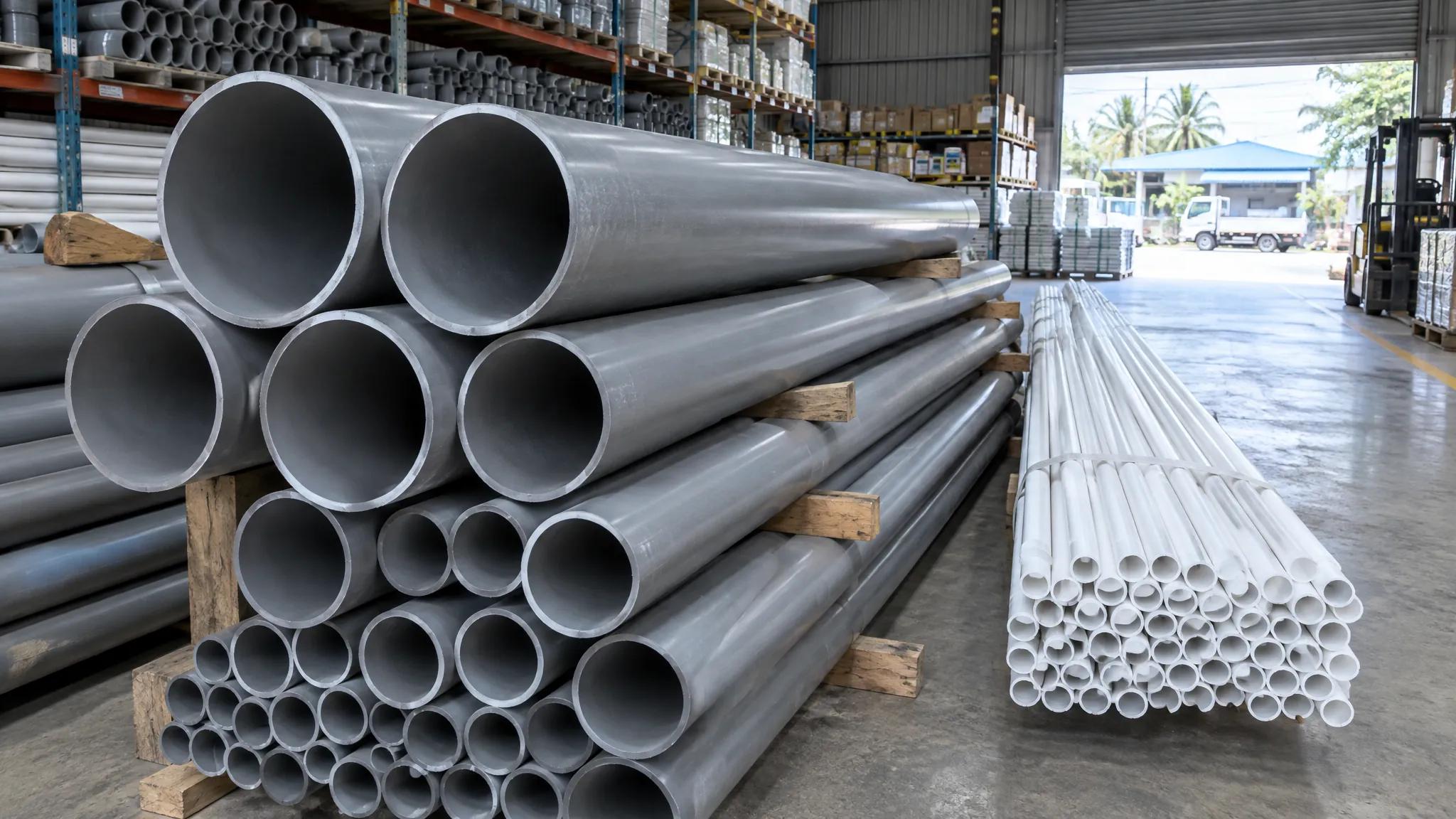
The single document that decides whether your PPR pipe container is good or scrap is the per-shipment quality control report. Most procurement teams accept whatever the factory sends — a two-page PDF with a stamp — and only discover the real answer when installers open the cartons and start welding on site. By then the resin lot has already left China and your leverage is gone.
A real PPR pipe quality control report shows sampling under ISO 2859-1, dimensional measurements against DIN 8077 tolerances, hydrostatic pressure results per ISO 15874, and material tests that prove the pipe was made from virgin PP-R rather than recycled regrind. This guide walks through exactly what each section should read, what "pass" actually means on paper, and the red flags that should trigger a rejection before the container clears customs. Use it alongside the pillar complete guide to PPR pipe when you need the full material and sourcing context.

Key Takeaways
- A per-shipment PPR QC report is tied to a specific batch, container, and packing list — a generic factory certificate isn't a QC report.
- Sampling should follow ISO 2859-1 at AQL 2.5 — for a full container that means roughly 200 samples pulled and inspected, not 10.
- Wall thickness and outside diameter must be recorded against DIN 8077 tolerances — a plus-only tolerance means the pipe is under-spec.
- Density between 0.895 and 0.905 g/cm³ and MFR below 0.5 g/10 min are the two numbers that tell you the resin is virgin PP-R.
- A 1-hour hydrostatic hold at 95 °C with the ISO 15874 test stress is the single test that proves the pipe will survive hot-water lines.
- If the supplier can't produce a report tied to your container number, hold the balance payment and commission a third-party inspection before shipment.
What a Per-Shipment PPR QC Report Actually Is
A per-shipment quality control report is a signed document that inspects a specific production batch against the standard the pipe is sold under, and ties the result to the container you're paying for. It is not the same as the factory's mill certificate or the third-party product certification — both of those describe the product line in general, not the box on the boat.
QC on the line prevents field failures — the practical side is in PPR pipe burst prevention.
A useful report answers four questions on the first page: which order and container it covers, which production batch and resin lot the pipe came from, what sampling plan the inspector used, and whether the batch passed or failed. If any of those four is missing, the report is decorative — you have no evidence tied to the shipment.
The document can come from the factory's own QC department, a third-party inspector like SGS or Bureau Veritas, or both. A factory-issued report is only credible when the factory is a registered manufacturer whose license name matches the report letterhead — see the 7 checks to verify a PPR pipe manufacturer before you rely on their internal QC.
The Sampling Plan: AQL 2.5 in Practice
Sampling is where most weak QC reports collapse. A report that says "10 samples checked, all passed" on a 40-foot container of 20,000+ pipes is statistically meaningless. Real PPR pipe quality control follows an acceptance sampling standard — typically ISO 2859-1 — which sets the sample size from the lot size and an Acceptance Quality Limit (AQL) chosen for the defect severity.
For general PPR pipe inspection, the industry norm is General Inspection Level II with AQL 2.5 for major defects and AQL 4.0 for minor defects. Some procurement teams tighten the plan to AQL 1.5 on hidden hot-water pipe used in hospital or hotel projects, where a leak behind drywall is costlier to fix than a full re-order. Whatever AQL you choose, it belongs in the purchase contract, not the inspector's discretion on the day.
ISO 2859-1 sample size by container lot
| Lot size (units) | Sample size (Level II) | AQL 2.5 — Accept / Reject | Typical PPR container context |
|---|---|---|---|
| 1,201 – 3,200 | 125 | 7 / 8 | Small mixed 20 ft with large-diameter pipe |
| 3,201 – 10,000 | 200 | 10 / 11 | Standard 20 ft mixed PPR pipe |
| 10,001 – 35,000 | 315 | 14 / 15 | Full 40 ft HQ mixed PPR + fittings |
| 35,001 – 150,000 | 500 | 21 / 22 | Multi-container consolidated order |
Read the "Accept / Reject" column carefully. On a 200-sample plan at AQL 2.5, finding 10 defective units still passes; 11 rejects the lot. If your report shows 15 minor defects and a "pass" stamp, the arithmetic is wrong and the sampling plan was misapplied — that is a rejection trigger on its own.
Dimensional Checks: OD, Wall Thickness, Ovality, Length
The dimensional section is the fastest place to catch pipe that was extruded thin to save resin cost. PPR pipe is dimensioned under DIN 8077 (dimensions) and DIN 8078 (general quality), and cross-referenced to ISO 15874-2 for the product. The report should list four measurements per sample: outside diameter, wall thickness at multiple points, ovality, and effective length.
Every measurement carries a specified plus-minus tolerance. On DN20 SDR11 pipe, for example, the nominal outside diameter is 20.0 mm with a +0.3 / 0 mm tolerance and a nominal wall thickness of 1.9 mm with a +0.4 / 0 mm tolerance. Both tolerances are one-sided: the pipe can be slightly larger than nominal but never smaller. A report showing wall thickness of 1.85 mm on DN20 SDR11 is not a "close pass" — it is under-spec, and it means the pipe will fail its pressure rating.
Ovality — the difference between the maximum and minimum outside diameter at the same cross-section — matters for socket-fusion joints. If ovality exceeds roughly 1.5 % on smaller diameters, the fusion tool won't grip evenly and installers will report "cold joints" that leak weeks later. The report should list ovality per sample, not skip it.
Material Tests: Density, MFR, OIT
Three material tests separate genuine virgin PP-R Type 3 from resin diluted with recycled regrind or off-grade material. Skipping any of them is how a reseller's "PPR" turns out to be PP-B or a blend with post-consumer plastic — a substitution that only shows up under pressure or temperature stress months later. The full field and lab tests for virgin PP-R covers the on-site checks; here we cover what should be printed on the QC report.
Density (per ISO 1183) for virgin PP-R sits between 0.895 and 0.905 g/cm³. A reading outside that band is a fingerprint of a different polymer or a filled compound. Melt flow rate (ISO 1133, 230 °C, 2.16 kg) for PP-R Type 3 should typically read below 0.5 g/10 min. A high MFR — say 1.2 g/10 min — means the polymer chains are shorter than they should be, either from recycled feed or from thermal degradation on the extrusion line.
Oxidation induction time (OIT) is the long-life test. Measured per ISO 11357-6, DIN 8078 typically requires an OIT of at least 8 minutes at 210 °C — the number quantifies how much anti-oxidant is left in the compound. Recycled or under-stabilised resin drops below that threshold, and the pipe's expected 50-year service life collapses to something closer to five. If the report lists a "pass" on OIT without the actual minute value, ask for the raw DSC trace.
Hydrostatic Pressure and Impact Tests
The hydrostatic pressure test is the single result procurement teams should not compromise on. ISO 15874-2 defines multiple hold points for PP-R Type 3: a 1-hour hold at 20 °C, a 22-hour hold at 95 °C, and a 1,000-hour hold at 95 °C. The 20 °C and 22 h/95 °C tests are done batch-by-batch as part of routine QC; the 1,000-hour test is done less frequently as a type test. A per-shipment report should show at least the batch-frequency tests with the exact hoop stress applied, the hold time, and the result — burst, leak, or no failure.
Impact resistance under DIN 8078 is measured by Charpy at 0 °C. A batch that passes ambient testing but fails at 0 °C ships fine, then cracks when a night watchman leaves a warehouse door open in winter — a failure pattern that has burnt more than one distributor in northern markets. The report should carry the impact result for each sampled diameter and pressure class, not a generic "impact: passed."
One position worth taking: on a container of hot-water pipe, the 95 °C hydrostatic result is the only number that separates real PPR from an expensive PVC substitute. If the report doesn't carry it, you are not buying validated hot-water pipe. Hedged as this may sound for a compliance topic, the mechanism is not debatable — the standard is written around that test for a reason.
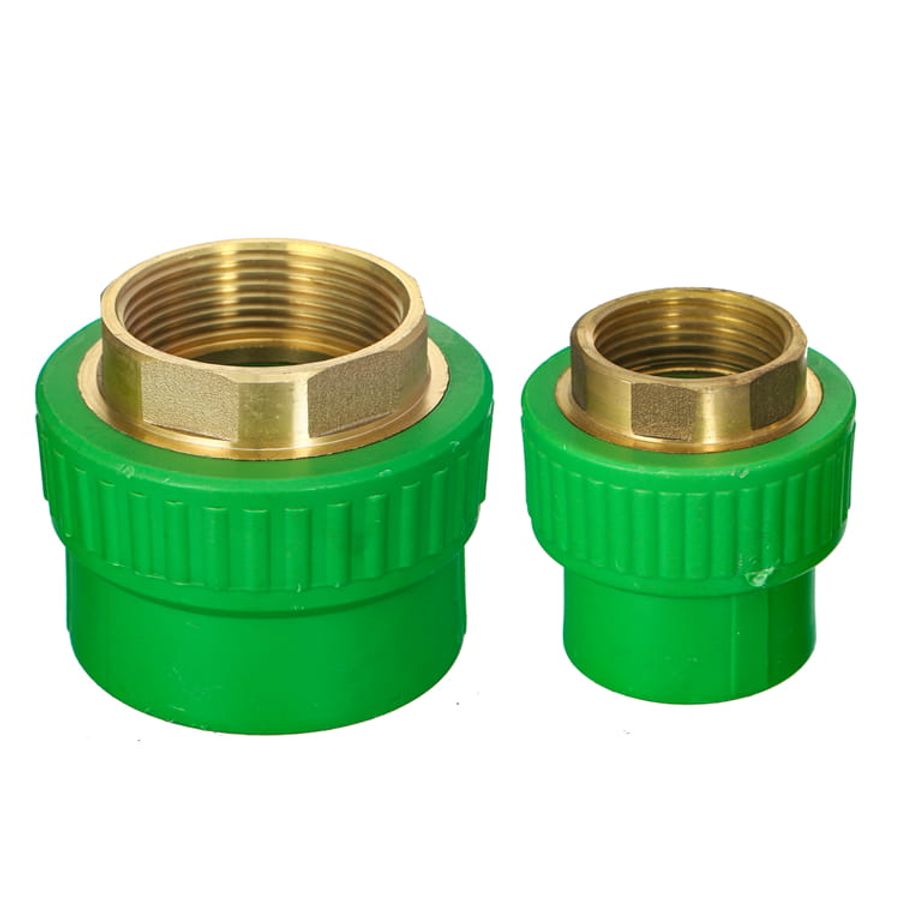
Visual, Marking, and Packaging Checks
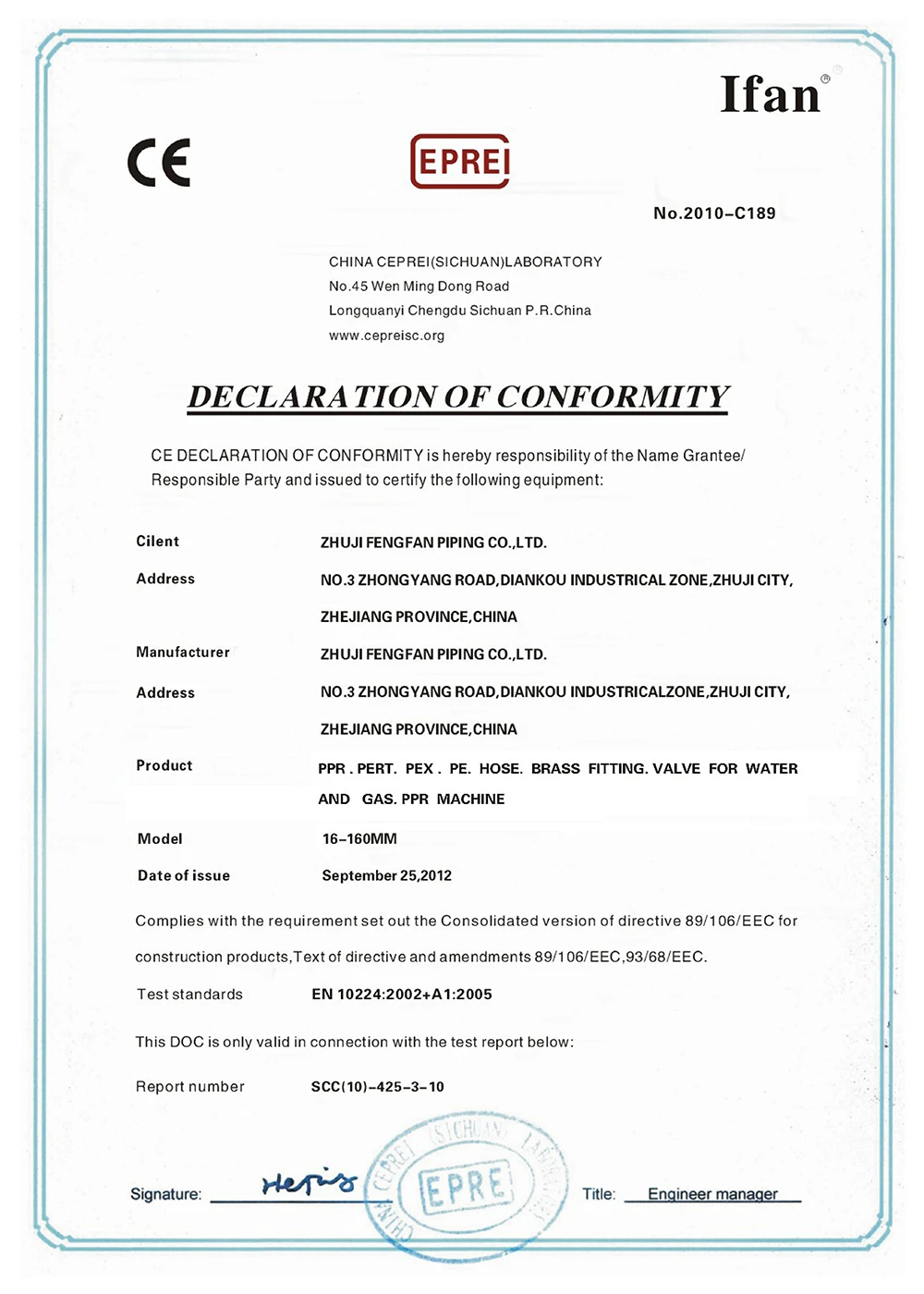
The visual section catches the defects installers see first: internal scratches deeper than 10 % of wall thickness, black speckles from contaminated resin, uneven color, ovalised ends from bad cut-off, and burrs. A useful visual section rates each defect by severity — critical, major, minor — and totals the count against the AQL plan.
Marking is the traceability spine. Under ISO 15874, every pipe must carry a printed strip with the manufacturer name or trademark, material designation (PP-R), nominal outside diameter × wall thickness, pressure class (PN12.5 / PN16 / PN20 / PN25), standard reference, and the production date and line. If the strip is missing the batch code, the pipe cannot be traced back to the resin lot — and if a defect surfaces two years in, you have no way to claim under warranty.
Packaging looks trivial until a container arrives with pipe ends mushroomed by contact with the container wall. A per-shipment inspection should photograph the cartons, the shrink wrapping around bundled lengths, plastic end caps, and the loading pattern inside the container. Photos are half the point of paying for third-party inspection — they are what wins a shipping claim when damage is disputed.
What a Real Line-by-Line Report Looks Like
The following is an illustrative walkthrough of the summary page from a per-shipment PPR inspection report. Numbers are typical for a 20-foot container of mixed DN20-DN63 PN20 pipe under the ISO 15874 / DIN 8077 regime; treat them as a shape, not a fixed spec for your product.
Illustrative report — summary page
| Field | What the report should print |
|---|---|
| Order / PO reference | Buyer PO number matching the sales contract |
| Container number | Same digits as the bill of lading (e.g. MSKU1234567) |
| Production batch and resin lot | Batch date, extrusion line ID, resin supplier lot number |
| Sampling plan | ISO 2859-1 Level II, AQL 2.5 major / 4.0 minor |
| Dimensional | OD, wall, ovality, length — per sample against DIN 8077 |
| Density / MFR / OIT | Numeric values, not "pass" — e.g. 0.902 g/cm³, 0.35 g/10 min, 12 min at 210 °C |
| Hydrostatic (batch) | 1 h @ 20 °C and 22 h @ 95 °C hold results, ISO 15874-2 test stress |
| Impact | Charpy at 0 °C, DIN 8078 |
| Marking check | Print strip legible, batch code present, PN class correct |
| Packaging photos | Cartons, end caps, container loading pattern, seal number |
| Verdict | Signed by the inspector, dated the same day as loading |
The verdict line matters as much as the numbers. A report signed three weeks before container loading is not a per-shipment report — it is an old certificate stapled to a new invoice. The inspector's signature and date should align with the loading date on the container seal photo.
What IFAN Checks Before Sealing a Container
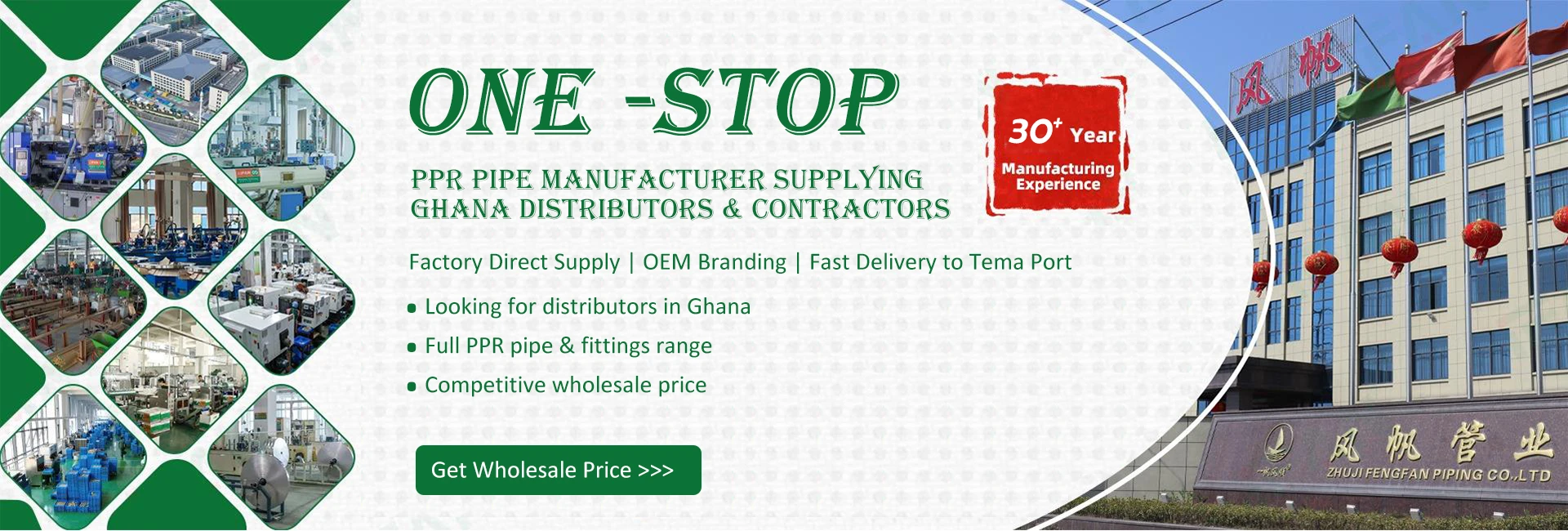
The internal QC routine at IFAN's 120,000 m² Zhejiang facility runs against DIN 8077/8078 and ISO 15874 on every batch, tied to the extrusion line ID and the PP-R resin lot number. The per-shipment inspection sits at the end of that routine — it is where the finished pipe meets the container.
- Business license and letterhead match: the QC report is issued under Zhuji Fengfan Piping — the registered manufacturer since 1993 — with the license name shown on page 1.
- Order and container fields filled: buyer PO, container number, and packing list totals are keyed in from shipping documents, not left blank.
- Sampling under ISO 2859-1: Level II inspection at AQL 2.5 major / 4.0 minor for standard orders; tightened to AQL 1.5 on project shipments when specified in the contract.
- Dimensional against DIN 8077: outside diameter, wall thickness at three clock positions, ovality, and length, logged per sample with digital calipers.
- Material tests on the resin lot: density (ISO 1183), MFR (ISO 1133), and OIT (ISO 11357-6, DIN 8078 ≥ 8 min at 210 °C), with numeric values printed.
- Hydrostatic batch tests: 1 h at 20 °C and 22 h at 95 °C to ISO 15874-2 test stress, run in the ISO-classed lab on samples from the shipping batch.
- Marking strip verification: the printed strip on each pipe carries manufacturer, PP-R designation, OD × wall, PN class, standard reference, and batch code.
- Container seal photo and load pattern: the final page carries stamped photos of the container number, seal number, and loading pattern for insurance and clearance disputes.
Third-party inspectors — SGS, Bureau Veritas, TÜV — are welcomed on any order; the buyer books them and the factory keeps the container open for the visit. That last point is a good tell: a factory that refuses a scheduled third-party inspection is telling you something the report won't.
6 Red Flags That Should Trigger a Rejection
Any one of these on its own is worth a conversation; two together is grounds to hold the balance payment and refuse loading. In practice the report itself signals whether the factory takes QC seriously long before the pipe arrives at your port.
- Generic "pass" without numbers. If density, MFR, OIT, and hydrostatic results are shown as "OK" or "pass" without the measured value, the tests were probably not done on this batch.
- Sample size below ISO 2859-1 Level II. A 20-sample check on a 40-foot container is a formality, not a QC. Compare the sample count to the lot size and reject silently-shrunk plans.
- Wall thickness at or below nominal. DIN 8077 tolerances are plus-only. A DN25 SDR11 pipe with 2.25 mm wall against a 2.3 mm nominal is not marginal — it's under-spec and undersized on pressure.
- OIT missing or "not tested." Without OIT, the report cannot claim virgin PP-R with confidence. Ask for the DSC trace or reject.
- Report date before the loading date. A report stamped weeks before container seal is not tied to this shipment. The dates on report, seal photo, and packing list should align within days.
- Different entity names across documents. If the invoice, QC report, and pipe marking strip name three different companies, the "factory" is a middleman and there is no traceable batch owner if a claim comes later.
What to Do If the Supplier Won't Issue a Per-Shipment Report
Some suppliers — usually trading companies with no production line — will offer a general factory certificate and refuse anything tied to your container. Treat that as a decision point, not an inconvenience. The cost of a third-party pre-shipment inspection is small next to the cost of receiving a bad container and losing the season.
- Book a third-party pre-shipment inspection. SGS, Bureau Veritas, TÜV, Intertek, and QIMA typically charge in the range of 300 to 500 US dollars for a one-day PPR inspection depending on scope. On a full container that is roughly 0.5 % of order value — the cheapest insurance you'll ever buy.
- Hold the balance payment until the report is in hand. A 30/70 payment split gives you the leverage; releasing the 70 % before receiving the QC report gives it away. Write the report deliverable into the contract.
- Escalate through your bank if the report is fabricated. If the QC report contains obvious data errors that the inspector cannot explain, raise it with your bank if the payment is via letter of credit — some documentary discrepancies stop the LC payout.
- Change supplier for the next order. A one-off report failure is a warning; refusing to issue a per-shipment QC report at all is a signal that the seller isn't the maker and cannot control the batch you receive.
Depending on your market and the importer's role, additional country-level certifications may need to be validated on the same shipment — SONCAP in Nigeria, SASO in Saudi Arabia, NOM in Mexico. Confirm the current documentary requirements with your customs broker before booking the pre-shipment inspection so the certificates are pulled in the same visit.
Is a Per-Shipment QC Report Right for Your Order?
| Best for | Not the priority for |
|---|---|
| Project procurement (hospitals, hotels, developer sites) where a hidden leak is expensive | Sample orders under 100 kg — supplier onboarding, not shipment QC |
| Distributors buying container quantities from a new supplier | Second and third repeat orders from a validated factory once QC history is stable |
| Any shipment into a market with rigorous customs testing (SONCAP, SASO, NOM) | Retailers taking mixed pallets under a fast-turn program — batch QC lives with the distributor upstream |
| First shipment after a resin supplier change, mold change, or new production line | Fittings-only orders where dimensional and gauge checks replace hydrostatic testing |
Once you've validated a factory over several shipments with clean per-shipment reports, most procurement teams drop to a random third-party audit every fourth or fifth container while keeping the factory's own QC report on every batch. That's the point where on-site welding and installation quality becomes the bigger risk than the pipe itself — a shift worth tracking, because it changes where you spend your inspection budget.
Related in the PPR Sourcing Cluster
A per-shipment QC report is one control point in a longer sourcing chain. The related guides in this cluster cover the checks that sit either side of it:
- How to verify a real PPR pipe manufacturer — the seven license, address, and catalog-depth checks that decide whether the QC report is even worth reading.
- How to tell virgin PP-R from recycled pipe — the five field checks and three lab tests that back up the density, MFR and OIT numbers on the report.
- PPR welding and installation guide — once a good batch clears QC, this is where the next set of failures live (fusion temperature, timing, geometry).
- The complete PPR pipe guide — the pillar that ties material grades, sizing, fittings, standards and sourcing together.
Conclusion
A per-shipment PPR QC report either ties evidence to your container or it doesn't. The sampling plan, dimensional readings against DIN 8077, material numbers proving virgin PP-R, and hydrostatic results under ISO 15874 are the only lines that prove the batch is fit for the pressure and temperature you sold it against. Everything else on the document is decoration.
Before your next container, ask the supplier for a redacted sample of a real per-shipment report. If they can't produce one, you already have your answer — commission a third-party inspection or move the order. When the report is comprehensive and tied to your container, you can pay the balance with the confidence that the pipe you bought is the pipe that will arrive.
Frequently Asked Questions
What is a PPR pipe quality control report?
A per-shipment PPR quality control report is a signed document that inspects a specific production batch against ISO 15874 and DIN 8077/8078 and ties the sampling, dimensional, material, and hydrostatic results to the container being shipped. It is different from a generic factory certificate.
Which AQL level should a PPR inspection use?
The industry norm is ISO 2859-1 General Level II with AQL 2.5 for major defects and AQL 4.0 for minor defects. Project procurement for hidden hot-water lines often tightens majors to AQL 1.5. Whichever level you pick, write it into the purchase contract before order confirmation.
What material tests prove virgin PP-R on the QC report?
Density between 0.895 and 0.905 g/cm³ under ISO 1183, MFR below 0.5 g/10 min under ISO 1133, and OIT of at least 8 minutes at 210 °C under ISO 11357-6. All three should be printed as numeric values on the report, not marked "pass."
Do I need a third-party inspection if the factory issues its own report?
On a first-time supplier or a new resin lot, yes — a third-party pre-shipment inspection from SGS, Bureau Veritas, or TÜV typically costs 300 to 500 US dollars per day and gives you evidence independent of the seller. On validated factories, a random third-party check every fourth or fifth container is usually enough.
How much wall-thickness variation is acceptable on PPR pipe?
DIN 8077 tolerances are one-sided plus — the pipe can be slightly thicker than nominal but never thinner. A measured wall below the nominal value is under-spec and forfeits the printed pressure rating, regardless of how "close" the reading looks.
What should I do if the QC report and my shipment don't match?
Photograph the container seal, the marking strips, and the mismatched batch codes, then hold any remaining balance payment. Escalate through your bank if the order is on a letter of credit, and raise a written non-conformance with the supplier before installers start welding — evidence collected before installation carries more weight than evidence collected after leaks appear.