
Fabricante OEM de Tuberías PPR: El Proceso de Marca Privada, Paso a Paso
Cómo funciona realmente la marca privada en PP-R: impresión vs. moldes, las 8 marcas que exige la norma ISO 15874-2, y por qué al poner tu marca te conviertes en el fabricante legal.
Pregunte a una fábrica de PP-R si hace OEM y la respuesta siempre es sí. Pregunte cuánto cuesta y la conversación se divide en dos proyectos completamente diferentes, cotizados a partir de la misma palabra, y la mayoría de los compradores no descubren en cuál están hasta que llega la factura proforma. Uno no requiere ningún molde. El otro corta acero.
La distinción importa más que el precio, porque en el momento en que su marca comercial va en la tubería, la posición legal cambia bajo sus pies. Según el Reglamento de Productos de Construcción, un importador o distribuidor que comercializa un producto bajo su propio nombre es considerado el fabricante — con las obligaciones documentales que conlleva ese rol. Eso no es un término contractual que un proveedor pueda renunciar por usted. Esta guía recorre la decisión de marca privada como debería hacerlo un expediente de compras: cuáles son realmente las dos rutas, qué ha impreso ya la norma en su tubería antes de que diseñe nada, dónde se sitúa el costo y qué obligaciones siguen a su logotipo a casa.
Conclusiones clave
- La marca privada y el ODM son dos compras diferentes. La marca con impresión y embalaje no requiere moldes; una geometría de accesorio modificada necesita un molde, y eso es lo que mueve la cotización.
- ISO 15874-2:2013 Tabla 12 — renumerada como Tabla 14 por Enmienda 2:2022 — ya reserva ocho campos en la superficie de la tubería. Su marca comercial es uno de ellos, no un lienzo en blanco — y el marcado debe repetirse al menos una vez por metro.
- Márquelo y lo posee: el Artículo 15 del CPR considera que un importador o distribuidor que vende bajo su propio nombre es el fabricante, sujeto a las obligaciones del Artículo 11.
- Esas obligaciones incluyen mantener la documentación técnica y la declaración de prestaciones durante 10 años después de que el producto salga al mercado, y poner su propio nombre y una única dirección de contacto en el producto o su embalaje.
- El mínimo de OEM y marca privada de IFAN es un contenedor, mezclado entre tamaños y líneas de producto. Los moldes personalizados se cotizan por proyecto — no existe una banda de precios publicada, así que trate a cualquier proveedor que cotice uno al instante con interés, no con confianza.
- El cambio de impresión es una configuración programada, no un interruptor. El tipo de marcado no se puede cambiar a mitad de producción, por eso la aprobación del arte pertenece a la factura proforma en lugar de a un hilo de correo electrónico.
- Ideal para distribuidores que mantienen stock y defienden una posición de precio. Pobre ajuste para compradores de proyectos únicos que no pueden mantener documentación del fabricante durante una década.
En esta página
- Qué significan realmente OEM y marca privada en una línea de PP-R
- Las ocho cosas que la norma ya imprime en su tubería
- Impresión o molde: la bifurcación que decide su costo
- De quién es el certificado cuando la tubería lleva su nombre
- Qué comprobamos antes de que un lote con marca salga — y dónde nos detenemos
- Gestionando el pedido: cinco etapas y qué fijar en cada una
- ¿Es la marca privada de PP-R adecuada para su negocio?
- Preguntas frecuentes

Qué significan realmente OEM y marca privada en una línea de PP-R
Tres palabras se usan indistintamente en los correos de los proveedores, y describen tres cantidades diferentes de trabajo.Marca privada significa que el producto no cambia y se aplica su identidad: impresión en la tubería, su diseño en bolsas y cajas, posiblemente un color que no sea el predeterminado del proveedor.OEM en el uso comercial común cubre eso más los cambios de configuración realizados por encargo.ODM significa que la geometría en sí cambia, lo que implica que se debe mecanizar una cavidad que aún no existe.
En una línea de PP-R, la línea divisoria práctica es simple: ¿cambia algo en la forma del producto? Si no, está comprando un servicio de impresión y embalaje sobre un producto estándar. Si sí, está encargando un molde, y el molde tiene su propio plazo de entrega, su propio ciclo de aprobación y su propio acuerdo comercial sobre quién es el dueño del acero después. Ninguna de las dos vías cambia el producto subyacente: la geometría del catálogo, elrango de tamaños de DN20 a DN160 y las clases de presión permanecen exactamente iguales a menos que pague por cambiarlas.
IFAN declara qué puede llevar la marca del comprador directamente: impresión en la tubería, embalaje en forma de bolsas, cajas y etiquetas, y color — PP-R se fabrica en verde, blanco, gris o colores personalizados — además de configuraciones de accesorios y válvulas a medida donde el molde lo permita. Esa última cláusula es la bifurcación. Todo lo anterior es trabajo a nivel de impresión; todo lo posterior es un proyecto de molde.

¿Por qué importa el vocabulario para una orden de compra? Porque un proveedor que cotiza "OEM" contra su consulta puede estar cobrando un trabajo de impresión mientras usted imagina un accesorio a medida, o cobrando un molde mientras usted solo quería su logotipo en codos estándar. La cotización llega, el número sorprende a alguien y se pierden dos semanas. Nombrar la ruta en el primer correo — "solo impresión y embalaje, geometría estándar" o "accesorio modificado, se requiere molde" — elimina por completo ese ir y venir.
| Qué desea cambiar | Ruta | ¿Se necesita molde? |
|---|---|---|
| Su marca impresa a lo largo de la tubería | Marca privada | No — solo configuración de impresión |
| Sus bolsas, cajas, etiquetas | Marca privada | No — solo aprobación de diseño |
| Un color de tubería fuera de verde, blanco o gris | Marca privada con tirada de color personalizado | No — pero es un cambio de compuesto programado |
| Una dimensión o característica de accesorio que no existe en el catálogo | ODM | Sí — se debe mecanizar una cavidad |
| Su logotipo moldeado en el cuerpo del accesorio | ODM | Sí — la cavidad lleva la marca |
Las ocho cosas que la norma ya imprime en su tubería
Los compradores llegan a la marca privada imaginando la superficie de la tubería como un espacio vacío por diseñar. No lo es.ISO 15874-2:2013, la norma internacional para tuberías de PP-R en instalaciones de agua caliente y fría, establece una lista mínima de marcado en la Tabla 12, y llega a ocho campos antes de que su departamento de marketing haya dicho una palabra.
La norma también fija la frecuencia con la que aparece esa información. La cláusula 10.1 exige que los detalles de marcado se "impriman o formen directamente en el tubo al menos una vez por metro" de manera que sigan siendo legibles después del almacenamiento, manipulación e instalación. Una longitud de seis metros lleva la cadena completa al menos seis veces. Quien planee un logotipo grande que se repita a intervalos amplios está diseñando algo que la norma no permite.
| Campo de marcado (ISO 15874-2:2013, Tabla 12; Tabla 14 según Enmienda 2:2022) | Ejemplo | Quién lo decide |
|---|---|---|
| Número de la norma internacional | ISO 15874 | Fijado por la norma |
| Nombre del fabricante y/o marca comercial | Nombre o código | Este es su espacio |
| Diámetro exterior nominal y espesor de pared | 16 × 2,2 | Fijado por el producto |
| Clase de dimensión del tubo | A | Fijado por el producto |
| Material | PP-R | Fijado por el producto |
| Clase de aplicación con presión de servicio | Clase 1/10 bar | Su elección de especificación |
| Opacidad, si se declara | opaco | Declarado por el fabricante |
| Información del fabricante para trazabilidad | Período de producción (año y mes) y nombre o código del sitio | Generado por fábrica por lote |

Dos restricciones más de la misma cláusula dan forma al diseño. Si se utiliza impresión, el color de la información impresa debe diferir del color del propio tubo, por lo que una leyenda blanca sobre un tubo blanco no es una elección de diseño, es un incumplimiento. Y el marcado debe ser legible sin aumento, lo que establece un mínimo de altura de carácter que un logotipo recargado alcanzará.
Hay una advertencia silenciosa en la propia nota de la norma a esa tabla: se llama la atención sobre la posible necesidad de incluir el marcado CE cuando la legislación lo requiera. En otras palabras, los ocho campos son el mínimo de la norma, no el panorama completo de cumplimiento para su mercado de destino. Esa nota es el puente hacia la parte de esta decisión que la mayoría de los compradores no han presupuestado.
Una nota práctica al redactar la especificación: la segunda edición de 2013 ha recibido al menos dos enmiendas publicadas: la Enmienda 1 en julio de 2018, que amplió las tablas de dimensiones y espesores de pared hasta DN 250, y la Enmienda 2 en junio de 2022, que añadió un nuevo subcláusula 7.2 que requiere ensayos de resistencia al impacto a 0 °C y renumeró la tabla de marcado de Tabla 12 a Tabla 14.
Esa renumeración importa más de lo que parece: una orden de compra que cita la "Tabla 12" para el marcado apunta a la tabla equivocada según el texto enmendado. Confirme la edición y el estado de las enmiendas vigentes para su contrato con su organismo notificado o laboratorio de ensayo, y cítelas explícitamente en lugar del simple número de familia, para que no haya discusión posterior sobre qué texto se utilizó para fabricar los productos.
Impresión o Herramientas: La Bifurcación que Decide su Coste
Aquí es donde las dos rutas se separan financieramente, y donde la respuesta honesta sobre el precio es más útil que un rango inventado.

La opción de solo impresión
No se corta acero. Lo que compra es una configuración: el arte convertido en una leyenda imprimible, los ocho campos estándar dispuestos junto a su marca, una muestra inicial para aprobación y luego la ejecución de producción. La razón por la que esto aún tiene un plazo de entrega — y la razón por la que ninguna fábrica cambiará su leyenda a mitad de turno — es mecánica, no comercial.
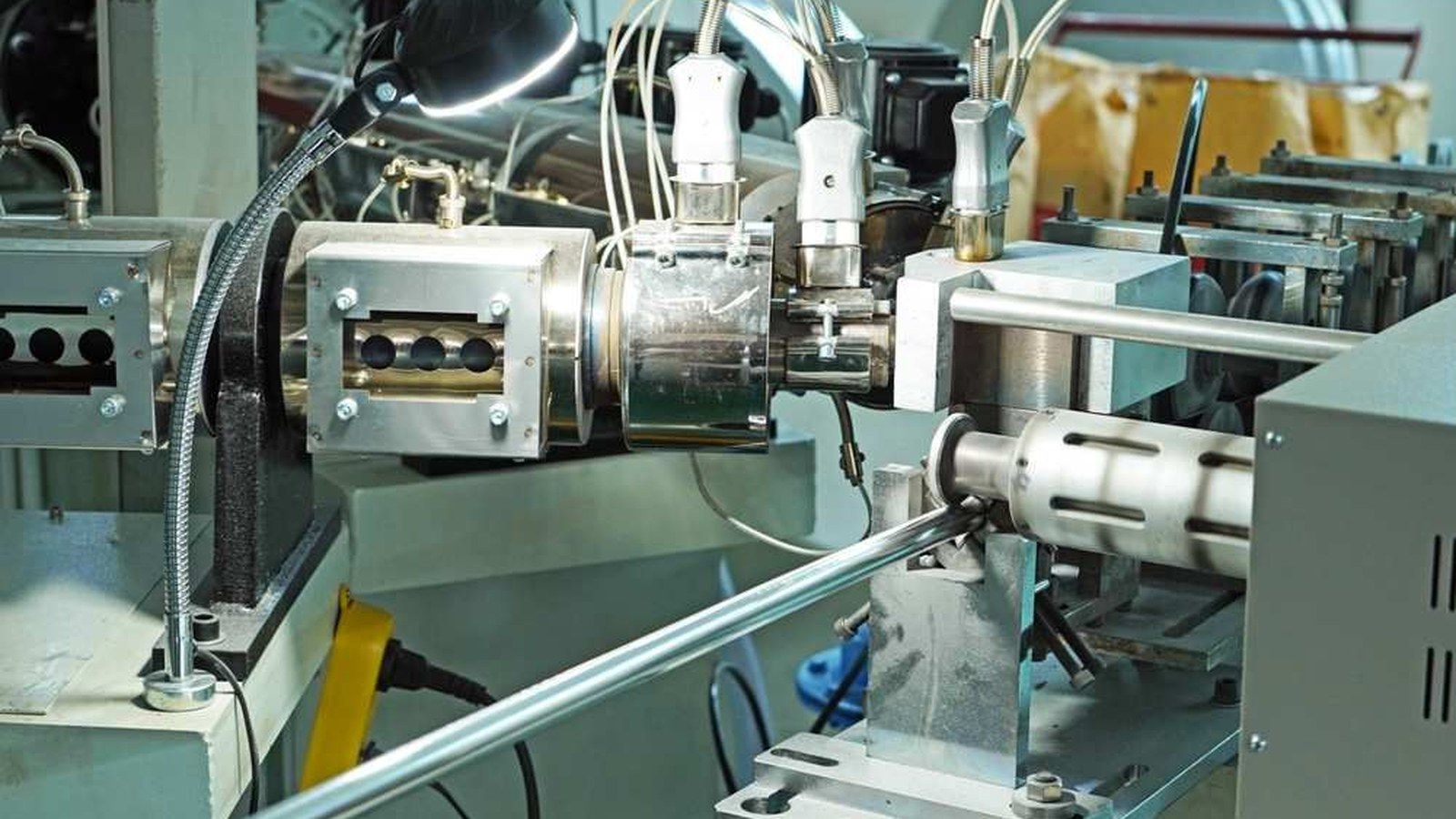
El equipo de marcado en una línea de extrusión ha sido históricamente una rueda giratoria con tipos individuales. La técnica anterior registrada en la Patente de EE. UU. 5,179,896 describe la limitación claramente: tales dispositivos "requieren mucho tiempo de configuración para colocar los tipos individuales en la periferia de la rueda de marcado", y el tipo y la posición de la rueda "no se pueden cambiar durante una ejecución de extrusión". Incluso donde las líneas modernas utilizan tecnología de marcado diferente, la lógica de programación sobrevive: un cambio de leyenda es un evento de línea, planificado entre ejecuciones.
IFAN no publica un plazo de cambio en días, así que trate ese número como algo que debe obtener en lugar de asumir: pregunte a la fábrica por el plazo de aprobación de arte a ejecución contra su calendario de producción real, y obténgalo por escrito. La consecuencia práctica para el comprador: haga que su aprobación de arte y cualquier ventana de cambio se escriban en la factura proforma. Una aprobación que vive en un hilo de correo electrónico no tiene una ranura programada, y una corrección de leyenda descubierta después de que la ejecución haya comenzado es una corrección que pagará dos veces.
La opción de herramientas
Una nueva cavidad es un proyecto de fabricación en sí mismo. Los moldes de producción para termoplásticos se cortan comúnmente de acero para herramientas preendurecido — la familia P20 — suministrado listo para mecanizar para que el taller omita un ciclo de endurecimiento por completo. La hoja de datos de Uddeholm para su grado modificado P20 da la condición de entrega como endurecido y revenido a 290–330 HB, y enumera moldes de inyección y troqueles de extrusión para termoplásticos entre sus aplicaciones. Comprar acero ya a dureza de trabajo es la razón por la que un molde de accesorio puede pasar del dibujo a las pruebas sin esperar el tratamiento térmico.
El costo del molde se cotiza por proyecto, e IFAN publica exactamente eso y nada más. Este artículo no inventará un rango, porque las variables honestas son más útiles que un punto medio fabricado. Cuatro cosas mueven el número: el número de cavidades (una herramienta de cuatro cavidades no es cuatro veces una de una cavidad, pero tampoco es el mismo precio), la complejidad de la pieza y si la geometría necesita acciones laterales, el grado de acero y el acabado superficial especificados, y si la herramienta está construida para un volumen de prueba o para años de funcionamiento continuo.
Pregunte esto antes de pagar un cargo de molde
- ¿Quién es el propietario de la herramienta una vez que se paga el cargo, y dónde permanece físicamente?
- ¿Se amortiza el cargo en función del volumen y, en caso afirmativo, qué ocurre si no se alcanza?
- ¿Quién paga el mantenimiento y quién paga si el molde necesita retrabajo después de las pruebas?
- ¿Qué ocurre con el molde si finaliza la relación? ¿Se libera y a qué costo?
- ¿Está el diseño cubierto por un acuerdo de confidencialidad? IFAN declara que su equipo de ingeniería trabaja bajo NDA desde la composición de la materia prima hasta los moldes propietarios y el envasado de marca privada.
Un proveedor que responde las cinco preguntas por escrito es un proveedor con el que se puede planificar. Uno que cotiza un molde en diez minutos y se muestra vago sobre la propiedad está cotizando un número, no un proyecto.
Para distribuidores e importadores que mueven al menos un contenedor mixto bajo su propia marca. La página OEM de IFAN detalla el taller de moldes interno, la impresión de marca privada en tuberías y embalajes, colores personalizados de PP-R, muestras antes de la producción y un MOQ de un contenedor mezclado en varios tamaños.
¿De quién es el certificado cuando la tubería lleva su nombre?
Esta es la pregunta que decide si la marca privada es una buena idea para su negocio, y es la que las páginas de los proveedores responden con menos frecuencia.
El instinto es razonable: la fábrica posee los certificados, la fábrica fabricó la tubería, por lo que la fábrica asume el cumplimiento. Según la legislación de productos de construcción de la UE, ese instinto es incorrecto en el momento en que su nombre aparece. El artículo 15 del Reglamento (UE) N.º 305/2011 lo establece sin ambigüedades, y la norma sobrevivió a la refundición, reapareciendo como artículo 26, apartado 1, letra a), del Reglamento (UE) 2024/3110, que se aplica a partir del 8 de enero de 2026:
"Se considerará que un importador o distribuidor es un fabricante a efectos del presente Reglamento y estará sujeto a las obligaciones de un fabricante con arreglo al artículo 11, cuando comercialice un producto con su nombre o marca, o modifique un producto de construcción ya comercializado de forma que pueda verse afectada la conformidad con la declaración de prestaciones."
Lea también la segunda parte. Modificar un producto ya comercializado de forma que pueda verse afectada la conformidad con la declaración de prestaciones tiene el mismo resultado que marcarlo con su marca. Ambas vías terminan en el mismo lugar: usted es el fabricante a efectos reglamentarios.
El artículo 11 es donde eso se convierte en trabajo. Las obligaciones que se derivan incluyen redactar la declaración de prestaciones y la documentación técnica que la respalda; conservar ambos durante 10 años después de que el producto se comercialice; disponer de procedimientos que mantengan la producción en serie conforme a las prestaciones declaradas; investigar y, cuando sea necesario, llevar un registro de reclamaciones, productos no conformes y retiradas, y mantener informados a los distribuidores; e indicar su propio nombre, nombre comercial registrado o marca, y una dirección de contacto única en el producto, su embalaje o un documento adjunto.
Ese último punto tiene una arista práctica que muchos pasan por alto. La dirección de contacto en la tubería o en la caja es suya, no de la fábrica. Un instalador con una avería en el sexto año llama al número impreso en el producto — y bajo este marco, ese número debe llegar a usted.
Nada de esto convierte la marca privada en una mala decisión. La convierte en una decisión con un costo de documentación asociado, y el costo es manejable si se planifica: una década de registros conservados es una disciplina de archivo, no una carga técnica. Lo que descarta es tratar un contenedor de marca privada como una transacción puramente comercial que termina cuando la mercancía pasa la aduana.
Qué comprobamos antes de que se envíe un lote con marca — y dónde nos detenemos
La posición publicada de IFAN cubre el lado de la evidencia. La producción se realiza según DIN 8077/8078 e ISO 15874 con documentación CE y SGS, sobre PP-R 100% virgen (grado PP-R 100) con certificados de lote emitidos por envío y un laboratorio de pruebas ISO interno; se puede concertar una inspección preenvío de terceros antes de la carga. Las aprobaciones regionales se gestionan según el destino — SASO para Arabia Saudita, SONCAP para Nigeria, NOM para México — y se organizan antes de que el pedido se envíe.

La distinción que debe retenerse es entre evidencia y responsabilidad. Una fábrica puede darle gran parte de la primera, y ninguna de la segunda. Si desea ver hasta dónde se puede llevar el lado de la evidencia antes de comprometerse, la lista de verificación de verificación del fabricante cubre qué solicitar y cómo verificarlo de forma independiente.
La lista de verificación preenvío para un lote con marca
- Material: PP-R 100% virgen, grado PP-R 100, con certificado de lote emitido por envío.
- Pruebas: cada lote pasa por el laboratorio ISO interno antes de su liberación.
- Impresión: la leyenda se verifica contra la lista de campos de la norma y el arte aprobado, ya que una leyenda incorrecta o ilegible es una no conformidad en cada metro del lote.
- Verificación independiente: se puede concertar una inspección preenvío de terceros antes de la carga, a elección del comprador.
- Aprobaciones de mercado: SASO, SONCAP o NOM se gestionan según el destino antes de que el pedido se envíe.
- Dónde se detiene: la declaración de prestaciones, la documentación técnica que la respalda, el registro de reclamaciones y la retención de 10 años recaen en quien figura en el producto. Ese es usted.
Lo que una fábrica no puede hacer es absorber la obligación que la normativa asigna a quien figura en el producto. Los informes de ensayo, los certificados de lote y las declaraciones de materiales son insumos para su expediente; no sustituyen el hecho de tener uno. Los requisitos también varían según el mercado, el tipo de producto y el papel del importador, y el propio marco del CPR ha sido refundido — el Reglamento (UE) 2024/3110 se aplica desde el 8 de enero de 2026 y contiene la misma regla en el artículo 26, apartado 1, letra a), que le remite a las obligaciones del fabricante del artículo 22, mientras que su artículo 94 mantiene en vigor los artículos 11 a 18 del Reglamento (UE) n.º 305/2011 hasta el 8 de enero de 2040 — así que confirme el instrumento vigente y sus fechas para su destino con un organismo notificado o con su agente de aduanas, en lugar de fiarse del resumen de un proveedor, incluido este.
Ejecución del pedido: cinco etapas y qué fijar en cada una
IFAN publica su secuencia de OEM en cinco etapas. Frente a cada una se indica lo que el comprador debería fijar por escrito mientras esa etapa sigue abierta, porque el control es barato al principio y caro después.
| Etapa | Lo que hace la fábrica | Lo que usted fija aquí |
|---|---|---|
| 01 Especificación y presupuesto | Revisa su especificación, planos o una muestra de la competencia; confirma viabilidad, materiales y precios por SKU | Qué ruta sigue: solo impresión o con moldes. Dígalo con palabras, no por implicación |
| 02 Muestras y moldes | Se producen piezas físicas de preproducción para su aprobación antes de la producción en masa; se fabrican moldes de accesorios personalizados y de marca privada en el taller de moldes propio | Aprobación del arte final y propiedad de los moldes. Ambos por escrito y en la factura proforma |
| 03 Certificación y preproducción | Se fabrica según DIN 8077/8078 e ISO 15874 con documentación CE y SGS; se gestionan SASO, SONCAP o NOM antes del envío | Exactamente qué documentos recibe, a nombre de quién y en qué formato |
| 04 Producción y control de calidad | Ejecuta el pedido con 100% PP-R virgen en más de 30 líneas de extrusión; el laboratorio ISO analiza cada lote; se emiten certificados por envío | Si se contrata inspección preenvío de terceros y quién la paga |
| 05 Exportación y entrega | Contenedores mixtos con un pedido mínimo de un contenedor, FCL o LCL, documentación de exportación completa a más de 120 países | La mezcla de tamaños, en metros y piezas, acordada antes de la carga |
Dos de esas cinco etapas son puntos de control reales y el resto son informes. La aprobación del arte final en la etapa 02 es el último momento en que su leyenda puede cambiar sin un incidente de línea. La muestra de preproducción es el último momento en que el producto puede cambiar por completo. Todo después de la etapa 03 es verificación de que lo acordado es lo que se está fabricando.
Lo que se publica y lo que hay que pedir
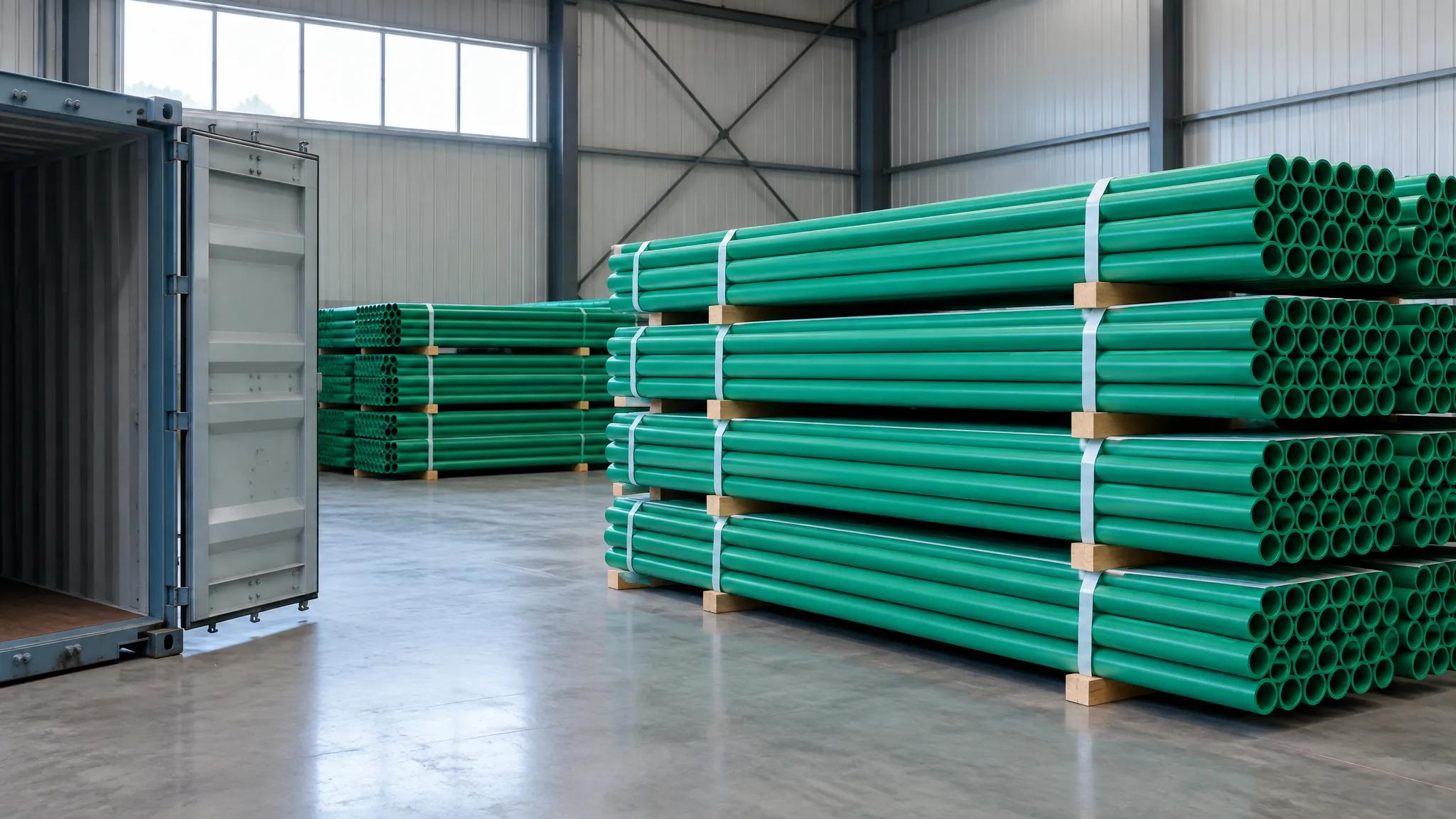
Ser transparente sobre las lagunas es más útil que rellenarlas con cifras plausibles. El pedido mínimo para trabajo OEM y de marca privada es un contenedor, con mezcla de tamaños y líneas de producto — tubería de PP-R, accesorios, válvulas y complementos pueden viajar en la misma carga, y los moldes personalizados se presupuestan por proyecto. Esa es la respuesta publicada, y es real.
Tres cosas nopublicados, y pertenecen a su primer correo electrónico en lugar de a sus suposiciones: un recuento mínimo de piezas por SKU dentro de ese contenedor mixto; los términos comerciales adjuntos a las piezas de preproducción, es decir, la cantidad sin cargo y qué parte asume el costo del mensajero; y la división del depósito y el saldo.
Ninguno de los tres tiene una cifra pública en IFAN. Un proveedor que inventa uno sobre la marcha le está diciendo algo útil sobre cómo se manejará el resto del expediente. Si desea la aritmética del contenedor detrás de la respuesta de un contenedor — cuántos metros de cada diámetro caben físicamente y por qué la respuesta cambia con su mezcla — ese terreno se cubre en la guía de MOQ, muestras y condiciones de pago de PP-R.
Vale la pena saber en el lado del canal: IFAN vende estrictamente al por mayor B2B sin presencia en Amazon o plataformas minoristas y sin ventas al consumidor final. Para un comprador de marca privada, eso no es un eslogan — es el mecanismo que evita que el producto que está marcando aparezca por debajo de su propio precio en su propio mercado. El detalle completo del proceso se encuentra en la página de fabricación OEM.
Un primer contenedor ilustrativo
La siguiente es una secuencia de ejemplo, no un relato de la orden de un cliente específico. Un distribuidor en África Occidental quiere una marca propia en PP-R para un negocio de mostrador de plomería. Eligen la ruta de solo impresión: geometría estándar, verde estándar, su marca en el campo de marca comercial junto con las ocho marcas requeridas.
La etapa 01 fija la ruta y los precios por SKU contra un borrador de mezcla de tamaños. La etapa 02 produce una longitud de prueba impresa, y este es el momento que decide la obra de arte: verifican que el logotipo sea legible en el tamaño de carácter requerido y que el color de la leyenda contraste con el cuerpo de la tubería, porque la norma requiere que difiera. Aprueban la factura proforma, no en un hilo de correo electrónico.
La etapa 03 confirma la ruta SONCAP para Nigeria antes de que se envíe cualquier cosa. La etapa 04 se ejecuta; se emiten certificados de lote por envío, y reservan inspección previa al envío de terceros, porque una primera ejecución bajo una nueva marca es exactamente cuando vale la pena pagar por eso. La etapa 05 carga un contenedor mixto.
En paralelo — y esta es la parte que se olvida — abren el expediente que contendrá la declaración de prestaciones y la documentación técnica durante la próxima década. Su nombre está en la tubería ahora, así que el expediente es suyo.
¿Es la marca privada de PP-R adecuada para su negocio?
La respuesta depende de si está construyendo un activo o decorando una transacción.
| Mejor para | No ideal para |
|---|---|
| Distribuidores con existencias y su propio mostrador comercial y demanda repetida | Compradores de proyectos únicos sin una segunda orden a la vista |
| Importadores que defienden una posición de precio contra el suministro gris y paralelo | Compradores por debajo de un contenedor mixto completo de volumen |
| Empresas que ya mantienen registros de cumplimiento y pueden conservarlos durante 10 años | Compradores que no están dispuestos o no están equipados para asumir los deberes de documentación del fabricante |
| Compradores cuyo mercado recompensa una marca local sobre una extranjera desconocida | Mercados donde el reconocimiento de la marca de la fábrica es el punto de venta |
La disyuntiva honesta es esta: la marca privada convierte una compra en una marca que usted posee y, simultáneamente, convierte la posición regulatoria del proveedor en la suya propia. Los distribuidores con continuidad obtienen un activo que se acumula: especificación repetida, margen protegido, un nombre que los instaladores solicitan. Los compradores sin continuidad obtienen la obligación de documentación y nada de la acumulación, lo cual es un intercambio deficiente sin importar cuán buena sea la tubería.
Si aún está decidiendo, el siguiente paso más económico no es una cotización. Es una muestra de longitud con una leyenda preliminar, para que pueda ver su marca donde la norma lo permite, al tamaño que realmente tendrá, junto a los otros siete campos que deben compartir la superficie.
Para distribuidores con stock e importadores de proyectos que puedan tomar un contenedor completo mixto y estén preparados para mantener la documentación del fabricante. Ingeniería revisa la especificación y confirma viabilidad, materiales y precios por SKU; certificados regionales como SASO, SONCAP o NOM se gestionan antes del envío del pedido.
Conclusión
El PP-R de marca privada son dos compras que comparten una palabra, y nombrar cuál está haciendo elimina la mayor parte de la fricción en la cotización. La ruta de impresión compra una configuración programada y una leyenda que debe compartir la tubería con ocho campos obligatorios según la norma. La ruta de moldes compra acero y, con él, un conjunto de preguntas sobre propiedad que deben quedar por escrito antes de pagar el cargo. Ambas rutas terminan en el mismo lugar regulatorio: su nombre en el producto lo convierte en fabricante ante el marco normativo, con una década de documentación que mantener.
Si es distribuidor o importador y está evaluando una marca propia en PP-R, y desea que la ruta y el papeleo se mapeen según su mezcla de tamaños real, la mesa de exportación de IFAN trabaja a partir de una ficha técnica, un dibujo o una muestra de la competencia.
Preguntas frecuentes
¿Cuál es el pedido mínimo para tubería de PP-R de marca privada?
Un contenedor, mezclado entre tamaños y líneas de producto: tubería de PP-R, accesorios, válvulas y complementos pueden compartir la carga. Los moldes personalizados se cotizan por proyecto. No se publica un mínimo por SKU, así que solicítelo según su mezcla de tamaños específica.
¿Puedo vender PP-R bajo mi propia marca utilizando los documentos CE de la fábrica?
No como una transferencia directa. Según el Artículo 15 del CPR, comercializar un producto bajo su propio nombre o marca lo convierte en fabricante a efectos regulatorios. Los informes de ensayo y certificados de lote de la fábrica se convierten en insumos para su expediente, no en un reemplazo del mismo.
¿Cuánto cuesta un molde personalizado para accesorios de PP-R?
Se cotiza por proyecto y no hay un rango público que sea significativo. El número de cavidades, la complejidad de la pieza, el grado del acero y el acabado, y si la herramienta se construye para pruebas o para volumen continuo, cada uno mueve la cifra sustancialmente.
¿Con qué frecuencia debe aparecer el marcado en la tubería?
La norma ISO 15874-2:2013 exige que los datos de marcado se impriman o formen directamente en el tubo al menos una vez por metro, y que permanezcan legibles después del almacenamiento, manipulación e instalación. Una longitud de seis metros lleva la leyenda completa al menos seis veces.
¿Puedo elegir cualquier color para el tubo PP-R de marca privada?
El PP-R se fabrica en verde, blanco, gris o colores personalizados. Una restricción se aplica al arte, no al tubo: si se utiliza impresión, la información impresa debe ser de un color diferente al del cuerpo del tubo, así que planifique el contraste de la leyenda junto con la elección del color.
¿Quién es el propietario del molde después de pagar el cargo por la herramienta?
Ese es un término comercial, no estándar, y varía según el proveedor. Establezca por escrito la propiedad, la ubicación física, la responsabilidad del mantenimiento y las condiciones de liberación antes de pagar el cargo, no después de la primera producción.
¿Cuánto tiempo debo conservar la documentación?
El artículo 11 del Reglamento (UE) n.º 305/2011 exige que la documentación técnica y la declaración de prestaciones se conserven durante 10 años después de que el producto de construcción se comercialice. Confirme los requisitos vigentes para su mercado de destino.
Escrito por el equipo de IFAN Group — un fabricante de sistemas de fontanería que opera desde 1993 desde una fábrica inteligente de 120.000 m² en Zhejiang, China, con más de 30 líneas de extrusión automatizadas, moldeo por inyección interno y taller de moldes, laboratorio de pruebas ISO, más de 3.000 SKU de PP-R y exportaciones a más de 120 países. Las referencias regulatorias y de normas en este artículo se citan según sus textos emisores; confirme los requisitos vigentes para su mercado con un organismo notificado o un agente de aduanas.