
Is PEX Safe for Drinking Water? Certifications & Facts
"Is PEX safe for drinking water?" is one of the most-asked questions about the pipe — and the honest answer is yes, PEX certified for potable use is safe drinking-water pipe, used in millions of homes and approved by every major plumbing code. But the question hides a few real concerns worth answering properly: what the certifications actually guarantee, the early taste-and-odor reports, whether PEX leaches chemicals, and how water chemistry and quality affect the answer. This guide walks through each so you can specify PEX for potable systems with confidence — and know exactly what to check on the pipe you buy.
For the wider picture on PEX types, sizes, and fittings, see the complete PEX pipe guide; this article focuses on drinking-water safety.
Key Takeaways
- Yes — certified PEX is safe for drinking water and approved by every major plumbing code.
- The key certification is NSF/ANSI 61 (drinking-water health effects), plus NSF/ANSI 372 for lead-free.
- Early PEX sometimes gave a faint taste or odor; modern certified PEX must pass a taste-and-odor test.
- Flush a new PEX system before drinking — standard practice for any new plumbing.
- PEX doesn't corrode or leach metals the way aging metal pipe can, and it's chlorine-rated by grade.
- Safety depends on buying genuinely certified pipe — check the printed marking against the standard.

The Short Answer: Yes, When It's Certified
PEX certified for potable water is safe for drinking water. Cross-linked polyethylene has been used for domestic water supply for decades, it's approved in the plumbing codes across North America, Europe, and most of the world, and it now carries the majority share of new-home water piping in the United States. The material is inert, doesn't rust or corrode, and — unlike aging metal pipe — won't shed metals into the water as it ages. The important qualifier in that sentence is certified: safety is guaranteed by the pipe meeting a drinking-water standard and being made from virgin, potable-grade material, not by the fact that it's "PEX." A certified pipe from a reputable maker is safe; an uncertified pipe of unknown material is exactly what you should avoid. So the real question isn't "is PEX safe" — it's "is this PEX certified," and that's something you can check.
What the Certifications Guarantee
Drinking-water safety for plastic pipe is governed by specific standards, and knowing them turns a vague worry into a checklist. The central one is NSF/ANSI 61, which evaluates the health effects of anything the pipe might contribute to the water — it's the standard that certifies a material as safe to carry drinking water. Alongside it, NSF/ANSI 372 certifies compliance with lead-free requirements (relevant to the brass fittings more than the pipe itself). PEX for potable use is also made to product standards such as ASTM F876/F877 and NSF/ANSI 14. When a PEX pipe is certified to NSF 61, an independent body has tested that the pipe does not contribute harmful substances to the water above safe limits. That's the guarantee: not a marketing claim, but third-party verification against a health-based standard. For the full picture on which marks matter in your market, see our guide to pipe certification standards.
The Taste-and-Odor Question
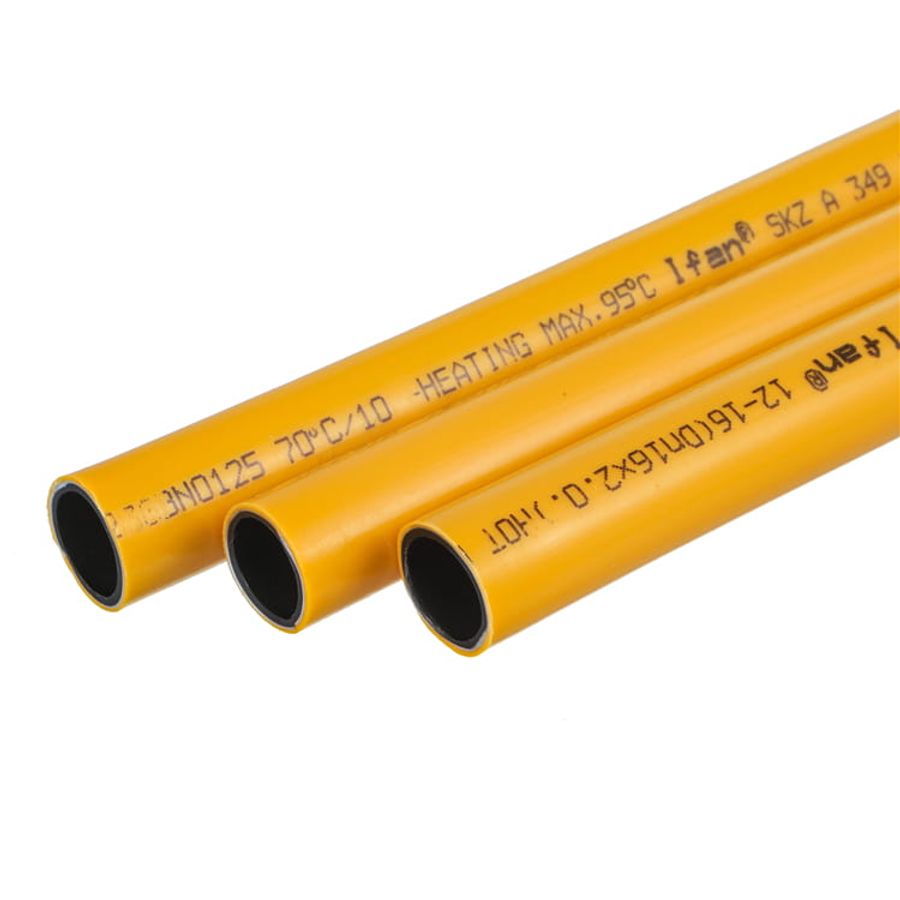
The most common real-world complaint about PEX isn't safety — it's a faint plastic taste or odor some people reported in the water, especially with early PEX and in the first weeks after installation. This is worth addressing honestly. The effect was more noticeable with some early products and tends to fade over time and with use. It also varies by PEX type and brand, and by whether the water sat still in the pipe. Crucially, the NSF/ANSI 61 certification includes a taste-and-odor evaluation, so modern certified PEX must pass a threshold for taste and odor, not just health effects. If taste is a particular concern, PEX-a and higher-quality products tend to perform best, water that's regularly used (not left standing) tastes cleaner, and flushing a new system thoroughly before use clears the initial taste. A faint early taste is a comfort issue that fades; it is not the same as the water being unsafe.
Does PEX Leach Chemicals Into Water?
This is the underlying fear behind the taste question, so it deserves a direct answer. Any plumbing material — plastic, copper, or galvanized — can contribute trace substances to water; the standards exist precisely to hold those contributions below health-based limits. Studies of certified PEX have generally found that any substances it contributes to water are within safe drinking-water limits, and the amounts decline sharply after the first flushing and initial period of use. That's why the universal advice for any new plumbing — PEX, copper, or otherwise — is to flush the system before drinking and to run the tap briefly if water has sat in the pipes a long time. The material being certified to NSF/ANSI 61 means its potential contributions were tested and cleared. Uncertified pipe or pipe made from recycled/unknown polymer is the genuine risk here — which is again why the certification, not the word "PEX," is what makes the difference.
PEX vs Copper and PVC on Safety
Buyers often weigh PEX against copper on health grounds, so it's worth the honest comparison. Copper is a proven potable material but can leach copper into water where the water is acidic or aggressive, and older copper systems used lead-based solder at the joints — a historical lead-exposure route PEX avoids entirely. PVC and CPVC are also certified for their intended uses, but ordinary PVC is generally a drain/cold material, while CPVC handles hot potable water. PEX's advantages on the safety axis are that it doesn't corrode, has no soldered joints, and resists the scale and pinhole leaks that affect metal over time. None of the certified materials is "unsafe" — each is safe within its rated use. PEX's specific strength is that it sidesteps the corrosion-and-solder issues of metal pipe while carrying full potable certification. For the material trade-offs beyond safety, compare PEX vs copper pipe.
PEX, Hot Water, and Chlorine
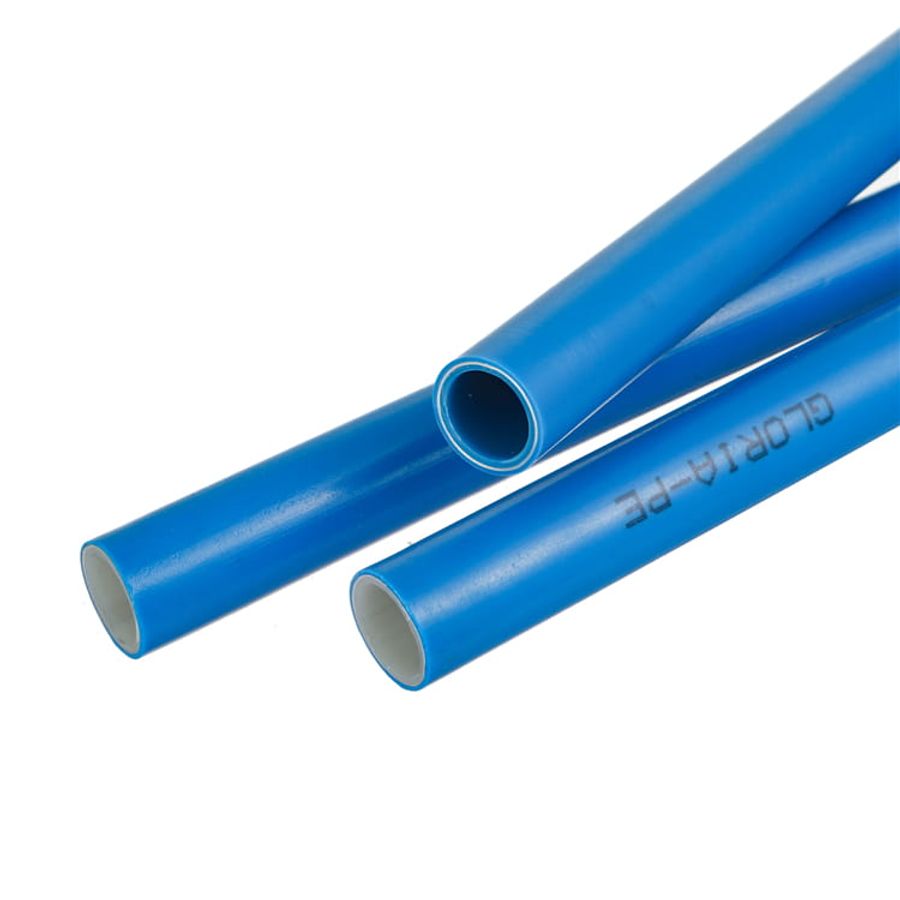
One technical point affects long-term safety: PEX carrying hot, chlorinated water is exposed to oxidative stress over years, and cheap or under-stabilized PEX can degrade faster under that load. This is why quality PEX is chlorine-rated — the marking shows a chlorine-resistance class, and higher classes suit hot recirculating potable systems that see the most chlorine exposure. It's also why virgin, properly stabilized material matters: the antioxidant package built into good PEX is what lets it hold up to hot chlorinated water for its full service life. A certified, chlorine-rated pipe from a reputable maker is designed for exactly this duty. Buying on price alone — an unrated pipe of unknown material — is where a hot-water potable system can be shortened, so match the pipe's chlorine rating to the job and keep hot-water temperatures within the pipe's rated limit.
How to Make Sure Your PEX Is Safe
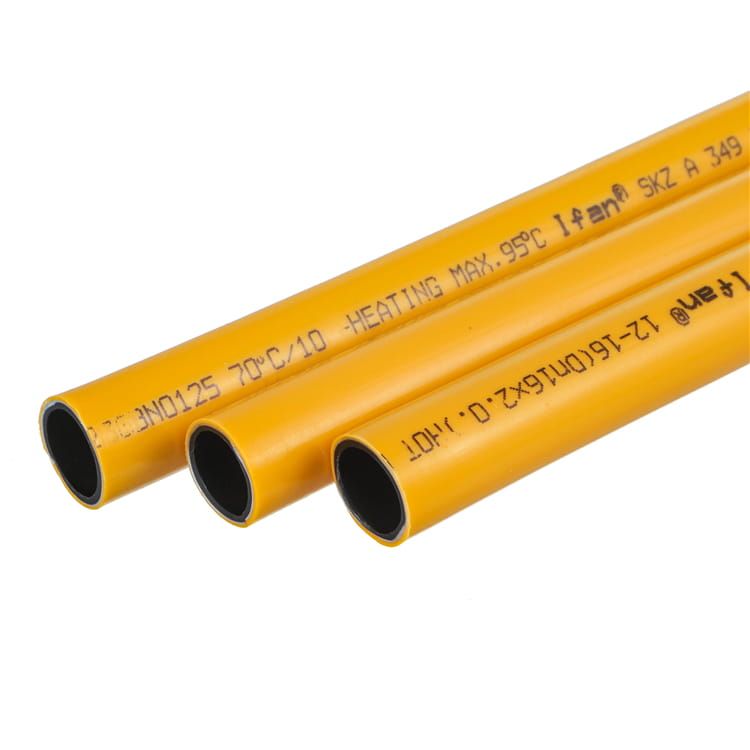
Because safety hinges on the pipe being genuinely certified, here's the practical checklist. Read the printed marking along the pipe: it should state the potable approval (NSF-pw / NSF 61), the standard (ASTM F876/F877 or the local equivalent), the type and size, and the chlorine rating. Confirm virgin material — certified potable PEX is made from virgin, potable-grade resin, not reprocessed scrap. Match fittings to a lead-free grade (NSF 372) so the brass at the joints is compliant too. Flush the system thoroughly before first drinking. And buy from a maker who can show the certificates — a supplier who provides the test certificates and whose marking matches the paperwork is verifiable; one who can't is not. That combination — certified pipe, lead-free fittings, a proper flush, and paperwork you can check — is what turns "is PEX safe" into a confident yes for your specific system.

Need certified potable-grade PEX with paperwork you can check?
We supply NSF-certified, chlorine-rated PEX made from virgin material, with lead-free fittings and full test certificates.
Request a QuoteCommon Concerns, Answered
"PEX makes water taste like plastic." A faint early taste can occur, fades with use, and certified PEX must pass an NSF 61 taste-and-odor test. Flush a new system before drinking.
"PEX leaches chemicals." Certified PEX's contributions to water are tested to stay within safe drinking-water limits and drop after initial flushing. Uncertified pipe is the real risk.
"PEX can't handle hot water safely." Chlorine-rated PEX is designed for hot potable and recirculating systems — match the chlorine class to the duty and keep within the rated temperature.
"Sunlight ruins PEX." True but unrelated to potability — PEX degrades under UV, so it's stored and installed out of direct sunlight. It's an indoor/enclosed pipe, not a safety concern in service.
PEX-a vs PEX-b vs PEX-c: Does the Type Change the Safety?
Buyers searching "is PEX-b safe for drinking water" usually assume one type is cleaner than another. The letter refers only to the crosslinking method, not to how safe the water is. PEX-a is crosslinked in the melt with peroxide (Engel method), PEX-b through a silane and moisture cure after extrusion, and PEX-c by electron-beam radiation. All three start from the same base resin, high-density polyethylene, and all three must pass the identical potable-water evaluation before they are sold for drinking water.
The health test does not care about the crosslinking route. Certified tubing of any type has to meet NSF/ANSI 61 for contaminant extraction and NSF/ANSI 372 for lead content, and carry an ASTM F876/F877 product listing. A PEX-b tube stamped "NSF-pw" is exactly as safe for drinking water as a PEX-a tube with the same mark.
| Type | Crosslink Method | Degree of Crosslinking | Potable Standard |
|---|---|---|---|
| PEX-a | Peroxide (Engel), in the melt | ~70-85% | NSF/ANSI 61 + 372, ASTM F876/F877 |
| PEX-b | Silane / moisture cure | ~65-70% | NSF/ANSI 61 + 372, ASTM F876/F877 |
| PEX-c | Electron-beam radiation | ~60-70% | NSF/ANSI 61 + 372, ASTM F876/F877 |
The differences between the three show up in flexibility, kink memory, and how they are joined, not in water quality. If a distributor is comparing types for a project, the practical trade-offs are laid out in our PEX-a vs PEX-b comparison. For drinking water, the deciding factor is always the printed certification, never the letter.
Can Bacteria or Biofilm Grow Inside PEX Water Lines?
This is one of the most common questions after leaching, and the honest answer is that biofilm can form on the inside wall of any plumbing pipe, PEX, copper, PVC, or steel. Wherever water sits still and carries some organic matter, a thin microbial layer develops. PEX is not uniquely prone to it, and the potable certification a certified tube carries already includes a formulation review that discourages microbial growth support.
Two things drive biofilm far more than the pipe material: water temperature and stagnation. The danger zone for organisms such as Legionella is roughly 25-45 C (77-113 F), which is why standing warm water in a dead leg is the real risk, not the plastic. Copper does have mild antimicrobial action, but that effect fades as scale and biofilm coat the surface, so in a working system the gap between materials is smaller than it sounds.
- Keep hot-water storage at or above 60 C (140 F) to suppress Legionella, and deliver it hot where local code allows.
- Avoid long dead legs and capped stubs where water never moves; design them out during rough-in.
- Flush fixtures that have sat unused for a week or more before drinking from them.
- Specify tubing with an EVOH oxygen barrier only for closed heating loops, not potable lines; the barrier controls oxygen ingress into radiators, it is not a drinking-water requirement.
The takeaway for a buyer: bacteria control is a system-design and temperature issue that applies to every pipe material equally. Choosing copper over certified PEX does not remove the need for good hot-water temperature and dead-leg management.
Flush-Before-Use: How Long Does New PEX Affect Water?
Any new plumbing material, PEX, copper, or CPVC, contributes trace substances to the first water that sits in it. For PEX the compounds most often measured in studies are MTBE, ETBE, tertiary-butyl alcohol (tBA) and total organic carbon, which is what can cause the early plastic taste. Certification testing already caps these at levels considered safe, and the amounts fall sharply as water is drawn and the pipe is conditioned.
The practical answer to "how long does PEX leach" is that measurable taste and extractables drop steeply over the first few weeks of normal use and keep declining after that. A short commissioning flush handles the initial spike, and routine daily use finishes the job. A simple protocol before anyone drinks from a new PEX system:
| Step | Action | Why |
|---|---|---|
| 1. Initial flush | Run each cold tap 5-10 minutes at full flow | Clears standing water that sat in the pipe during construction |
| 2. First 1-2 weeks | Draw water daily; do not drink water left standing overnight | Extractables and taste are highest early and drop with turnover |
| 3. After any long gap | Flush 30-60 seconds after the system sat unused for days | Refreshes water that stagnated regardless of pipe material |
One habit worth keeping for the life of any plumbing system: for cooking and drinking, take water from the cold line and let it run a few seconds if it has been sitting. That single step does more for taste and quality than the choice of pipe material.
Is PEX Approved by Plumbing Codes and Allowed in Europe?
PEX is not a fringe material. It is written into the major model plumbing codes for potable water and has been used for household water in Europe longer than in North America. Buyers asking whether PEX is allowed in Europe are sometimes surprised to learn it was common there first; European homes have run hot and cold potable water through PEX since the 1970s.
What actually matters for an importer is which mark the tubing must carry in the destination market. The health requirement is the same idea everywhere, a low-extraction, low-lead formulation, but the certification body and code reference differ by region.
| Region | Code / Approval | Potable / Health Mark |
|---|---|---|
| USA / Canada | UPC and IPC (PEX listed for water distribution) | NSF/ANSI/CAN 61, NSF/ANSI 372, ASTM F876/F877 |
| Europe | EN ISO 15875 pipe standard | National potable schemes (WRAS UK, DVGW/KTW Germany, ACS France) |
| Australia / NZ | AS/NZS 2492 / WaterMark scheme | AS/NZS 4020 potable evaluation |
For a wholesale buyer this is the real due-diligence step: match the certification stamped on the tubing to the scheme your market enforces, rather than assuming an NSF mark clears customs in a WRAS or DVGW country. A supplier that already holds the right regional listing saves a rejected shipment. The broader map of which mark applies where is covered in our pipe certification standards guide.
Frequently Asked Questions
Is PEX safe for drinking water?
Yes. PEX certified for potable use — meeting NSF/ANSI 61 for drinking-water health effects — is safe and approved by every major plumbing code. It's used in millions of homes, doesn't corrode or shed metals, and now carries the majority of new-home water piping in the US. Safety depends on the pipe being genuinely certified and made from virgin material, so check the printed marking.
Does PEX leach chemicals into water?
Certified PEX is tested to keep any contributions to the water within safe drinking-water limits, and those amounts drop sharply after the first flushing and initial use. As with any new plumbing, flush the system before drinking. Uncertified pipe made from unknown or recycled polymer is the genuine risk — which is why the NSF 61 certification, not the word "PEX," is what matters.
Why does my PEX water taste like plastic?
A faint plastic taste can occur with new PEX, especially in the first weeks or when water sits still in the pipe. It fades with use, and certified PEX must pass an NSF/ANSI 61 taste-and-odor test. Flushing a new system thoroughly before use clears most of it; PEX-a and higher-quality products tend to perform best on taste.
Is PEX safer than copper for drinking water?
Both are certified potable materials. PEX avoids two issues that affect metal pipe: it doesn't corrode or leach metals into acidic water, and it has no lead-based soldered joints. Copper is proven but can leach copper in aggressive water and older systems used lead solder. Neither is unsafe within its rated use — PEX's edge on safety is sidestepping corrosion and solder.
How long does new PEX leach into drinking water?
Extractable compounds and any plastic taste are highest in the first days and drop steeply over the first couple of weeks of normal use as water turns over. A 5 to 10 minute flush of each tap at commissioning clears the standing water, and daily use finishes conditioning the pipe. Certified PEX already caps these substances at safe levels before it is sold.
Can bacteria grow inside PEX water lines?
Biofilm can form inside any pipe material, including copper, PVC and steel, wherever water sits still and carries organic matter. PEX is not uniquely prone to it. Growth is driven by temperature and stagnation, not the plastic. Keeping hot water at or above 60 C, avoiding dead legs, and flushing lines that sit unused for a week control it in any system.
Is PEX-b safe for drinking water compared to PEX-a?
Yes. The letters a, b and c refer only to the crosslinking method, not to water quality. All three are made from the same base resin and must pass the identical NSF/ANSI 61 health test and NSF/ANSI 372 lead limit before sale. A PEX-b tube marked NSF-pw is exactly as safe for drinking water as a PEX-a tube with the same mark.
Is PEX allowed in Europe for drinking water?
Yes, and it has been used for household potable water in Europe since the 1970s, earlier than in North America. European tubing is made to EN ISO 15875 and carries national potable approvals such as WRAS in the UK, DVGW/KTW in Germany, or ACS in France. Importers should match the tubing's approval mark to the scheme their destination market enforces.