
PEX vs Copper Pipe: Which to Use & When
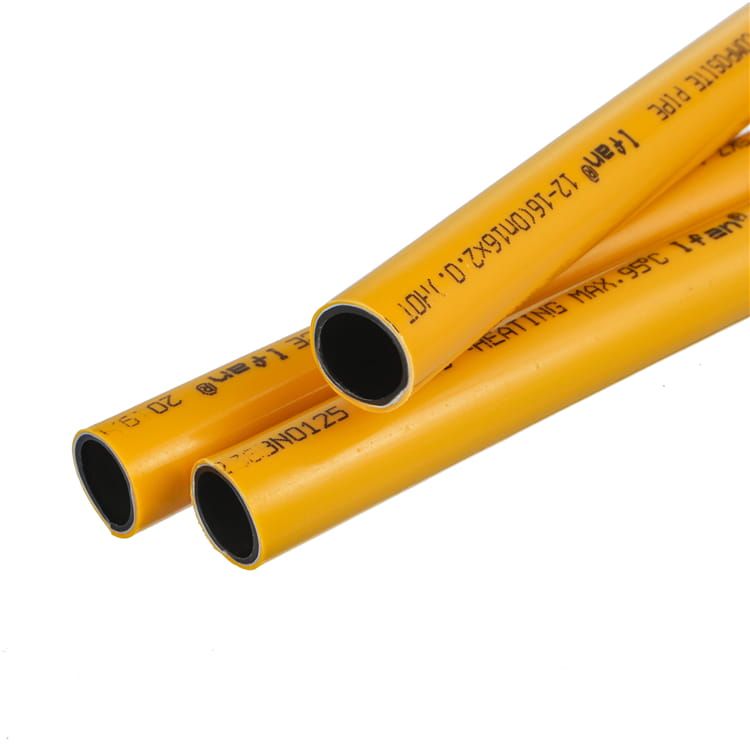
PEX or copper? It's the pipe decision behind most re-pipes and new-build plumbing, and the answer has shifted hard toward PEX over the last two decades — but not for every job. Copper is the century-old standard: rigid, proven, and rated for places PEX can't go. PEX is cheaper, far faster to install, flexible enough to cut joints, and it survives a freeze that would split copper. The right choice depends on the job, the climate, and where the pipe runs. This guide compares them honestly on cost, installation, durability, water quality, freeze and heat, and gives a clear rule for when each wins — so you choose on the facts, not on habit or a plumber's preference.
For the full picture on PEX types and fittings, see the complete PEX pipe guide; this article is the PEX-versus-copper decision.
Key Takeaways
- PEX wins on cost, install speed, flexibility, and freeze tolerance.
- Copper wins on UV/outdoor use, heat limits, and its long proven record.
- PEX has far fewer joints in the wall — fewer hidden leak points.
- Copper can corrode or pit in acidic water; PEX is immune to corrosion and scale.
- PEX can't take direct sunlight or the immediate hot outlet of a heater.
- For most indoor domestic water, PEX is the default; copper for specific cases.

PEX vs Copper — Side by Side
| Factor | PEX | Copper |
|---|---|---|
| Material cost | Lower | Higher; tracks copper market |
| Install speed | Fast; no soldering | Slower; solder or press |
| Flexibility / joints | Bends; few joints | Rigid; many fittings |
| Freeze tolerance | Expands, often survives | Can split |
| UV / outdoor | No (indoor/buried) | Yes |
| Corrosion / scale | Immune | Can pit in acidic water |
| Heat limit | Rated hot water; not open flame | Very high |
| Track record | Decades | Over a century |
Cost and Installation
This is where PEX took the market. On material, PEX runs well below copper per metre, and it doesn't swing with the copper commodity price the way metal does — copper spikes hit a copper re-pipe budget directly. The bigger saving is usually labour: PEX needs no soldering, flux, or torch, so installs are faster and need fewer skilled hours, and because PEX bends around obstacles, a run reaches a fixture with far fewer fittings than rigid copper, which must be cut and joined at every change of direction. Fewer joints also means fewer things to leak later. Copper's install is slower and more skill-dependent — clean, flux, solder, and check every joint — though modern press fittings speed it up at a higher fitting cost. For a whole-house plumb, PEX typically lands well under copper on installed cost.
Freeze and Heat
Two opposite extremes split the decision. On freezing, PEX has the edge: it's flexible enough to expand as water freezes and often survives a freeze that would split rigid copper — valuable in cold climates and unheated spaces, though no pipe is guaranteed against a hard, prolonged freeze, so proper insulation still matters. On high heat, copper has the edge: it takes far higher temperatures and won't be damaged near heat sources, whereas PEX has a temperature rating and must not connect straight to the hot outlet of some water heaters (a short metal nipple goes first) or run near open flame. So PEX for freeze resilience, copper where sustained high heat or fire exposure is a factor.
Water Quality and Corrosion
The pipes fail in opposite ways. Copper can corrode or develop pinhole leaks in acidic or aggressive water, and it can leach a little copper into very soft supplies; over decades in the wrong water chemistry, that's a real failure mode. PEX is immune to corrosion and won't scale or pit, so its bore and flow stay stable — but it has its own water-quality limit: very high chlorine or chloramine over many years can shorten its life, so in heavily-chlorinated supplies you follow the manufacturer's water-quality guidance. Neither leaches metal into the water the way old lead or some brass can, provided you use potable-approved product. Match the pipe to your specific water chemistry: aggressive or acidic water clearly favours PEX; a heavily-chlorinated supply is a point in copper's favour unless PEX-rated for it.
Sourcing PEX for a plumbing or re-pipe job?
Tell us the sizes and fitting system — we'll spec PEX, PEX-AL-PEX, or PE-RT with matched fittings and valves.
Request a QuoteDurability and Lifespan
Both last a long time when correctly applied. Copper has the longer proven record — over a century of field use — and in good water it can last the life of a building; its weakness is aggressive water and the many soldered joints, each a potential future leak. PEX is newer, with a multi-decade record rather than a century, but it's designed and warranted for decades, doesn't corrode or scale, and its low joint count removes most hidden failure points. The honest summary: copper's longevity is better proven by time, while PEX's fewer joints and corrosion immunity give it fewer ways to fail — as long as you respect its UV, heat, and chlorine limits. In practice, both outlast most of the fixtures they feed.
Health and Water Safety
Both pipes are safe for drinking water when you use potable-approved product, but the questions differ. Copper is naturally antimicrobial and inert in most water, though in very soft or acidic supplies it can leach trace copper and, on old installs, the concern was leaded solder at the joints (now banned for potable use — lead-free solder is required). PEX doesn't corrode or add metal to the water; the questions raised about it are taste/odour in the first weeks (which flushing clears) and the requirement to stay within chlorine limits. The decisive factor for either is certification: a potable-approved pipe (NSF/ANSI 61 and 372, WRAS, etc.) has been tested for exactly what it releases into water. Specify the approval your market requires and the health question is settled for both materials — see the certifications guide.
Noise and Water Hammer
A quieter system is an underrated advantage. Rigid copper transmits water-hammer bangs and the rush of flow through the structure — the knocks and hisses that carry through a wall on a metal-pipe house. PEX, being flexible plastic, absorbs and dampens much of that noise, so a PEX system tends to run quieter, with less audible water hammer when a tap or valve shuts. It's not a reason on its own to choose PEX, but on a quiet-house spec or a bedroom wall it's a genuine plus, and it's one more consequence of PEX's flexibility. Where copper is used, arrestors and proper support manage the noise; with PEX it's largely handled by the material.
Code and Regional Use
Where each is used is partly regulation and partly tradition. PEX is now accepted by the major plumbing codes and has become the dominant choice for new residential water in many markets, especially in North America. Copper remains widely used and, in some jurisdictions, heritage projects, or commercial specs, is still preferred or required. Local code can dictate things like where PEX may run, the transition to metal at heaters, and support spacing — so confirm the current local plumbing code before committing a large job to either material. The broad trend is clear (PEX rising for domestic water), but the specific rules that govern your project are local, and a quick code check avoids a failed inspection.
Where Copper Still Wins
PEX isn't the answer everywhere. Choose copper when the pipe runs outdoors or in sunlight (PEX degrades under UV), near high heat or open flame, or where a proven century-long track record is specifically required by a spec or a client. Copper is also fully recyclable with an established scrap value, and some jurisdictions or heritage projects mandate it. And on the immediate connections at a water heater or boiler, a short metal (copper or brass) section is standard practice regardless of the main pipe. These are real, specific cases — not reasons to copper-pipe a whole house that PEX would serve better and cheaper.
Which Should You Choose?
Choose PEX for indoor domestic water and re-pipes, cold climates where freeze resistance matters, aggressive/acidic water, and any job where install speed and cost matter — which is most residential plumbing and the majority of re-pipe jobs today.
Choose copper for outdoor/UV-exposed runs, high-heat locations, heavily-chlorinated supplies where PEX isn't rated for it, heater/boiler connections, and jobs that specifically require copper.
Many systems use both: PEX for the bulk of the distribution, copper or brass for the hot connections and any exposed run. It's not always an all-or-nothing decision, and the best-value systems often are not — put each material where it's strongest — PEX for the fast, flexible, corrosion-proof bulk of the system, and copper or brass at the specific points that genuinely need metal.
Sourcing PEX With Matched Fittings and Valves
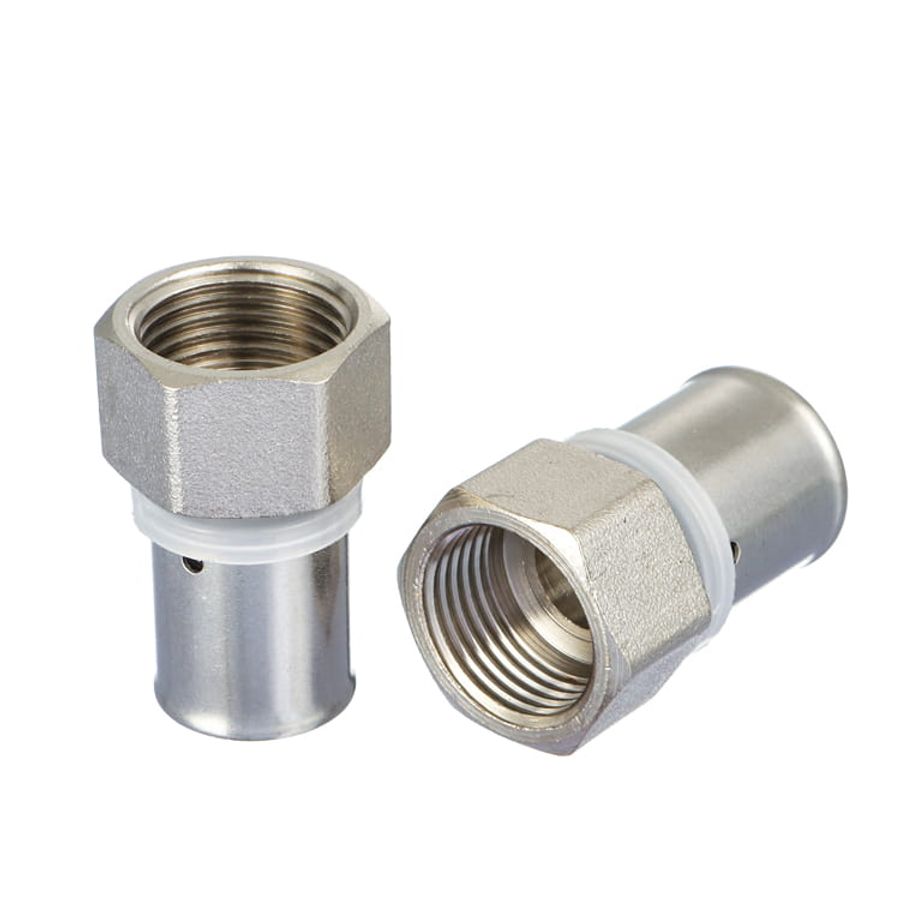
If PEX is the choice, source the pipe with a matched fitting system so nothing is mismatched on site. IFAN manufactures PEX, laser-welded PEX-AL-PEX multilayer, and PE-RT for heating, together with the press and sliding-sleeve fittings and brass valves that go with them — and because IFAN also makes PPR, HDPE, and PVC, a whole plumbing job can be sourced complete, certified, from one factory with no minimum order. If you're weighing PEX types too, see PEX-a vs PEX-b, and confirm the certifications for your market before ordering.
Frequently Asked Questions
Is PEX as good as copper?
For most indoor domestic water, yes — PEX is cheaper, faster to install, flexible with fewer joints, freeze-tolerant, and corrosion-immune. Copper still wins for outdoor/UV runs, high heat, and its longer proven record. Neither is universally "better"; match the pipe to the job.
Does PEX or copper last longer?
Copper has the longer proven record — over a century — and lasts the life of a building in good water, though it can pit in aggressive water and has many soldered joints. PEX is warranted for decades, doesn't corrode, and has few joints. Both typically outlast the fixtures they feed when correctly applied.
Can PEX and copper be connected together?
Yes — with a transition fitting (a PEX fitting with a threaded or push connection to copper). It's common practice to run PEX for the distribution and use a short copper or brass section at heater connections or exposed runs. Use a proper transition fitting rated for both.
Why do plumbers prefer PEX now?
Mainly speed and cost: no soldering, flexible runs with fewer joints, lower material price, and freeze tolerance. It's faster to install and has fewer failure points in the wall. Copper is still used where UV, high heat, or a spec requires it, but PEX has become the default for indoor domestic water.