
PEX Pipe Sizes: Nominal vs Metric, and How to Size a Line
PEX pipe sizes for buyers: keep nominal and metric families separate, confirm fittings, and compare coil length, minimum order, samples and lead time.
A matching number does not make two PEX pipe sizes interchangeable. Uponor lists 1/2-inch nominal CTS tubing with a 0.625-inch outside diameter; REHAU’s dated metric example has two 20 mm products with different wall dimensions. Buy against the dimensional family and approved connection, then approve the hydraulic size. The nominal label alone settles none of those decisions.
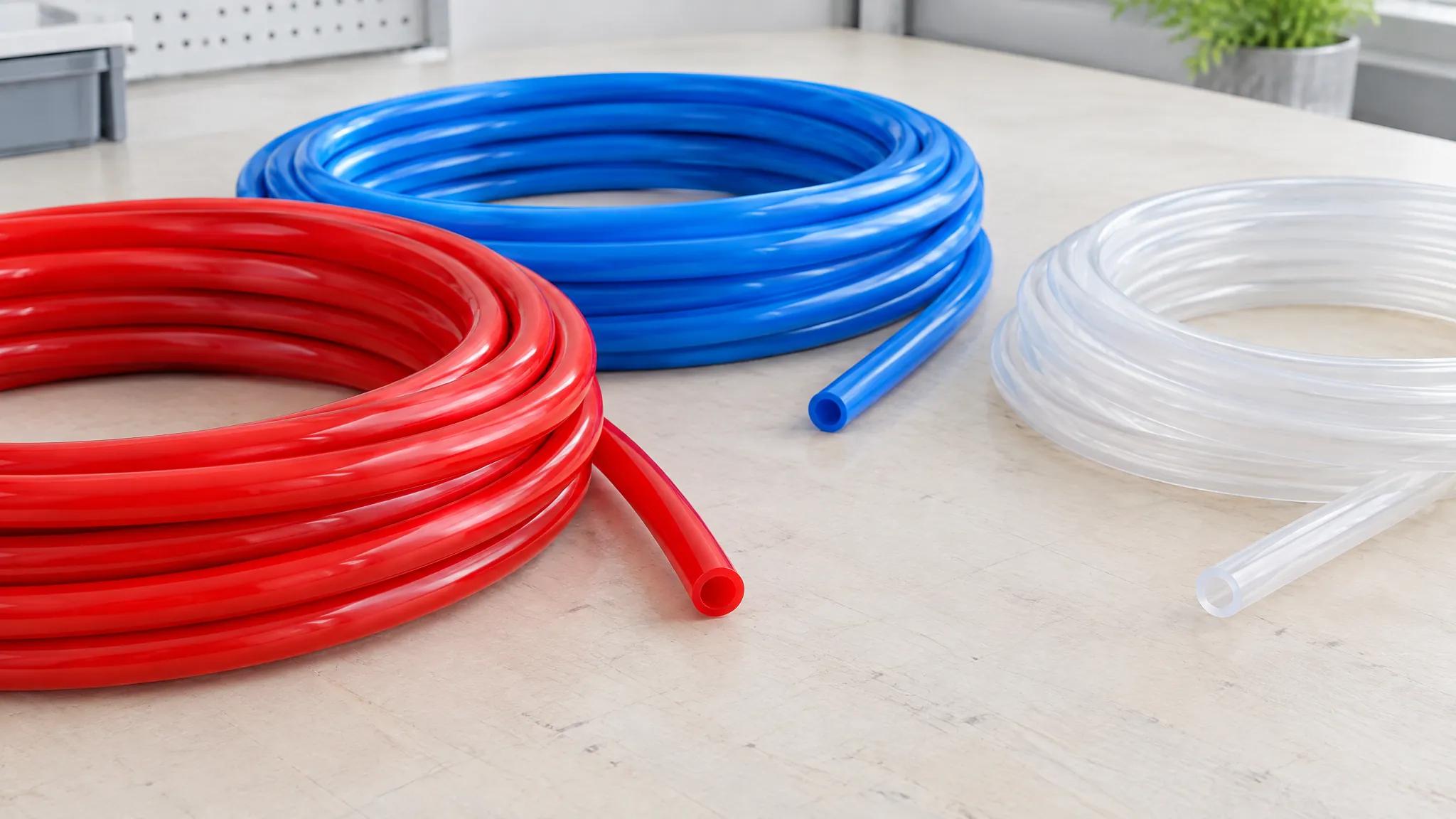
Cover: AI-generated conceptual illustration, not a product drawing, installation detail or test record.
Key Takeaways
- State CTS, metric OD or another specified dimensional family on the order.
- Use a manufacturer drawing for wall thickness and inside diameter.
- Verify connection approval for the exact tubing, fitting and tool.
- Check the product’s temperature, pressure and service limits separately from its size.
Read nominal CTS sizes against a sourced OD table
Use the following table to decode the CTS offer before comparing prices. The outside diameters come from the Uponor published piping installation guide, PDF page 58, printed page 42. The entries describe that manufacturer reference; they are neither IFAN stock commitments nor inside diameters. The purchased tubing still needs its own drawing and tolerances.
| Nominal CTS size (in) | Published OD (in) |
|---|---|
| 1/4 | 0.375 |
| 3/8 | 0.500 |
| 1/2 | 0.625 |
| 5/8 | 0.750 |
| 3/4 | 0.875 |
| 1 | 1.125 |
| 1 1/4 | 1.375 |
| 1 1/2 | 1.625 |
| 2 | 2.125 |
| 2 1/2 | 2.625 |
| 3 | 3.125 |
On a 1/2-inch CTS quotation, check for the listed 0.625-inch OD rather than asking the supplier to make the nominal label a measured bore. The source also lists 2 1/2-inch and 3-inch tubing. Reject a blanket 2-inch CTS maximum. For larger sizes, confirm the manufacturer’s actual availability, fittings and tools before releasing the order.
Keep metric OD, wall thickness and construction separate
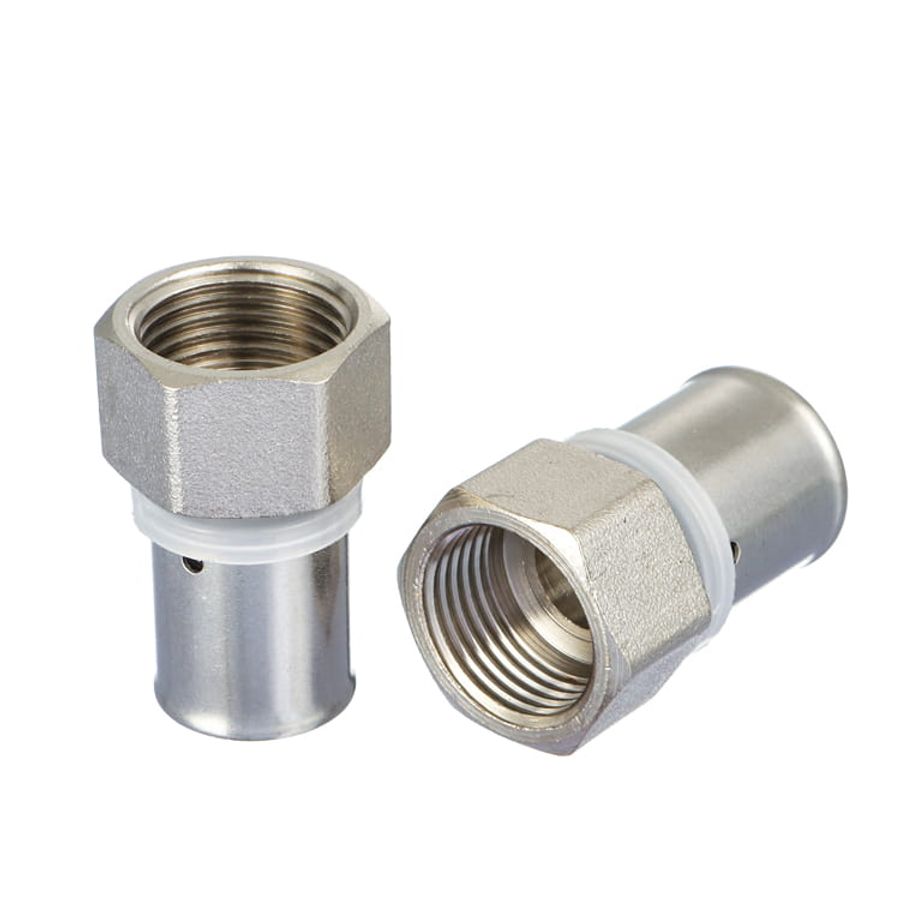
Compare offers using the matrix below. A CTS label and a metric outside-diameter label answer different questions; converting inches to millimetres cannot approve a fitting. Require OD, wall specification and tolerances on the metric drawing. The PEX pipe guide supplies the broader material and joining context.
| Offer | What the label establishes | Purchase decision |
|---|---|---|
| Nominal CTS | Dimensional family; not measured bore | Request the actual wall drawing |
| Metric OD | Outside diameter; not fitting approval | Match documented pipe and joint |
| Same OD, different walls | Nominal geometric bores can differ | Compare wall and hydraulic data |
| PEX-AL-PEX / PE-RT | Construction or material designation | Confirm service and joining approval |
ASTM F876 specifies nominal SDR9 ratios except where noted; it does not provide universal actual bore dimensions. A concrete metric example appears in REHAU’s January 2013 technical information, Tables 5-2 and 5-3: RAUTITAN stabil is 20 × 2.9 mm; RAUTITAN flex is 20 × 2.8 mm. Both have 20 mm outside diameter, but nominal geometric bores differ: 20 − 2 × 2.9 = 14.2 mm versus 20 − 2 × 2.8 = 14.4 mm. These are calculations from stated dimensions, not measured IDs or tolerance limits. This dated example demonstrates the distinction, not current stock or IFAN availability.
Keep construction on a separate order field. PEX-AL-PEX includes an aluminium layer; PE-RT means polyethylene of raised temperature, a separate material designation. Neither establishes sliding-sleeve, crimp or press approval. Obtain IFAN’s confirmation for the exact offered construction and joining method. Do not use a PPR catalogue as evidence of a PEX or PE-RT product range.
Approve the tubing and connection as one system
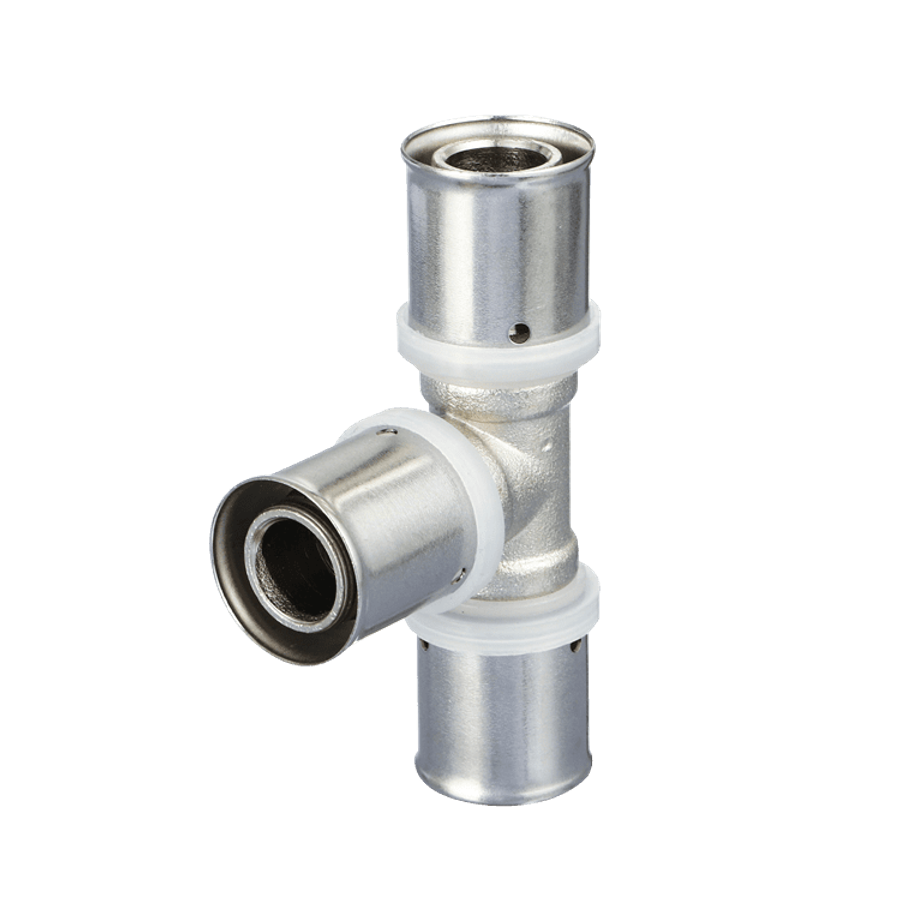
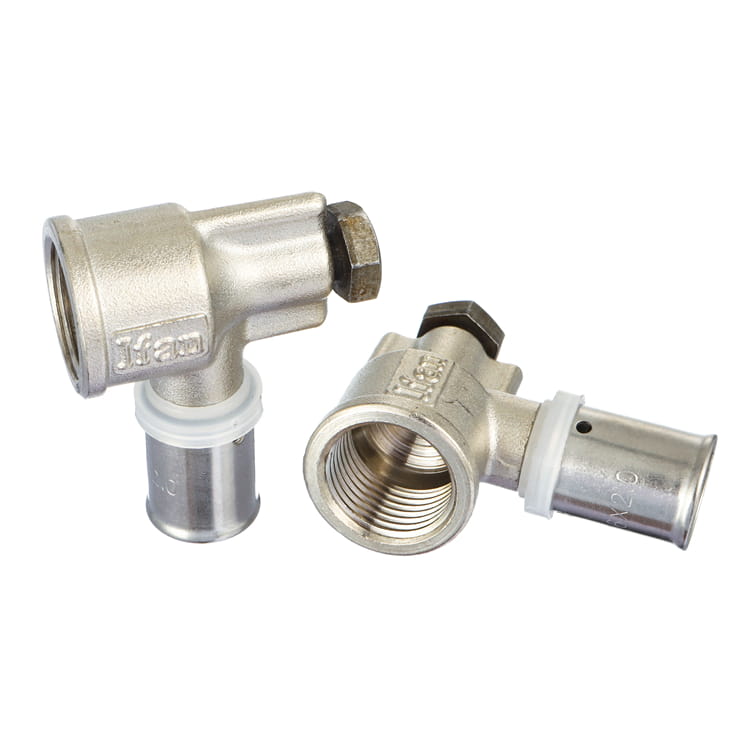
Treat tubing and fittings as one approval package. The PPI plumbing guide ties specified mechanical joints to manufacturer instructions and applicable fitting standards. Shared CTS dimensions do not approve every joining method for every PEX-a, PEX-b or PEX-c product. Use the PEX-a and PEX-b comparison for material-route background, then request the actual product approval.
Put the tubing model, fitting designation, ring or sleeve, tool and preparation method on the purchase record. A fitting that slides onto the tube has passed a physical-fit observation, not a documented compatibility check. For unidentified tubing, recover the print line, packaging and traceable records or obtain manufacturer confirmation. Heating or kinking it is not an identification method.
Color identifies a run; it does not approve the service. Retain the applicable tubing and system standards plus the accepted potable-water listing with the offer. NSF-pw illustrates a recognized potable-water certification mark. It does not displace other certification routes accepted for the project.
Size the line from demand and available pressure
Ask the designer for demand, available supply pressure, required residual pressure, developed length, elevation change and connection losses. A fixture count cannot release a universal diameter. Follow the governing code and the selected manufacturer’s sizing method; the PPI design guide supplies layout, joining and performance resources. Keep this design approval separate from the supplier’s size availability.
Check the manifold offer for valves and access. Individual branch isolation needs an accessible valve for each branch; an unvalved manifold needs valves elsewhere as the design and code require. PPI Chapter 6 covers both arrangements. Include feed, branches and fittings in the simultaneous-demand calculation. Neither arrangement guarantees steady pressure.
Calculate the tube-only pressure budget
Worked sizing example—hypothetical engineering assumptions, not an IFAN test or customer case. Assume 2 US GPM design flow, 60°F water and 100 ft of straight tubing. Supply pressure under design demand is assumed 40 psi; required residual pressure is 30 psi; separately evaluated elevation, devices and fittings consume an assumed 7 psi. The tube-only budget is 40 − 30 − 7 = 3 psi.
- Read the 2.0 GPM row of PPI Table 6.4, printed page 66: 1/2-inch tubing loses 6.63 psi/100 ft; 3/4-inch loses 1.29 psi/100 ft.
- Scale the tabulated rate: tube loss = (length in ft ÷ 100) × table value. At 100 ft, losses remain 6.63 and 1.29 psi.
- Compare with the 3 psi budget: 1/2 inch fails; 3/4 inch passes this tube-loss check, leaving 1.71 psi. It is a candidate size, not a complete design approval.
The example selects a candidate, not a universal upgrade. Rerun it with the project’s flow, water temperature and developed length. Evaluate fitting/device losses and elevation separately without counting them twice. Check velocity, code and the selected manufacturer’s hydraulic data before approving the size; different inputs can reverse the 3/4-inch result.
Check pressure and temperature for the intended service
Read the exact product’s rating and listing. For non-potable high-temperature applications, PPI TN-52 distinguishes intermittent operation from continuous operation. Some manufacturers permit operation only up to 180°F. An “80 psi at 200°F” marking on a specifically rated product does not by itself approve continuous operation at 200°F.
For sustained operation above 180°F and up to 200°F, TN-52 requires a manufacturer-specific evaluation and confirmation of approved conditions and effects on service life. This page does not provide a universal boiler-loop rating. Its size chart cannot establish pressure performance for an unidentified pipe or approve a heating design.
Turn the approved size schedule into a quotation
Release the quotation only after its size schedule has the dimensional family, nominal size or OD, wall specification, construction, approved connection and packing format. The IFAN product catalogue helps identify enquiry categories. It cannot confirm PEX availability or connection approval. Use the following checks to compare offers on the same basis.
Compare prices only after those fields match. Keep material, dimensions, barrier layers, coil length, fitting quantities and packaging identical across bids. Itemize tooling and artwork charges; record the trade term, named location and quote validity. Offered coil and straight-length choices must come from the catalogue. Slash-separated inch and metric quantities are not conversions.
Record production and sample acceptance
A lead-time promise needs a start and finish event. Separate stocked release from a scheduled production run, and identify specimen sign-off, listing coverage, production, inspection, packing and dispatch. Specify whether the finish means factory-ready or shipped; carrier transit is a separate clock. Nominal size supplies no fixed delivery period.
Approve matched tubing and fittings with the specified tool. Check dimensional identity, print line and assembled specimen; retain the specimen beside the signed drawing. This can expose a mismatch. It cannot replace the reports and traceability needed for long-term pressure performance and production-lot consistency.
Quotation release checklist
- Dimensional family, size, wall and tolerances recorded.
- Construction, barrier and permitted service confirmed.
- Tubing, fitting, ring or sleeve and tool approved together.
- Project demand and pressure calculation signed off.
- Minimum order per size, color, barrier and print line confirmed; mixed-shipment rules recorded.
- Comparable prices, tooling charges, packing, named trade location and validity recorded.
- Sample acceptance, traceability and lead-time start/finish events agreed.
For importers comparing a matched order, send the approved schedule for a scoped quotation.
Frequently Asked Questions
Is nominal PEX size the inside diameter?
No. Nominal CTS names a dimensional family. Use the selected product drawing for inside diameter, wall thickness and tolerances.
Does PEX stop at 2 inches?
No universal 2-inch limit applies. The cited Uponor guide includes 2 1/2-inch and 3-inch CTS sizes; confirm the offered manufacturer range and joining system.
Can the same-size PEX products use the same fittings?
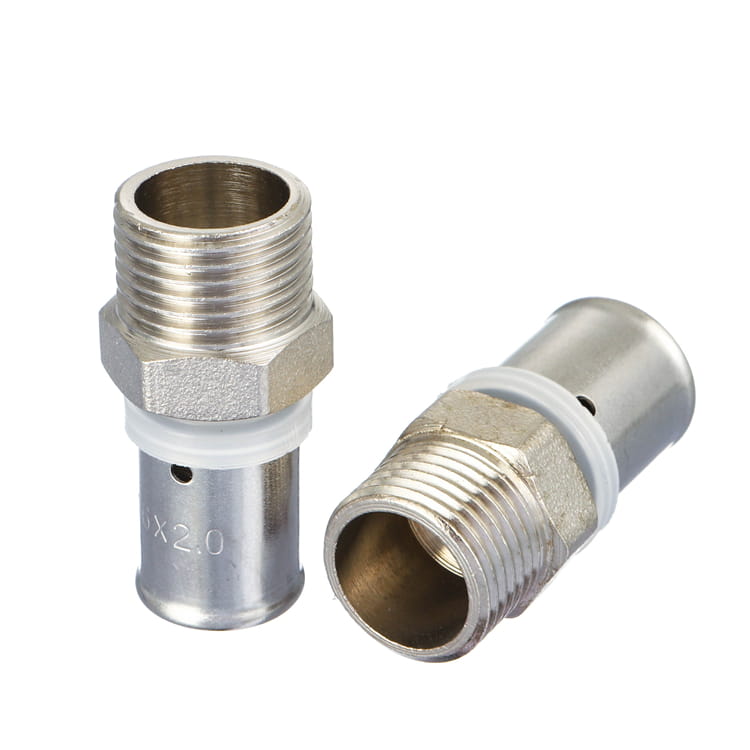
Shared outside dimensions do not establish connection approval. Use the methods documented for the exact tubing and fitting product.
Can an 80 psi at 200°F mark approve continuous 200°F operation?
Not by itself. PPI TN-52 distinguishes intermittent use from continuous high-temperature use, which requires manufacturer evaluation and confirmation.