
Types of Plumbing Pipes: PPR, PEX, CPVC, PVC, HDPE & Metals
Every plumbing decision starts with the same question: which pipe? The answer is never one material — a modern building typically runs three or four different pipes, each chosen for what a specific line carries: hot or cold, pressure or gravity, potable or waste, indoors or buried. Pick by habit instead of by duty and you get PVC softening on a hot line, steel rusting in a wall, or an over-spec'd budget. This guide maps the main types of plumbing pipe — PPR, PVC/UPVC, CPVC, PEX, HDPE, copper, and galvanized steel — by what each does best, where each fails, and how to match the pipe to the job, with links to our full guide on each material.
Key Takeaways
- Choose by duty, not habit: what the line carries (hot/cold, pressure/gravity, potable/waste) picks the material.
- Hot + cold potable: PPR (fusion-welded), PEX (flexible), or CPVC (rigid, cemented).
- Cold, drainage, waste, vent: PVC/UPVC — the economy workhorse.
- Buried mains, gas, large water lines: HDPE — fused, flexible, corrosion-proof.
- Metals (copper, galvanized) survive in niches; plastics have taken most new plumbing.
- Valves and fittings must match the pipe system — brass bridges between materials.
The Quick Map: Which Pipe for Which Job
| Pipe | Best for | Joining | Hot water |
|---|---|---|---|
| PPR | Hot & cold potable, risers | Heat fusion | Yes |
| PEX | Hot & cold potable, retrofits | Crimp / expansion | Yes |
| CPVC | Hot & cold potable, rigid runs | Solvent weld | Yes |
| PVC / UPVC | Cold supply, drainage, DWV | Solvent weld / gasket | No |
| HDPE | Buried mains, gas, irrigation | Butt / electrofusion | Limited |
| Copper | Hot/cold where code favours it | Solder / press | Yes |
| Galvanized steel | Legacy systems (replacement duty) | Threaded | Yes (rusts) |
PPR: the Fusion-Welded Hot/Cold Workhorse
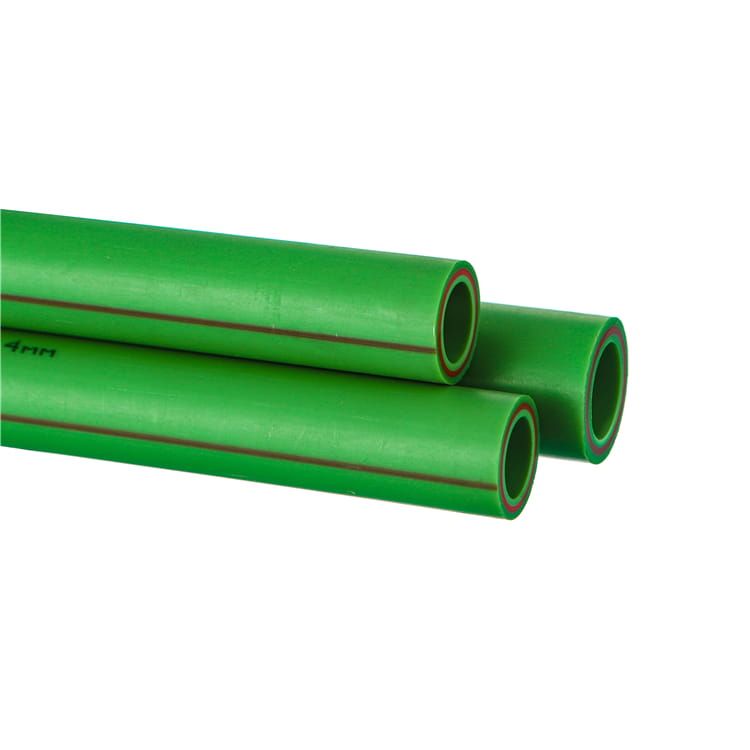
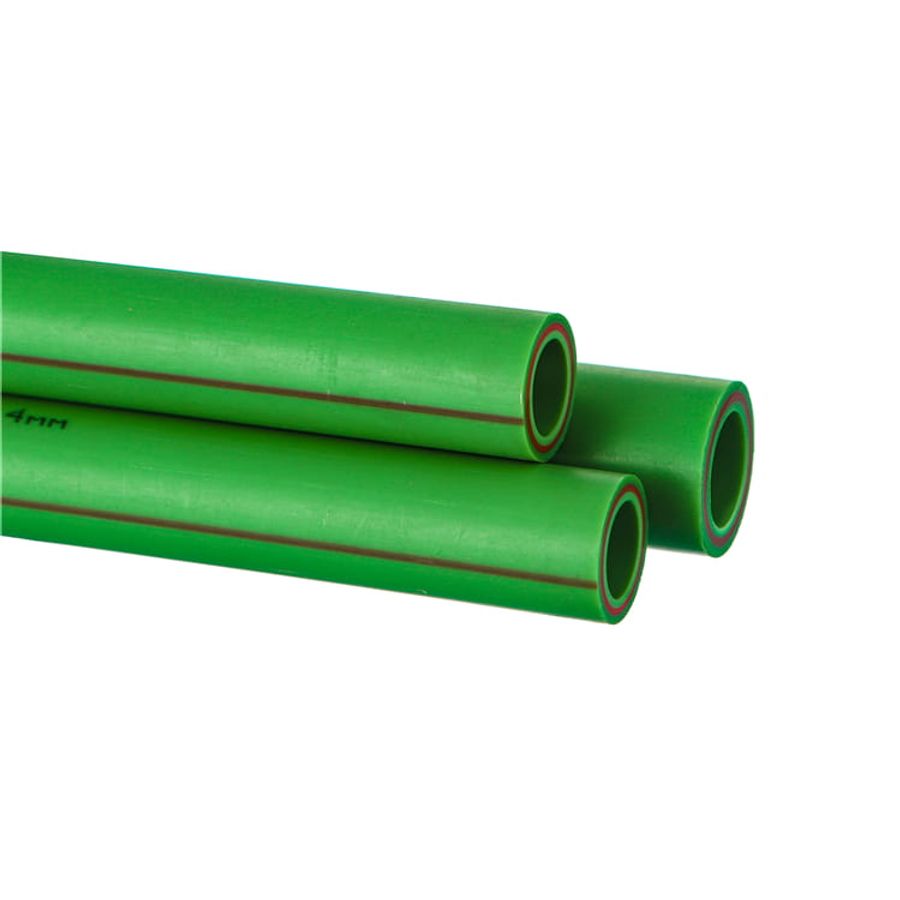
PPR (polypropylene random copolymer) is the green or white rigid pipe that dominates hot/cold potable plumbing across Europe, the Middle East, Asia, Africa, and Latin America. Its defining feature is the joint: pipe and fitting are heat-fused into a single homogeneous piece, so a properly made PPR joint has no glue line, no gasket, and nothing to age — the joint is as strong as the pipe. PPR handles hot water for decades, shrugs off aggressive water that eats metal, and comes in a full ecosystem of fittings and valves. Its trade-offs: it needs a fusion welder and a trained hand, it's rigid (every direction change is a fitting), and it must be kept out of UV. For risers, apartment distribution, and any market where installers own fusion tools, PPR is usually the default. Start with the complete PPR pipe guide for grades, sizes, and sourcing.
PEX is popular for potable water, but buyers still ask the safety question — is PEX safe for drinking water? answers it with the certifications that matter.
PEX: Flexible Hot/Cold for Speed and Cold Climates
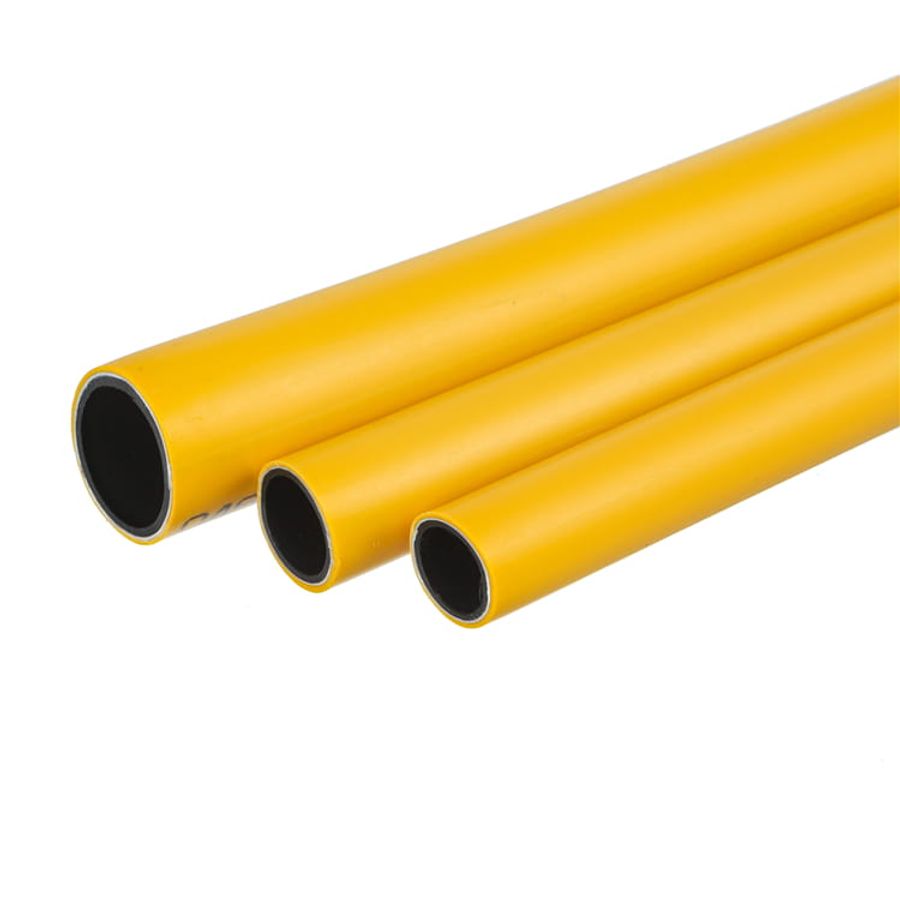
PEX (cross-linked polyethylene) is the flexible option for hot and cold potable water. It ships in long coils, bends around corners, and runs from a central manifold to each fixture with few or no concealed joints — which is why it now carries the majority of new-home water piping in the United States. It installs fast with crimp, clamp, or expansion fittings (no glue, no torch), and it tolerates freezing far better than any rigid pipe because it can expand. Its limits: strict UV avoidance, a chlorine-rated grade needed for hot recirculating lines, and mechanical fittings that must match the pipe's grade and sizing system. For retrofits, freeze-prone builds, and speed-driven projects, PEX is the modern default. The complete PEX pipe guide covers types (PEX-a/b/c), sizes, and connections.
PVC, UPVC, and CPVC: the Vinyl Family
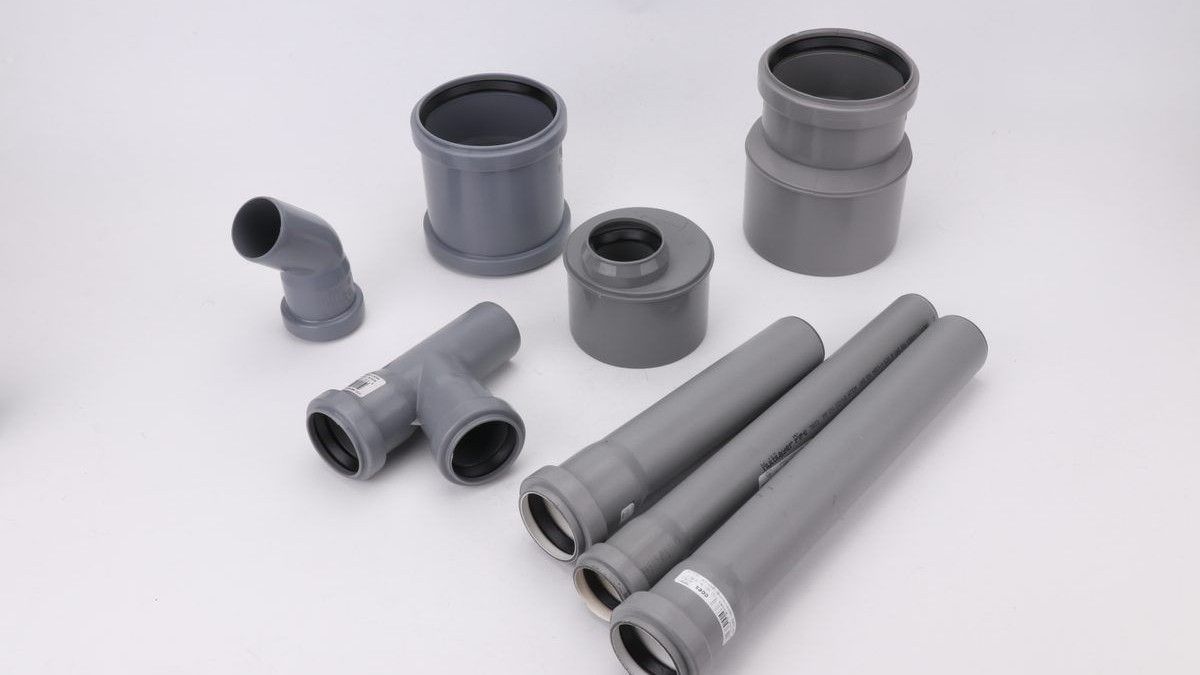
The vinyl family covers three duties with three related materials. PVC/UPVC — rigid, cheap, solvent-welded — is the world's drainage, waste, vent, and cold-supply pipe; it is not rated for hot water, which is the single most important thing to know about it. CPVC is the chlorinated upgrade that handles hot potable lines while keeping the cut-and-cement installation; it uses its own cement and comes in residential (CTS) and industrial (Schedule 80) families. The dividing line is temperature: cold and gravity duty goes to PVC for economy, hot duty goes to CPVC (or PEX/PPR). Mixing their cements or fittings is a failure risk — each material keeps its own system. See the complete PVC drainage guide and the CPVC pipe guide for each side of the line.
HDPE: the Buried-Infrastructure Pipe
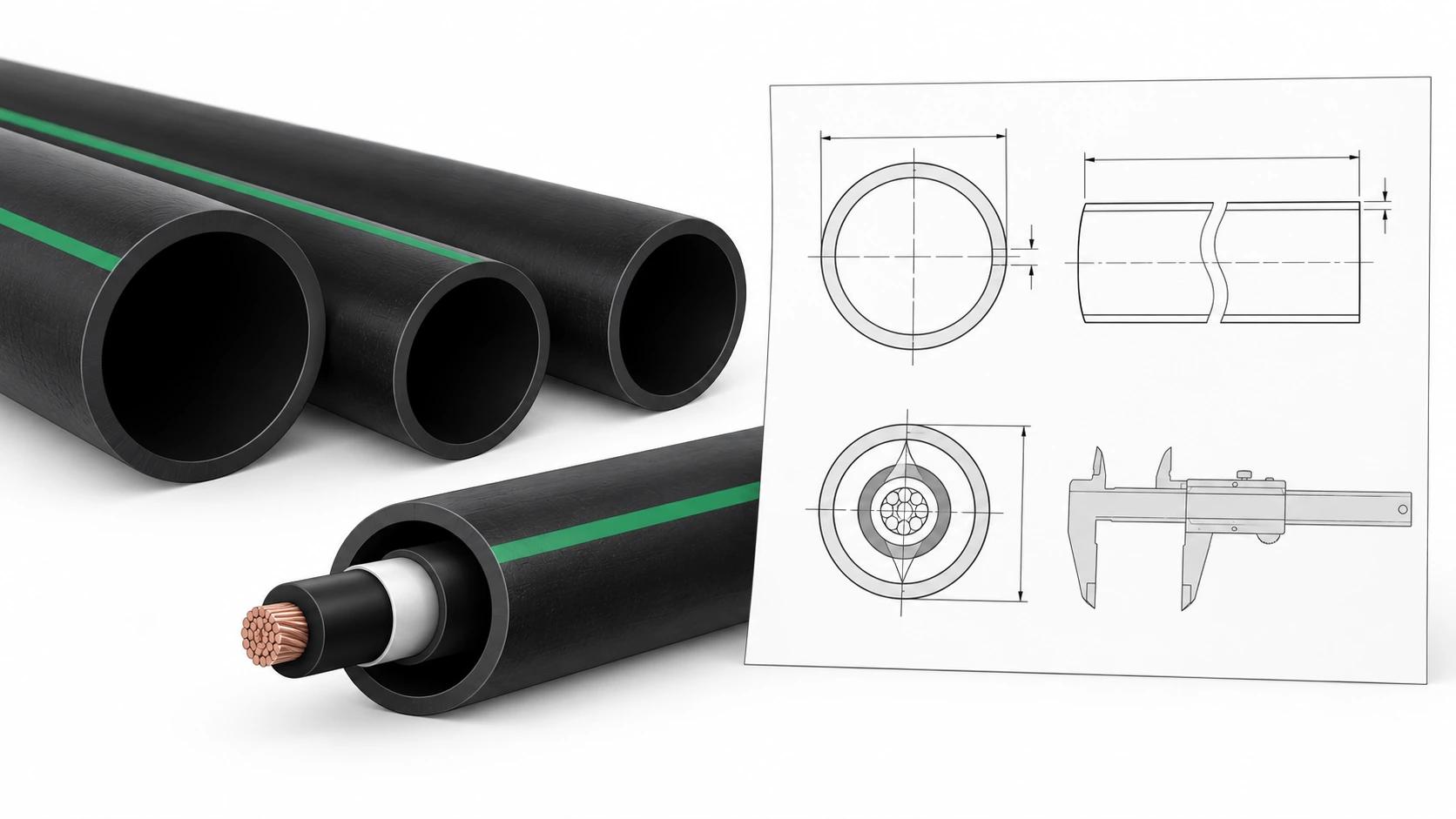
HDPE (high-density polyethylene) is the black pipe of buried infrastructure: water mains, service lines, gas distribution, irrigation, and industrial transfer. Fused joints (butt or electrofusion) make a continuous leak-free line; the material flexes with ground movement instead of cracking; and it's immune to the corrosion that ends buried metal. HDPE ships in long coils or sticks, in pressure classes set by the SDR system, with PE100 the modern material grade. It is not a hot-water distribution pipe — its temperature ceiling is lower than PPR/CPVC/PEX — and fusion equipment is a real investment, which is why HDPE lives in infrastructure while other plastics run inside the building. For mains, gas, and anything buried, HDPE is the modern default; the complete HDPE pipe guide covers grades, SDR, and jointing.
The Metals: Copper, Galvanized Steel, and Brass
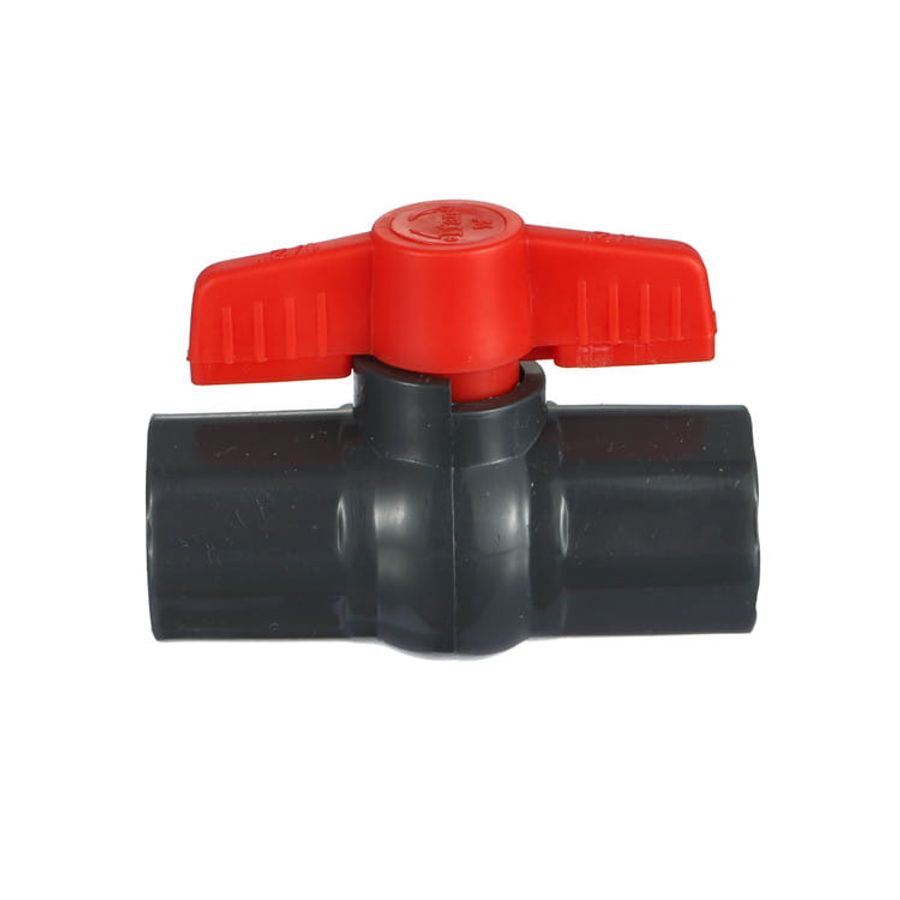
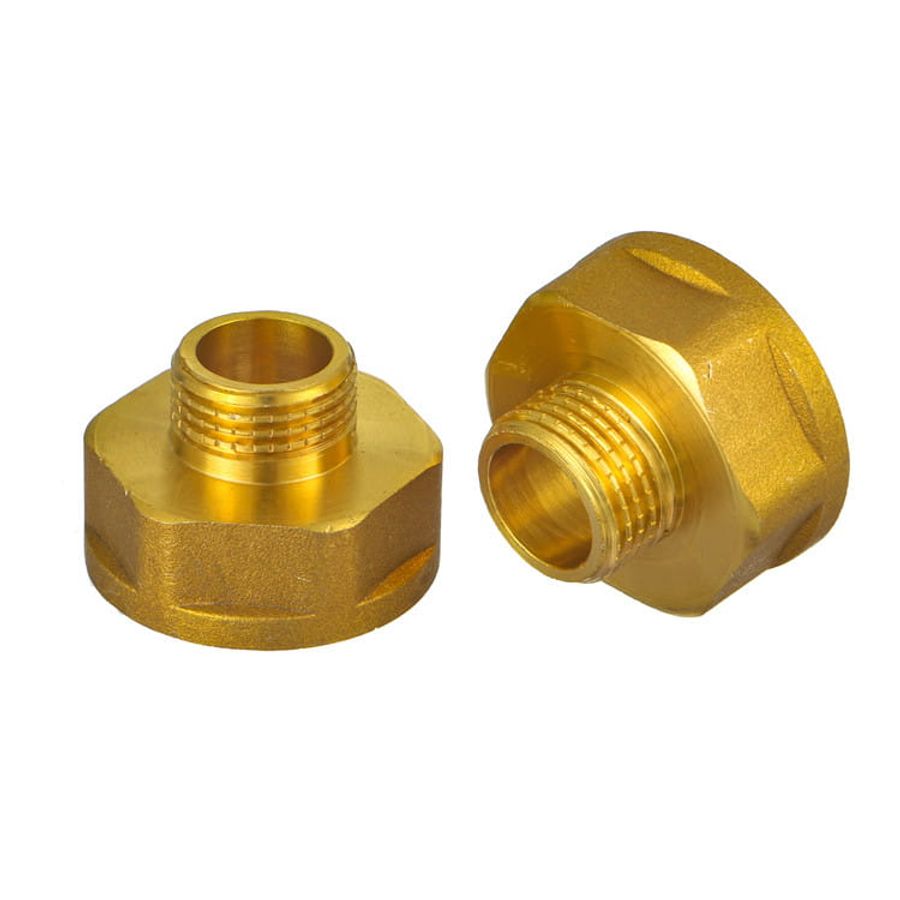
Metal pipe hasn't disappeared — it has retreated to niches. Copper remains a proven hot/cold potable material where codes, budgets, or fire-resistance requirements favour it; its costs are price, labour (solder or press tools), and vulnerability to aggressive water. Galvanized steel, the standard of the mid-20th century, is now essentially replacement-only duty: it rusts from the inside, chokes flow, and stains water — most galvanized work today is taking it out in favour of PEX or PPR. Brass survives everywhere, not as pipe but as the valves, fittings, and transition points between systems: a lead-free DZR brass valve or adapter is how a PEX line meets a water meter, or a PPR riser meets a pump. Whatever pipe you run, the brass components must match it in size, thread standard, and potable grade — the brass ball valve guide covers how to spec them.
Legacy Pipes to Identify and Replace
Three materials in older buildings are replace-on-sight. Lead pipe — dull grey, soft enough to scratch with a key — contaminates drinking water and is a health hazard, full stop. Polybutylene (grey plastic, common in 1980s–90s builds) failed at scale from chlorine degradation and is uninsurable in some markets. Galvanized steel past mid-life shows rusty water, falling pressure, and seized threads. When a renovation opens a wall and reveals any of the three, the modern replacement is PEX (fastest to retrofit through existing cavities) or PPR/CPVC where rigid runs suit — not a patch on the old material, which just moves the next failure a metre down the line.
How to Choose: Four Questions That Decide the Pipe
Run any line through four questions and the material usually picks itself. 1. Hot or cold? Hot eliminates PVC immediately; the hot short-list is PPR, PEX, CPVC (and copper). 2. Pressure or gravity? Gravity drainage goes to PVC/UPVC DWV; pressure lines need a rated pipe at the working temperature. 3. Indoors or buried/outdoors? Buried favours HDPE (fused, flexible, corrosion-proof); outdoor exposure rules out unprotected plastics without UV cover. 4. What does the local market install? Codes and installer skills are real constraints — a PPR market has fusion welders on every crew, a North American crew stocks PEX tools. Answer the four and the remaining decision is usually a two-way tie broken by climate (freeze → PEX), rigidity preference (neat exposed runs → PPR/CPVC), or budget. A typical building ends up with HDPE at the boundary, PPR or PEX/CPVC for distribution, PVC for drainage, and brass at every transition — a system, not a single material. Sourcing all of it as one matched package from one manufacturer, the way IFAN's product range is built, is what keeps sizes, standards, and grades consistent across the whole job.
Speccing a full system across several pipe types?
Tell us the lines — hot, cold, drainage, buried — and we'll quote PPR, PEX, CPVC, PVC, HDPE, and matched brass from one source.
Request a QuoteFrequently Asked Questions
What are the main types of plumbing pipe?
The mainstream materials are PPR (fusion-welded hot/cold), PEX (flexible hot/cold), CPVC (rigid cemented hot/cold), PVC/UPVC (cold supply and drainage), HDPE (buried mains, gas, irrigation), plus the metals — copper in code-driven niches and galvanized steel in legacy systems. Brass appears throughout as valves, fittings, and transitions rather than as pipe.
Which pipe is best for hot water?
Three plastics handle hot potable water: PPR (fused joints, dominant internationally), PEX (flexible, freeze-tolerant, dominant in North American new builds), and CPVC (rigid, solvent-cemented). Copper also serves where code or preference favours it. Ordinary PVC is never a hot-water pipe. Between the three plastics, climate, installer tooling, and local code usually decide.
What pipe is used for underground water mains?
HDPE is the modern default for buried water mains, service lines, and gas distribution: fused joints make a continuous leak-free line, the material flexes with ground movement, and it cannot corrode. Large-diameter PVC pressure pipe with gasketed joints also serves municipal duty. Buried metal is mostly legacy — corrosion ends it.
Can different pipe types be used in one building?
Yes — that's normal practice. A typical building runs HDPE at the site boundary, PPR or PEX/CPVC for hot/cold distribution, PVC for drainage and vent, and brass valves and adapters at every transition. The rule is to join systems only with purpose-made transition fittings, and to keep each material with its own fittings and joining method.