
SDR35 to Schedule 40: Choose the Right Drain Adapter
Choose an SDR35-to-Schedule 40 drain transition by its pipe and fitting ends. Compare hub adapters and bushings, with non-pressure service limits.
For an SDR35 sewer pipe and a Schedule 40 DWV pipe, choose an adapter that names both systems and matches the ends you have. Two plain pipe ends need two receiving hubs; an S&D pipe entering a DWV fitting hub needs the corresponding spigot-to-hub adapter bushing. These drainage examples do not establish pressure-service suitability.
The awkward order is “four-inch PVC to four-inch PVC.” Both descriptions can be correct while the parts still refuse to connect. The useful distinction is what is exposed at each side: a plain pipe end or the receiving socket of a fitting. Write that down before comparing part numbers.
Key Takeaways
- State both pipe systems, even when both sides have the same nominal size.
- A hub receives a matching plain pipe end; a spigot is the outside connection that enters a matching fitting hub.
- A hub-to-hub adapter and a spigot-to-hub adapter bushing solve different arrangements.
- The named NDS examples below are for non-pressurized sewer and drainage applications.
- Check an internal-fit coupling by its published inside-diameter range, rather than applying an outside-fit rule to it.
- Public manufacturer examples establish a selection method, not IFAN stock or an approved project substitution.
Play: How To Connect SDR 35 Pipe To SCH 40 DWV Pipe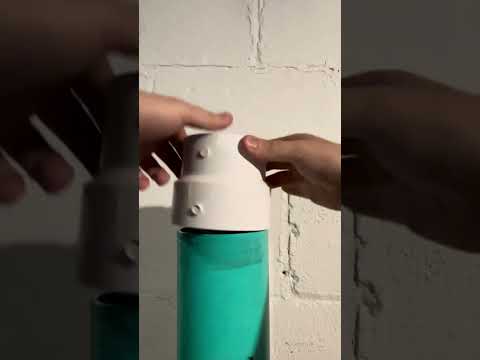
Start with the two ends you actually have
Keep “SDR35 sewer and drain” and “Schedule 40 DWV” as separate identities on the order. A shared nominal size does not establish a shared connection. Our D3034 sewer-pipe submittal guide explains the dimensional-system check; the narrower decision here is which fitting ends bridge the two systems.
Sketch the junction as it stands. If both exposed ends are straight pipe, the transition must receive each one. If one side is already a fitting socket, putting another receiving socket against it leaves two openings facing each other. That arrangement needs a suitable inserting end, or a different documented assembly.
Manufacturer abbreviations make this visible. NDS distinguishes DWV/SCH40 Hub × S&D Hub from DWV/SCH40 Spt × S&D Hub in its transition-adapter range. “Spt” means spigot. Read the system and end form together: a spigot intended for a DWV hub is not an instruction to push it into any available PVC opening.
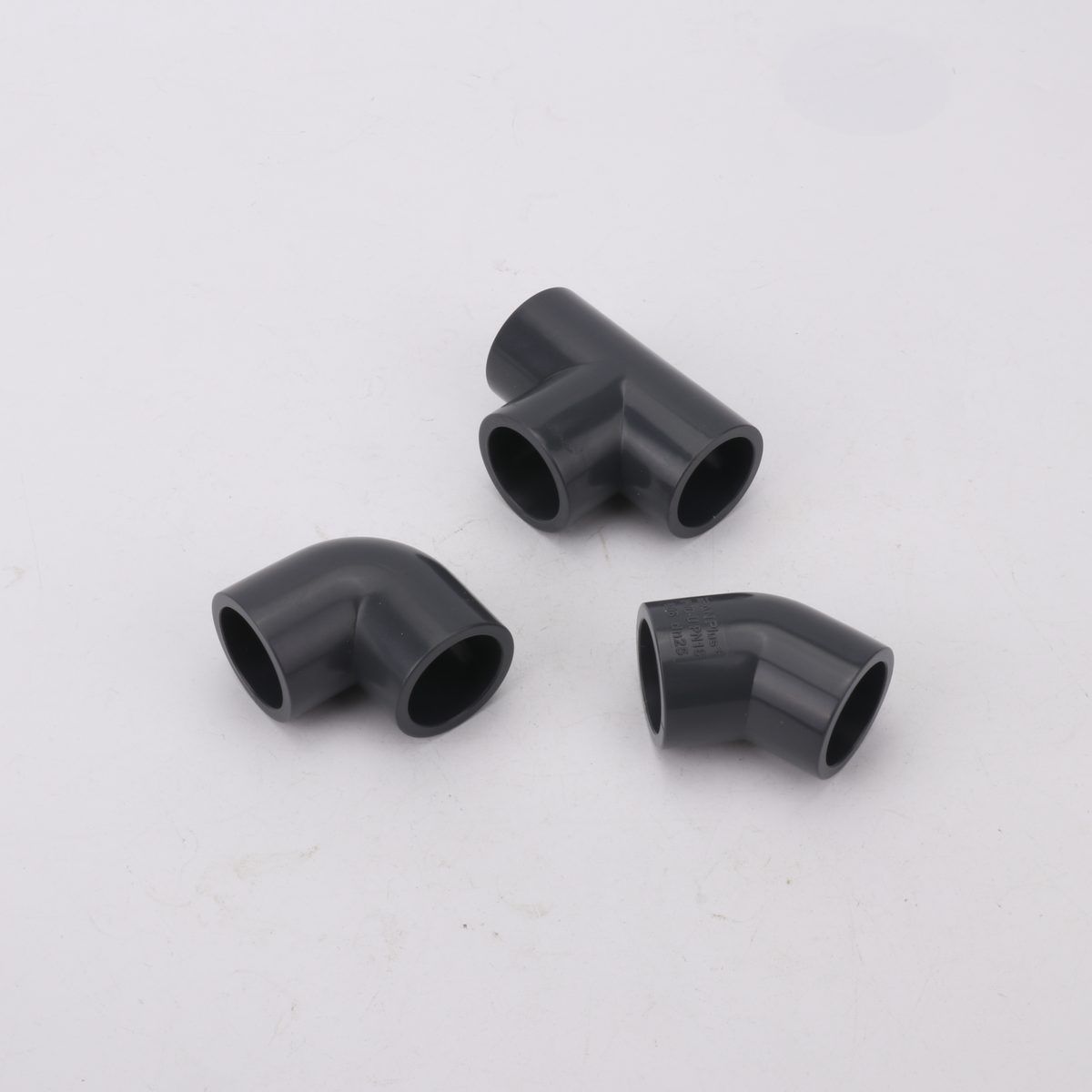
Photo source and scope
Existing IFAN backend library; ifan-upvc-806-9.jpg. Context photograph. It does not establish the exact 3P16 or 2P42 model, dimensional fit, stock or project approval.
Hub adapter or adapter bushing: follow the end arrangement
Choose the geometry before the model. In the NDS range, the same-size adapter provides a DWV/SCH40 hub and an S&D hub. The adapter bushing instead provides a DWV/SCH40 spigot and an S&D hub. The manufacturer also lists increaser/reducer versions, which introduce a size change. Those are a separate decision; a change of pipe system does not itself mean the nominal size has to change.
| What is exposed? | Required arrangement | Decision |
|---|---|---|
| Plain DWV pipe and plain S&D pipe | DWV/SCH40 hub × S&D hub | Select a matching two-hub adapter. |
| DWV fitting hub and plain S&D pipe | DWV/SCH40 spigot × S&D hub | Select a matching adapter bushing. |
| Different nominal sizes as well as different systems | Documented reducing/increasing transition | Recheck both sizes and both end forms. |
Source: NDS DWV-SCH40 to S&D Adapters, Key Features and Product Models. Confirm the exact offered model and application before ordering.
The bushing is useful precisely because it occupies a different interface. Substituting a two-hub adapter for it can require an additional pipe section and change the assembly length. Conversely, a bushing's DWV spigot does not receive a plain DWV pipe. A photograph of a white ring does not settle which side inserts and which receives.
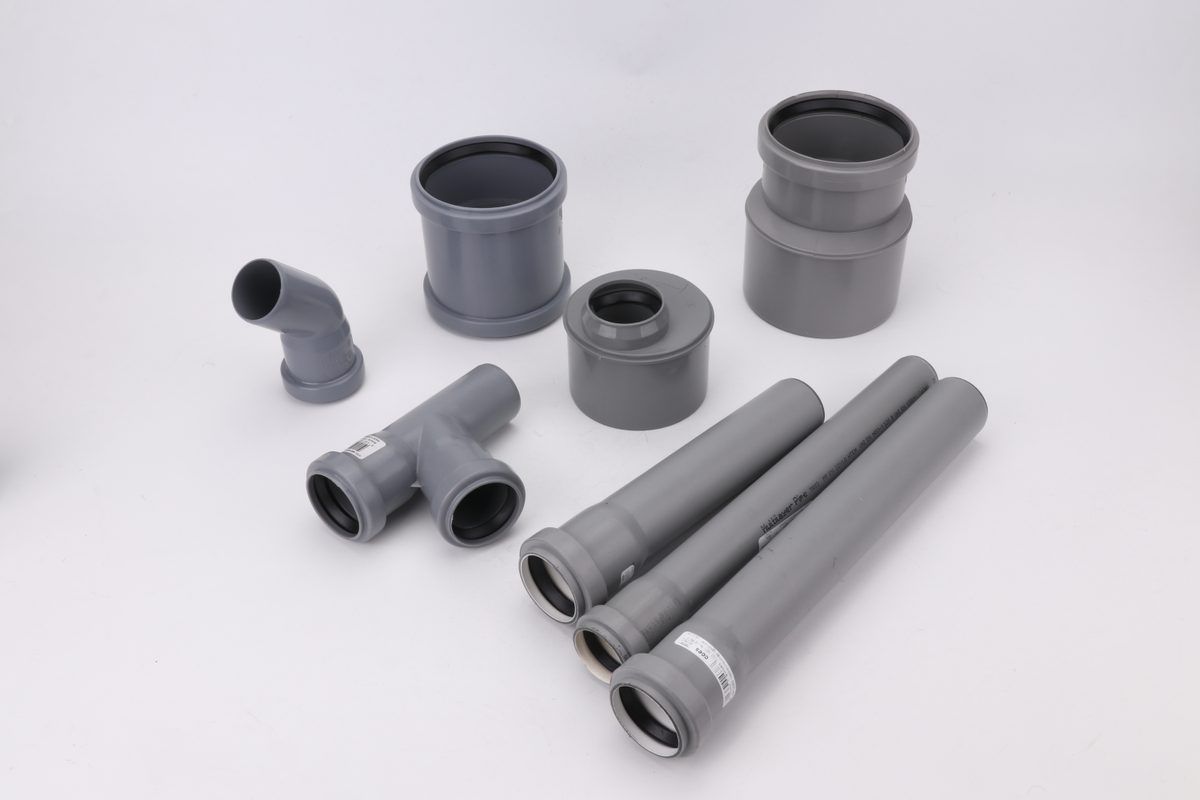
Photo source and scope
Existing IFAN backend library; ifan-upvc-sealring-4601.jpg. Context photograph. It does not establish the exact 3P16 or 2P42 model, dimensional fit, stock or project approval.
Two four-inch cases that need different adapters
Consider two illustrative arrangements using actual published product descriptions. They are selection examples, not reports of an IFAN installation.
Case A: two plain pipe ends. The exposed Schedule 40 DWV pipe must enter a DWV-compatible hub, while the S&D pipe enters an S&D-compatible hub. NDS lists its four-inch 3P16 as DWV/SCH40 Hub × S&D Hub. That is the relevant end arrangement to investigate. The shared four-inch designation alone would not tell you this.
Case B: an existing DWV fitting hub. The S&D pipe still needs a receiving hub, but the other connection now has to enter the existing DWV fitting. NDS lists the four-inch 2P42 as DWV/SCH40 Spt × S&D Hub. Its current product description identifies a spigot-to-hub solvent-weld connection.
The changed input is the exposed DWV end, not the nominal diameter. Changing that one input changes the candidate part. Before placing either order, reconcile the actual pipe markings, material, size and model instructions. A part description identifies a candidate; it does not grant approval to every junction in a project.
When the same-size PVC example does not apply
Pressure duty changes the question. NDS describes this adapter range as intended for non-pressurized underground sewer and drainage applications. Its published maximum working-pressure figure does not turn the range into a pressure-water fitting. If the intended joint carries pumped discharge or another pressure service, stop this drainage selection and identify a product expressly suitable for that duty.
ABS is a separate material decision. “Schedule 40” does not by itself identify PVC. The examples above describe PVC fittings. If an existing pipe is ABS, do not infer that the PVC solvent-weld example supplies the correct material transition or joining procedure. Identify an expressly compatible assembly and the applicable project acceptance requirements.
A flush-cut end may need another connection method. A socket adapter assumes an accessible mating end. Fernco's ICON internal pushfit range illustrates a different approach for pipe cut or broken flush with a wall or floor. It fits by inside diameter and the manufacturer expressly excludes SDR26. This does not make it the default sewer-line replacement: its maker identifies vertical stormwater and vent connections as the best fit. Use its actual model and application limits.
That alternative exposes why “measure the pipe” is incomplete advice. For a conventional outside connection, reconcile the external mating interface. For an internal-fit product, its specified inside-diameter range controls. An alternative is useful only when its sizing rule, service and installation context fit together.
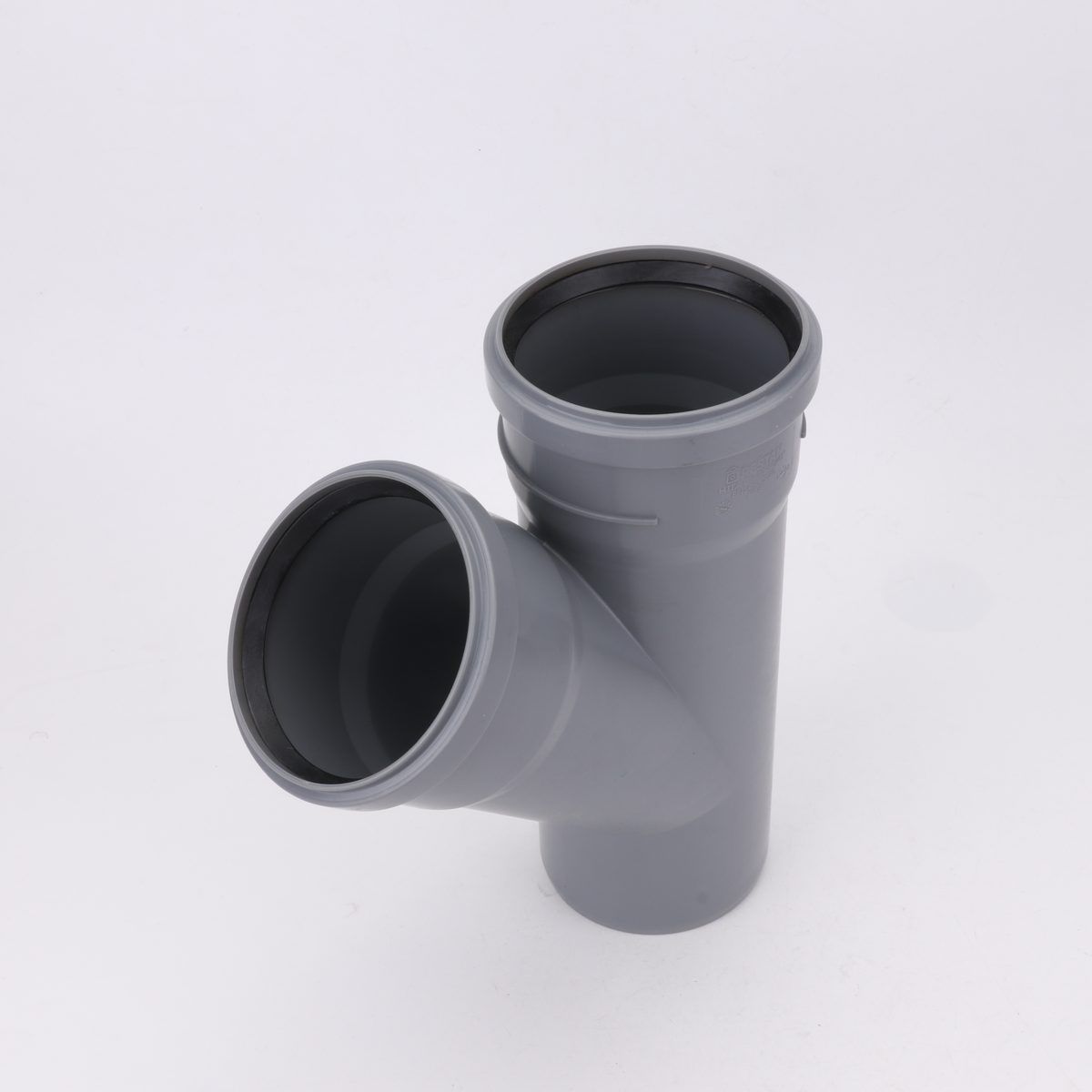
Photo source and scope
Existing IFAN backend library; ifan-upvc-sealring-4498.jpg. Context photograph. It does not establish the exact 3P16 or 2P42 model, dimensional fit, stock or project approval.
Write the two connection ends into the enquiry
Replace “four-inch drain adapter” with a description another person can check: Identified PVC S&D pipe to an existing four-inch PVC DWV fitting hub. Required arrangement: DWV/SCH40 spigot × S&D hub. Service: non-pressure drainage. Joining method: record each interface against the exact model and project instructions. Add the actual model identification, measurements and photographs. If both ends are plain pipe, change the arrangement to the corresponding hub-to-hub description rather than reusing that sentence.
Case A joining-method entry: for a proposed 3P16 hub-to-hub assembly, record the specified joining method separately for the DWV pipe-to-adapter joint and the S&D pipe-to-adapter joint. If the exact model instructions are absent, mark both entries pending and hold the order release. The 2P42 bushing description does not establish the 3P16 procedure.
Case B joining-method entry: the published 2P42 bushing description specifies a solvent-weld connection. For the proposed exact model, record that method against the DWV spigot-to-fitting-hub interface and the S&D pipe-to-bushing-hub interface, subject to their compatible PVC components and the applicable product and project instructions. Confirm the specified joining materials, preparation and cure requirements before use; do not transfer this entry to another adapter or an IFAN offer.
| Candidate arrangement | Interface record | Release condition |
|---|---|---|
| 3P16 hub × hub example | DWV pipe to adapter; S&D pipe to adapter | Exact model instructions required; missing entries stay pending. |
| 2P42 spigot × hub example | DWV spigot to fitting hub; S&D pipe to bushing hub | Published solvent-weld description remains subject to compatible PVC and exact instructions. |
| Different service or material | Pressure duty or ABS changes the selection question. | Identify an expressly suitable assembly before proceeding. |
The IFAN product catalogue is a starting point for checking product families. It does not confirm that a particular SDR35-to-DWV adapter is offered. When enquiring, include destination country, intended service, both pipe-system markings, nominal sizes, actual interface measurements, exposed end forms, the required joining method for each interface, and quantity. Ask for the proposed model and its connection drawing before treating an availability response as a dimensional match.
Photo source and scope
Existing IFAN backend library; PVC glue (5).jpg. Context photograph. It does not establish the exact 3P16 or 2P42 model, dimensional fit, stock or project approval.
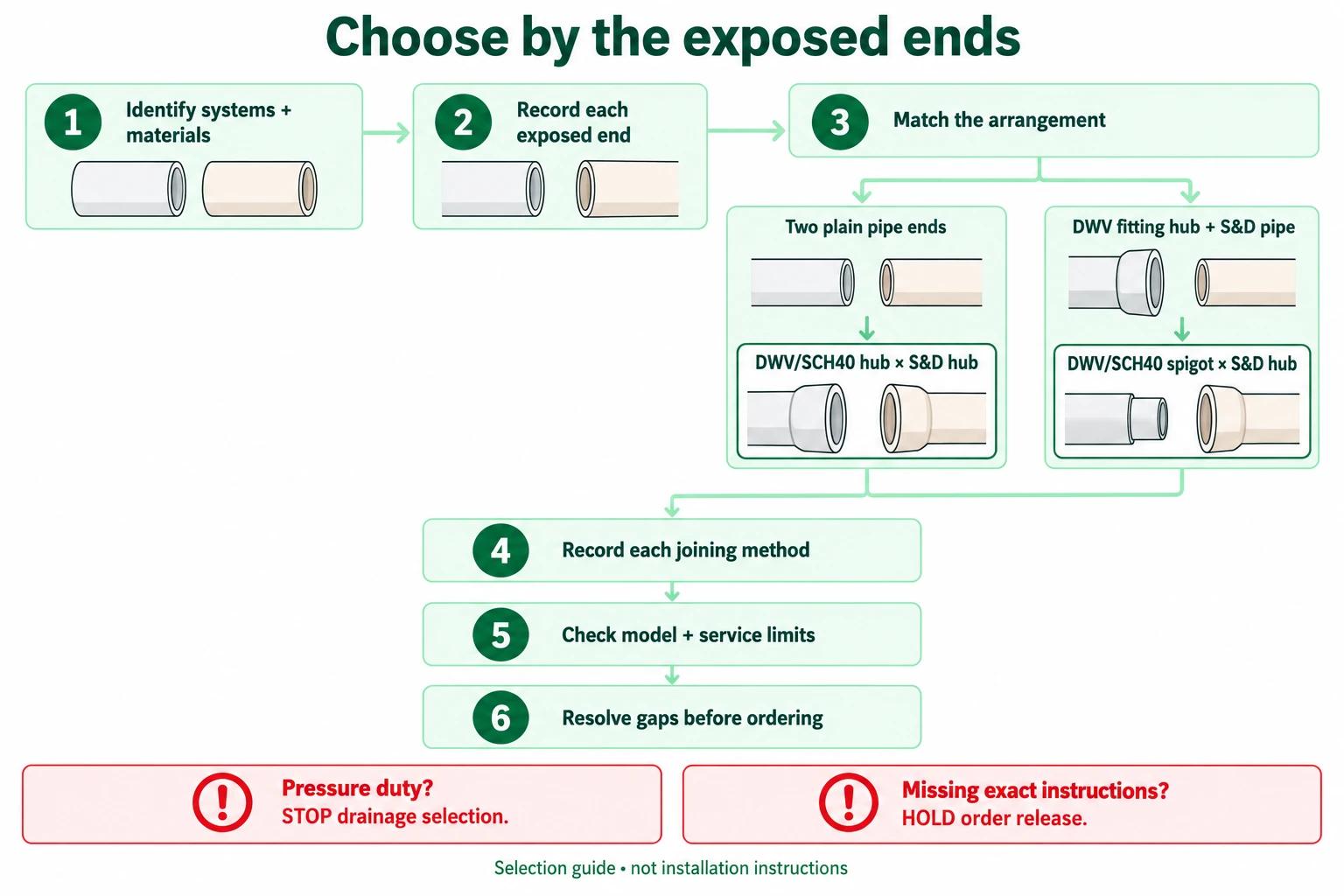
- Identify both pipe systems and materials from their markings and documents.
- Record whether each exposed connection is plain pipe or a fitting hub.
- Match the required receiving or inserting end on each side.
- Record the required joining method for each interface from the exact model and project instructions; mark missing instructions pending rather than assuming a method.
- Check the proposed model's service limits and joining instructions.
- Record the exact arrangement and resolve unmatched inputs before ordering.
Browse the IFAN product catalogue to begin that availability check; matching stock, certification, commercial terms and delivery timing require separate confirmation.
Conclusion
A two-hub adapter is the candidate for two matching plain pipe ends. An adapter bushing becomes relevant when one side is already a fitting hub. Keeping that distinction visible makes the enquiry usable; keeping the product's application limits beside it prevents a drainage transition from being specified for an unsupported duty.
Frequently asked questions
Is an adapter bushing a reducer?
Not necessarily. The NDS range includes same-nominal-size DWV/SCH40-to-S&D bushings as well as separate reducing/increasing products. Read both size designations and the hub/spigot description.
Can an ordinary S&D fitting be assumed to fit Schedule 40 DWV?
No. The manufacturer provides a separate transition range naming both systems. Match the actual interface and the required end arrangement instead of relying on nominal size.
Does a catalogue example prove IFAN offers the same part?
No. These named manufacturer examples explain selection. Obtain confirmation of the exact IFAN model, drawing, application and commercial offer before ordering.