
uPVC Gully Traps: Specify Inlets, Rodding Access and Drain Connections
Specify a uPVC gully trap with matched inlets, outlet joints, cleaning access and risers. Send a complete assembly enquiry before buying.
For a uPVC gully trap, match inlets, outlet and cleaning access. Brett Martin lists 110 mm bottle gullies and 160 mm road gullies. These are its examples, not IFAN specifications.
Specify the drainage destination before buying the trap
List waste and rainwater inlets and the outlet destination. The project designer must approve the route; a catalogue cannot grant site permission.
Keep selection provisional until the route is clear. Use the PVC drainage guide for surrounding pipework.
Keep a route schedule with the drawing: source, destination and approval status for each inlet. If rainwater routing remains unresolved, hold that connection even when the trap body fits. Send the same schedule to the supplier and designer so their responses address the same assembly.
| Check | Buyer input |
|---|---|
| Route | Designer-approved destination |
| Inlets/outlet | Pipe sizes and joint details |
| Access/levels | Cleaning route; assembly drawing |
Choose the inlet layout and outlet connection together
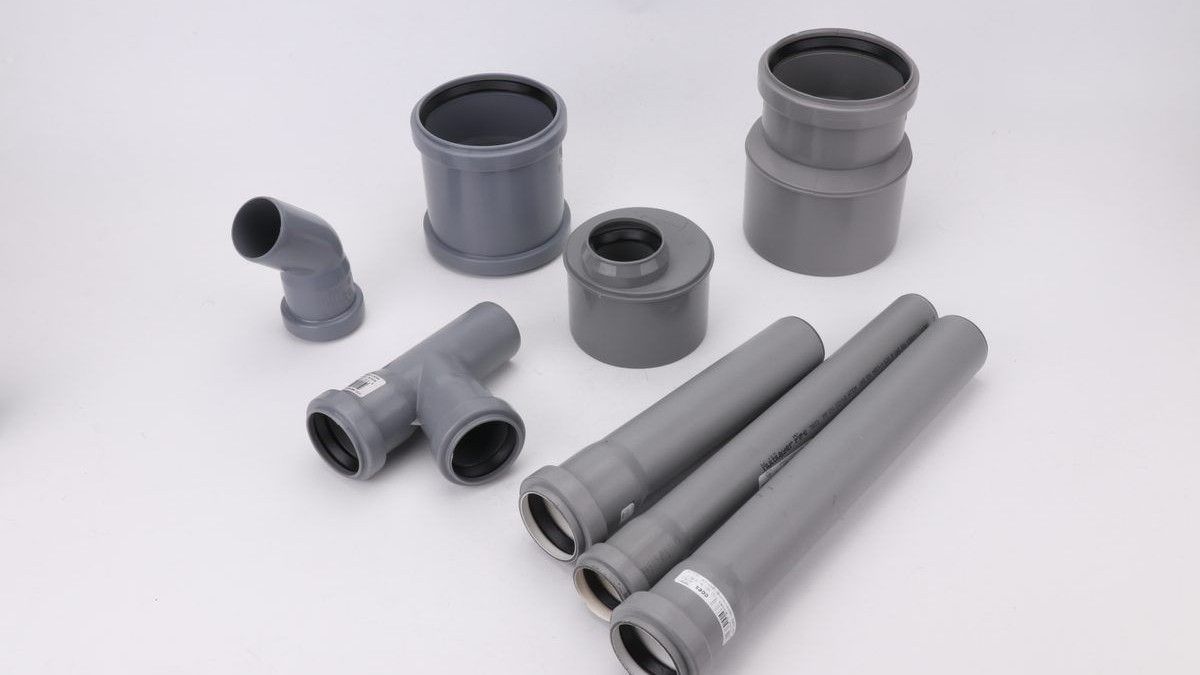
Marley’s UG50 offers direct 110 mm connections and waste entries through boss adaptors. This is Marley’s configuration. For any offered model, request inlet sizes, outlet socket or spigot, seals, joint method and adaptors.
Distributors: check whether the catalogue offers a matching assembly.
Check assembly availability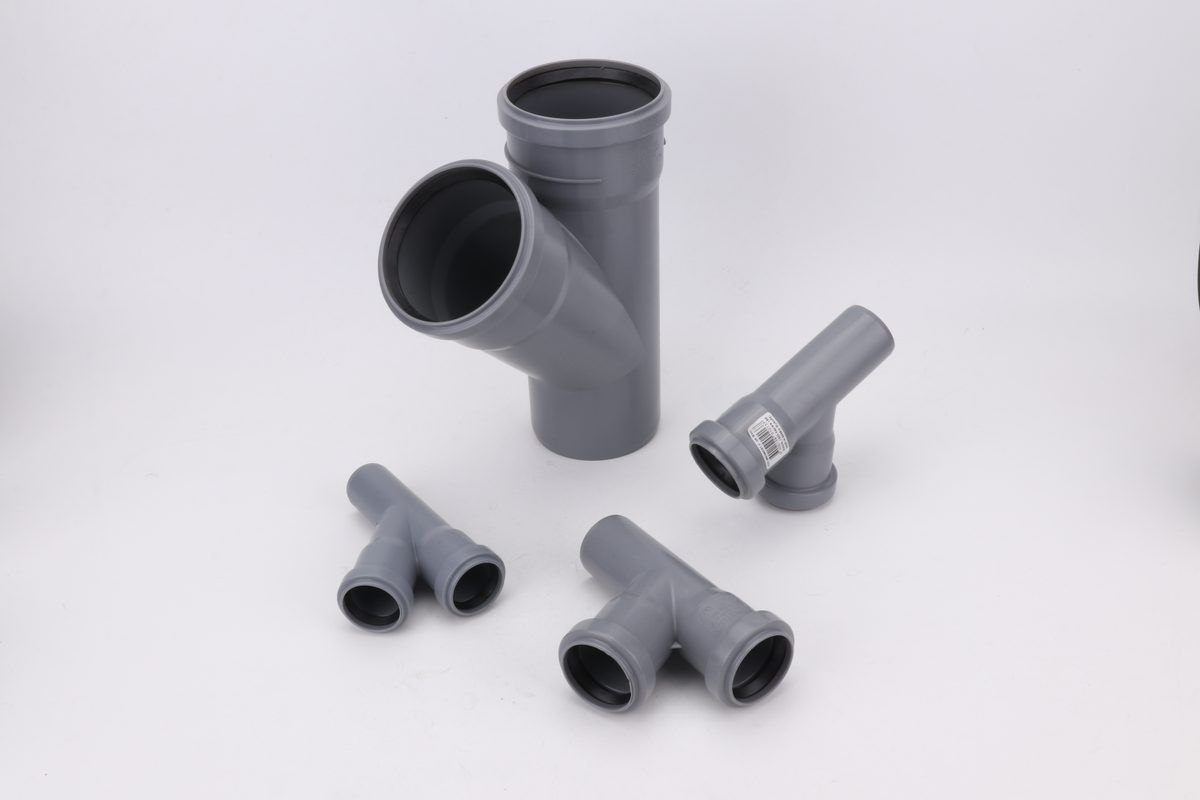
Rodding access is a separate acceptance requirement
Rodding sends a tool toward a drain blockage. Bowl access does not prove this route; verify both.
Brett Martin describes a removable dip tube in its bottle-gully family; Marley describes a removable cleaning plug for UG50. Neither is an IFAN promise. Request removal steps and an access drawing showing clearance from walls, paving and inlet pipes.
Ask the reviewer to trace the cleaning and rodding routes separately on that drawing. A removable component proves little if the proposed paving prevents its removal.
Use a supplier drawing to check depth and risers
Show finished level, outlet invert (inside pipe bottom), assembly height, riser and joints on one drawing.
Hypothetical decision: the designer approves the route, and the inlet schedule matches the outlet joint and body/adaptor list. But the proposed riser blocks the rodding path at finished level. Hold that assembly; request a revised access/level drawing. Accept only when its revision resolves the conflict and identifies every component. Verify grid suitability separately; another maker’s seal depth or load class cannot approve it.
Procurement teams: ask which model drawing and supporting documents are available.
Request drawing review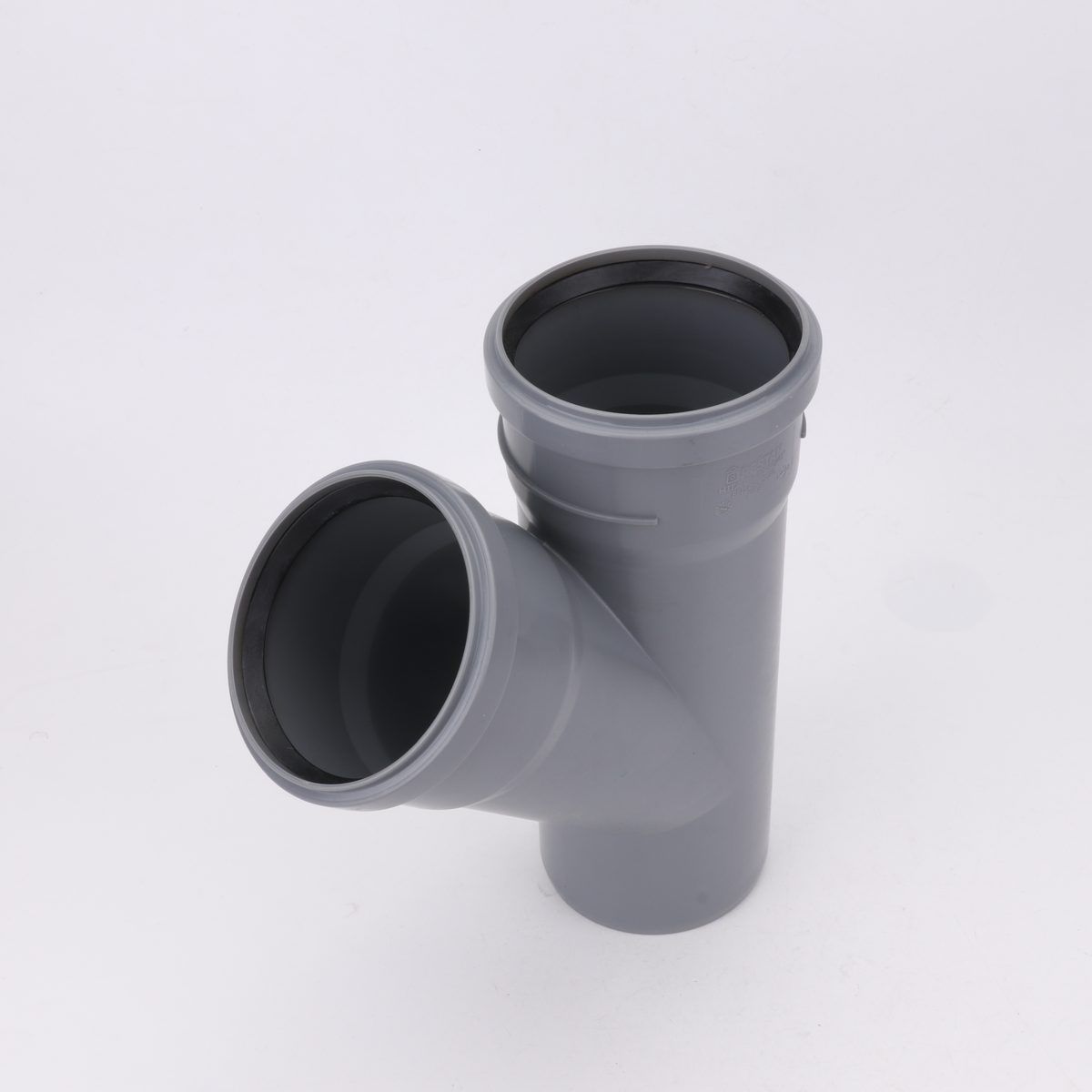
A gully purchase specification the distributor can send
Send the approved revision and component quantities. Use the product range to identify enquiry items.
The manufacturing handoff helps frame drawing control, not gully availability.
Confirm MOQ by body/accessory, mixed-order rules, itemized price, applicable compliance evidence and dispatch after drawing approval. Ask whether trial assembly is available and at what cost. Keep unanswered items open; PPR terms do not establish PVC-gully quantities, delivery or sampling.
| Quotation item | Ask |
|---|---|
| Body/accessories | MOQ; mixed-order terms |
| Complete assembly | Itemized price; packing |
| Approved drawing | Stock/build status; dispatch date |
Distributors: send the approved revision, component quantities and open commercial items.
Send the assembly RFQConclusion
Approve the complete assembly against the site drawing. Keep unresolved connections, access and delivery terms open before ordering.
FAQ
Is matching size enough?
Confirm the offered model’s outlet joint and mating pipe. Size alone does not establish compatibility.
Does a grid prove rodding access?
No. Verify the downstream tool route and room to use it after installation.
Can waste and rainwater share a gully?
Ask the project designer to approve that discharge route; product descriptions do not establish permission.
What determines lead time?
Ask about stock, accessory availability, drawing approval and dispatch for the complete assembly.