
Дренажные трубы ПВХ: характеристики, стандарты и отгрузка контейнером
Дренажные трубы ПВХ для оптовых покупателей: марки uPVC, стандарты EN 1401 и ASTM, SN4 против SN8, типы соединений и упаковка контейнера.
ПВХ-U часто является одним из наиболее экономичных материалов для обычной самотечной канализации, отводящей сточные и ливневые воды из здания в канализацию. Это также та продукция, где небрежная спецификация обходится дороже всего. Закажите не ту марку, не тот класс жесткости или не ту систему соединений — и труба прибудет в контейнере, который вы не сможете использовать. Это руководство написано для покупателей, которые именно этим и занимаются: импортеров, дистрибьюторов и закупщиков проектов, которым нужны спецификация, стандарт и расчет контейнера до подписания запроса котировок.

Пояснительный материал: Различия между дренажными трубами из PP/ПВХ/HDPE от Prupis Plumbing, нейтрального отраслевого просветителя.
Ключевые выводы
- Канализационный ПВХ — это uPVC, и он безнапорный. Укажите «uPVC, безнапорный» в запросе котировок, чтобы никто не подставил напорную геометрию или гибкие пластифицированные марки.
- Один стандарт governs ваш рынок. EN 1401-1 охватывает подземные трубы из ПВХ-U для канализации в Европе (DN/OD 110-1000 мм), ISO 4435 — на международном уровне, ASTM D2665/D2729/D3034 — в Северной Америке, GB/T 5836.1 — для китайских канализационных труб для зданий.
- SN4 и SN8 — это классы кольцевой жесткости в кН/м². SN8 (8 кН/м²) — класс, который проектировщики обычно указывают для подземных линий под транспортными нагрузками; SN4 подходит для более легких условий.
- Соединения должны соответствовать трубе. Клеевое соединение (ASTM D2564) подходит для DWV; раструбное с уплотнительным кольцом — для подземной канализации. Заказ труб и фитингов из одной системы соединений предотвращает наиболее распространенное несоответствие.
- Проверьте расчет контейнера самостоятельно. 20-футовый сухогрузный контейнер дает 33,2 м³ и грузоподъемность 28 340 кг; любое заявление поставщика о «примерно X метров» заслуживает поразмерного листа загрузки.
- Рабочая температура ограничена 140°F (60°C). uPVC канализация — это холодная линия; горячее или напорное применение относится к PPR или CPVC.
Два факта отличают заказ канализационных труб, который проходит таможню и чисто монтируется, от того, который лежит на площадке. Во-первых, мир стандартов разделяет продукт по рынкам: Европа строит по EN 1401-1, Северная Америка — по серии ASTM D, а трубы китайского производства — по GB/T 5836.1. Во-вторых, спецификация внутри стандарта — диаметр, класс жесткости, тип соединения — определяет, выдержит ли труба прокладку и инспекцию. Оба факта можно проверить до того, как потратить доллар, и именно об этом данная страница. Полная информационная картина представлена в полном руководстве по ПВХ канализации; эта страница рассматривает сторону закупки.
На этой странице
- Марки ПВХ канализационных труб, которые заказывают покупатели
- Стандарты DWV и канализации по рынкам сбыта
- Размеры и класс жесткости, соответствующие задаче
- Клеевые или раструбные соединения
- Как упаковывается контейнер с канализационными трубами
- Контроль качества на заводе перед отгрузкой: о чем спрашивать
- Чек-лист для импортеров и дистрибьюторов
- Когда ПВХ канализационная труба — неправильный выбор
- Заключение
- Часто задаваемые вопросы
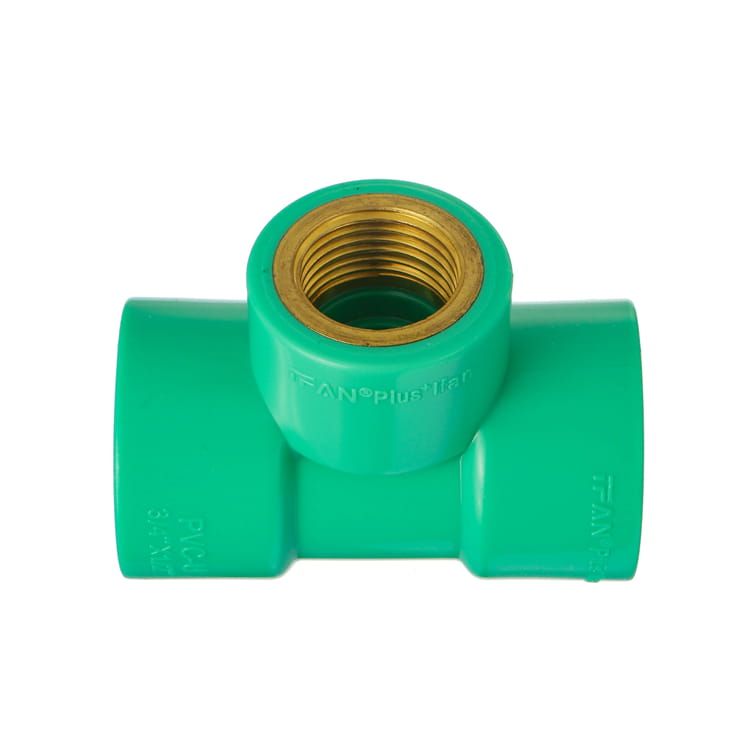
Заказ на закупку труб ПВХ для канализации
Первое решение — это химия, и оно принимается до любого разговора о диаметре. Канализационная труба — это нПВХ (непластифицированный поливинилхлорид), жесткая марка, которая сохраняет форму под нагрузкой. Гибкий «ПВХ», который вы видите в шлангах и кабелях, пластифицирован, и ему не место в канализационной линии. Когда в каталоге указано «труба ПВХ» для канализации, это означает нПВХ.
Три задачи, одно правило — безнапорная
Канализационные трубы из нПВХ выполняют три гравитационные задачи: внутренние системы канализации (отвод сточных вод, вентиляция), подземные канализационные коллекторы и магистрали, а также ливневая канализация. Эти стандартные гравитационные канализационные изделия являются безнапорными; труба не предназначена для перекачиваемых или напорных систем. Вода течет вниз, а воздух вентилируется через стояк. Именно поэтому мир напорных труб — PPR, CPVC, напорный ПЭ — использует другую геометрию, другие фитинги и другие стандарты.
Смешайте два семейства — и заплатите дважды: напорная труба стоит дороже за метр, а ее фитинги не подходят к раструбам канализации. Дисциплина — это однострочный запрос котировок: «нПВХ, безнапорный, по [стандарту для моего рынка]». Эта строка остановит замену материала еще на заводских воротах.
Температурная граница
Канализация из нПВХ — это холодная линия. Данные производителей для изделий DWV и канализации указывают максимальную непрерывную рабочую температуру 140°F (60°C). Горячие стоки, сброс почти кипятка или любое напорное применение требуют другого материала. Укажите рабочую температуру в спецификации, чтобы никто не продал вам «универсальную» трубу, которая не является ни канализационной, ни горячеводной.
Стандарты DWV и канализации в зависимости от рынка сбыта
Стандарты — это не бумаги; это контракт, определяющий, что труба должна выдерживать. Один и тот же номинальный диаметр существует по разным национальным стандартам с разной толщиной стенки, жесткостью и испытаниями. Покупатель, который отгружает в Европу, США и Западную Африку в одном квартале, фактически покупает три разных продукта.
| Стандарт | Область применения | Типичные рынки | Проверки покупателя |
|---|---|---|---|
| EN 1401-1 | Безнапорные подземные трубы ПВХ-U для канализации и дренажа, DN/OD 110-1000 мм | Европа, экспорт с маркировкой CE | Класс SN, испытание на кольцевую жесткость |
| ISO 4435 | Безнапорные подземные трубы ПВХ-U для канализации и дренажа | Международные спецификации | Номер стандарта в маркировке |
| ASTM D2665 | Трубы и фитинги ПВХ DWV, Schedule 40, от 1-1/4 до 24 дюймов | Северная Америка | Маркировка DWV, номинал 140°F |
| ASTM D2729 | Трубы ПВХ для канализации и дренажа, 3/4/6 дюймов с раструбом | Северная Америка | Минимальная толщина стенки |
| ASTM D3034 | Трубы и фитинги ПВХ типа PSM для гравитационной канализации | Северная Америка | Маркировка типа PSM |
| GB/T 5836.1 | Трубы ПВХ-U для внутренней канализации (китайский национальный стандарт) | Трубы китайского производства, многие импортные рынки | Сертификат партии, маркировка |
Европейский маршрут соответствия
Трубы, экспортируемые в ЕС, должны соответствовать применимой процедуре оценки соответствия. Процедура зависит от продукта, национальных требований и гармонизированного законодательства — уточните её в органе по стандартизации или органе надзора за рынком для вашего целевого рынка. Стандарт на продукцию — EN 1401-1:2019+A1:2023, охватывающий безнапорные подземные дренажные и канализационные трубы из ПВХ-У. Оценка может включать такие испытания, как кольцевая жёсткость и удар падающим грузом: кольцевая жёсткость измеряется при медленном контролируемом сжатии трубы, а при испытании на удар сбрасывают груз с фиксированной высоты. Запросите у завода протокол испытаний, а не только номер сертификата. Сертификат без данных испытаний ни о чём не говорит.
Проверьте маркировку до приёмки трубы
Маркировка трубы — это ваш контрольный след. Дренажная труба, соответствующая стандарту, содержит номер стандарта, номинальный диаметр и класс жёсткости. Для международных спецификаций это ISO 4435:2003; для китайских строительных труб — GB/T 5836.1-2018. Если маркировка показывает стандарт на давление при заказе безнапорных труб, это повод остановить контейнер, а не ждать, пока он пройдёт таможню. IFAN наносит стандарт и класс SN на поставляемые трубы, а сертификат на партию содержит производственные данные, подтверждающие маркировку.
Типоразмеры и класс жёсткости под задачу
Подбор дренажных труб — это решение из трёх шагов: выберите диаметр под задачу, выберите класс жёсткости под условия прокладки, затем убедитесь, что толщина стенки соответствует стандарту. Первые два — решения покупателя; третье — проверка на заводе, которую вы вправе провести.
Серия DN/OD, используемая в большинстве заказов
Европейские дренажные трубы обозначаются по номинальному наружному диаметру. Серия EN 1401 охватывает диапазон от DN/OD 110 мм до 1000 мм. На практике контейнер оптовой поставки формируется из четырёх диаметров. 110 мм — для стояков и внутридомовой канализации. 160 мм и 200 мм — для дворовой канализации и небольших ответвлений. 315 мм — для магистральных и ливневых коллекторов. Ассортимент uPVC дренажных труб IFAN включает 110/160/200/315 мм как основные типоразмеры, что упрощает планирование смешанного контейнера.
SN4 или SN8: решение по условиям прокладки
SN — это класс жёсткости, а число — кольцевая жёсткость в кН/м². Труба выдерживает такое же количество килоньютонов на квадратный метр, как и её класс: SN8 выдерживает 8 кН/м² кольцевой нагрузки. Спецификаторы обычно требуют SN8 для подземных линий под дорогами или при малой глубине заложения; SN4 подходит для менее нагруженных подземных и большинства надземных прокладок. EN 1401 определяет SN2, SN4, SN8 и SN16, поэтому если покупатель не указывает класс, завод может поставить более дешёвый — укажите его.
| Применение | Типовой размер | Класс жёсткости | Американский аналог |
|---|---|---|---|
| Внутридомовая канализация и стояк | DN110 (4 дюйма) | SN4 или SN8 | DWV Schedule 40 |
| Дворовая канализация, небольшое ответвление | DN160-200 (6-8 дюймов) | SN8 при подземной прокладке | ASTM D2729 sewer |
| Магистральный коллектор, ливневка | DN250-315 и выше | SN8 минимум | ASTM D3034 sewer |
Когда спецификация американская
Североамериканские покупатели работают в дюймах. ASTM D2729Канализационная и дренажная труба выпускается в трех размерах — 3, 4 и 6 дюймов — с минимальной толщиной стенки 0,069, 0,073 и 0,093 дюйма соответственно. Минимальная толщина стенки — это стандартное требование, а не рекомендация. Труба, не соответствующая этому параметру, не проходит по стандарту, даже если выглядит нормально.ASTM D2665Трубы DWV выпускаются в Schedule 40 от 1-1/4 до 24 дюймов. Если котировка выглядит заниженной, перед погрузкой запросите проверку толщины стенки штангенциркулем. Поставщик, экономящий на толщине стенки для экономии смолы, одновременно урезает и вашу маржу.
Клеевое соединение или соединение с уплотнительным кольцом
Тип соединения — вторая строка в запросе котировки после списка размеров, потому что трубы и фитинги должны быть из одной системы соединений. В мире дренажа доминируют две системы, и каждая лучше справляется со своей задачей.
Клеевое соединение: быстро, сухо, над землей
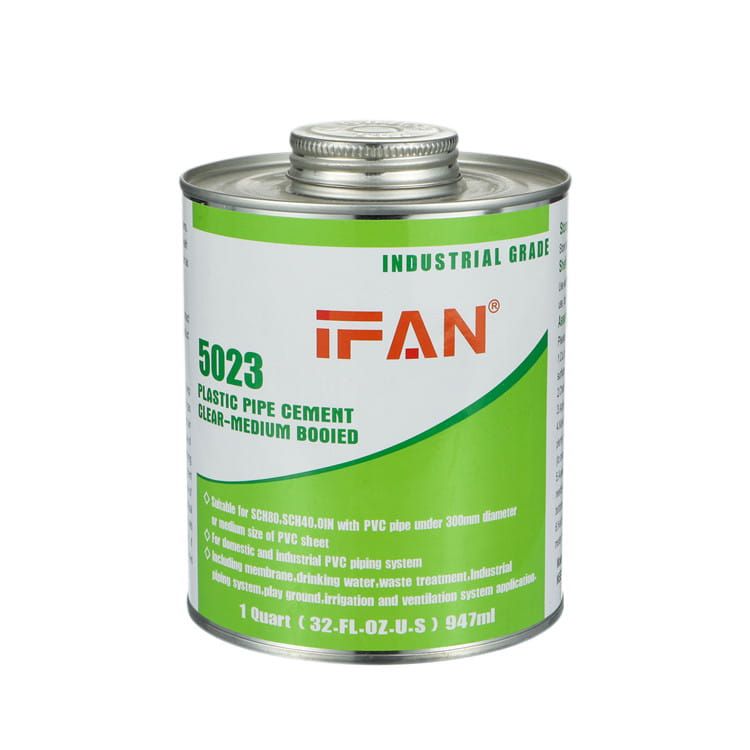
Клеевая сварка соединяет раструб и патрубок в единое целое с помощью клея, соответствующего ASTM D2564. Это быстро, дешево и является стандартом для DWV внутри зданий, где трубопровод сухой при монтаже, а инспекция требует непрерывной трубы. Схема уклона, вентиляции и ревизий для таких трубопроводов приведена в руководстве по проектированию систем ПВХ DWV. Обратная сторона — дисциплина: соединение требует чистых поверхностей, правильного клея и времени выдержки до подачи воды. Время отверждения и испытания соединений описаны в руководстве по монтажу ПВХ труб. Поспешное клеевое соединение — это течь, которую вы обнаружите после закрытия стен.
Раструбное соединение с уплотнительным кольцом: выбор для подземных линий
Раструбные соединения используют резиновое кольцо в раструбе. Они выдерживают то, что приходится на подземную канализацию: влажную траншею, осадку грунта и небольшие подвижки, которые клеевая линия не выдерживает. Для подземных выпусков и магистралей большинство проектировщиков выбирают раструбные соединения. Следствие для заказа абсолютно: раструб с уплотнительным кольцом не примет трубу под клеевую сварку, а в раструбе под клеевую сварку нет канавки для кольца.
| Тип соединения | Оптимально для | Скорость монтажа | Риск, за которым следить |
|---|---|---|---|
| Клеевая сварка | DWV, над землей, сухая прокладка | Быстро на каждое соединение | Пропуск времени отверждения |
| Раструбное с кольцом | Подземная канализация, влажная траншея, осадка | Быстро, без отверждения | Повреждение кольца при сборке |
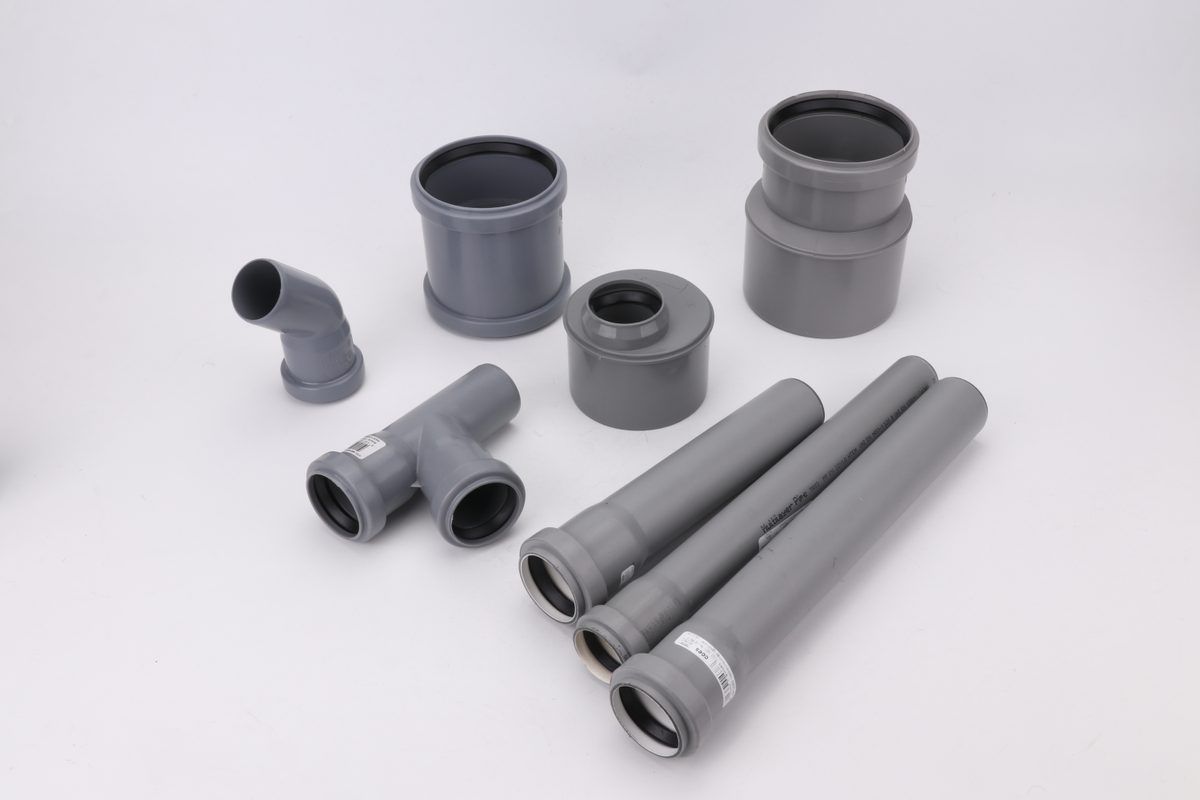
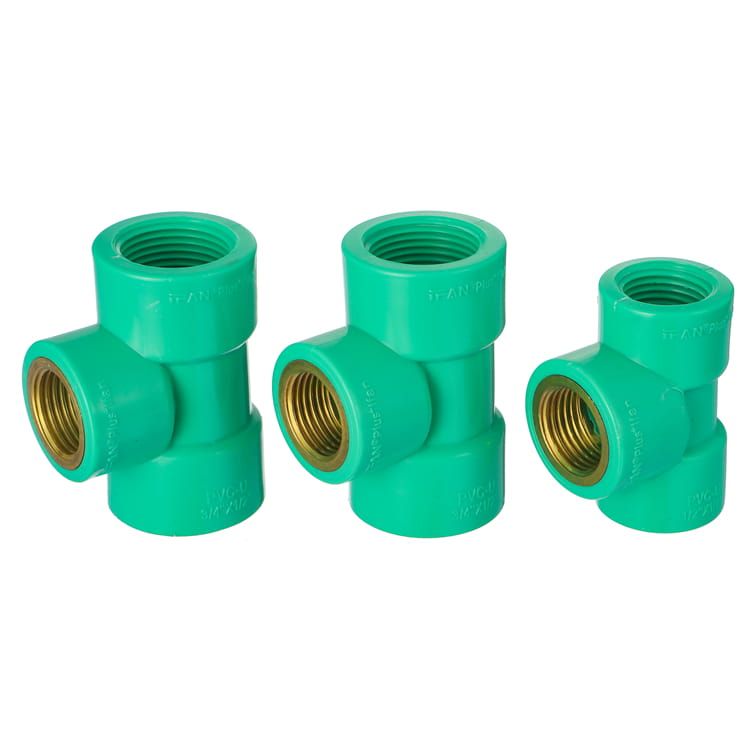
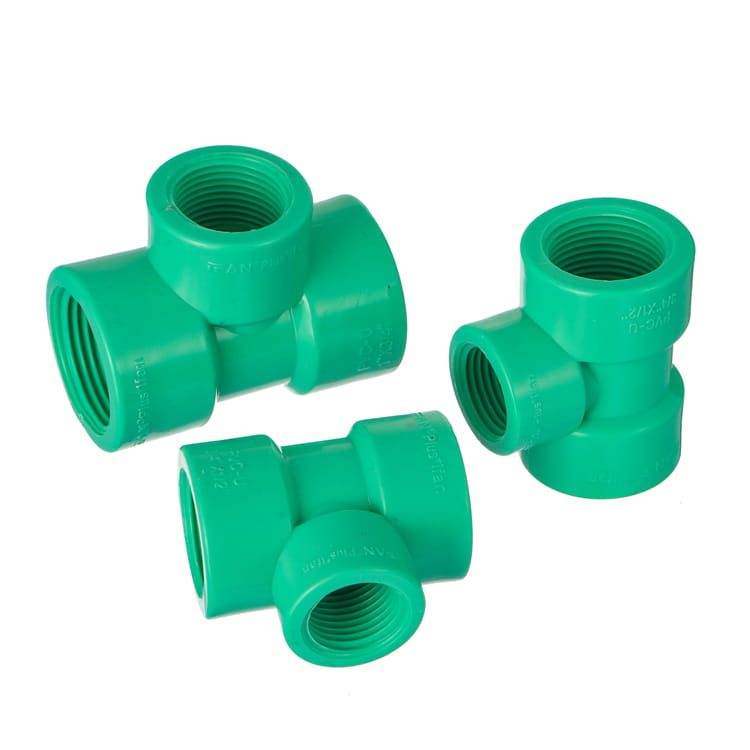
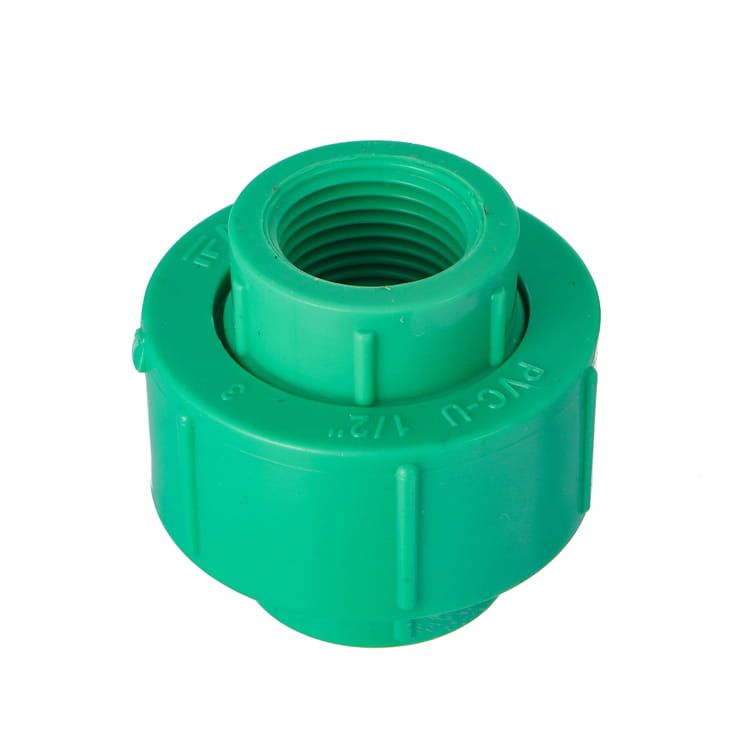
Линейка uPVC от IFAN охватывает оба мира: трубы под клеевое соединение с клеем PVC в той же упаковке, а также резьбовые фитинги серии 8011 для точек подключения. Если ваш проект — подземная канализация, укажите это в запросе котировки, и вы получите предложение с трубами под раструбное соединение и соответствующими фитингами.
Как упаковывается контейнер с дренажными трубами
Расчет контейнера — это то, на чем оптовые покупатели теряют деньги, потому что ответ зависит от диаметра, толщины стенки и длины, а не от плоского числа «штук в контейнере». Начните с самого контейнера и двигайтесь в обратном направлении.
Стандартный 20-футовый сухогрузный контейнер имеет внутренние размеры 5 898 x 2 352 x 2 393 мм. Это дает 33,2 м³ объема и максимальную полезную нагрузку 28 340 кг, согласно опубликованным характеристикам сухого контейнера SeaCube 20 футов. Эти два числа определяют все. Малые диаметры ограничены объемом: вы заполняете контейнер до того, как достигнете предела по весу. Большие диаметры с толстыми стенками ограничены весом: вы достигаете 28 340 кг, а объем остается наполовину пустым.
Честный ответ на вопрос «сколько помещается?» — это таблица загрузки по каждому размеру от поставщика, а не маркетинговая цифра. Относитесь к любым общим заявлениям, например «около 20 000 метров», как к первому вопросу, а не ответу. Запросите количество по каждому размеру, длину пучка и расчетный вес — затем проверьте их по объему 33,2 м³ и пределу полезной нагрузки самостоятельно.
Оценка, а не истина в последней инстанции. Приведенные выше объем и полезная нагрузка — это проверенные параметры контейнера. Количество по каждому размеру зависит от точной толщины стенки и длины пучка, указанных заводом, поэтому считайте любые цифры оценочными. Запросите план загрузки поставщика — количество по размерам, длину пучка и расчетный вес по каждому размеру — в письменном виде до оплаты. IFAN отгружает смешанный контейнер с размерами 110/160/200/315 мм с минимальным заказом от одного контейнера.
Рекомендации по смешиванию для разных рынков приведены в разделе о размерах этого кластера: размеры ПВХ канализационных труб. Каталог продукции с актуальным ассортиментом доступен по ссылке каталог продукции IFAN.
Контроль качества на заводе перед отгрузкой: что спросить
Контроль качества перед отгрузкой определяет, соответствует ли контейнер спецификации. Типичный заводской контроль качества для этого класса труб включает проверку размеров и выборочный контроль SN, но точная процедура зависит от поставщика. Запросите у поставщика шаблон протокола партии, чтобы проверки можно было проверить до оплаты.
Что подтвердить с поставщиком
- Проверка размеров: толщина стенки проверяется на соответствие минимальным значениям стандарта до обвязки пучка.
- Выборочный контроль класса жесткости: класс SN подтверждается на производственной партии, а не предполагается из заказа.
- Протокол партии на каждую отгрузку: производственные данные сопровождают товар. Протоколы партий обычно предоставляются покупателю, сторонним инспекторам или для утверждения проекта; таможенное оформление зависит от страны и требований к продукции — запросите шаблон.
- Аудит маркировки: номер стандарта, диаметр и класс SN, нанесенные на стенку трубы, соответствуют спецификации.
- Проверка системы соединений: трубы, фитинги и клей из одной системы, чтобы контейнер не создал несоответствий на объекте.
Группа IFAN с 1993 года управляет умным заводом площадью 120 000 м² в провинции Чжэцзян и экспортирует продукцию в более чем 120 стран. Линейка ПВХ канализационных труб — это стандартная оптовая линия: минимальный заказ от одного контейнера, допускается смешивание размеров, образцы предоставляются до заказа. Запросите у экспортного отдела шаблон протокола партии вместе с вашим запросом котировки.
Контрольный список для импортеров и дистрибьюторов
Это раздел для копирования в ваш следующий RFQ. Полная спецификация — одна из самых экономически эффективных мер защиты, которую вы можете купить, поскольку она заставляет поставщика указывать цену именно на то, что вы имеете в виду.
Составьте спецификацию для RFQ
- Список размеров: DN/OD 110, 160, 200, 315 мм (или 3/4/6 дюймов для рынков ASTM) с количеством по каждому размеру.
- Класс жесткости: SN4 или SN8, указанный рядом с каждым размером; «что есть» — это не спецификация.
- Система соединения: раструбное с прокладкой или клеевое, плюс соответствующие фитинги и клей.
- Стандарт: EN 1401-1, ISO 4435, серия ASTM D или GB/T 5836.1 для целевого рынка.
- Логистика: порт назначения, условия FOB или CIF, длина пучка и упаковка.
Пройдите проверку по этапам
Проверяйте перед оплатой в следующем порядке: первоначальный RFQ, проверка документов, проверка образцов, аудит завода (если требуется), затем окончательный заказ и оплата. Первоначальный RFQ фиксирует спецификацию в письменном виде. Проверка документов подтверждает сертификаты и маркировку стандартов. Проверка образцов доказывает, что труба соответствует спецификации. Аудит завода подтверждает реальность производственных мощностей, если заказ это оправдывает. Только после этого окончательный заказ и оплата заслуживают ваших денег. Минимальный заказ IFAN — один контейнер с возможностью смешивания размеров, а экспортный отдел подтверждает сроки поставки и условия по образцам в письменном виде при котировке.
Что влияет на цену
Уважаемые поставщики обычно не указывают единую плоскую цену на дренажные трубы, поскольку стоимость зависит от ассортимента. Класс и SN меняют стоимость смолы; смесь размеров меняет плотность упаковки; объем меняет стоимость фрахта за метр; пункт назначения меняет пошлины и логистику. Запрашивайте структуру цен по размерам и SN, а не единое число. Если цена значительно ниже других, попросите проверку штангенциркулем и сертификат партии, прежде чем радоваться — экономия на смоле ниже рыночной обычно выходит боком по толщине стенки.
Для импортеров, дистрибьюторов и проектных покупателей, заказывающих uPVC дренажные трубы контейнерами. IFAN предлагает котировки на 110/160/200/315 мм в соответствии с вашим классом SN и стандартом, с минимальным заказом в один контейнер и возможностью смешивания размеров. Отправьте приведенную выше спецификацию и получите письменное подтверждение количества загрузки по каждому размеру.
Когда трубы ПВХ для канализации — неправильный выбор
У каждого материала есть свои ограничения, и их четкое обозначение защищает покупателя, читающего эту страницу, от намеренного заказа неправильного продукта. Трубы ПВХ для канализации подходят для многих задач, но есть три случая, когда они не подходят.
Горячие или напорные линии
Предел 140°F (60°C) — это жесткое ограничение. Трубы uPVC для канализации не рассчитаны на горячую воду и вообще не имеют номинального давления. Для горячего водоснабжения используйте CPVC или PPR; для напорных систем — PPR или PE напорные трубы. Не позволяйте поставщику обойти это утверждением «скорее всего, выдержит» — стандарт является контрактом, и он говорит «нет».
Агрессивные химические стоки
Сам по себе uPVC устойчив к сероводороду, который разъедает бетонные канализационные трубы, поэтому он и заменил бетон во многих спецификациях канализации. Однако клеевые соединения и эластомерные уплотнения являются слабыми местами при агрессивных химических средах. Промышленные стоки с растворителями, маслами или экстремальными значениями pH требуют инженерной системы и проверки химической совместимости, а не стандартного предложения по дренажу.
Позиция, изложенная
Трубы ПВХ для канализации — правильный выбор для самотечной канализации и sewer envelope: DWV внутри здания, заглубленные выпуски и магистрали, ливневые линии. HDPE выигрывает там, где важны ударные нагрузки, подвижки грунта или бестраншейная прокладка. Бетон по-прежнему используется там, где этого требуют нормы или инженер. Полное сравнение приведено в анализе HDPE vs PVC vs PPR на этом сайте.
Для импортеров и дистрибьюторов, у которых есть список размеров и класс SN. Отправьте в IFAN лист RFQ, и экспортный отдел письменно подтвердит количество контейнеров по каждому размеру, срок поставки и условия предоставления образцов до любой оплаты.
Заключение
Успех заказа на дренажные трубы решается на этапе RFQ, а не на причале. Укажите марку, стандарт, класс SN, систему соединений — и контейнер, который прибудет, будет именно тем, что вы заказали. Если пропустить хотя бы один из этих пунктов, поставщик выберет самую дешевую интерпретацию.
Следующий шаг займет десять минут. Составьте спецификацию по приведенному выше контрольному списку и отправьте ее в IFAN. Вы получите предложение с письменным подтверждением количества загрузки по каждому размеру. Сначала предоставляются образцы, сертификат партии следует за товаром, а завод работает с 1993 года.
Основные выводы
- Заказывайте uPVC, безнапорный, и укажите стандарт для вашего рынка в RFQ.
- Укажите SN4 или SN8 для каждого размера; SN8 — класс для прокладки под дорогами.
- Подбирайте трубы, фитинги и клей к одной системе соединений.
- Проверьте расчет контейнера на 33,2 м³ и 28 340 кг, прежде чем доверять заявленной загрузке.
Часто задаваемые вопросы
Какой размер ПВХ-труб используется для канализации?
Для домовых выпусков и стояков обычно используются трубы 110 мм (4 дюйма) из uPVC; для внутриквартальных сетей и выпусков — 160-200 мм; для магистральных коллекторов — 250-315 мм и более. Перед заказом проверьте нагрузку от санитарных приборов по местным нормам.
В чем разница между ПВХ-трубами SN4 и SN8?
SN4 и SN8 — это классы кольцевой жесткости в кН/м² — 4 и 8. SN8 более жесткая и обычно применяется для подземных канализационных линий под дорогами; SN4 подходит для более легких условий прокладки и большинства надземных применений. Класс указан на трубе.
Какой стандарт применяется к ПВХ-трубам для канализации?
EN 1401-1 для безнапорной подземной канализации в Европе. ISO 4435 используется для международных спецификаций; ASTM D2665 охватывает североамериканские DWV; ASTM D2729 или D3034 — для канализации в США; GB/T 5836.1 — для труб внутренней канализации, произведенных в Китае. Согласуйте стандарт с местом назначения.
Сколько ПВХ-труб для канализации помещается в 20-футовый контейнер?
Для малых диаметров сначала заполняется объем 33,2 м³; для больших диаметров сначала достигается предел полезной нагрузки 28 340 кг. Запросите у поставщика таблицу загрузки по каждому размеру, а не доверяйте средним цифрам.
Можно ли использовать ПВХ дренажную трубу для подземной канализации?
Да, если это труба для подземной канализации с соответствующим классом жесткости (SN8 для участков с движением транспорта) и правильной системой соединений. Труба для внутренней канализации (DWV) не обязательно является канализационной трубой — проверьте стандарт и маркировку SN.
Является ли нПВХ тем же самым, что и ПВХ дренажная труба?
нПВХ — непластифицированный ПВХ — это жесткий тип, используемый для дренажных и канализационных труб. Пластифицированный ПВХ является гибким и неструктурным. Дренажная труба, продаваемая как ПВХ, обычно является нПВХ.