
PVC DWV System Design Guide: Slope, Vents, Cleanouts & the 6 Mistakes Behind Most Callbacks
A DWV system that works is nearly invisible — waste leaves the fixtures, air replaces it through the vent, and traps hold their seals for years. This guide walks through the design chain for a uPVC drain-waste-vent network: the 1/8-inch-per-foot slope that moves solids, the vents that keep trap seals alive, the trap-arm limits, cleanout spacing, fitting selection rules, and the six mistakes that cause most of the callbacks.
A DWV system that works is nearly invisible — waste leaves the fixtures, air replaces it through the vent, and traps hold their seals for years. A DWV system that fails is loud, slow, and expensive: gurgling fixtures, sewer smells that reappear after every long weekend, and callbacks that dig up finished walls. Between those two outcomes sit maybe a dozen design decisions, and installers usually get them right on slope and wrong on venting.
This guide walks through the design chain for a uPVC drain-waste-vent system: the slope that moves solids without stranding water, the trap seals that lock sewer gas out, the vents that keep those seals alive, the fittings that shape flow, and the six mistakes we still see on inspection walk-throughs. Pair it with the PVC drainage pipe sizes guide to spec the diameters, and read the solvent-weld installation guide before you cut the first length. All four sit inside the complete PVC drainage pillar guide for the framework view.

Key Takeaways
- Slope pipes at 1/8"/ft (1 %) for DN75 and larger — steeper drains the water faster than the solids and glazes the pipe wall with residue.
- Every fixture trap holds a 50 mm (2-inch) water seal; without a properly sized vent, that seal siphons out and sewer gas enters the building.
- The trap-to-vent distance is limited by trap arm slope and diameter — DN40 = 1 m maximum, DN110 = 3 m; longer runs need a re-vent.
- Vent stacks extend through the roof at least 150 mm above the roof surface and 300 mm above the snow line, at least 3 m from any opening window.
- Cleanouts every 15 m on horizontal runs and at every 45° or greater change of direction — anything longer and the drain cleaner cannot reach the blockage.
- Air admittance valves (AAVs) are legitimate for individual fixture vents where a through-roof stack is not practical — but they never replace the main stack venting the building.
What "DWV" Actually Means
DWV stands for drain, waste and vent — three distinct jobs that share the same pipe network. Drains carry fixture discharge from basins, showers, tubs, kitchen sinks and appliances. Waste lines carry solid-bearing discharge from water closets and, in commercial systems, food waste from disposals. The vent is the air side of the system: pipes that connect the drainage network to atmosphere so waste falling through the drains does not create the vacuum that would pull water out of every trap.
The confusion in design shows up when someone treats DWV as one pipe system. It is not. Drain and waste pipes flow downhill under gravity; vent pipes hold air and only occasionally carry a light rinse when a fixture over-fills. Their sizing rules, their slopes, and their fittings are different, and the number-one reason a DWV system fails inspection is that the designer specified the drain correctly and the vent barely at all.
One position worth taking early: on a mid-rise, do not save money on the vent stack. A DN110 vent through a five-storey building costs a little more pipe than a DN75, and it turns a system that clears at 60 % of design fixture load into one that clears at 100 %. The extra bore is cheaper than the callback.
Slope: The 1/8"/ft Rule and When to Push Harder
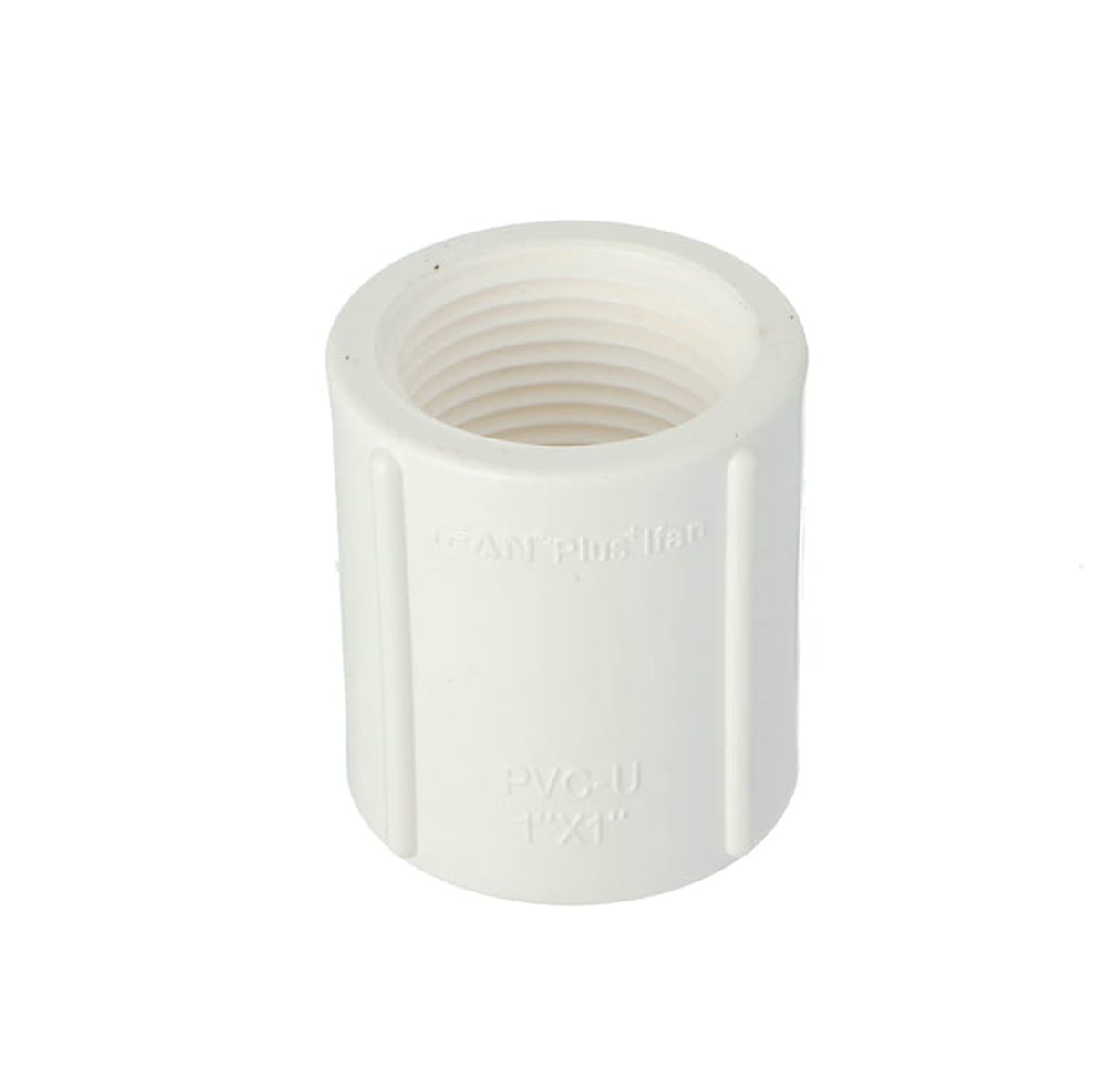
Horizontal drain and waste pipes need a slope that moves solids at roughly the same speed as the water carrying them. Under the International Plumbing Code (IPC) Table 704.1, DN75 and larger pipes slope at 1/8 inch per foot (about 1 %). DN40 and DN50 slope at 1/4 inch per foot (about 2 %) because the smaller cross-section needs a faster flow to keep solids suspended. Under EN 12056-2 the equivalent numbers land in the same range — 1 to 2 %.
Two common mistakes surface here. First: back-pitching. A run that dips even briefly against the flow creates a low spot where solids drop out and the pipe glazes over in months. Every 3 metres of horizontal pipe should be checked with a level, not eyeballed. Second: over-steepening. A drain sloped at 4 % or steeper drains the water faster than the solids can travel with it — the water arrives, the solids stall on the pipe wall, and the run clogs in a way that no vent design can save. Keep horizontal runs between 1 % and 2 % and let vertical stacks handle the vertical drop.
Minimum slope by pipe diameter (IPC 704.1)
| Pipe diameter | Min slope | Typical range |
|---|---|---|
| DN40 (1.5") | 1/4 " / ft (2 %) | 2 – 3 % |
| DN50 (2") | 1/4 " / ft (2 %) | 2 – 3 % |
| DN75 (3") | 1/8 " / ft (1 %) | 1 – 2 % |
| DN110 (4") | 1/8 " / ft (1 %) | 1 – 2 % |
| DN160+ (6"+) | 1/16 " / ft (0.5 %) | 0.5 – 1 % |
On a long lateral — say a 40 m building drain leaving a hospital block — the total fall from the last stack to the connection can hit 400 mm at 1 %. Confirm the connection elevation before you commit to the slope, because a lateral that runs deeper than the utility can accept means either a lift station or a re-design.
Trap Seals: The Water That Keeps Sewer Gas Out
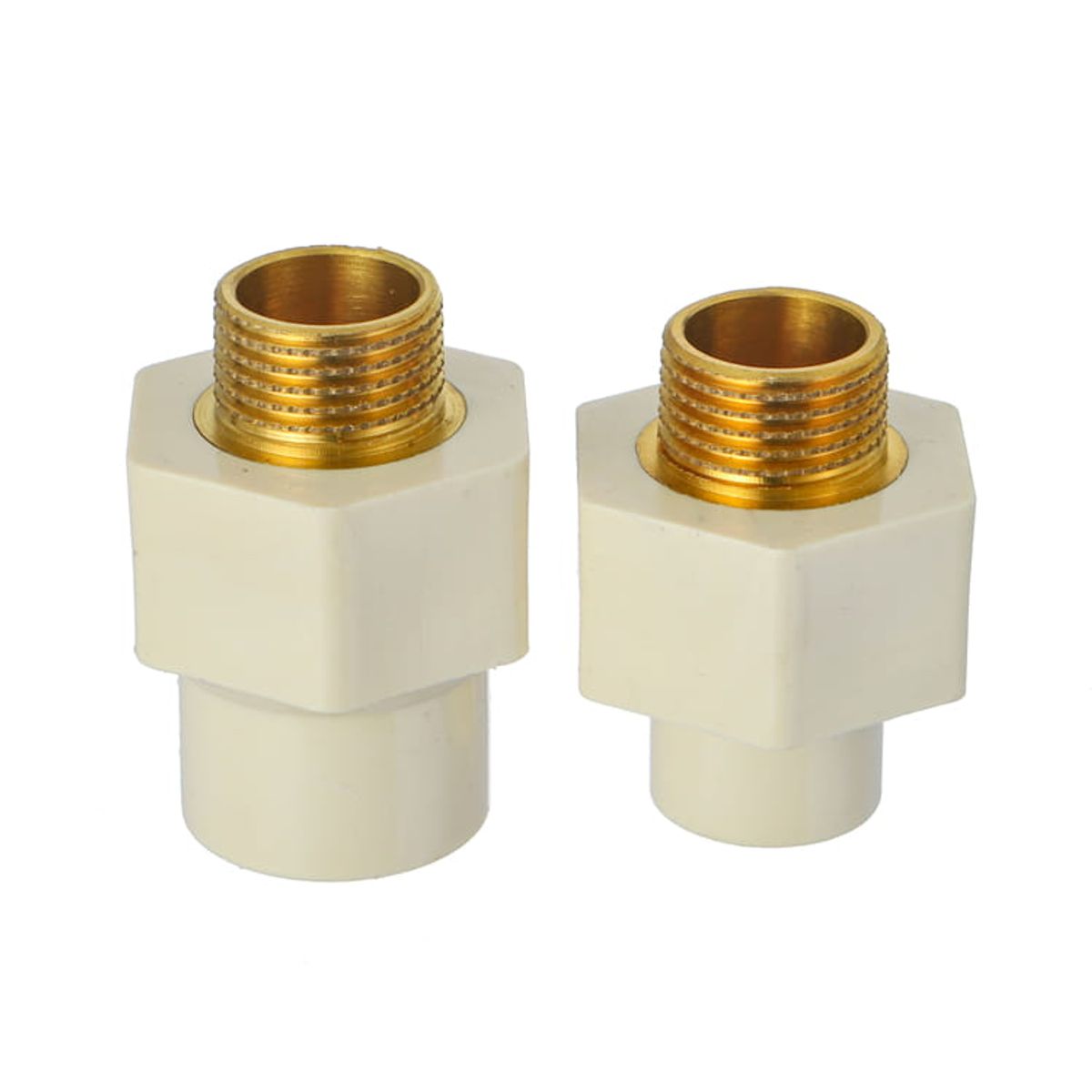
Every fixture in a DWV system sits behind a trap — a P, S or bottle shape that holds a 50 mm depth of water between the fixture drain and the drainage system. The seal is not a lock; it is a hydrostatic barrier, and sewer gas — hydrogen sulphide, methane, ammonia, plus whatever industrial contaminants a shared network carries — pushes against it whenever there is a pressure difference across the trap. The seal survives on two conditions: the water stays put, and the pressure on both sides matches within a few dozen pascals.
Trap seals fail four ways. Siphonage — a fast slug of water past a poorly vented trap sucks the seal down the drain with it. Back pressure — a large fixture upstream builds pressure in the drain and blows the seal out into the fixture. Evaporation — a floor drain unused for months dries out and lets gas straight through. Capillary action — a rag or string caught in the trap wicks the water out over days. The first two are design failures; the second two are operational and are fixed with periodic trap primers or floor-drain seals.
The design lesson: every trap needs a vent close enough to break vacuum from siphonage and a stack big enough to relieve back pressure. Skip either and the system passes the pressure test on installation day and starts to smell three months in.
Venting: Why Every Trap Needs Air Above It
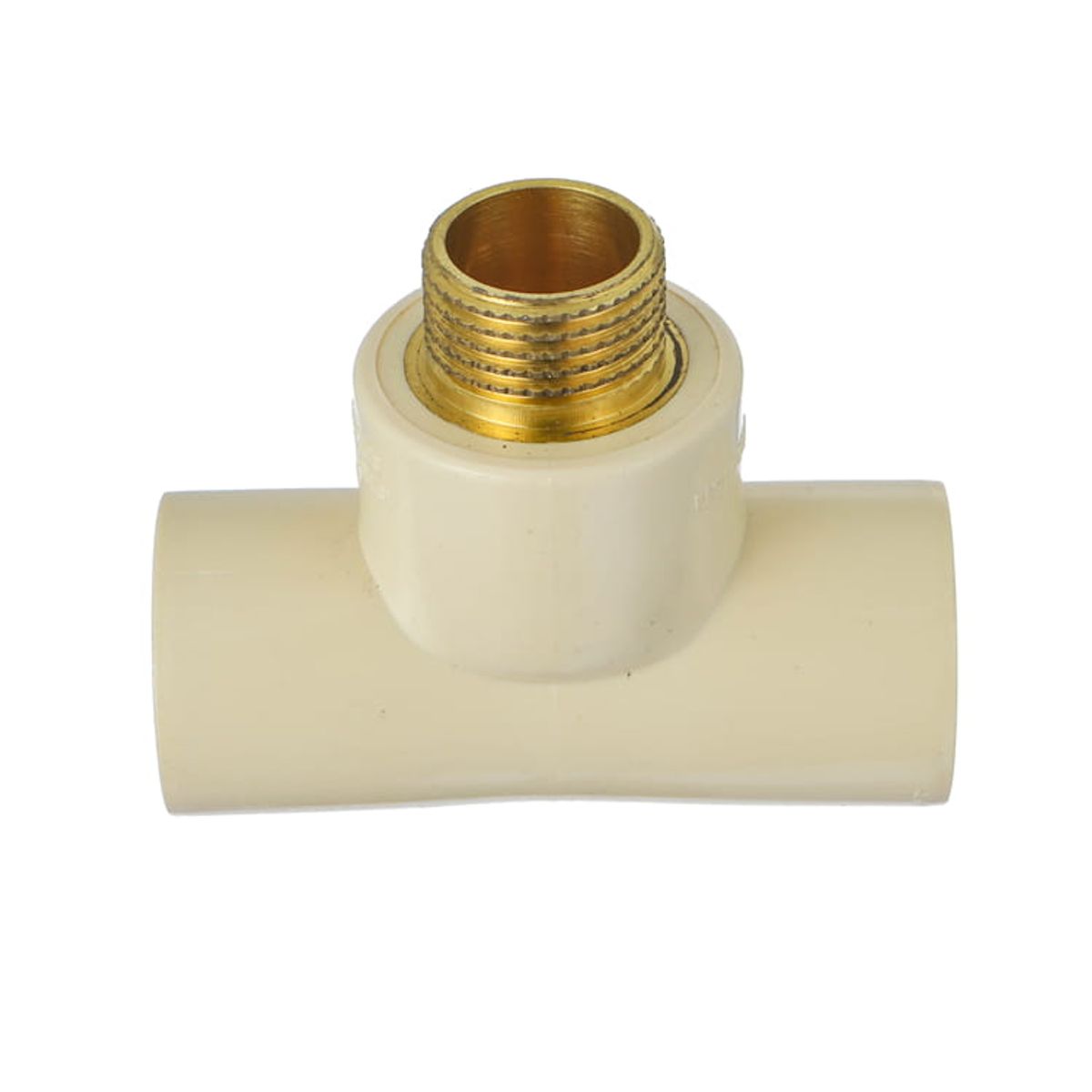
The vent's job is atmospheric: to make sure the pressure at the top of the trap seal equals the pressure at the fixture side. A drain running full acts like a piston — it pulls a vacuum behind it, and the closest air path becomes the trap of the next fixture upstream. The vent gives that vacuum an easier path to atmosphere, and the trap seal stays where it belongs.
Design decides which of five vent types belongs on each fixture. Individual vents run from each trap up to the main stack — the safest and most expensive option, universal on hospitals and labs. Common vents link two fixtures (usually a paired lavatory or a back-to-back layout) to one vent. Wet vents let a lightly-loaded drain double as the vent for a downstream fixture, allowed in most codes for a bathroom group under specific rules. Circuit vents (also called loop vents) serve a horizontal branch of two or more WCs. Waste-stack vents let a lightly-loaded vertical stack vent itself through the top of the run when no other fixtures connect above.
Trap-to-vent distance is the number every code polices most tightly. Under IPC 909, the horizontal trap arm from the trap to the vent connection is capped by pipe diameter: DN40 (1.5-inch) at 1 m, DN50 (2-inch) at 1.5 m, DN75 (3-inch) at 3 m, DN110 (4-inch) at 3 m. Longer and the trap arm develops enough slope to fill its full bore, and once it fills full it siphons the trap on the way out.
Maximum trap-arm distance to vent (IPC 909)
| Trap-arm diameter | Max horizontal distance to vent | Typical fixture |
|---|---|---|
| DN40 (1.5") | 1.0 m (42 in) | Basin, bar sink |
| DN50 (2") | 1.5 m (60 in) | Shower, kitchen sink, washing machine |
| DN75 (3") | 3.0 m (10 ft) | Floor drain, small waste stack |
| DN110 (4") | 3.0 m (10 ft) | Water closet, bathroom group |
Sizing Vents by Fixture Load
Vent sizing runs on the same DFU (drainage fixture units) as drain sizing, applied to IPC Chapter 9 or EN 12056-2 vent tables. A rough working set (IPC Table 906.1): a DN40 vent carries 8 DFU up to 30 m; DN50 vent, 24 DFU up to 60 m; DN75 vent, 84 DFU up to 100 m; DN110 vent, 256 DFU up to 300 m. The distance limit matters as much as the DFU cap — a long vent run is a friction loss that starves the trap of pressure relief.
Two shortcuts worth knowing. The vent must be at least half the diameter of the drain it serves, and never smaller than DN40. And the vent stack extending to atmosphere must be sized for the entire building's DFU load — a DN75 stack cannot vent a 12-storey building carrying 400 DFU, even if every individual branch vent is correctly sized within it. Under-sizing the main stack is the second-most-common vent failure after trap-arm-too-long.
Approximate vent sizing (per IPC 906.1)
| Vent diameter | Max DFU carried | Max developed length |
|---|---|---|
| DN40 (1.5") | 8 | 30 m |
| DN50 (2") | 24 | 60 m |
| DN75 (3") | 84 | 100 m |
| DN110 (4") | 256 | 300 m |
| DN160 (6") | 600 | 500 m |
Numbers rounded from IPC Table 906.1; local codes vary. On a mid-rise the DN75 vent that "should" work often benches at just over its DFU cap once the top floor's fixtures are added — bump to DN110 and take the small cost early.
Vent Termination: Roof Clearance, Frost, Odour Windows
Where the vent stack breaks out of the building, three constraints govern the design. First, it must clear the roof surface by at least 150 mm (6 inches) so wind and snow do not choke the opening. Second, in cold-climate installations it must extend 300 mm (12 inches) above expected snow depth and often be increased in diameter for the top 300 mm — a DN75 vent stub freezes shut at −15 °C, and a DN110 through-roof extension does not. Third, it must clear openings — windows, doors, air intakes — by at least 3 m horizontally and 600 mm vertically, so sewer gas does not fall back into occupied rooms.
On flat roofs used as amenity space, the code often pushes the vent termination higher and further from any occupied surface. In hot-climate installations, UV degradation of exposed uPVC becomes the concern — either sleeve the through-roof section in a metal collar or spec a UV-stabilised extension, because unshielded uPVC in equatorial sun cracks within a few years and the vent seals fail without anyone noticing.
Cleanouts: Where They Go and How Often
Cleanouts are the access points for augers, cameras and rodding cables. Under IPC 708 a horizontal drain over 30 m needs a cleanout every 15 m. Every horizontal drain also needs a cleanout at its origin, at every change of direction greater than 45°, at the base of every vertical stack, and where the building drain leaves the property. Under EN 12056-2 the spacing tightens on higher-diameter mains — every 15 m at DN160 and every 25 m at DN200-plus.
The trap for designers is the cleanout that ends up behind a finished cabinet, drywalled ceiling, or ceramic-tiled floor. A cleanout the maintenance crew cannot reach is the same as no cleanout at all. Mark every cleanout on the as-built and never bury one under permanent finish — a threaded uPVC cleanout plug with a proper access panel above it costs USD 15 in materials and saves USD 3,000 in demolition later.
Cleanout diameter matches the drain it serves up to DN110; above DN110 a DN110 cleanout is often accepted because most drain-cleaning equipment tops out at that size. On a DN160 building drain leaving the property, spec a DN110 cleanout with a swept branch rather than a full DN160 opening — the crew brings a DN110 auger, not a DN160 one.
Fitting Selection: Wyes, Sanitary Tees, Long-Radius Elbows
Every fitting on a DWV run shapes flow, and picking the wrong shape kills a good design. Three rules cover most of it. First, a horizontal-to-horizontal branch always takes a wye (45°), never a sanitary tee (90°) — the tee sends flow into the branch at right angles and stalls the run. Second, a vertical-to-horizontal branch takes a sanitary tee or a combination wye-and-eighth-bend, because the vertical drop already carries the momentum. Third, all elbows carrying solids should be long-radius (radius = 1.5× diameter or more); short-radius elbows are for pressure water, not gravity drainage, and their tighter turn is where the pipe wall glazes with grease first.
One trap that installers walk into: using two short-radius 45° elbows to make a 90° bend in place of a proper long-radius 90° elbow. The doubled-45 has almost the same footprint and drains slightly better than a short-radius 90°, but it still creates two turbulent zones instead of one gentle sweep. On a stack collecting from four bathrooms it is fine; on a horizontal WC branch it starts to clog.
Air Admittance Valves — When AAVs Are the Right Call
Air admittance valves — Studor Mini-Vent, ProVent, generic AAVs — are one-way check valves that let air into the drain to relieve vacuum without letting sewer gas escape. They are legitimate in most codes for individual fixture vents where a through-roof extension is impractical: an island sink in the middle of a kitchen, a retrofit basin where the wall does not chase back to a stack, a bar sink under a countertop.
Where AAVs are not legitimate: as replacements for the main vent stack of a building. The main stack still has to break atmosphere through the roof, because pressure equalisation across the entire DWV system needs a two-way path — an AAV only admits air, it does not vent positive pressure. Substituting AAVs for the main stack passes the pressure test and pressurises the drainage on the first heavy fixture cycle, blowing seals out at the ground floor.
Spec check: any AAV should carry ASSE 1051 certification for individual vent or IAPMO listing for the local code. Uncertified AAVs from marketplaces often fail on the first cold-weather freeze, and the trap seals give up under the same night's use. Match the AAV's DFU rating to the fixture load — an AAV rated for 6 DFU on a full-bath group will chatter and eventually stick open.
What IFAN's uPVC Range Gives You for DWV Design
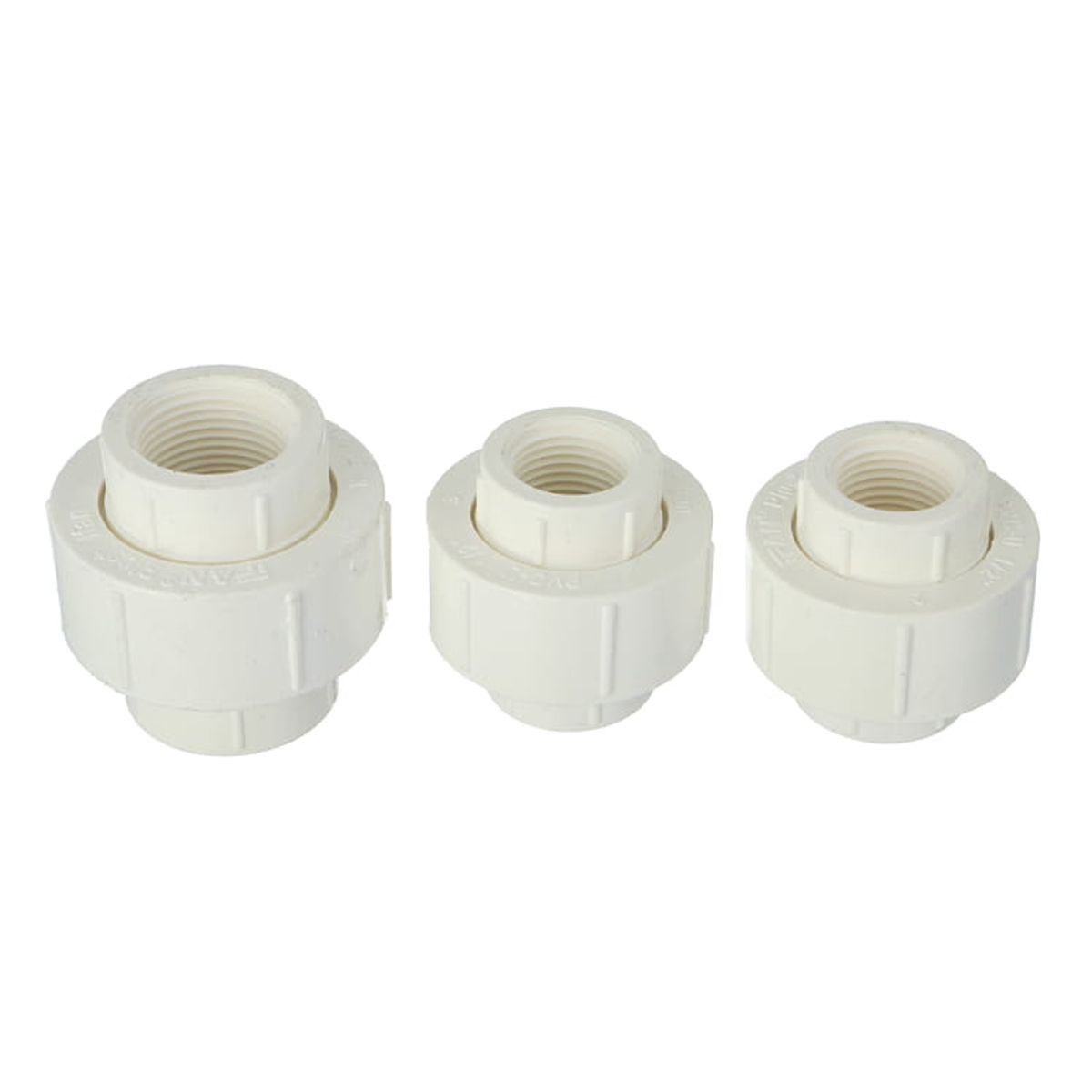
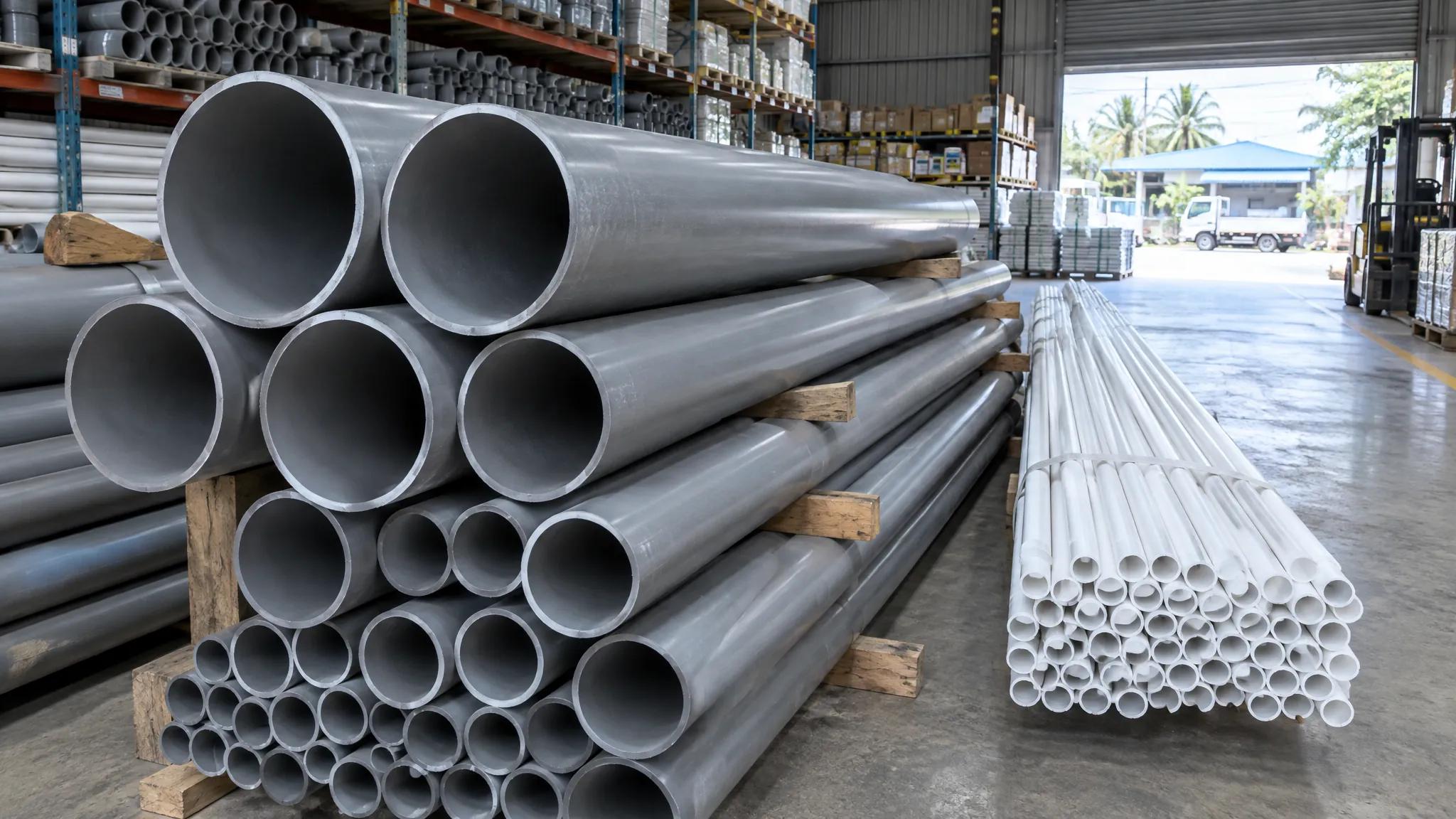
The uPVC / PVC Series in IFAN's Zhejiang facility covers the DWV shape catalogue at the diameters DWV designers actually spec. Every SKU is produced under the same batch-traceable QC applied to the PPR pressure lines — the same per-shipment inspection report covers the drainage-grade uPVC, with tests substituted for the fitting geometry rather than pressure hold.
- Fitting-socket geometry: IFAN's drainage sockets are machined to a 1.5° taper with a ±0.1° tolerance across DN75 to DN315 — tighter than the EN 1329 baseline — so third-party solvent cements fill the socket taper evenly without the pipe end wedging before it fully seats. Cheap third-party fittings often run a steeper taper that binds prematurely and leaves the socket-side surface under-fused.
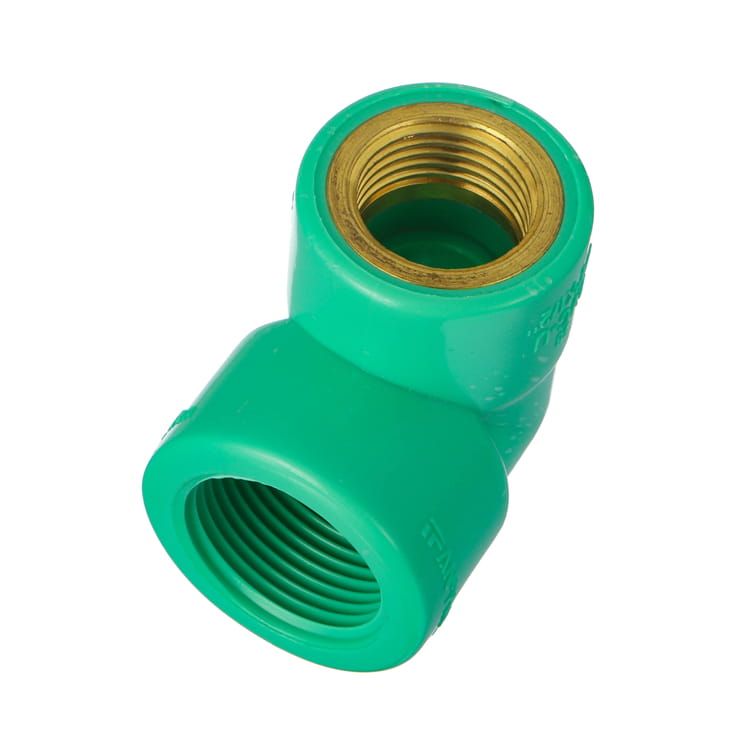
- Fitting shapes: 45° wyes, sanitary tees, long-radius 90° and 45° elbows, combination wye-and-eighth-bend, cleanouts with threaded plugs, reducers, couplings — all sockets are size-locked to a plus-only tolerance so a DN110 elbow accepts DN110 pipe with the wall meeting the socket taper.
- Diameter range: DN40 to DN315 in the drainage catalogue, with heavier walls available for buried SN8 sections on the mains.
- Standards references: EN 1329 for interior DWV, EN 1401 for buried, ISO 4435 for sewer — printed on every batch and confirmed on the pre-shipment report.
- Solvent-weld compatibility: sockets machined to the standard taper, so third-party solvent cement (IPS Weld-On, Tangit, Bostik) welds cleanly without reworking the joint prep.
- Mixed-container logistics: loading calculated by cubic metres, not weight, so a 40-foot high-cube fills with the drainage SKU spread your project actually needs rather than the ones easiest to stack.
Third-party inspections from SGS, Bureau Veritas or TÜV are welcomed on any DWV order — book the visit at loading and check the sample geometry against the design drawings before container seal.
6 DWV Design Mistakes That Cause Most Callbacks

- Vent stack undersized for total building DFU. The main stack sizes for the whole building, not just the top floor. A DN75 stack ventilating 200 DFU is the most common inspection fail on mid-rise.
- Trap arm too long. A DN40 basin trap arm running 1.5 m to the vent is 500 mm over the code limit; the arm fills solid on the discharge and siphons the trap.
- Back-pitched horizontal run. Even a 5 mm dip against the slope over 3 m creates a low spot that fills with grease and solids in months.
- Sanitary tee on a horizontal branch. Right-angle branches stall the flow; wyes let it turn without dropping momentum.
- AAV substituting for the main vent stack. AAVs relieve vacuum, not positive pressure — the building still needs an atmospheric vent through the roof.
- Cleanout buried behind finish. A cleanout with no access panel is worse than no cleanout — it fools the maintenance crew into thinking access exists.
Testing the System Before You Close the Walls
A finished DWV system carries three tests. Water test: fill every branch and stack up to the highest cleanout, hold for 15 minutes, watch for drops and drips. Under IPC 312, the DWV network must hold the water column with no measurable loss. Air test: cap the system, pressurise to 34 kPa (5 psi), hold for 15 minutes. Any pressure drop below 33 kPa flags an air leak in a joint or crack in a fitting. Smoke test (rarely used except for retrofits): pressurise with theatrical smoke to trace leaks visually.
The compliance guideline for the water and air tests is codified in IPC Chapter 3; the equivalent European reference is EN 1610 for buried drainage. Requirements vary by product, code jurisdiction, and the depth or use case of the installation, so confirm the current pressure and duration with your local authority or a licensed plumbing engineer before closing walls.
One position: never accept the water test as sufficient on a mid-rise. The water column pushes uniformly, but real drainage discharge slugs the system with vacuum and pressure spikes the water test does not reproduce. Run the air test too — the extra 30 minutes at pressure catches joints that would leak six months in service.
Conclusion
A DWV system that survives 30 years without a call-back is designed to a few specific numbers: 1 % slope on horizontal runs above DN75, a 50 mm trap seal, trap-to-vent distances within IPC 909 limits, vents sized for whole-building DFU, cleanouts every 15 m and at every direction change, wyes on horizontal branches, long-radius elbows for solids, and a real vent stack breaking atmosphere through the roof. Miss any one and the system passes the inspection and fails in service.
Before the container ships, walk the DWV plan against the six mistakes above and count how many the drawings avoid. Add SN class to the buried sections per the PVC drainage pipe sizes guide, weigh the material against alternatives with the PVC vs concrete vs HDPE comparison, and pre-plan the joint cure schedule from the solvent-weld installation guide, and the system that leaves the drawing board is one the inspection crew rubber-stamps.
Frequently Asked Questions
What is the minimum slope for a PVC drain pipe?
Under the IPC, DN75 and larger horizontal drains slope at 1/8 inch per foot (about 1 %). DN40 and DN50 slope at 1/4 inch per foot (about 2 %). EN 12056-2 uses similar values. Below the minimum, solids stall and the pipe glazes.
How far can a trap be from its vent?
Under IPC 909 the trap arm is capped by diameter: DN40 at 1 m, DN50 at 1.5 m, DN75 at 3 m, DN110 at 3 m. Longer and the arm fills full on discharge, siphoning the seal on its way out.
Can an air admittance valve replace a vent stack?
No. AAVs relieve vacuum on individual fixture vents but do not relieve positive pressure. Every building still needs at least one main vent stack breaking atmosphere through the roof to equalise pressure across the whole DWV system.
How often do cleanouts need to be installed?
Every 15 m on horizontal runs, at every 45° or greater change of direction, at the base of every vertical stack, and where the building drain leaves the property. EN 12056-2 tightens spacing on larger diameters.
Should horizontal branches use sanitary tees or wyes?
Wyes. A sanitary tee sends the branch flow into the run at 90° and stalls it; a 45° wye keeps momentum on the run. Sanitary tees are for vertical-to-horizontal transitions where the drop already carries the flow.
What is the difference between a P-trap and an S-trap?
A P-trap discharges horizontally to a vented drain; the water seal survives normal discharge. An S-trap discharges vertically and self-siphons under load — most current codes prohibit S-traps on new work because the seal cannot be reliably vented.