
Brass Gate Valve: Isolation, Stem Types, Grade & How to Choose
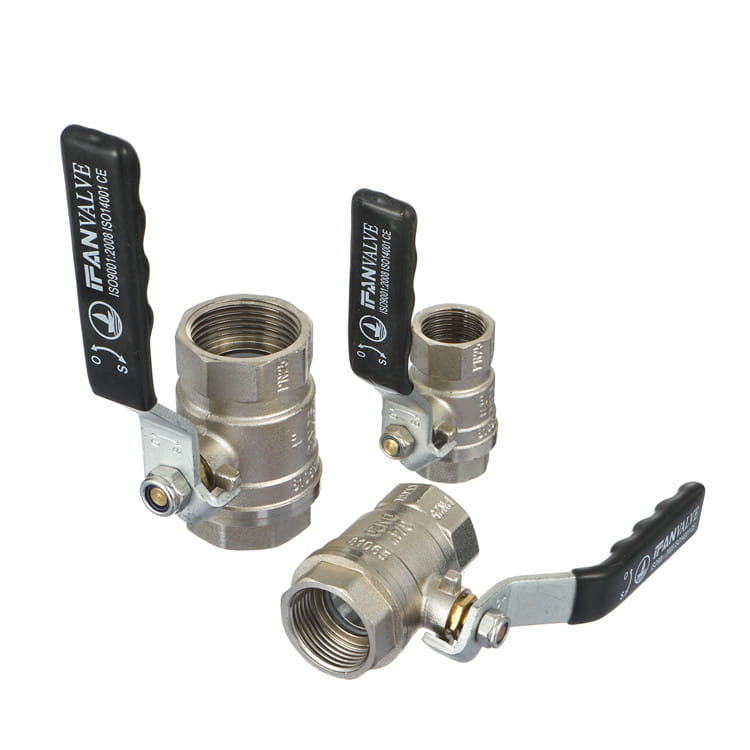
A brass gate valve is one of the oldest and simplest valve designs — a wedge that raises and lowers to open or close a full-bore waterway. It's built for one job: fully-open or fully-closed isolation, with minimal flow restriction when open. But gate valves are often bought for the wrong duty (throttling), installed in the wrong grade for potable water, or confused with ball valves that do a similar-sounding job very differently. This guide explains what a brass gate valve is, rising versus non-rising stem, where it belongs (and where it doesn't), how it compares to ball and globe valves, and how to choose the right size, grade, and thread — so you specify a valve that isolates cleanly and lasts.
For the wider range of brass valves and how they fit a system, see the brass ball valve buyer's guide; this article focuses on gate valves.
Key Takeaways
- A gate valve is a full-bore isolation valve — fully open or fully closed, low flow restriction when open.
- Not for throttling: a partly-open gate vibrates and erodes the seat. Use it fully open or fully shut.
- Two stem types: rising stem (visible position) and non-rising stem (compact, for tight spaces).
- It takes several turns to operate — slower than a quarter-turn ball valve, but gentler on the system.
- For potable water, specify a dezincification-resistant grade such as CW602N — CW617N is a leaded brass and is not DZR.
- Match size, pressure class (PN/WOG), and thread standard (BSP/NPT) to the line.
What a Brass Gate Valve Is
A gate valve works by raising and lowering a solid wedge (the "gate") across the flow path. Turn the handwheel and the gate lifts clear of the waterway, leaving a full, unobstructed bore with almost no pressure drop; turn it the other way and the gate lowers onto its seat to shut the line. Because the open bore is nearly the full pipe diameter, a gate valve barely restricts flow when open — its defining advantage. Brass is a common material for small and mid-size gate valves in plumbing because it machines to a precise seat, resists corrosion, and (in the right grade) suits potable water. The key characteristic to understand: a gate valve is an isolation valve, designed to sit fully open in normal service and be closed only to isolate a section — for maintenance, repair, or shutting down a branch. It is not designed to be left half-open to control flow.
Rising vs Non-Rising Stem
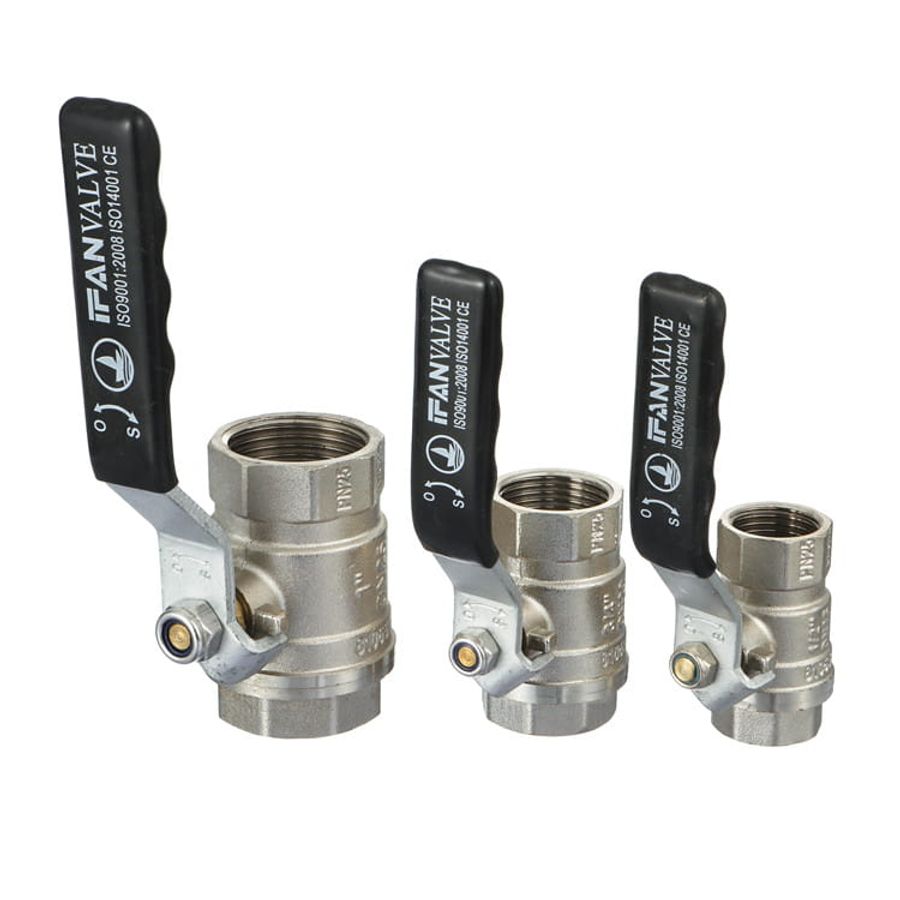
Gate valves come in two stem designs, and the choice affects both feedback and clearance. A rising stem (OS&Y-style) valve has a stem that moves up as the valve opens, so the stem position visibly shows whether the valve is open or closed — useful where you want to see the state at a glance, but it needs headroom above the valve for the stem to rise. A non-rising stem (NRS) valve keeps the stem at a fixed height while an internal thread lifts the gate, so it stays compact and suits tight spaces and buried or enclosed installations where there's no room for a rising stem. For most domestic brass plumbing the non-rising stem is common because it's compact; rising-stem designs are favoured where visible position indication matters. Pick rising stem when you need to see the valve's state and have the clearance; pick non-rising when space is tight and the valve is operated by hand at close range.
What a Gate Valve Is For — and Not For
The most important rule with a gate valve: use it fully open or fully closed, never partly open to throttle flow. In a partly-open position the gate sits in the flow stream, where turbulence makes it vibrate and chatter, eroding the seat and the gate edge until the valve no longer seals. Gate valves are built for isolation — shutting off a line, a branch, or a piece of equipment for service — where they spend nearly all their life fully open and are closed only occasionally. Their strengths suit exactly that: full-bore, low pressure drop when open, and a tight shutoff when closed. Where you need to control or throttle flow, a gate valve is the wrong tool — a globe valve is designed for throttling, and a ball valve for fast on/off isolation. Matching the valve type to the duty (isolate vs throttle vs fast shutoff) is what keeps each valve working as intended. A gate valve used as a throttle wears out; used as an isolator it lasts for decades.
Gate Valve vs Ball Valve vs Globe Valve
These three brass valves are easy to confuse, but each has a distinct job.
| Valve | Best for | Operation |
|---|---|---|
| Gate | Full-bore isolation, infrequent use | Several turns, slow |
| Ball | Fast on/off isolation, frequent use | Quarter-turn, fast |
| Globe | Throttling / flow control | Several turns, precise |
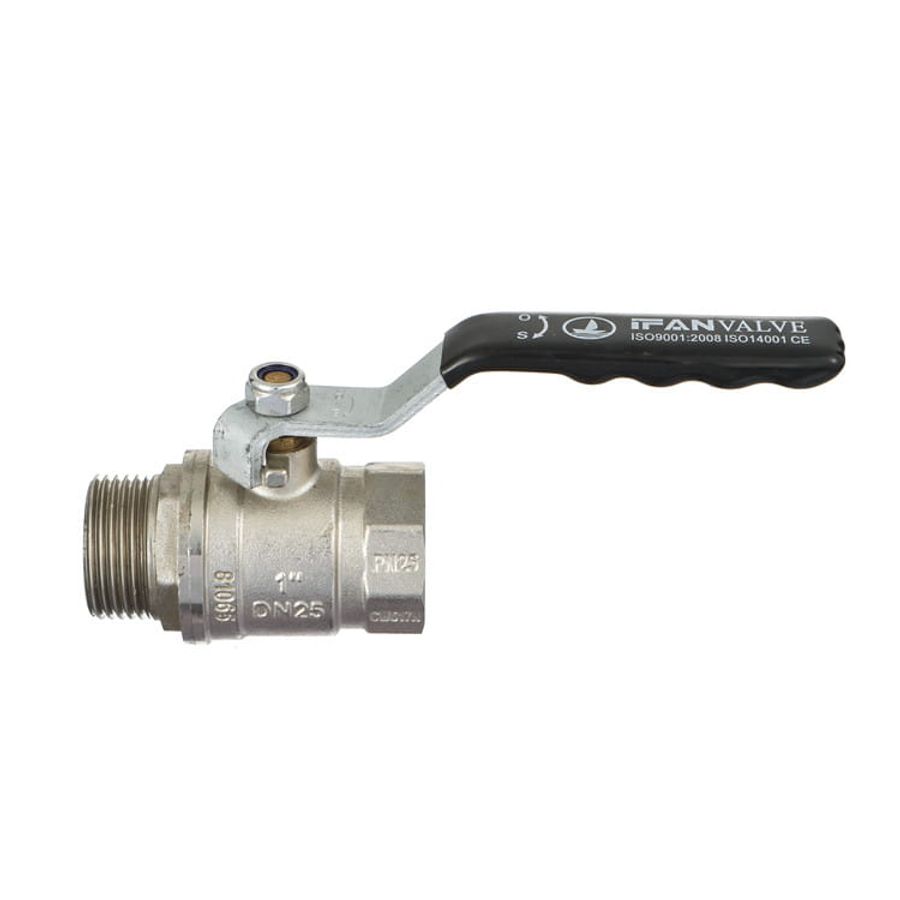
A gate valve gives a full bore and a slow, gentle open/close — good for isolation, gentler on the system than a fast-closing valve, but slow to operate. A ball valve gives a fast quarter-turn shutoff, ideal where a line is isolated often. A globe valve is the one built to throttle. For the direct gate-versus-ball decision, see brass ball valve vs gate valve. Pair a gate valve for main isolation with a check valve for backflow, as covered in our brass check valve guide — they do different, complementary jobs.
Brass Grade: Lead-Free and Dezincification-Resistant
For potable water, the brass grade is as important as the valve design. Ordinary brass can suffer dezincification — zinc leaches out in aggressive water, leaving a weak, porous body that can crack or seize the gate. A gate valve has a precise seat and a threaded stem, so a brass that dezincifies doesn't just weaken — it can jam the mechanism and stop the valve sealing. Drinking-water systems should specify a dezincification-resistant (DZR) brass, and for lead limits a genuinely lead-free alloy — CW617N does not qualify, as explained in CW617N and lead-free brass, carrying the potable approval for your market. The valve grade should match the fittings and pipe it joins. On non-potable or industrial duty the grade requirement relaxes, but for any drinking-water line the DZR/lead-free specification is essential to a valve that still operates years after installation.
Sizing, Pressure Rating, and Connections
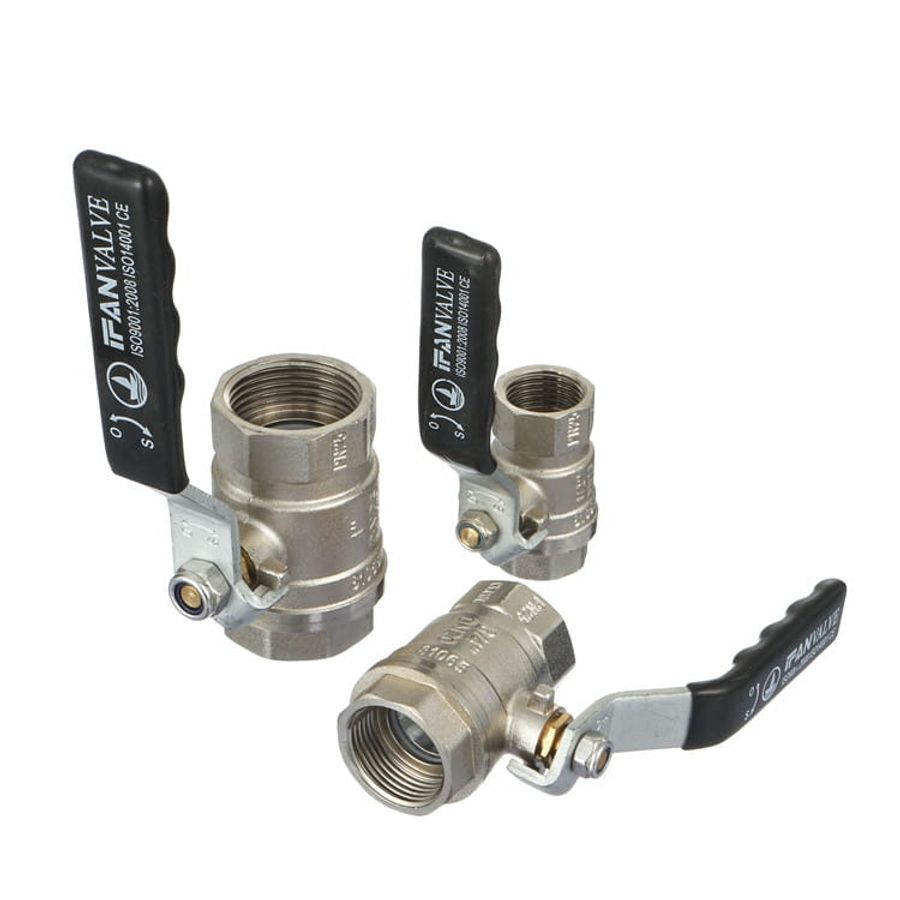
A brass gate valve is specified by size, pressure rating, and end connection. Size is the nominal bore (DN15–DN50 covers most plumbing) matched to the pipe. Pressure rating appears as a PN class (PN16, PN20, PN25) or a WOG figure — match it to the working pressure plus a margin, and confirm the temperature rating if the valve sees hot water. End connections are usually threaded (BSP or NPT, male or female), so match the thread standard and gender to the adjoining pipe or fitting — a BSP valve won't seal on an NPT line. Because a gate valve is a full-bore device, its size should equal the line size so it doesn't become a restriction. Getting size, pressure class, thread standard, and grade all correct means the valve threads straight in and isolates to spec — the same match-everything discipline that runs across brass valves and fittings. State all four on the order and there's no guesswork at install.
How to Choose a Brass Gate Valve
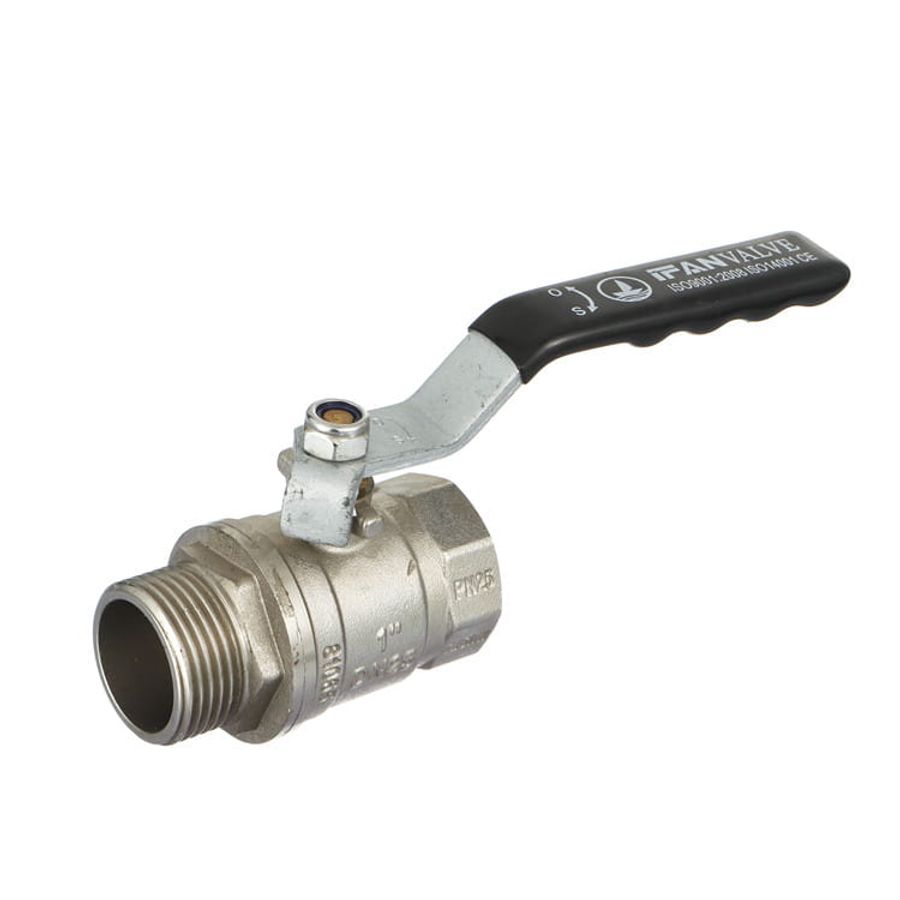
For a buyer, decide in order. Duty first: confirm you actually need isolation (fully open/closed) — if you need fast on/off, a ball valve suits better; if you need throttling, a globe valve. Stem type: rising stem where you want visible position and have clearance, non-rising where space is tight. Grade: lead-free DZR for potable, matched to the pipe and fittings. Size and pressure: full line size, PN or WOG class for the working pressure, temperature rating for hot lines. Thread: BSP or NPT, male or female, to match the line. On a project order, the efficiency comes from buying the gate, ball, and check valves plus fittings together in one grade, thread standard, and size system — so isolation, shutoff, and backflow protection all arrive matched. That coordination is what turns a valve schedule into a clean install rather than a parts-hunt.
Need lead-free brass gate valves matched to your system?
Tell us the size, stem type, pressure class, and thread — we'll quote DZR lead-free brass gate, ball, and check valves with fittings from one source.
Request a QuotePrice deserves the same scrutiny as specification: weigh the valve and compare it against published per-size gram benchmarks before you trust a quote. The gate valve price benchmark guide shows the metal-floor math.
Common Gate Valve Mistakes
Using it to throttle. A partly-open gate vibrates and erodes the seat. Use it fully open or fully closed; use a globe valve to throttle.
Wrong valve for frequent use. A gate takes several slow turns. Where a line is isolated often, a quarter-turn ball valve is faster and more convenient.
Ordinary brass on potable water. Non-DZR brass can dezincify and seize the gate. Specify lead-free, DZR brass for drinking-water lines.
Rising stem with no clearance. A rising-stem valve needs headroom above it. In tight spaces use a non-rising stem.
Mismatched thread or pressure class. A BSP valve on an NPT line, or an under-rated PN class, won't seal or hold. Match thread standard and pressure rating to the line.
Frequently Asked Questions
What is a brass gate valve used for?
A brass gate valve is an isolation valve — used to fully open or fully close a line, branch, or piece of equipment, usually for maintenance or shutdown. It opens to a full bore with almost no flow restriction and seals tight when closed. It spends nearly all its life fully open, being closed only occasionally to isolate a section. It is not designed to throttle or control flow.
Can a gate valve be used to control flow?
No — a gate valve should be used fully open or fully closed, never partly open. In a throttling position the gate sits in the flow stream, where turbulence makes it vibrate and erode the seat until it no longer seals. For flow control or throttling, use a globe valve; for fast on/off isolation, use a ball valve. Match the valve type to the duty.
Gate valve or ball valve — which is better?
Both isolate, but differently. A ball valve gives a fast quarter-turn shutoff, ideal where a line is isolated often. A gate valve opens and closes slowly over several turns, is full-bore, and is gentler on the system — suited to isolation that's done infrequently. Ball valves have largely become the default for quick isolation; gate valves remain common for mains and full-bore isolation. Choose by how often and how fast you need to operate it.
Is a brass gate valve safe for drinking water?
Yes, provided it's the right grade. For potable water, specify a dezincification-resistant grade such as CW602N, plus a lead-free alloy where a lead limit applies — CW617N itself is a leaded brass and is neither. Ordinary brass can dezincify in aggressive water, weakening the body and seizing the gate mechanism. The valve grade should match the fittings and pipe it joins, and carry the drinking-water certification for your region.